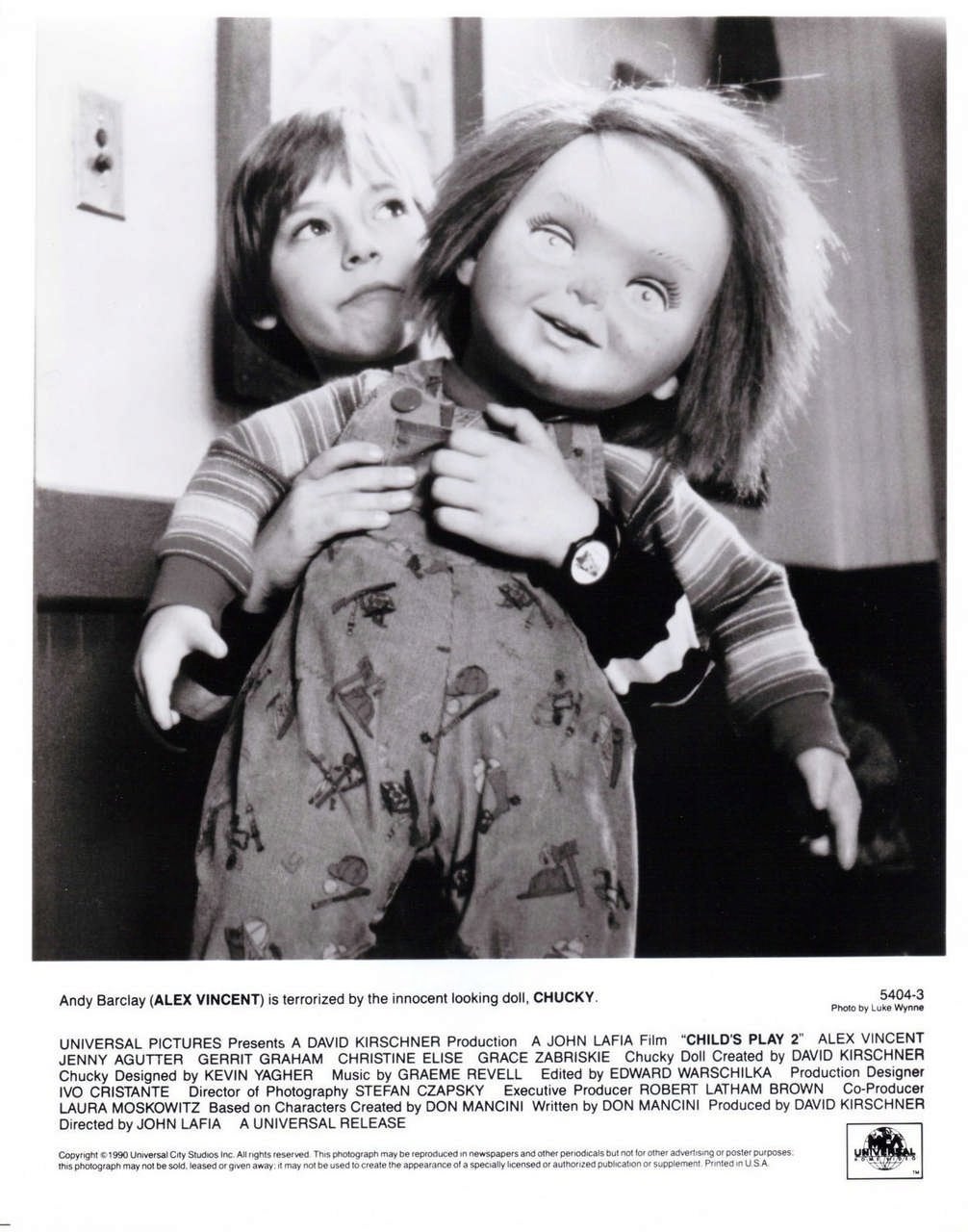
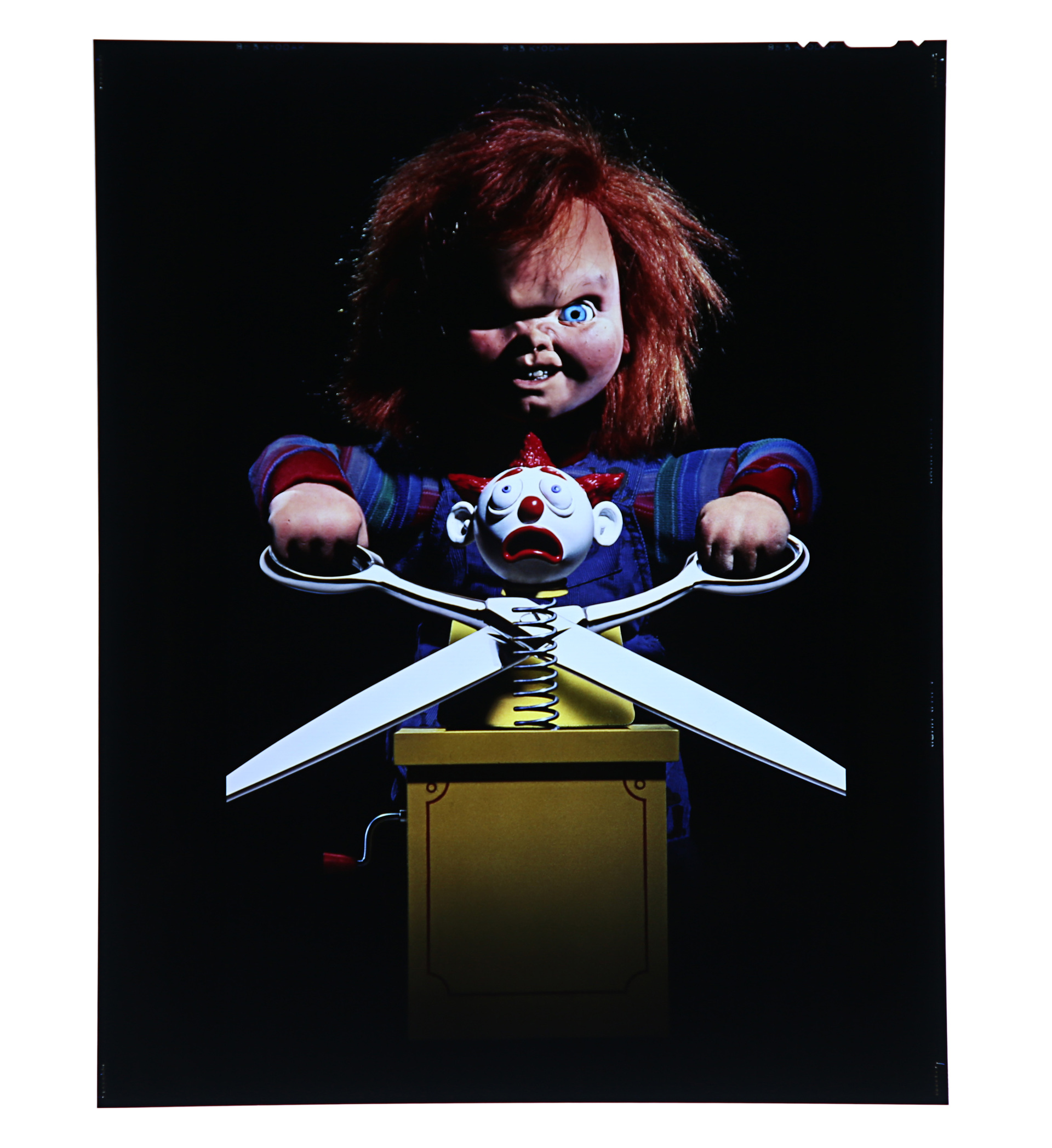
Child's Play 2 press kit
1990 · studio press kit
- Photographs
- 3
- Repository
- University of Illinois Rare Book & Manuscript Library — Leskosky film press-kit collection

Child’s Play & Chucky
1990

Sorry Jack... Chucky's back!
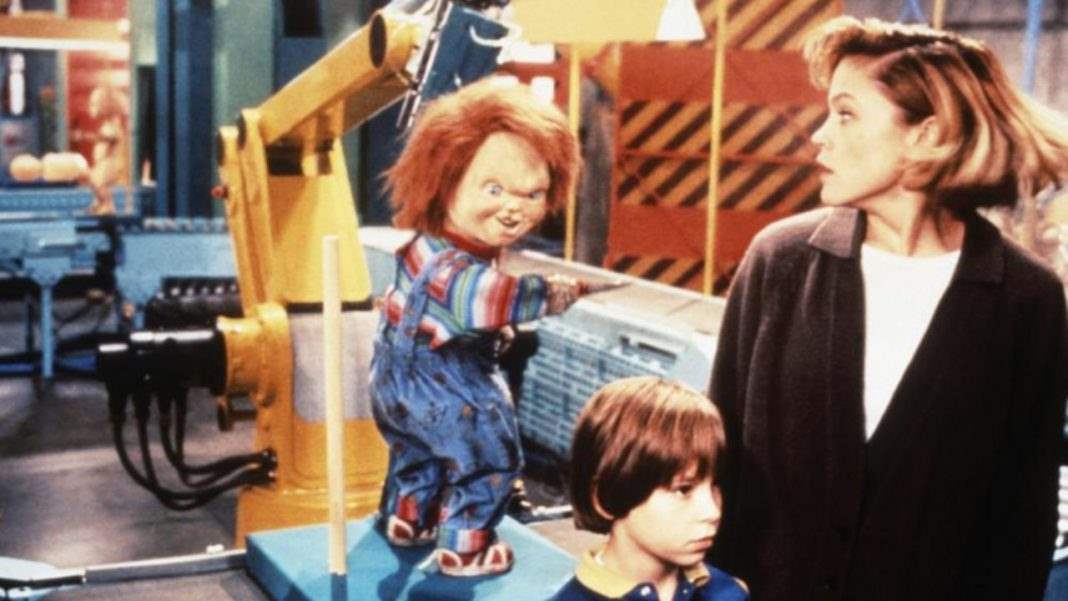
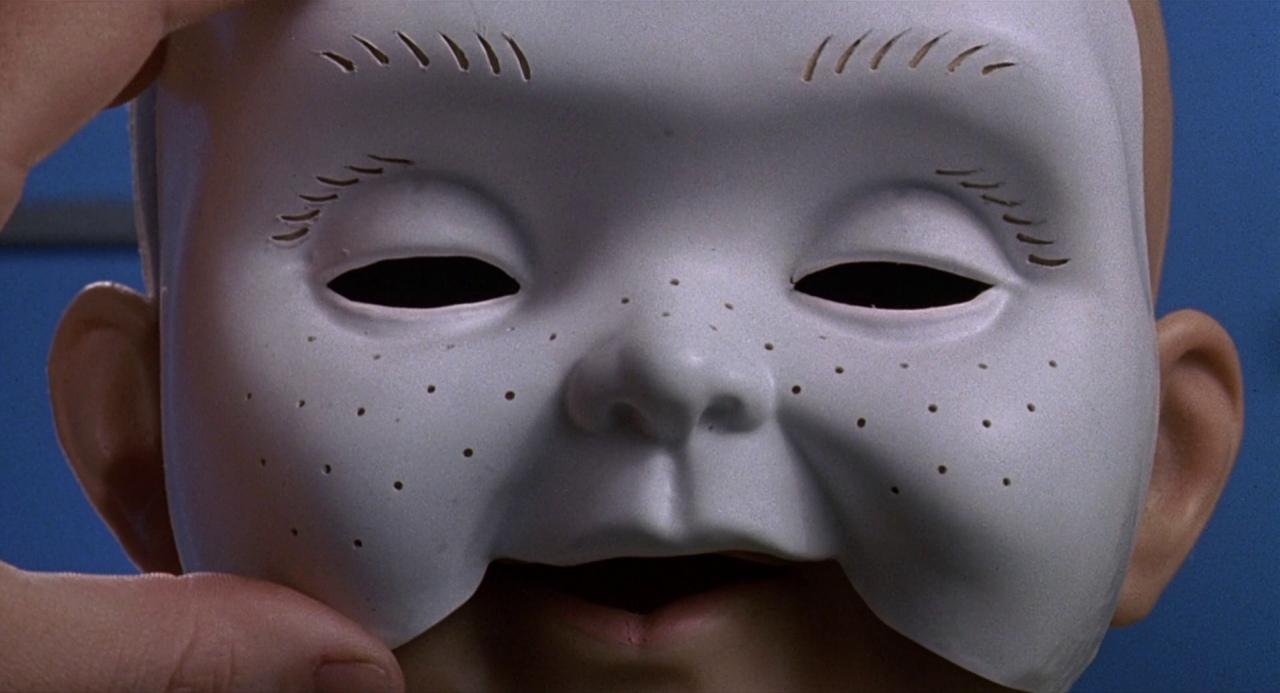
Two years after Chucky was destroyed, the Play Pals toy company is still fighting bad press over the Good Guy doll. To prove nothing was wrong with it, the company gets hold of the burned remains and rebuilds the doll at its factory. During the rebuild a power surge electrocutes one of the workers, and Chucky comes back to life. Company boss Sullivan orders his assistant Mattson to get rid of the doll.
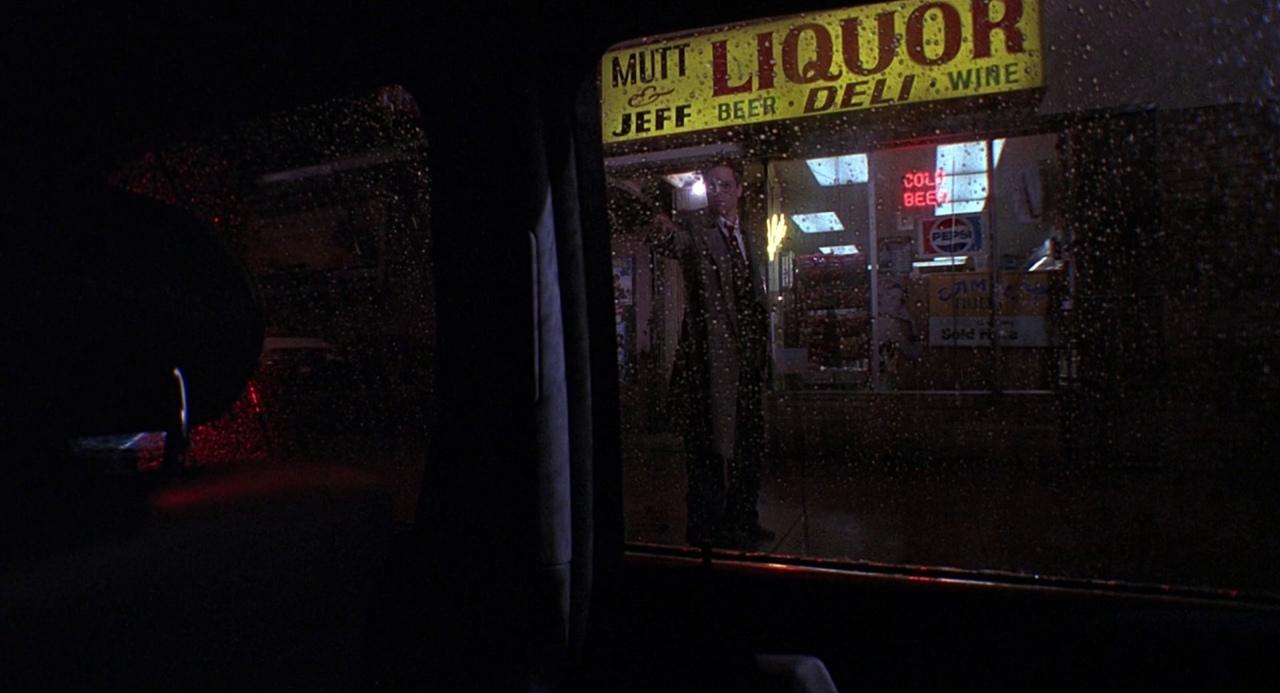
Karen Barclay has been locked up in a psychiatric hospital for saying the doll was alive, and eight-year-old Andy is in foster care. Chucky rides along in Mattson's car, uses the car phone to trick Grace Poole at the foster center into giving out Andy's new address, and makes Mattson drive him there. Then he suffocates Mattson with a plastic bag.
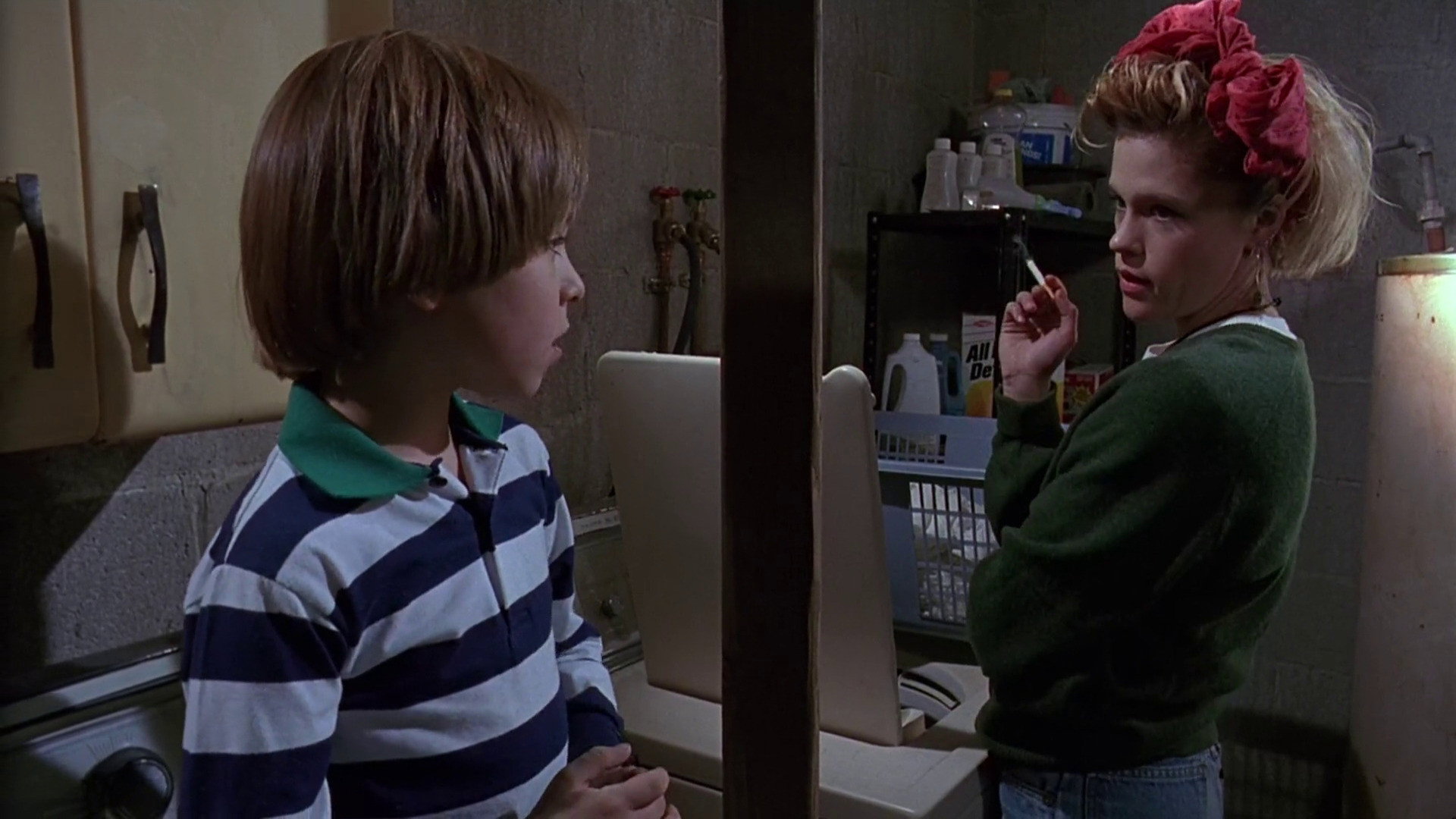
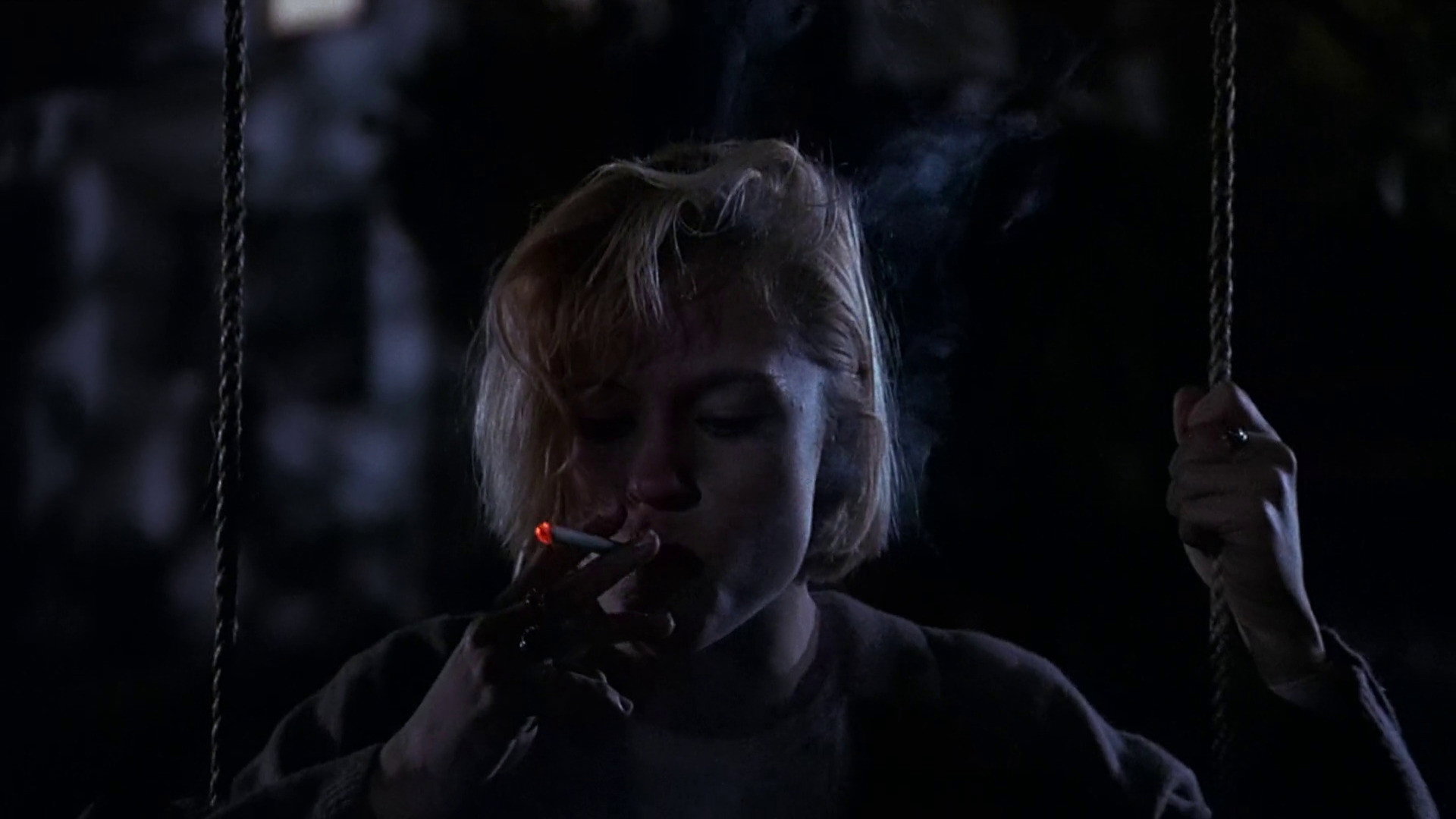
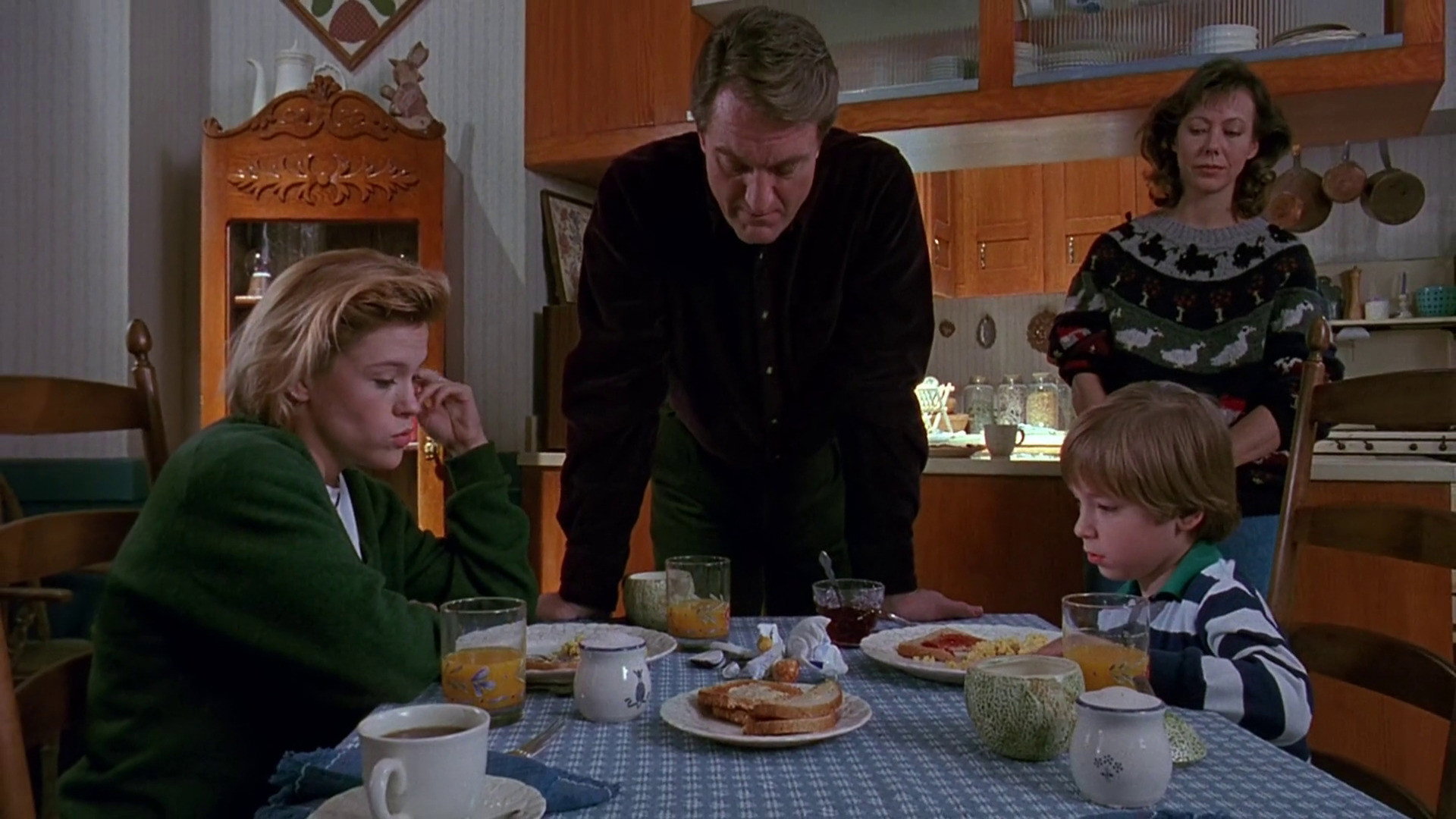
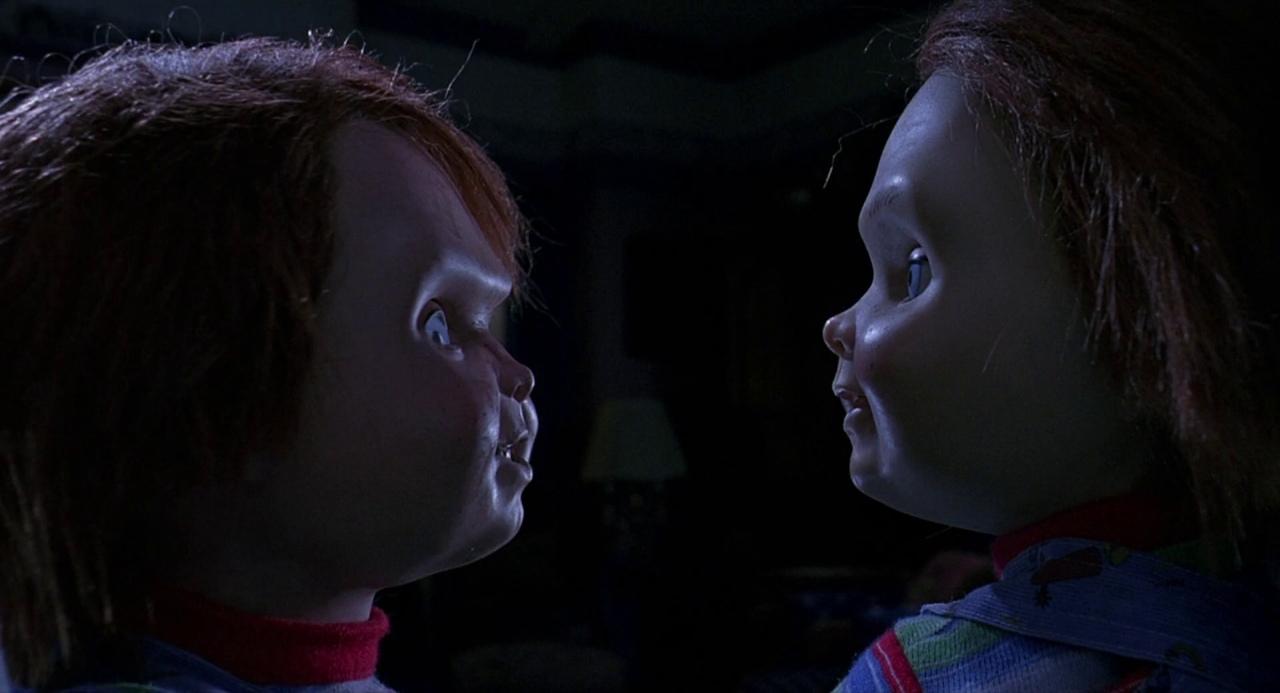
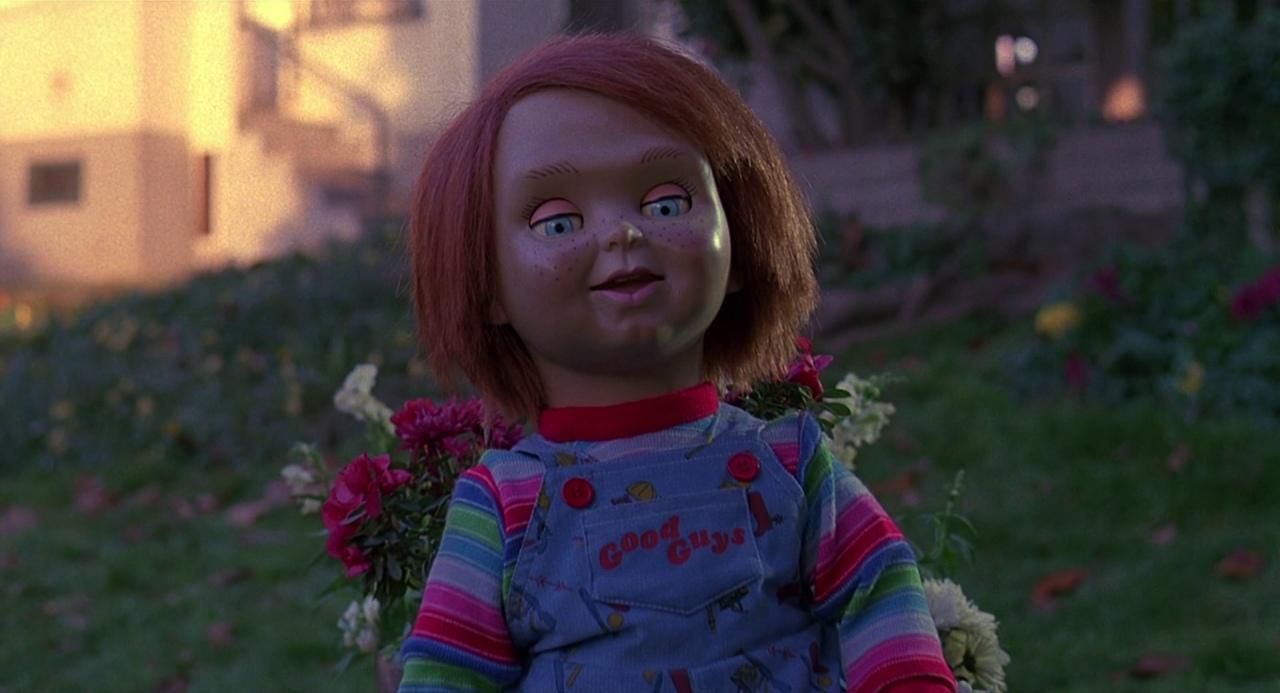
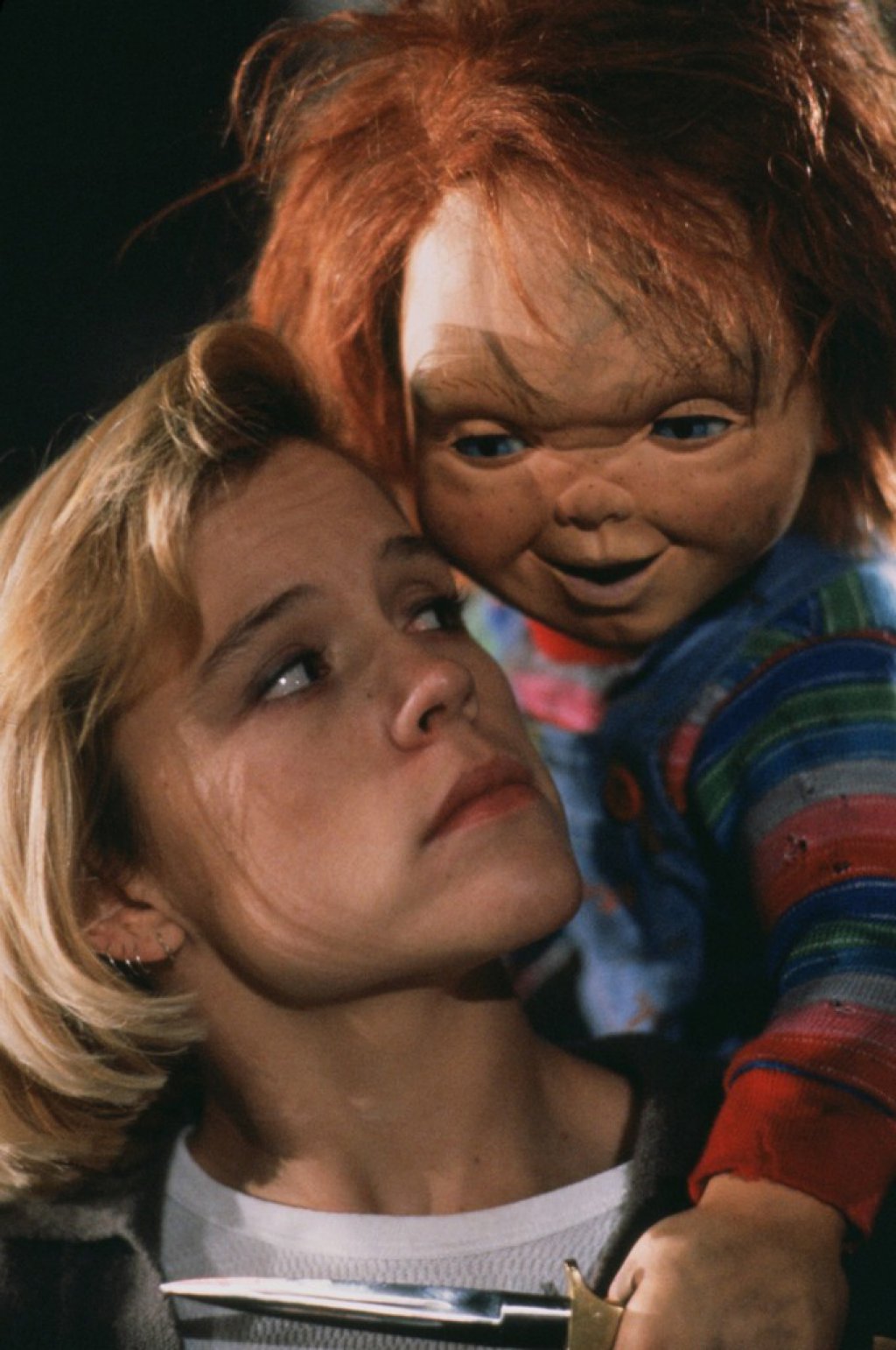
Andy has been placed with Phil and Joanne Simpson, a couple who take in foster kids. Their other foster child is Kyle, a tough teenage girl. Chucky swaps himself for Tommy, the Good Guy doll the Simpsons bought, and buries Tommy in the yard. He also smashes a family heirloom, and Andy and Kyle get blamed. Chucky then shows Andy he's alive and starts the chant to move his soul into him, but Kyle walks in and the ritual stops. She doesn't realize the doll is alive. Phil throws the doll in the basement, and there Chucky figures out his body is turning human.
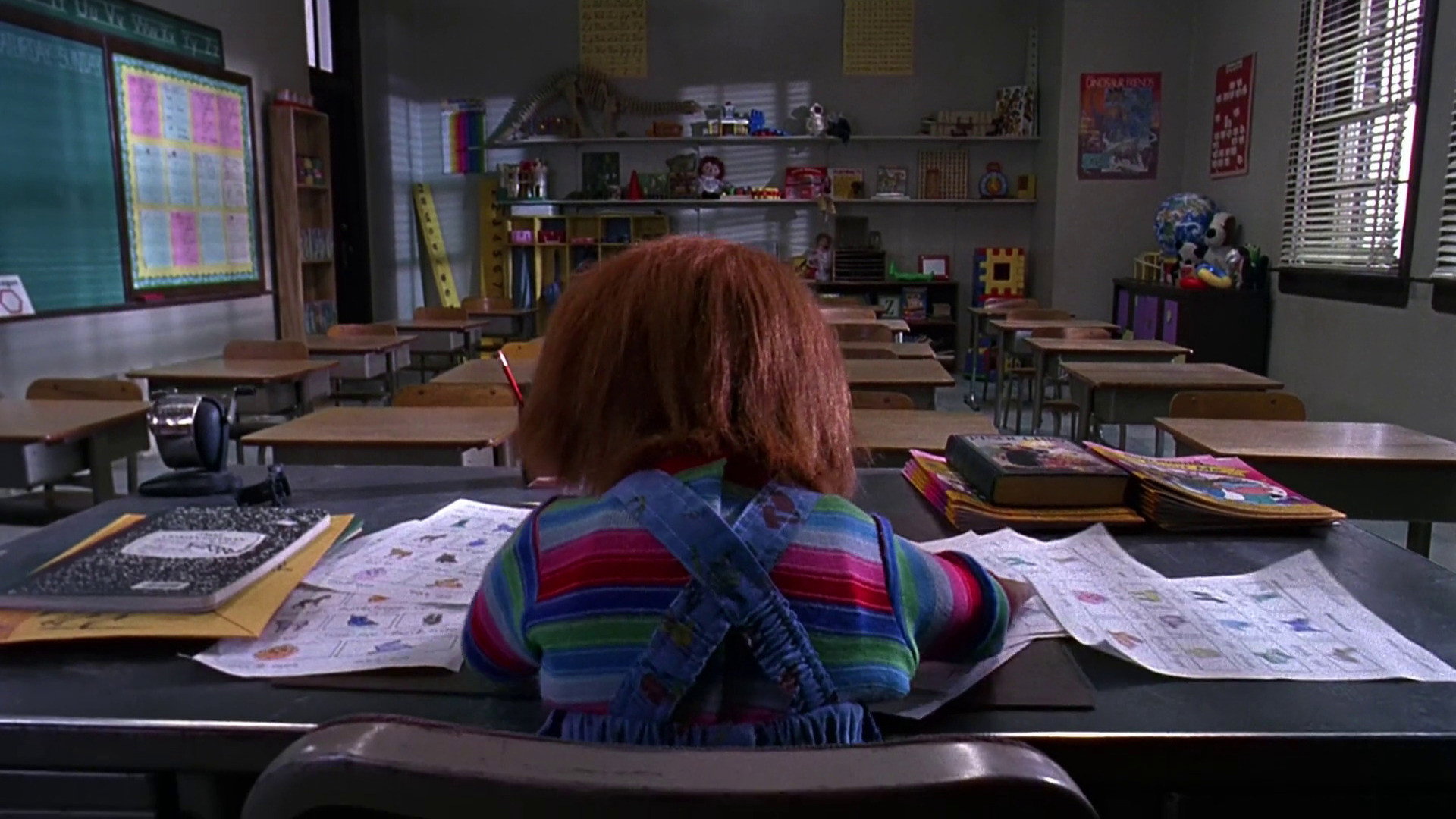
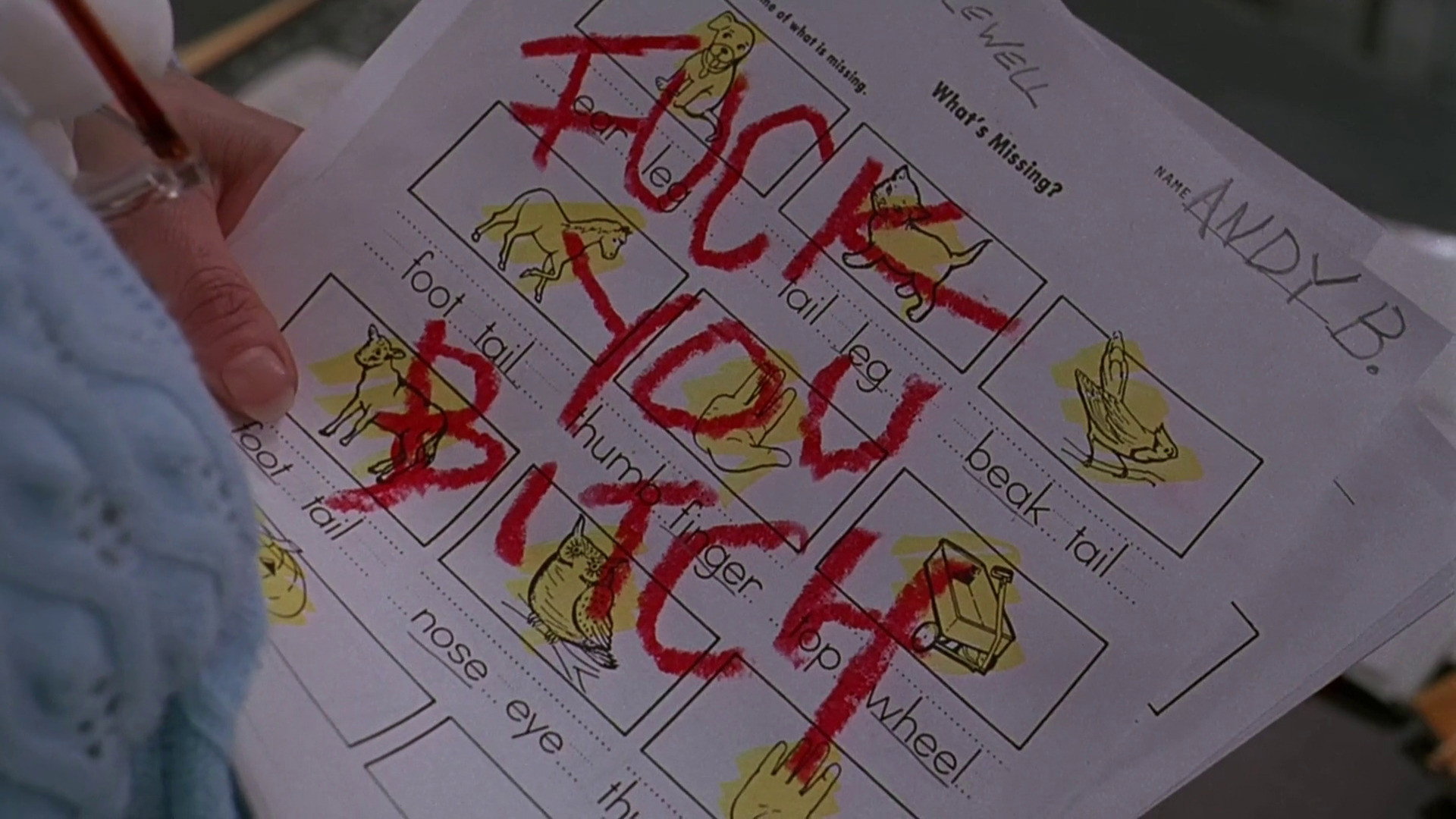
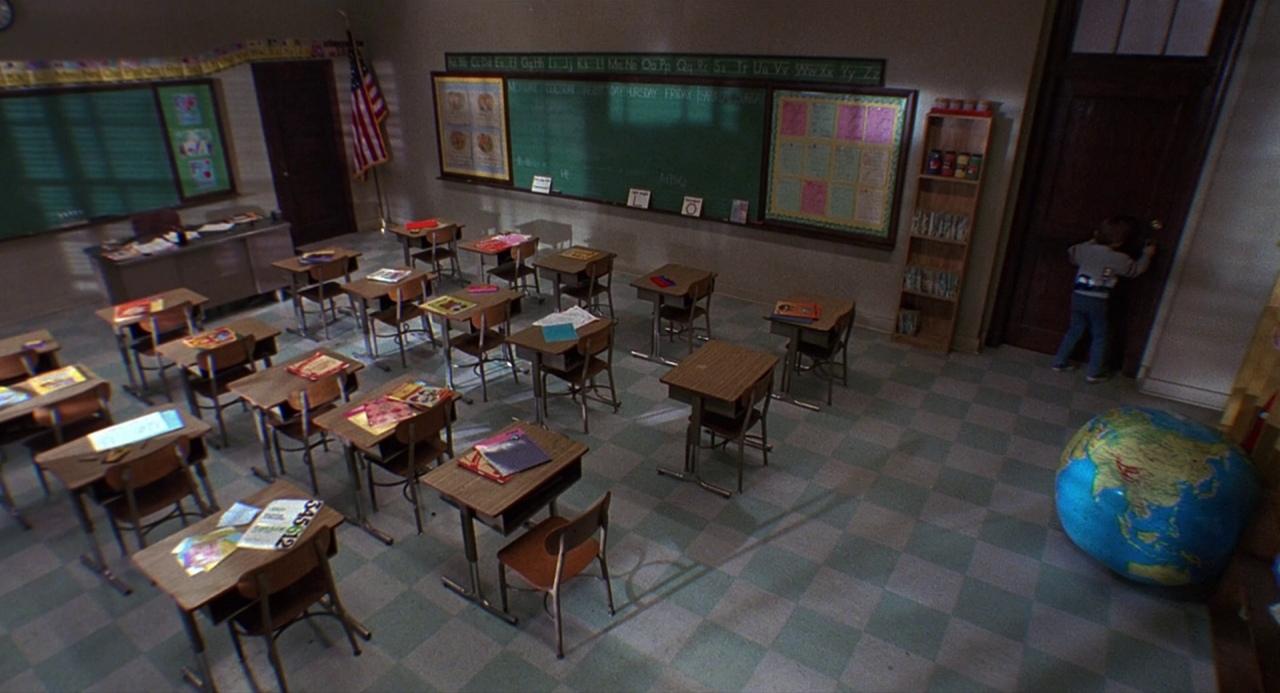
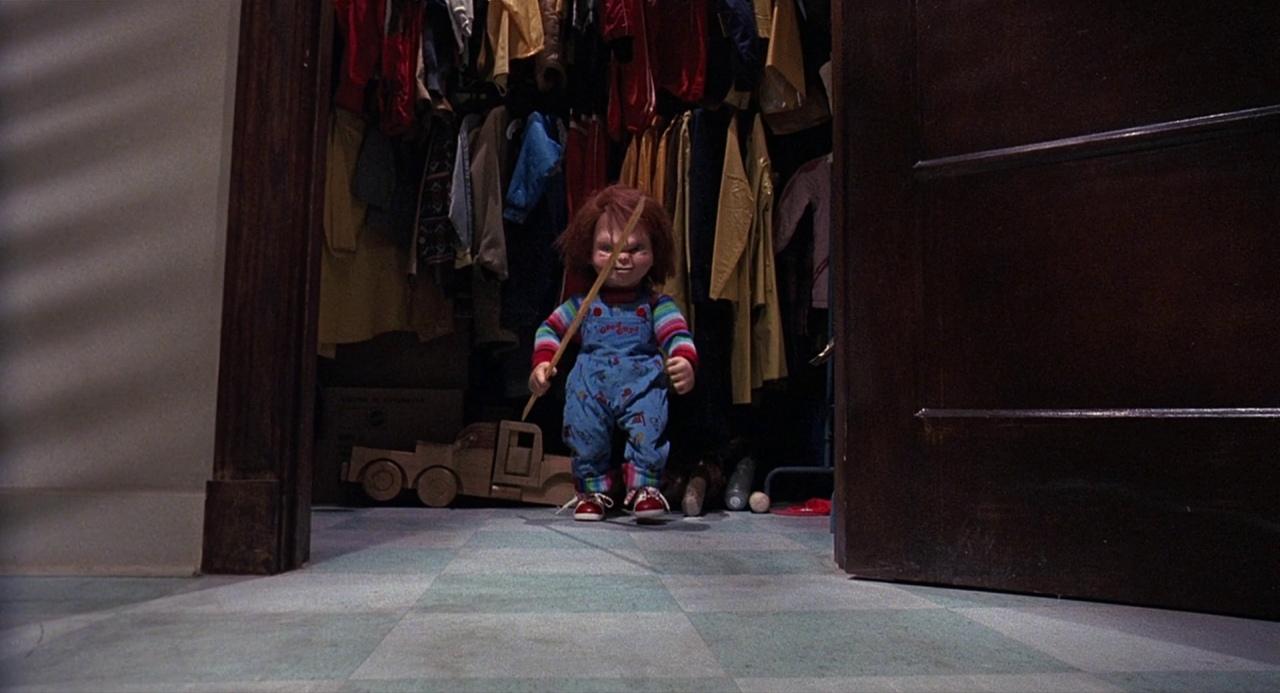
Chucky sneaks along to Andy's school and ruins his homework, which gets Andy in trouble with his teacher, Miss Kettlewell. Chucky kills her, stabbing her with an air pump and beating her with a yardstick, and Andy gets away. Andy tells Phil, who won't listen.
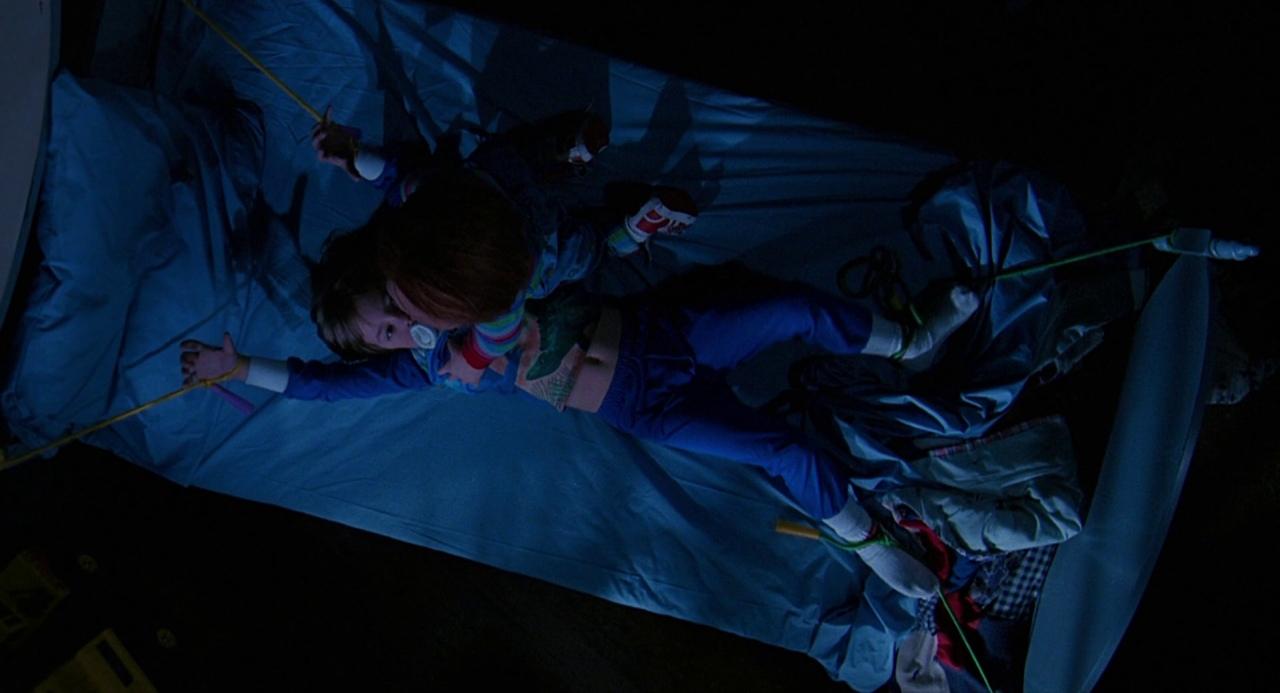
That night Andy goes down to the basement with an electric carving knife to kill Chucky, and the two fight. Phil comes down the stairs to see what's going on, and Chucky trips him. Phil falls, breaks his neck and dies. Joanne blames Andy and sends him back to the foster center. Kyle finds the buried Tommy doll and realizes Andy was telling the truth. She rushes home to warn Joanne and finds Chucky has already killed her.
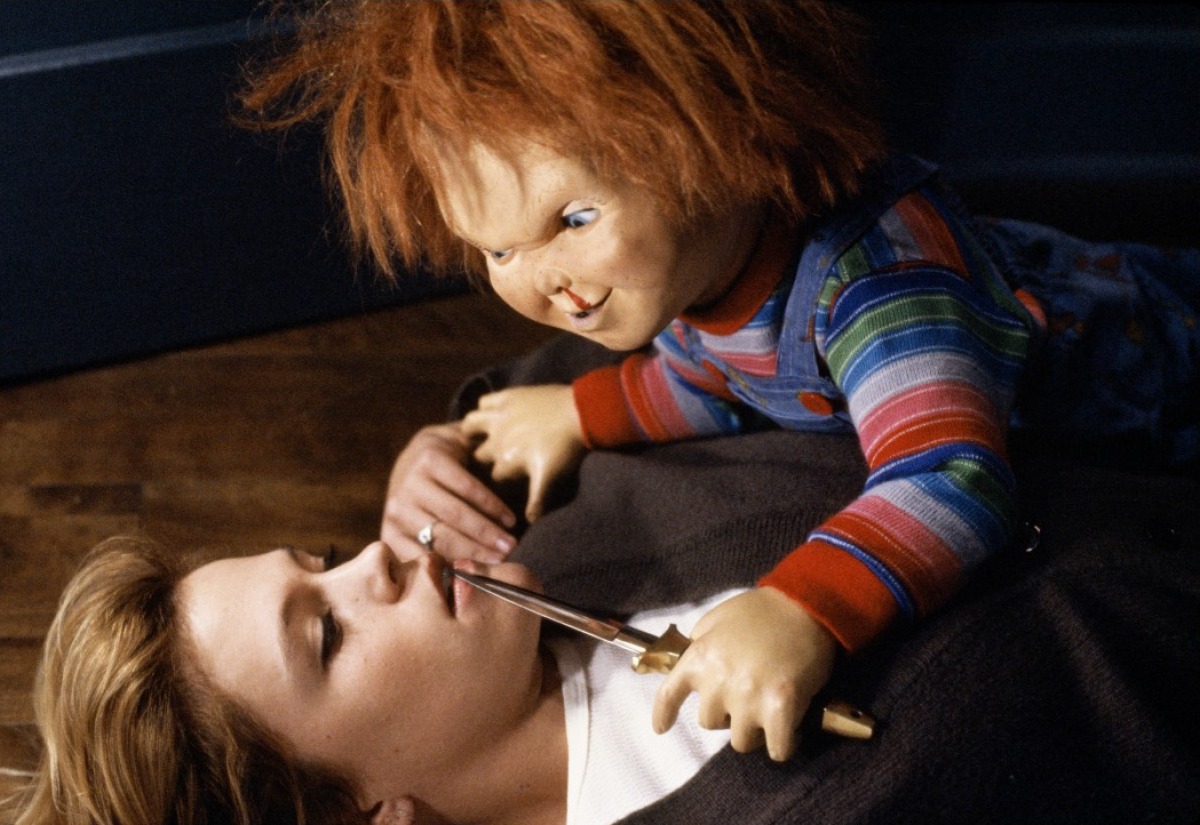
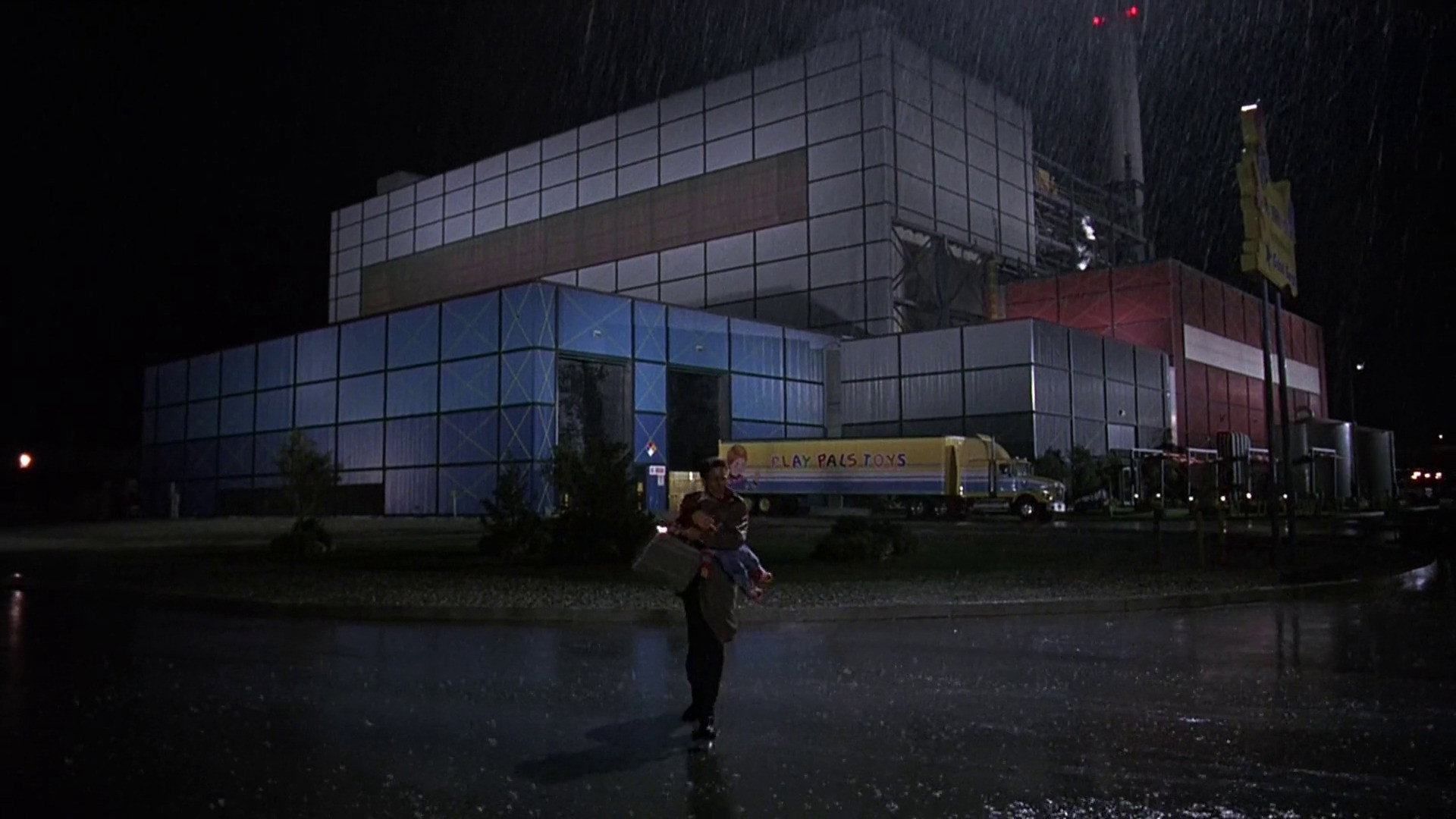
Chucky ambushes Kyle and forces her to drive him to the foster center. He stabs Grace Poole to death and grabs Andy. Chucky makes Andy take him to the Play Pals factory and tries the chant again, but it fails. He has been in the doll too long, and now he's stuck in plastic for good. Furious, he decides to kill Andy.
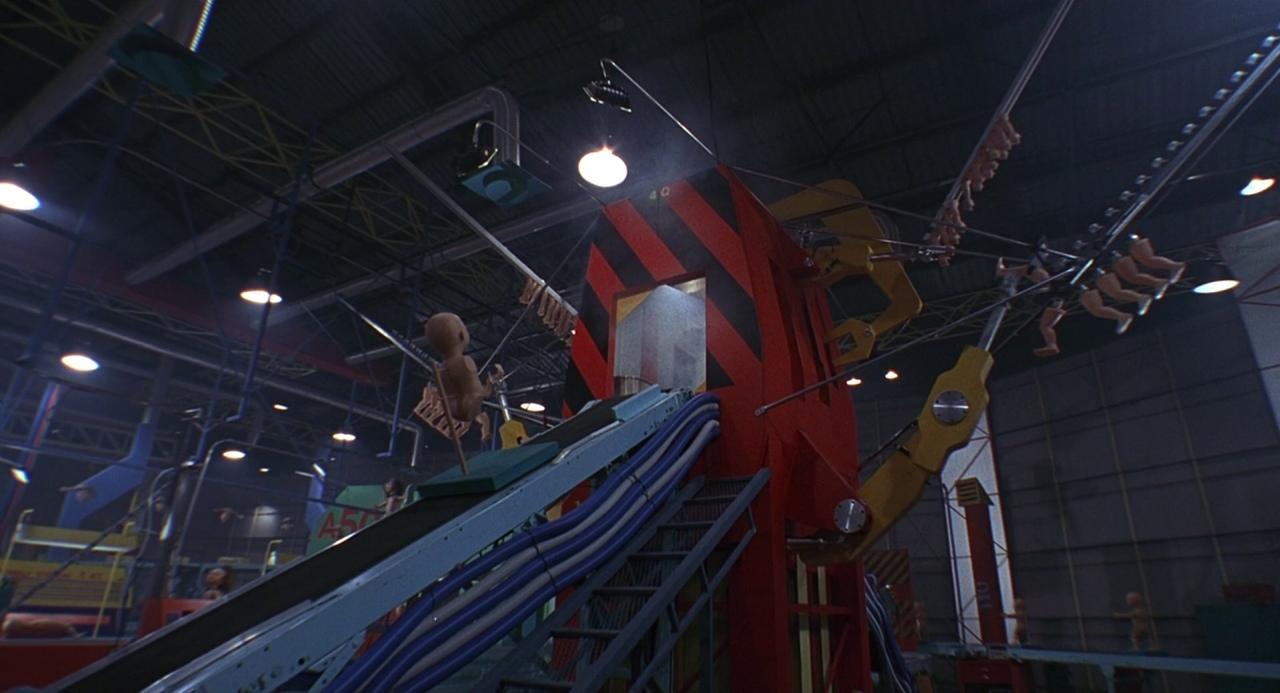
Kyle follows them into the factory. On the assembly line Chucky's hand gets crushed in a gate, so he cuts it off and jams a knife into the stump. He kills a factory technician, and Kyle and Andy hurt Chucky badly with the machines. He comes back and knocks Kyle down using the dead technician's body. Andy pours hot melted plastic over Chucky, which seems to finish him. Chucky climbs out one last time, and Kyle shoves a high-pressure air hose into his mouth. His head swells up and blows apart. Andy and Kyle walk out of the factory together, not sure where they'll go next.
Universal opened the film November 9, 1990. It debuted at number one with $10,718,520 from 1,996 screens. AFI notes it had dropped to $23.1 million by the end of the month. Box Office Mojo lists a final take of $28,501,605 in the US and Canada and $7,262,000 overseas, for $35,763,605 worldwide.
To promote the film, Universal ran a 900 phone number where fans could hear Chucky's voice. Daily Variety reported 40,000 calls in the first month.
Critics were harder on this one. Rotten Tomatoes lists 53 percent positive from 17 reviews, and Metacritic gives it 37 from 16 critics. Variety said it rehashed the original's few new ideas until they went numb. Gene Siskel gave it zero stars. Kevin Thomas of the Los Angeles Times called it handsome but morbid. Richard Harrington of The Washington Post said it wasn't as good as the first but beat most sequels. Years later Evan Dickson of Bloody Disgusting praised it as a stripped-down, effective slasher.
The strong opening got Child's Play 3 greenlit right away, with a release date only nine months off.
1990 · studio press kit
1990 · telephone promotion
2023 · home-video preserved version
Andy Barclay
Joanne Simpson
Phil Simpson
Kyle
Grace Poole
Sullivan
Miss Kettlewell
Mattson
Chucky
voice
Social worker
Van driver
Homicide investigator
Policeman in car
Liquor store clerk
Technician
Technician
Technician
Tommy doll
voice
Sammy
Adam
Chucky
in-suit performer; credited among stunts
Play Pals Corporation employee
uncredited cameo, per The Movie Database
Director
Second unit director; Chucky design and engineering
Writer
Producer; Chucky doll created
Executive producer
Co-producer
Director of photography
Camera operator
Camera operator
Steadicam operator
Steadicam operator
Still photographer
Director of photography, second unit
Director of photography, additional photography
Puppet video operator
Editor
Production designer
Art director
Production illustrator
Set decorator
Property master
Construction coordinator
Costume designer
Chucky costumer
Music
Music conductor and orchestrator
Additional orchestration
Music editor
Scoring mixer
Production sound mixer
Supervising sound editor
Re-recording mixer
Re-recording mixer
Re-recording mixer
Chucky puppeteer
Chucky puppeteer
Chucky puppeteer
Chucky puppeteer
Chucky puppeteer
Chucky puppeteer
Chucky puppeteer
Chucky puppeteer
Chucky puppeteer
Chucky puppeteer
Chucky puppeteer
Studio manager, Chucky effects
Mechanical effects coordinator
Robotic consultant
Effects producer
Optical supervisor
Animation supervisor
Title designer
Key makeup
Key hair stylist
Casting
Casting associate
Script supervisor
Location manager
Stunt coordinator
Unit publicist
The first film did well enough for United Artists to order a sequel. Tom Holland was asked back but said no because of his fights with Kirschner and the studio. John Lafia had been turned down as a director before for lack of experience, but after he directed The Blue Iguana he got the job. Don Mancini wrote the script. The foster home setting came from Lafia's own background.
MGM/UA also paid Mark Patrick Carducci to write a backup script, which put Andy in a mental hospital. It was never used. Then the Australian company Qintex moved to buy United Artists, and UA president Richard Berger told Kirschner the film was on hold. AFI notes that child advocacy groups cheered the cancellation.
Kirschner took the film to other studios. Disney, which was already working with him on Hocus Pocus, wanted it for its Touchstone label and hoped to build a horror attraction around Chucky at the Disney-MGM Studios theme park. Steven Spielberg and Kathleen Kennedy helped Universal's Sid Sheinberg talk Kirschner into going with Universal. AFI reports Universal took distribution rights in March 1990.
An early draft opened with a courtroom scene explaining how Karen ended up committed, with Catherine Hicks and Chris Sarandon coming back. Sarandon told People in 2023 that he turned it down because Holland wasn't directing. Another draft had Chucky's remains in a police evidence locker next to Jason and Michael Myers masks.
Veronica Cartwright was considered for Joanne before Jenny Agutter got the part. Gerrit Graham beat out Jeffrey Jones, Tim Matheson and Charles Grodin for Phil. Shannen Doherty, Kristy Swanson and Holly Marie Combs all read for Kyle. Christine Elise almost missed her final audition because she was shooting an episode of Baywatch.
Principal photography began November 6, 1989, on a $12 million budget, according to AFI. Robert Latham Brown ran the production day to day while Kirschner handled his new job at Hanna-Barbera. Almost everything was shot on the Universal Studios lot, unlike the Chicago location work on the first film.
On December 1, 1989, IATSE began picketing the set to demand union representation. The crew voted to sign a union contract, which took effect January 8, 1990, with eleven days left on a 55-day schedule.
1989 · filming locations
Kevin Yagher came back to design and engineer Chucky, and he directed the second unit.
Brad Dourif recorded all his lines before filming, so the puppeteers could match Chucky's mouth to his voice. The lip sync is tighter than in the first film.
The credited Chucky puppeteers were N. Brock Winkless IV, David Nelson, Sandey Grinn, F. Charles Lutkus III, Shannon Shea, Kevin Carlson, Anton P. Rupprecht, Michael A. Trcic, Mecki Heussen, Van Snowden and Ron Pipes. Mark C. Yagher managed the Chucky effects studio.
Ed Gale was hired again as Chucky's body, but far fewer of his shots made the final cut than in the first film.
Peter M. Chesney coordinated the mechanical effects. Deborah Larsen was key makeup artist and Scott Williams key hair stylist.
Studio production notes describe three distinct Chucky systems: a full-body cable-controlled standing doll operated by nine puppeteers, a servo-motor remote-control doll, and a third upper-body unit.
Dialogue close-ups were photographed at 18 frames per second to give Kevin Yagher's team more time to synchronize the animatronic face to Brad Dourif's prerecorded lines.
1989 · animatronic / puppetry
Pamela Skaist designed the costumes. Marilyn Dozer handled Chucky's wardrobe inside Kevin Yagher's effects shop. Kirk Corwin was property master.
Tommy, the Good Guy doll Chucky replaces, was voiced by Edan Gross, the same actor who voiced the friendly Good Guy doll in the first film.
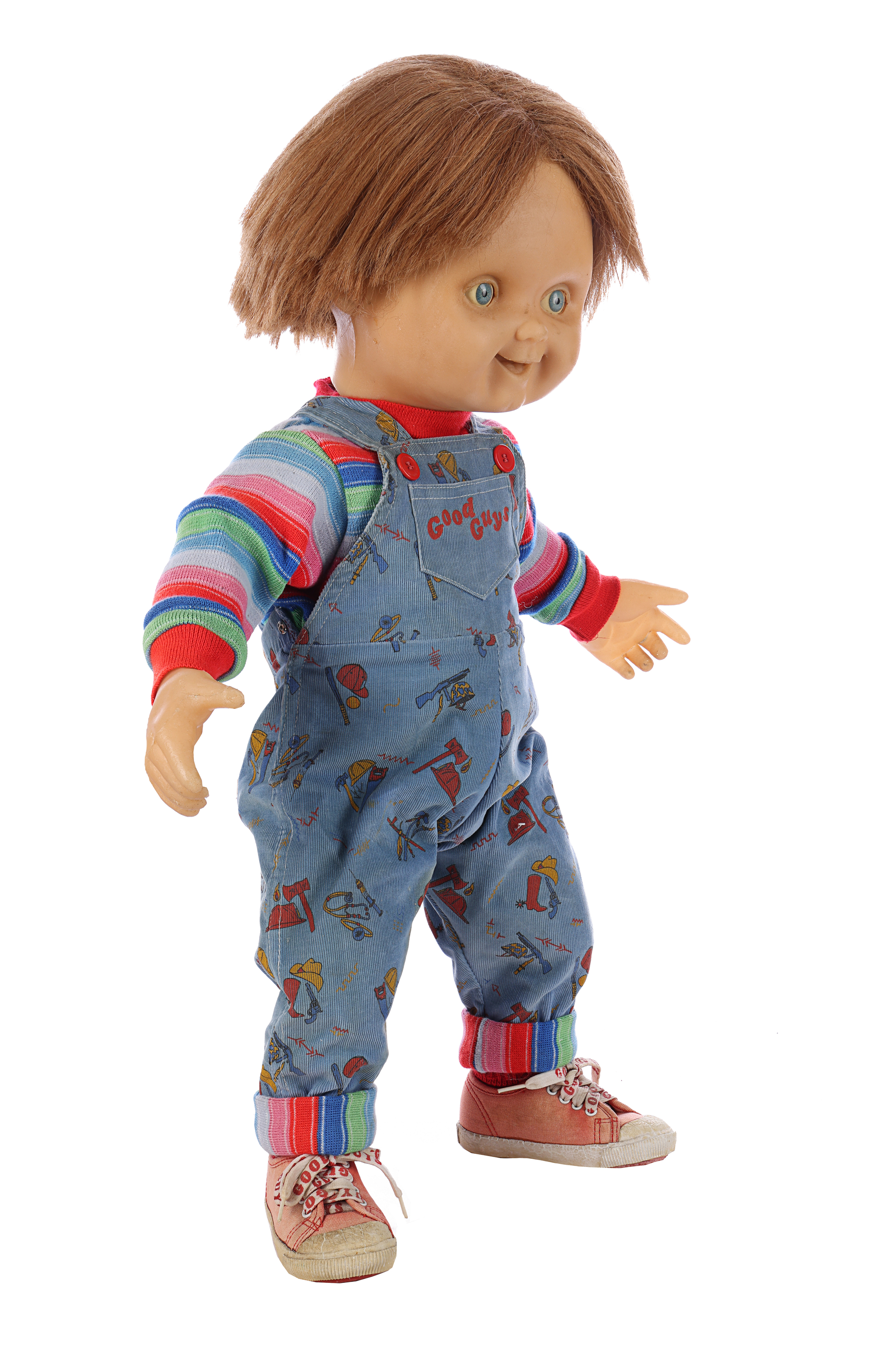
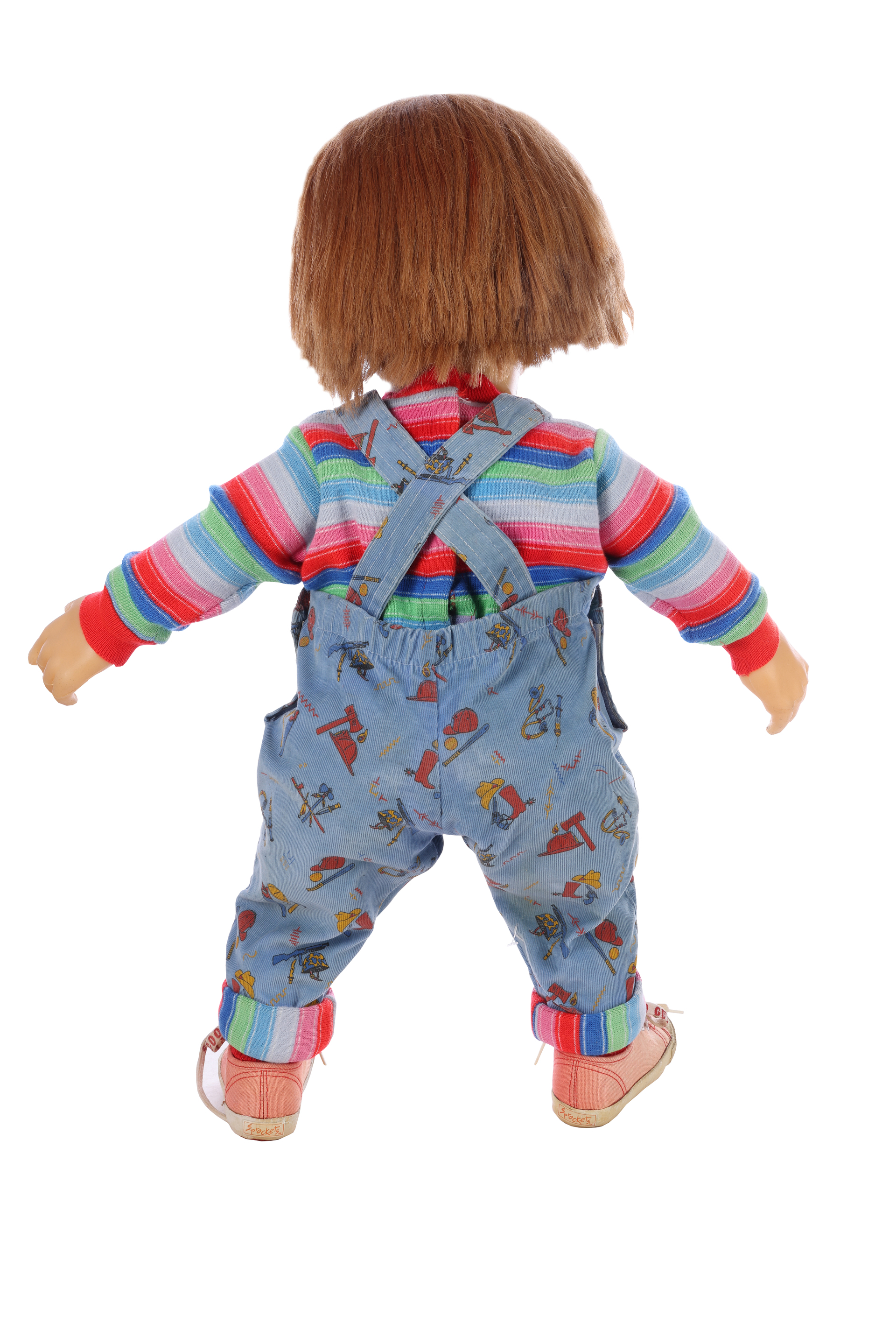
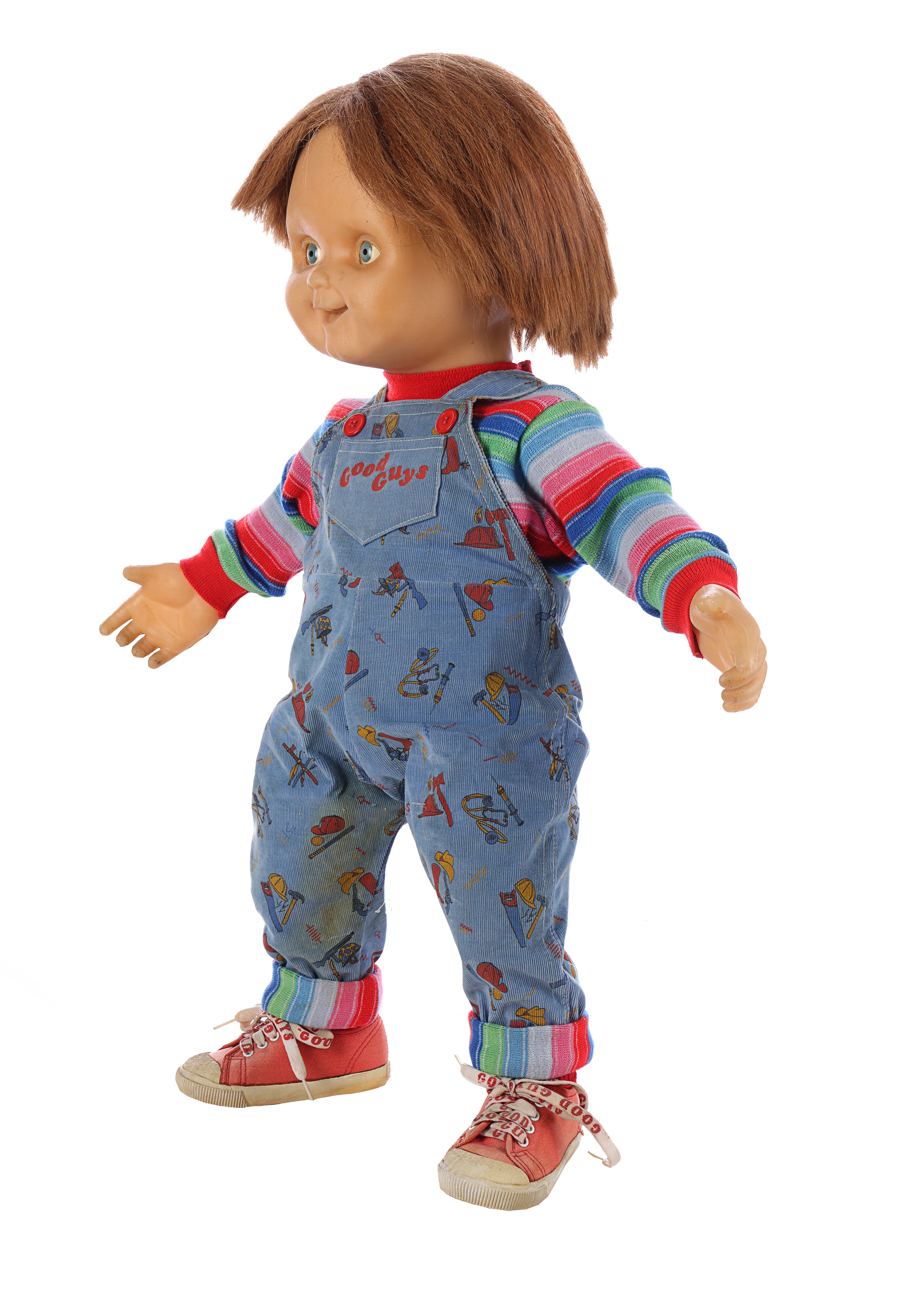
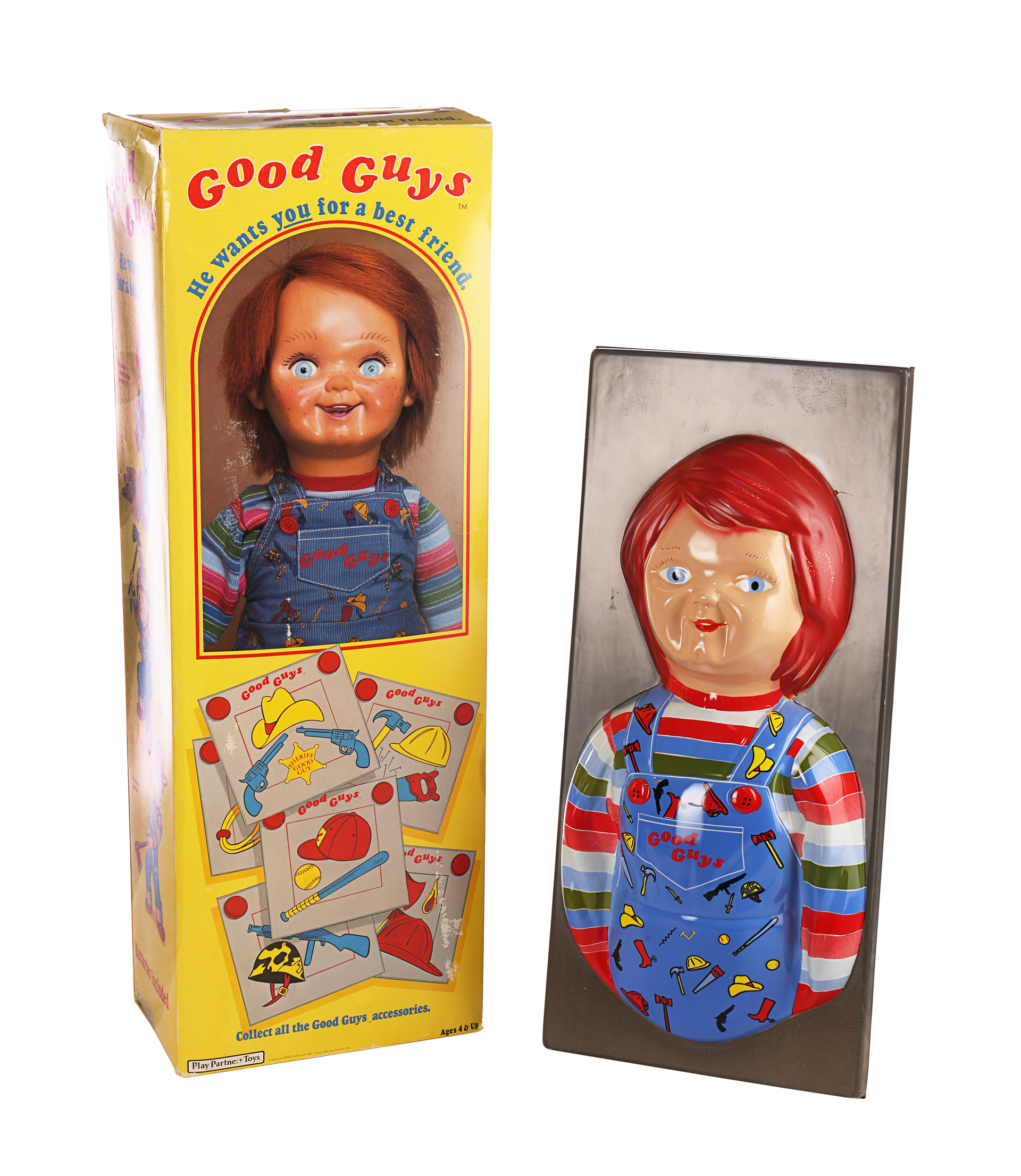
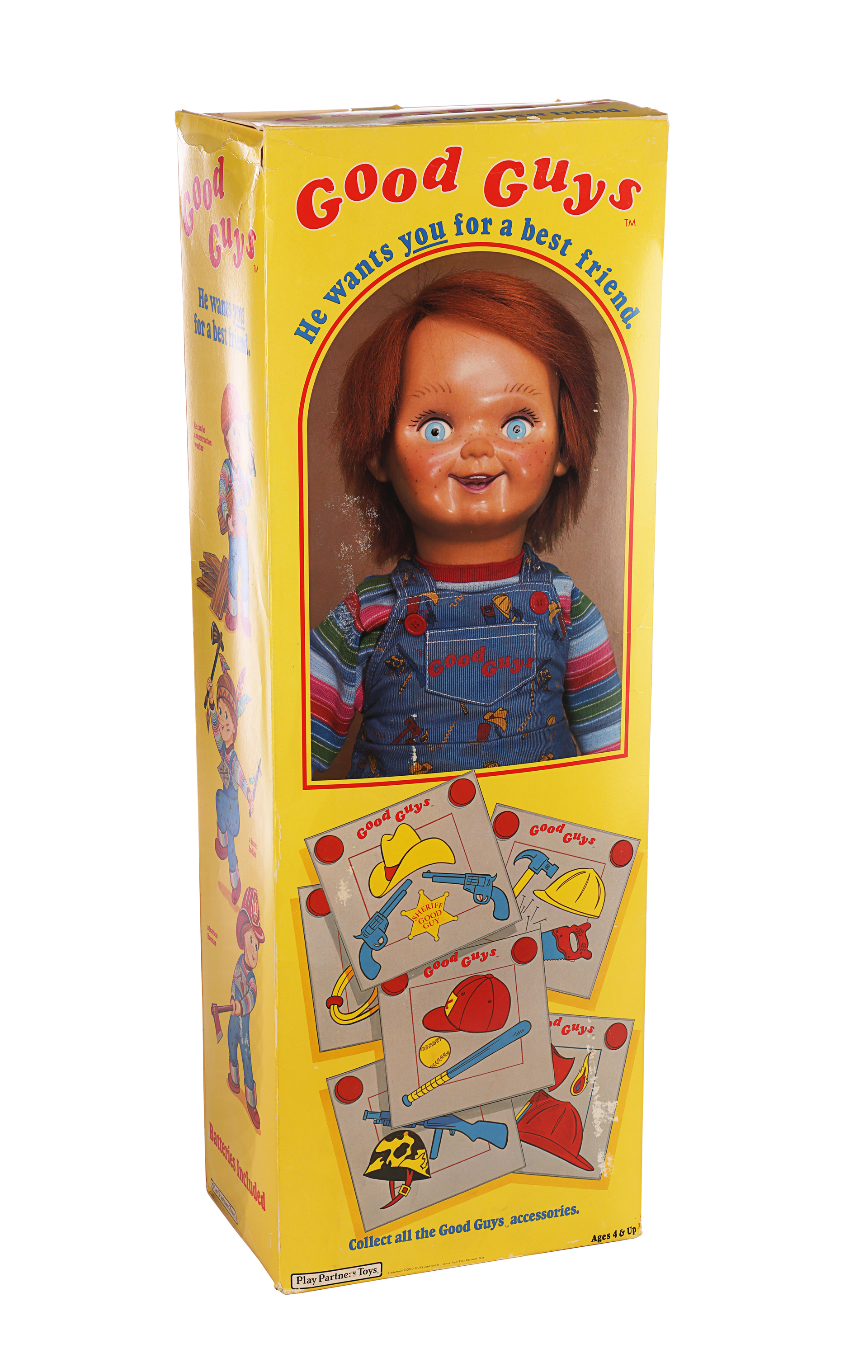
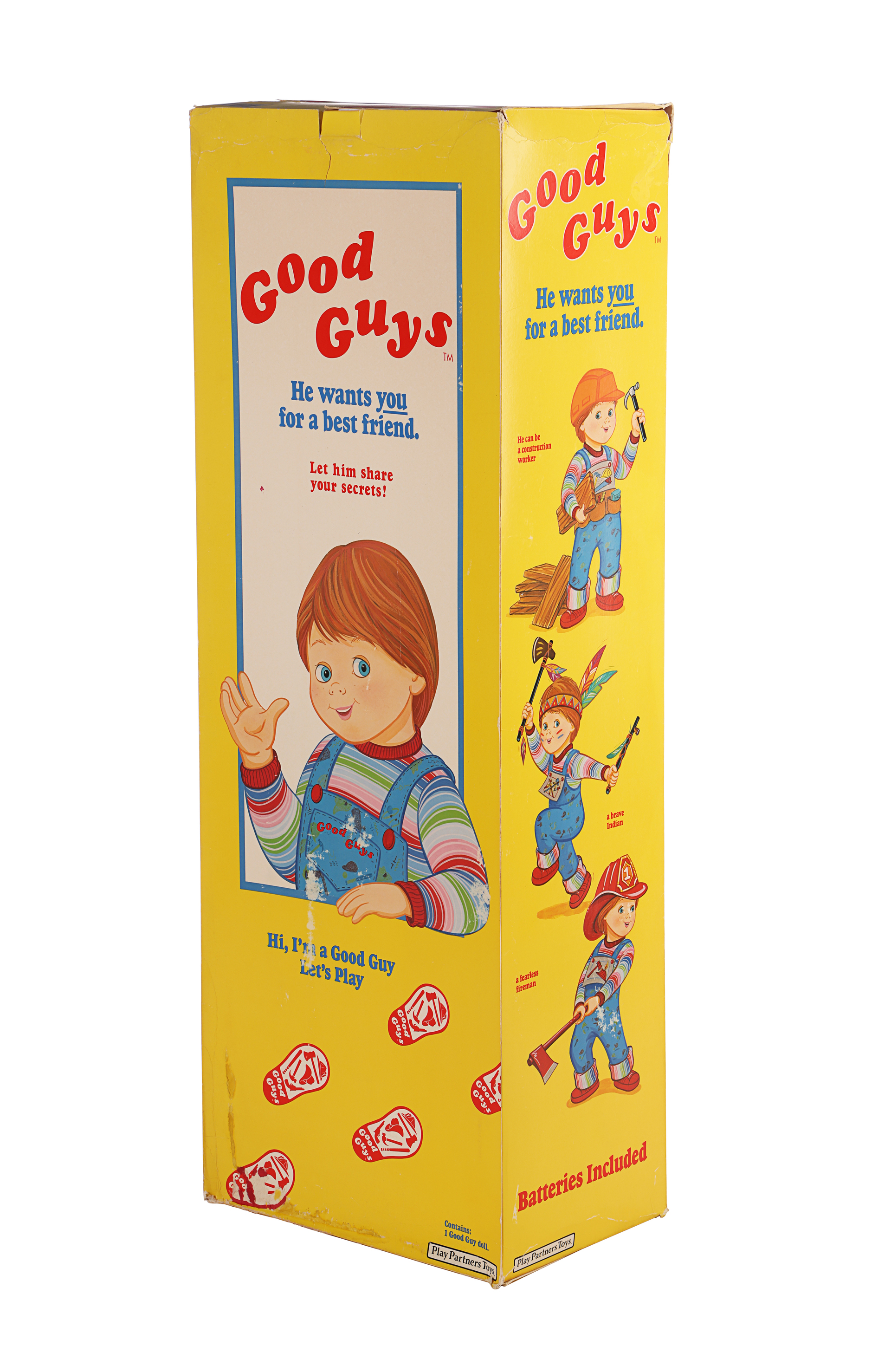
A Good Guys factory doll dressed in screen-matched Chucky dungarees went up at Propstore auction with a $40,000 to $80,000 estimate and did not sell. The lot included the head skin, hands and body from the factory scenes, production shoes, a striped shirt believed original, and replacement eyes. It matched to the factory rebuild and the Mattson car scene.
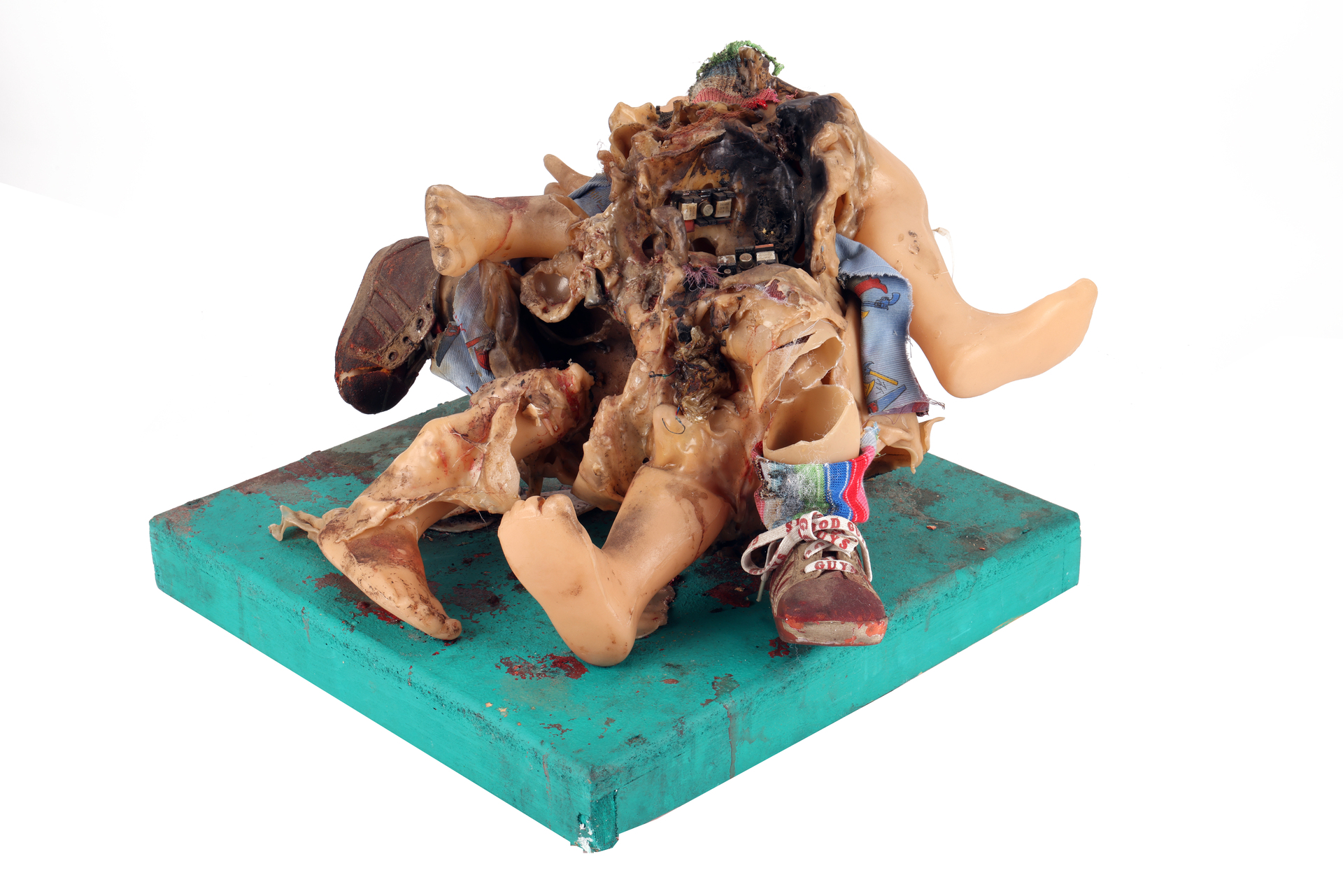
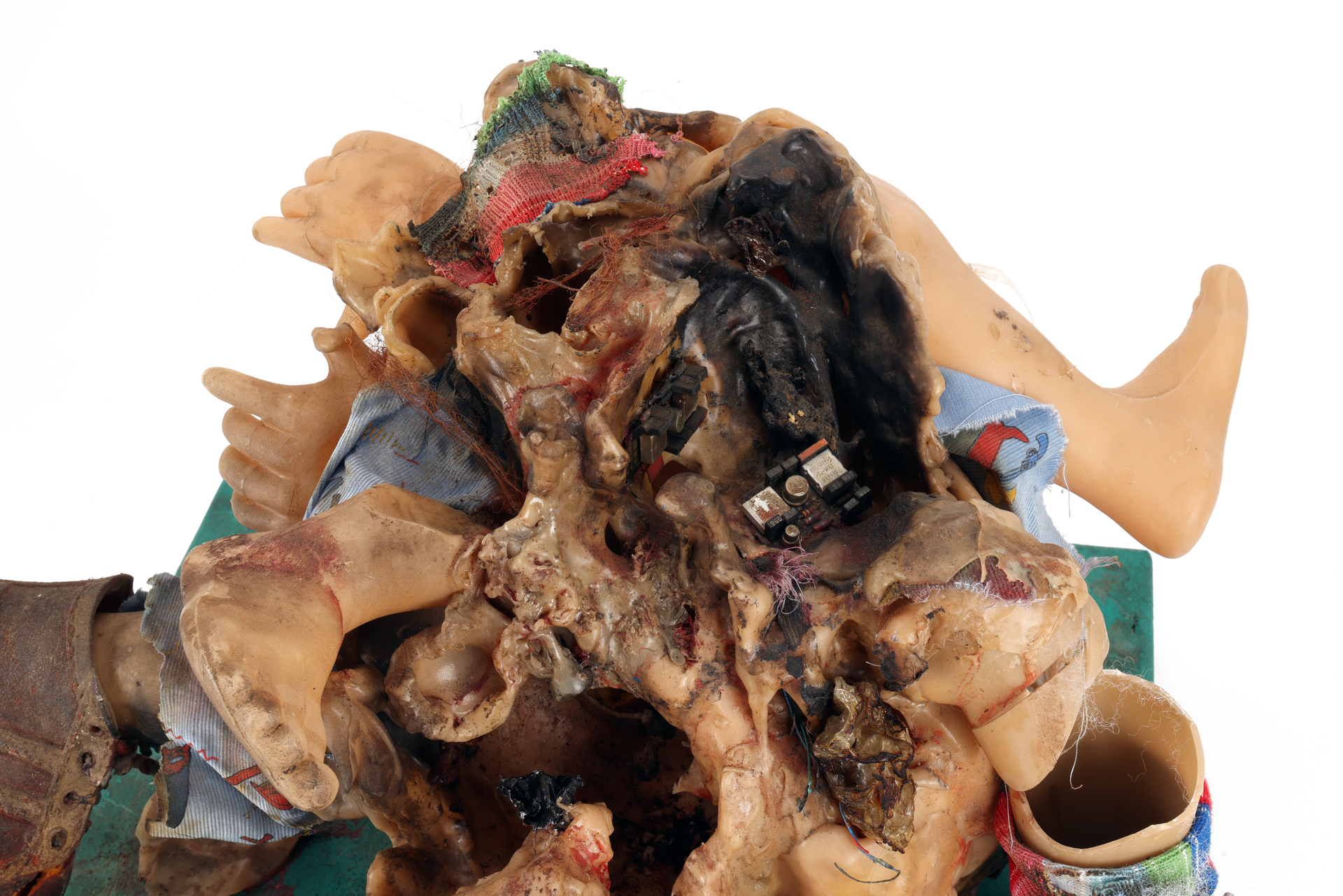
A screen-matched melted Chucky from the conveyor belt scene sold through Propstore London in 2022 with an estimate of 4,000 to 6,000 pounds. It is built from fused doll limbs, foam latex shoes, distressed costume fabric and internal wiring for smoke effects, mounted on a green wooden base, and measures 19 by 21.75 by 14.25 inches.
AFI credits Marilyn Dozer as Chucky costumer within Kevin Yagher Productions; Pamela Skaist designed the film's costumes, while Kirk Corwin served as prop master.
1990 · animatronic / puppet system
1990 · production-used doll / wardrobe assembly
1990 · production-used effects prop
1990 · script-resource index

Graeme Revell wrote the score. His only feature before this was the Australian thriller Dead Calm (1989), and Wikipedia says he got the job by telling the studio he had already written an orchestral piece, which wasn't true.
Unlike Joe Renzetti's electronic score for the first film, this one is fully orchestral with some electronics. Shirley Walker conducted and orchestrated it, with additional orchestration by Bruce Fowler, and the Hollywood Studio Symphony played it. Bruce Botnick mixed the recording sessions.
Waxwork Records and Enjoy The Ride Records released the score as a 2xLP, its first time on vinyl. It has 26 tracks over three sides, including Main Title, Electrocution, The Chant and End Credits. The fourth side is screen-printed with Chucky's bloody footprints, and the gatefold jacket includes a double-sided insert that recreates the homework from the film.
2xLP Vinyl
2022-08-16 · 4K Ultra HD + Blu-ray
2023 · 2023-12-18 · 4K UHD
Novelization
1991 · comic adaptation
Fright-Rags · cross-franchise collector card
NECA · figure
NECA · figure
NECA · figure
NECA · figure
NECA · figure
CavityColors · apparel
CavityColors · apparel
CavityColors · apparel
Super7 · 3.75-inch ReAction figure
Super7 · 3.75-inch ReAction figure
Super7 · 3.75-inch ReAction figure
Mezco Toyz · large-scale talking figure
ScreamFactoryTV