Child's Play 3 press kit
1991 · studio press kit
- Photographs
- 1
- Repository
- University of Illinois Rare Book & Manuscript Library — Leskosky film press-kit collection

Child’s Play & Chucky
1991

There comes a time to put away childhood things. But some things won't stay put!
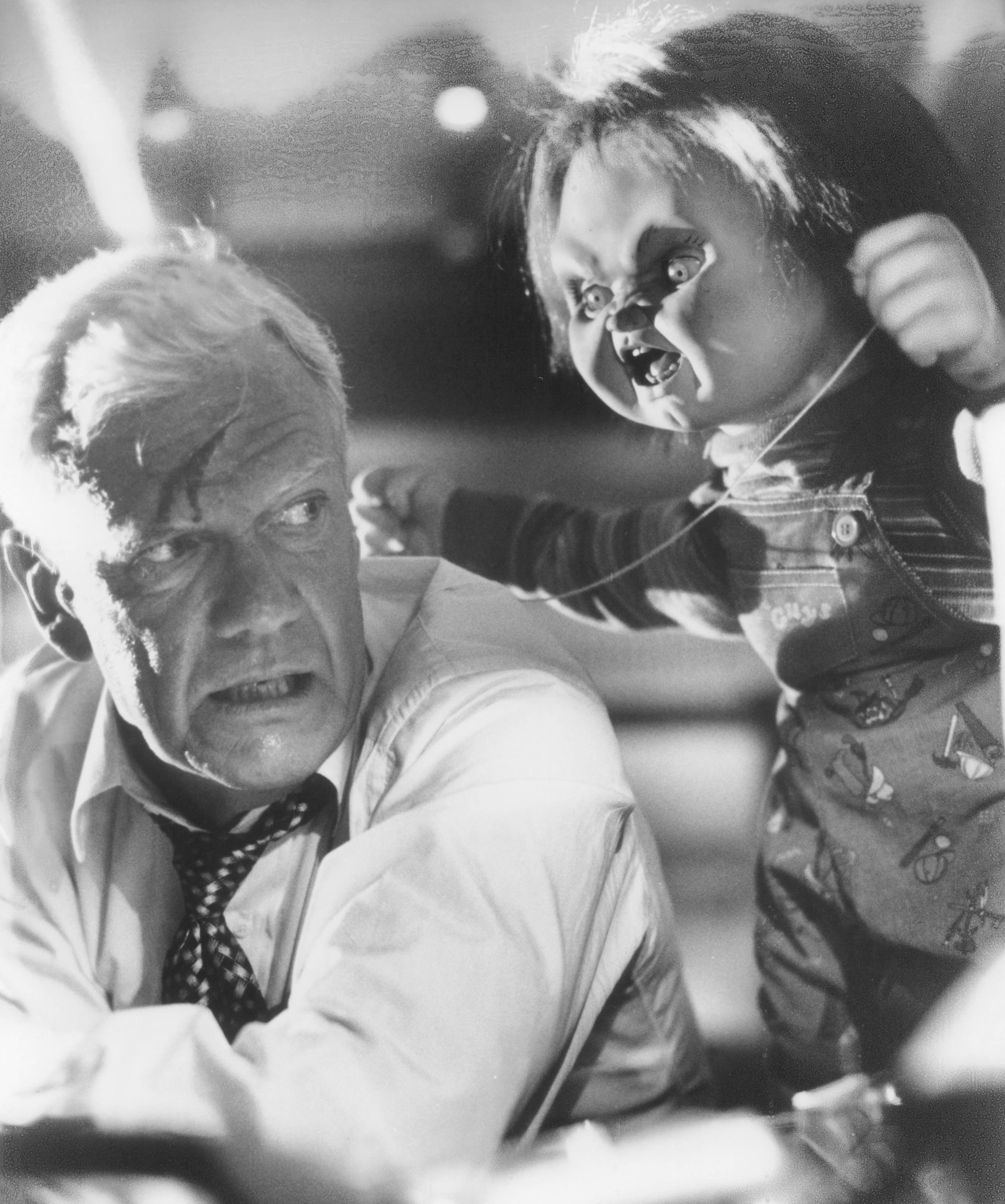
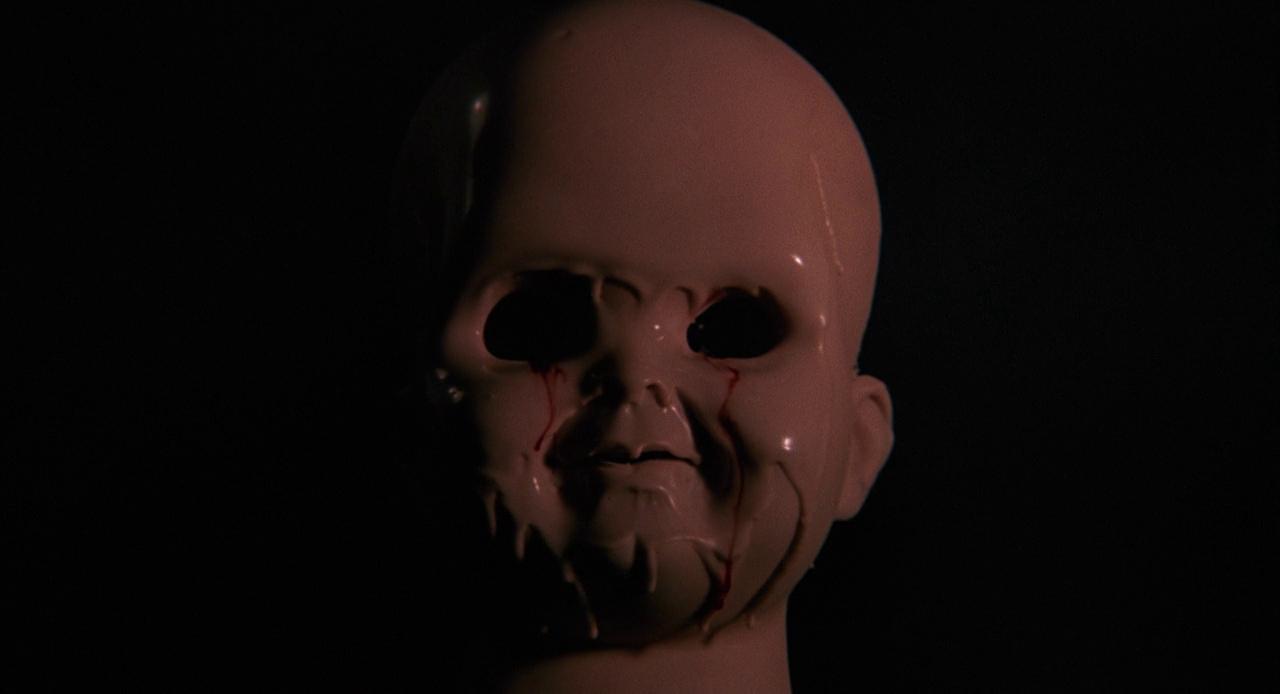
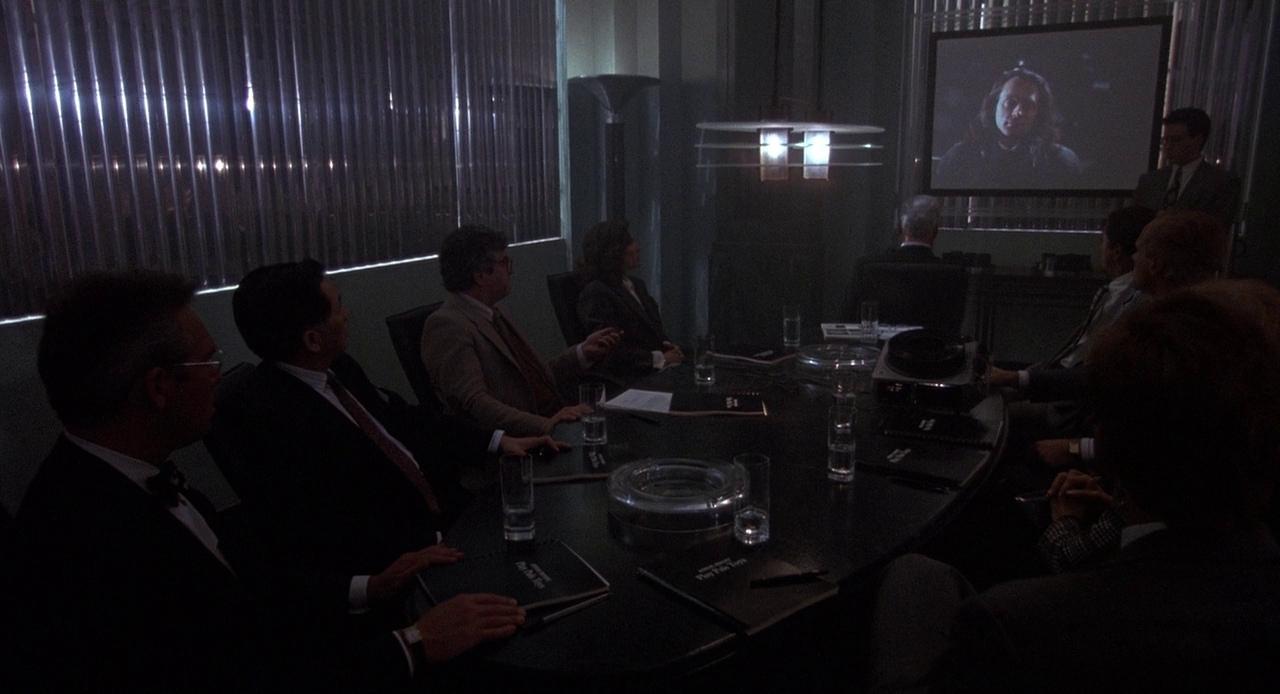
Eight years after Chucky's head was blown apart, the Play Pals company decides the bad press has faded and reopens its old factory to make Good Guy dolls again. While workers clear out what's left of Chucky, some of his blood drips into a vat of melted plastic, and the first new doll off the line is Chucky, alive again. He tortures and kills Play Pals CEO Sullivan with children's toys, and looks up Andy Barclay's whereabouts on the company computer.
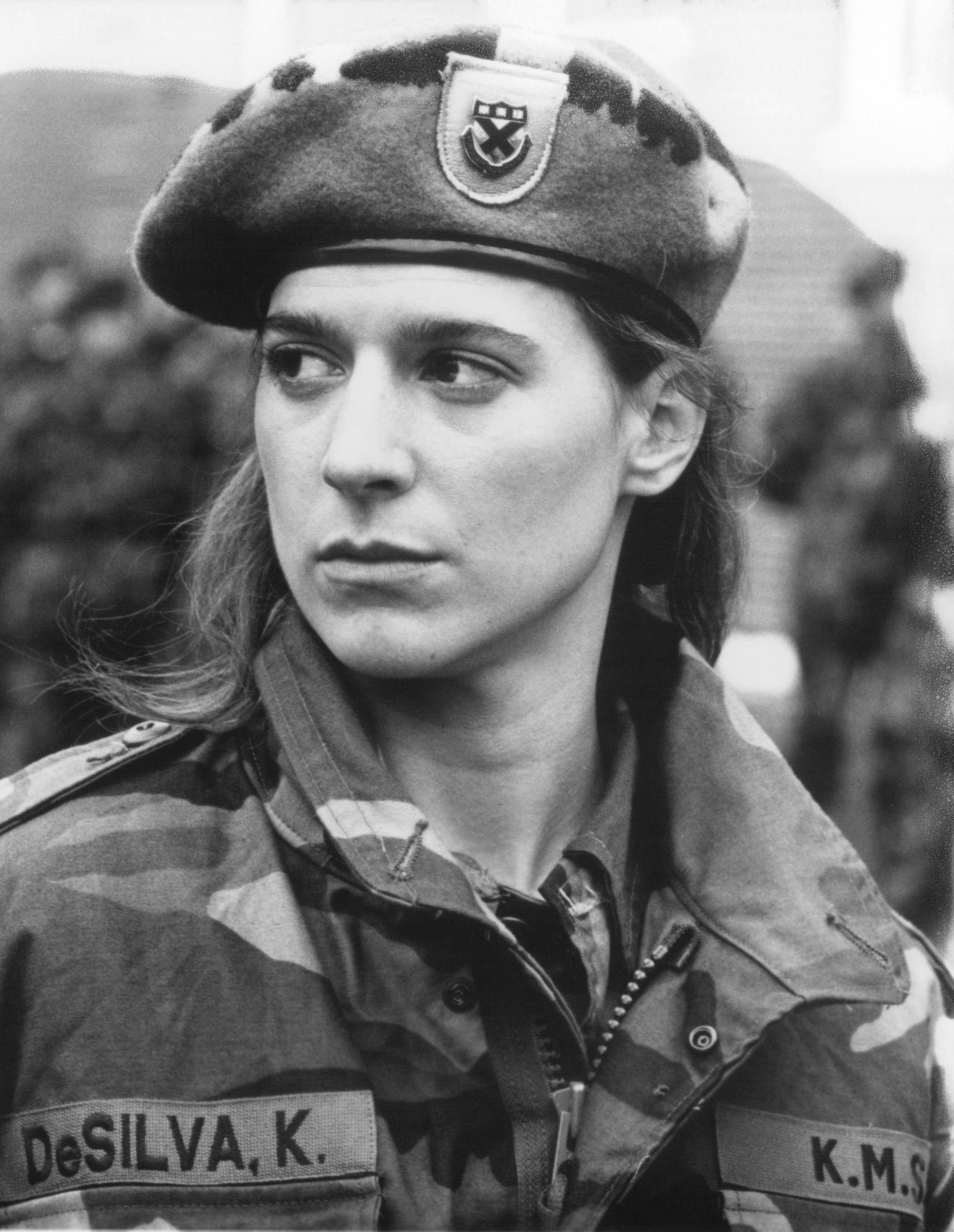
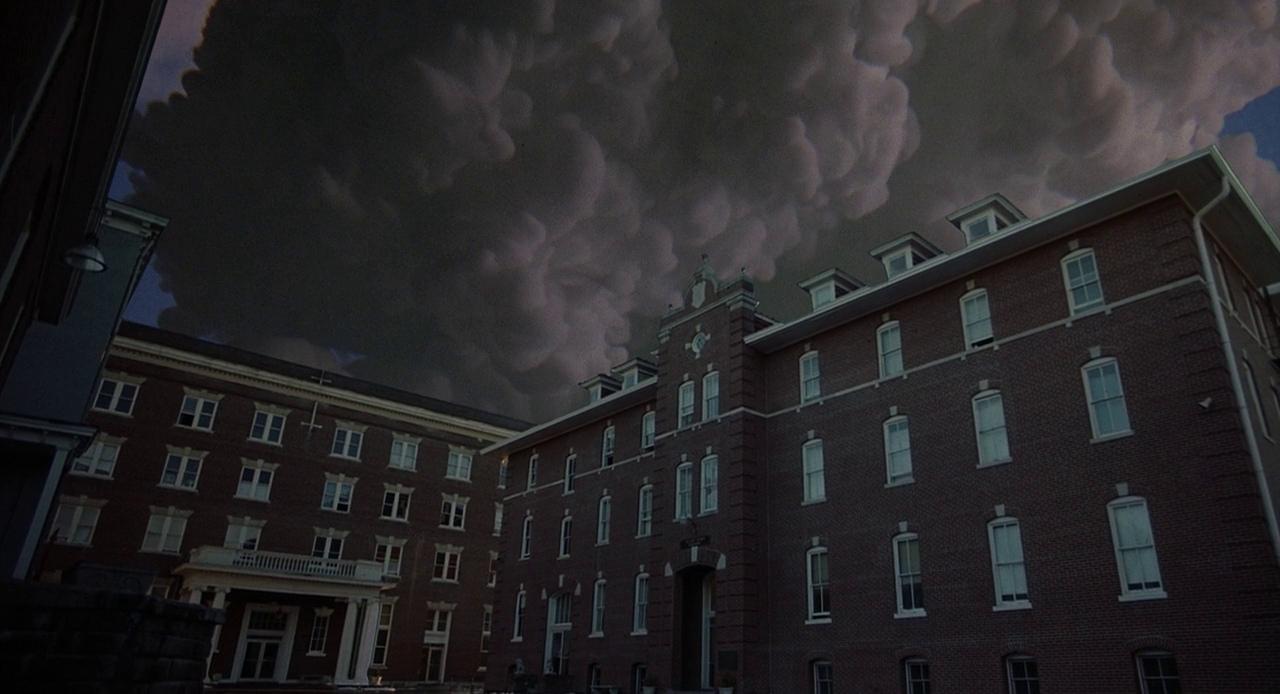
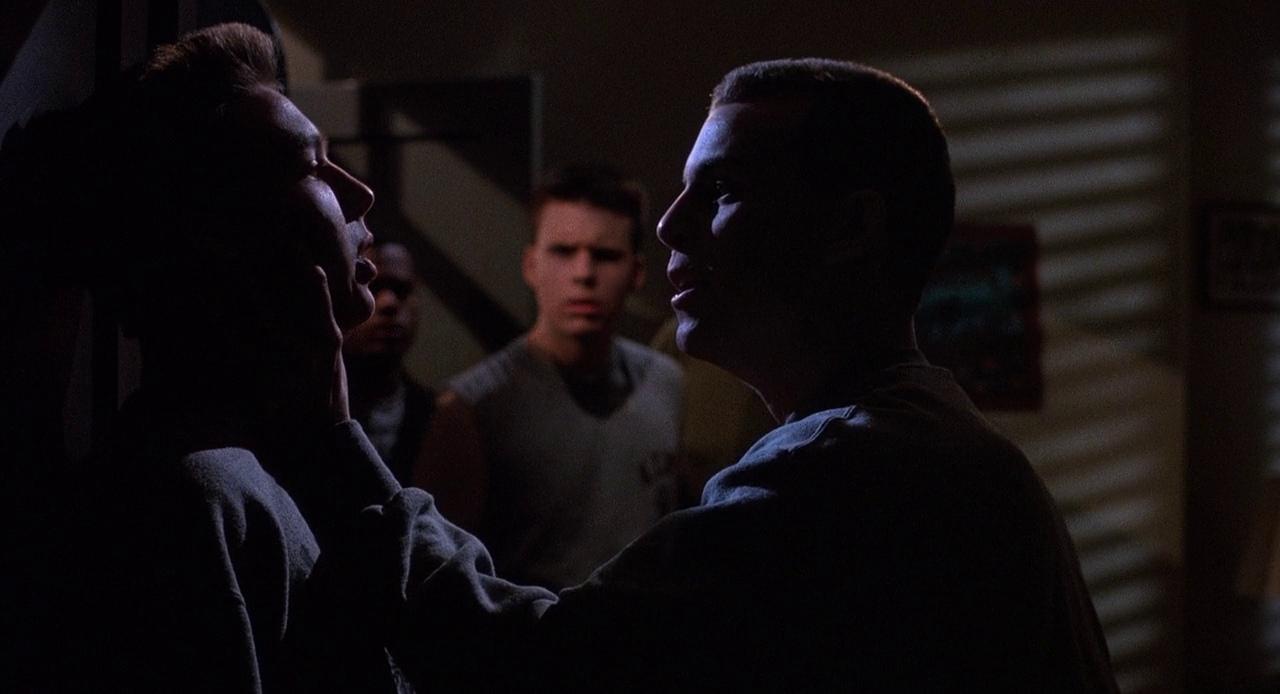
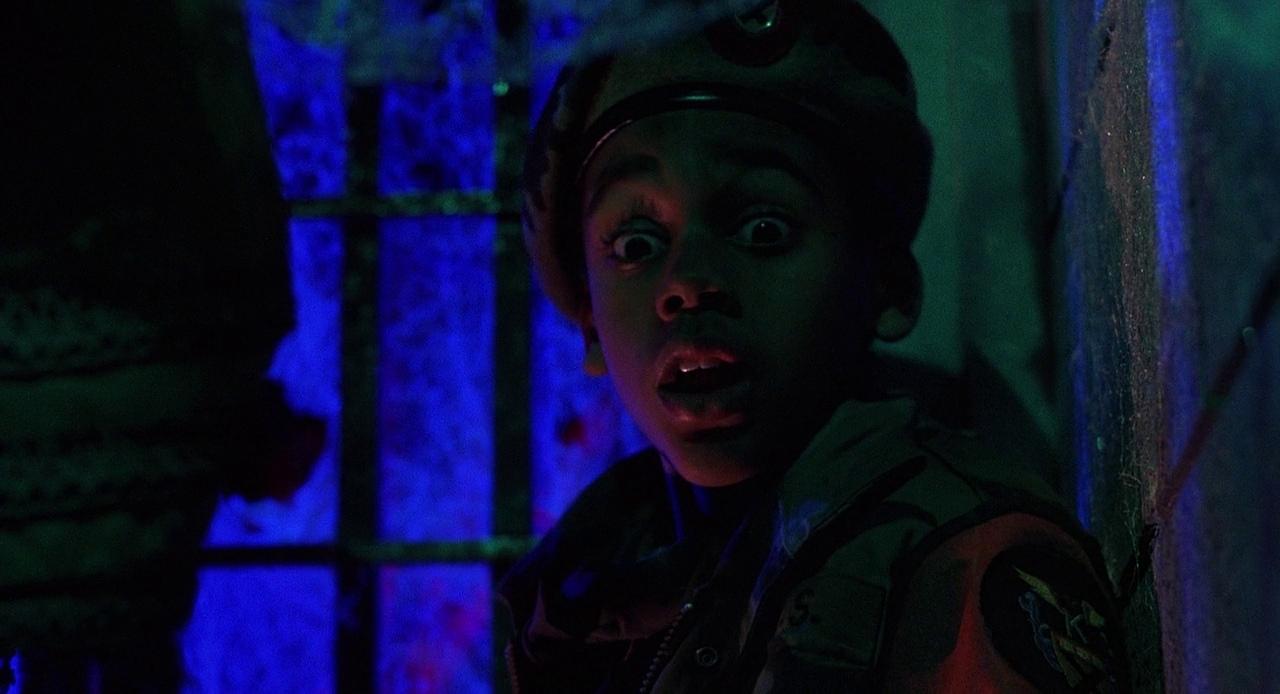
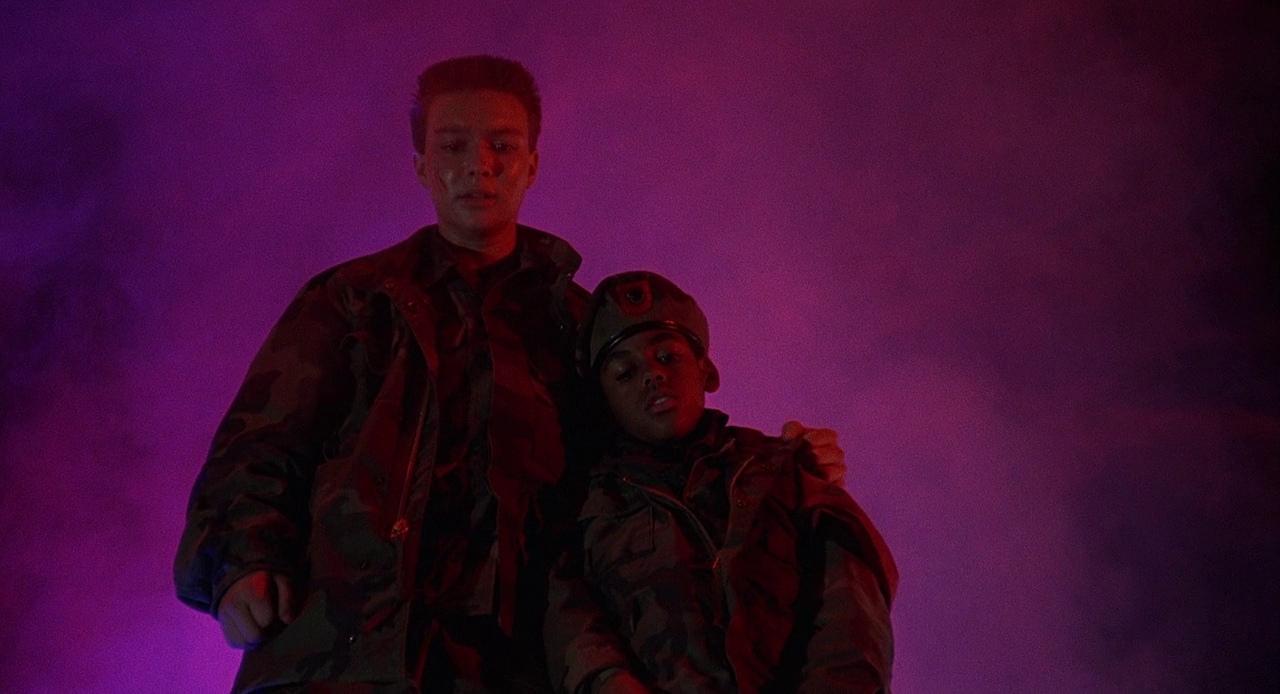
Andy is sixteen now. His mother Karen was committed again, and he bounced through foster homes before landing at Kent Military School. The commander, Colonel Cochrane, tells him to forget his stories about a killer doll. Andy makes friends with Ronald Tyler, an eight-year-old cadet; Harold Aubrey Whitehurst, a timid cadet; and Kristin De Silva, a cadet he quickly falls for. Cadet Lieutenant Colonel Brett C. Shelton is the bully who runs everyone ragged.
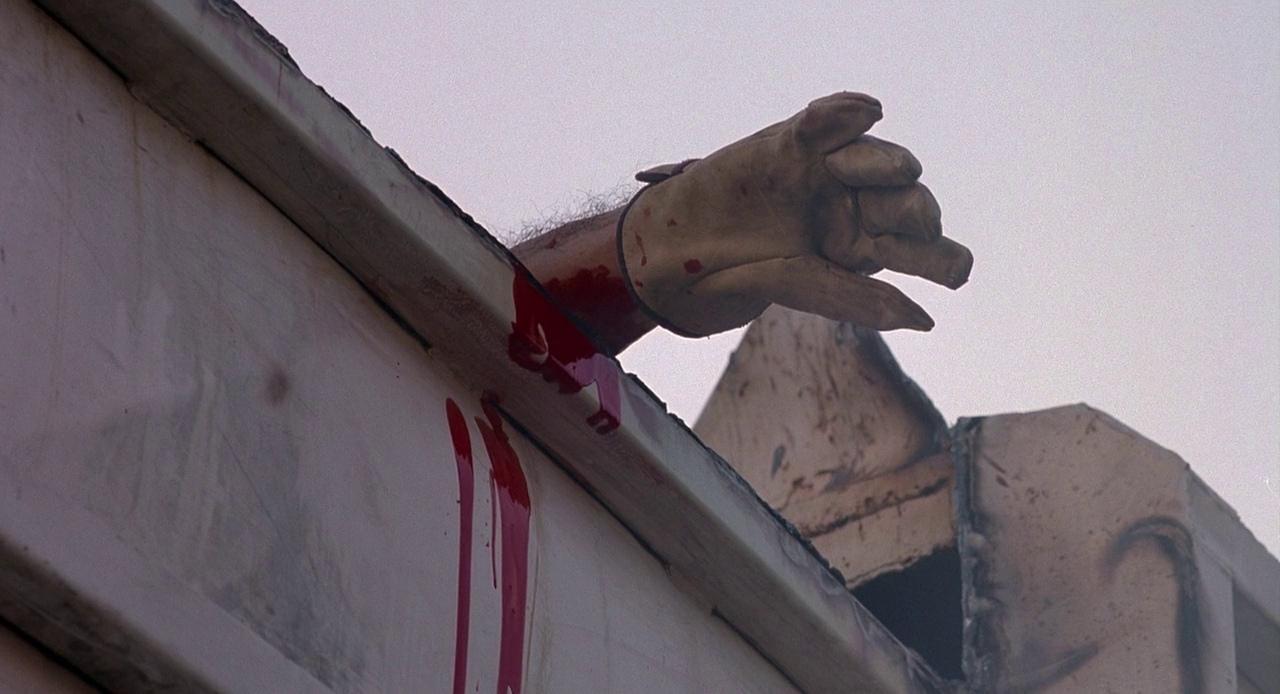
Tyler is told to carry a package to Andy's room, but he opens it in the armory and finds a Good Guy doll. Chucky climbs out, angry to find a little kid instead of Andy. Then he remembers the voodoo rule: he can take the body of the first person he tells his secret to. He tells Tyler who he is and gets ready to start the chant. Colonel Cochrane walks in, takes the doll and tosses it into a garbage truck. Chucky lures the driver into the back and crushes him in the compactor.
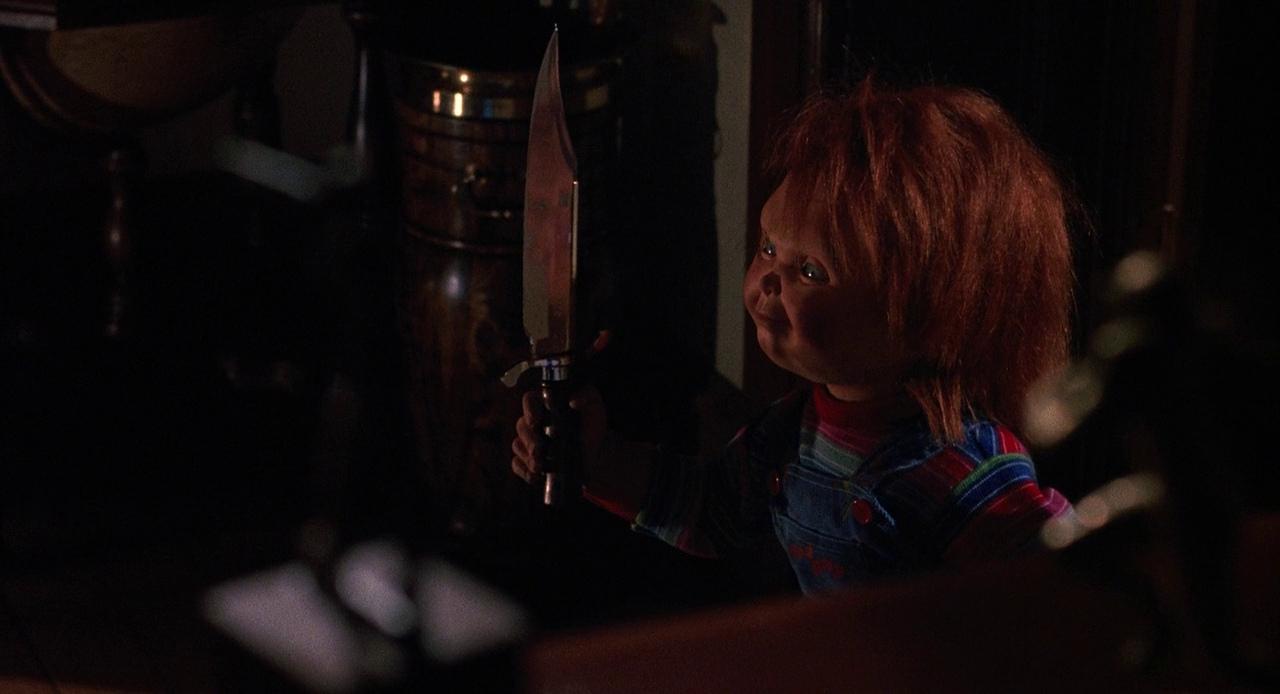
That night Chucky confronts Andy and tells him he plans to take Tyler's body. Shelton walks in and takes the doll, but when Andy sneaks into Shelton's room to steal it back, Chucky is already gone. Chucky tries the ritual on Tyler again and is interrupted by De Silva and cadet Ivers. He then jumps out at Colonel Cochrane with a knife, and the shock gives the old man a fatal heart attack.
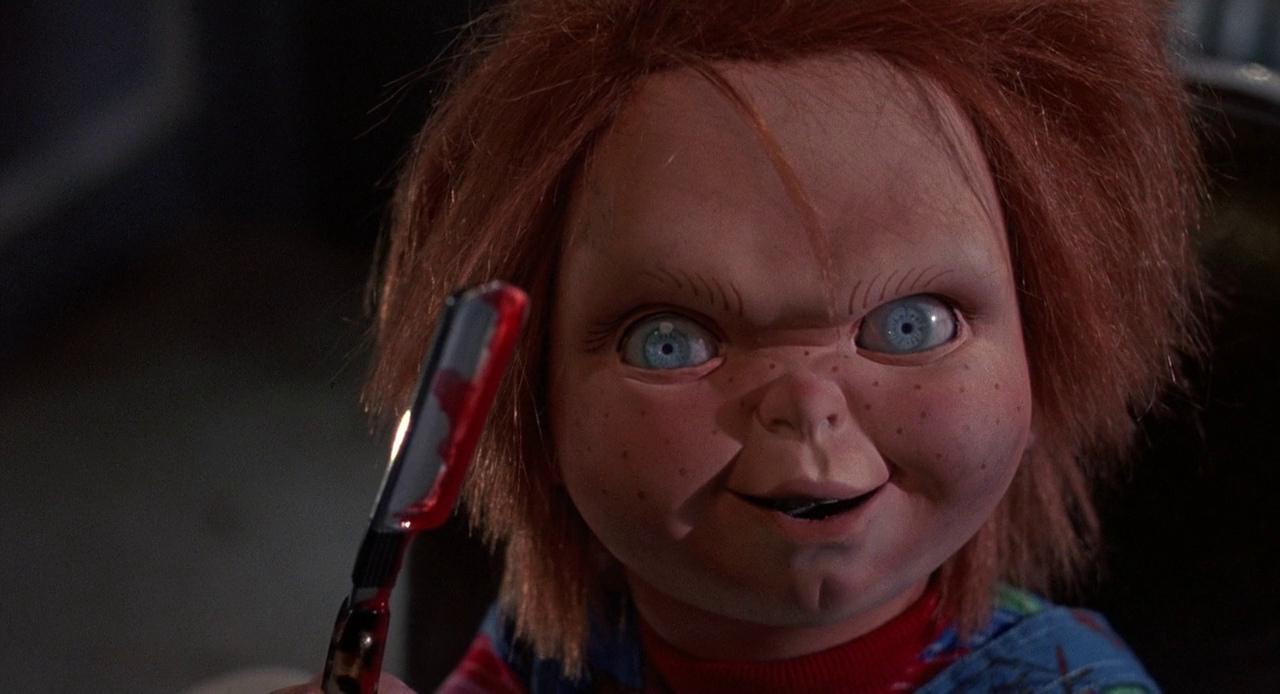
The next morning Andy begs Tyler to stay away from the doll, but Tyler doesn't believe him. Chucky cuts Sergeant Botnick's throat with a straight razor. Whitehurst sees the killing and runs off terrified.
The school holds its yearly war games anyway, even with the colonel dead. The cadets split into a Red Team and a Blue Team with paint rounds. Andy, Whitehurst and Shelton are on Blue. Chucky secretly loads the Red Team's guns with live ammunition. Out in the woods he lures Tyler away, and Tyler finally sees what Chucky is, stabs him with a pocketknife and runs. Chucky grabs De Silva and holds her hostage, forcing Andy to trade Tyler for her. The two teams stumble onto the standoff and start firing. Shelton is shot dead by Red Team bullets, and Tyler gets away. Chucky throws a live grenade among the arguing cadets, and Whitehurst throws himself on it to save everyone else.
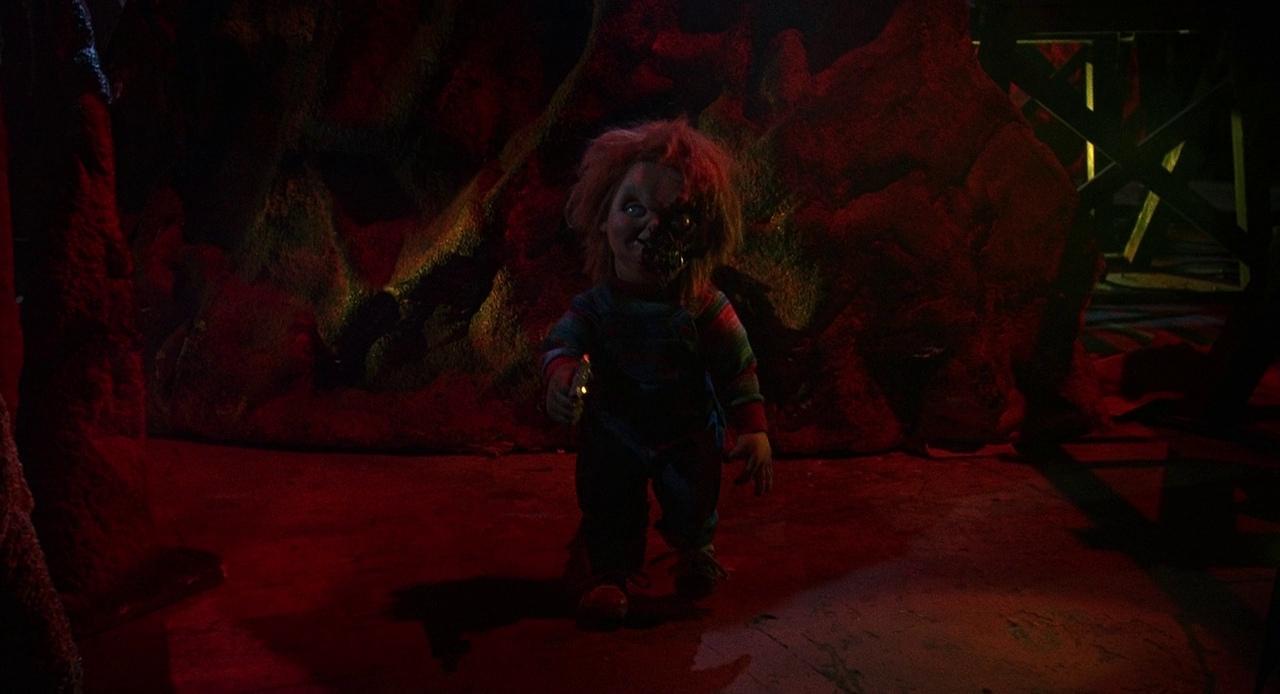
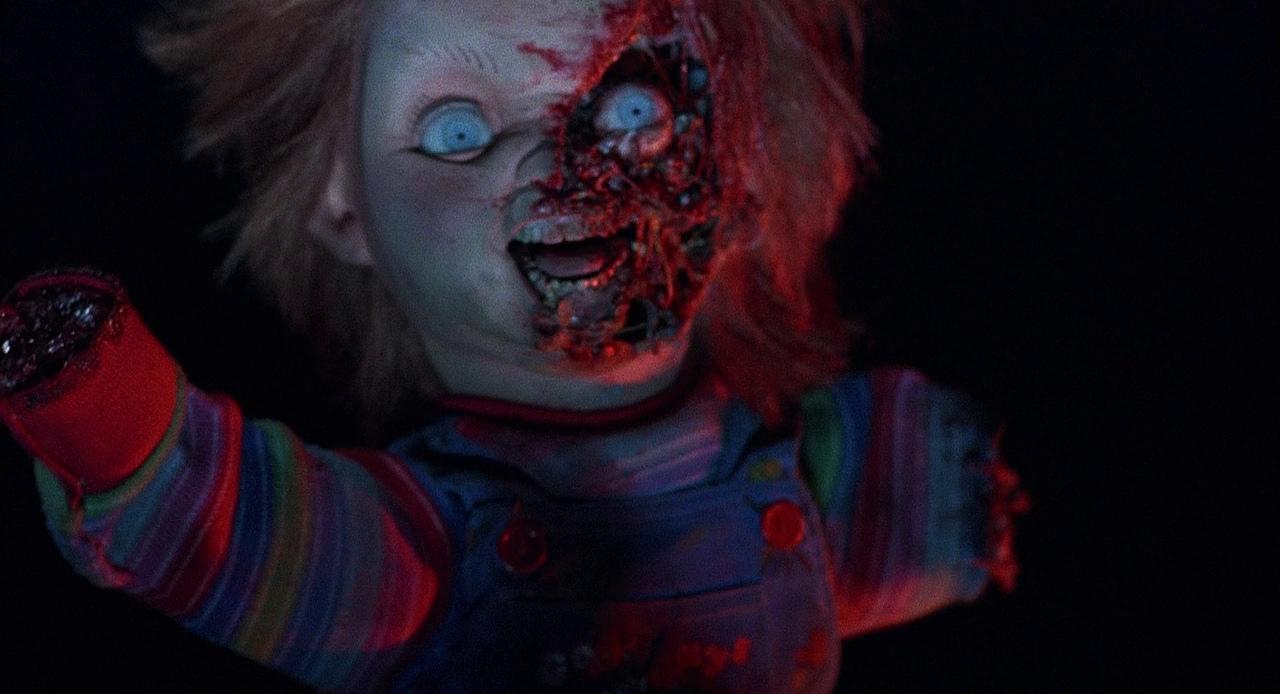
Tyler runs to a nearby carnival. Chucky kills a security guard and catches Tyler again, dragging him into a haunted-house roller coaster ride. Andy and De Silva take the dead guard's gun and follow. Chucky wounds De Silva, and she hands Andy the gun and tells him to save Tyler. Deep inside the ride, Chucky starts the chant a third time. Andy shoots him repeatedly, and in the final fight he throws Chucky into a giant spinning fan that chops him to pieces. De Silva goes to the hospital, and the police take Andy away for questioning.
Universal opened the film August 30, 1991, in about 2,000 theaters. It came in second behind Dead Again with $5,718,940 over the four-day Labor Day weekend. The Los Angeles Times called it a slow start, but it was still the biggest Labor Day opening to that point, beating the $4.6 million record held by Bolero (1984).
It earned $14,960,255 in the US and Canada and $5,600,000 overseas, for $20,560,255 worldwide. That made it the lowest-grossing film in the series.
Reviews were mostly negative. Rotten Tomatoes lists 19 percent positive from 16 reviews with an average of 4.2 out of 10, the lowest in the series there, and Metacritic gives it 27 from 13 critics. Caryn James of The New York Times admired the doll as a piece of technology but said the film lacked the first one's bite and humor. Variety called it noisy and mindless but gave the actors credit. Richard Harrington of The Washington Post called it a one-trick pony. Chris Hicks of the Deseret News found it perverse. Stephen Wigle of The Baltimore Sun said slasher fans would have fun.
The film was nominated for the Saturn Award for Best Horror Film, and Justin Whalin was nominated for Best Performance by a Younger Actor. Andrew Robinson got a Fangoria Chainsaw Award nomination for Best Supporting Actor.
Later fans and critics warmed up to it, crediting the military school setting, the ride finale and Dourif's performance. Some now rank it above the jokier later films like Seed of Chucky.
In Britain the film got caught up in the 1993 murder of two-year-old James Bulger. Newspapers linked it to the killing because the father of Jon Venables, one of the two ten-year-old killers, had rented Child's Play 3 months earlier. Detective Albert Kirby, who led the investigation, found Venables wasn't living with his father then and didn't like horror films, and police found no link to any video. Trial judge Michael Morland still said violent videos, possibly including Child's Play 3, could play a part in such crimes.
After the trial, the Association of Video Retailers asked its members to pull all three Child's Play films from their shelves. Sky Television in the UK and Canal+ in Spain refused to air the film in regular programming. The film was also cited in the December 1992 murder of 16-year-old Suzanne Capper, whose captors forced her to listen to recordings of the gang leader repeating a Chucky line. Tom Holland defended the series, saying movies only affect people who are already unbalanced.
1991 · studio press kit
2023 · home-video preserved version
Andy Barclay
Kristin De Silva
Ronald Tyler
Sullivan
Colonel Francis Cochrane
Brett C. Shelton
Harold Aubrey Whitehurst
Ellis
Sergeant Botnick
Chucky
voice
Sergeant Clark
Jackie Ivers
Good Guy doll
voice
Garbage man
Patterson
also dialogue coach
Lady executive
Petzold
Security guard
Major
Sergeant Frazier
Ghoul
Cop
Nelson
also technical advisor
Cadet
Cadet
Cadet
Carnival teenager
Carnival kid
Carnival kid
Carnival kid
Carnival kid
Mother
Trash picker
Kent Blue Team cadet
uncredited, per The Movie Database
Director
Producer; second unit director
Executive producer; Chucky doll created
Co-producer
Writer
Director of photography
Camera operator
Steadicam and B-camera operator
Steadicam and B-camera operator
Camera operator, second unit
Still photographer
Gaffer
Key grip
Supervising editor
Editor
Editor
Production designer
Assistant art director
Production illustrator
Production illustrator
Set decorator
Property master
Construction coordinator
Costume supervisor
Music composed and performed
Music composed and performed
Music recorded
Music editor
Sound mixer
Supervising sound editor
Re-recording mixer
Chucky design and engineering
Chucky effects, Kevin Yagher Productions
Chucky puppeteer
Chucky puppeteer
Chucky puppeteer
Chucky puppeteer
Chucky puppeteer
Chucky puppeteer
Chucky puppeteer
Chucky puppeteer
Chucky puppeteer (credited as Evil Gregory Manion)
Chucky costumer
Chucky computer engineer
Special effects coordinator
Special effects foreman
Visual effects supervisor
Visual effects coordinator
Title designer
Key makeup and special makeup effects
Key hair stylist
Key hair stylist
Casting
Script supervisor
Script supervisor
Location manager
Stunt coordinator
Universal was eager enough that Don Mancini had to start writing the third film before Child's Play 2 even came out. AFI says the project got going because preview audiences liked the second film. Once it opened well, the sequel was greenlit with a release date only nine months off. Mancini later said he had used up his best ideas on the second film.
Mancini's first idea was a story with lots of Chuckys, but that was too expensive. He finally did it in Cult of Chucky (2017). The script also had a scene with John Ritter as a security guard telling trespassing kids scary stories about Chucky. It was never shot.
Because the story jumps eight years, Alex Vincent was replaced. Mancini made Andy sixteen, looked at Jonathan Brandis, and cast Justin Whalin. Mancini wanted Peter Jackson to direct. The job went to Jack Bender.
Principal photography began February 4, 1991, and ran to mid-April. The first scenes were filmed at Kemper Military School and College in Boonville, Missouri. The crew then moved back to Los Angeles. The carnival was shot in Valencia, California. Heavy rain washed out more location work, so the rest moved onto Universal's stages, where the war-games forest and the Devil's Lair ride interior were built. Devil's Lair filled Stage 28.
Mancini has called this his least favorite of the series. In 2013 he said he thought Jeremy Sylvers was too old for Tyler and Dakin Matthews wasn't right for Colonel Cochrane. Jack Bender later called the film kind of silly.
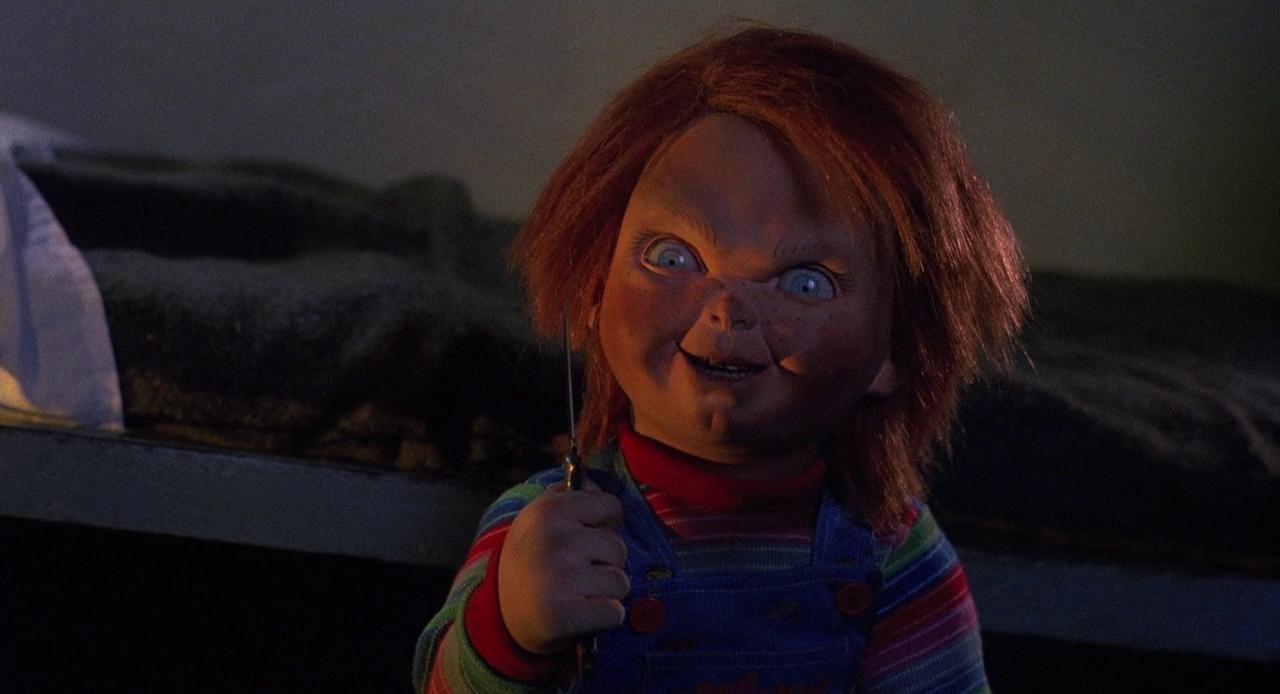
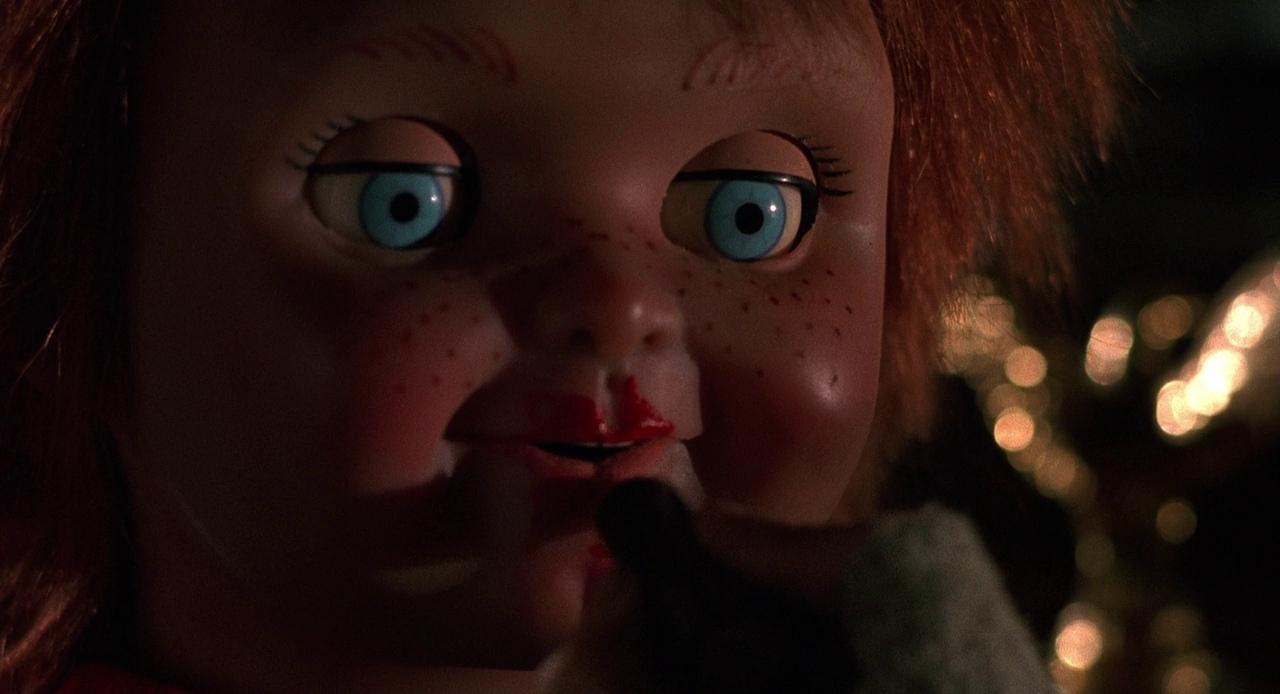
The main Chucky was a robot about 30 inches tall and 40 pounds. Seven puppeteers ran it, and the crew called them the Chuckettes. A latex face was stretched over a plastic head packed with eighteen small motors that worked the mouth, nose, eyes and tongue.
Brad Dourif recorded his lines before filming. One puppeteer mouthed along to the recording while working a joystick that moved Chucky's lips. A computer recorded those movements so they could be played back exactly the same on every take. For Chucky to walk, all seven puppeteers worked together on a walking rig or a camera dolly.
Doug Mobley was credited as Chucky computer engineer.
The credited Chucky puppeteers were Van Snowden, Frederick A. Spencer, Greg Williams, Mecki Heussen, Yancy Calzada, Thom Fountain, Sandey Grinn, N. Brock Winkless IV and Gregory Manion.
Craig Reardon did the key makeup and the special makeup effects. John Frazier coordinated the physical effects. Roger Dorney supervised the visual effects.
The principal Chucky was a roughly 30-inch, 40-pound robot operated by seven puppeteers. Its latex face covered a plastic head containing eighteen small motors for the mouth, nose, eyes and tongue.
Additional specialized heads and bodies handled close-ups, while a walking rig or camera dolly helped the seven-person puppetry team move the full doll. Brad Dourif's dialogue was prerecorded so the jaw performance could be programmed and repeated.
Kevin Yagher is credited for Chucky's design and engineering, and Marilyn Dozer Chaney for Chucky's costumes. Colby Bart supervised the costumes.
Jack Marino ran the prop department. Retired Lieutenant Colonel Richard A. Pack was the military technical advisor and also played Nelson.
The Devil's Lair ride wasn't a real attraction. The production designed and built it on a Universal soundstage. Richard Sawyer was production designer, with Joe Musso and Nikita Knatz as production illustrators.
Propstore sold a set of 16 black-and-white concept posters for the ad campaign from Matsuno Design Group, along with vellum and board design sheets with handwritten notes.
Kevin Yagher is credited with Chucky design and engineering, and Marilyn Dozer Chaney as Chucky costumer. The film also had a dedicated prop department led by Jack Marino.
The Devil's Lair climax was not merely a found location: the attraction was a production-built set at Universal, integrating the ride environment directly into the film's prop/set construction history.
1991 · animatronic robot
1991 · production marketing artwork
1991 · script-resource index
Cory Lerios and John D'Andrea composed and performed the score. AFI notes they built it on electronic instruments to push the audience's fear.
Songs and source music credited: Solveig's Song by Edvard Grieg, arranged by W. Warren, and Calliope #1 and #2 by Peter Vanderlohren.
Moira Marquis recorded the music and Abby Treloggen was music editor.
2022-08-16 · 4K Ultra HD + Blu-ray
2023 · 2023-12-18 · 4K UHD
1992 · comic adaptation
1992 · comic adaptation
Novelization
NECA · figure
CavityColors · apparel
CavityColors · apparel
Funko · vinyl/plush
Mezco Toyz · large-scale talking figure
CHUCKY Official