Final Destination studio press kit
2000 · original studio press kit
- Dimensions
- 9 x 12
- Contents
- cover folder; 32-page production-notes / cast / credits / biographies booklet; 7 8x10 glossy photos

Final Destination
2000
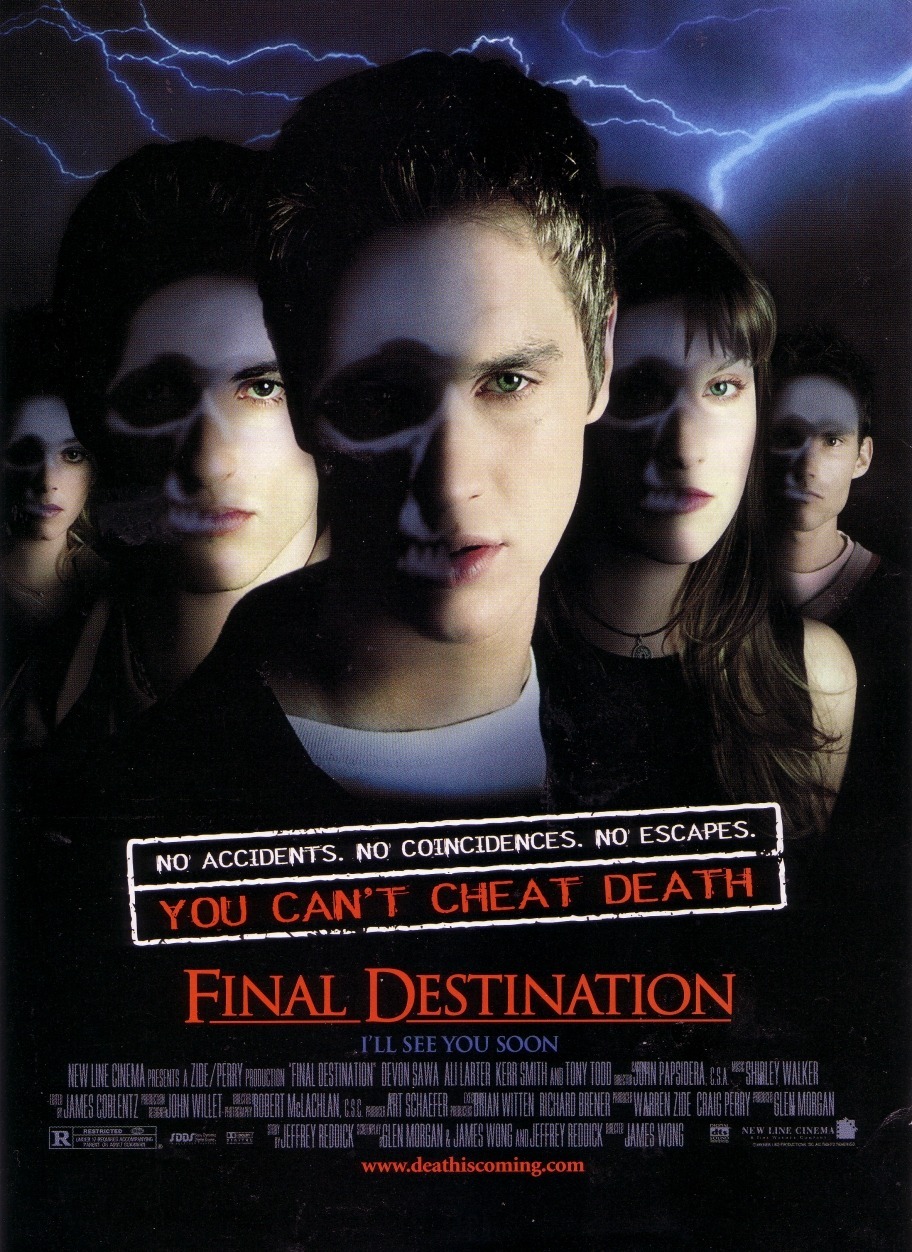
No accidents. No coincidences. No escapes. You can't cheat Death.
High school student Alex Browning is heading to Paris on a senior class trip. The class is booked on Volée Airlines Flight 180, a Boeing 747-200B leaving John F. Kennedy Airport. In the airport bathroom, John Denver's "Rocky Mountain High" plays over the speakers, and Alex points out that Denver died in a plane crash.
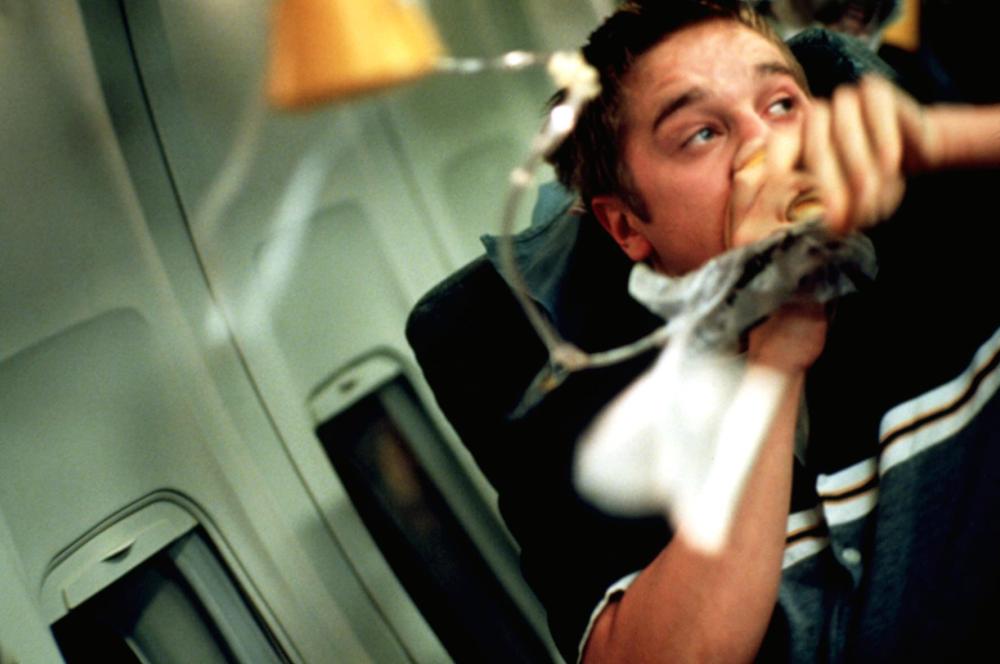
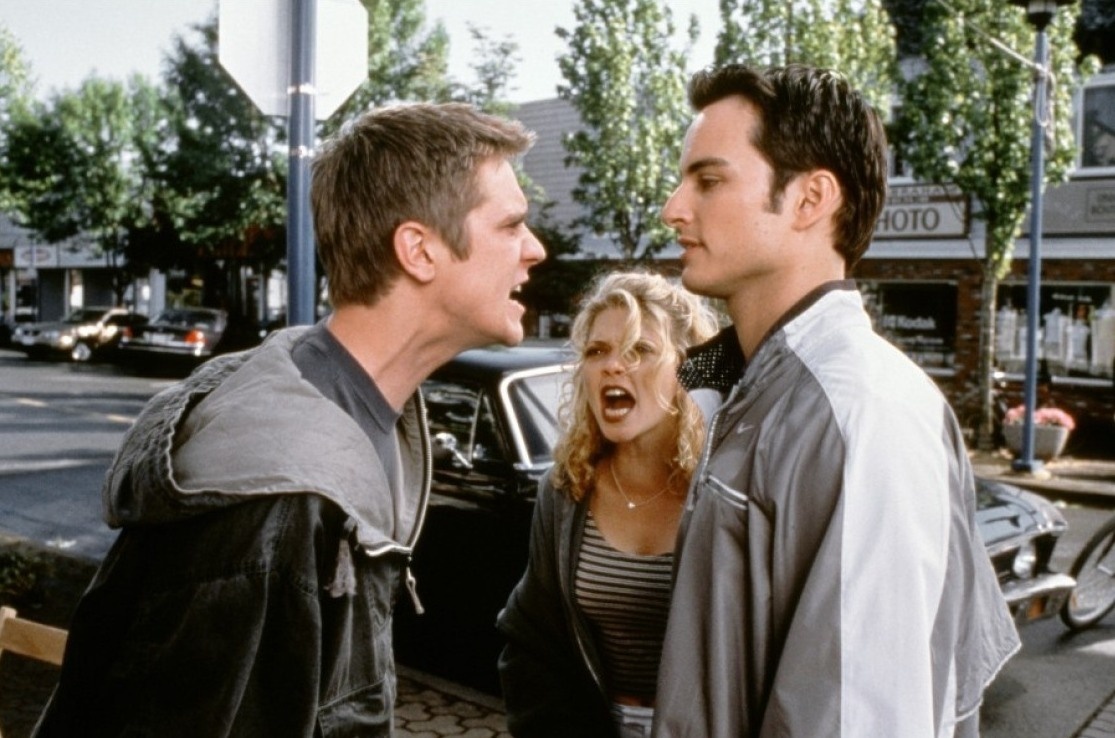
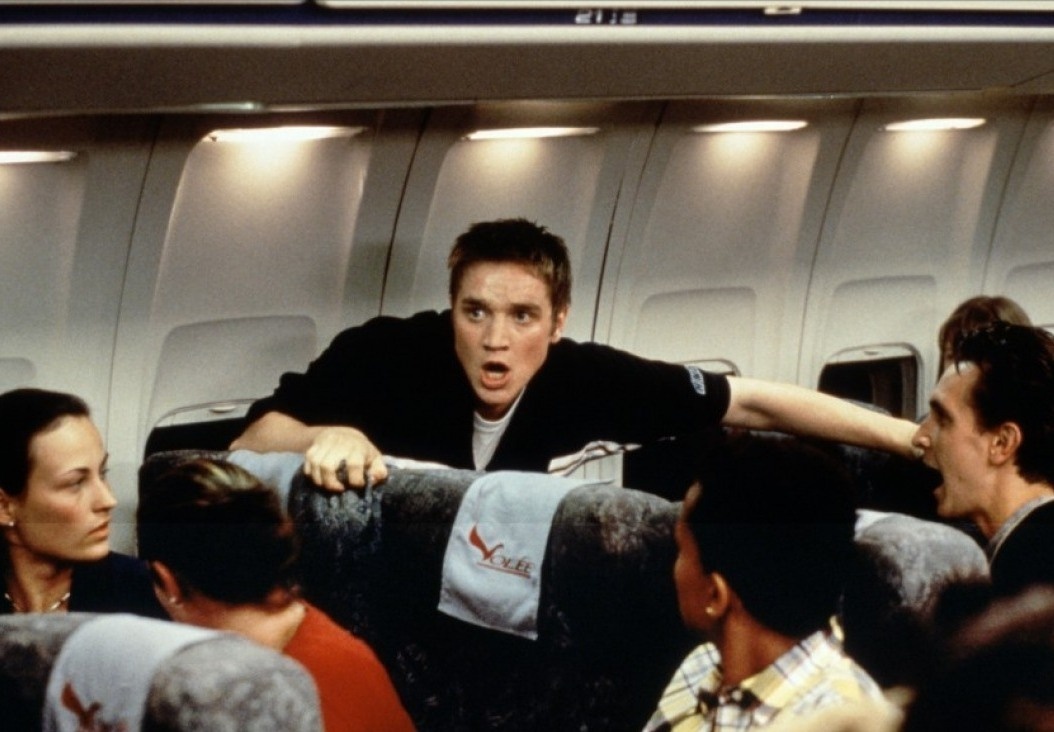
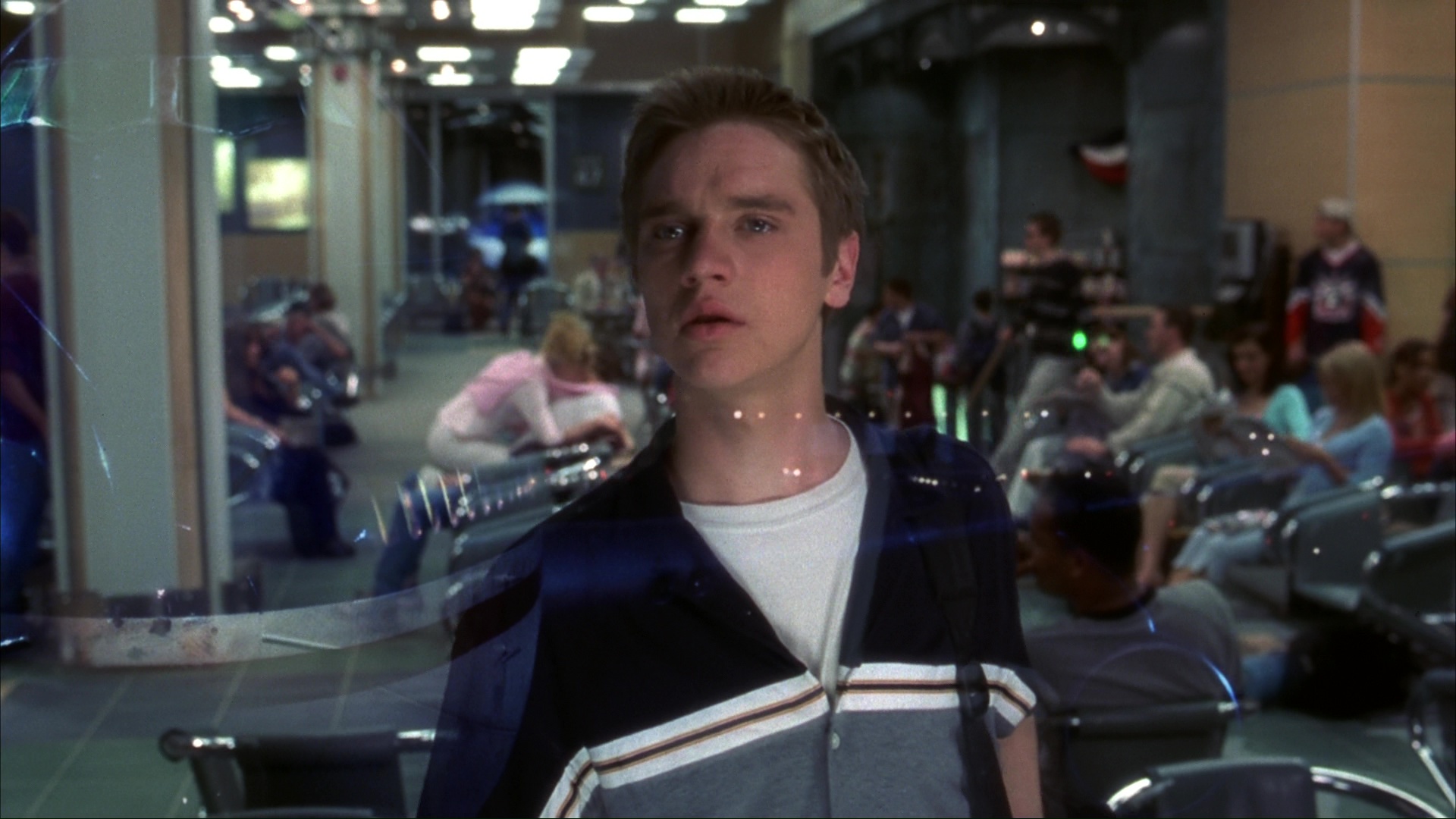
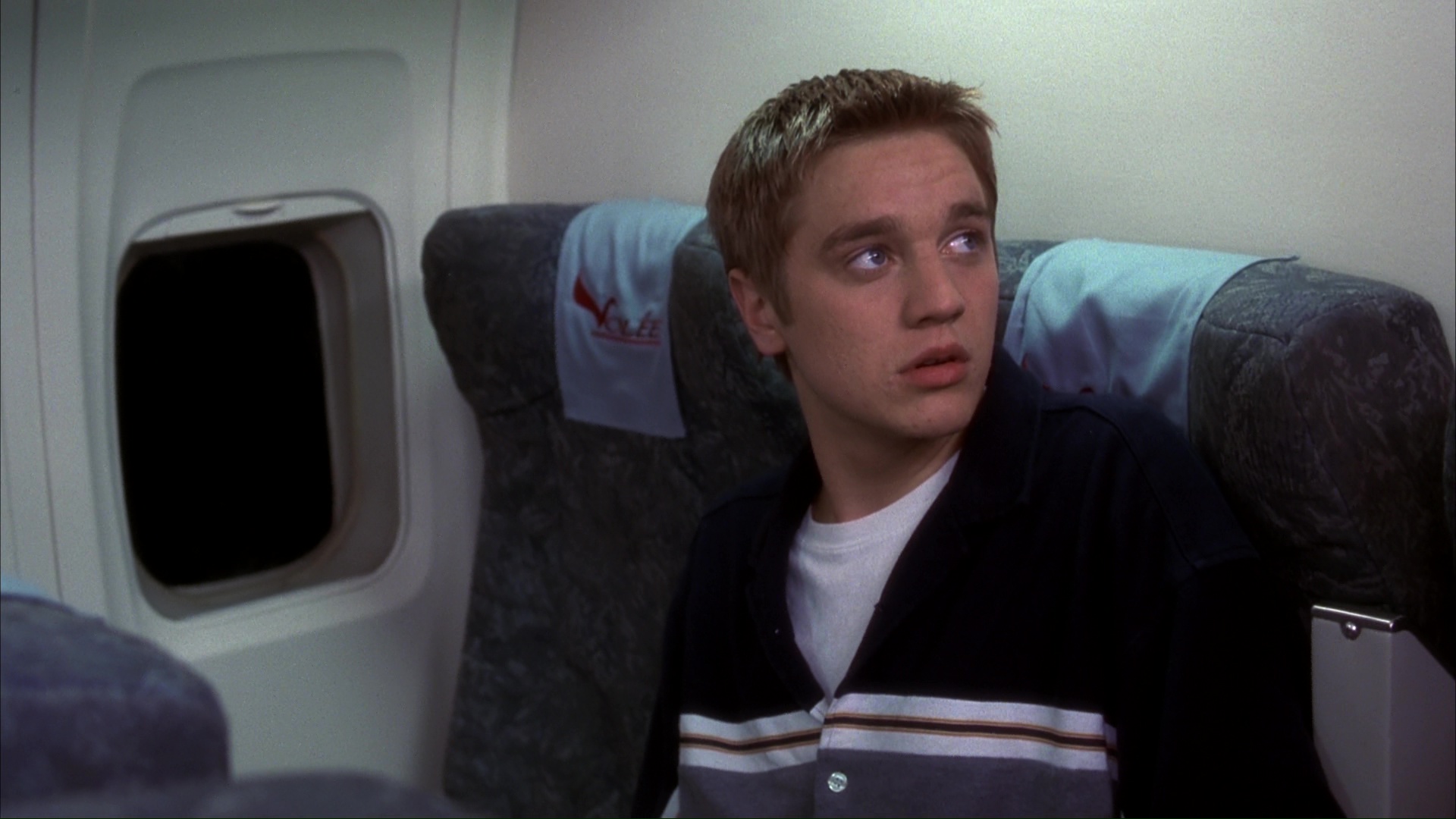
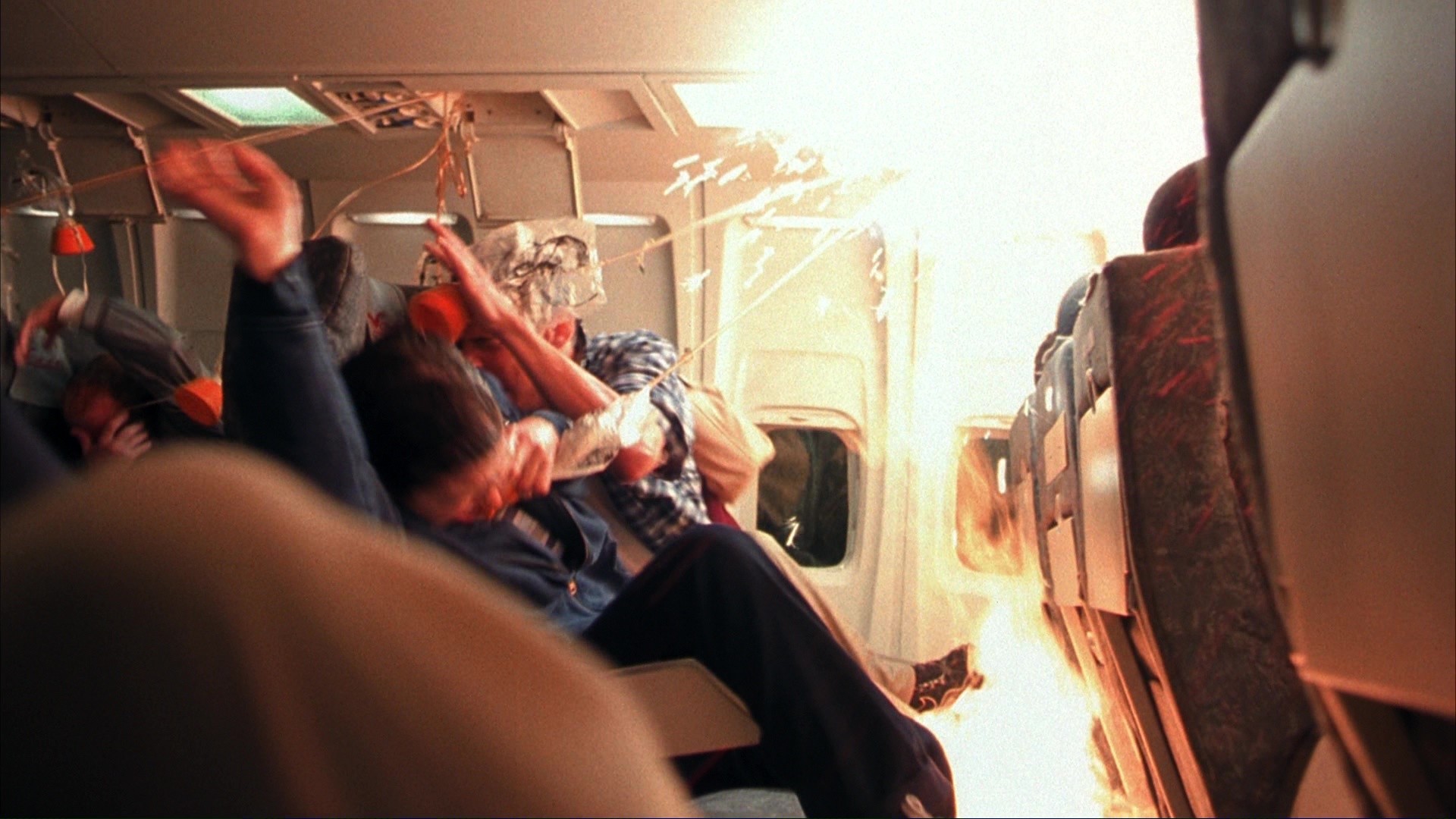
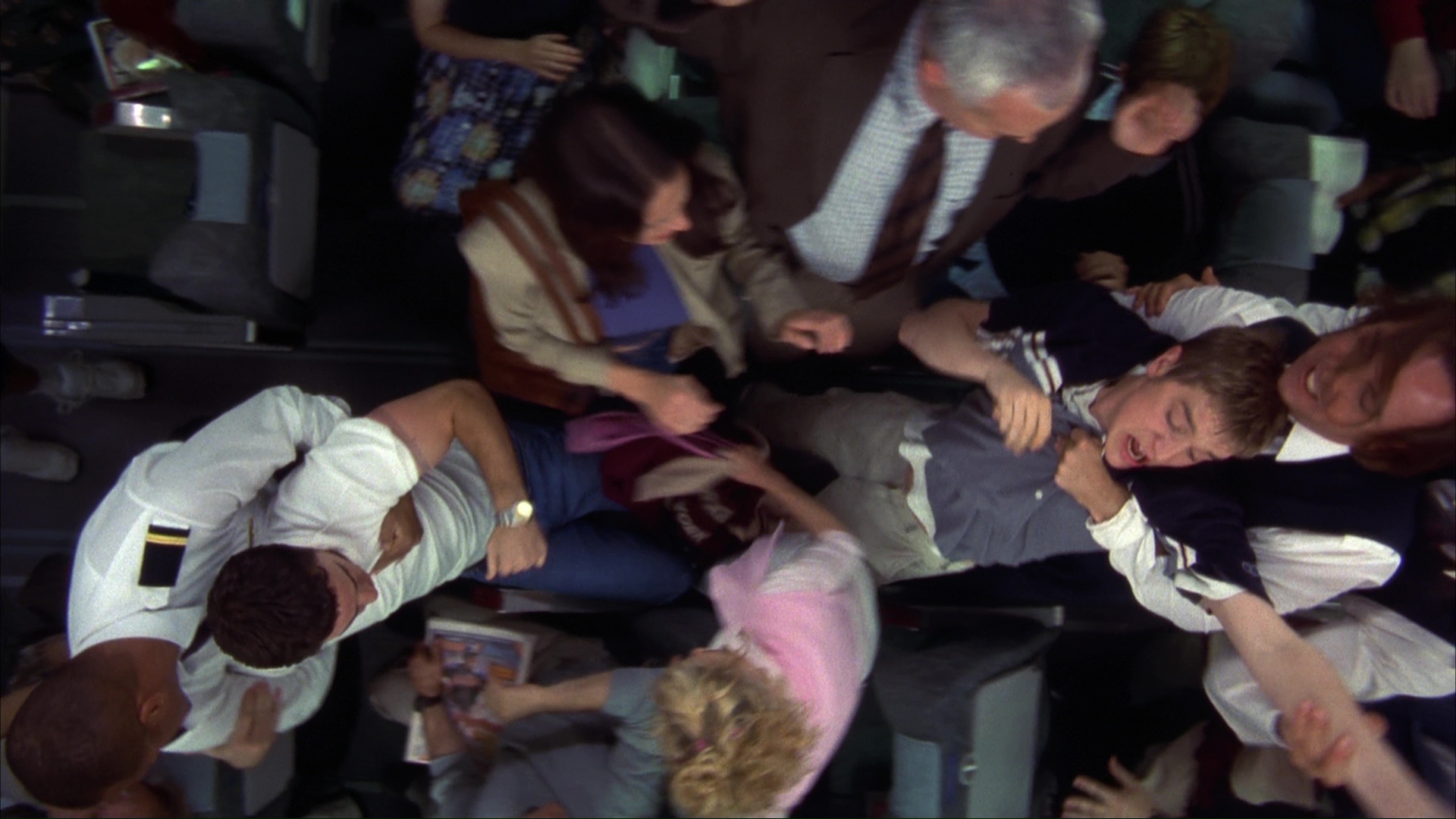
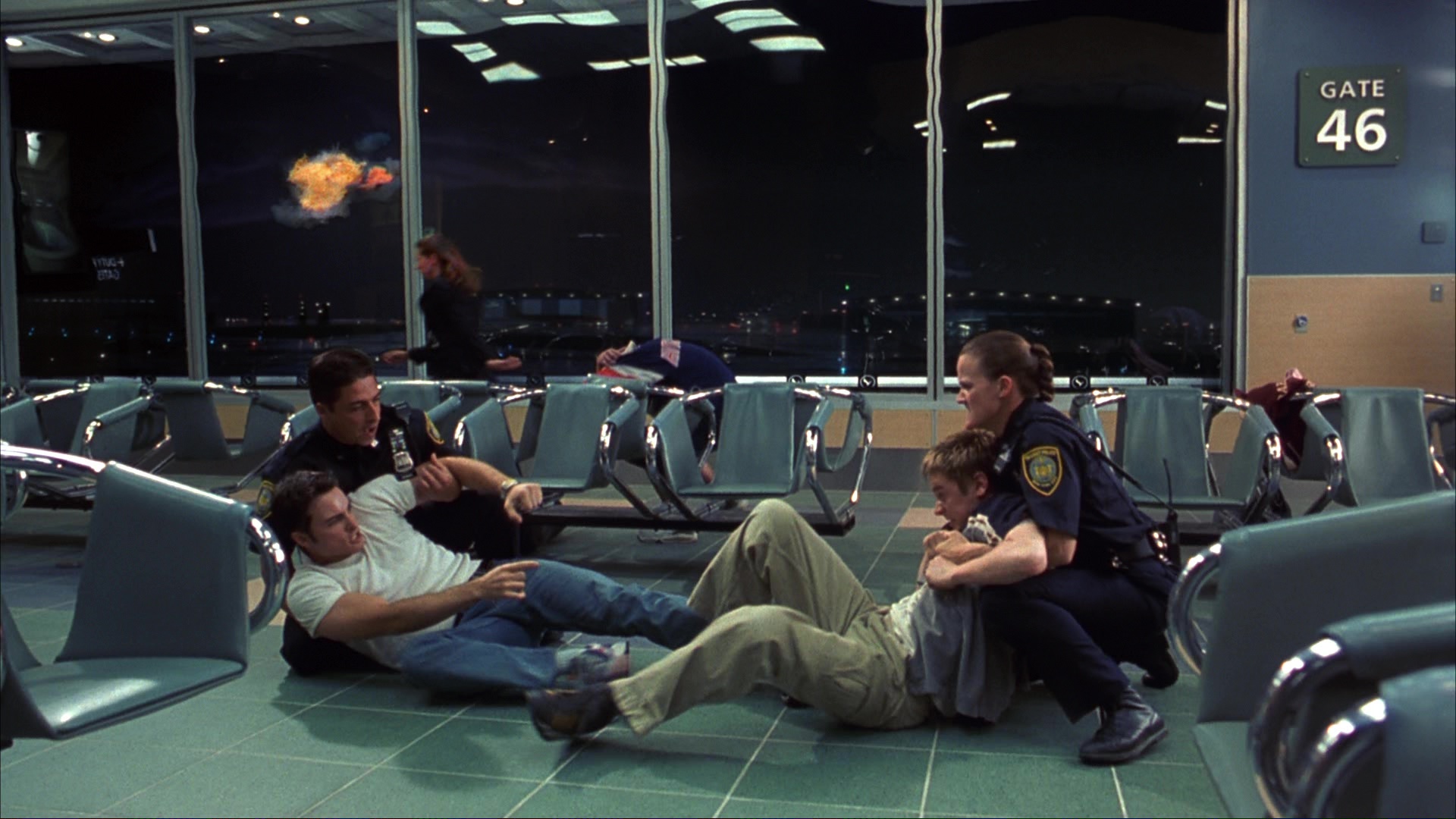
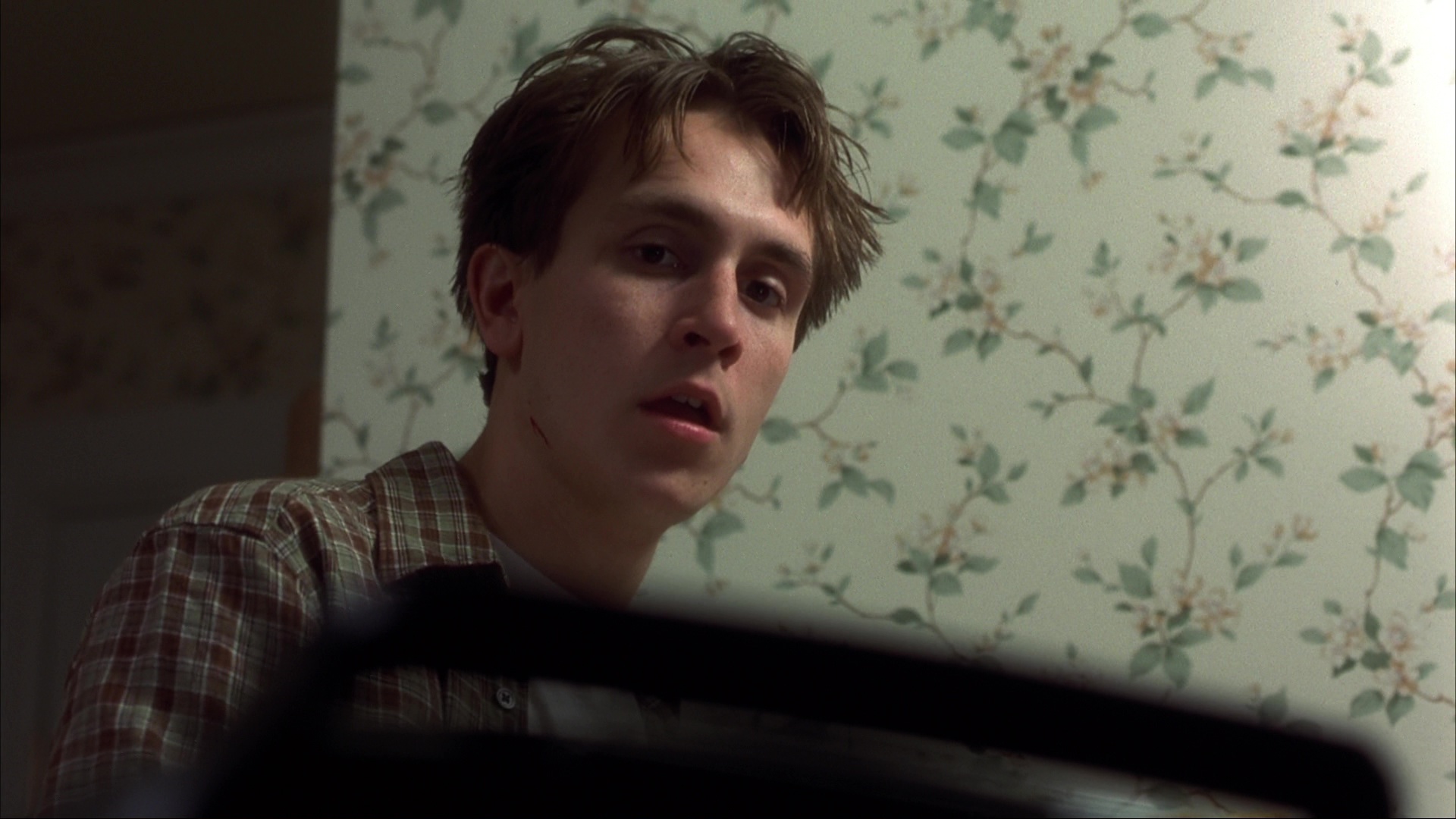
Once the plane is ready to take off, Alex has a vision of the jet coming apart and exploding in midair, killing everyone on board. When details from the vision start happening for real, he panics. He gets into a fight with Carter Horton, and both of them are taken off the plane. Several others end up off the plane with them: Alex's best friend Tod Waggner, Carter's girlfriend Terry Chaney, teacher Valerie Lewton, classmate Billy Hitchcock, and Clear Rivers, who walks off on her own because she believes him. Ms. Lewton sends French teacher Larry Murnau back on board in her place. Minutes later Flight 180 explodes after takeoff. Tod's older brother George, students Blake Dreyer and Christa Marsh, and Mr. Murnau all die. FBI agents Weine and Schreck question the survivors and keep a close eye on Alex.
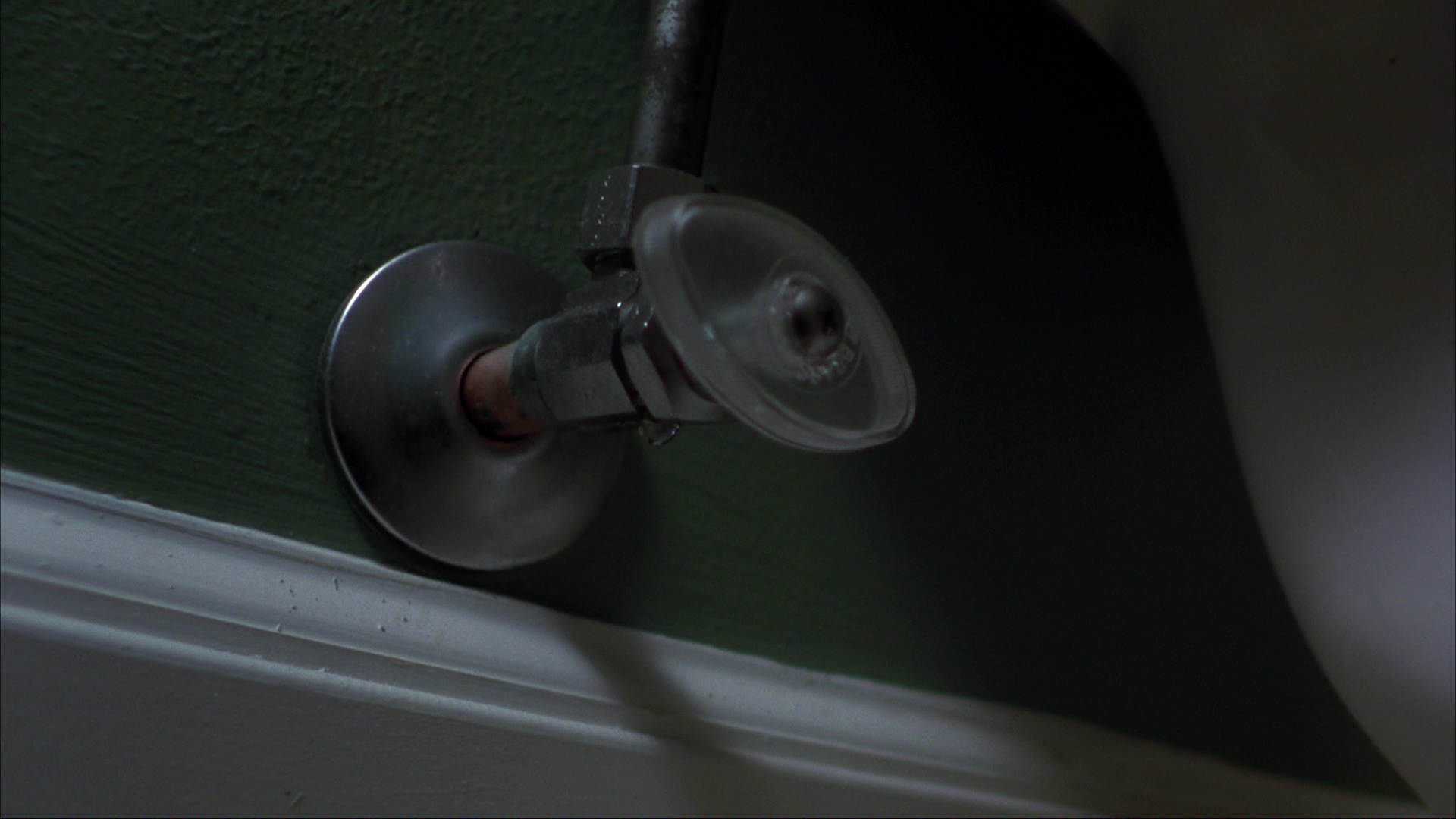
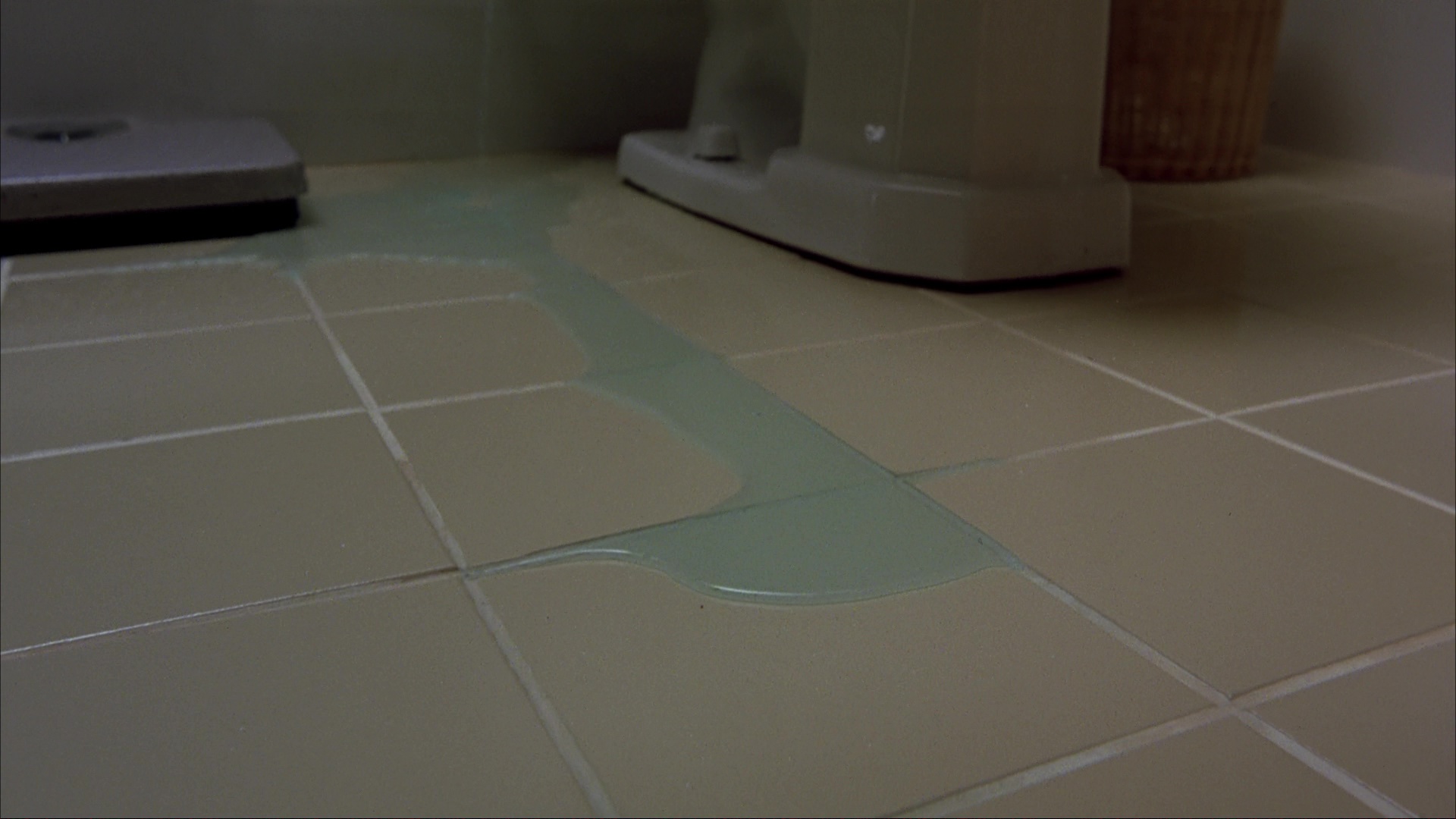
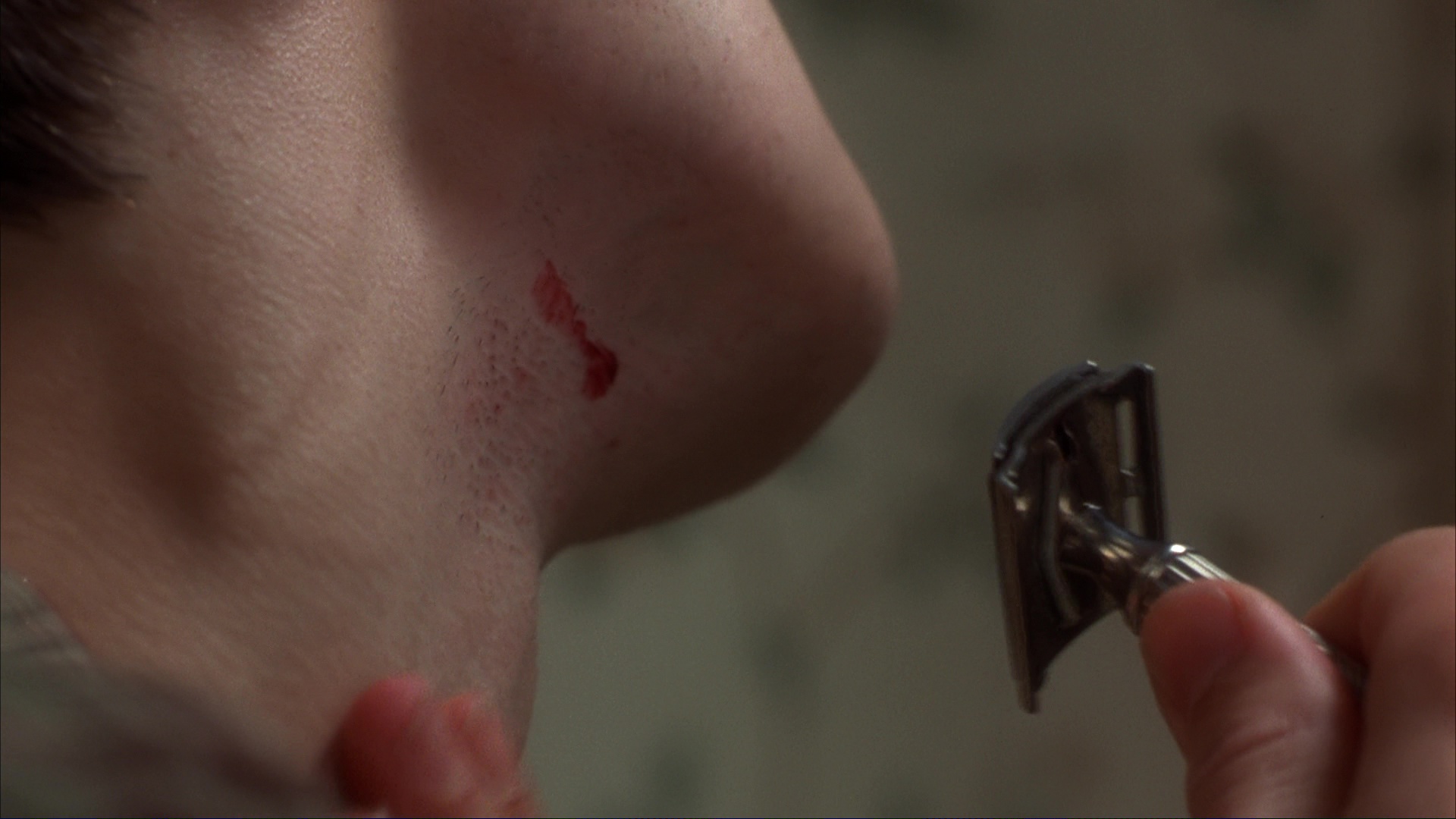
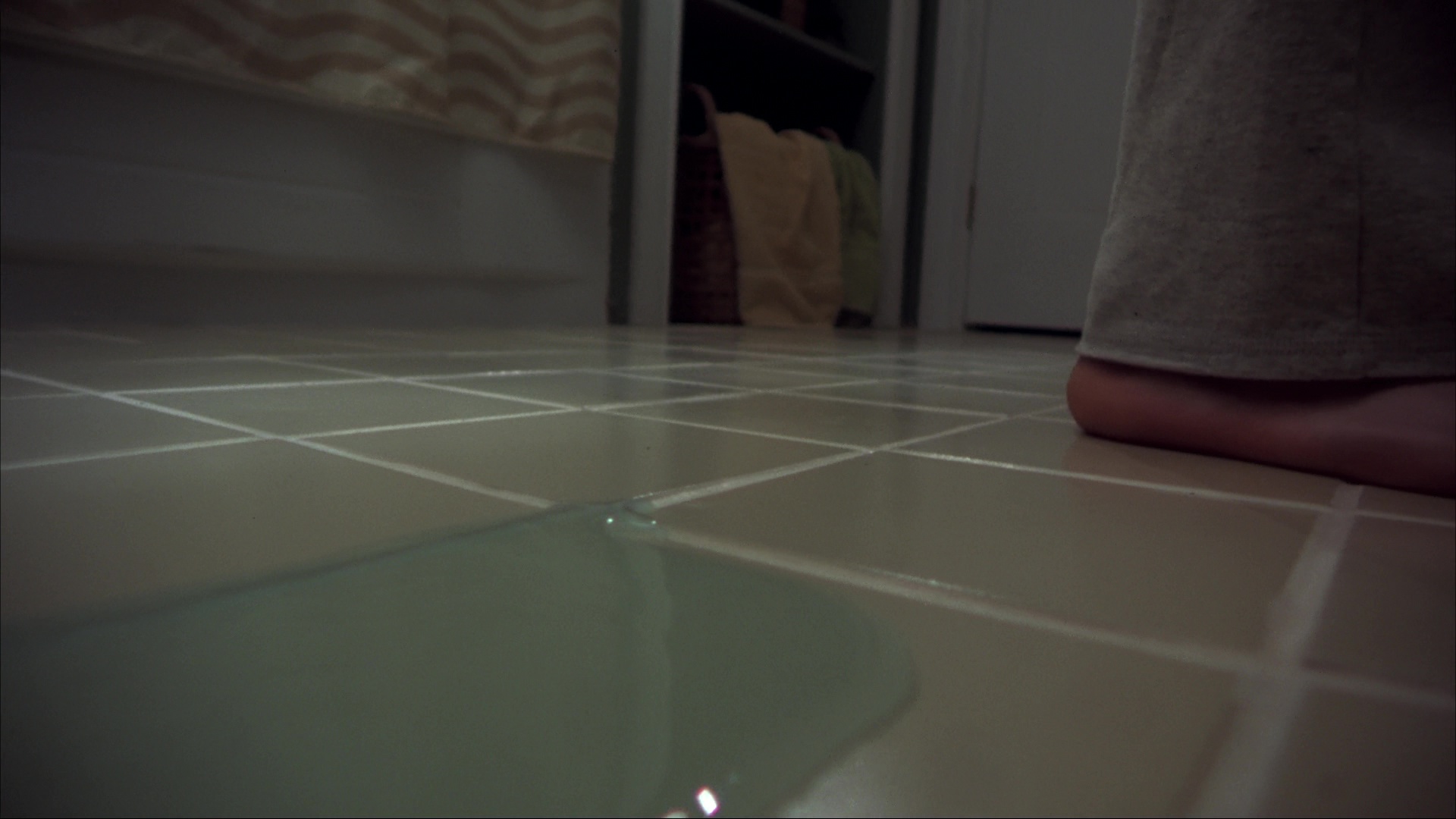
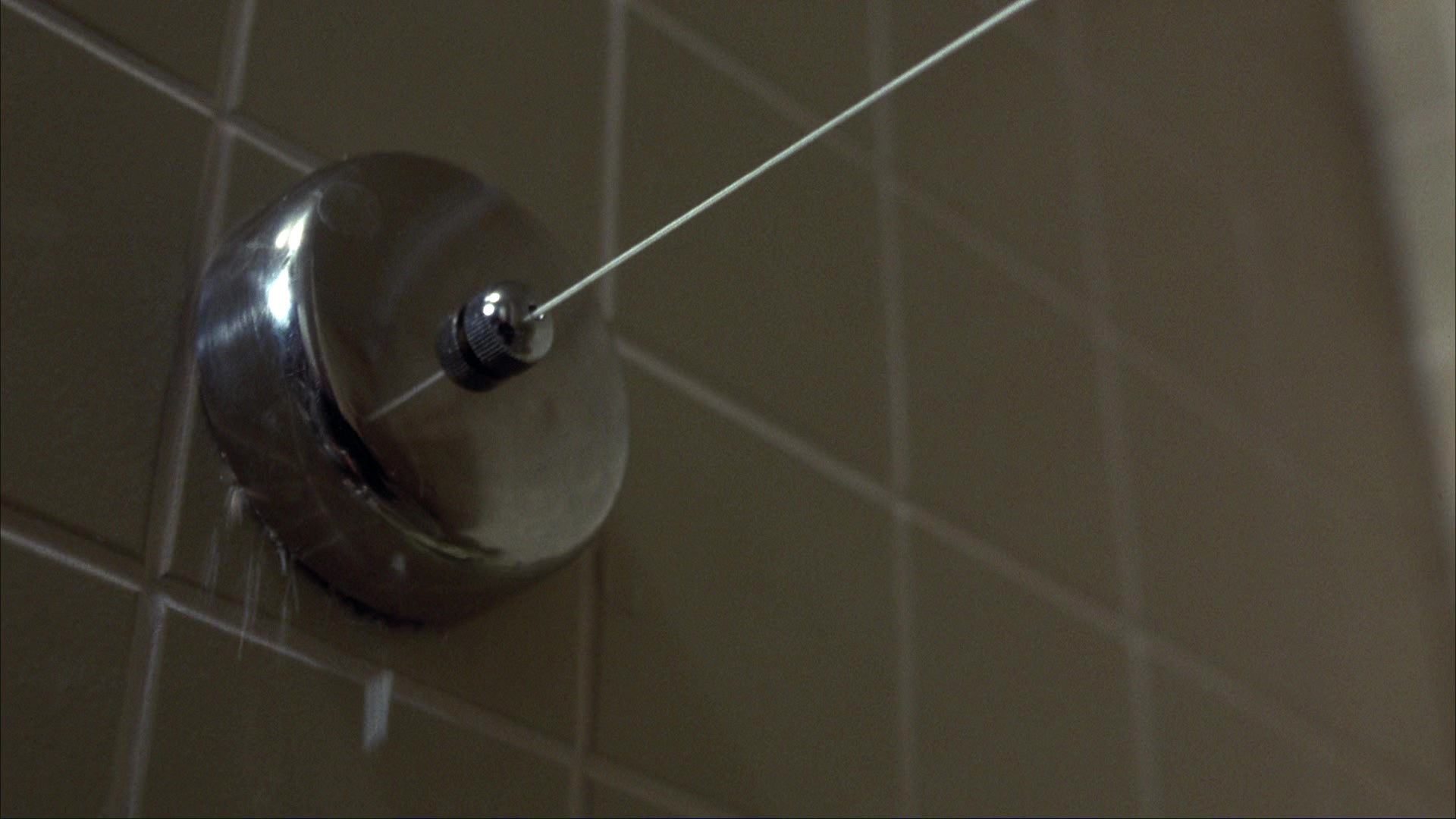
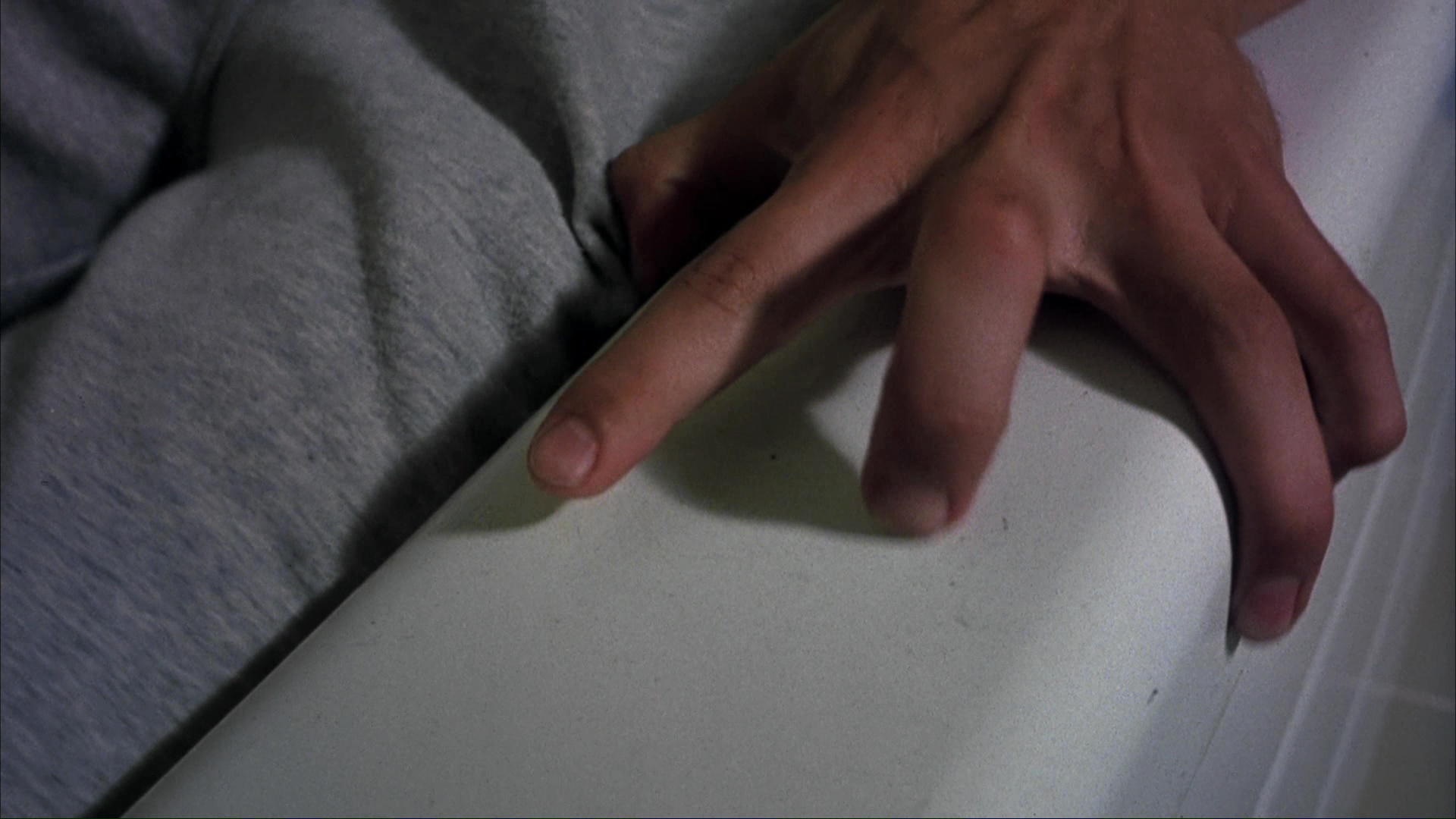
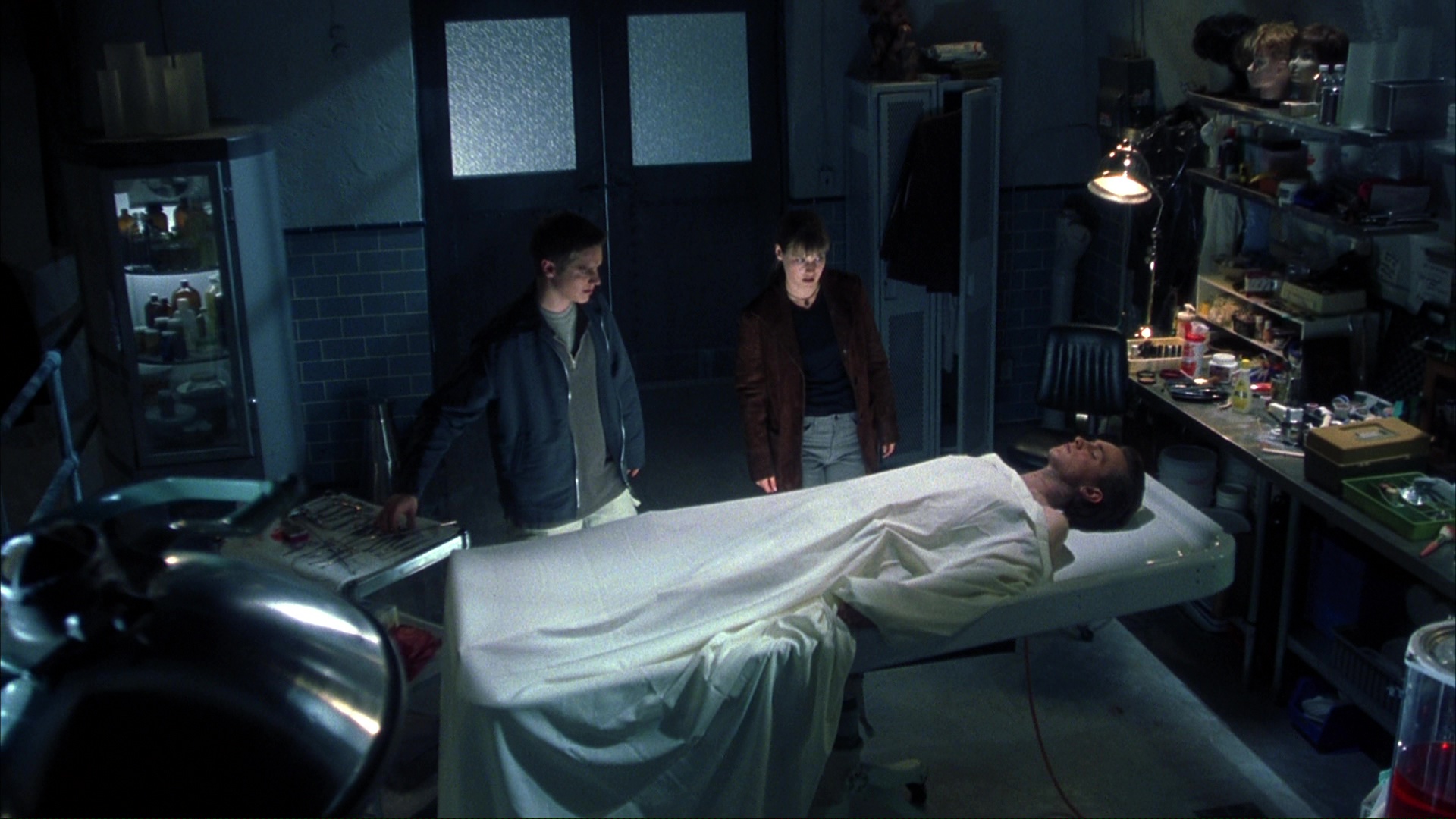
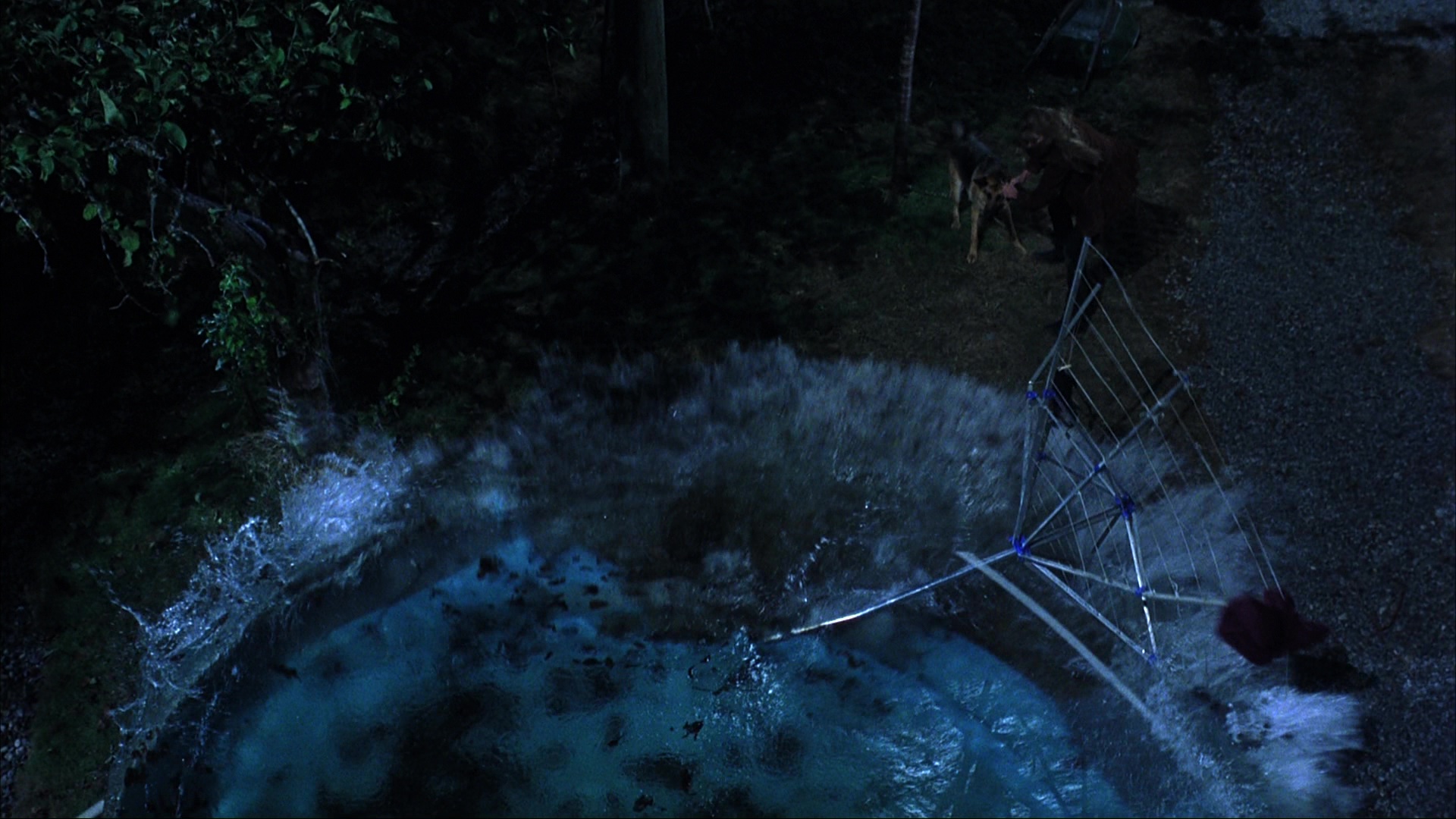
After a memorial service, Tod dies at home. Water leaking from the toilet makes him slip into the bathtub, and a clothesline wraps around his neck and strangles him. The police call it a suicide. Alex and Clear sneak into the funeral home to see his body, and mortician William Bludworth tells them Death has a design. The survivors ruined it by living, and now Death is claiming the people who were meant to die in the crash.
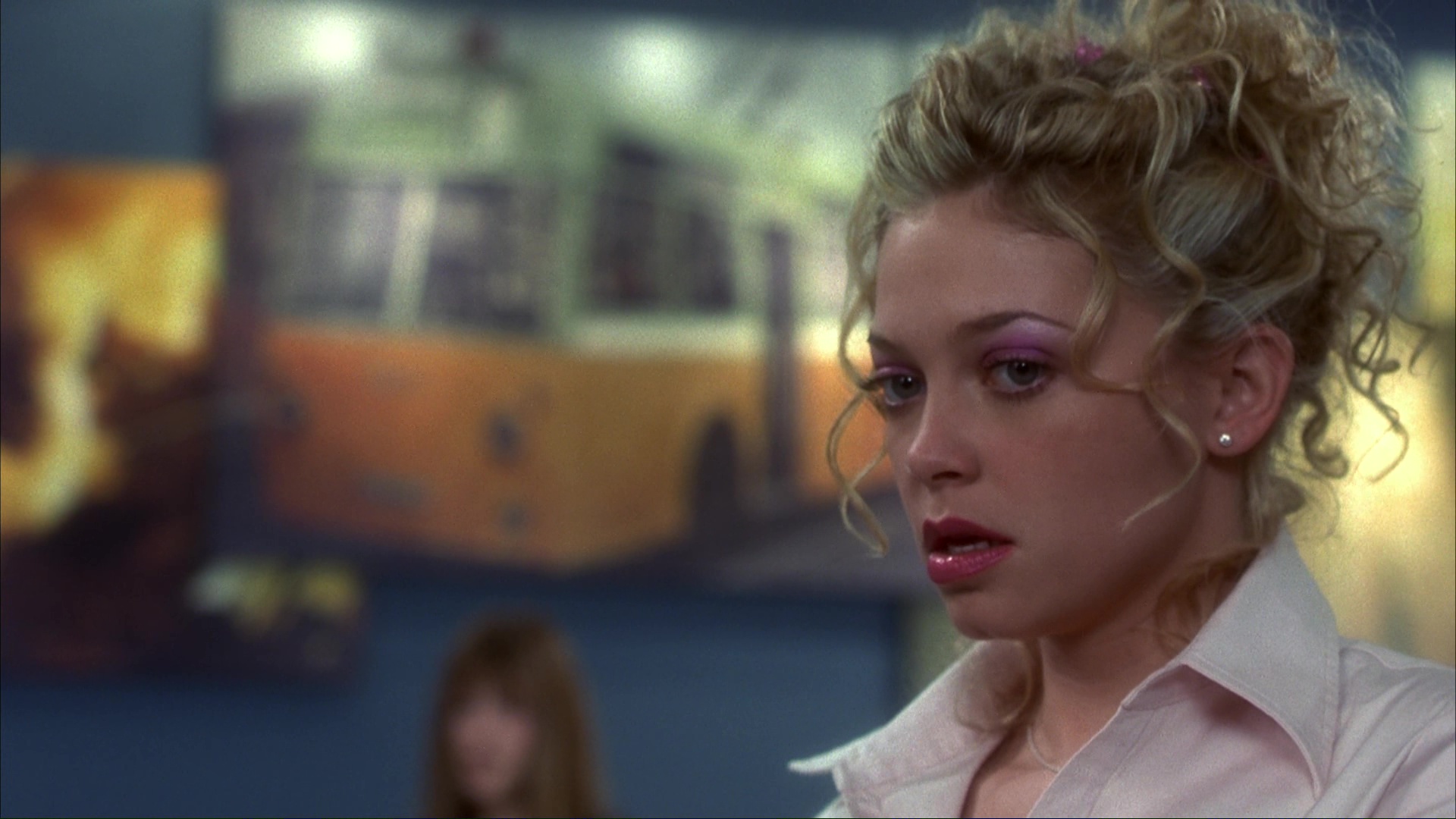
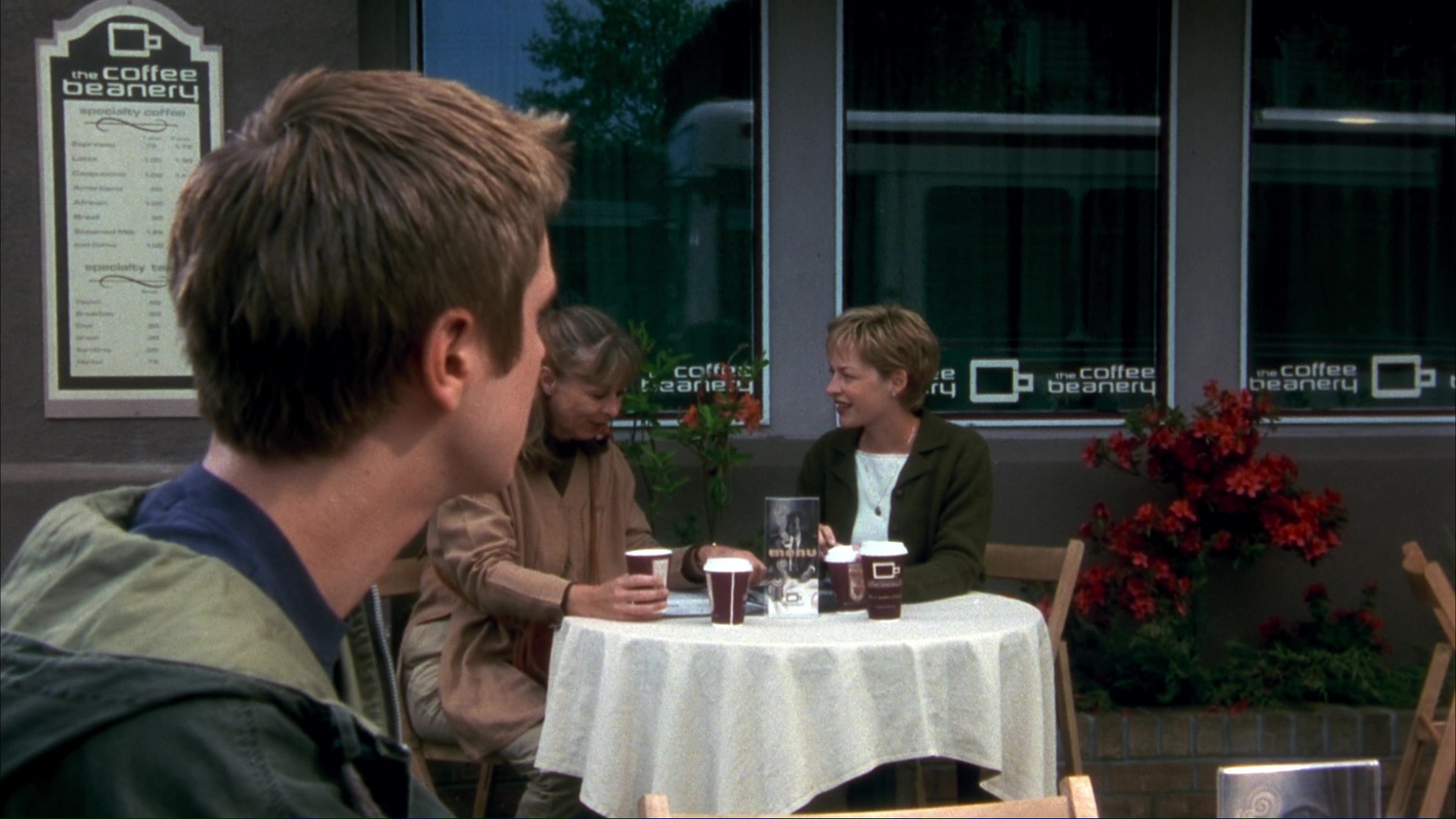
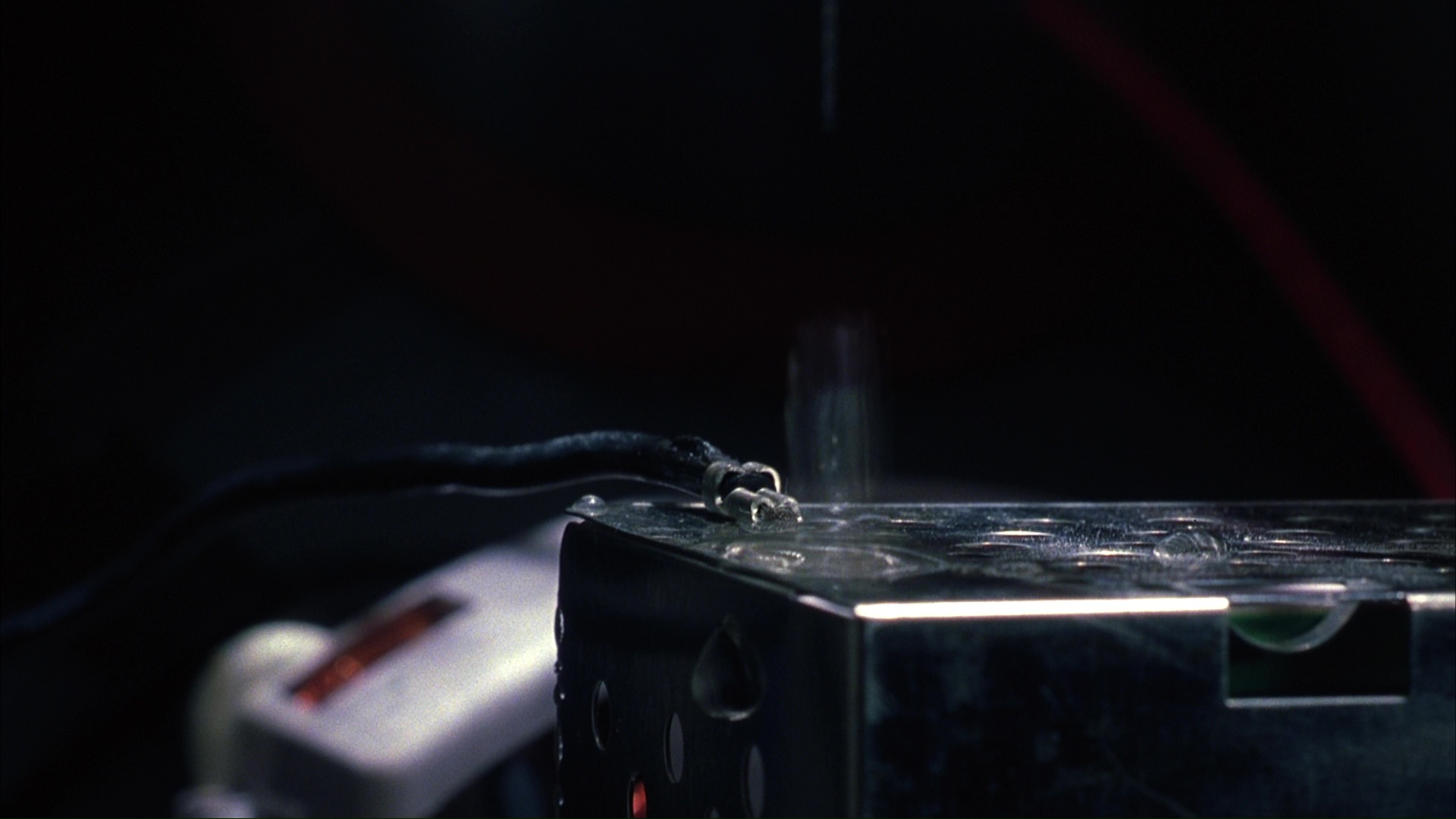
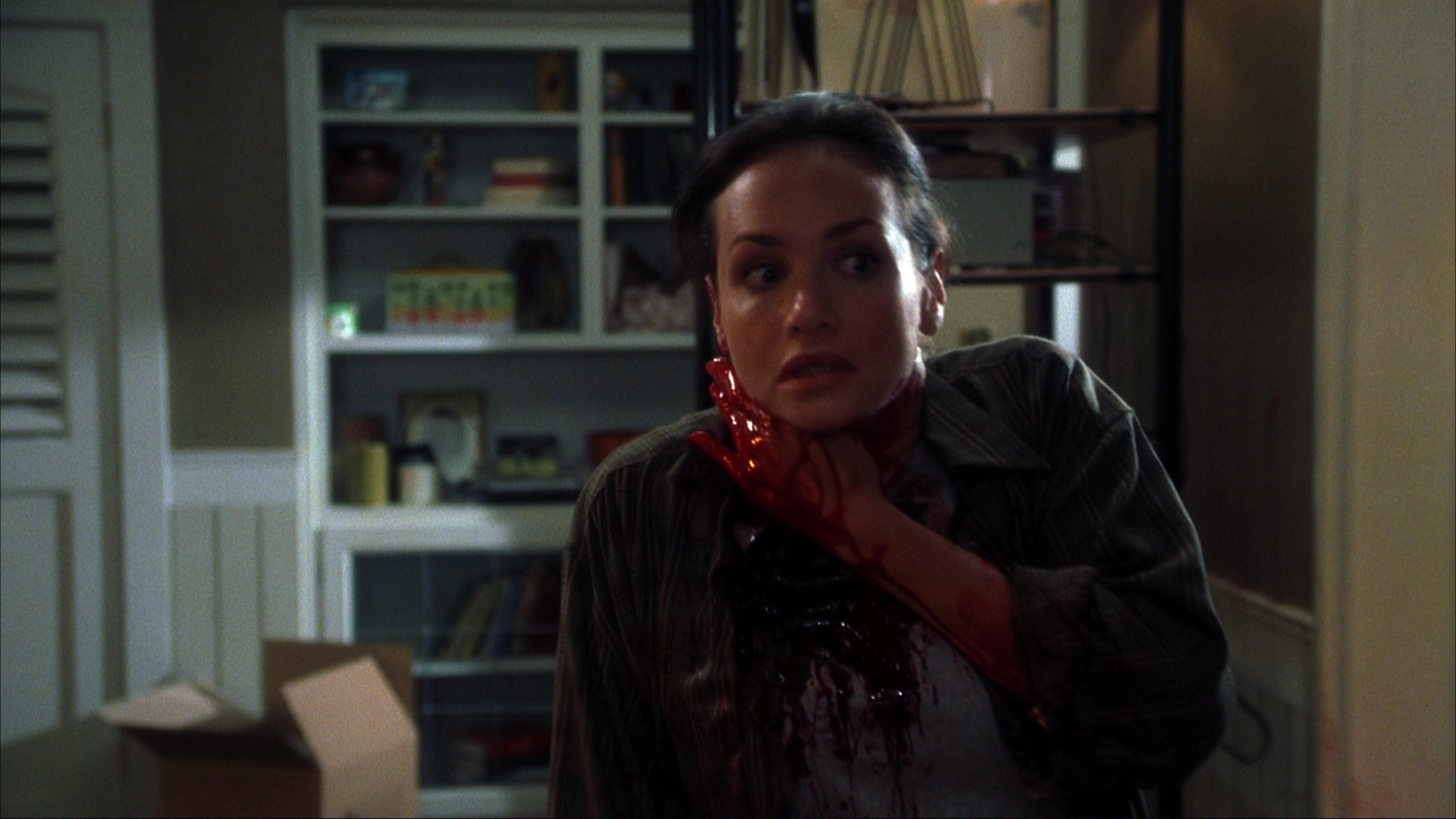
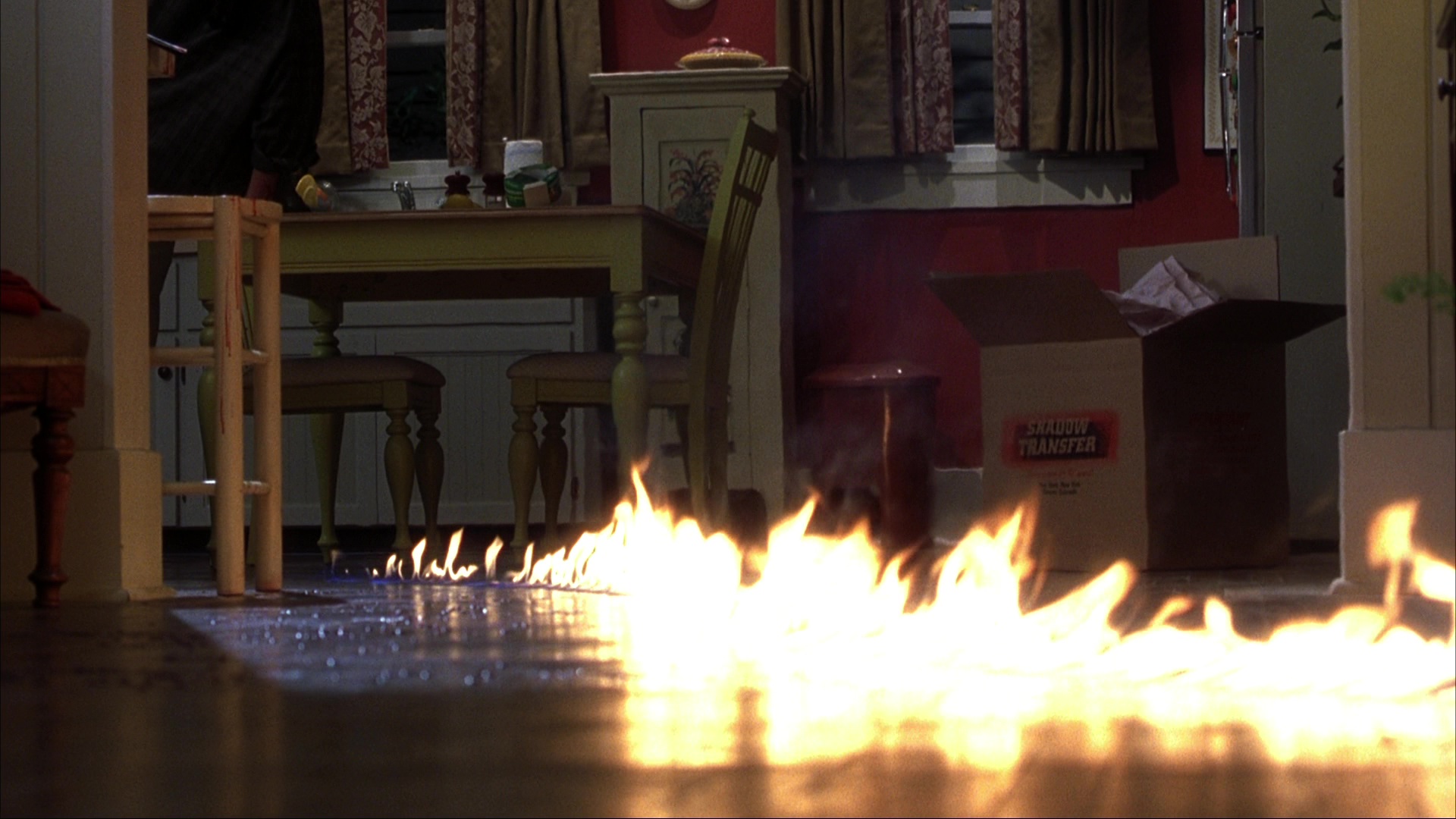
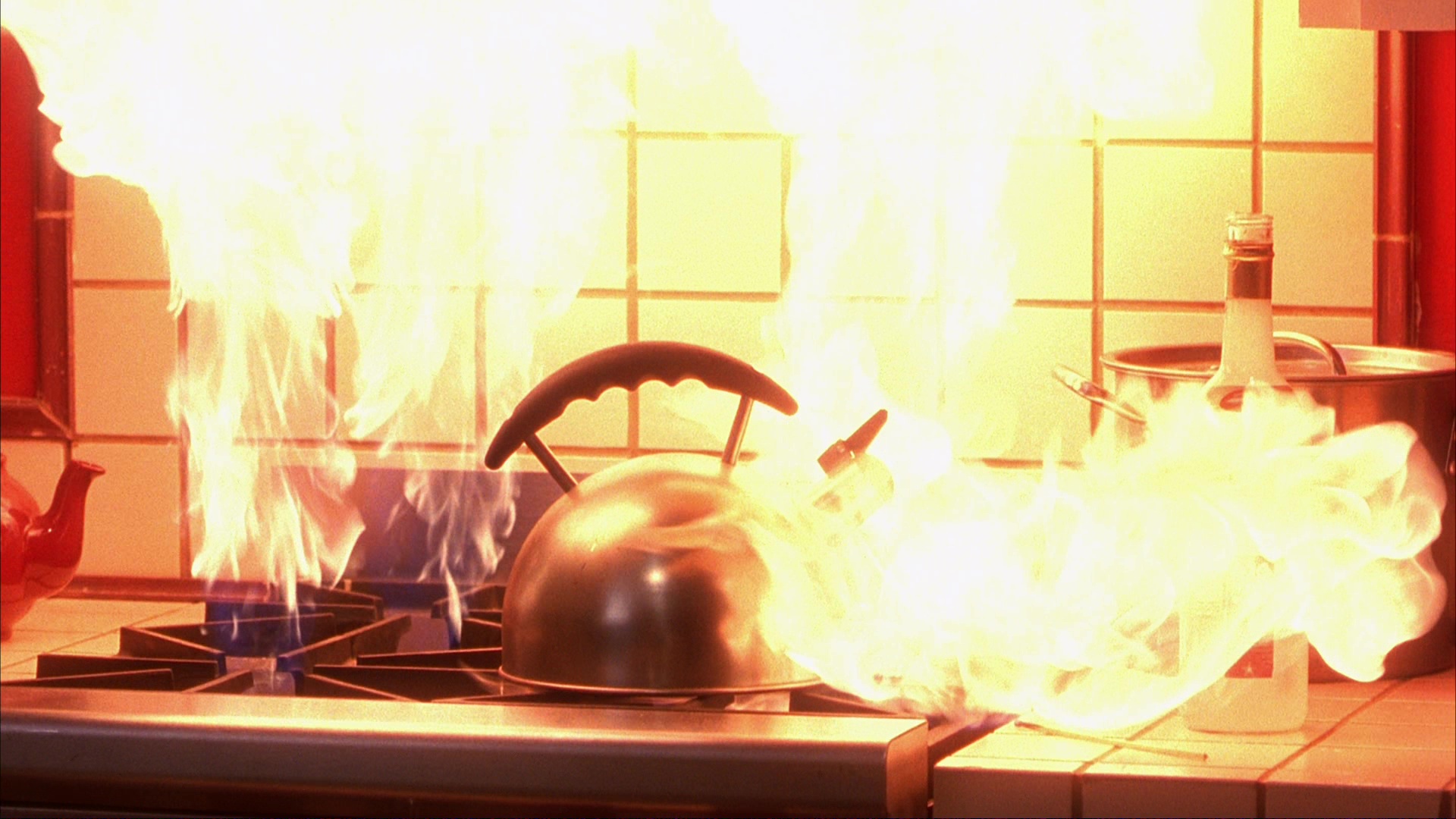
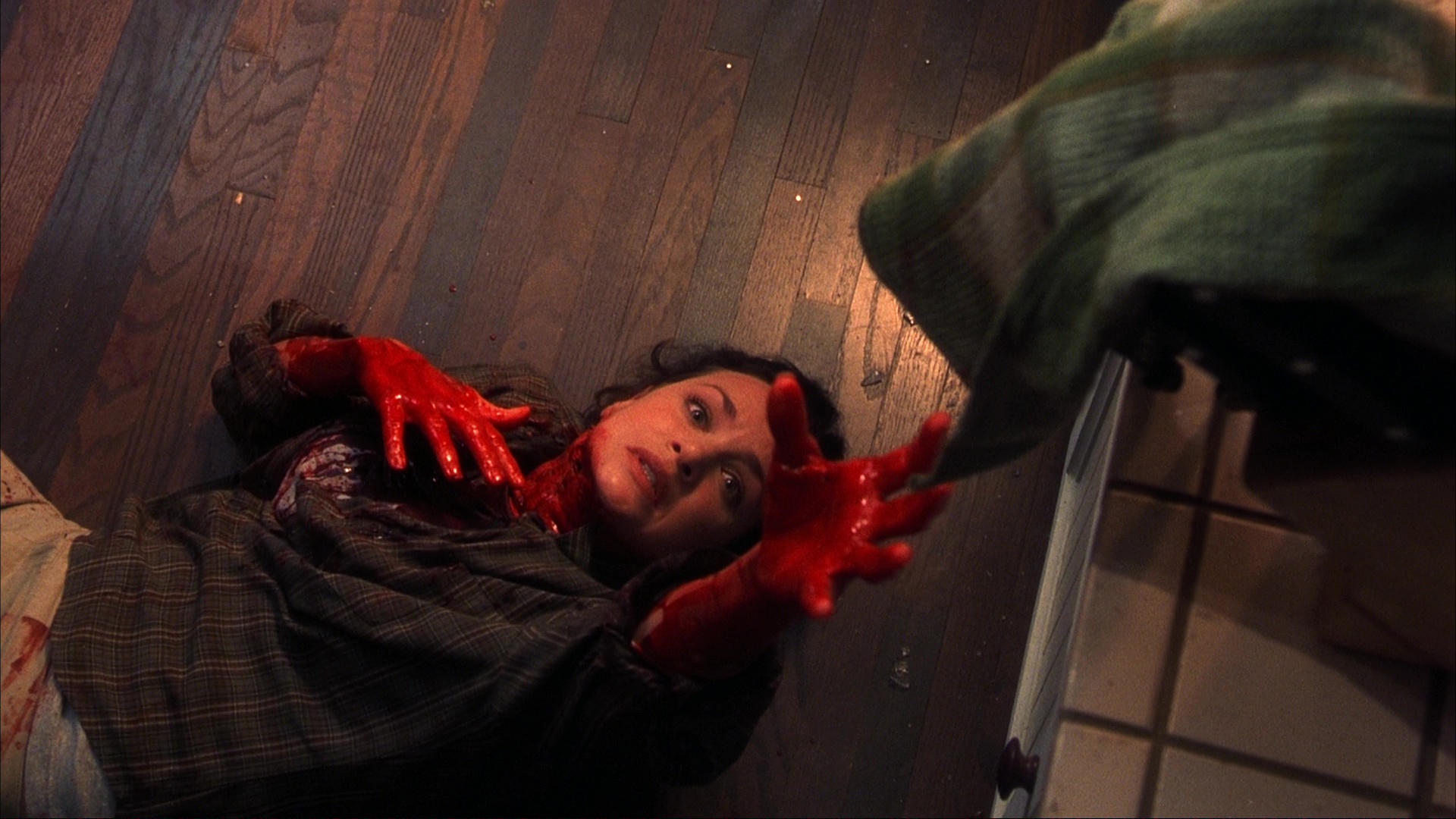
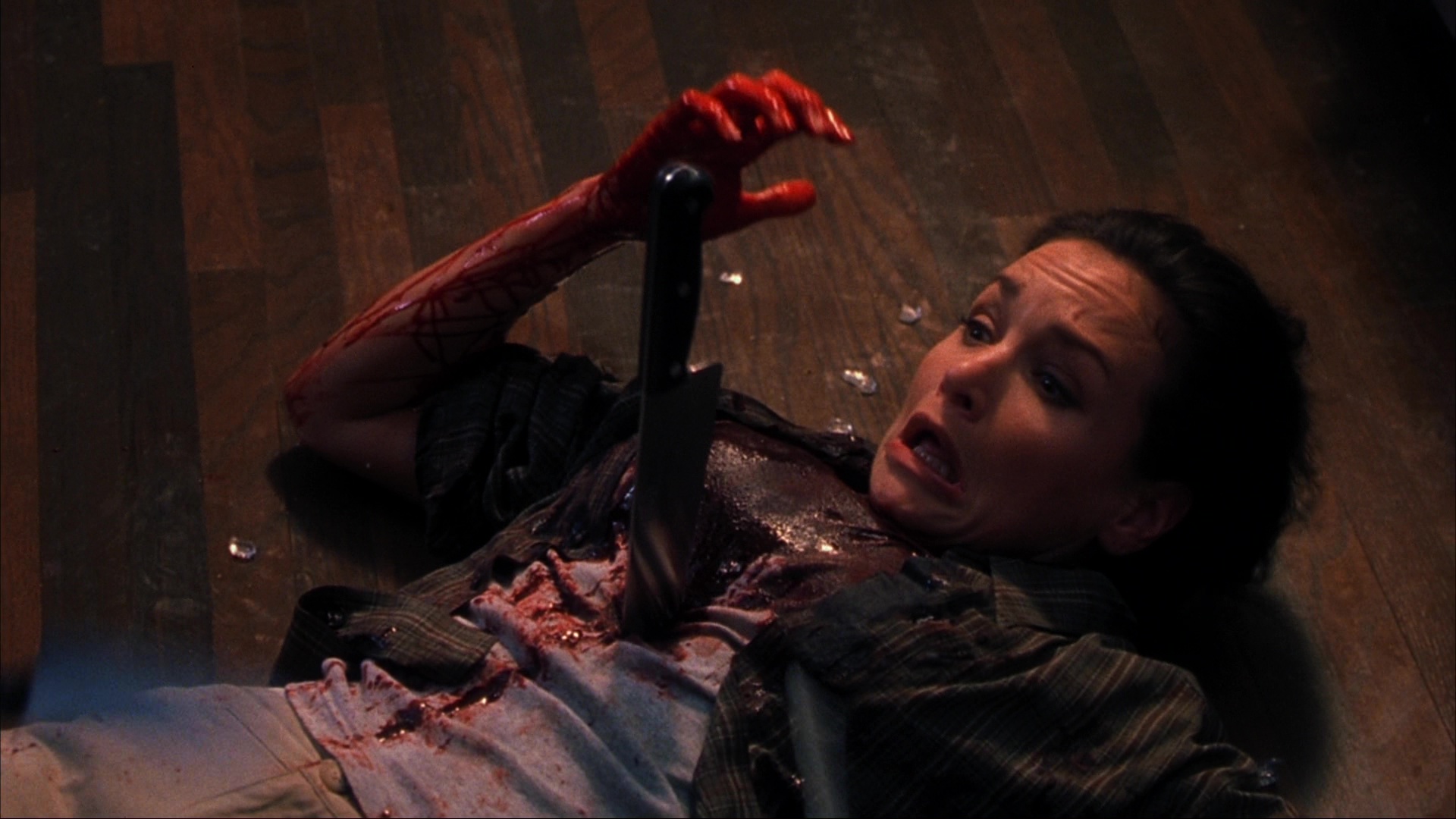
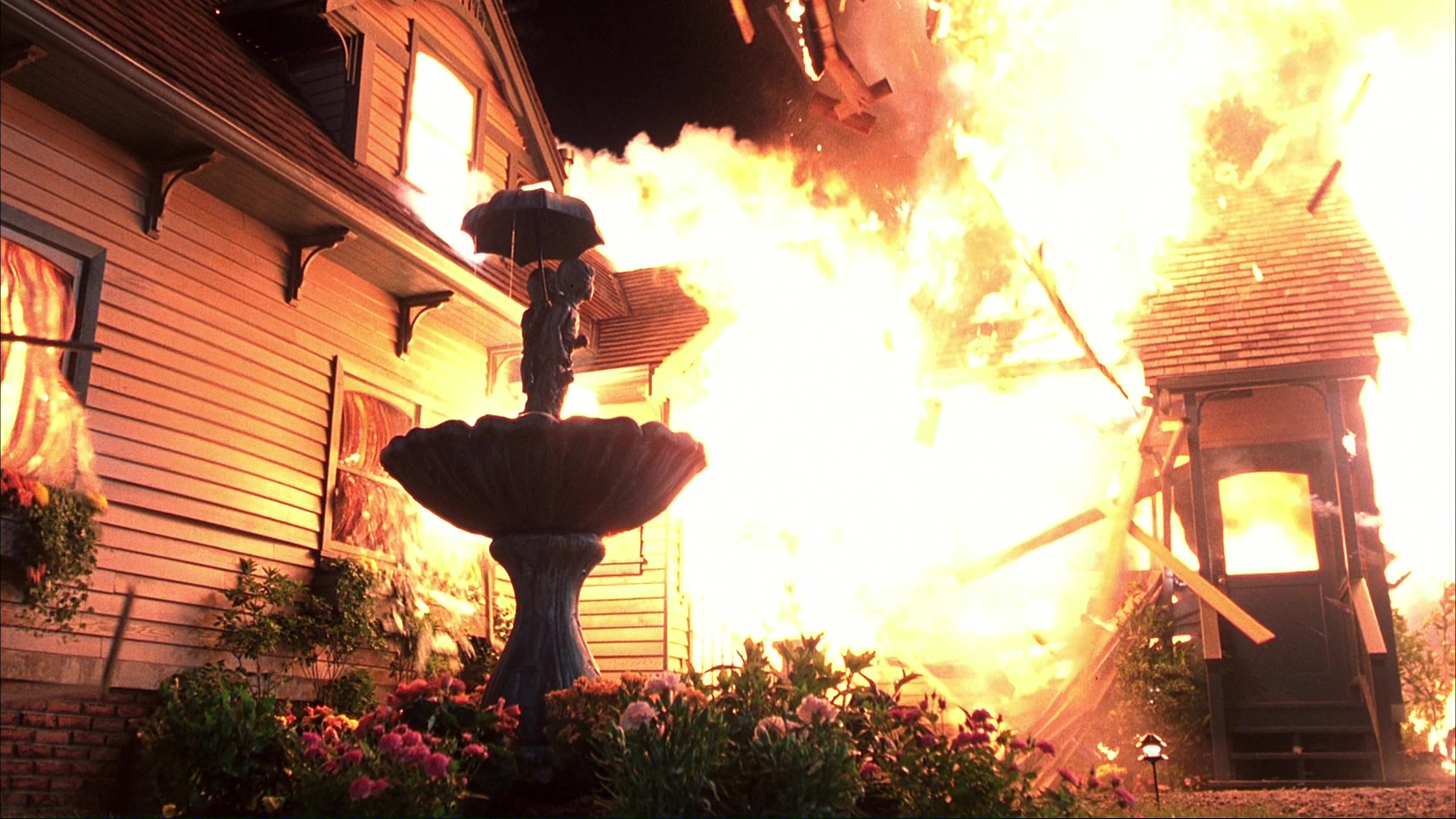
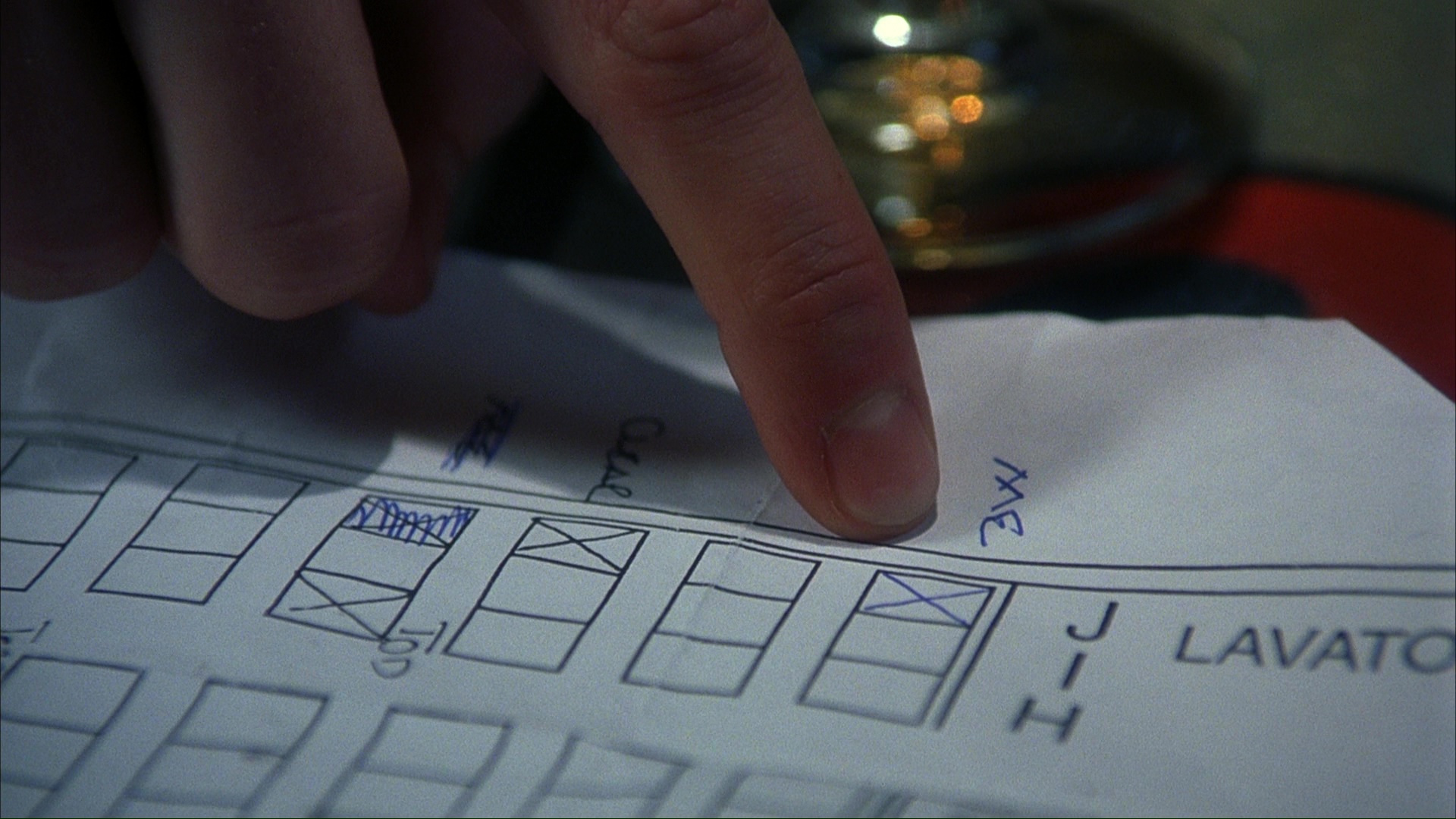
The survivors meet at a cafe and argue. Terry storms off, steps into the street, and is hit by a speeding bus. After watching a news report on how the plane came apart, Alex works out that the survivors are dying in the order they would have died on the plane. Ms. Lewton is next, and he gets there too late. In her kitchen, a mug cracks and leaks onto her computer, the monitor blows up and a piece of glass cuts her neck, and a trail of spilled vodka catches fire. She reaches for a towel, and a knife falls into her chest. The oven explodes, a chair drives the knife in deeper, and the whole house goes up.
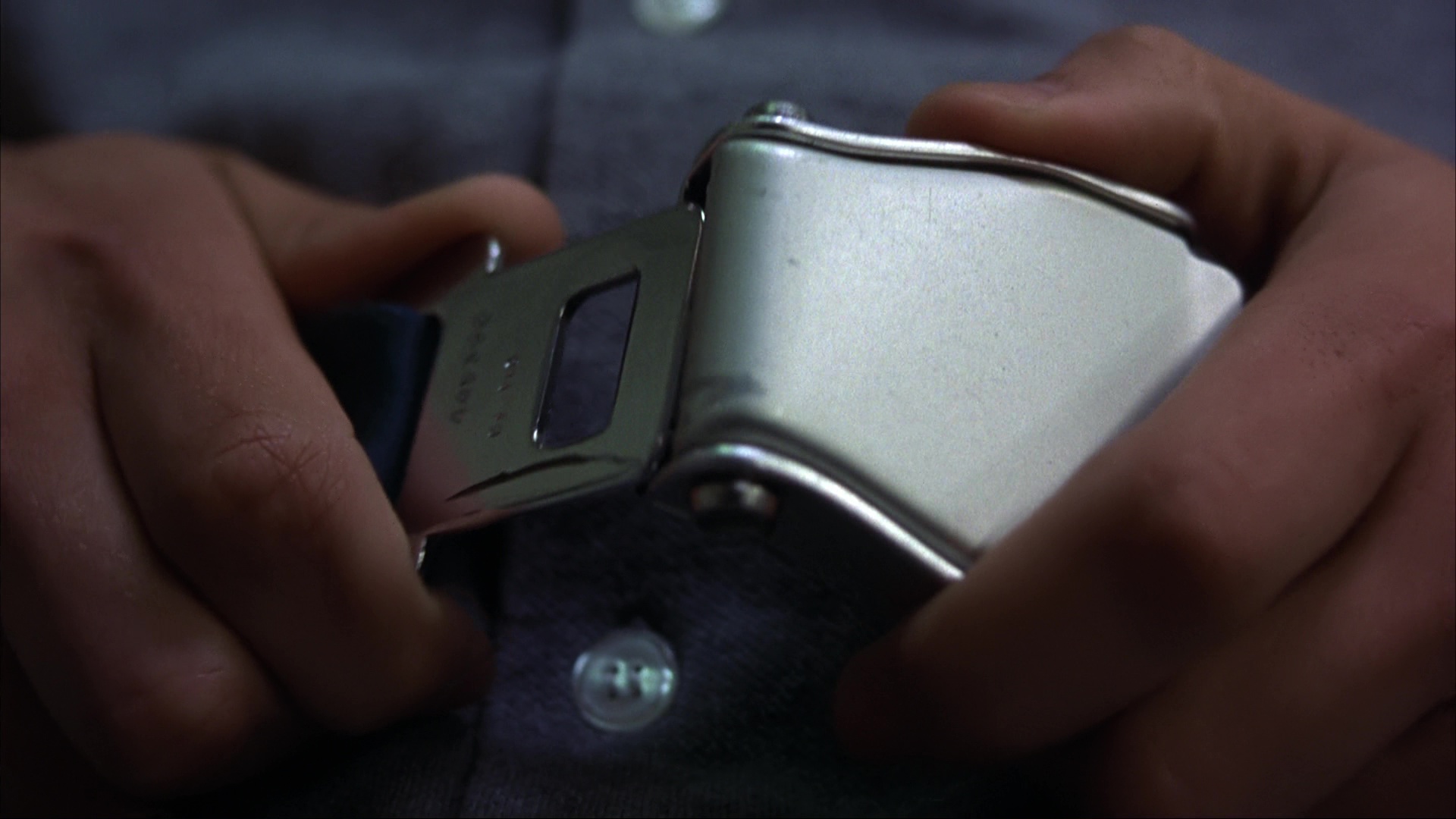
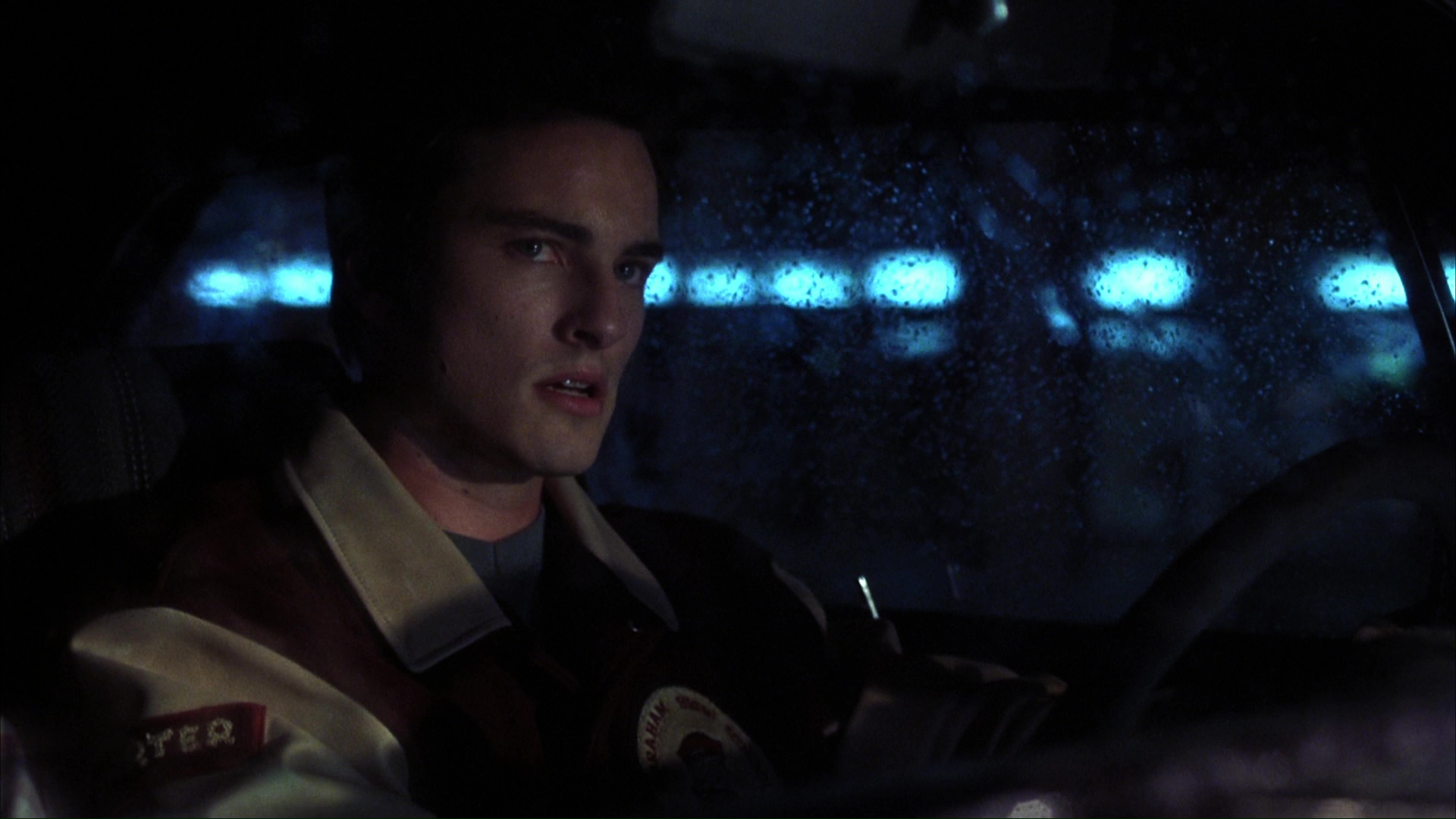
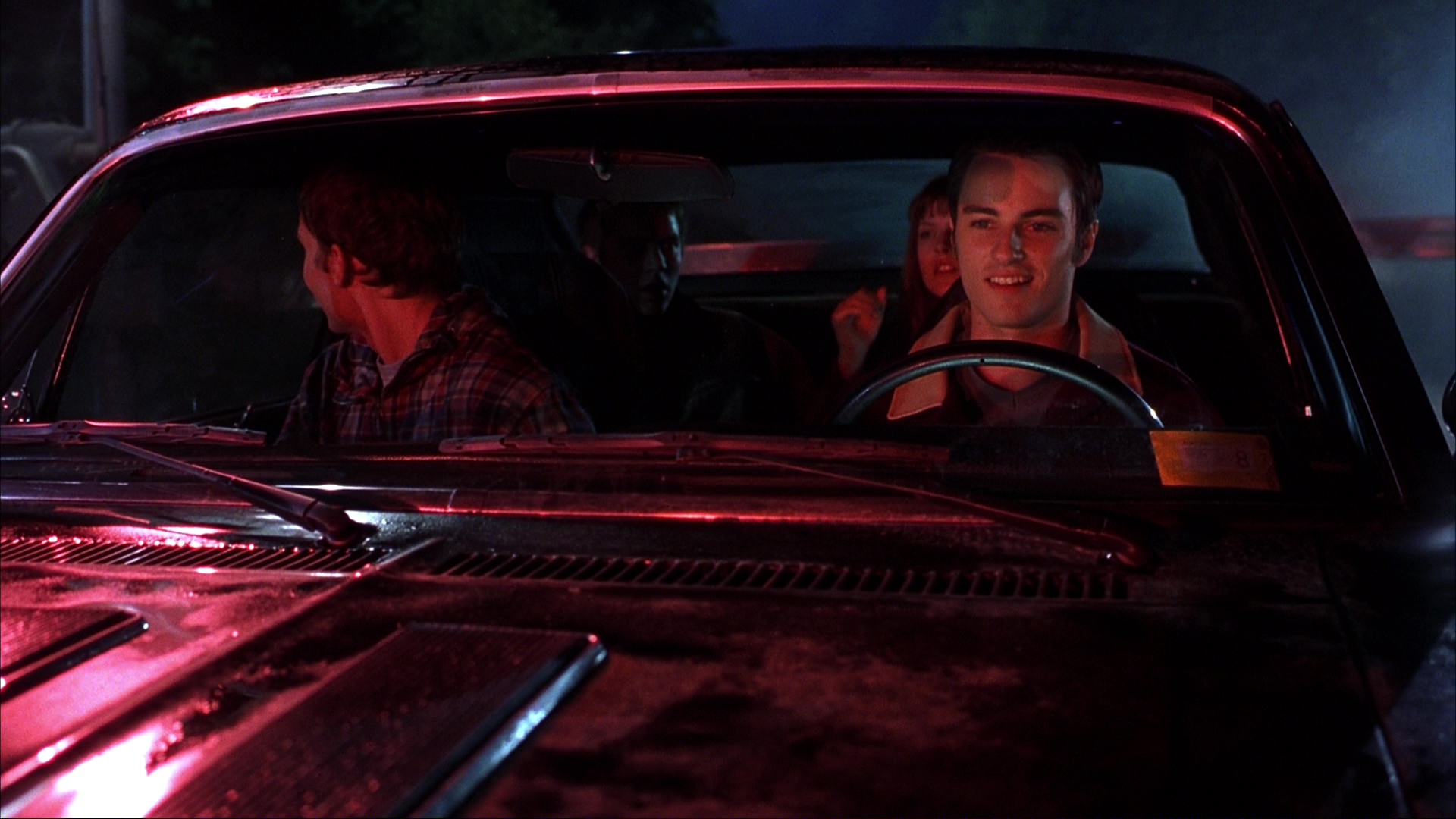
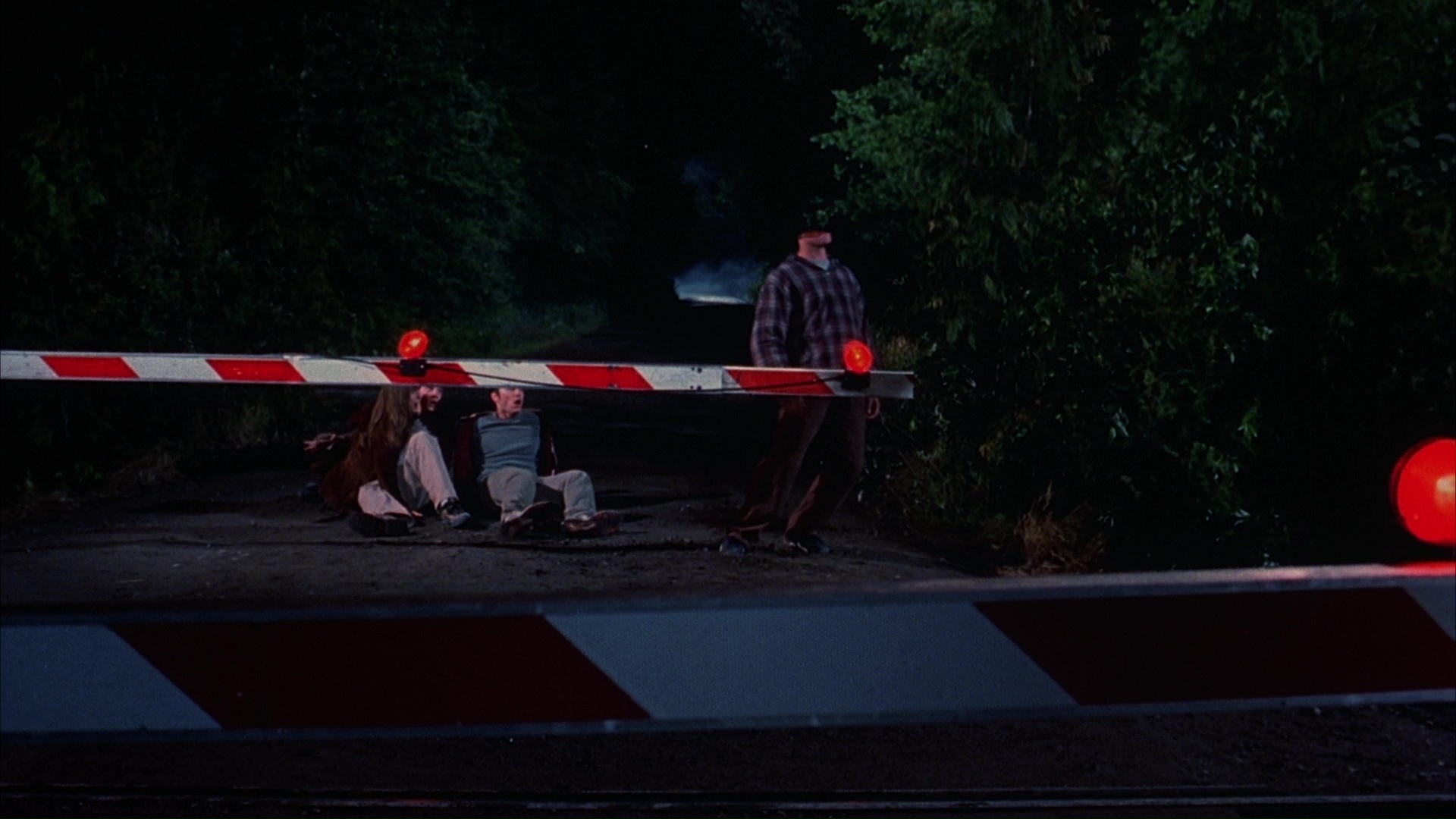
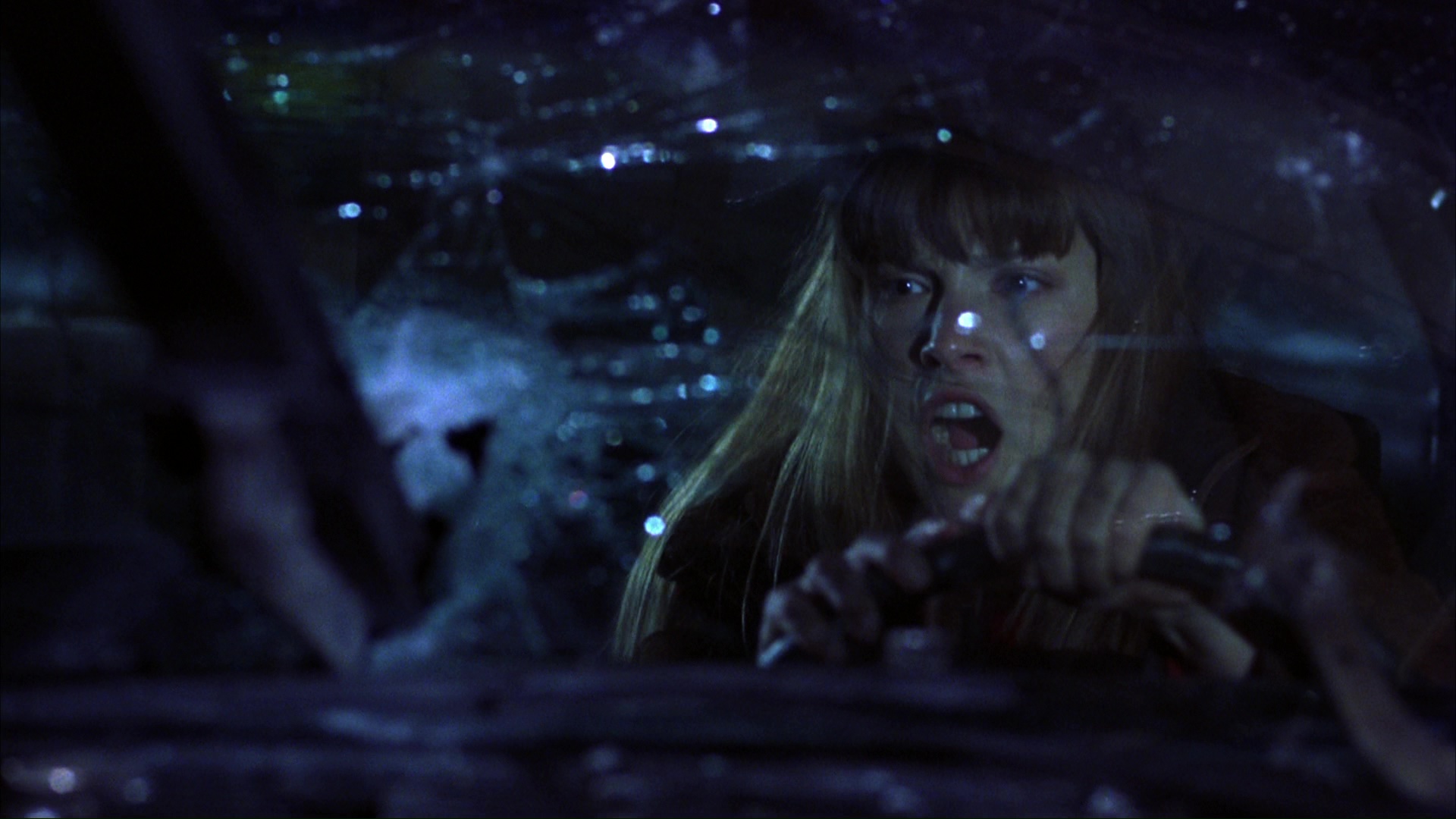
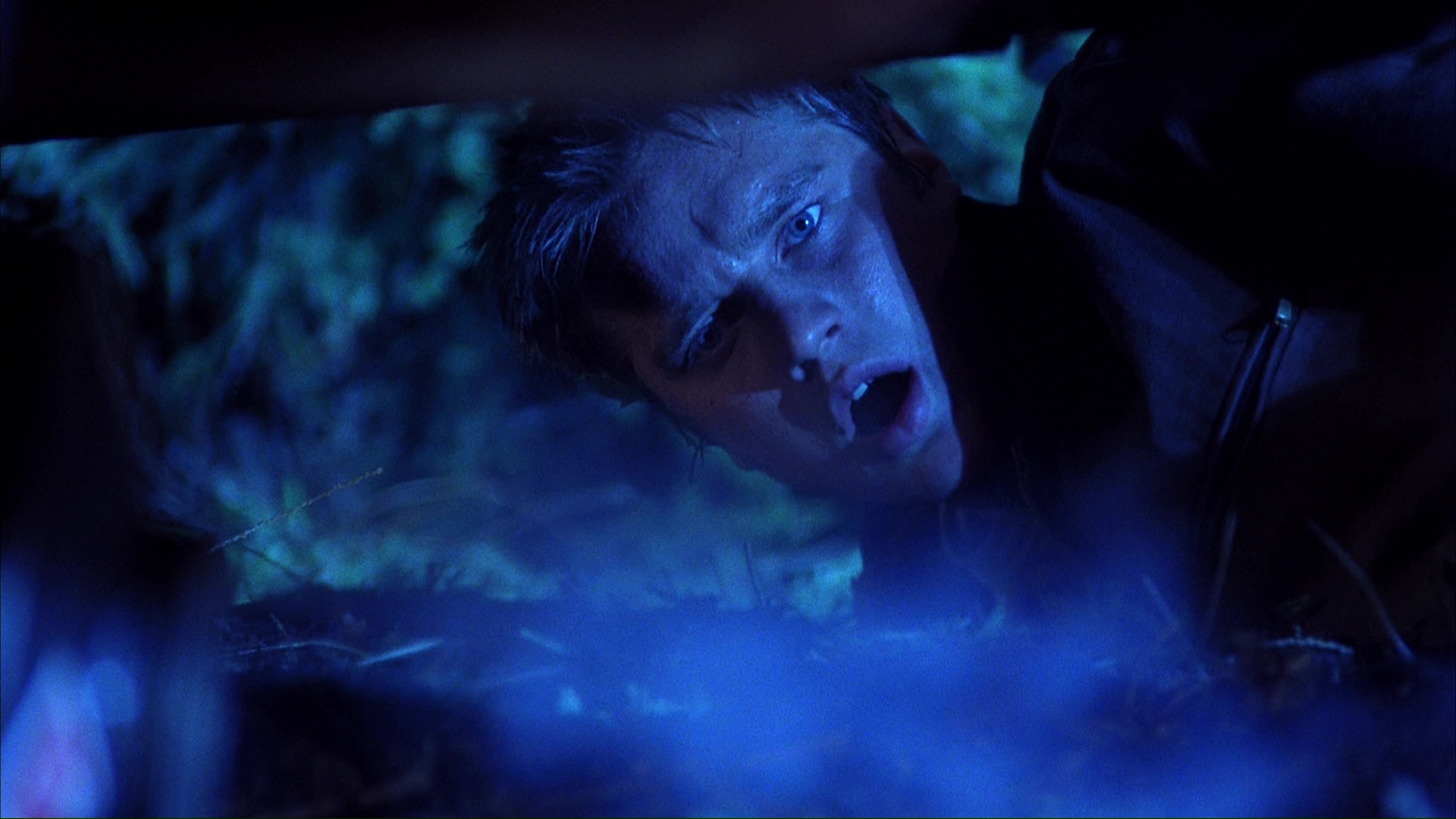
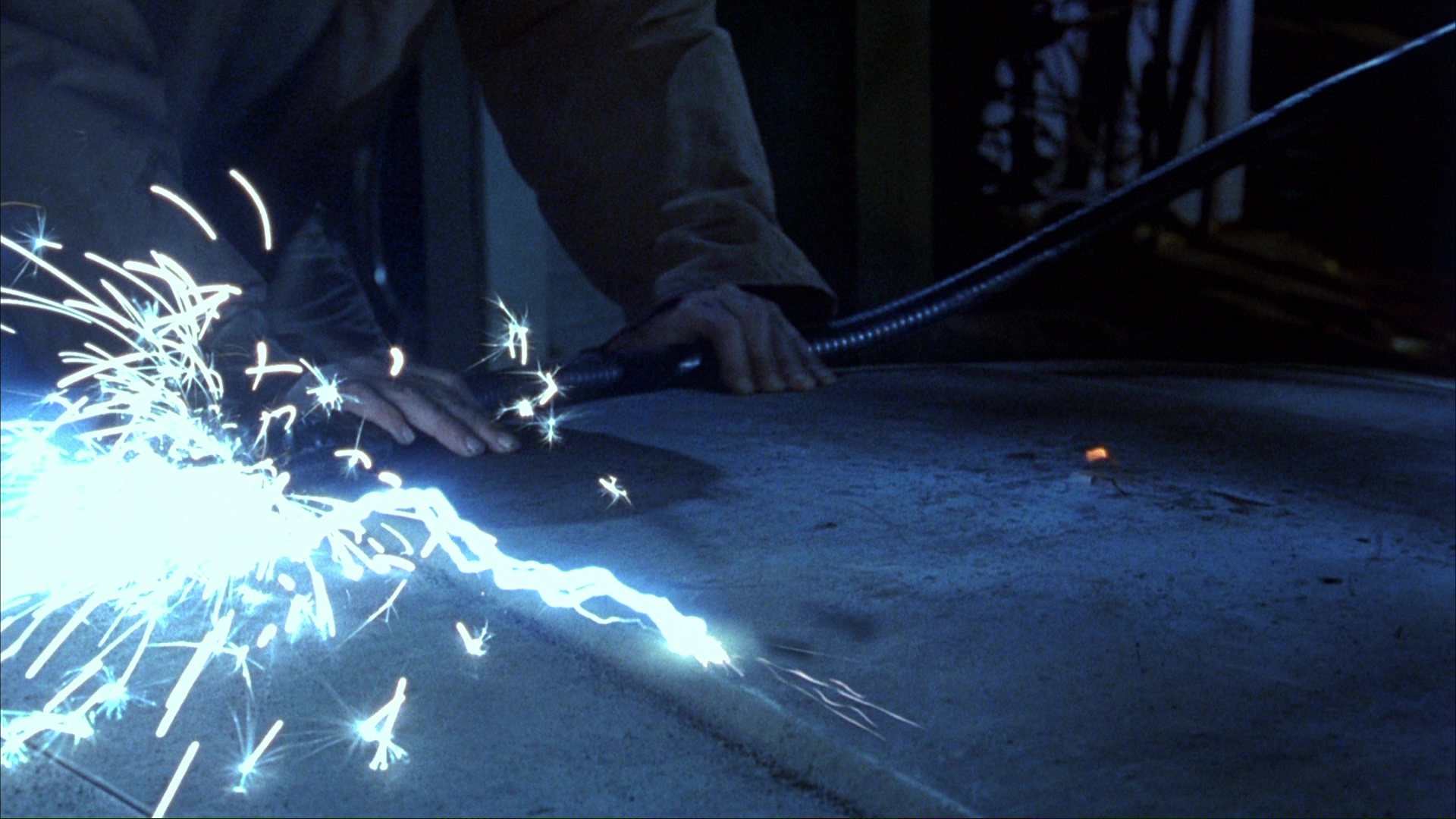
Carter is sure the theory is wrong and parks his car on railroad tracks. His seat belt jams, and Alex pulls him out just before the train hits. A piece of metal thrown from the wreck cuts off Billy's head. Alex decides that when someone is saved, Death skips to the next person on the list. Hiding in a cabin the next day, he realizes he got the order wrong. He had switched seats with two classmates before takeoff, and Clear is really the next target. Downed power lines and leaking gas turn her car into a trap. Alex grabs the live wire and she gets out before the car explodes.
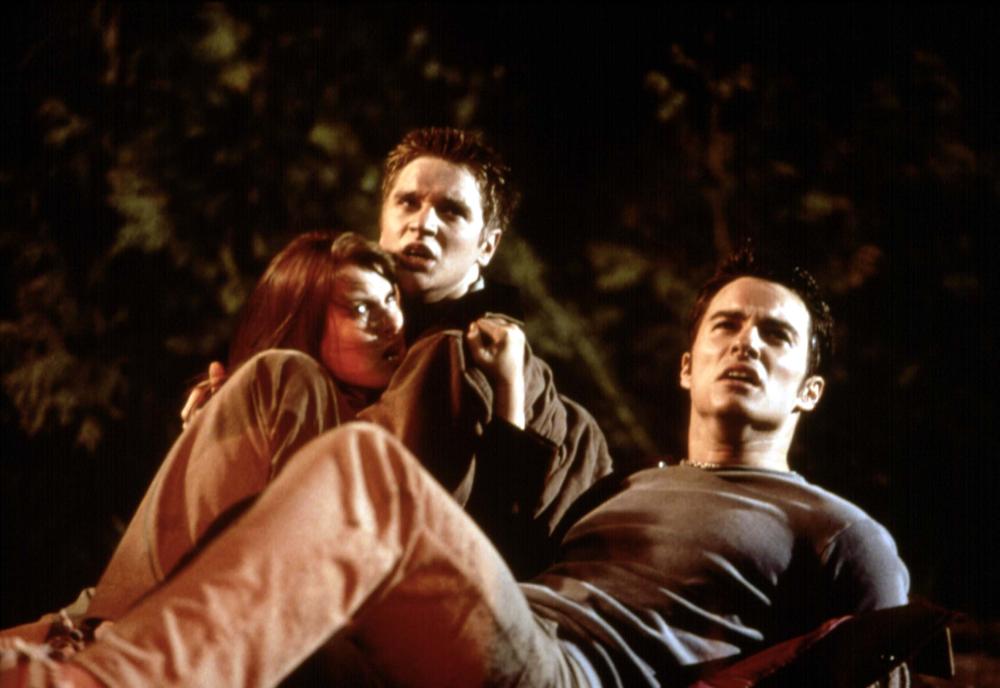
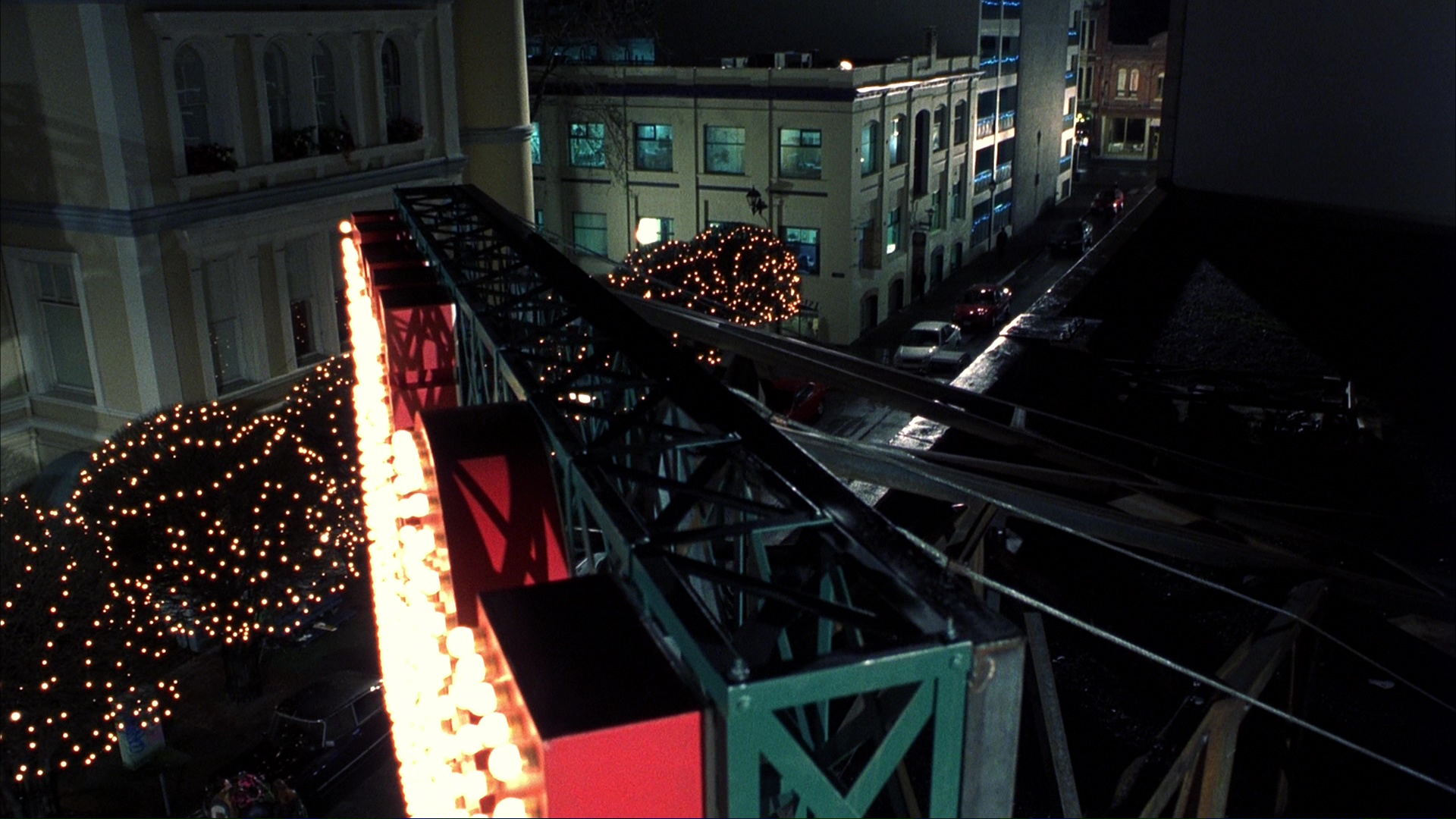
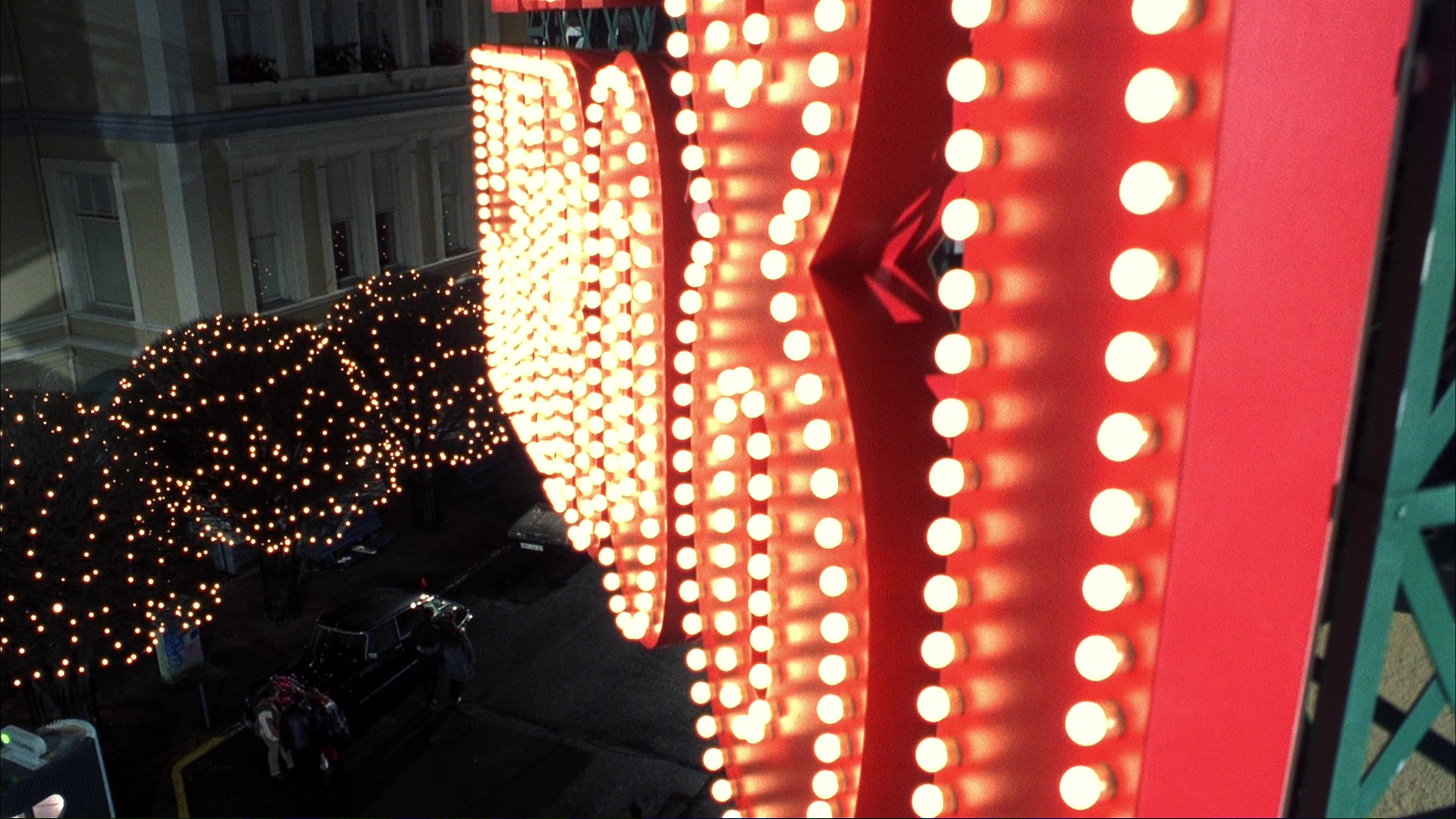
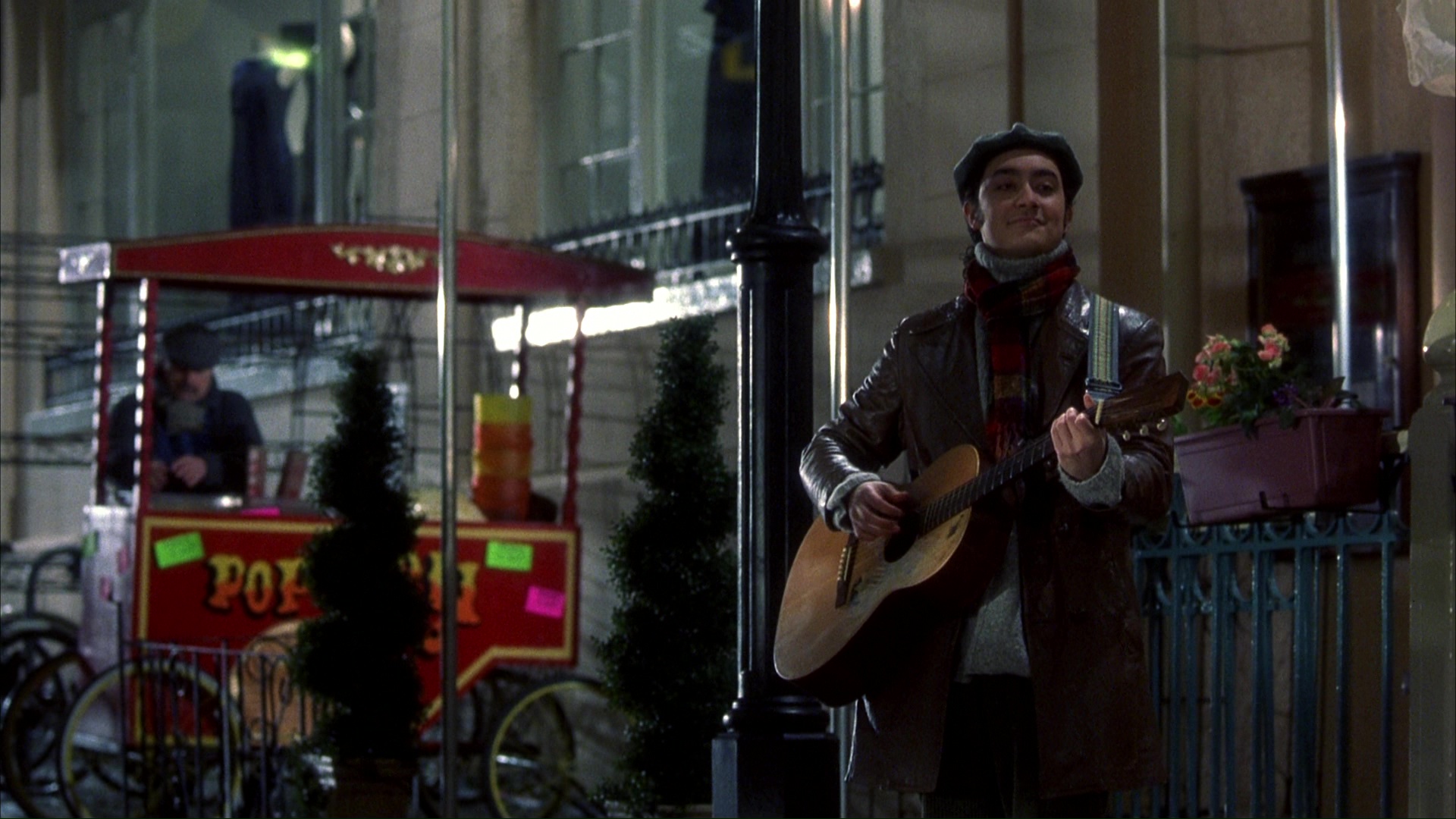
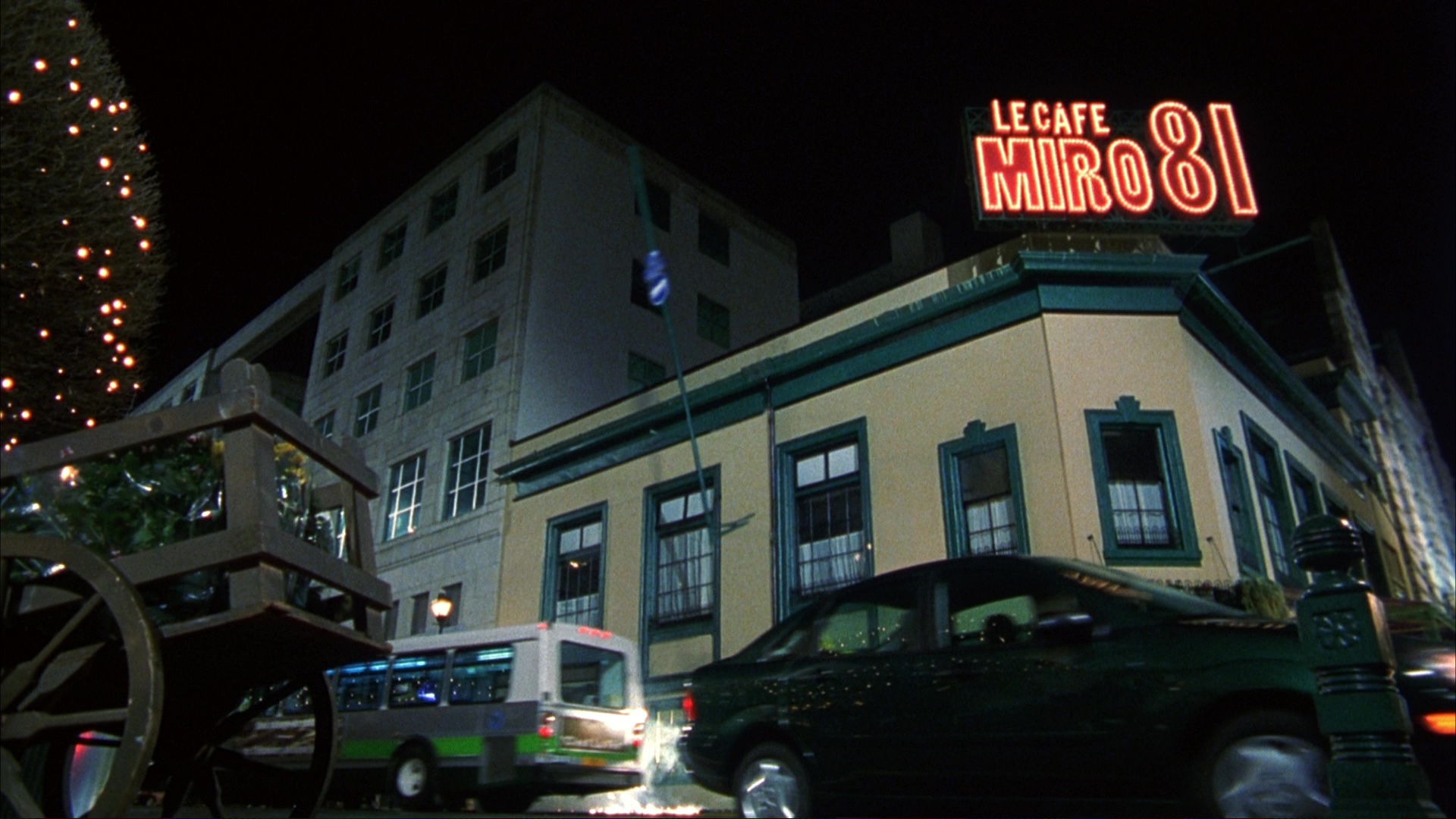
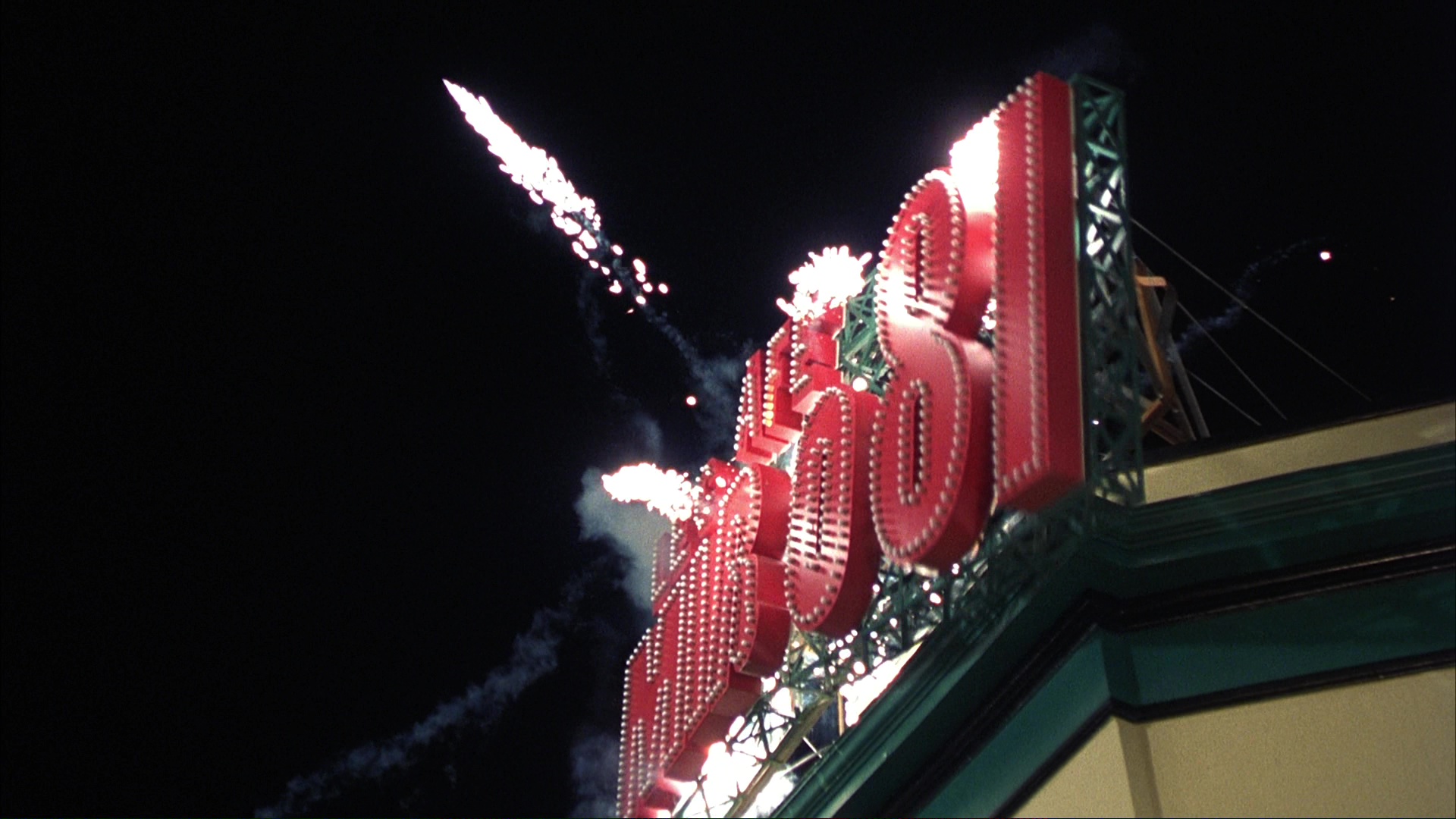
Six months later, Alex, Clear and Carter are in Paris at an outdoor cafe called Le Café Miro 81. Alex realizes that saving Clear moved him up to be next. A street musician plays a French version of "Rocky Mountain High" and Alex gets up to leave. A bus crash sends a parking sign into the cafe's big neon sign, which falls toward Alex. Carter pushes him out of the way. Carter asks who is next, the sign swings back toward him, and the film cuts to the credits. Final Destination 2 later reveals that Alex was killed by a falling brick.
New Line Cinema opened the film on March 17, 2000 in 2,587 theaters. It made $10,015,822 its first weekend, an average of $3,871 per theater, and came in third behind Erin Brockovich and Mission to Mars. It held at number three the next weekend, fell to seventh in its third, and left the top ten by its eighth. It played 22 weekends, ending in 105 theaters with $52,675. Box Office Mojo puts the final gross at $53,331,147 domestic and $112,880,294 worldwide on a $23 million budget.
Critics were split. Rotten Tomatoes has it at 51% from 164 reviews, and Metacritic gives it 39 out of 100 from 28 reviews. Audiences polled by CinemaScore gave it a B-minus.
Roger Ebert gave it three stars out of four and predicted it would be a hit that spawned sequels. Joe Leydon of Variety said it built respectable suspense and took unexpected turns, and Kevin Thomas of the Los Angeles Times called it a terrific feature debut for its TV veterans. Mick LaSalle of the San Francisco Chronicle liked the pairing of Sawa and Larter. On the negative side, Stephen Holden of The New York Times found it dramatically flat, and Jay Carr of The Boston Globe wrote that it ends by cheating the audience.
In 2010 Nick Hyman put it on a list of 15 movies the critics got wrong, praising the set pieces of the first two films.
The film won the Saturn Award for Best Horror Film, and Devon Sawa won the Saturn Award for Best Performance by a Younger Actor. Ali Larter won a Young Hollywood Award for Breakthrough Performance. Sawa and Larter were nominated at the 2001 Blockbuster Entertainment Awards and lost to David Arquette and Neve Campbell of Scream 3. Robert McLachlan was nominated by the Canadian Society of Cinematographers.
Channel 4 ranked the film's concept No. 46 on its 100 Greatest Scary Moments. Terry's bus death has shown up on several best-death lists, including two in Total Film.
2000 · original studio press kit
2000 · institutional press-kit holding
2000 · publicity still archive holding
2000
2000 · press kit
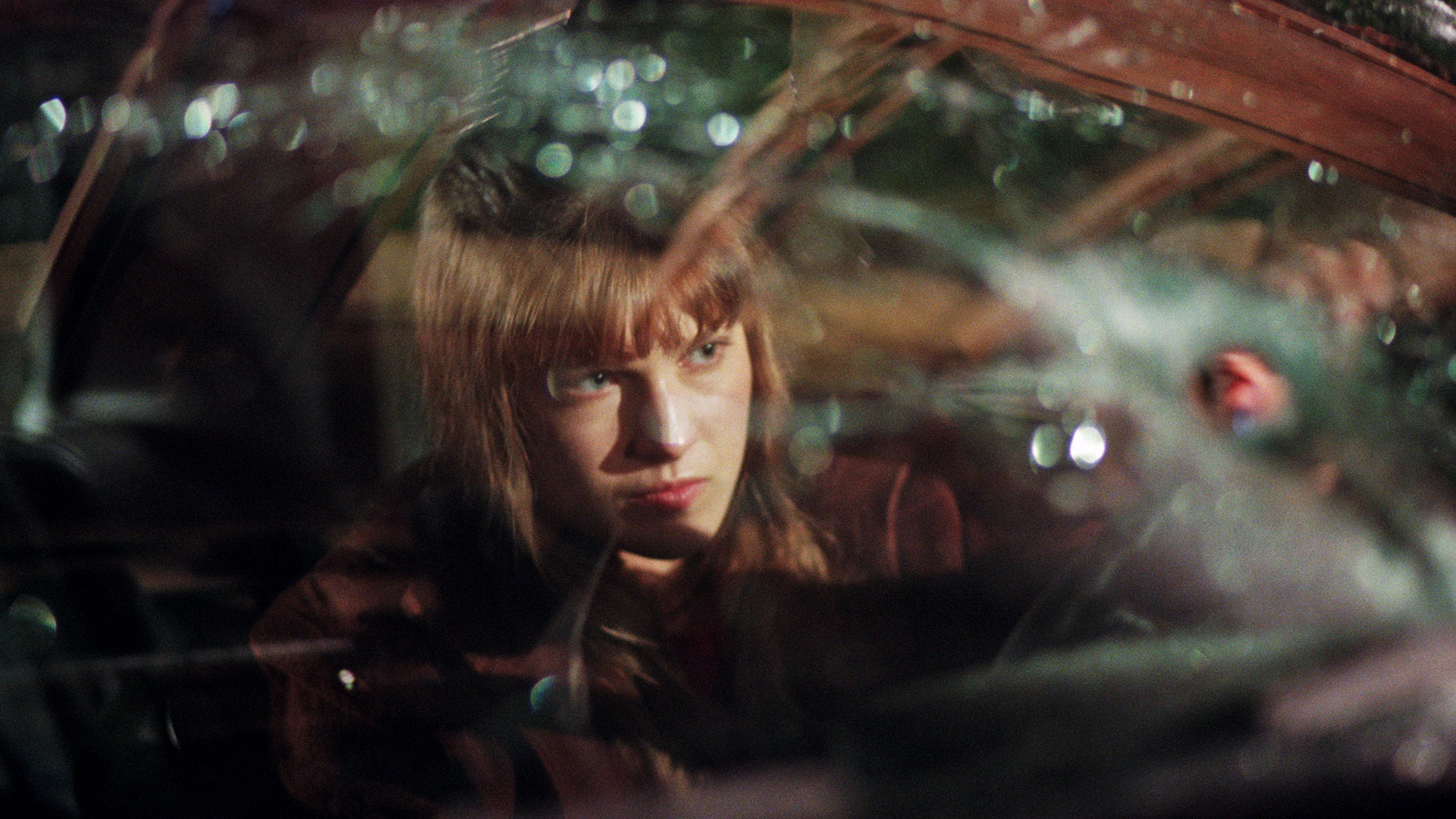
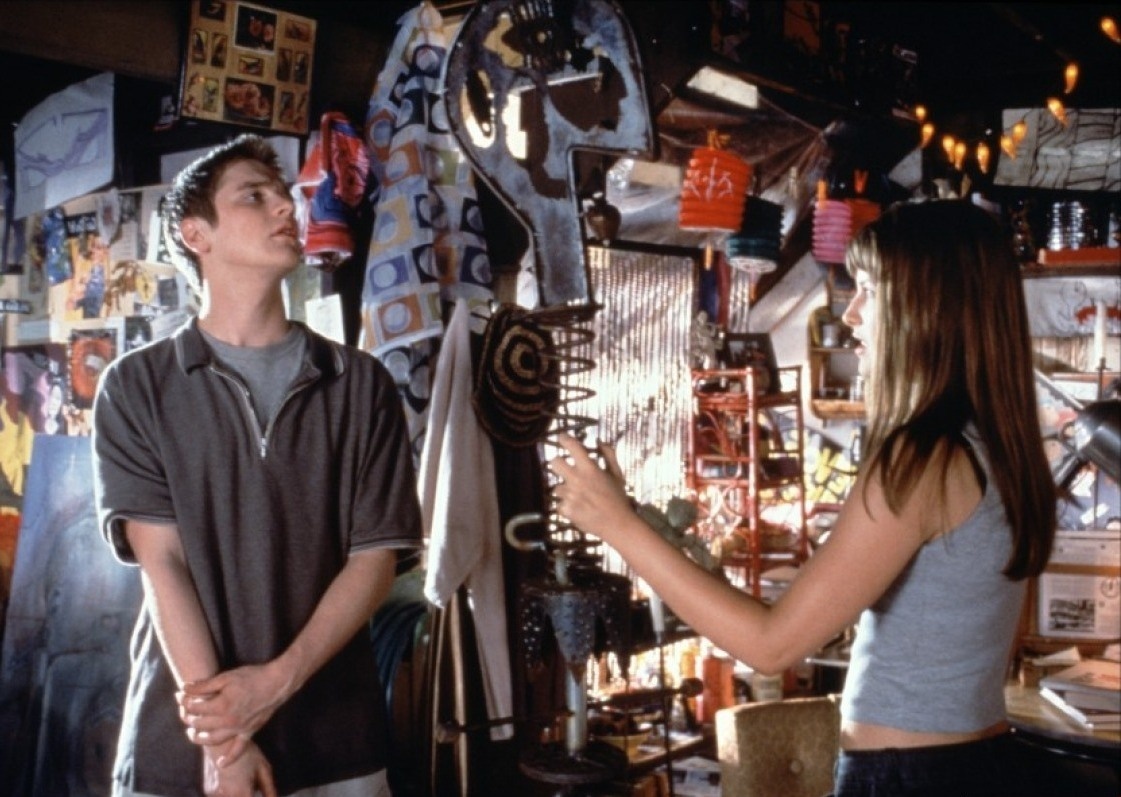
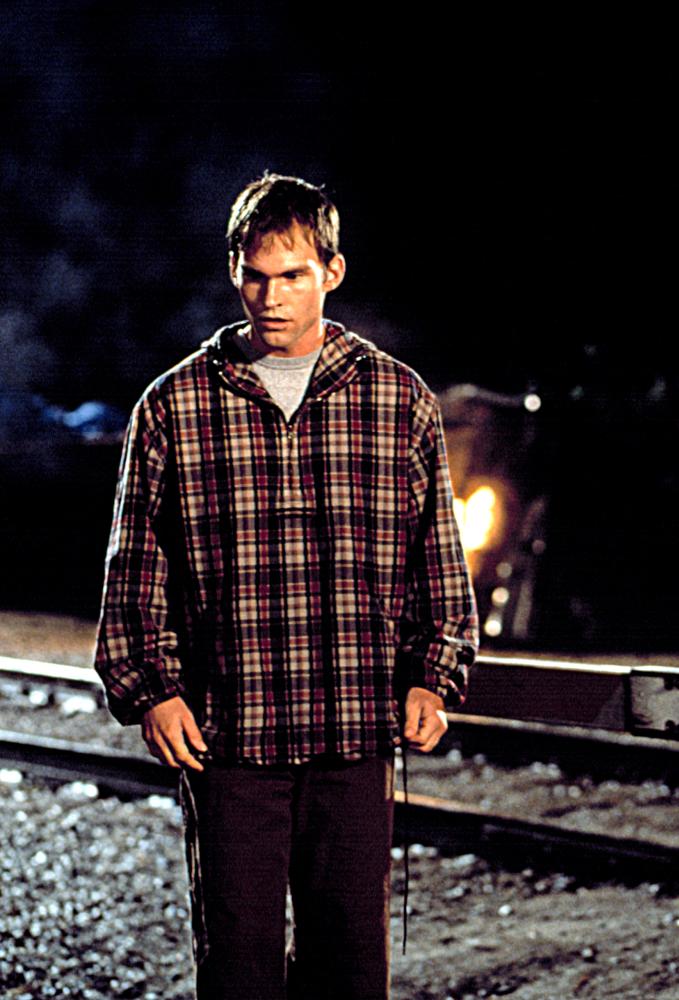
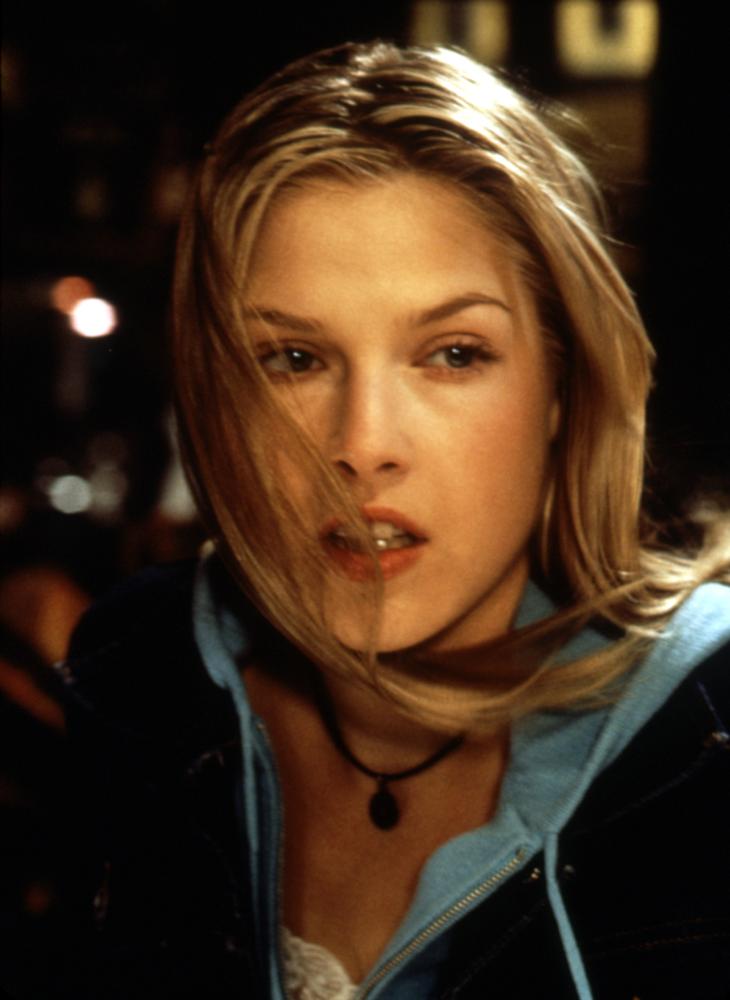
2000 · approx. 8 x 10 in stills · press-kit still set
2000 · deleted scenes / DVD
2000 · theatrical cut variant
Alex Browning
Clear Rivers
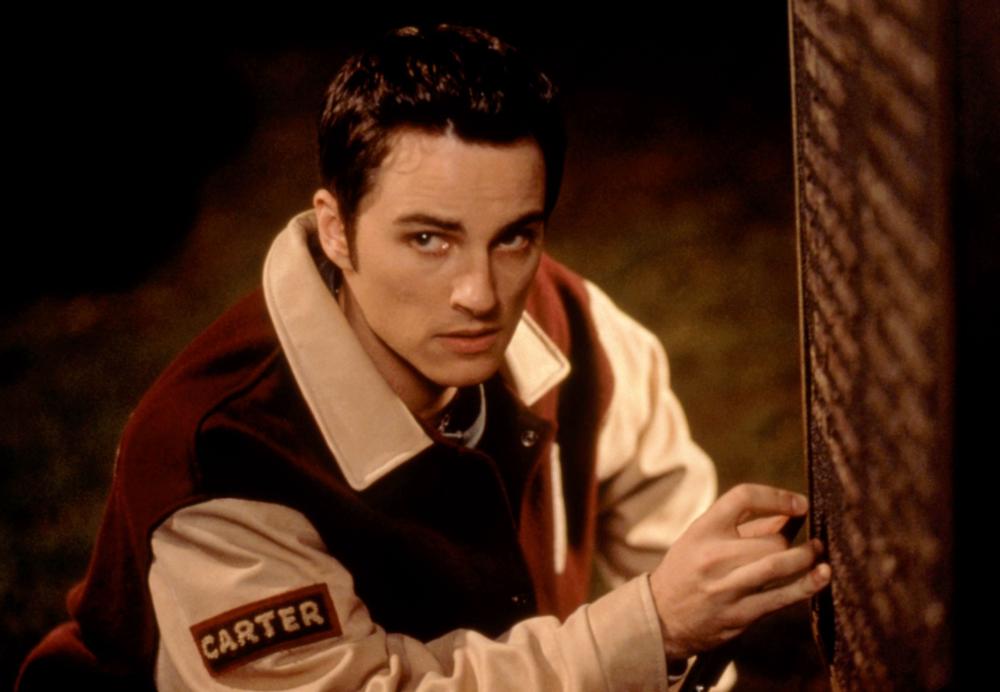
Carter Horton
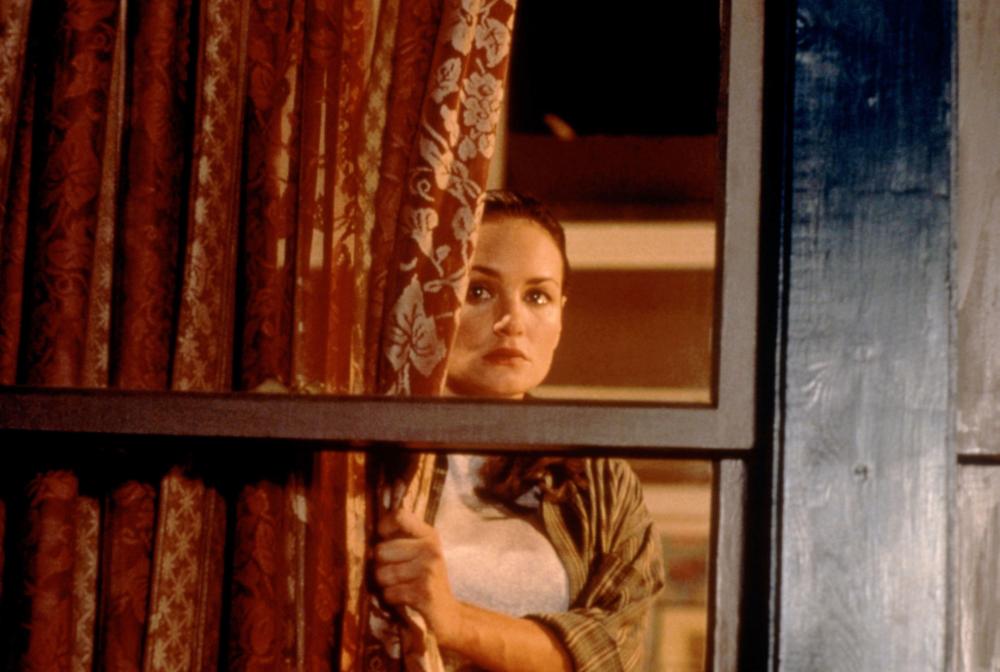
Valerie Lewton
Agent Weine
Agent Schreck
Tod Waggner
Billy Hitchcock
William Bludworth
Terry Chaney
George Waggner
Larry Murnau
Christa Marsh
Blake Dreyer
Barbara Browning
Ken Browning
Mrs. Waggner
Mr. Waggner
Hare Krishna
Flight Attendant
Co-Pilot
TV News Anchor
Howard Seigel
Minister
Student Singer
Ticket Clerk
Reporter
Lou Gehrig's Man
uncredited
Guitar Player in Paris
uncredited; sings the French "Rocky Mountain High"
Director
Screenplay
Screenplay
Screenplay and story
Producer
Producer
Producer
Executive Producer
Executive Producer
Co-Producer
Associate Producer
Director of Photography
Editor
Original Music
Additional Music
Music Arranger
Production Designer
Art Director
Set Decorator
Costume Designer
Casting
Casting Associate
Special Effects Coordinator
Visual Effects
Stunt Coordinator
First Assistant Director
Second Unit Director
Supervising Sound Editor
Supervising Sound Editor
Post Production Supervisor
Storyboard Artist
Writer
Jeffrey Reddick first wrote the idea as a spec script for The X-Files, hoping it would land him an agent. He got the idea from a magazine story about a woman whose mother begged her not to take a flight because of a bad feeling, and the plane crashed. Reddick was working at New Line Cinema, and a coworker, Mark Kaufman, told him the idea was big enough for a feature. His treatment was called Flight 180, and New Line hired him to write the first draft.
Reddick's treatment was about adults. After Scream became a hit, the characters were changed to high school students. Producers Craig Perry and Warren Zide brought the project to James Wong and Glen Morgan, a writing team from The X-Files. Perry, an X-Files fan, said he responded to their work for one reason: dread. Wong said he got excited once they decided the whole world, working for Death, would be the villain.
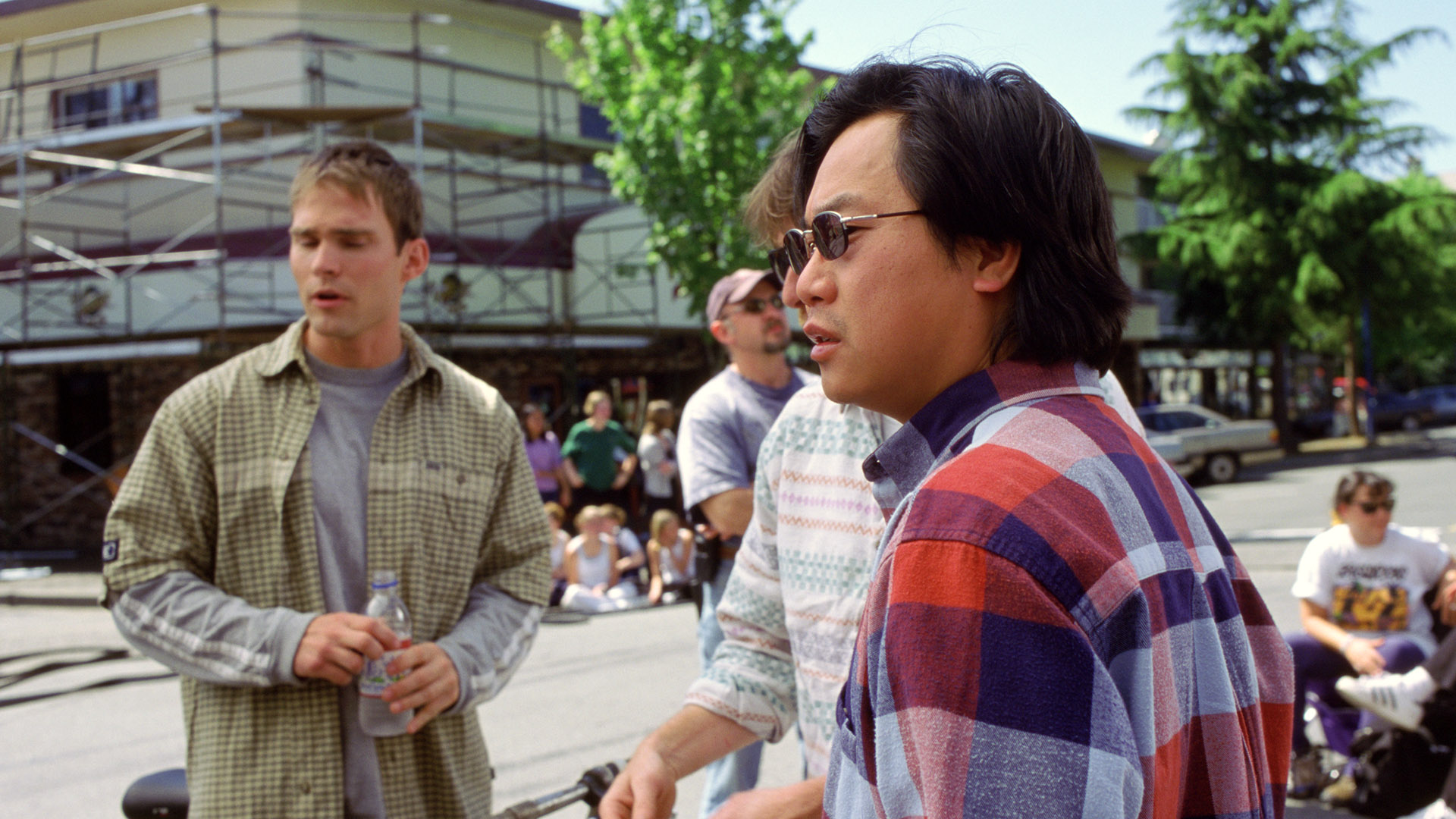
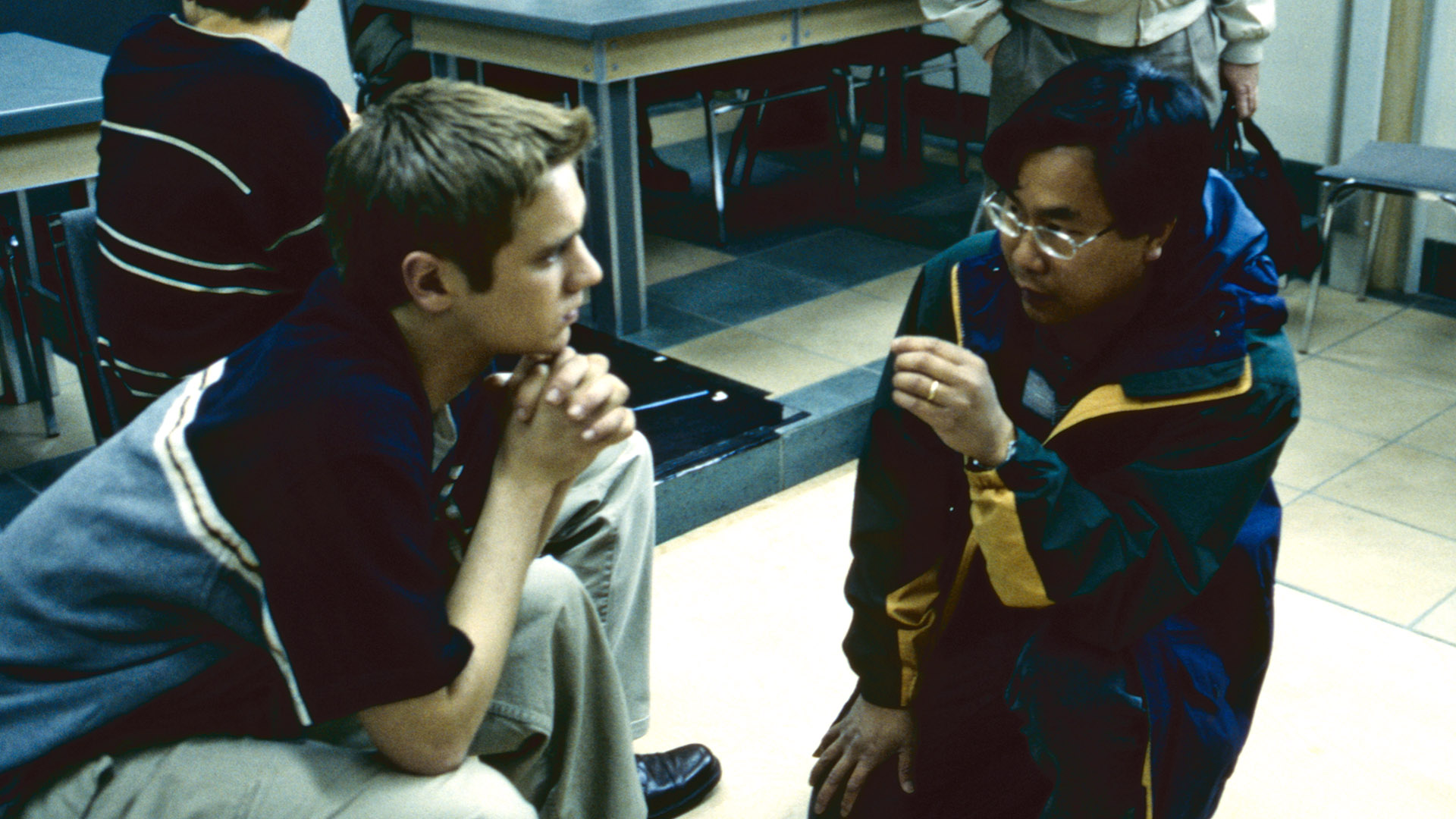
This was Wong's first feature as a director. In a 2025 interview he said he got the job because his X-Files directing debut in season four earned him an Emmy nomination.
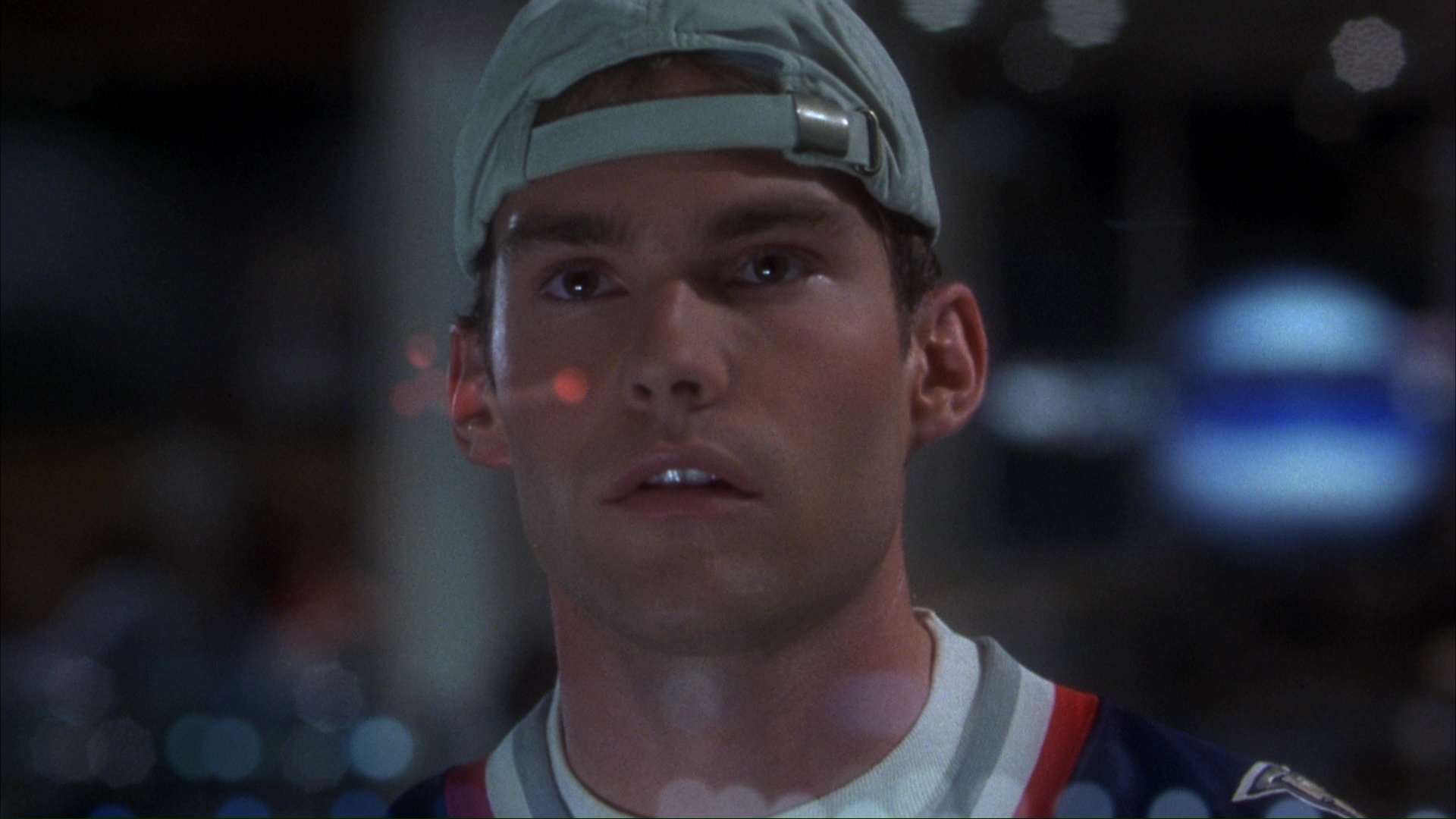
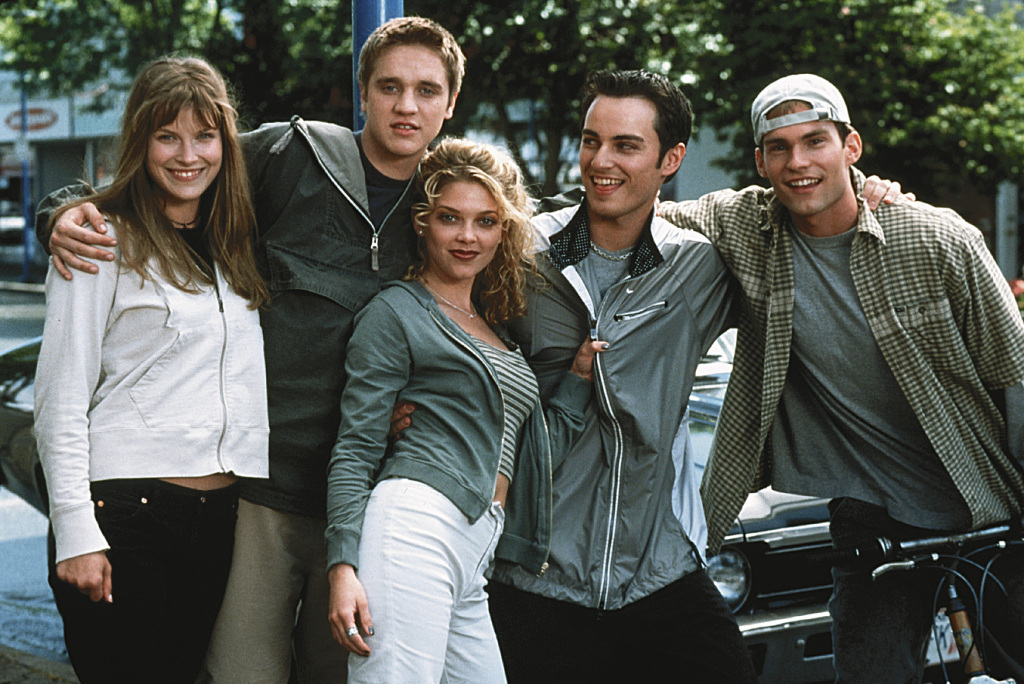
Reddick first pictured Tobey Maguire and Kirsten Dunst in the leads, and Perry imagined Jessica Biel as Clear. Devon Sawa was the last lead cast. Wong and Morgan weren't sure about him until they watched his work in Idle Hands. Wong liked that Sawa came across as a regular kid. Ali Larter came in off Varsity Blues. Seann William Scott was known for American Pie, and the script had described Billy as fat until the writers changed it for him. Kerr Smith was on Dawson's Creek, and the production had to work around his episodes. Kristen Cloke, who played Ms. Lewton, is Glen Morgan's wife. Morgan cast Tony Todd because he thought Todd's deep voice would give the film an eerie tone.
Most of the film was shot in and around Vancouver, with the Paris finale shot in Victoria, British Columbia. Vancouver International Airport stood in for JFK. Wikipedia also lists Long Island, Toronto and San Francisco as filming locations. Amanda Detmer said her bus scene was shot first.
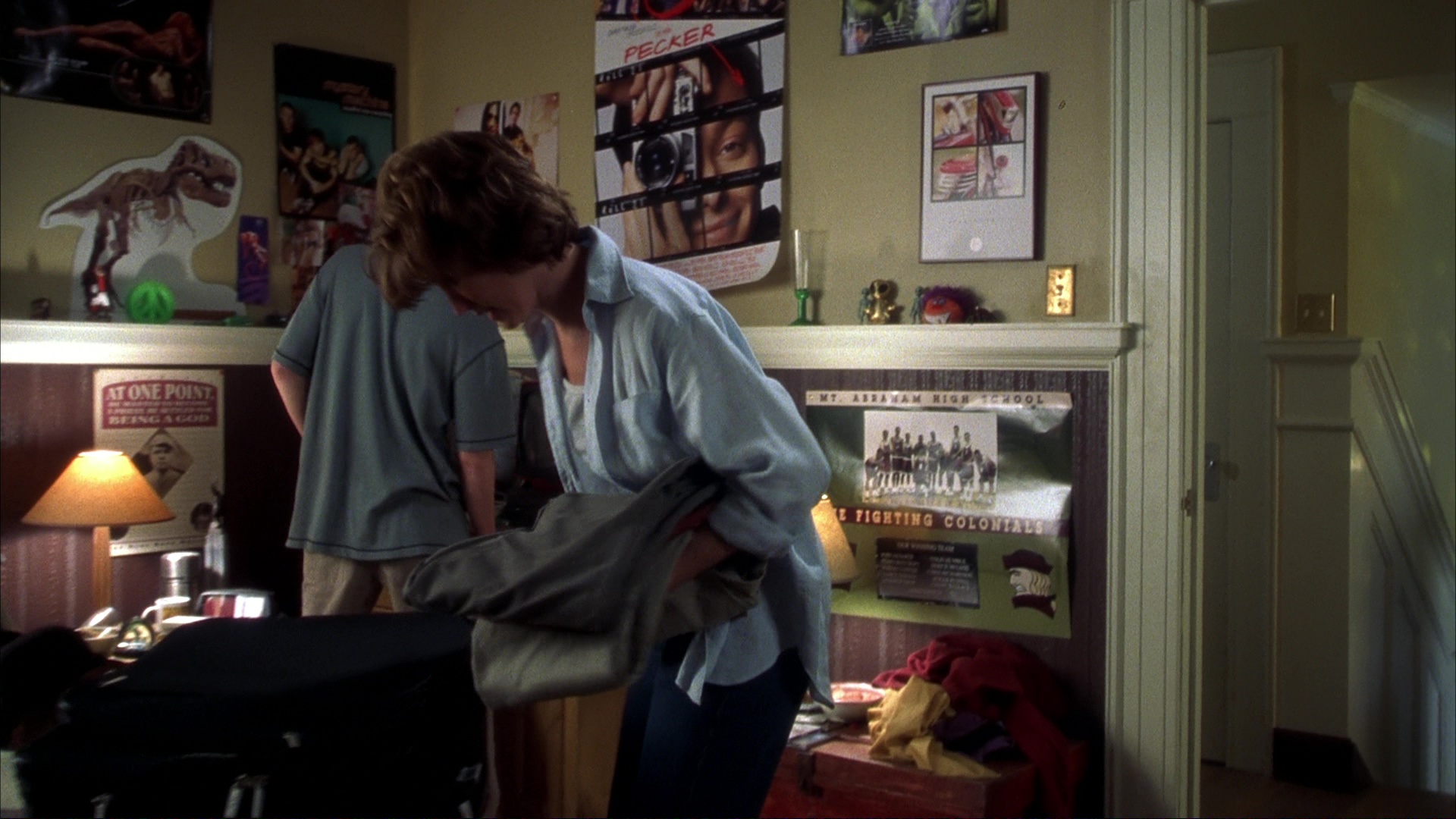
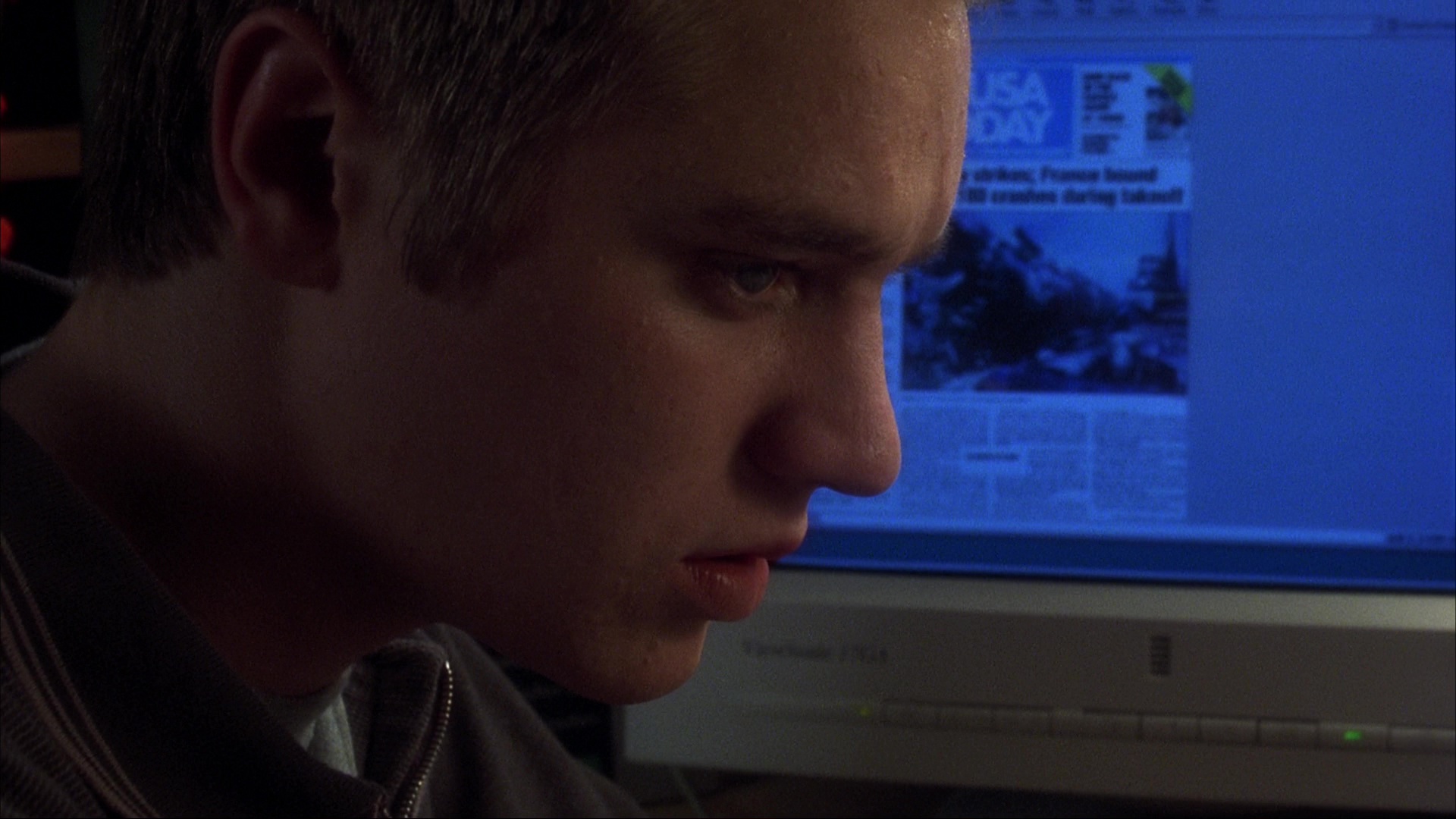
Production designer John Willett built the look around a skewing idea. Sets from before the crash look normal with bright colors. After the crash, sets are built slightly off square with washed-out colors to make the audience uneasy. Wong said they built two versions of sets that show up again, like Alex's room, with different dimensions, though he now thinks the change was too subtle. Cinematographer Robert McLachlan said they wanted bathrooms, kitchens and airplanes to look as plain and familiar as possible so the deaths would come as more of a surprise.
The crew said Ms. Lewton's kitchen chain reaction was the hardest death to plan. Ms. Lewton's house was a set built so it could be blown up.
Test audiences hated the original ending. Craig Perry said they nearly tore their seats out. The ending was rewritten and reshot. Perry said Clear's rescue from the power lines was pieced together from three locations, including an abandoned mall where the crew built part of the garage around the car, trees and all. The DVD featurette A Look at Test Screenings covers the screenings and why scenes were cut or reshot.
In a March 2025 interview for the film's 25th anniversary, Wong said Warner Bros. had paid for a new digital color timing of the film. He did not know when or where it would be shown.
The franchise's production grammar begins here: ordinary environments are mechanically staged so multiple harmless details build into a lethal chain reaction.
James Wong recalls designing two differently dimensioned versions of recurring sets, including Alex’s bedroom, to distinguish the world before and after the premonition.
Wong credits his Emmy-nominated X-Files directing work with helping him secure his first feature directing assignment here.
In a March 2025 interview, Wong confirmed that Warner Bros. funded a new digital color-timing pass; he did not identify a confirmed release for that restoration.
Robert McLachlan says the filmmakers favored ordinary, familiar-looking interiors over ominous lighting, making the violence more surprising.
Craig Perry recalls that Clear’s electrical-storm rescue combined three locations, including an abandoned mall with a rebuilt garage section and trees.
Jeffrey Reddick recalls an adult survivor group in the Flight 180 treatment; the characters became teenagers after Scream’s success.
Perry says hostile test-screening feedback prompted a new ending, with additional dialogue and action integrated into the garage sequence.
The plane interior was a full 747 cabin section on a hydraulic gimbal. Special effects supervisor Terry Sonderhoff said it took two months to build, weighed about 45,000 pounds and held 89 people. It could tilt 45 degrees side to side and 60 degrees front to back. McLachlan says the section sat about 20 feet off the floor. Sawa said the real screams of the cast inside the gimbal made it feel more real.
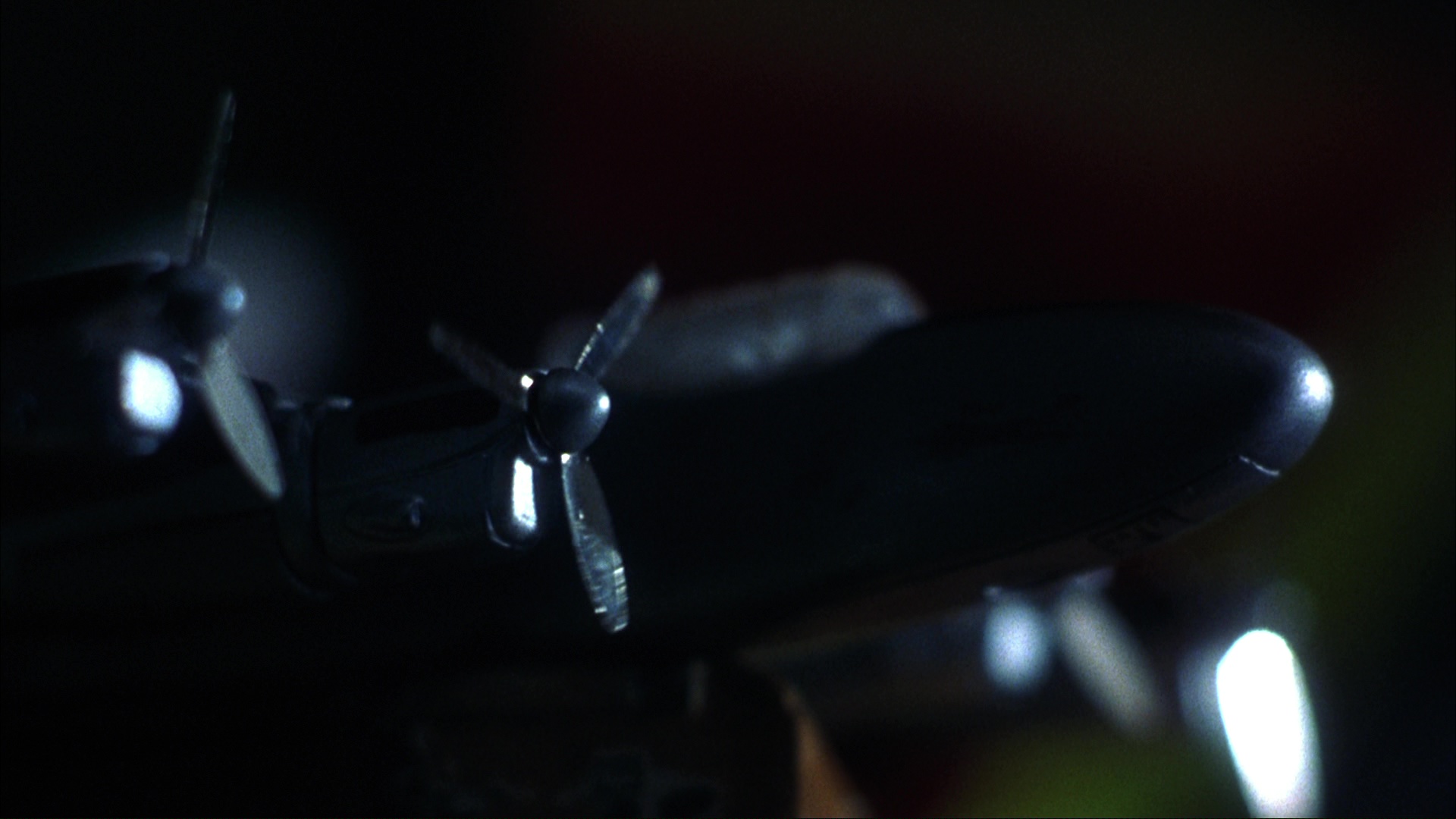
The explosion of Flight 180 used a detailed miniature 747 about 10 feet long and 7 feet wide, with landing gear made of machined metal. Visual effects supervisor Ariel Velasco-Shaw said it had to be launched about 40 feet into the air. It was filmed with three cameras running at 120 frames per second and one at 300.
For the train scene, the crew built a replica car already cut in half. Special effects supervisor Terry Sonderhoff made sure there was no real sheet metal near the actors.
Death scenes used lifecasts of the actors. Chocolate syrup was used as fake blood.
McLachlan said the climax at Clear's house was the hardest scene he shot. It used a real jet engine to make wind, along with rain, a dog and a lot of moving parts.
The Flight 180 explosion used a highly detailed large-scale Boeing 747 miniature photographed at high frame rates.
The miniature was launched upward for the explosion photography so the fireball and breakup would read at aircraft scale.
Carter's train-impact car was a purpose-built replica already split for the effect, with real sheet metal avoided around performers for safety.
Death-scene work used actor lifecasts and practical blood material in addition to optical/digital effects.
McLachlan describes a full Boeing 747 cabin section mounted on a gimbal approximately 20 feet above the stage floor.
The house climax used a real jet engine to generate wind, alongside rain effects and carefully coordinated action.
Jori Woodman designed the costumes. The skewing idea behind John Willett's sets also carried into the costume colors, which are bright before the crash and washed out after it.
Production designer John Willett and costume designer Jori Woodman were part of a coordinated visual strategy in which set geometry, decoration and color were deliberately skewed after Flight 180, so wardrobe and environment helped make the post-crash world feel subtly wrong rather than introducing a conventional monster costume.
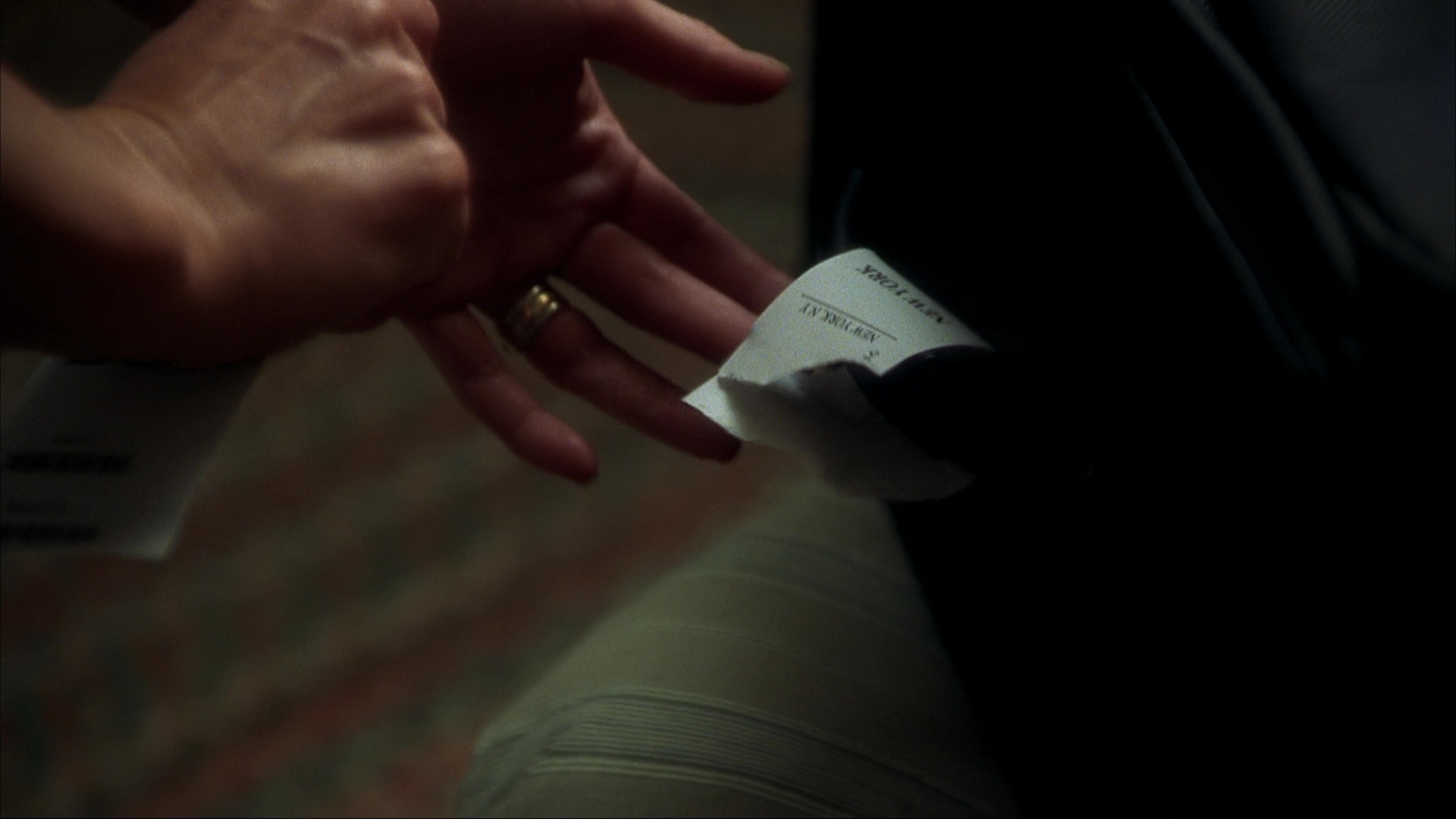
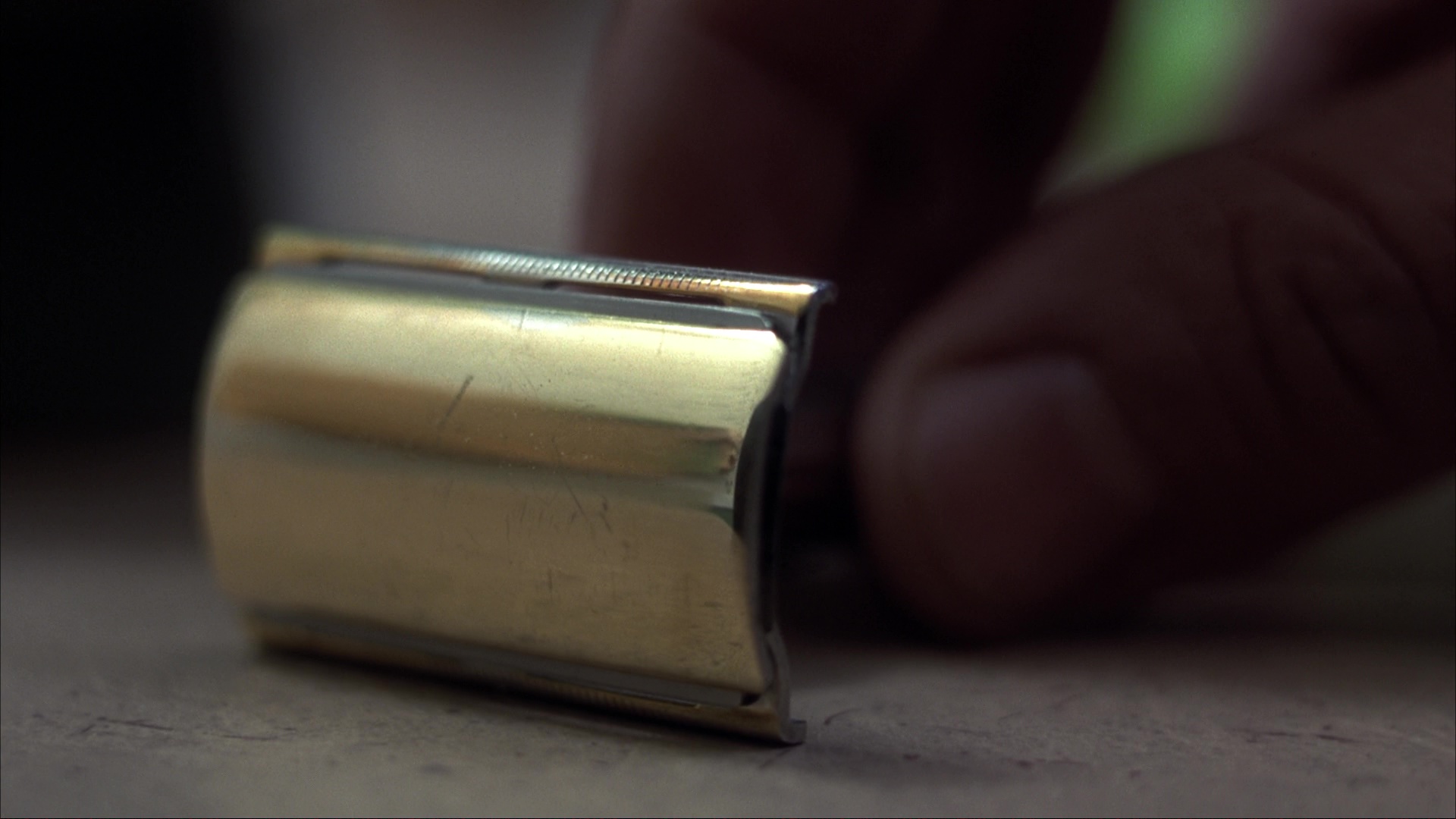
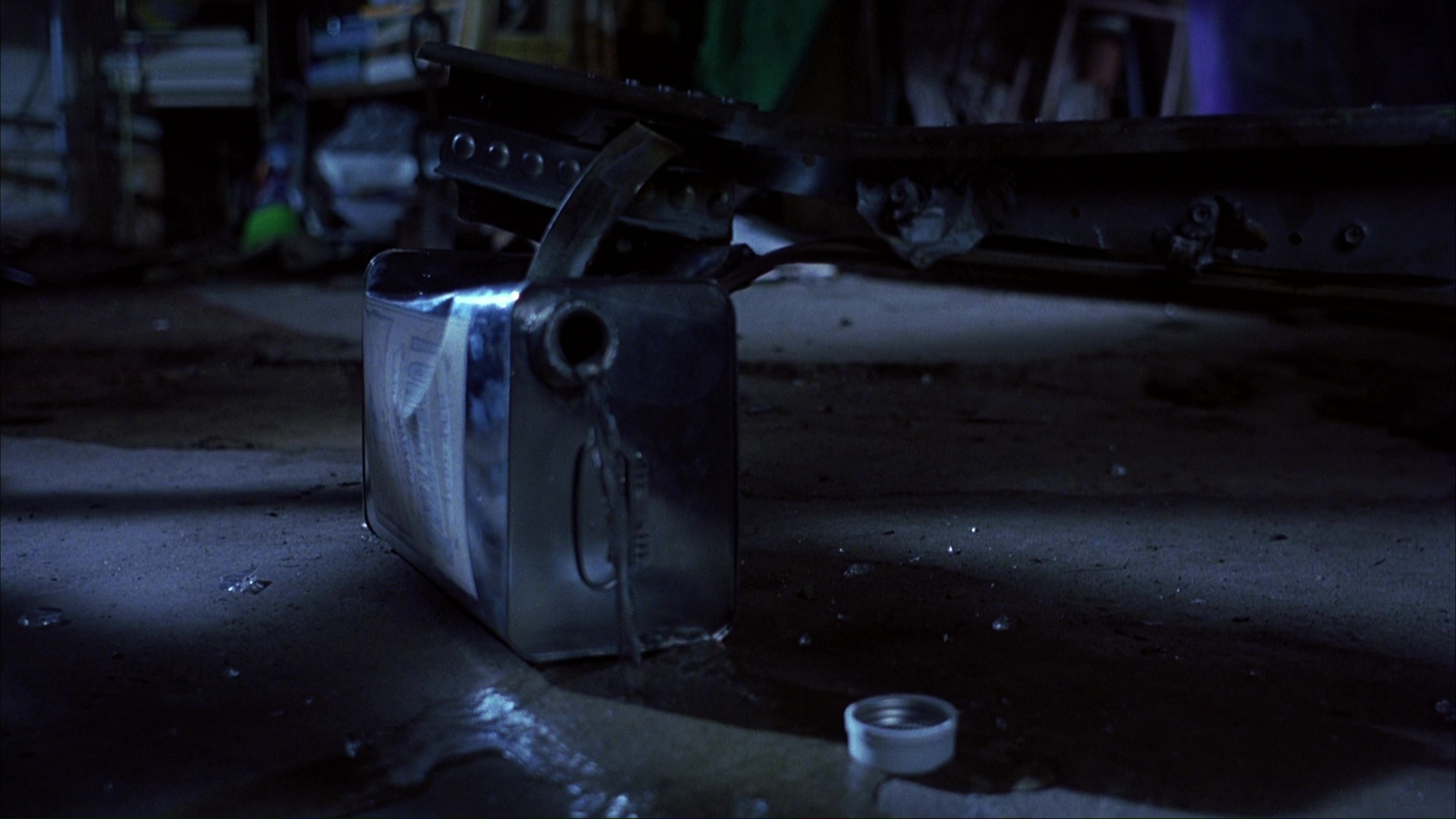
Surviving production-material records document a screen-used Volée Airlines safety card, a production-used garage tool and a production-used 747 element. Together they preserve both the fictional-airline graphic package and ordinary-object prop language that became central to Death's chain reactions.
2000 · screen-used airline prop
2000 · production-used prop
2000 · production-used airplane element
The disaster: Volée Airlines Flight 180 explosion
Glen Morgan said the John Denver idea came from his own life. He was waiting for a flight at the Vancouver airport when a Denver song came over the loudspeaker, not long after Denver died in a plane crash.
Shirley Walker wrote and conducted the score. Wong and Morgan chose her because they had worked with her on Space: Above and Beyond. Walker called her approach theme-driven and conservative.
Final Destination: The Complete Original Motion Picture Score came out March 17, 2000 on Weendigo Records. It has 16 tracks running 47:53, including "Flight 180," "Tod," "Mrs Lewton" and the 9:50 "Alex's Revelation/Race Against Death."
"Rocky Mountain High" by John Denver plays in the airport bathroom before boarding and comes back before deaths. Tod turns it off on his bathroom radio. Ms. Lewton puts on a John Denver record to calm down and calls it her mom's favorite.
"Hundred Grand" by Pete Atherton is sung at the memorial service.
"Into the Void" by Nine Inch Nails plays as Alex and Clear talk outside and keeps going while Carter sits in his car with Terry. The song's lyrics include the words "final destination."
"All the Candles in the World" by Jane Siberry plays while Carter drives with Billy in the back seat.
"Rocky Mountain High" in French is sung by a street musician played by Alessandro Juliani in the Paris cafe scene.
"And When I Die" by Joe 90 plays over the end credits.
2022 · 2022-06-14 · Blu-ray
VHS
DVD
Blu-ray
2015 · 5-disc DVD
2022 · 5-film Blu-ray
2006 · film novelization
New Line · original theatrical promotional collectible
Warner Bros. Rewind