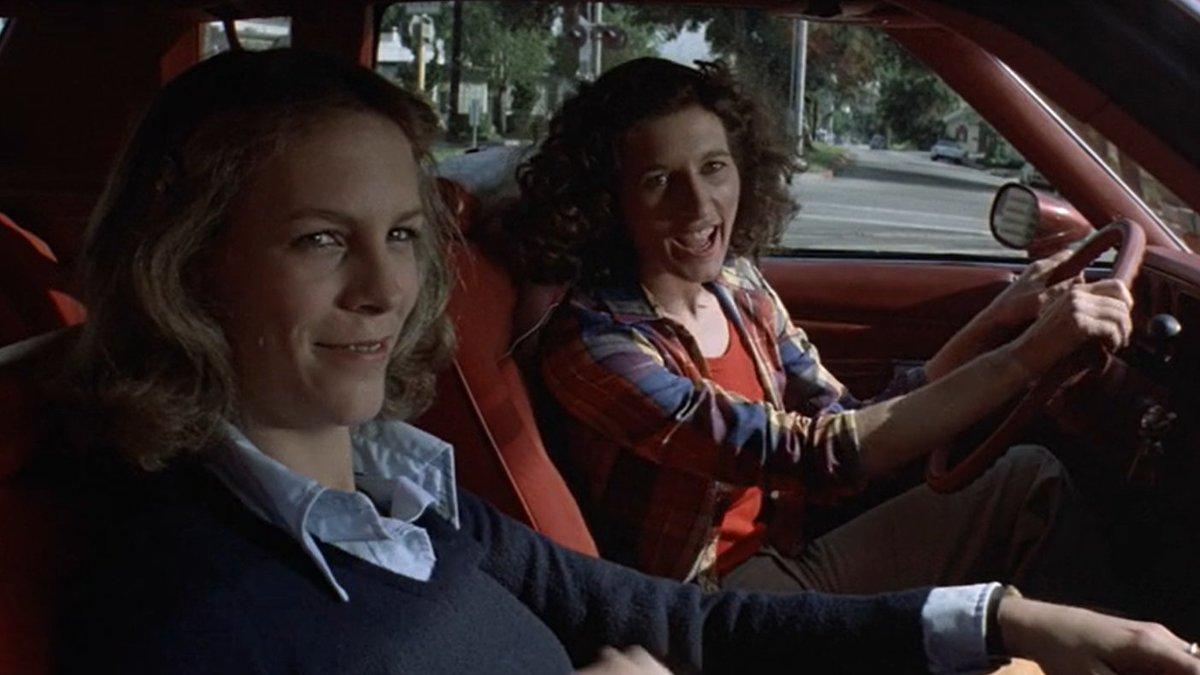
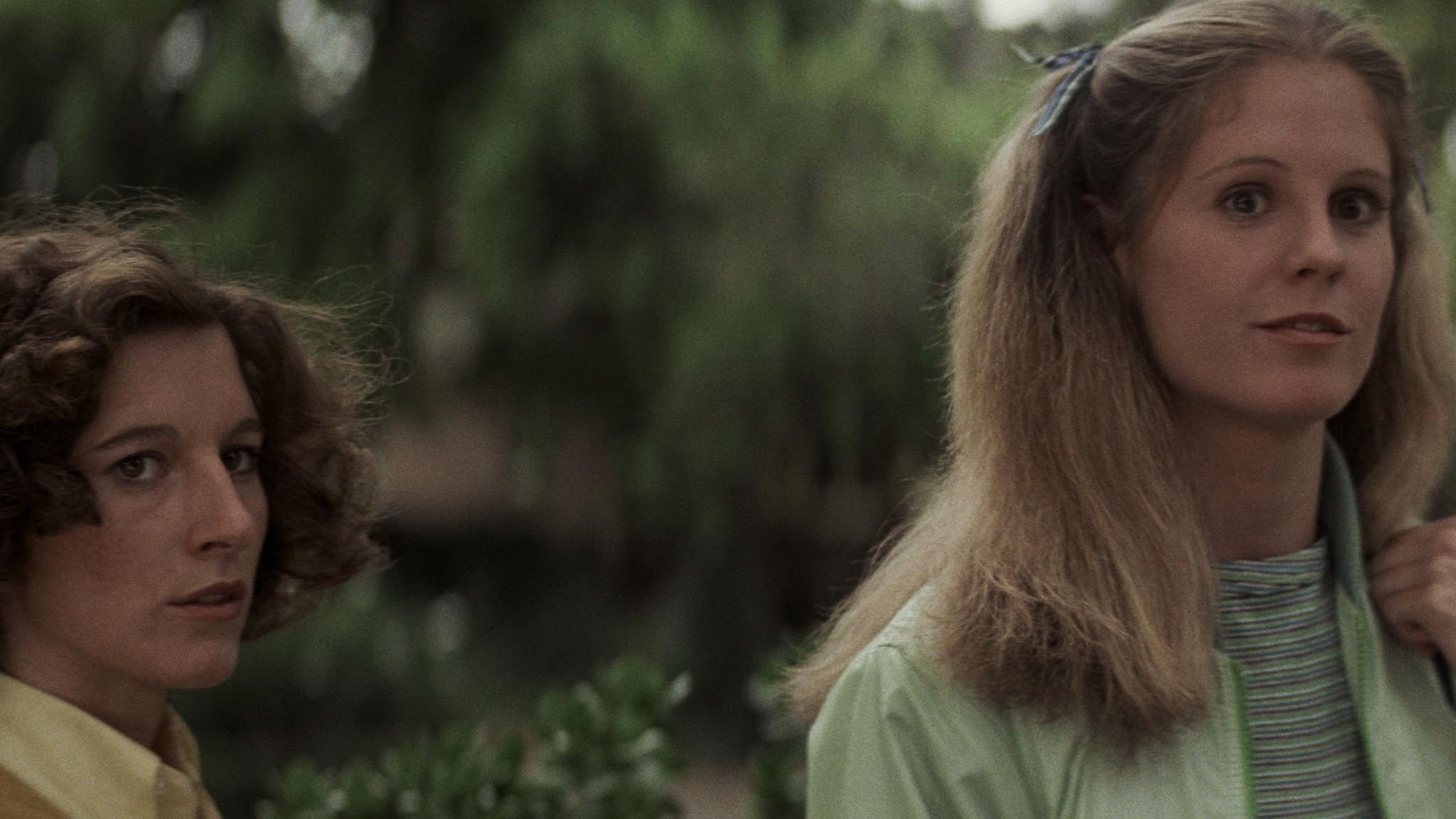
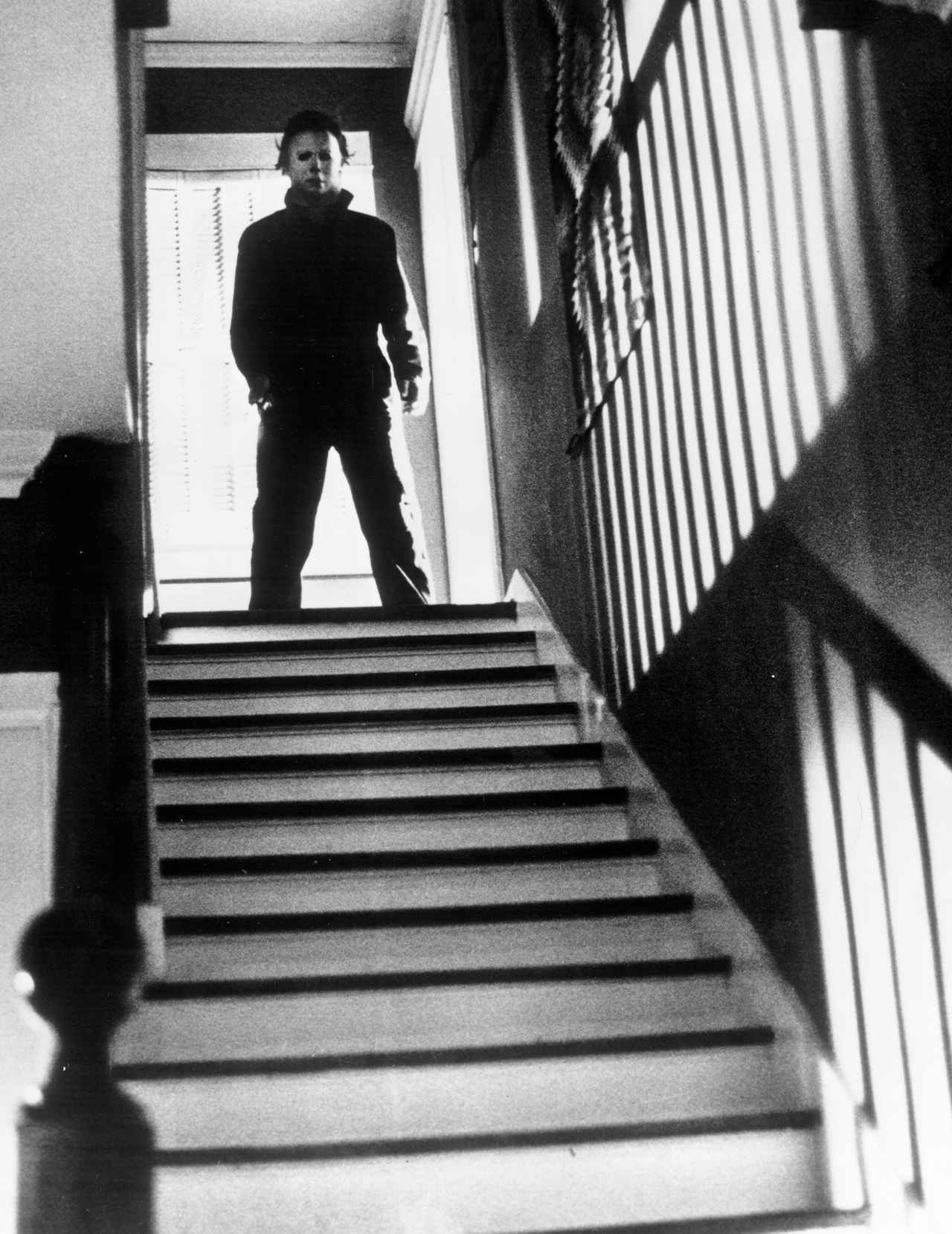
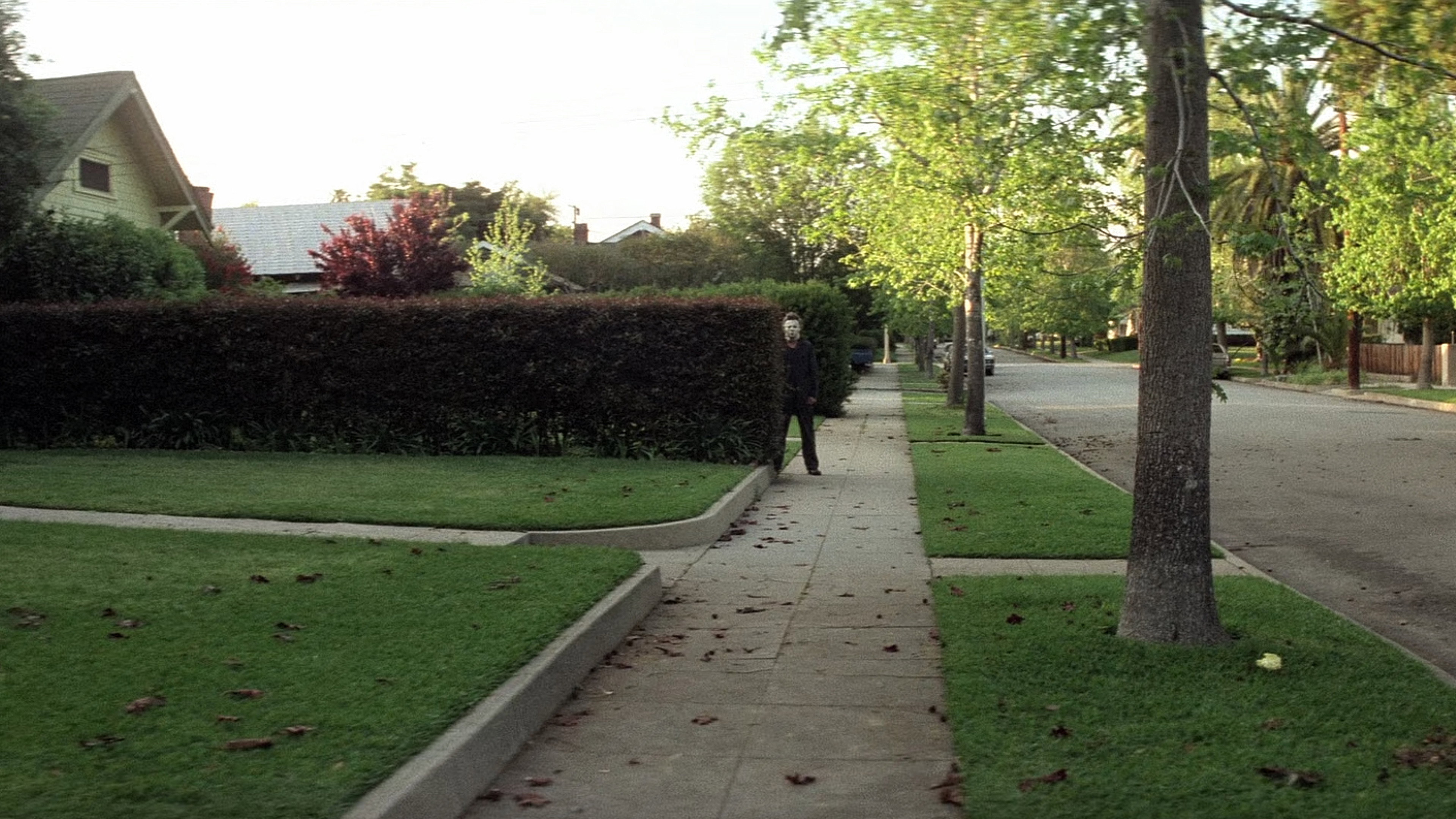
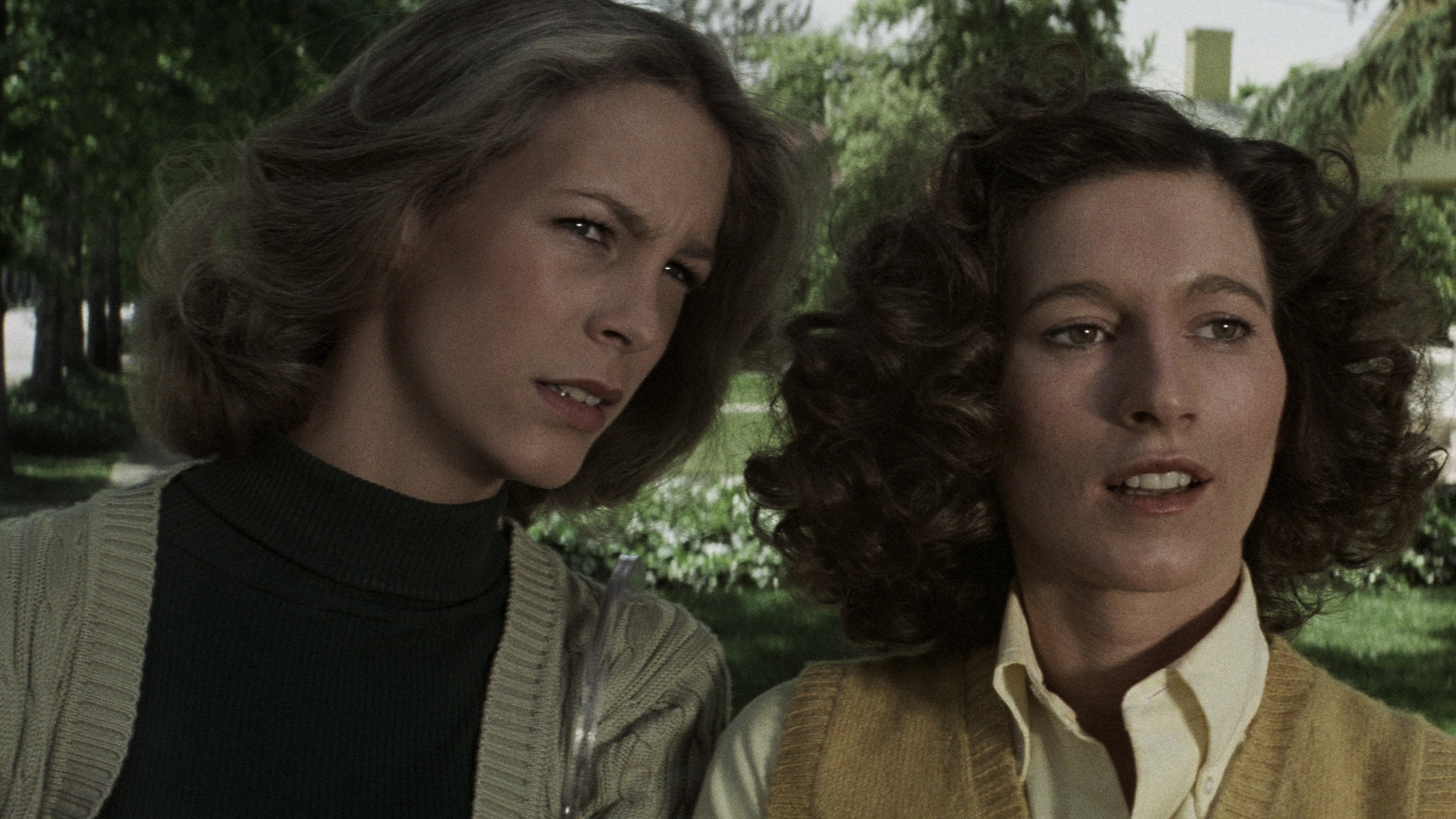
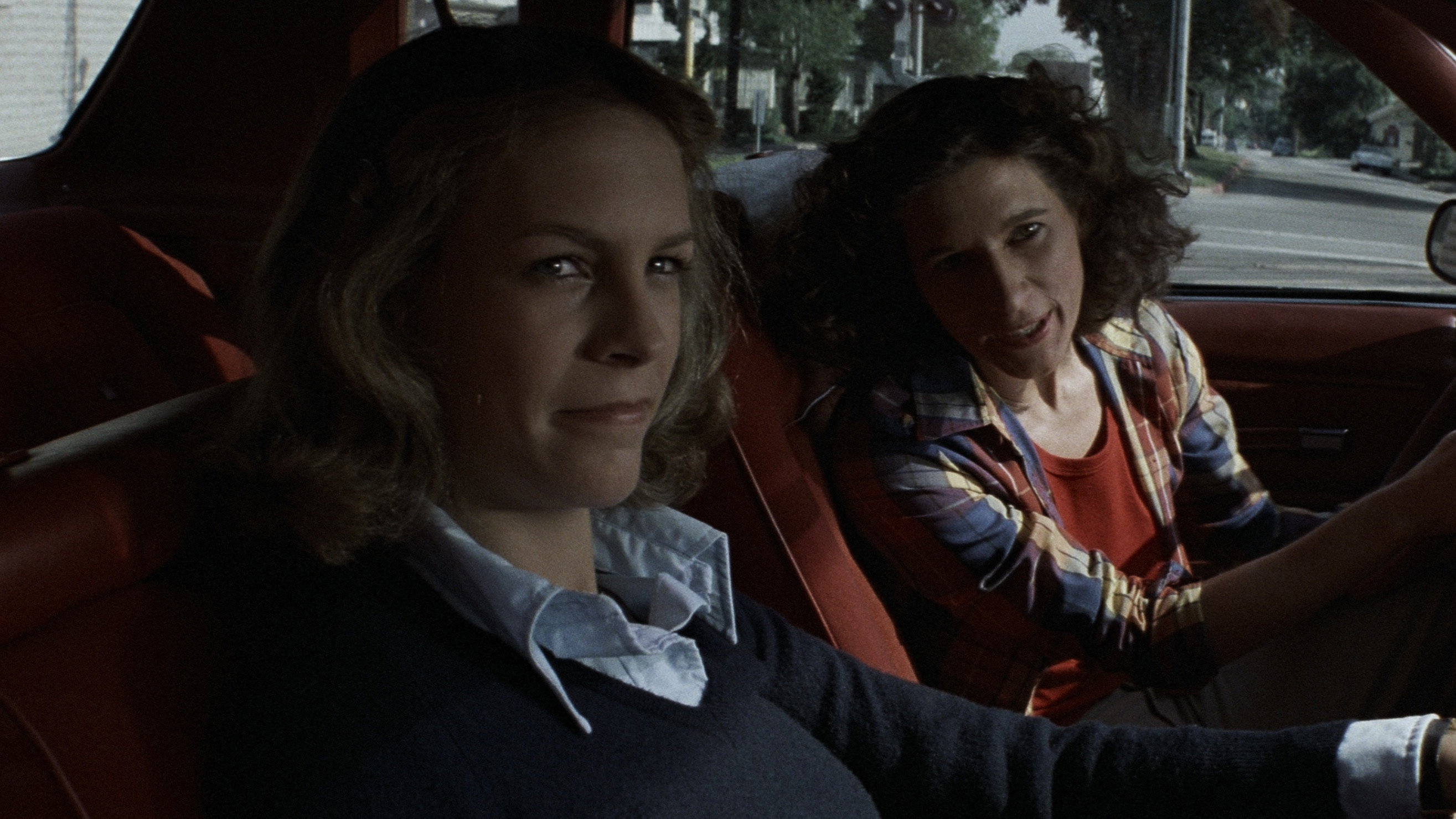
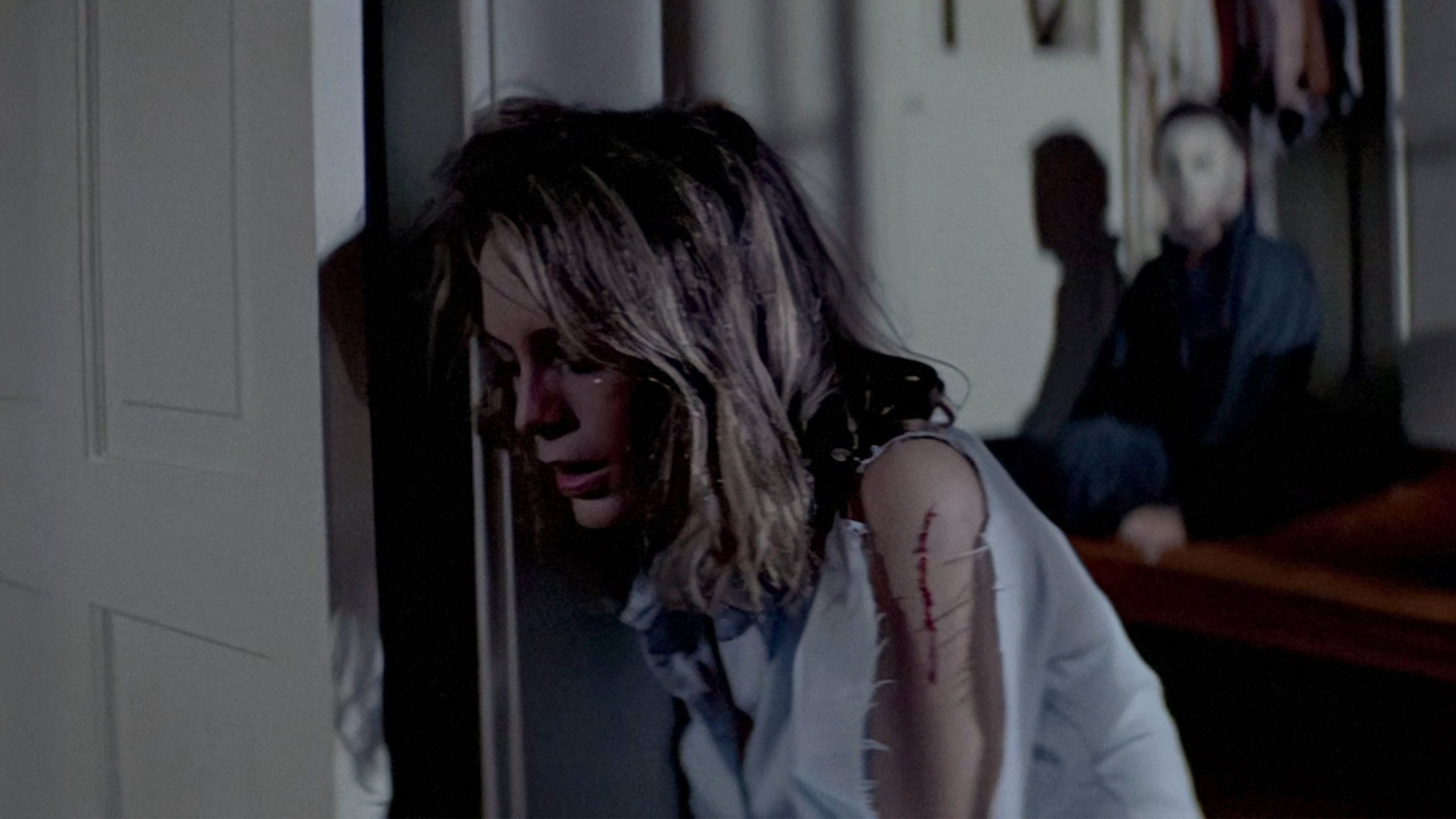
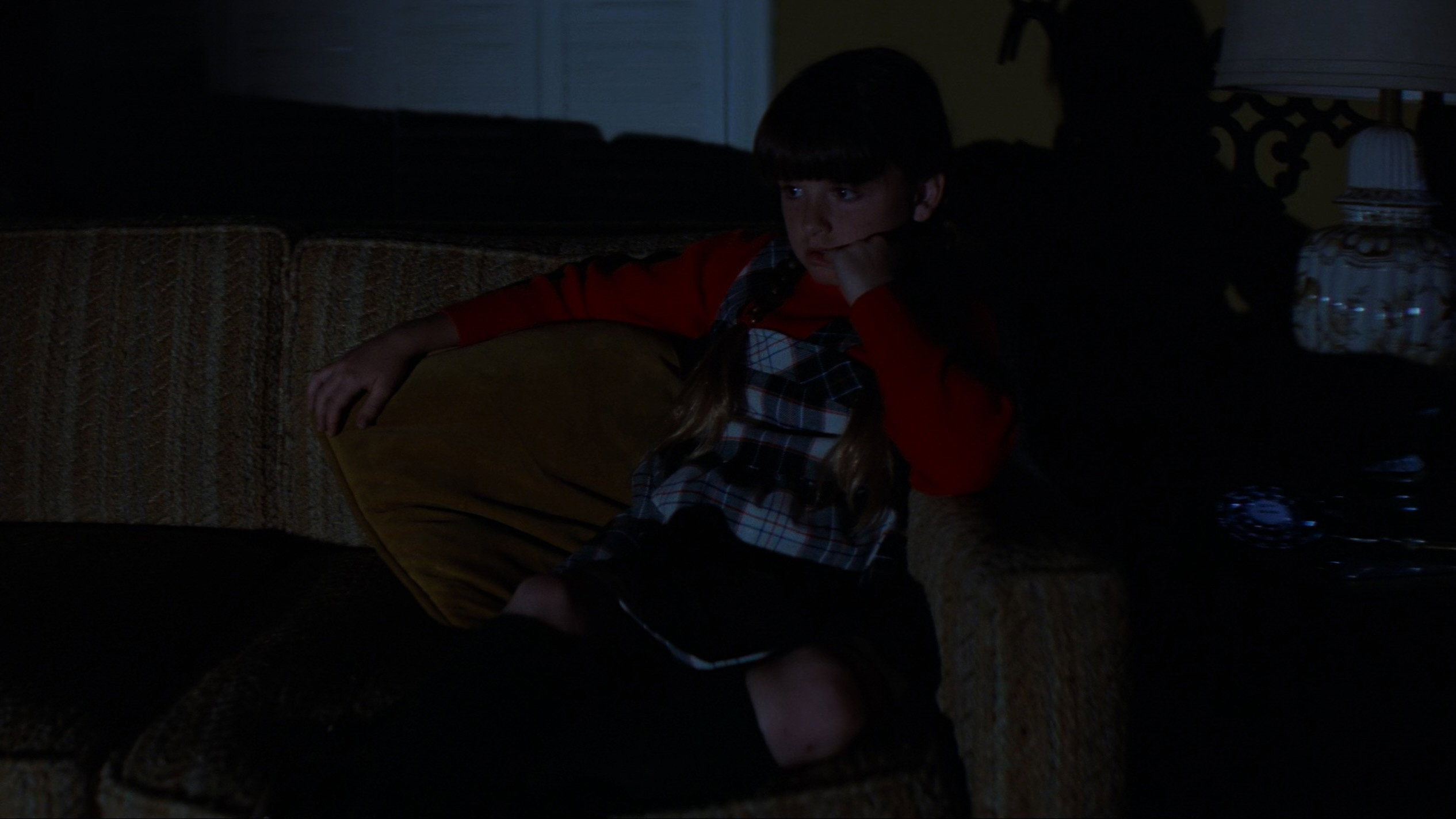
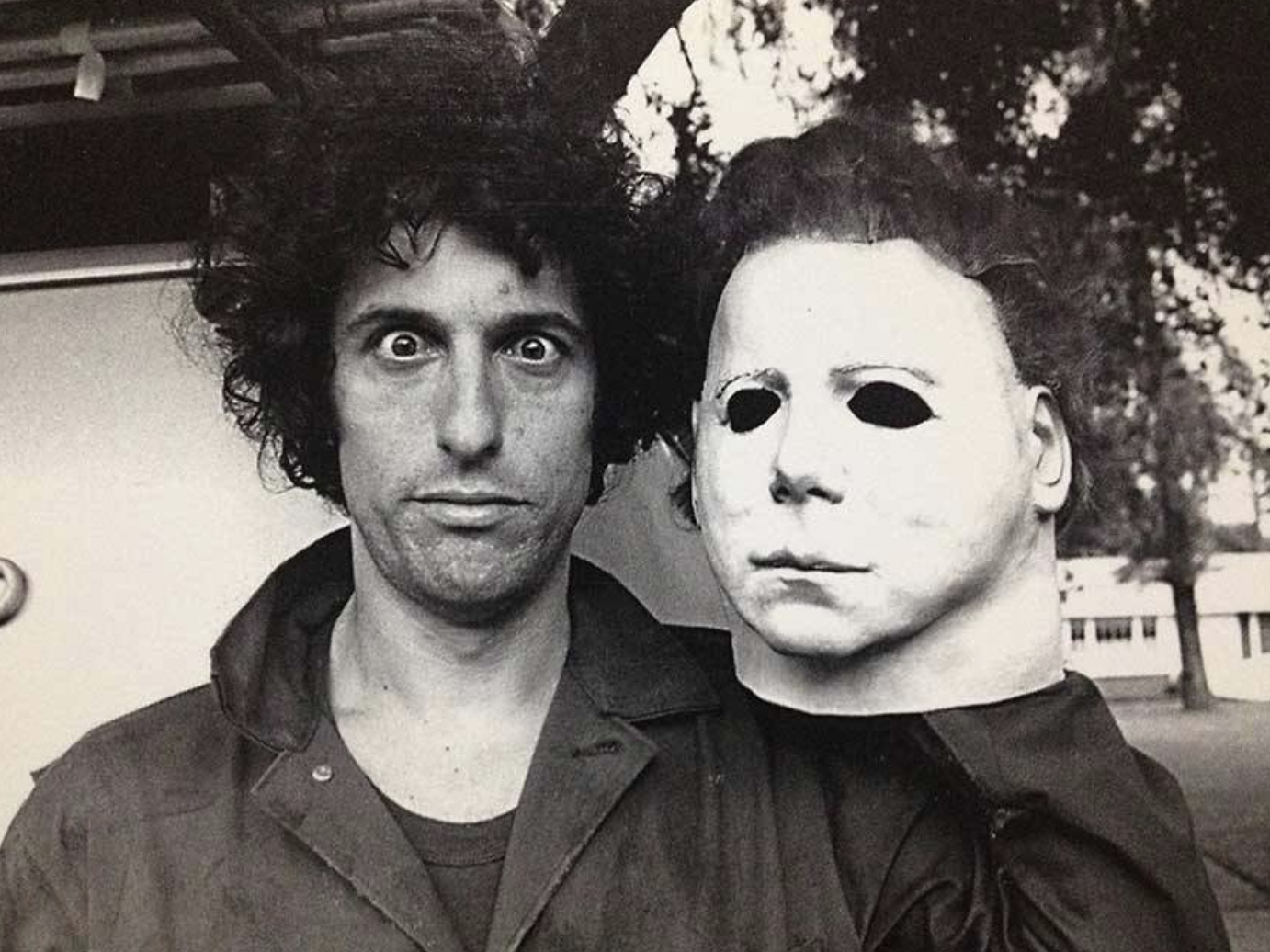
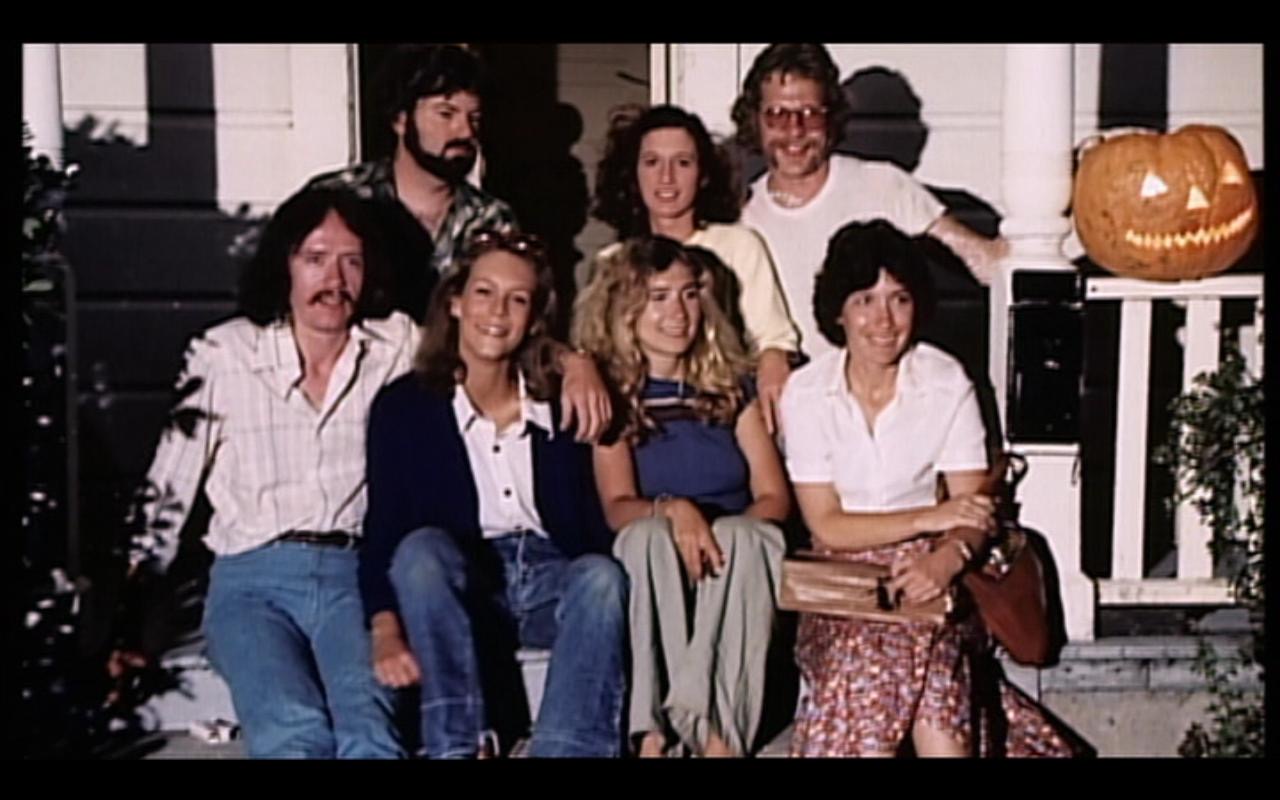
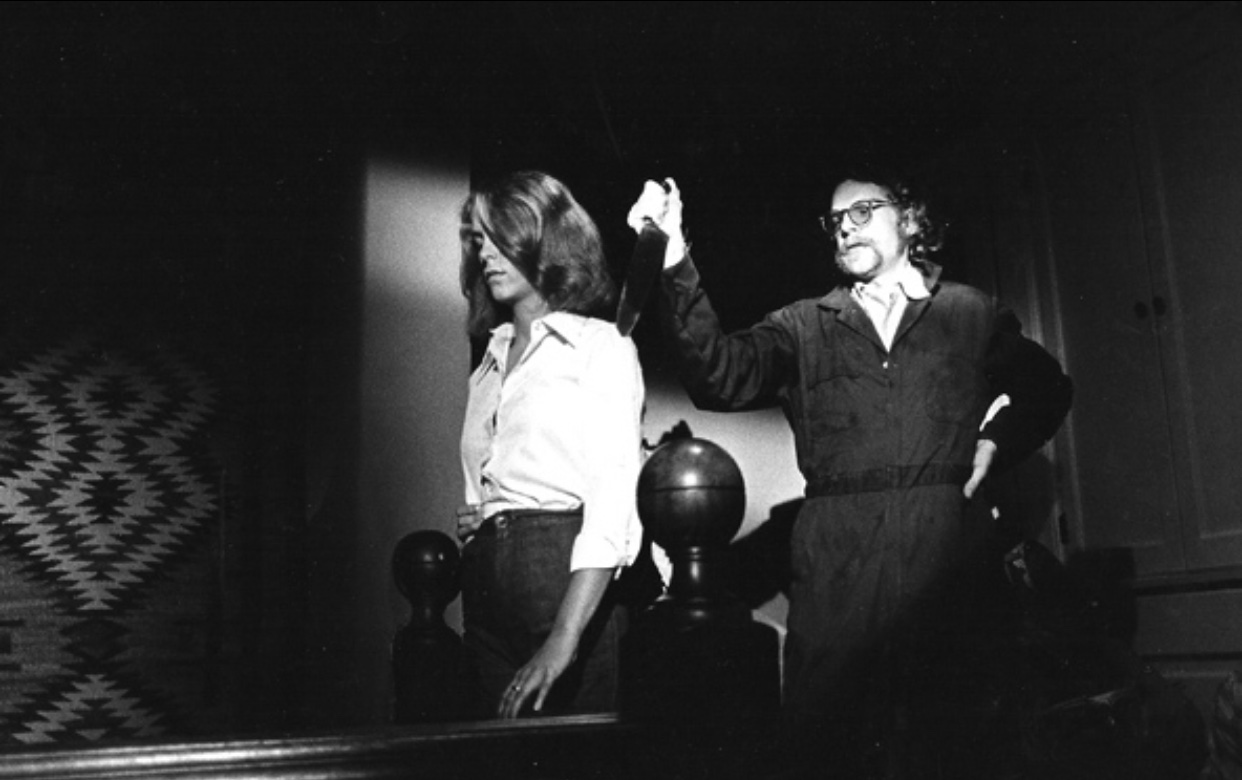
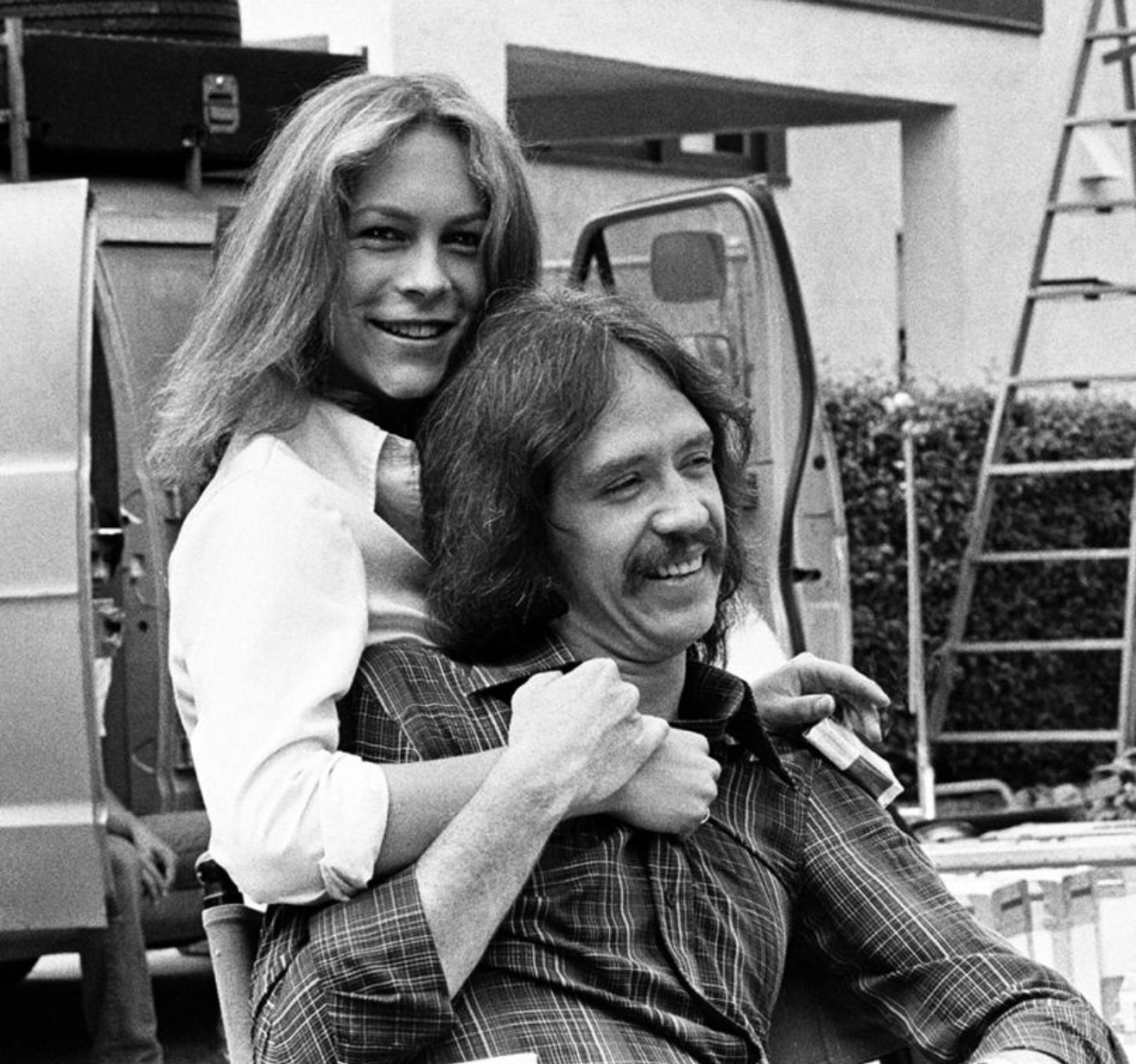
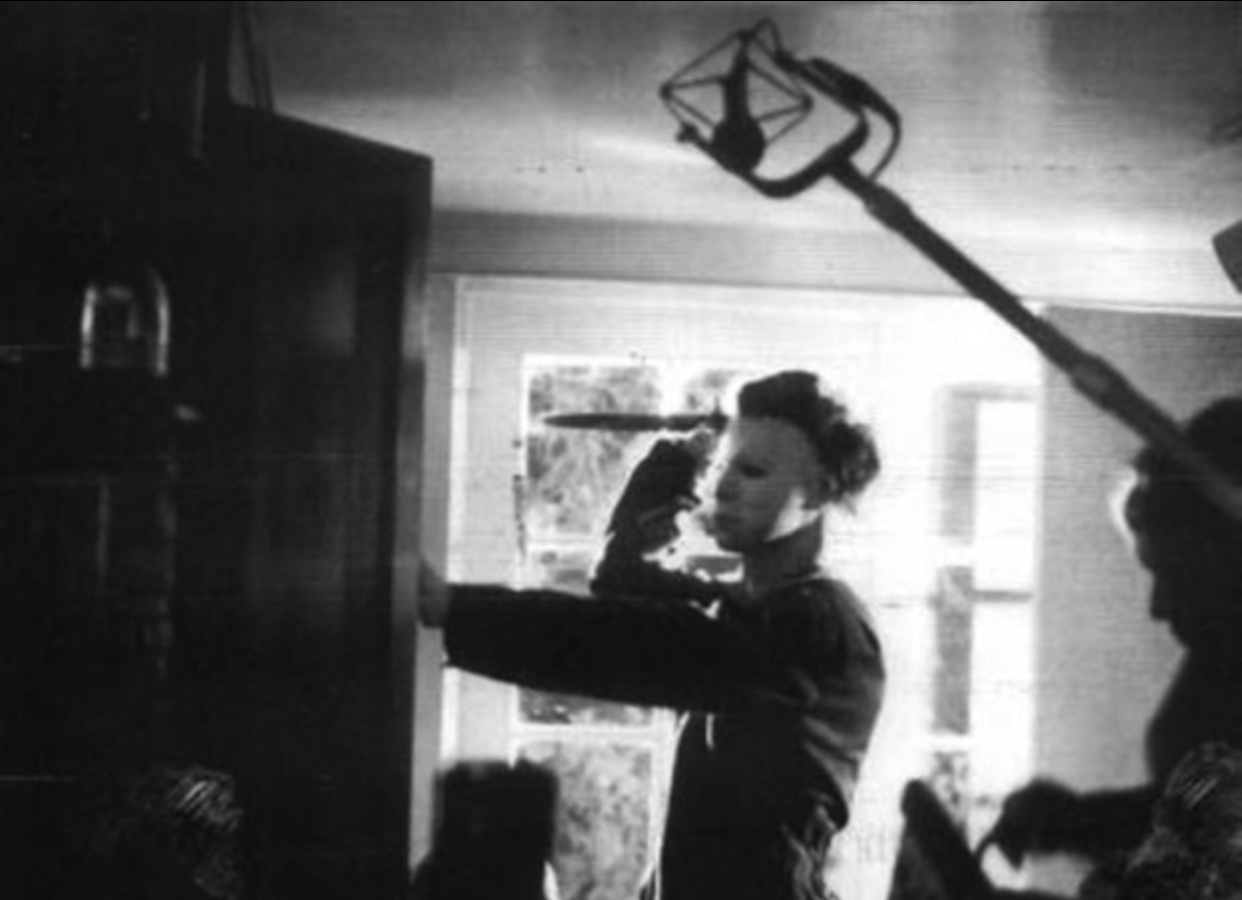
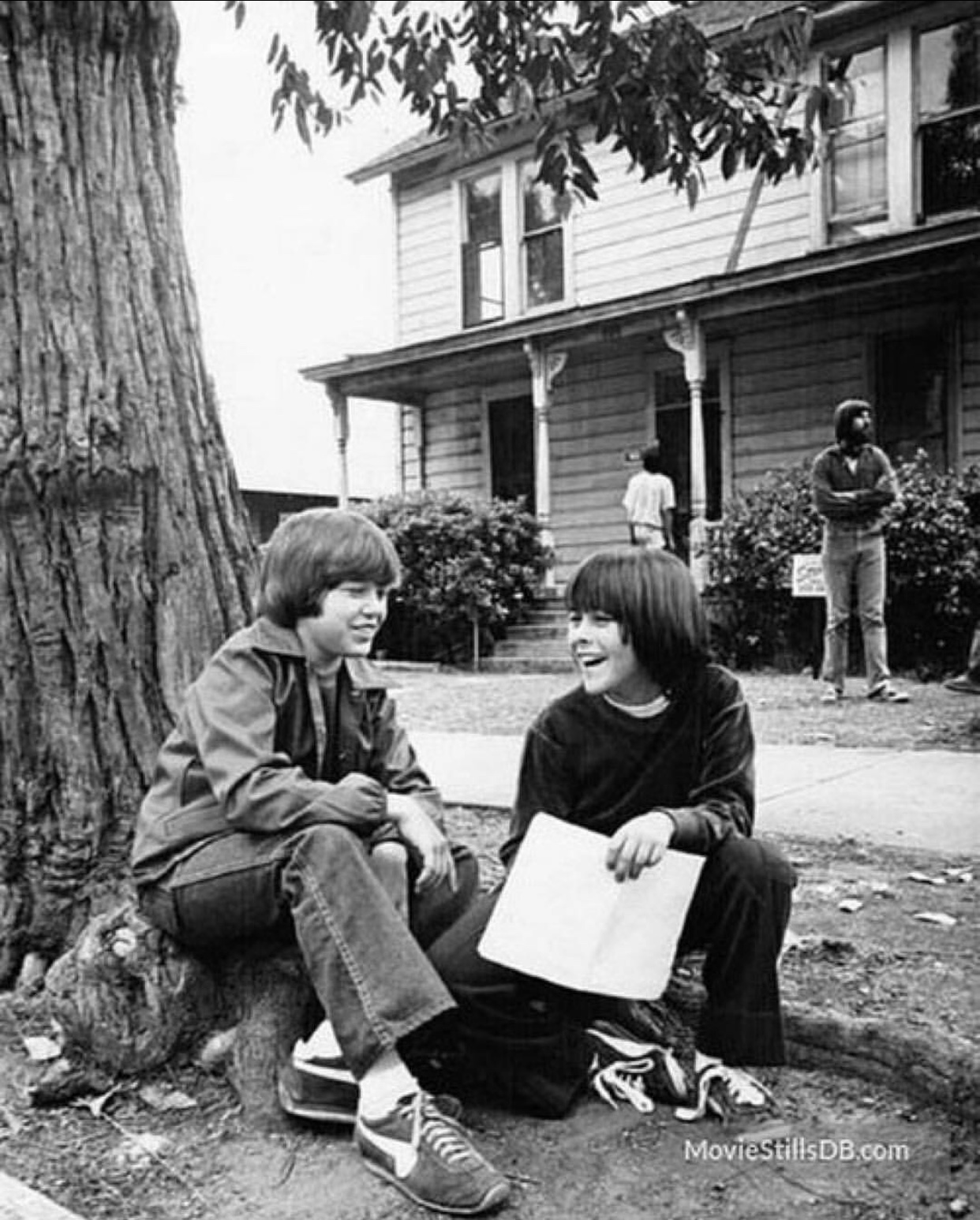
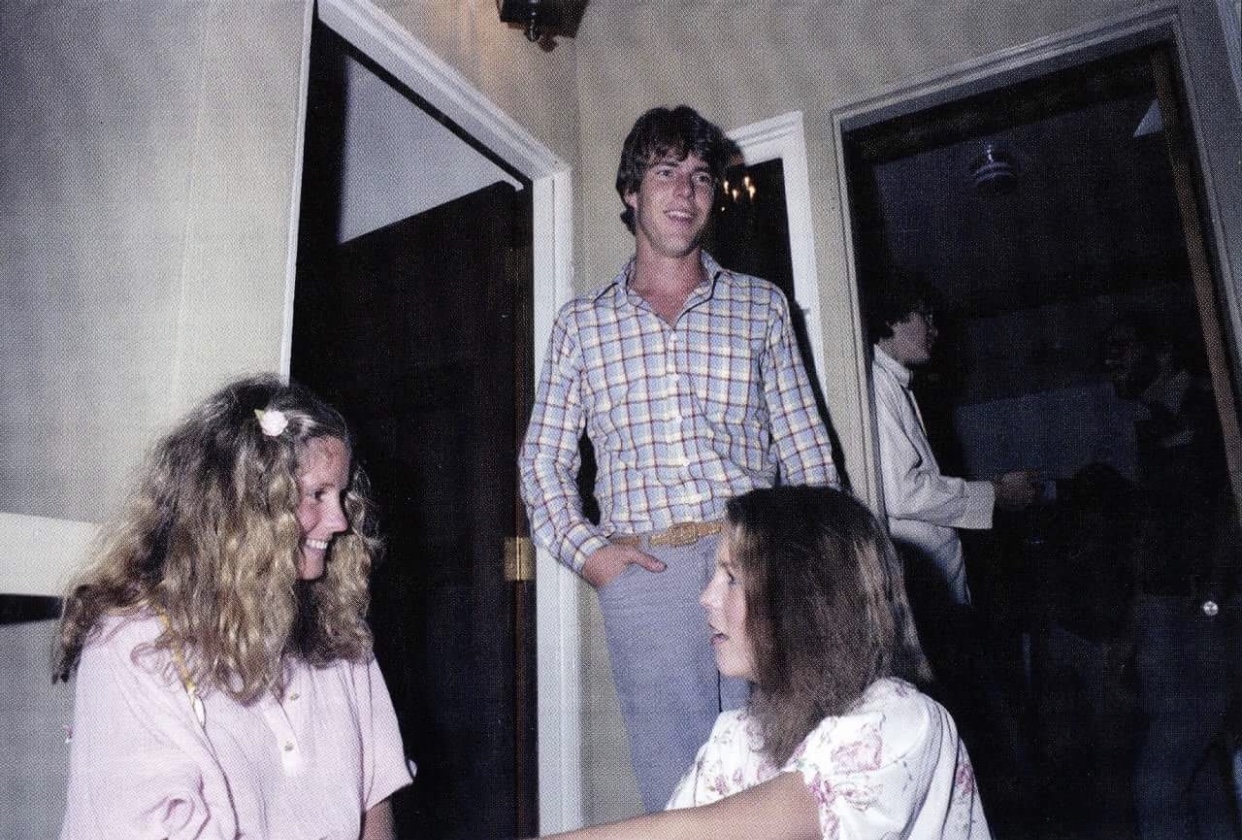
Halloween (1978) UK press-kit photograph set
1978 · press-kit publicity photograph set
- Contents
- vintage press photographs

Halloween
1978

The Night He Came Home
On Halloween night 1963 in Haddonfield, Illinois, six-year-old Michael Myers stabs his teenage sister Judith to death with a large butcher knife, right after she has sex with her boyfriend. The whole murder is seen through the eyeholes of the clown mask he is wearing.
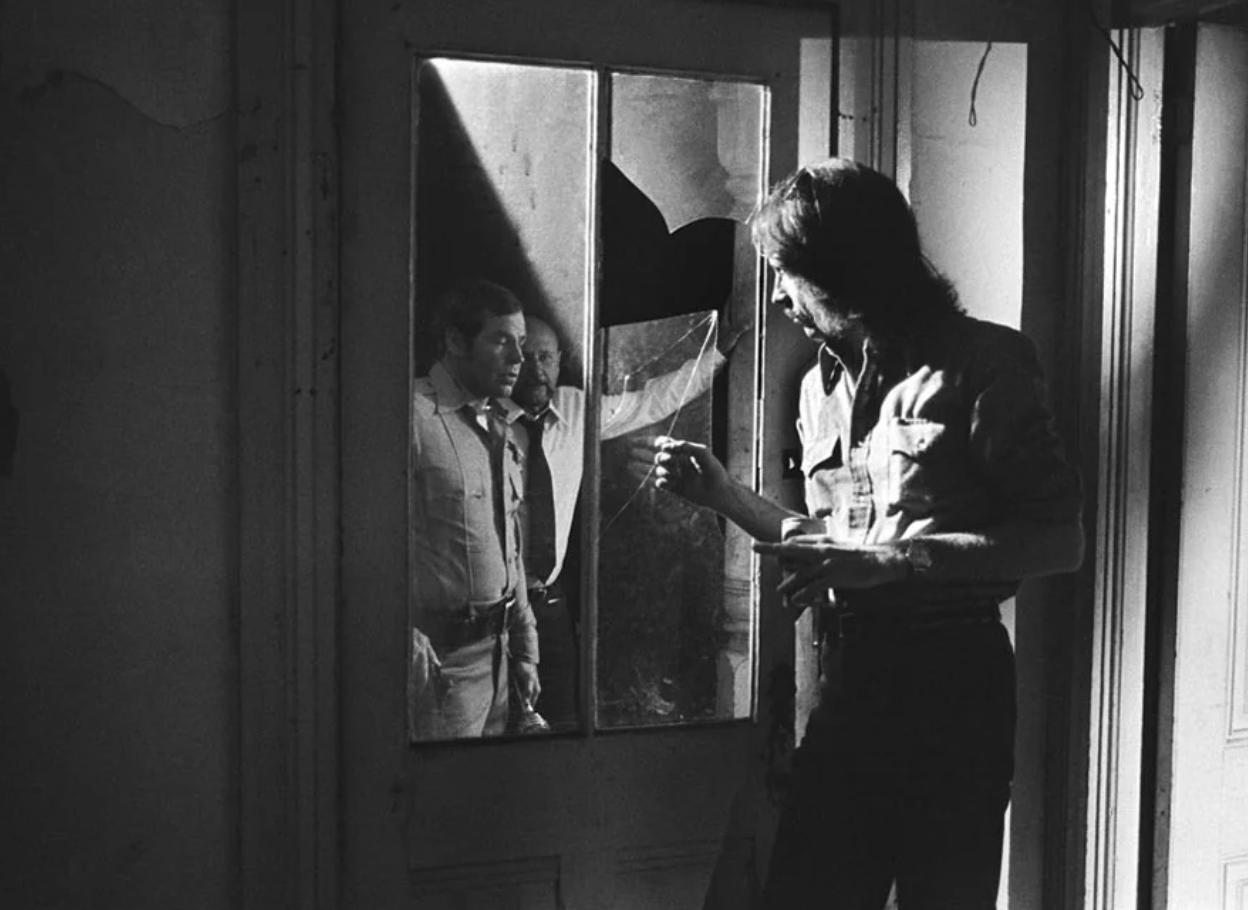
Fifteen years later, on October 30, 1978, Dr. Sam Loomis and a nurse drive to the Smith's Grove sanitarium to take Michael before a judge. Loomis has treated him since childhood, believes he is pure evil, and hopes he never gets out. When they reach the gates, patients are wandering loose on the grounds. Loomis gets out of the car, and Michael smashes the window, drives off in the car and heads for home.
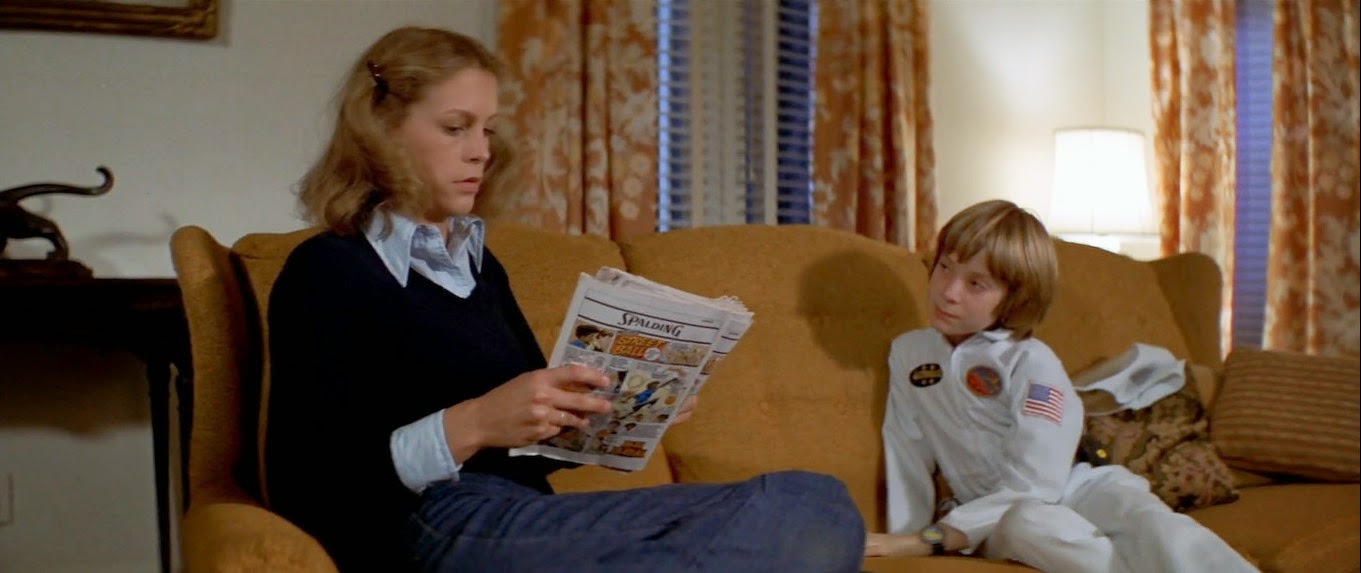
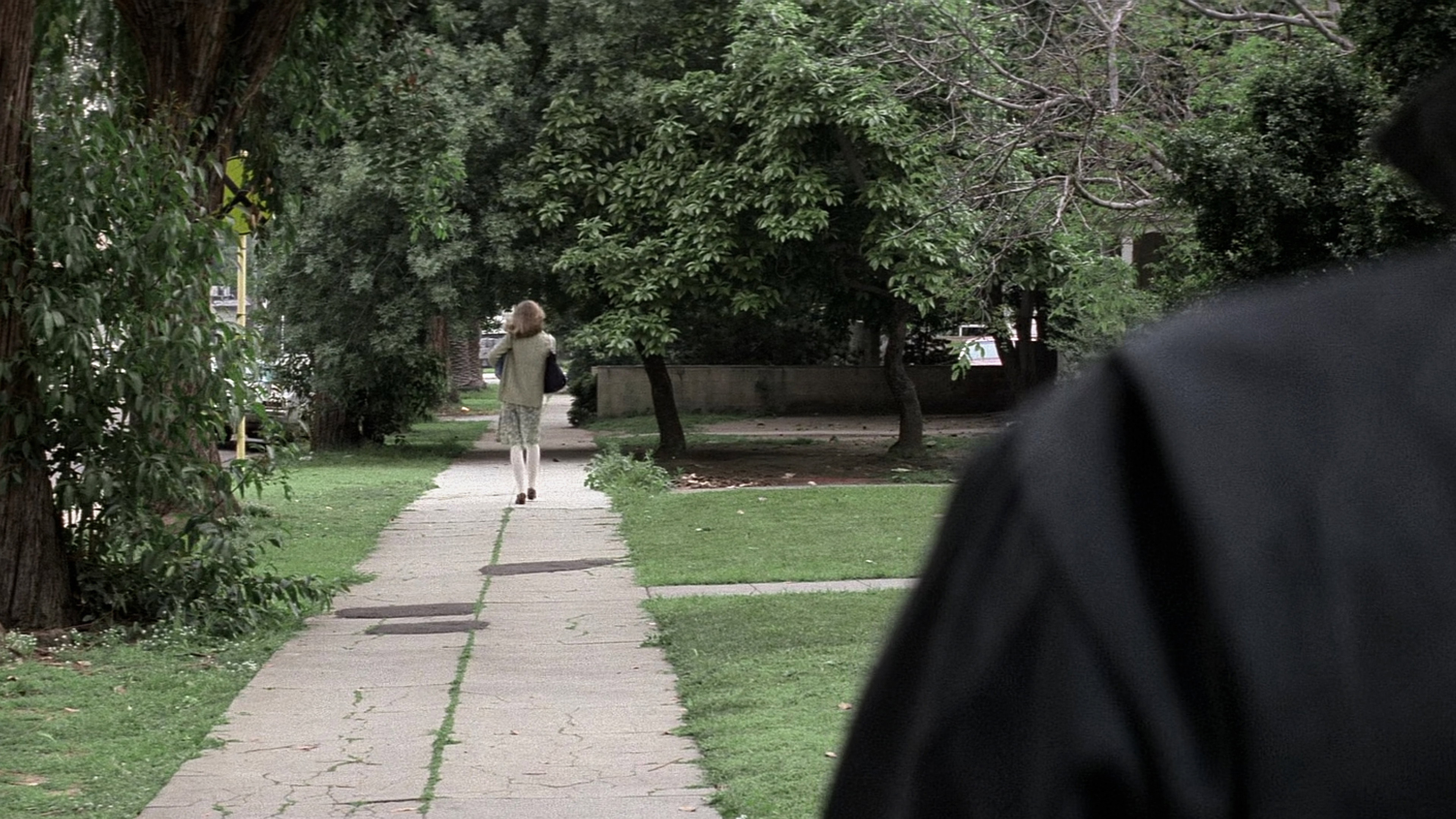
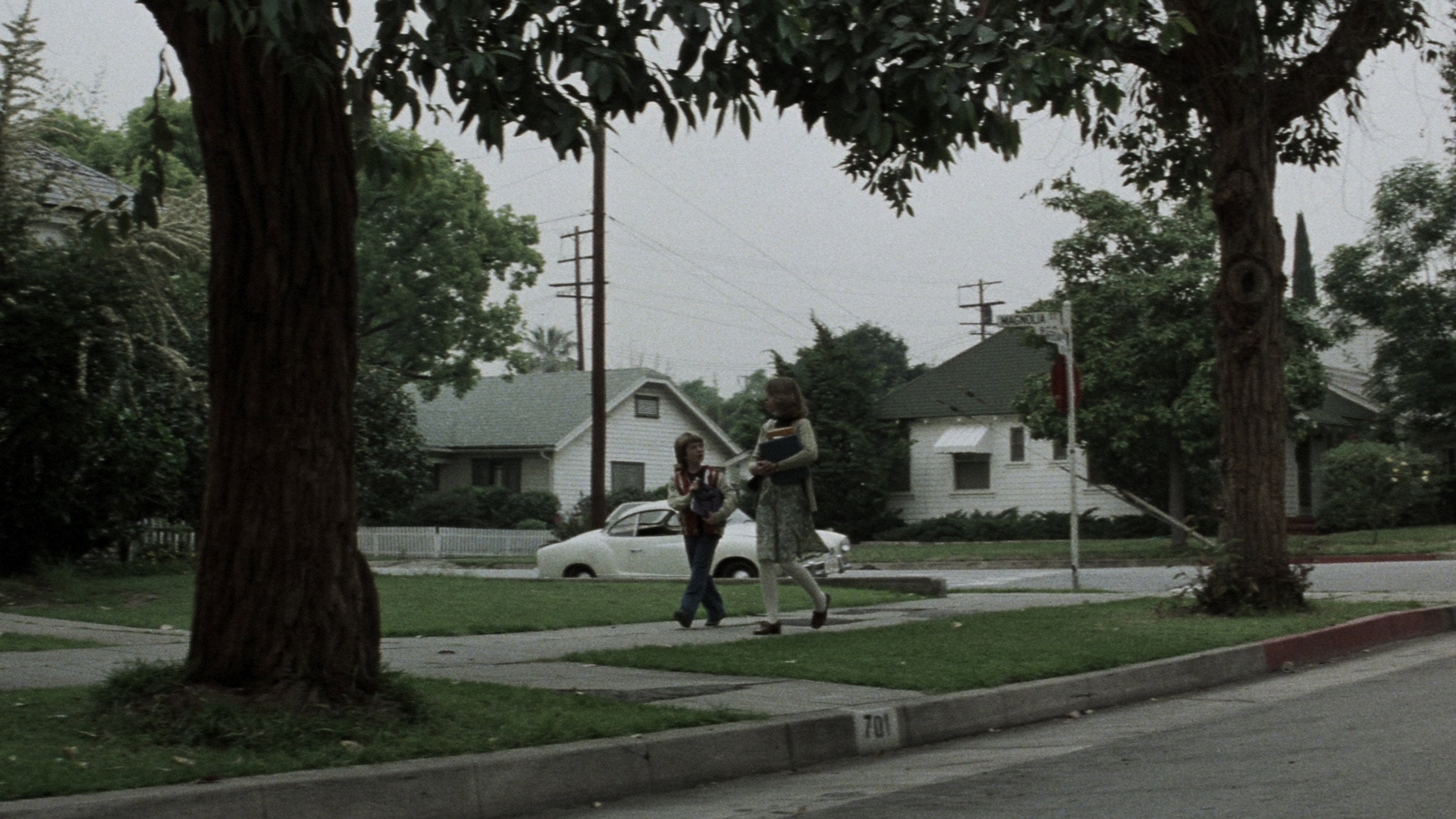
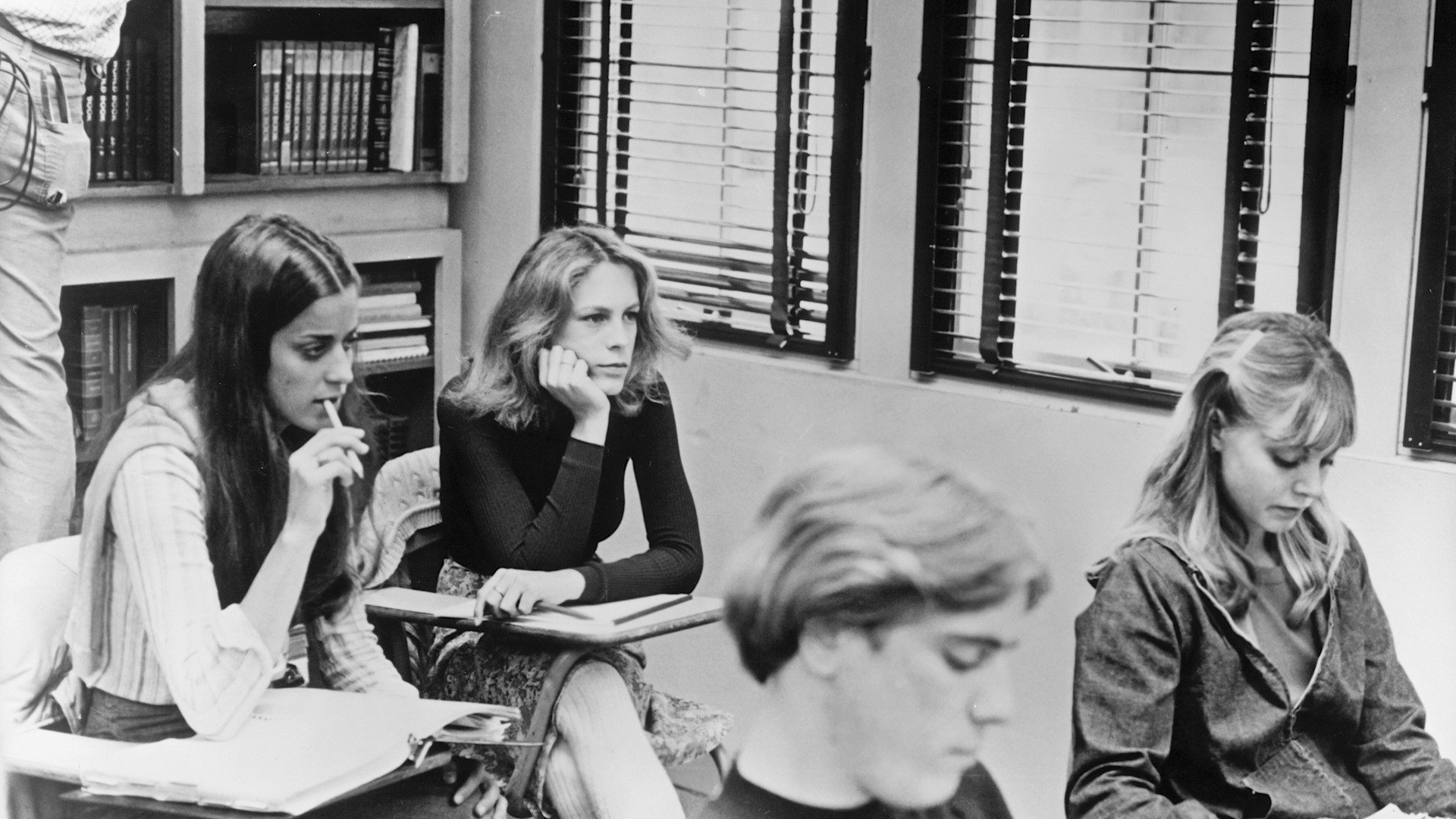
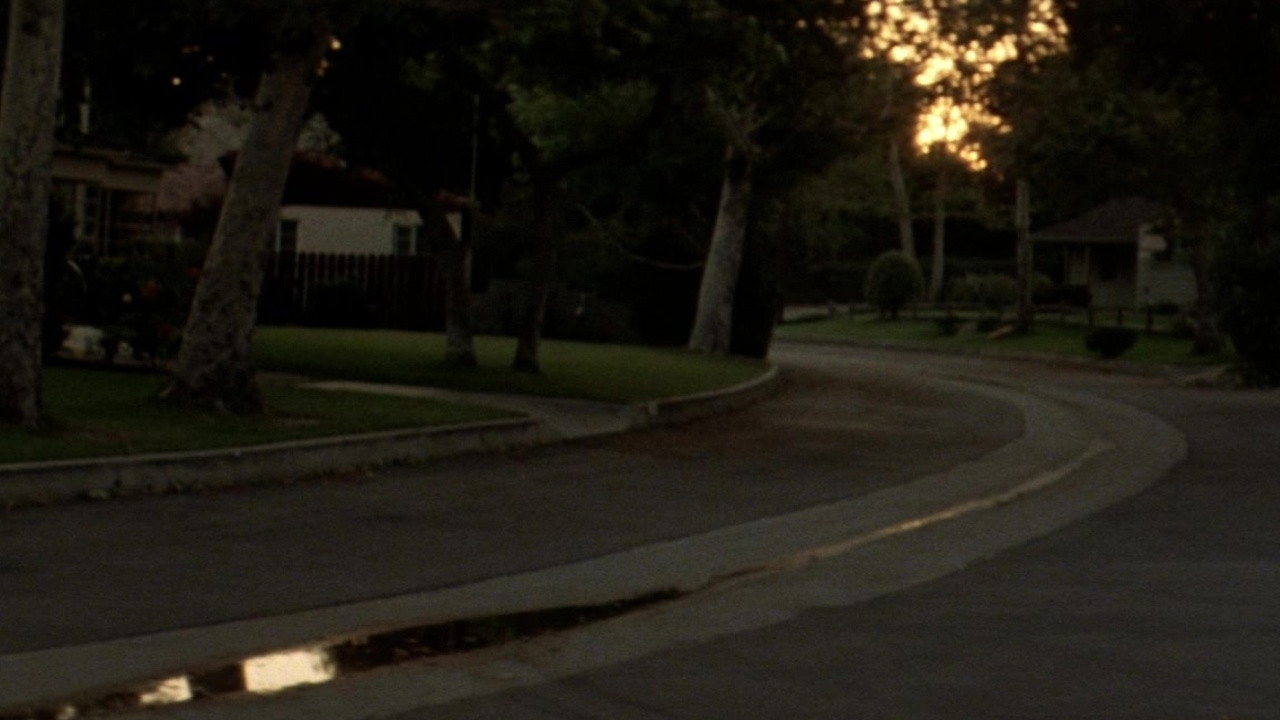
On Halloween morning, teenager Laurie Strode drops off a key at the empty Myers house for her father, a real estate agent. Tommy Doyle, the boy she often babysits, warns her the house is haunted. Michael watches her from inside. All day Laurie keeps catching sight of a man watching her, including from the street outside her classroom, and he is gone whenever she looks again. He trails Laurie and her friends Annie Brackett and Lynda Van Der Klok. At the elementary school, three boys tease Tommy that the Boogeyman is coming for him that night.
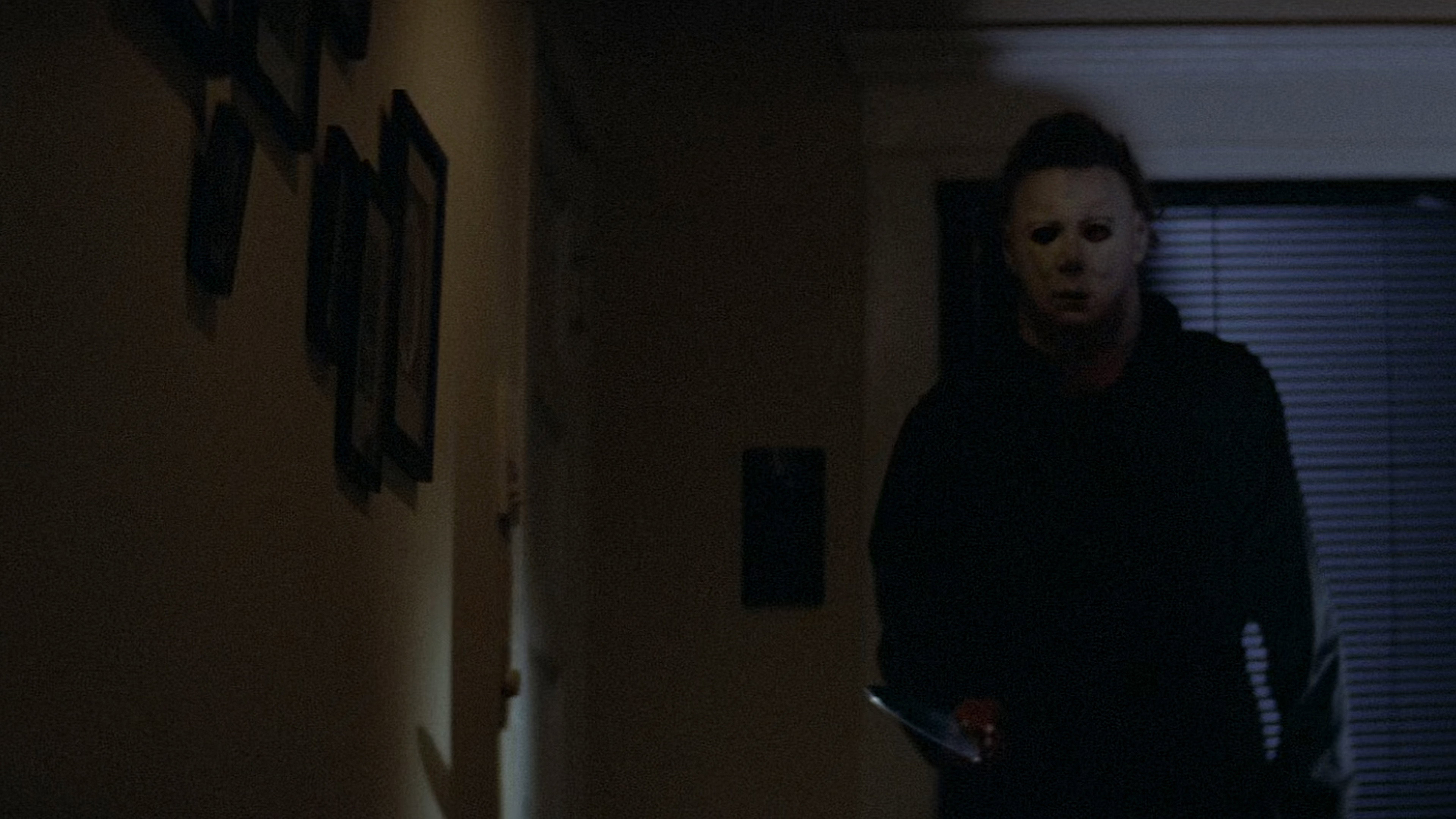
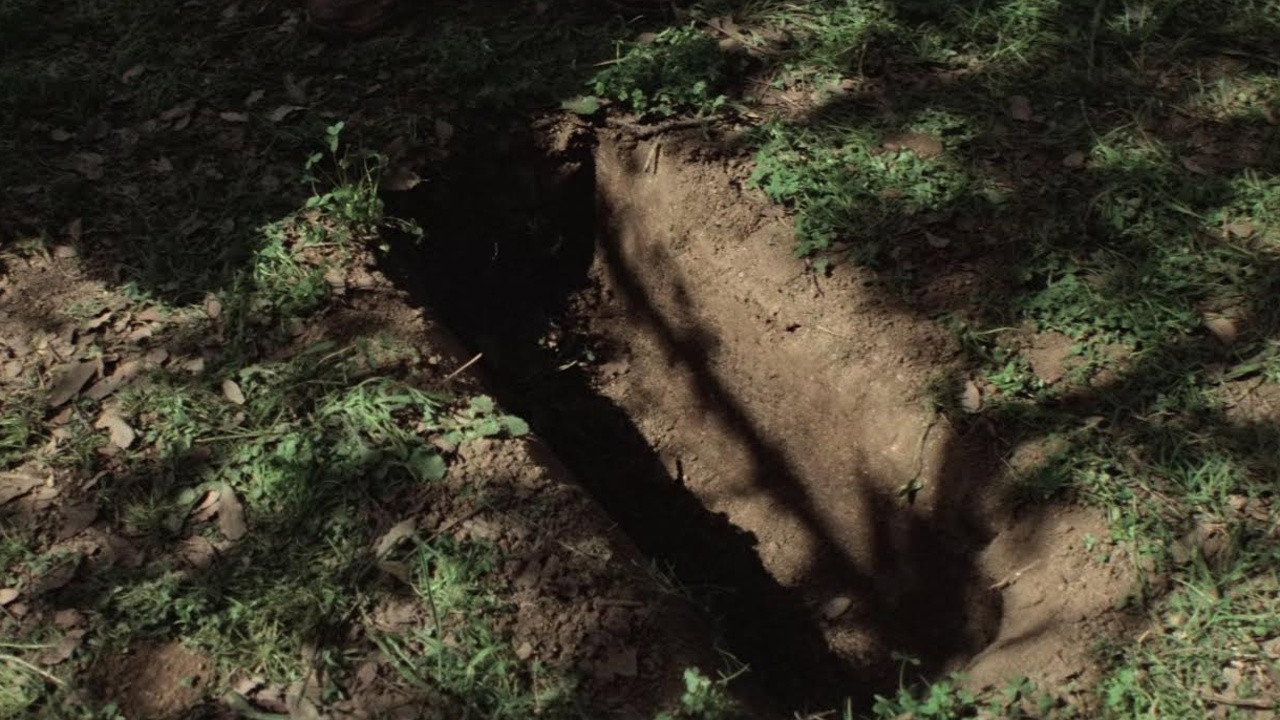
Loomis follows Michael's trail. He finds the patient gown in an abandoned truck, but misses the stripped body of the dead driver in the brush nearby. In Haddonfield he learns Judith Myers's tombstone has been stolen. He meets Annie's father, Sheriff Leigh Brackett, who is looking into a hardware store break-in where only a mask, rope and knives were taken. Inside the Myers house the two men find a freshly killed dog. Loomis tells Brackett about the six-year-old boy with black, empty eyes and decides to wait at the house.
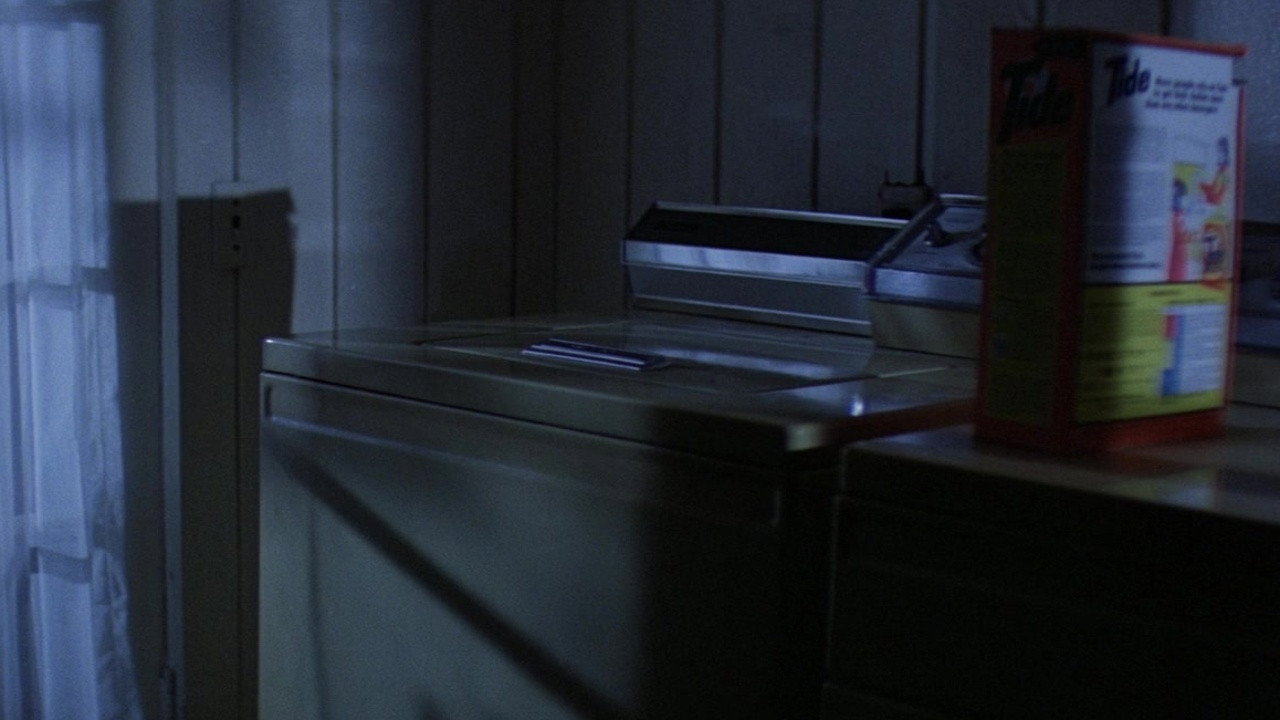
That night Laurie babysits Tommy Doyle, and across the street Annie babysits Lindsey Wallace. Michael kills the Wallaces' dog, Lester. Annie gets locked in the laundry room and stuck in its window, then drops Lindsey off with Laurie so she can go pick up her boyfriend Paul. Before she can leave, Michael strangles her in her car and cuts her throat. Tommy sees the masked man carrying a body into the Wallace house, but Laurie does not believe him.
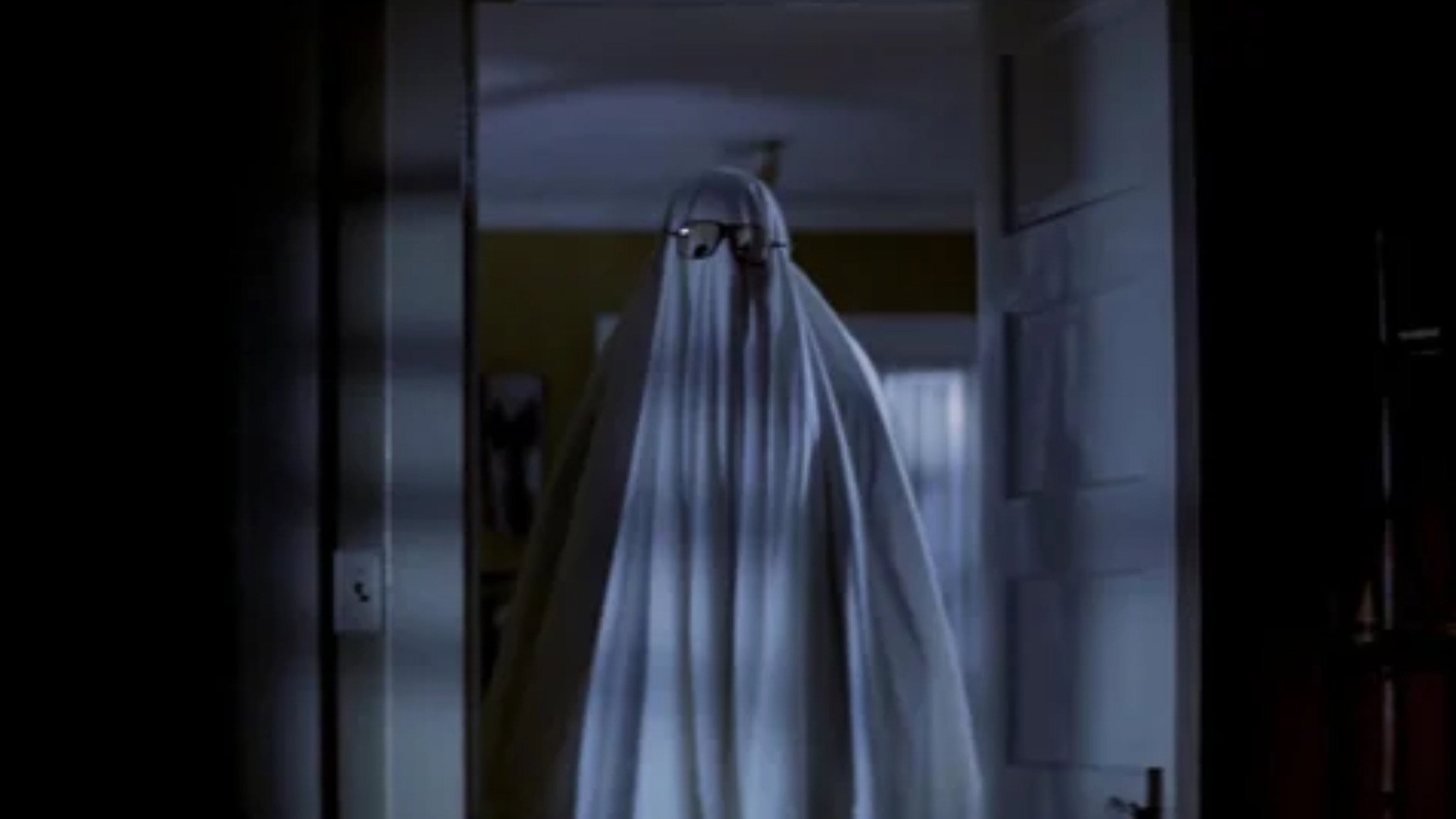
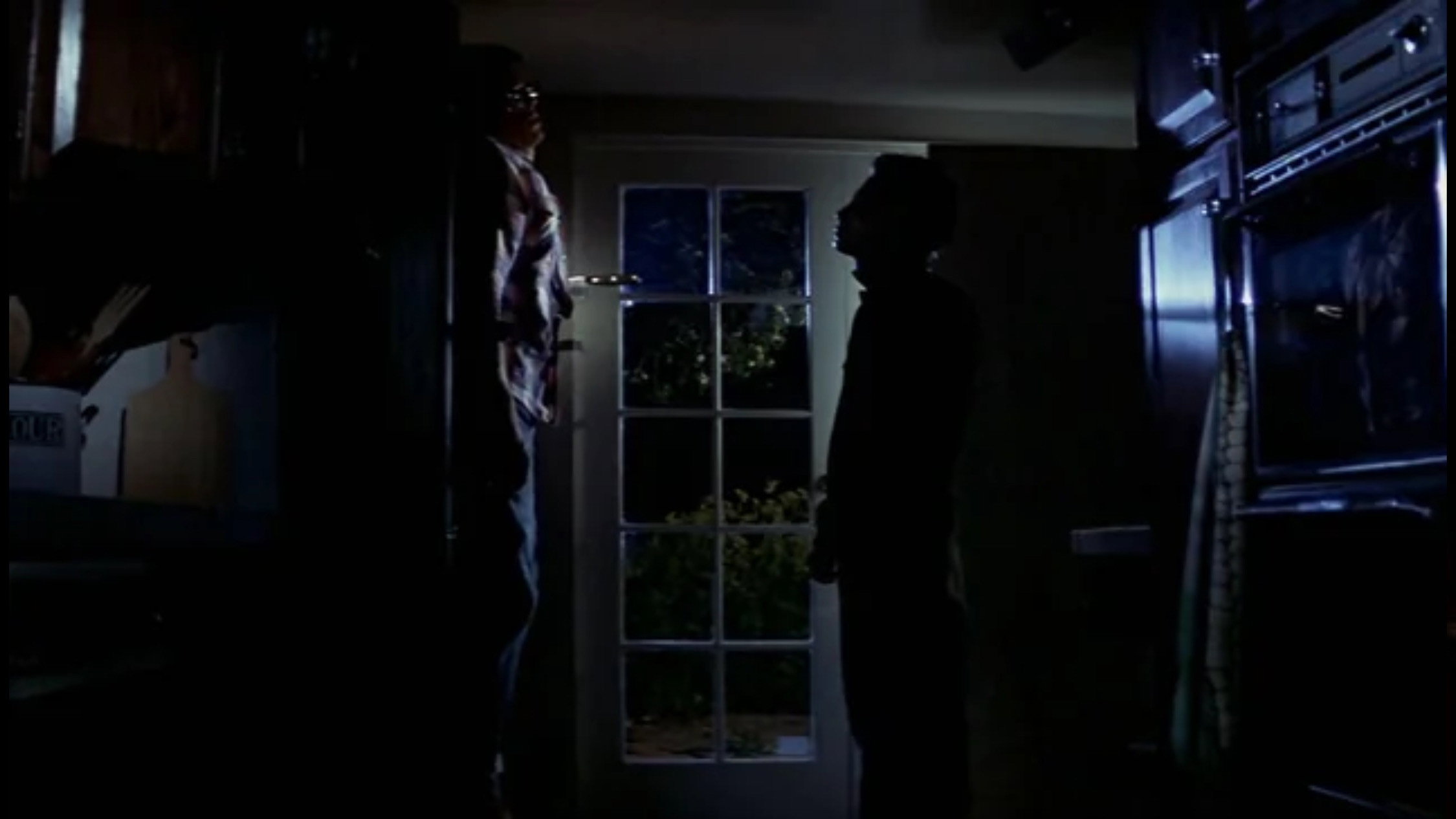
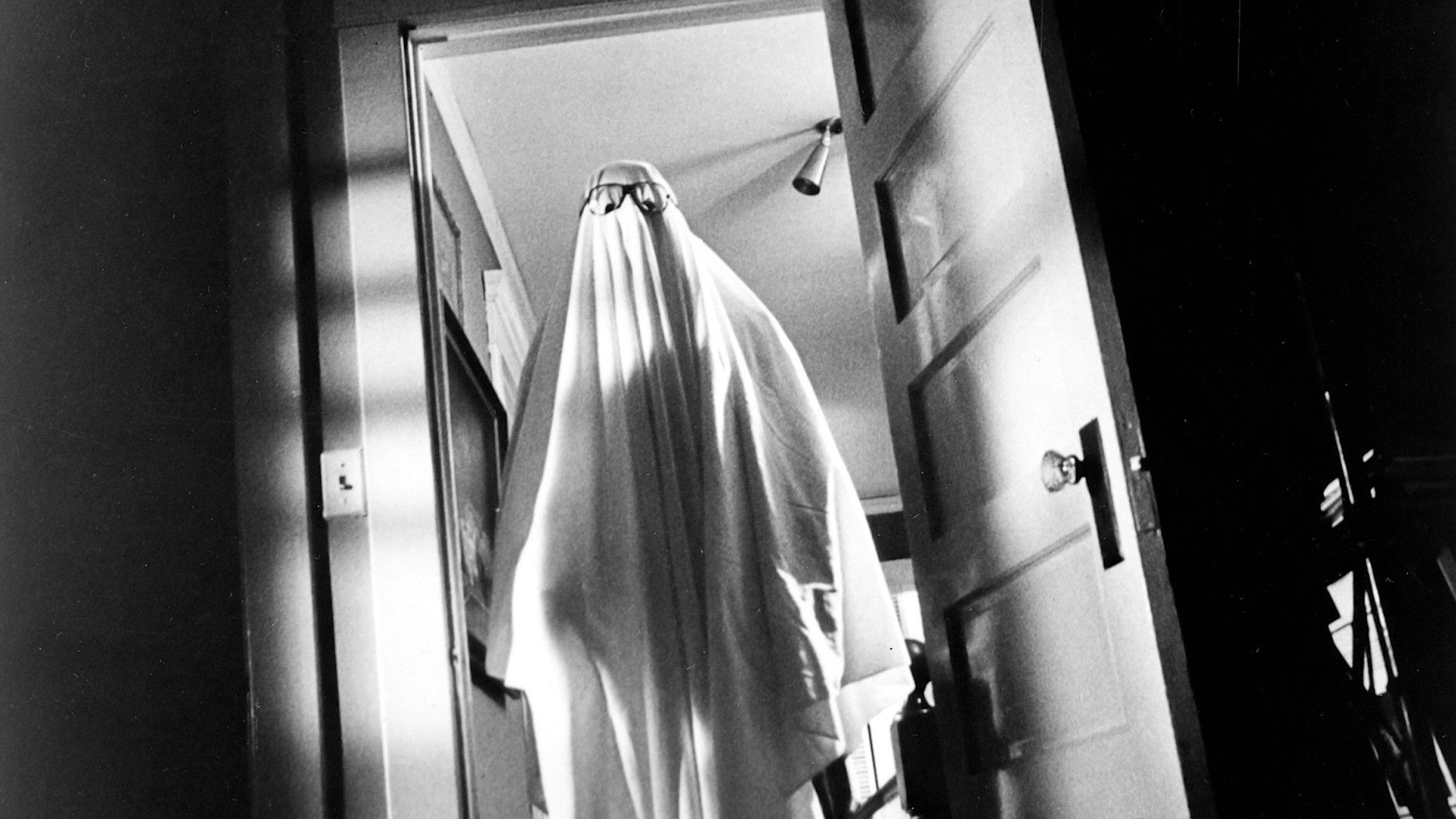
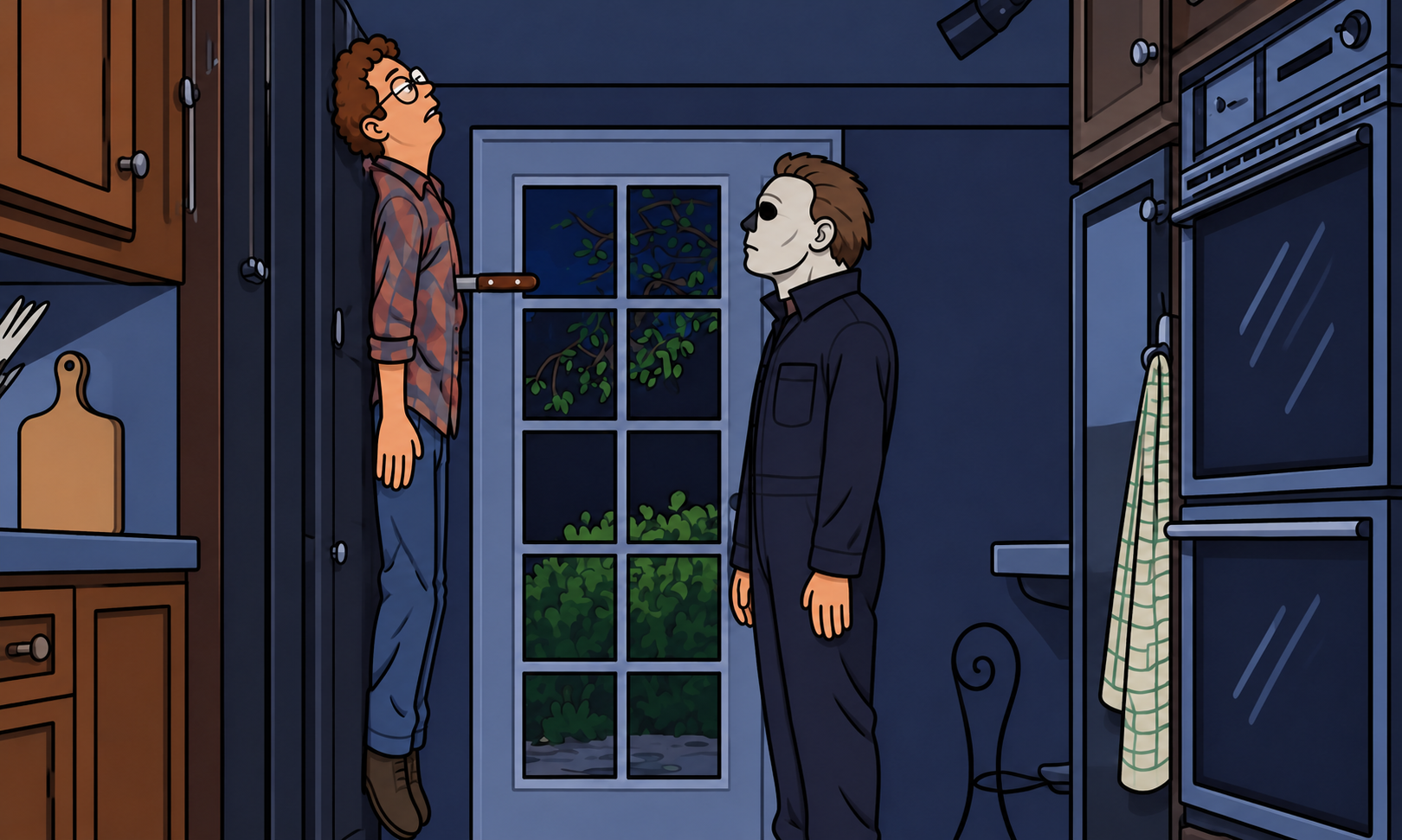
Lynda and her boyfriend Bob Simms show up at the empty Wallace house planning to use it for sex. Afterward Bob goes downstairs for a beer, and Michael pins him to the kitchen wall with a knife. Michael comes back upstairs wearing a sheet and Bob's glasses. When Lynda calls Laurie, Michael strangles her with the phone cord, and Laurie hears only squealing on the line.
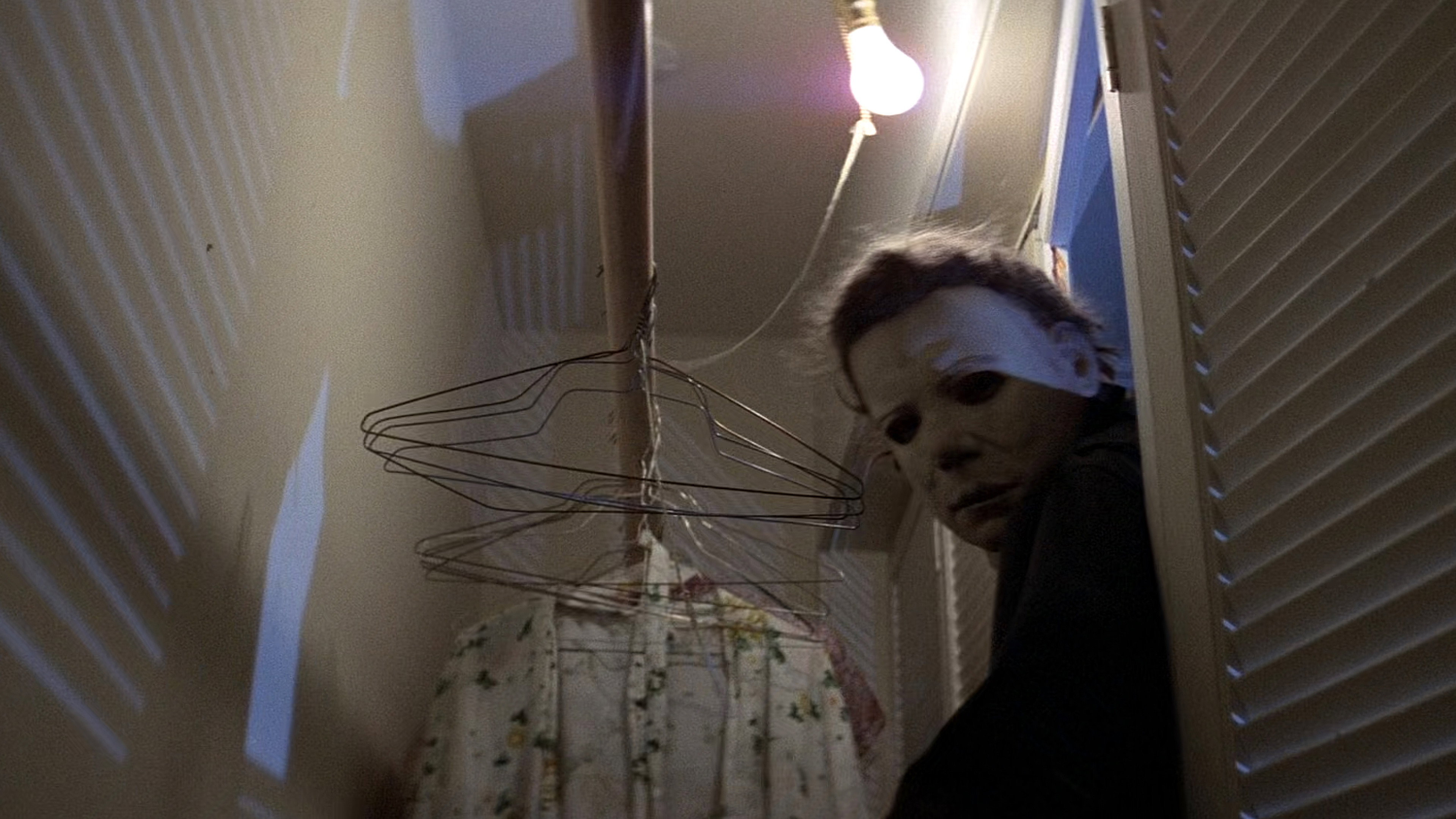
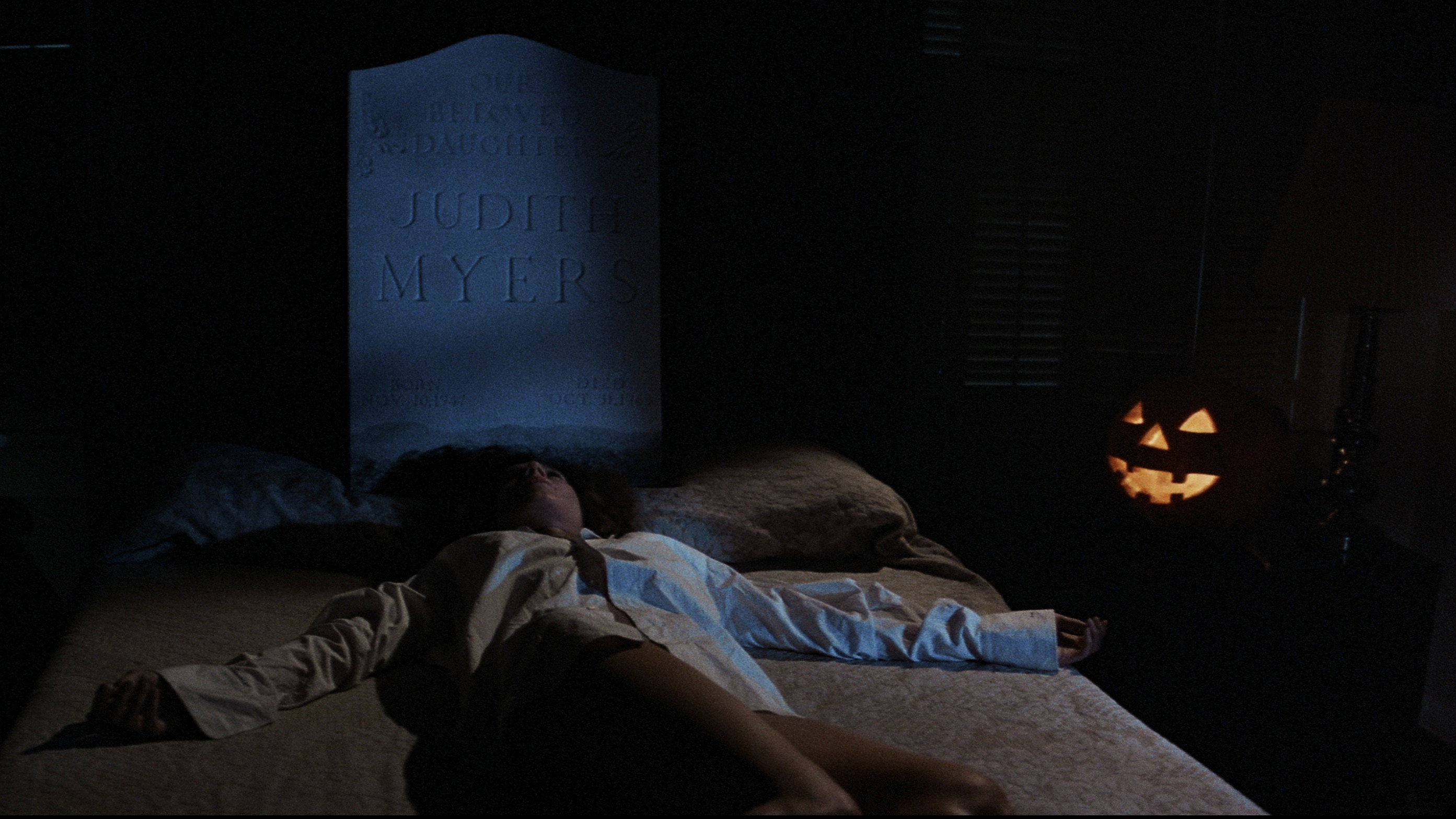
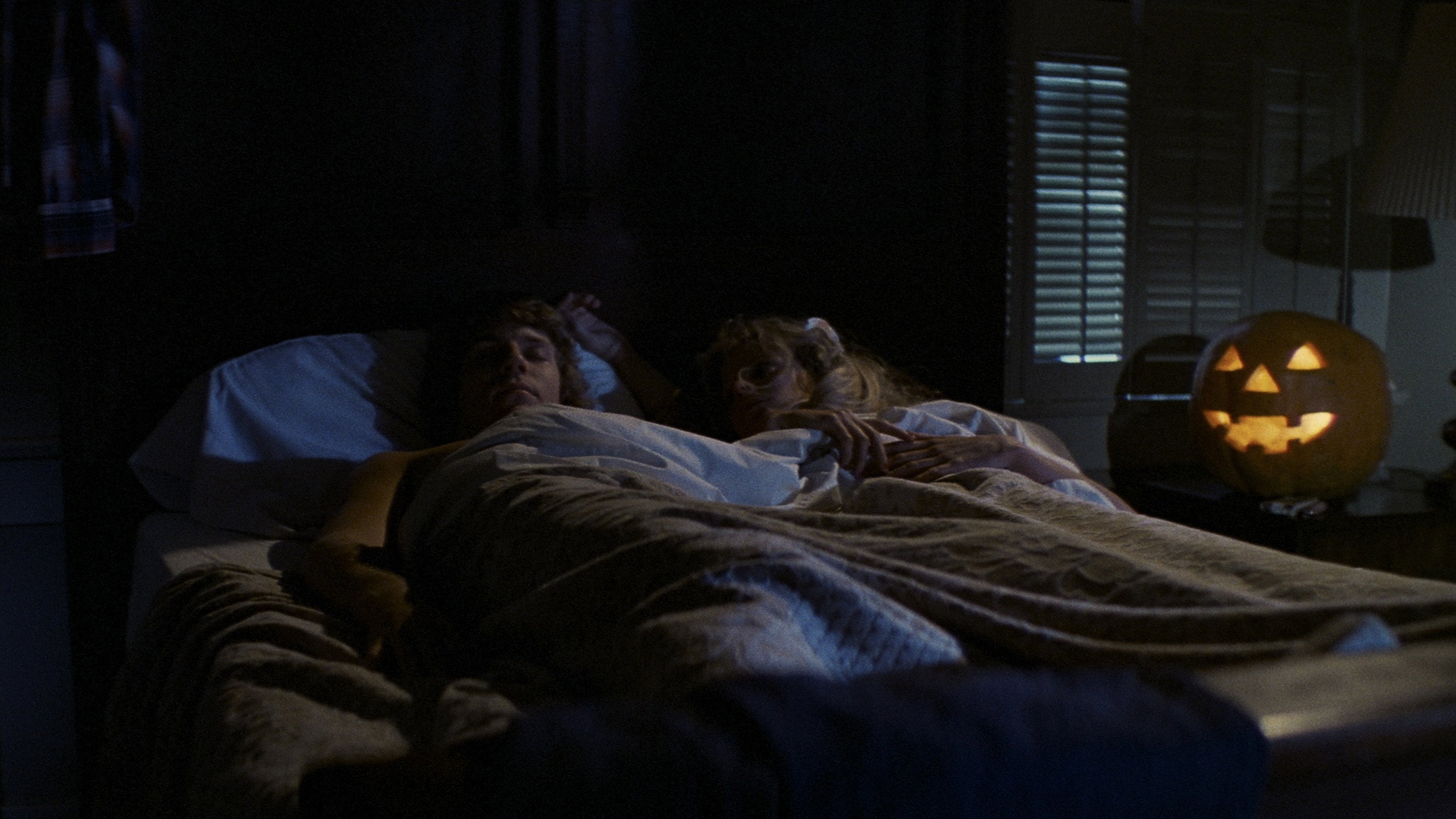
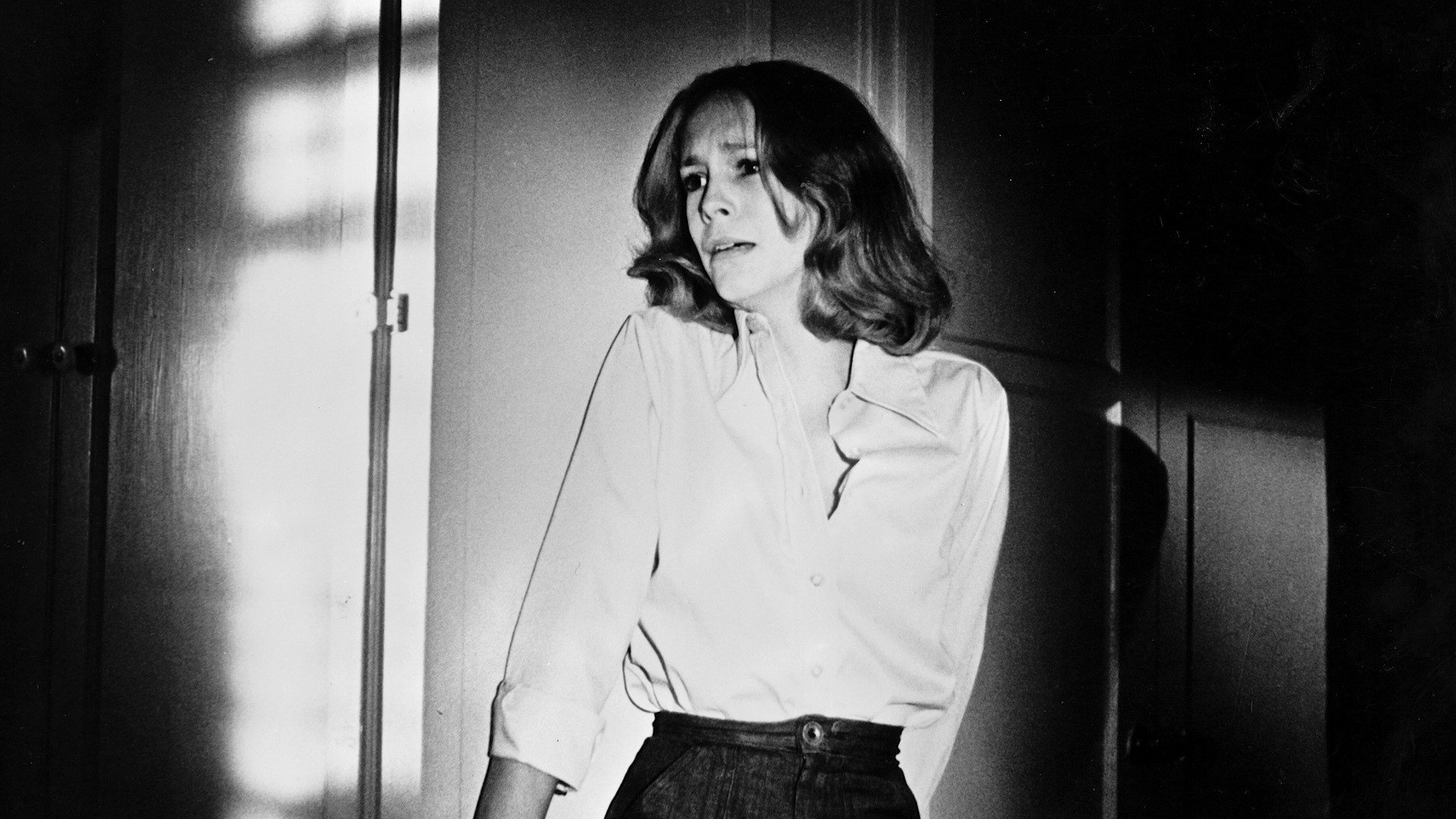
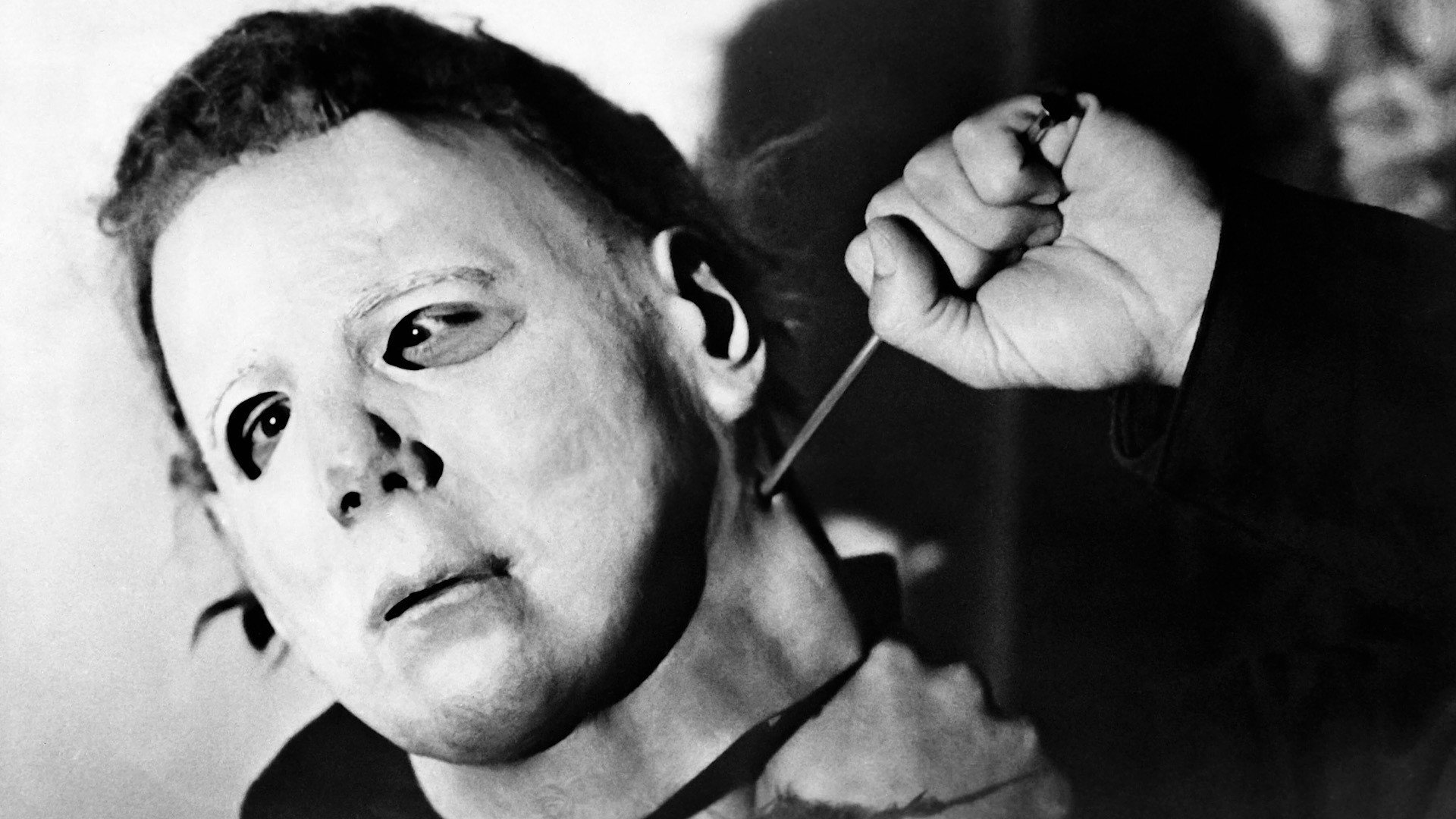
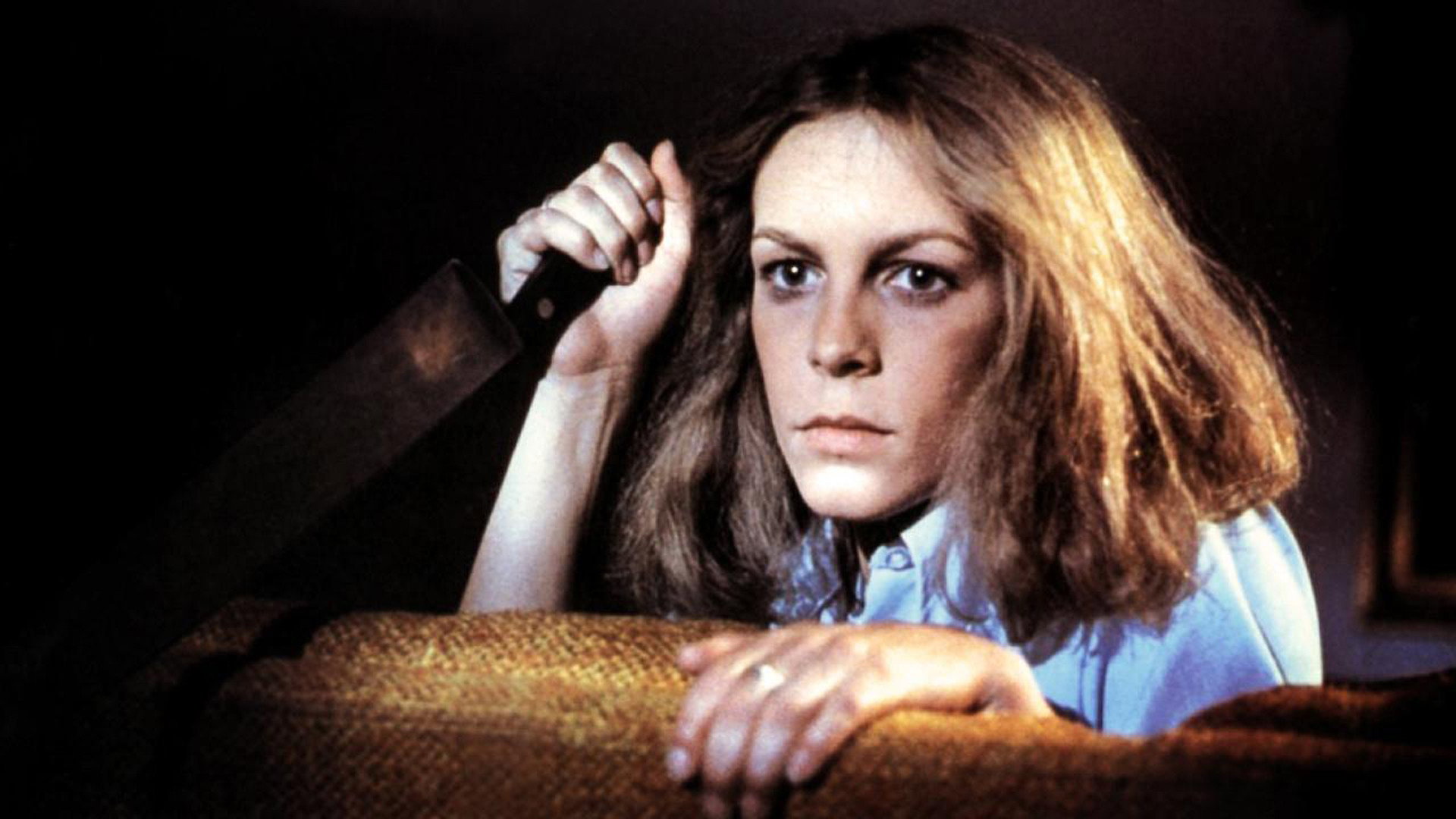
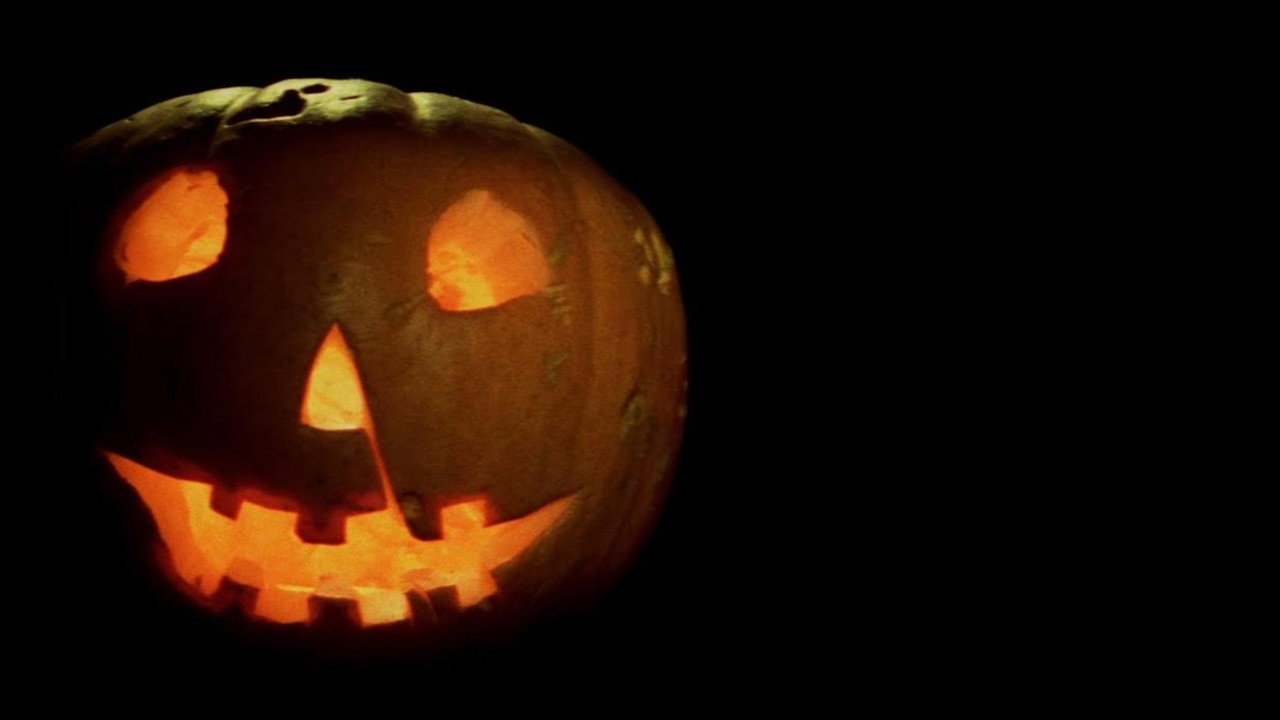
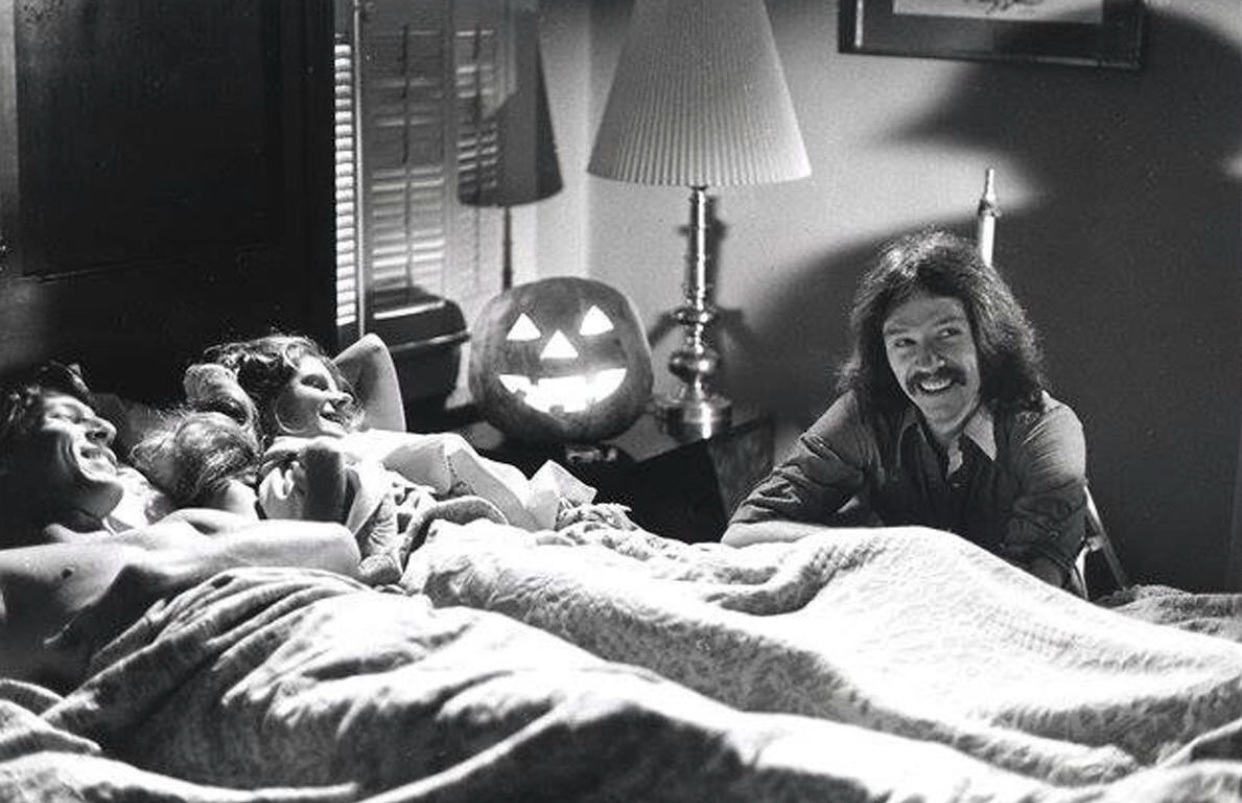
Laurie walks over to check on her friends. Upstairs in the dark Wallace house, a bedroom is lit by a jack-o'-lantern. She finds Annie's body laid out on the bed under Judith Myers's stolen tombstone. She backs into a closet and Bob's body swings down at her, and then she finds Lynda dead too. Michael steps out of the dark and cuts her arm, and she falls over the banister onto the stairs. She escapes to the Doyle house, where Tommy lets her in. The phone is dead. Michael climbs in through a window, and she stabs him in the neck with a knitting needle. He gets back up and follows her upstairs. She locks the kids in a bathroom, hides in a bedroom closet and jabs him in the eye with a wire coat hanger, then stabs him with his own knife. She sends Tommy and Lindsey out to get help.
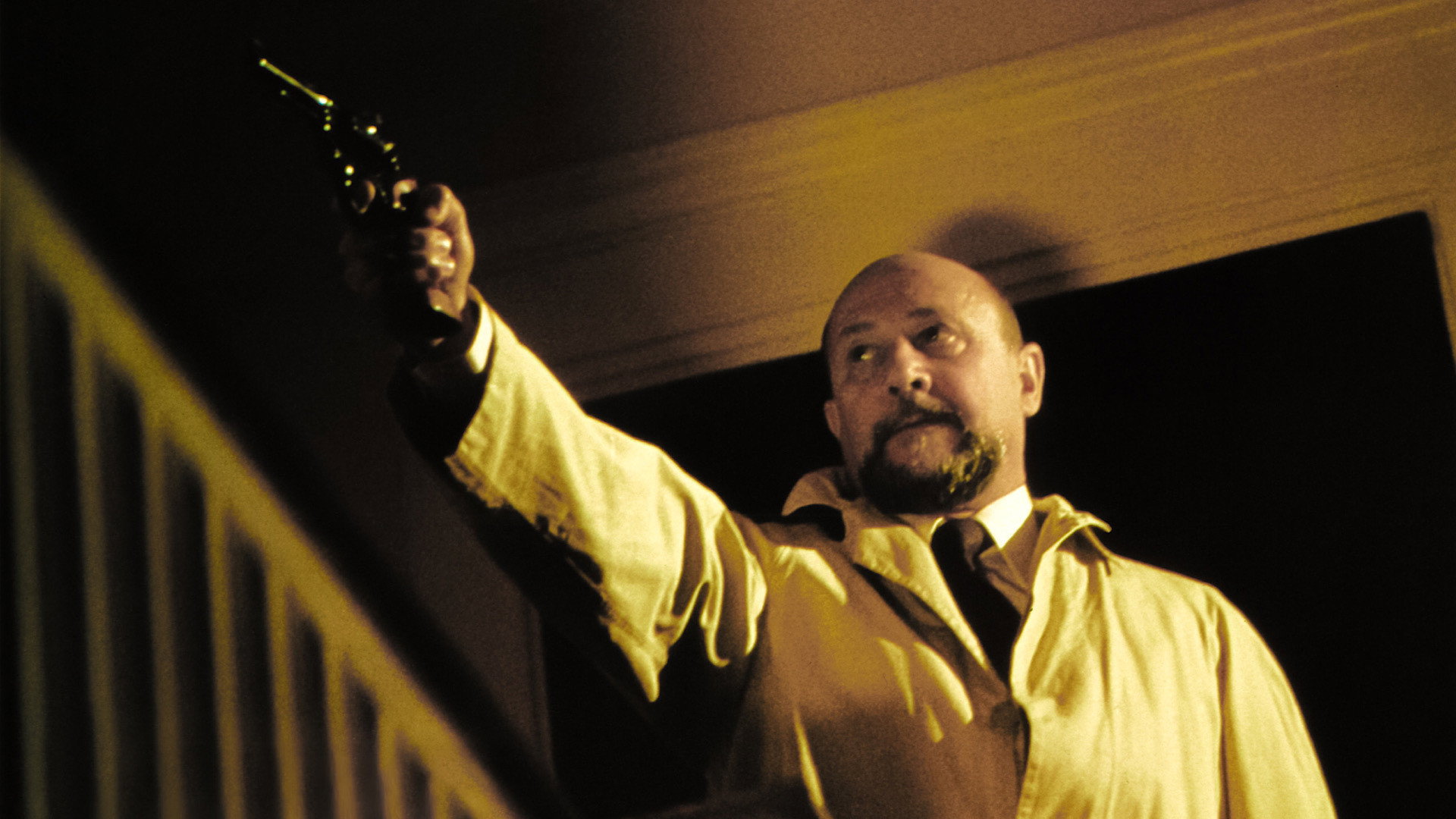
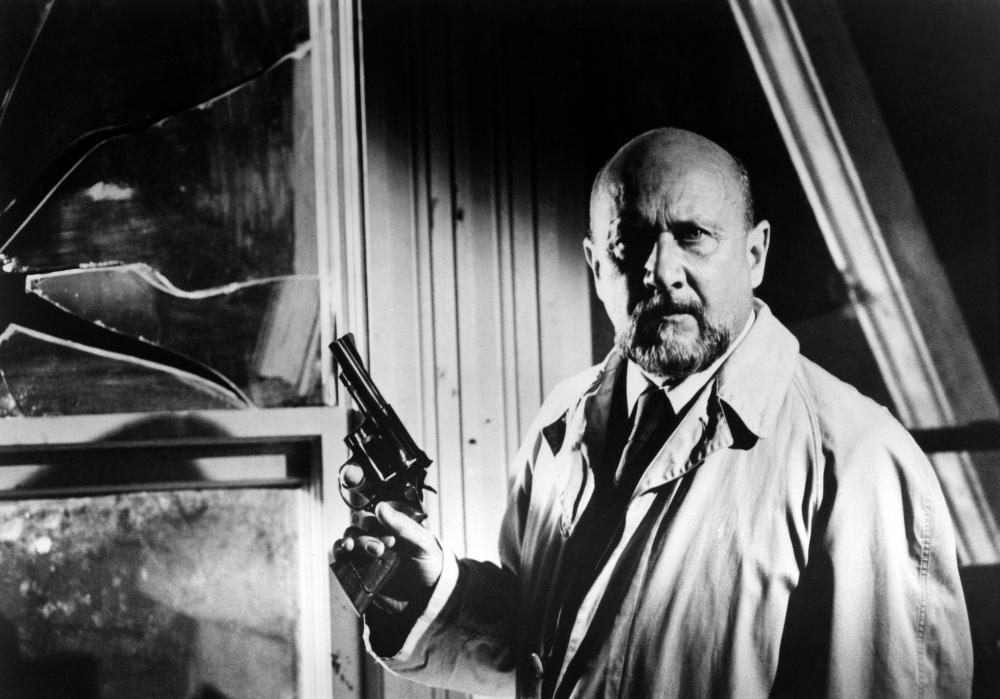
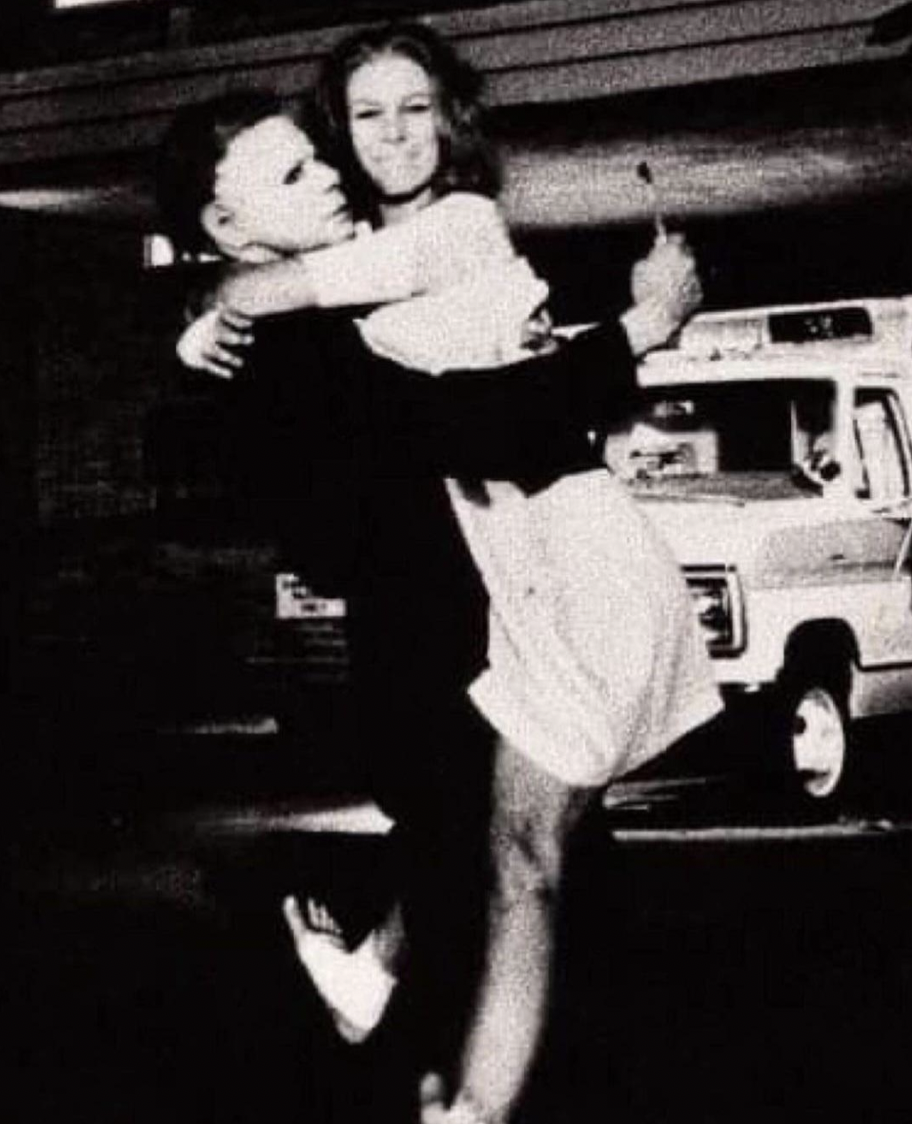
Loomis sees the children run out screaming and hurries inside. Michael sits up and attacks Laurie again, and in the struggle his mask comes off. Loomis shoots him six times, and Michael falls off the balcony onto the lawn. Laurie says it was the Boogeyman, and Loomis agrees. When Loomis looks down at the lawn, the body is gone.
Halloween opened in Kansas City, Missouri, in October 1978. Wikipedia gives the premiere as October 24 at the AMC Empire. The AFI Catalog says it opened in four Kansas City theaters. Box Office Mojo gives October 25, and the AFI Catalog lists a Los Angeles opening of October 25 and a release date of October 27. Yablans recalled weak first-night grosses of about $200 per theater that grew to $1,600 to $2,000 per theater within a week on word of mouth. On Halloween 1978 it screened at the San Diego Film Festival with Hill and Curtis attending. It was then rushed into New York and Los Angeles.
Major studios had passed on the film, so Yablans booked it through independent theaters. The Hollywood Reporter said it earned more than $2 million in its first two weeks, plus $1 million in foreign advances after one screening at MIFED in Milan. It opened to $200,000 in its first week in six Boston-area theaters. Warner Bros. bought rights for Italy, Germany and France. The opening week in 198 theaters brought in $1,270,000. It was reissued every Halloween. In 1980, Aquarius Releasing tried a New York run in 83 theaters, on pay cable and on cassette at Video Shack stores at the same time. It took $450,000 that week.
The Numbers lists $47,274,000 domestic and $70,274,000 worldwide on a budget of $325,000. Wikipedia estimates about 20 million tickets sold. Boxoffice and The Hollywood Reporter called it in 1979 the most lucrative independent picture up to that time.
Early reviews were mixed. Variety praised Carpenter's timing and offbeat humor. David Ansen of Newsweek called it a superb exercise in suspense and predicted it would become a cult film. Gene Siskel gave it three and a half stars, and Tom Allen of The Village Voice compared its technique to Hitchcock. The Los Angeles Times called it well made but empty, and Gary Arnold of The Washington Post found the tension forced. Pauline Kael panned it in The New Yorker in February 1979. Andrew Sarris predicted it would be the cult find of 1978. Roger Ebert gave it four stars in 1979.
Awards and honors: nominated for the 1979 Saturn Award for Best Horror Film, losing to The Wicker Man. It won the Critics Award at the 1979 Avoriaz Fantastic Film Festival. Carpenter got a Special Silver Plaque at the 1978 Chicago International Film Festival, where the film played as an invited entry. It ranked number 68 on AFI's 100 Years...100 Thrills in 2001 and was added to the National Film Registry in 2006. Rotten Tomatoes lists 97 percent from 92 critics, and Metacritic scores it 91.
NBC bought the television rights. Variety reported Yablans priced them at $3 million, and Wikipedia says NBC paid about $3 million in 1980. The network premiere, with new scenes added, aired October 30, 1981, the day Halloween II opened.
A 35th anniversary theatrical re-release began October 25, 2013, paired with the short documentary You Can't Kill the Boogeyman: 35 Years of Halloween. Box Office Mojo also lists a July 10, 2020 re-release that added about $160,000 domestic.
In January 2008 Carpenter sued Yablans and Compass International in Los Angeles Superior Court, saying they had stopped quarterly accounting and payments since 2004. The AFI Catalog could not find how it ended.
1978 · press-kit publicity photograph set
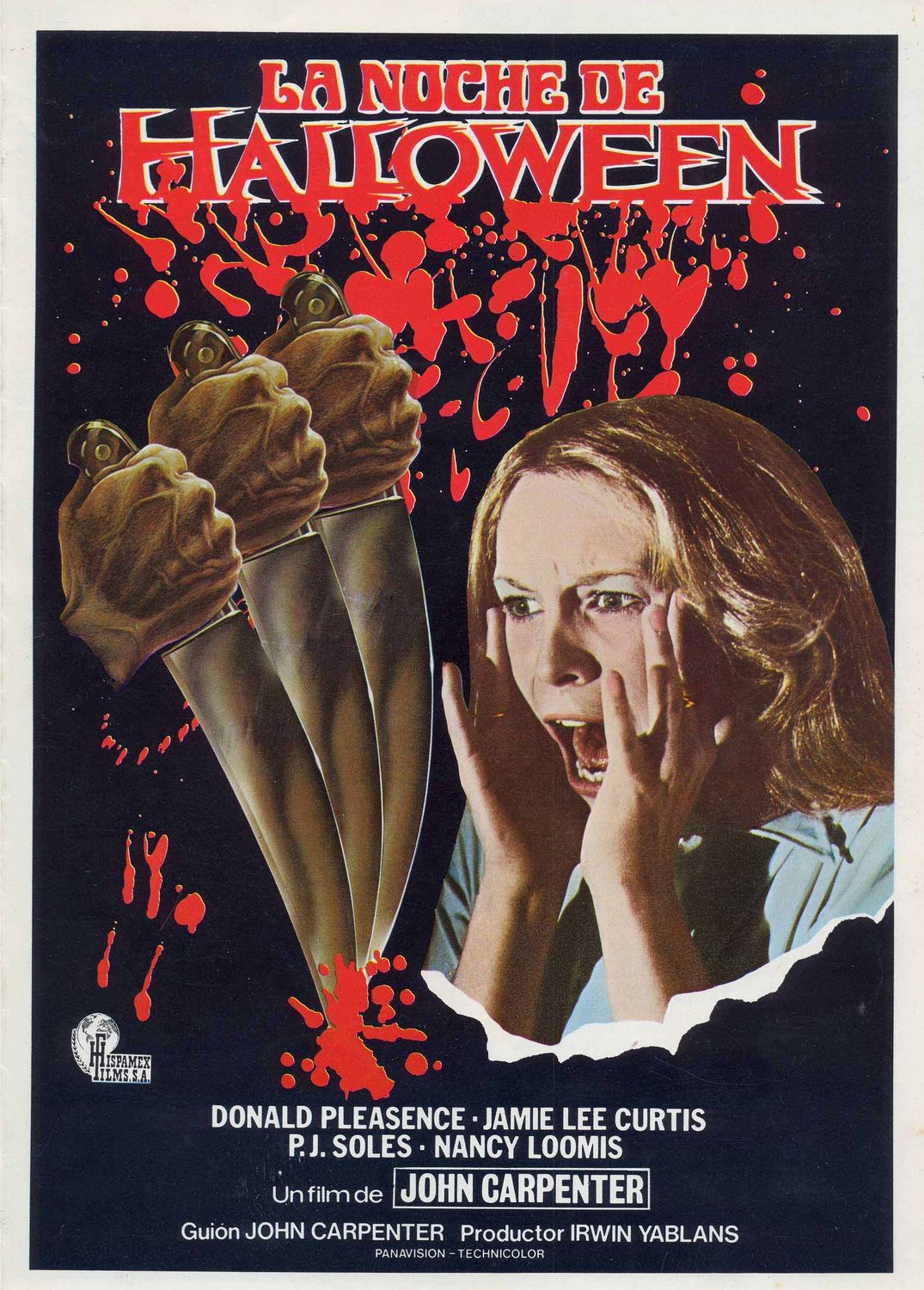
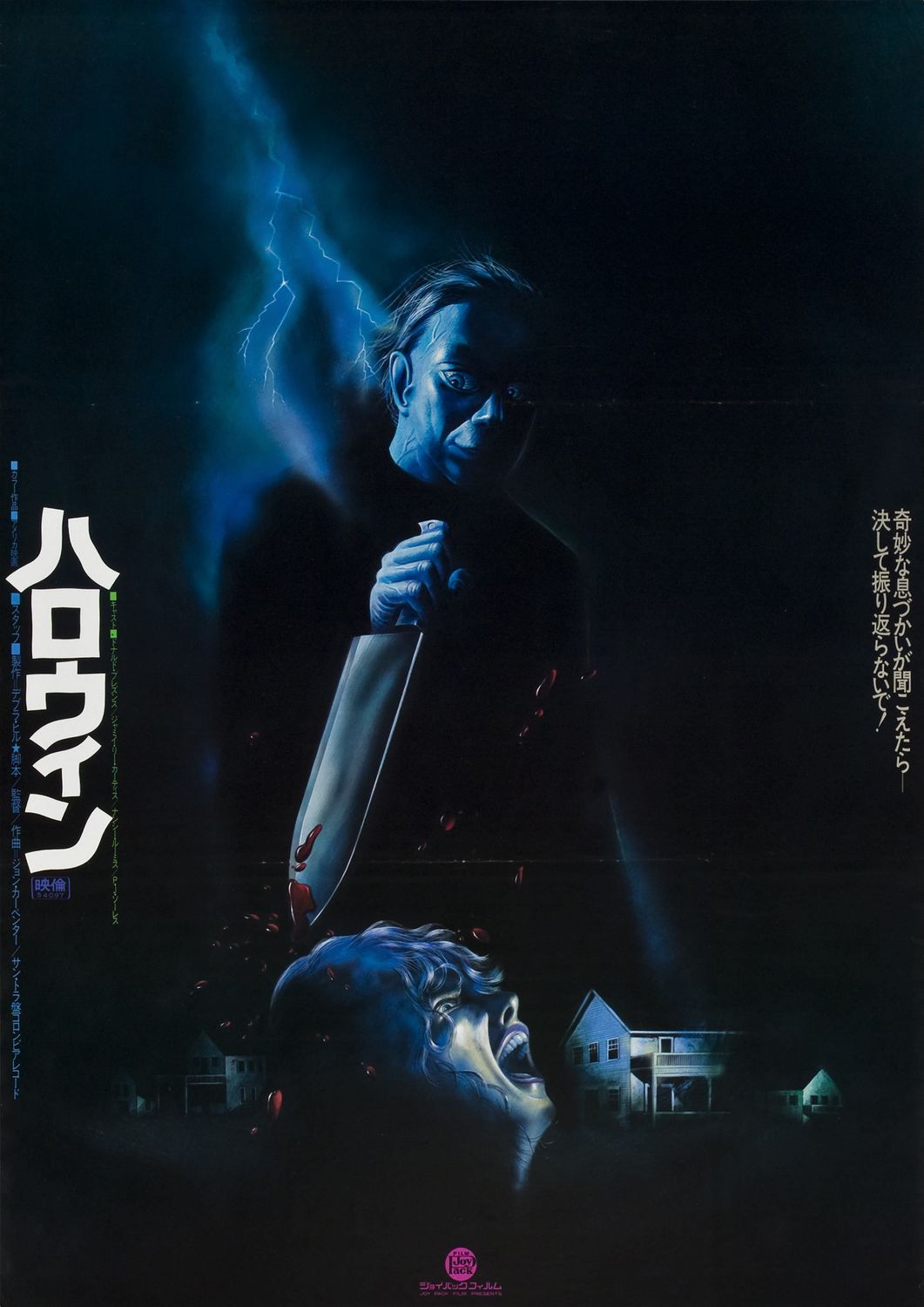
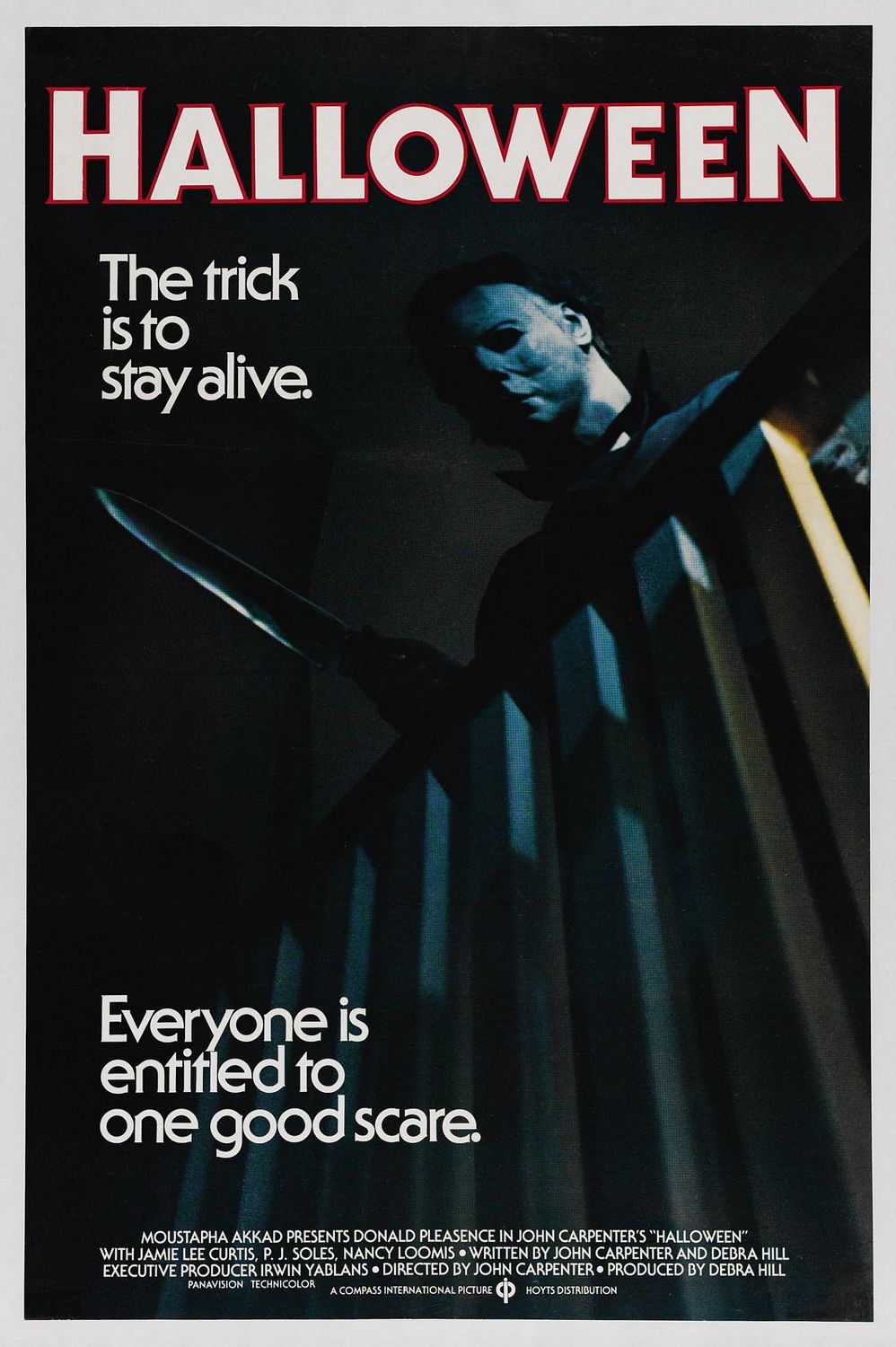
1978 · theatrical campaign
1981 · television campaign
1978 · TV spot
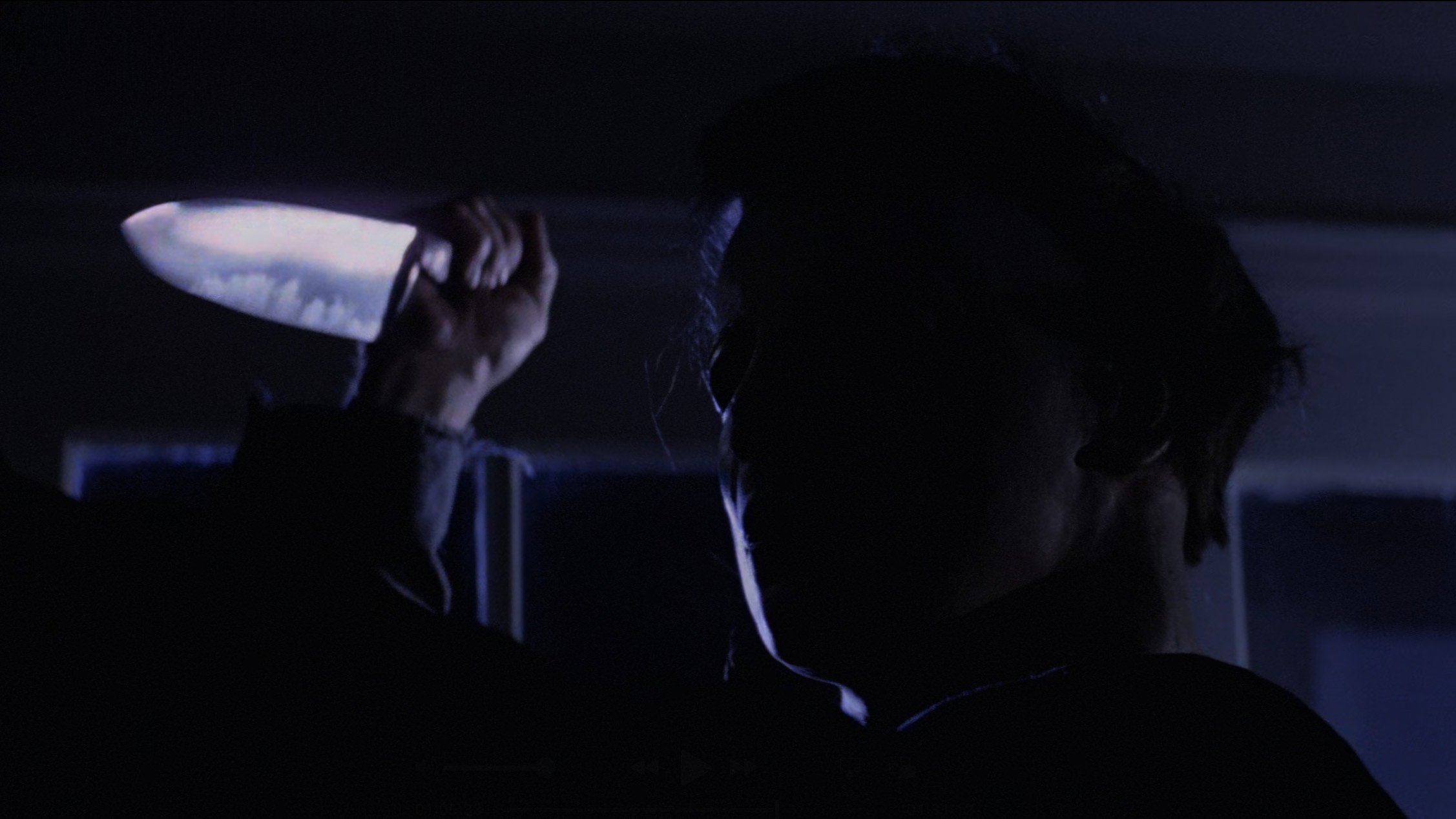
1978 · 10 x 8 in black-and-white photographs · press-kit / front-of-house photo set
1978 · 11 x 14 in · lobby-card set
1978 · press-kit photographs
2024 · television marathon
1978 · theatrical and broadcast advertising
Theatrical / home video
TV
1999 · Home video
1980 · television version
Dr. Sam Loomis
Laurie Strode
feature film debut, billed as introducing
Annie Brackett
credited as Nancy Loomis
Lynda Van Der Klok
Sheriff Leigh Brackett
credited as Brackett; the first name comes from Halloween II
Lindsey Wallace
Tommy Doyle
Bob Simms
Marion Chambers
Graveyard Keeper
Wikipedia gives the name Angus Taylor
Richie
son of executive producer Irwin Yablans; Wikipedia gives the name Richie Castle
Lonnie
Wikipedia gives the name Lonnie Elam
Keith
Dr. Wynn
Michael Myers, age 23
credited as Michael, age 23, though Loomis's timeline makes him 21; unmasked Michael in the final struggle
Michael Myers, age 6
Judith Myers
Judith's boyfriend
David Kyle Foster, credited as David Kyle
Laurie's father
Wikipedia gives the name Morgan Strode
The Shape
Paul
uncredited voice on the phone; TMDB says he also wore the mask in some shots
Young Michael's hands
uncredited; also the Shape's shadow at the Wallace house
The Shape in the closet scene
uncredited
The Shape
uncredited as Michael; credited in the crew as stunts, spelled Jim Windburn
Dead mechanic
uncredited; also a production assistant
Peter Myers
uncredited, listed by TMDB
Classmate
uncredited, listed by TMDB
Student
uncredited, listed by TMDB
Director
Screenplay
Screenplay
Producer
Executive producer
Presenter and financier
Associate producer (credited as Kool Lusby)
Director of photography
Camera operator and Panaglide operator (credited as Ray Stella)
Assistant camera
Second assistant camera
Still photographer
Gaffer
Best boy
Best boy
Electrician
Key grip
Grip
Production designer (credited as Tommy Wallace)
Film editor
Film editor
Assistant art director
Set decorator and property master
Set painter
Wardrobe
Makeup
Special effects
Music (credited as the Bowling Green Philharmonic Orchestra)
Orchestration and synthesizer programming
Music recording and mixing
Music coordinator
Sound mixer
Boom operator
Supervising sound editor
Script supervisor
Production manager
Assistant director
Second assistant director
Production assistant
Production assistant
Stunts (credited as Jim Windburn)
Executive producer Irwin Yablans and financier Moustapha Akkad came to John Carpenter after Yablans saw Assault on Precinct 13 at the Milan film market. The AFI Catalog says Yablans first called his babysitter-killer idea The Babysitter Murders before moving it to Halloween night. Yablans has since said it was always meant to be called Halloween. Carpenter said no film had ever used Halloween night as its theme. Akkad put up $300,000. Carpenter took $10,000 to write, direct and score the film, plus 10 percent of the profits. The Hollywood Reporter wrote in 1979 that Debra Hill took no salary and worked for a share of net profits.
Carpenter and his then-girlfriend Debra Hill wrote the script fast. Carpenter has said about ten days, and Hill remembered three weeks. Hill wrote the teenage girls, drawing on her own babysitting years. Carpenter wrote Loomis and Michael and based Loomis's speeches on a boy with a blank stare he saw on a college visit to a psychiatric hospital in Kentucky. Haddonfield, Illinois, was named for Hill's hometown of Haddonfield, New Jersey. Several street names came from Carpenter's hometown of Bowling Green, Kentucky. Loomis was named for John Gavin's character in Psycho. The name Michael Myers came from the British distributor of Assault on Precinct 13, who got that film into the London Film Festival. Tommy Doyle is named after Wendell Corey's detective in Rear Window.
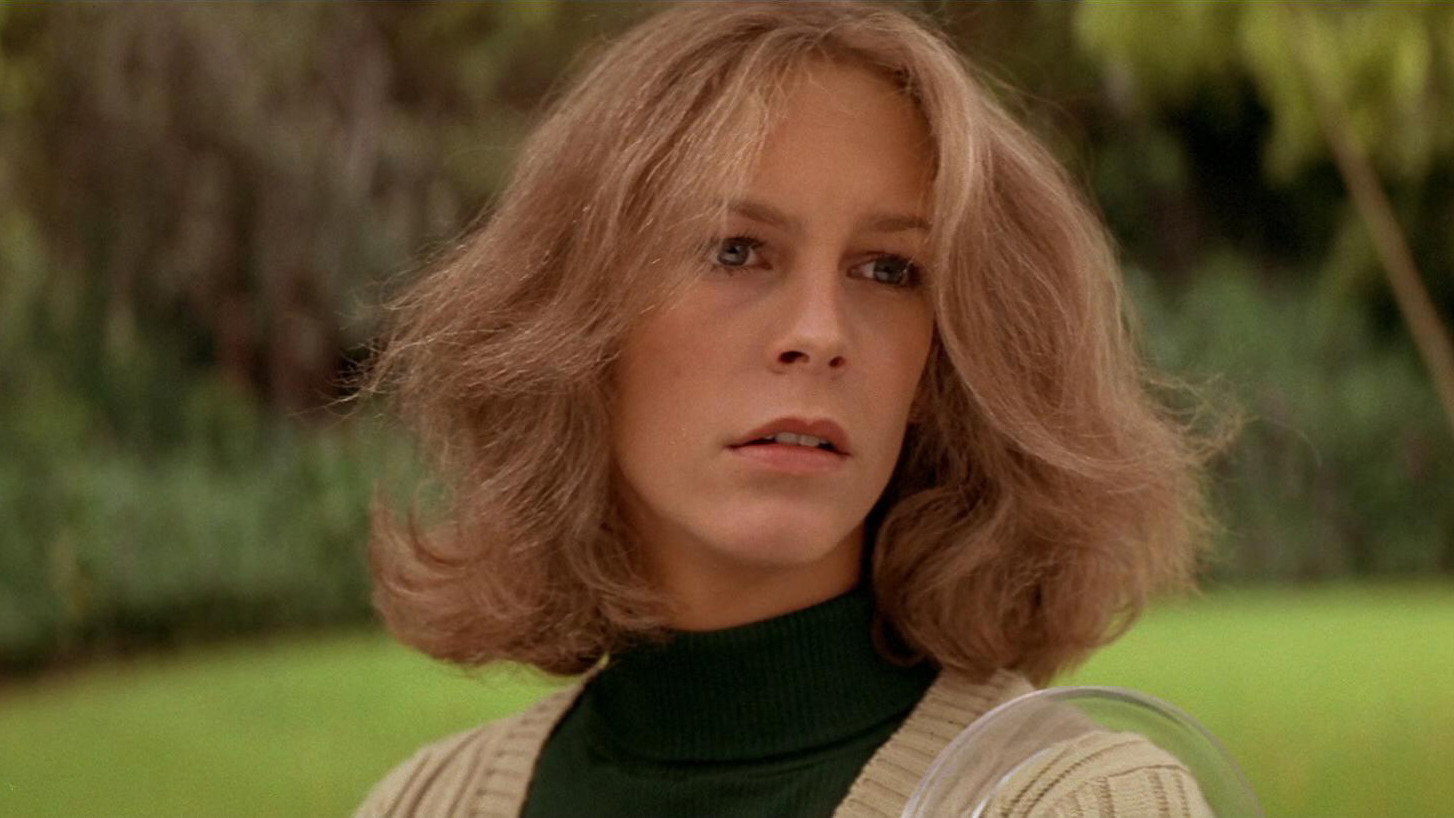
The money was tight, so the casting was careful. Carpenter first offered Loomis to Peter Cushing and then Christopher Lee. Both passed, and Lee later told Carpenter it was the biggest mistake of his career. Donald Pleasence took the part because his daughter liked Carpenter's Assault on Precinct 13 score. He was paid $20,000 for five days of work, the highest salary in the cast. Carpenter first wanted Anne Lockhart for Laurie, but she was booked. Hill pushed for Jamie Lee Curtis, who got $8,000, partly because her mother Janet Leigh starred in Psycho. P. J. Soles has said Lynda was written for her. The filmmakers wanted Soles's boyfriend Dennis Quaid for Bob, but he was unavailable. Nick Castle, Carpenter's friend from USC, was visiting the set and played the Shape for $25 a day. Tony Moran had a job dressed as Frankenstein on Hollywood and Vine and got $250 to play Michael unmasked. His sister Erin played Joanie on Happy Days.
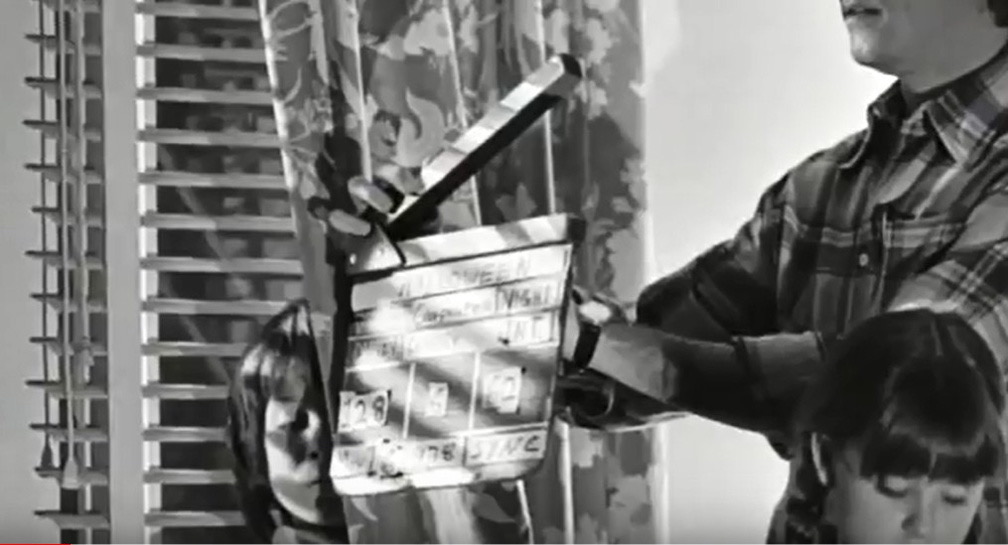
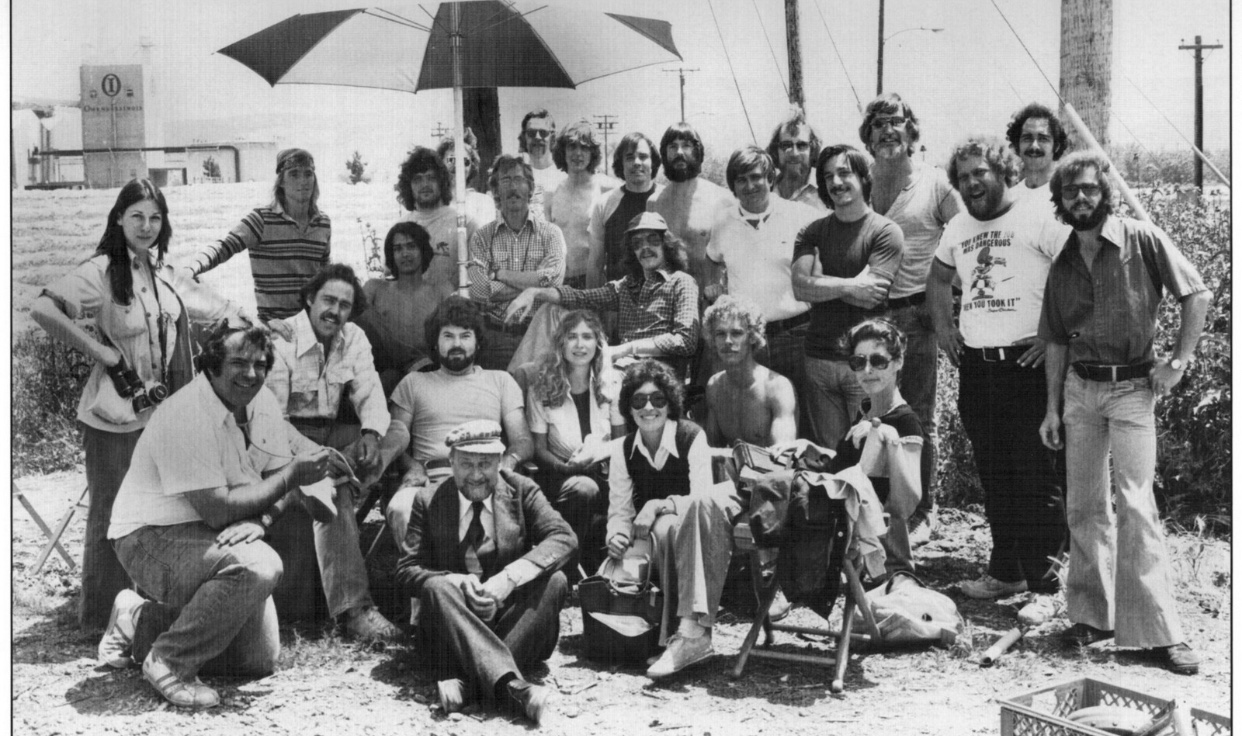
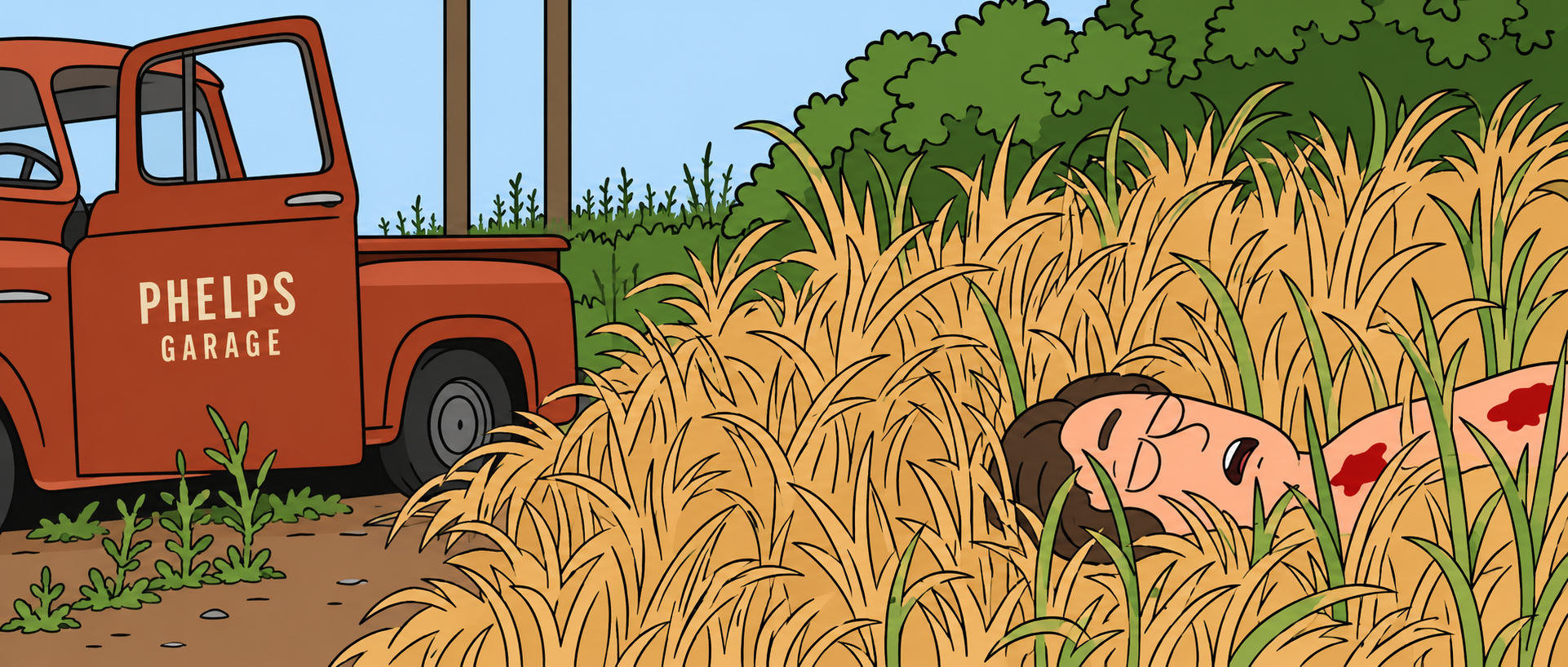
The shoot was non-union. The AFI Catalog dates the start of principal photography to April 24, 1978. The official Halloween site says the film was shot in 21 days that spring, and other accounts say 20 days in May. The Los Angeles Times reported that the crew's average age was 26. Cundey shot on Panavision with a Panaglide, an early Steadicam-style rig, for the long moving shots. The crew worked out of Cundey's Winnebago, used the caterer's truck as the Phelps Auto Service truck in one shot, and put Carpenter's old Cadillac in another.
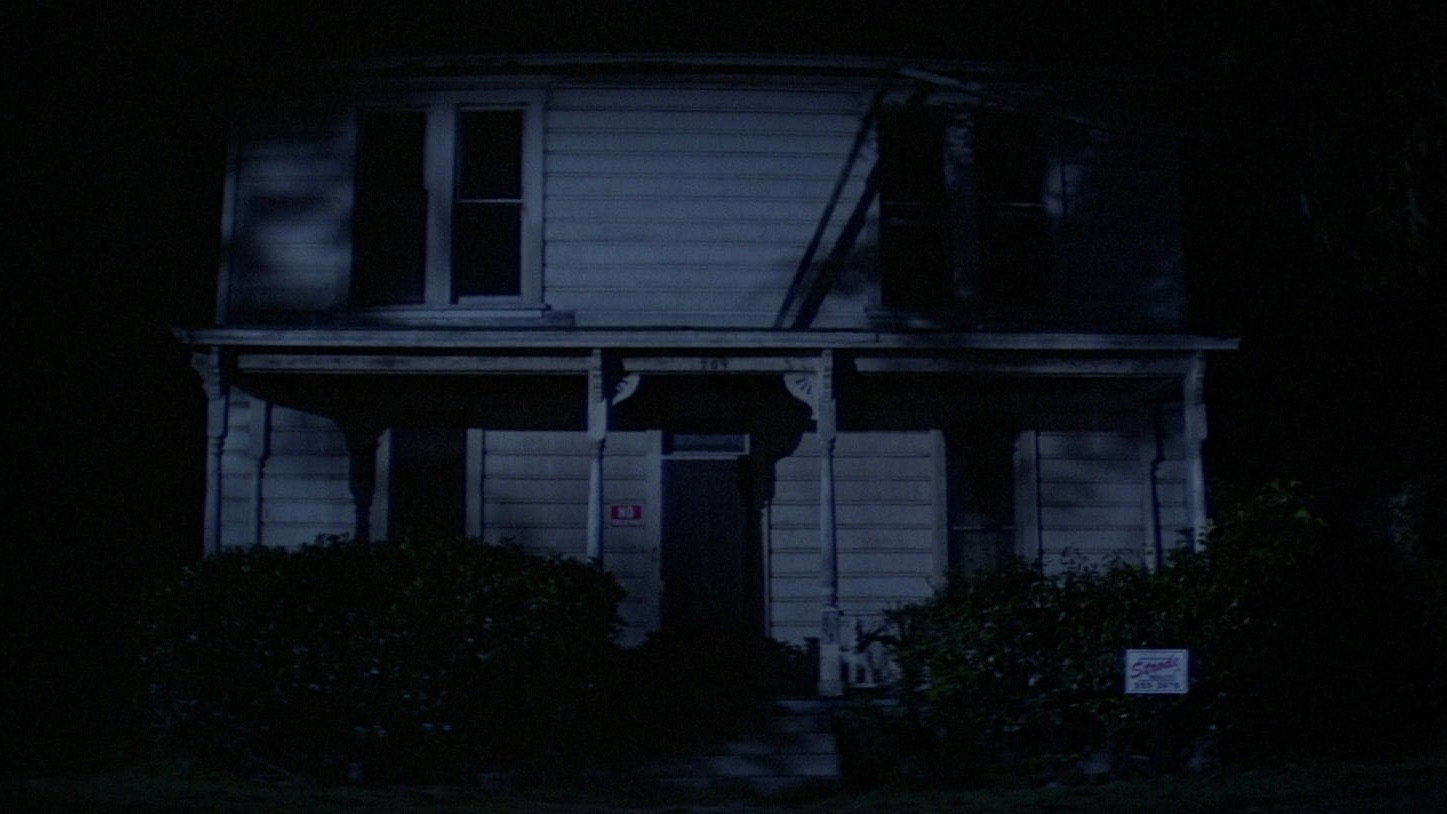
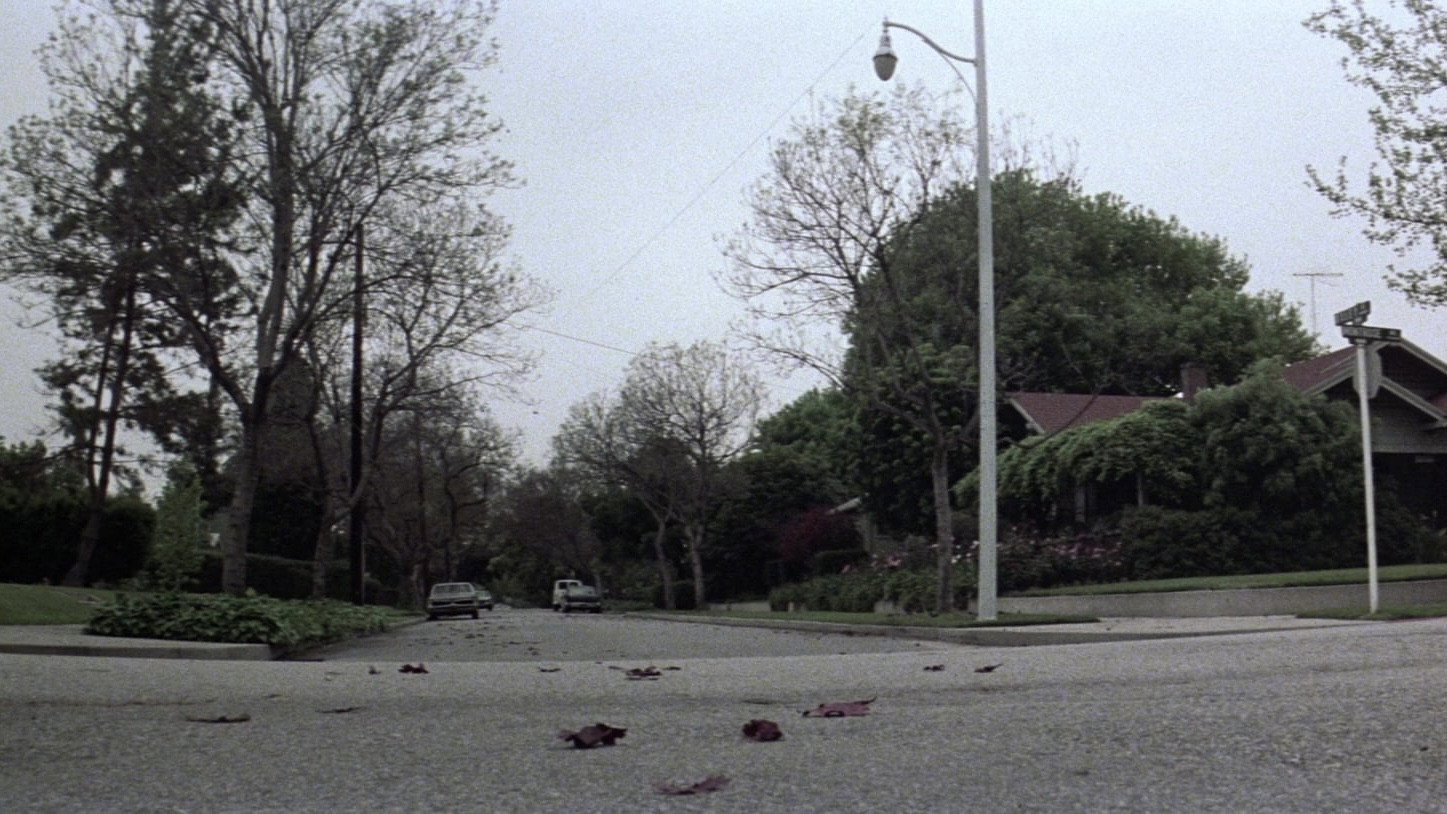
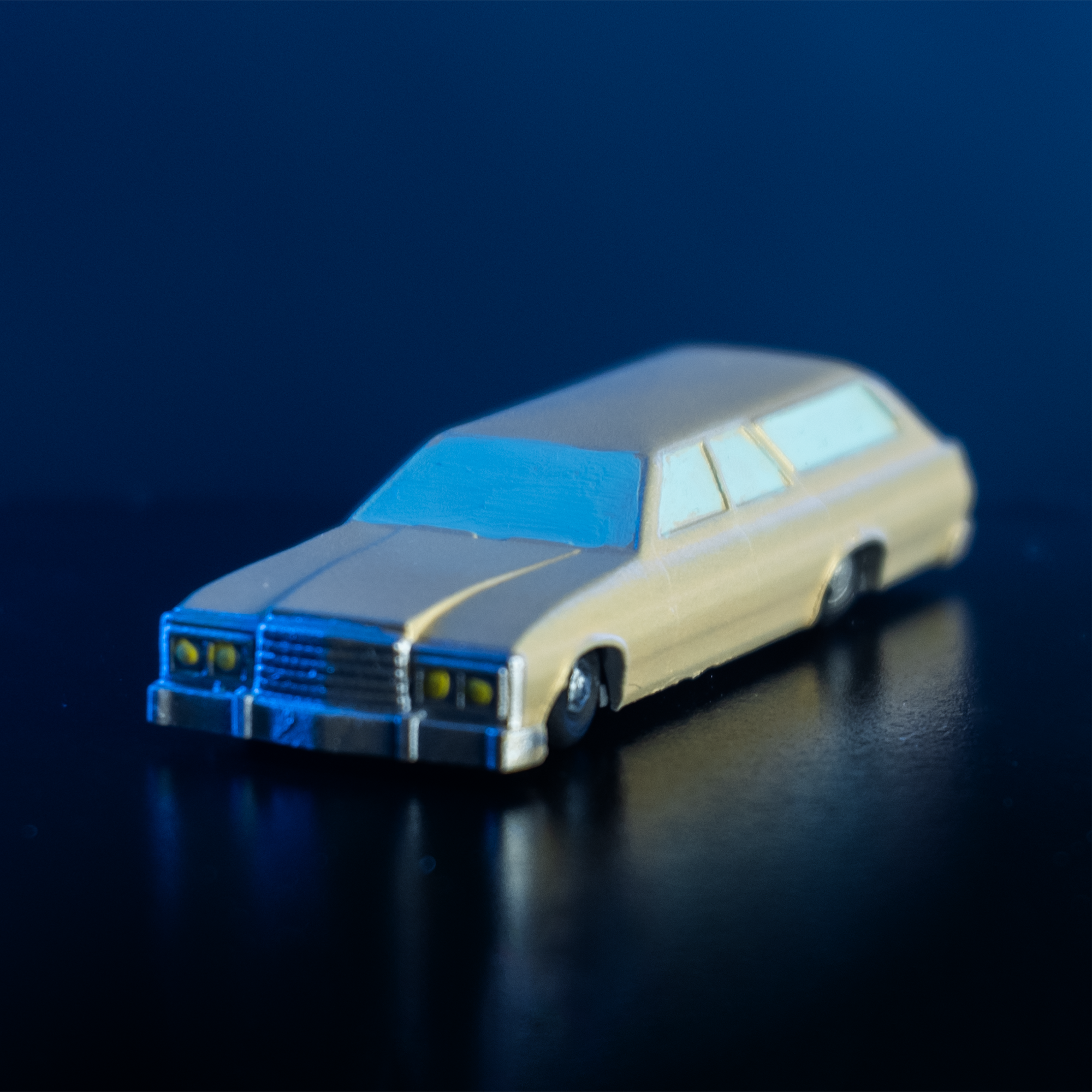
Because it was spring in Southern California, the crew painted leaves in fall colors, spread them before each take and raked them back up to reuse. Pumpkins were hard to find, and Carpenter and Cundey framed shots to keep palm trees out. Local families dressed their kids in costumes for the trick-or-treat scenes. The Myers house was an abandoned house owned by a church, and the crew cleaned and repainted it. The opening point-of-view murder was the last shot of the production. The station wagon Michael steals was a rented 1978 Ford LTD that went to auction after the shoot.
Carpenter gave Curtis a fear scale for each scene, with numbers like 6, 7 or 9 and a half, so her terror would stay consistent when shooting out of order. When Nick Castle asked about Michael's motivation, Carpenter told him to walk from one mark to another and not act. For the moment Michael looks at Bob's body, Carpenter told Castle to tilt his head as if he were studying a butterfly collection. Pleasence suggested that Loomis's face at the empty lawn should say he knew this would happen, and that is the version in the film.
Principal photography: 21 days; spring 1978; Southern California.
Autumn effect: artificial leaves; reused between setups; spring shoot.
Myers house: abandoned property; cleaned/dressed for 1963 opening.
Opening POV murder: filmed at end of production.
1978 · filming locations
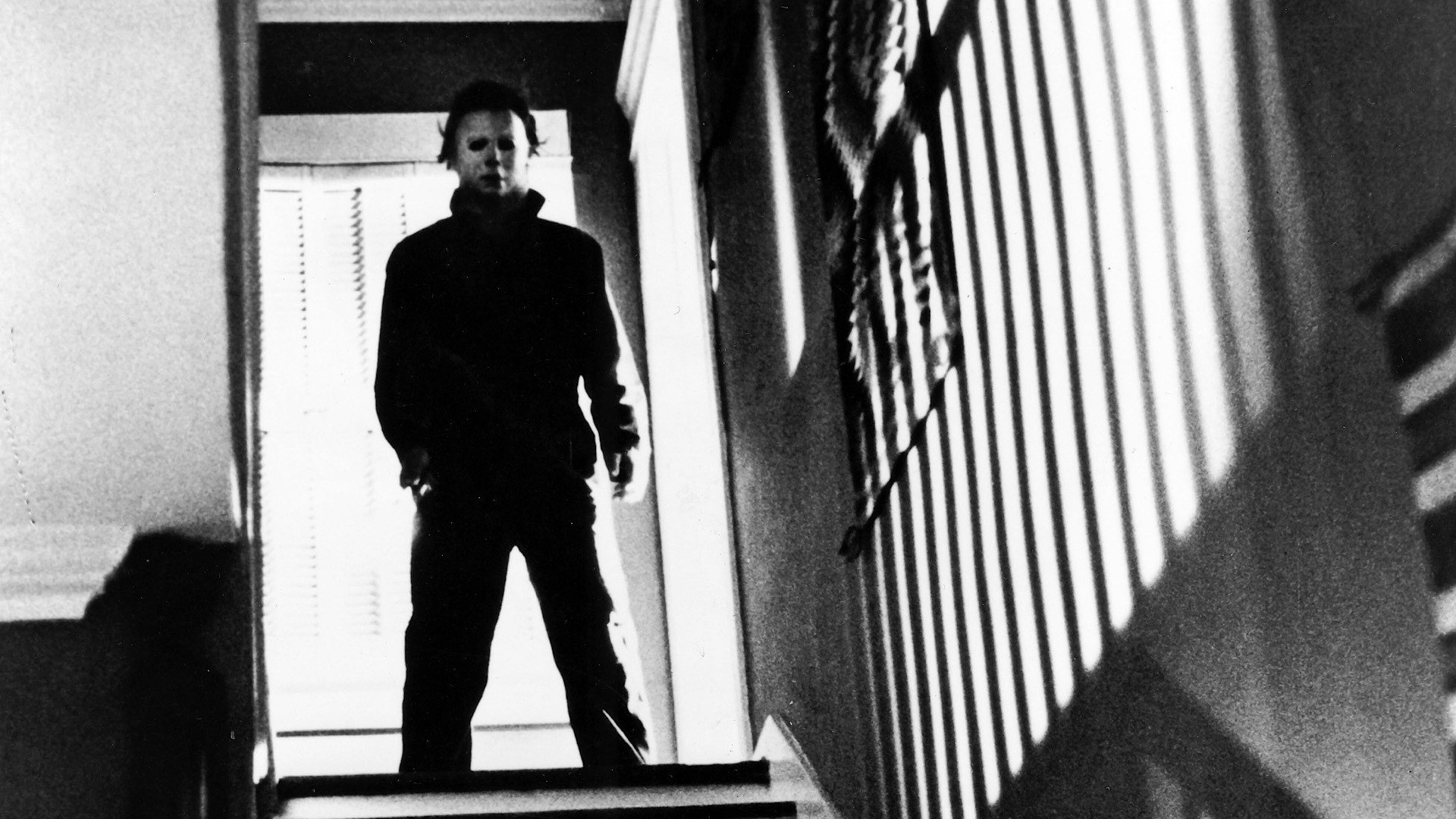
The film shows very little blood. Debra Hill said in Universal production notes for Halloween II that the first picture showed next to no blood, and that viewers think they see more than is on screen. Scholar Adam Rockoff calls it one of the most restrained horror films. The kills rely on staging, shadows and Carpenter's music rather than gore.
The opening murder is one unbroken point-of-view shot through the eyeholes of a child's clown mask. Debra Hill's hands stand in for young Michael's as he picks up the knife and stabs Judith.
Erica Ulland did the makeup and Conrad Rothmann handled special effects. Jim Winburn did stunt work as the Shape.
The official site counts seven people who played Michael: Nick Castle, Tommy Lee Wallace in the closet, Debra Hill as the child's hands and the shadow, Will Sandin, stuntman Jim Winburn, a dog trainer, and Tony Moran unmasked.
The 21-day spring shoot reused fake autumn leaves from setup to setup because Southern California did not naturally provide the desired fall look.
The abandoned Myers house was redressed for the 1963 opening, which was filmed at the end of the production.
1978 · production methods
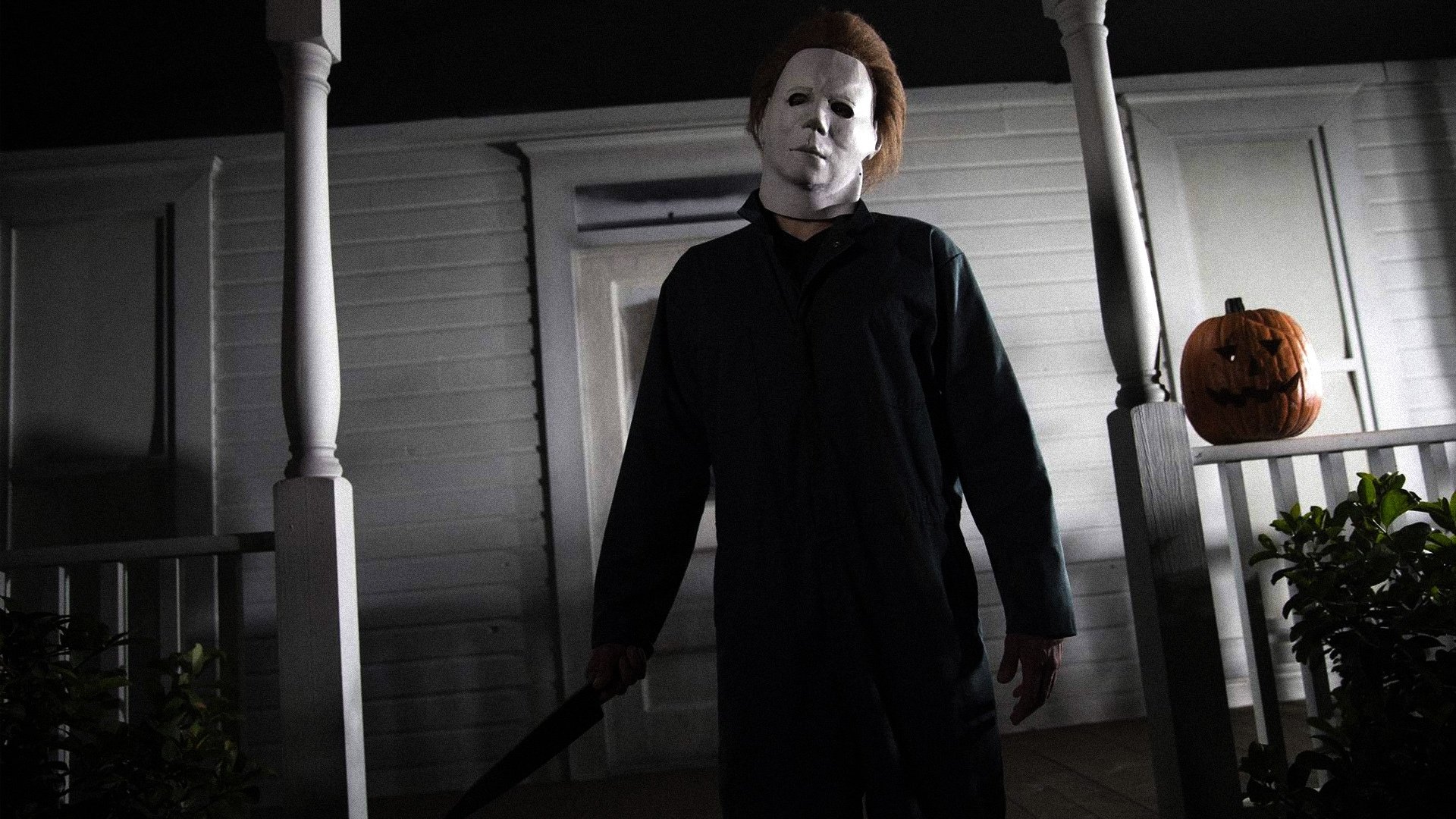
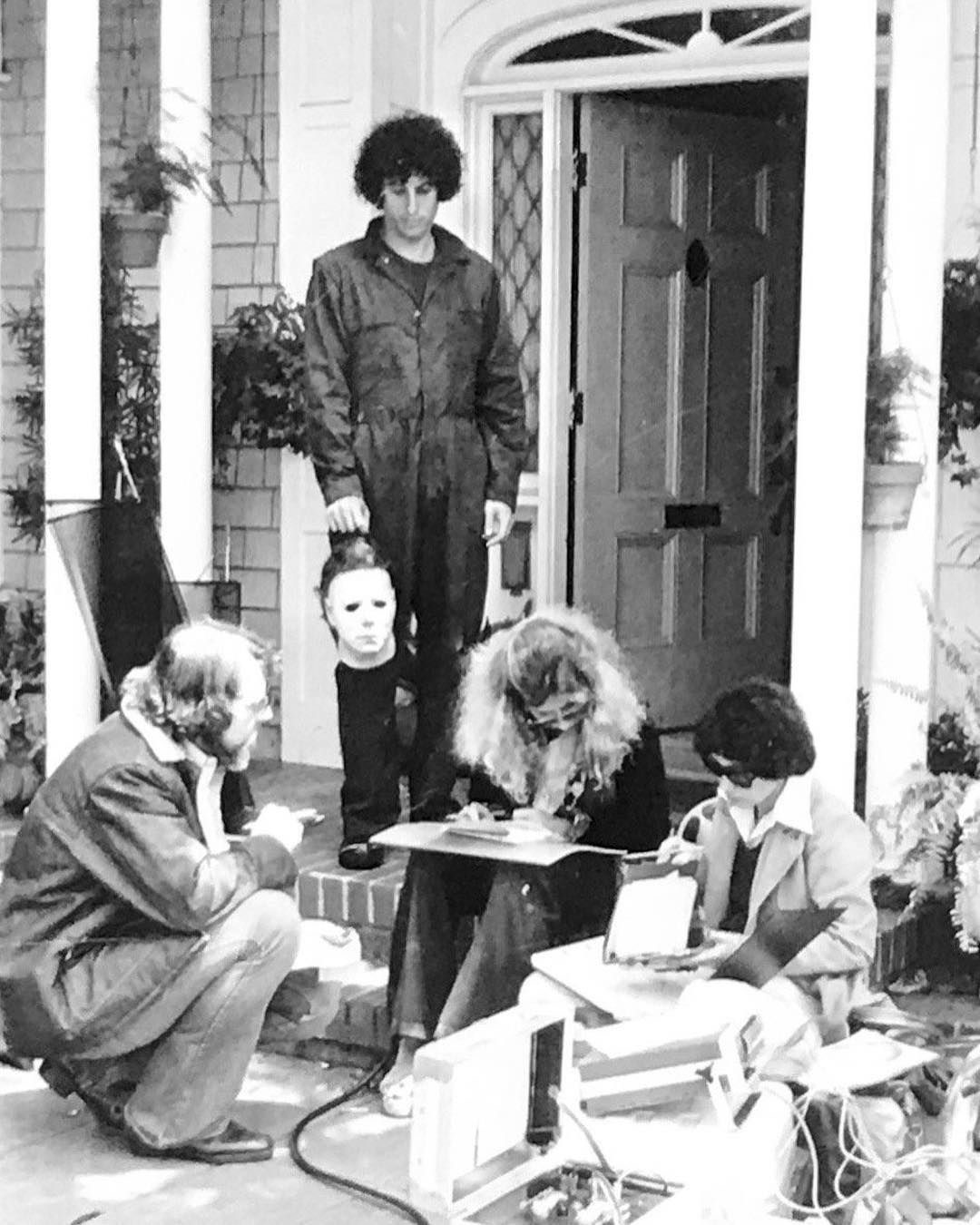
The mask was a Don Post Studios Captain Kirk mask that Tommy Lee Wallace bought for $1.98 at Burt Wheeler's Magic Shop on Hollywood Boulevard. Wallace pulled off the sideburns, widened and reshaped the eyeholes, teased the hair and spray-painted the face a pale bluish white. The script called for a blank, featureless face. Wallace also tried an alternate mask modeled on the sad-faced clown Emmett Kelly.
Sources disagree on where the Kirk mask came from. Wikipedia reports that Don Post's mold was taken from William Shatner's face for The Devil's Rain (1975). Shatner claimed it came from Star Trek production.
Jamie Lee Curtis's whole wardrobe as Laurie cost about $100 at J.C. Penney. Many actors wore their own clothes.
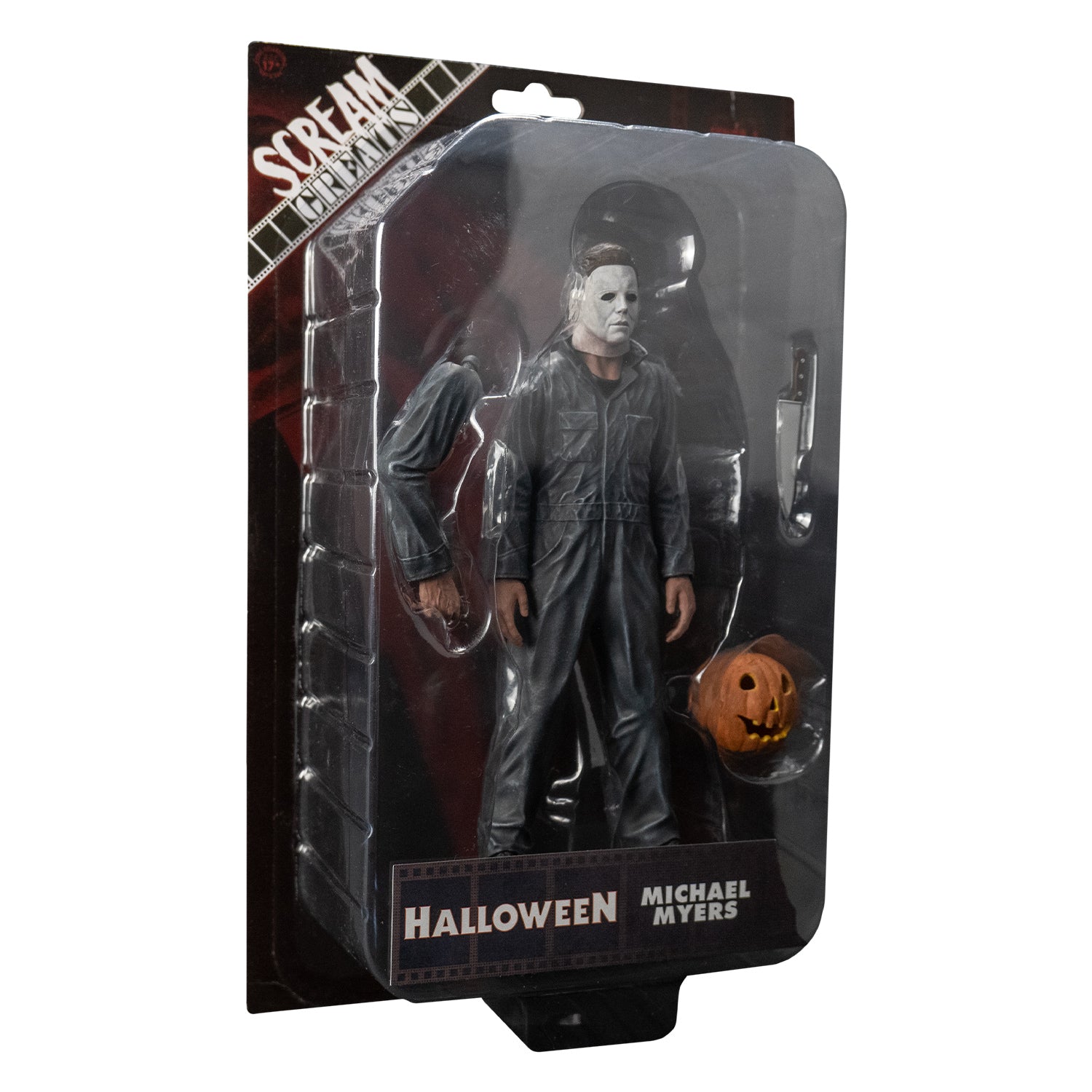
Michael's weapon is a large kitchen knife stolen from the hardware store along with the mask and rope. Laurie fights back with a knitting needle and a wire coat hanger.
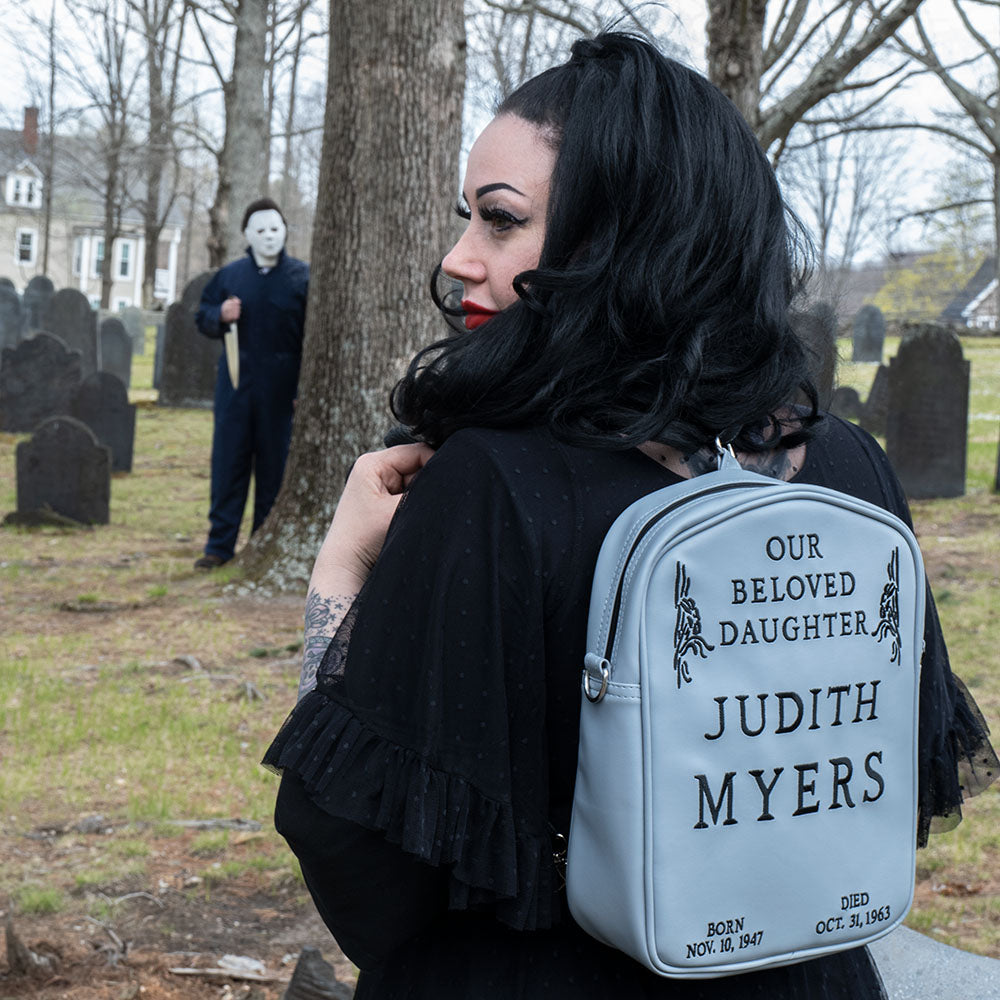
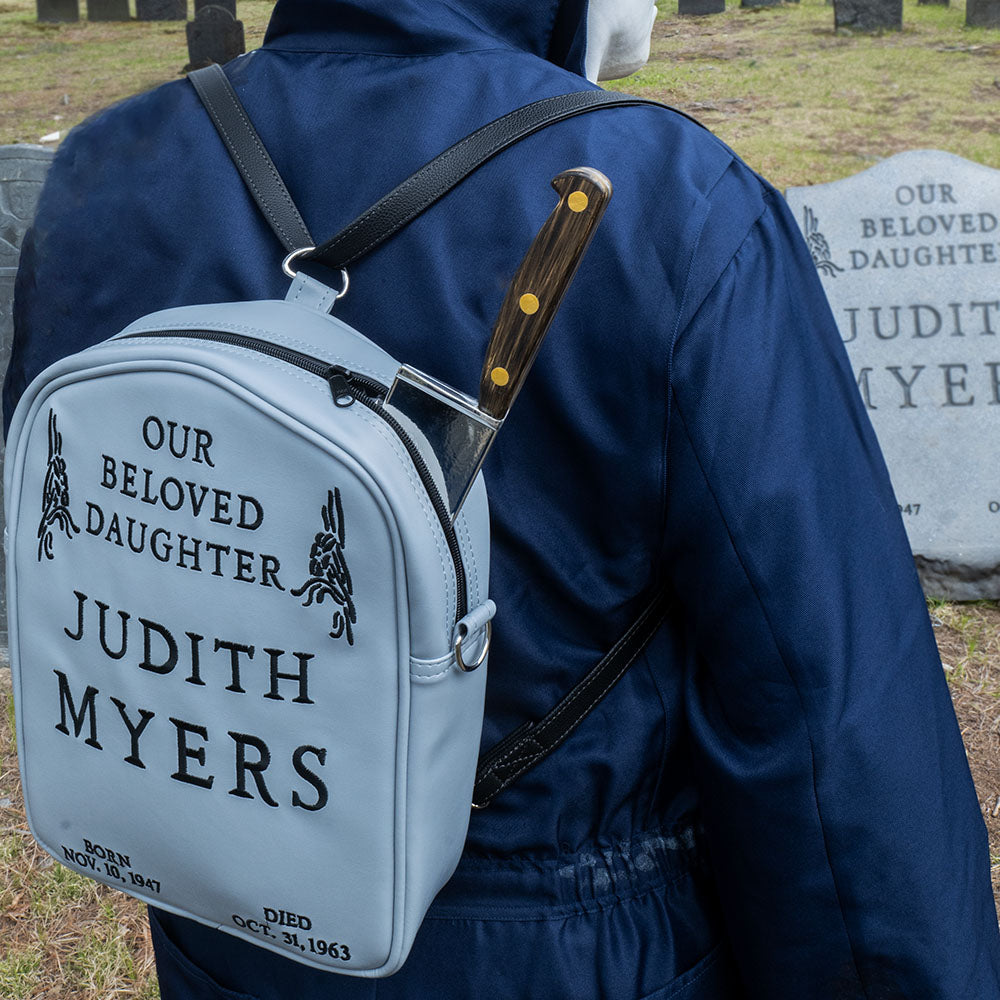
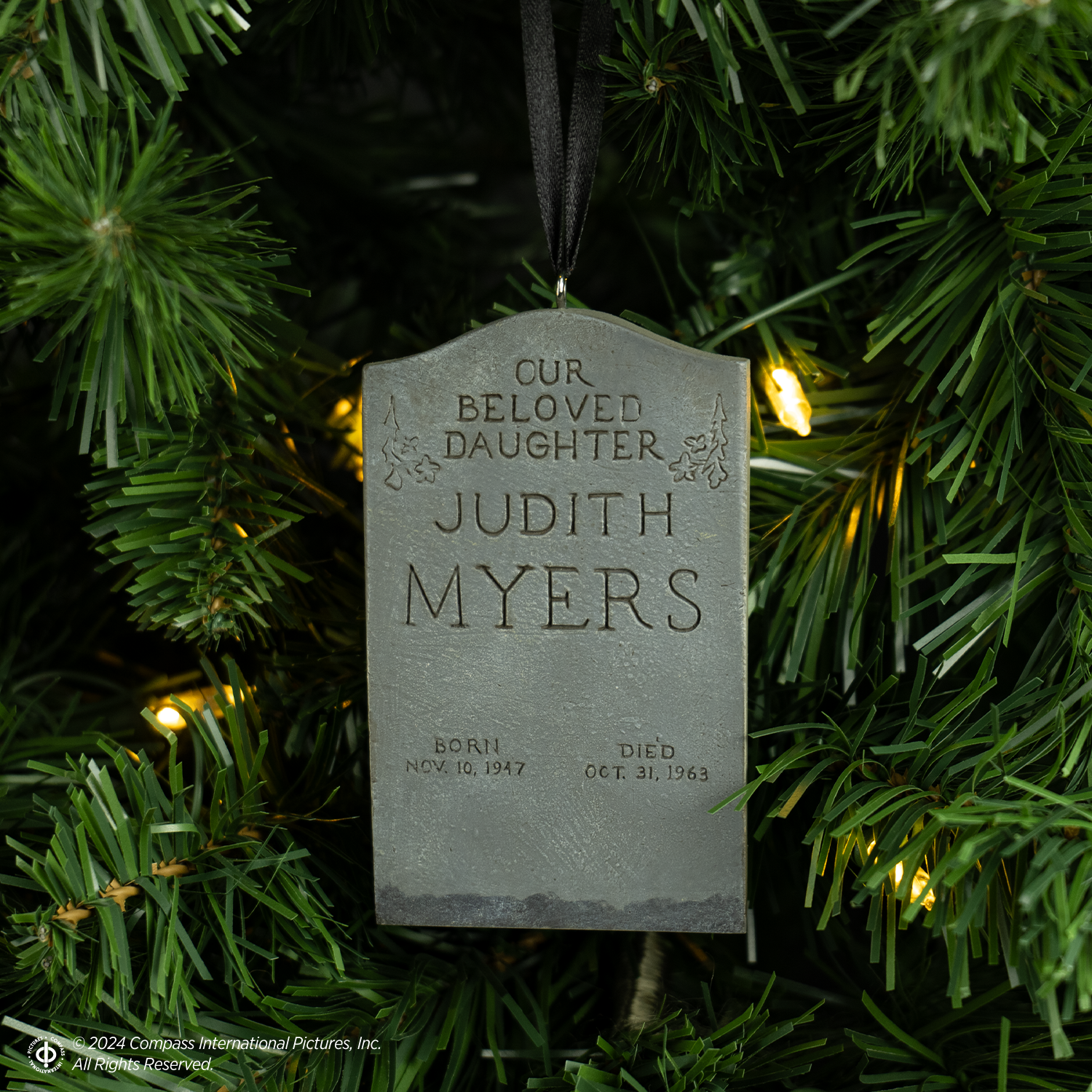
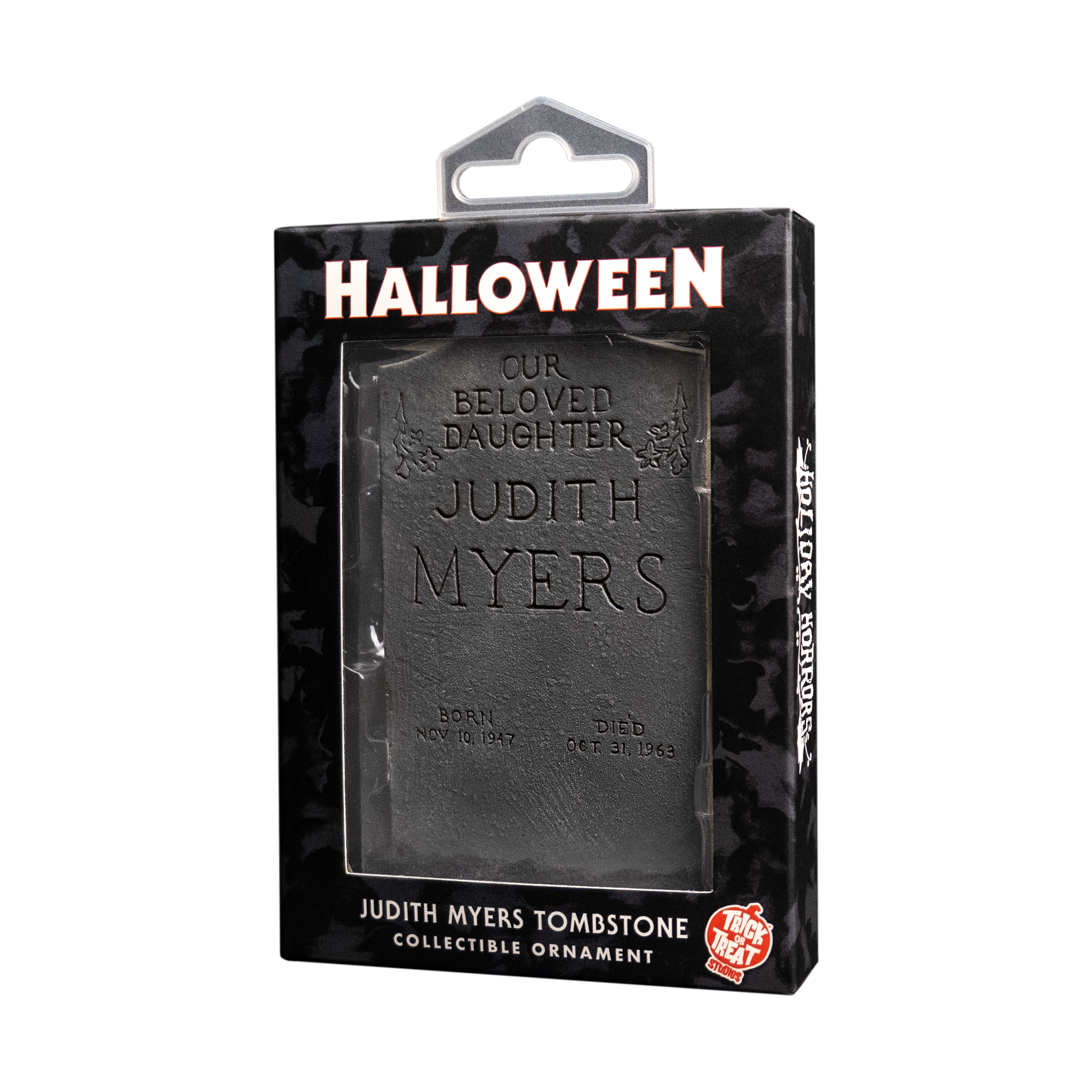
Judith Myers's stolen tombstone is set up over a body on the bed in the upstairs bedroom of the Wallace house.
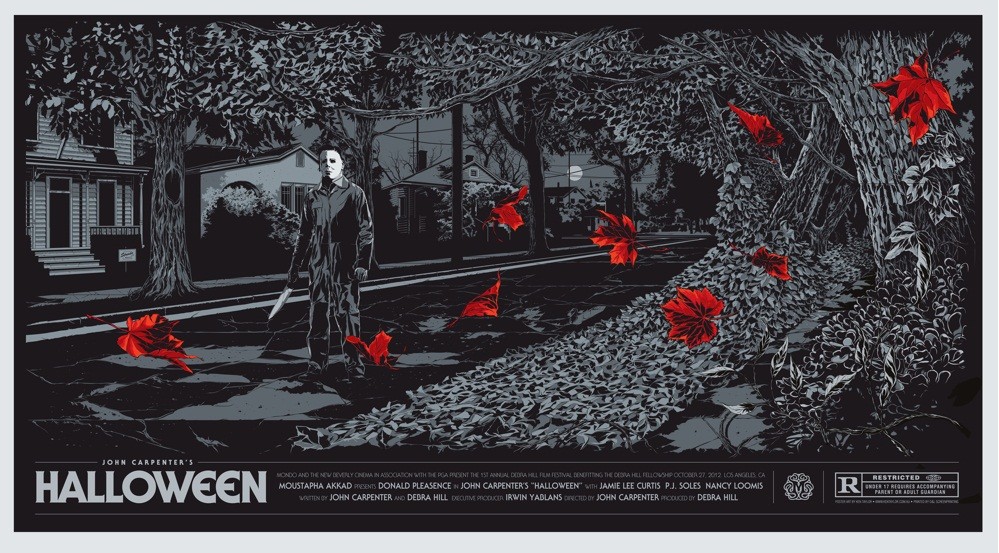
The original theatrical poster art is by Bob Gleason.
Tommy Lee Wallace bought a Captain Kirk mask, removed the sideburns, enlarged/reshaped the eye holes, teased the hair and painted the face a pale bluish white to create Michael Myers's mask.
Jamie Lee Curtis's Laurie wardrobe was bought cheaply at JCPenney to support the low-budget production and conservative character design.
1978 · mask design
1978 · surviving production document
John Carpenter composed and performed the score himself in about three days at Sound Arts in Los Angeles. He cannot read or write music. Dan Wyman, a music professor at San Jose State University, helped with synthesizer programming and orchestration. Peter Bergren recorded and mixed it.
The main theme is a piano figure in 10/8, sometimes described as a complex 5/4. Carpenter has pointed to Dario Argento's Suspiria and the music of The Exorcist as influences.
The end credits say the music was performed by the Bowling Green Philharmonic Orchestra, a joke name for Carpenter and his friends that nods to his hometown of Bowling Green, Kentucky.
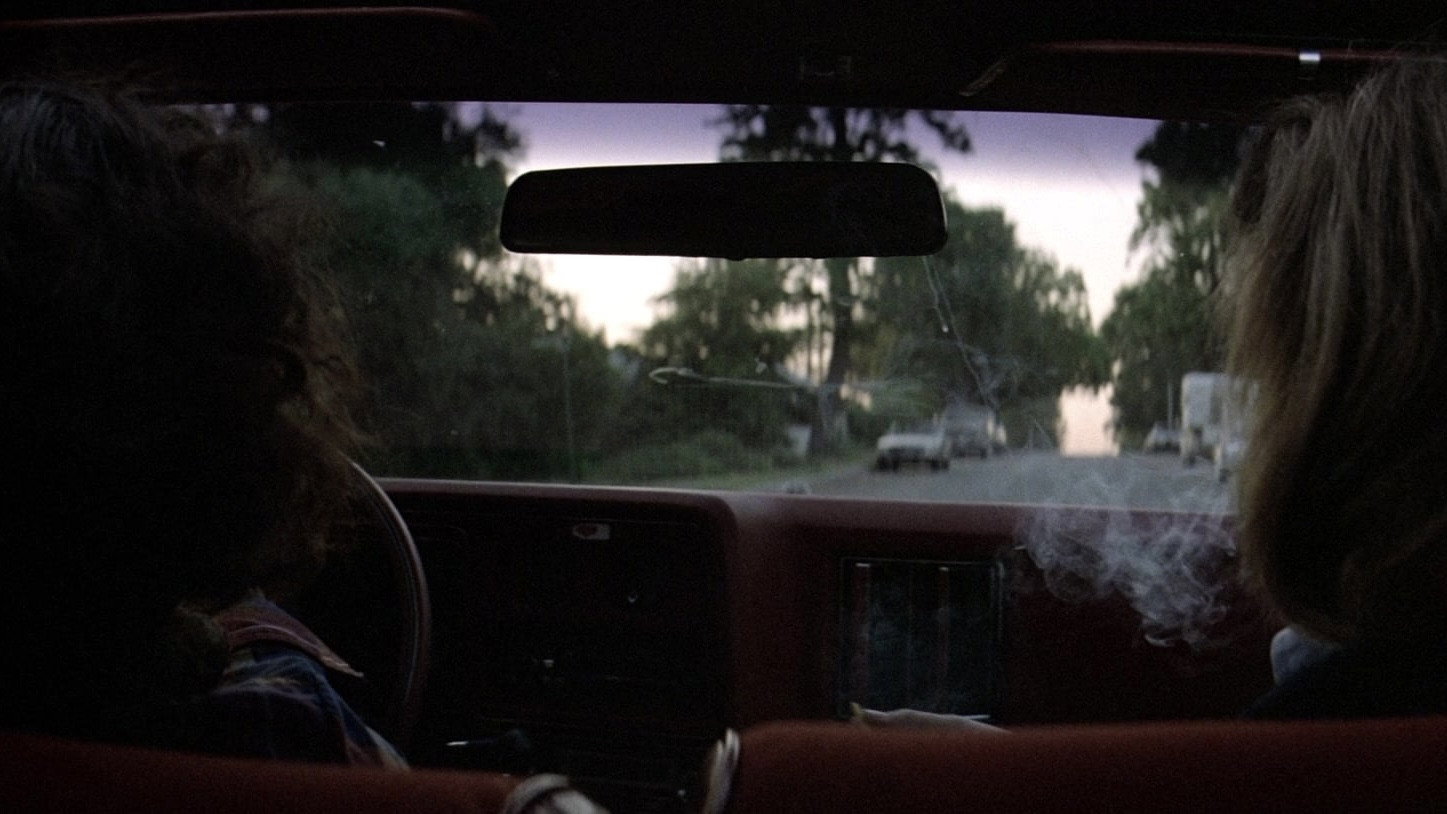
Songs: '(Don't Fear) The Reaper' by Blue Oyster Cult, written by Donald Roeser, courtesy of CBS Records, plays on the car radio while Annie and Laurie drive. An untitled song by Carpenter's own band, the Coupe De Villes, plays as Laurie gets into Annie's car.
Soundtrack releases: Columbia Records in Japan, 1979. Varese Sarabande in the United States, 1983, running 33:43, followed by a CD in 1985 and reissues in 1990 and 2000. Varese Sarabande 20th Anniversary Edition, 1998, expanded to 51:51. Mondo Records LP, 2018, using mono tracks taken from the original 35mm film stem, running 45:58.
2021-09-28 · 4K UHD + 2 Blu-ray
1979 · VHS / Betamax
1989 · VHS
1994 · LaserDisc
1995 · VHS
1997 · DVD / VHS
1998 · VHS
1999 · DVD
2001 · VHS / DVD
2003 · DVD
2007 · Blu-ray
2013 · Blu-ray
2018 · 4K UHD
2018 · Blu-ray SteelBook
2020 · 4K UHD SteelBook
2021 · 4K UHD + Blu-ray
Released September 8, 2026
Asymmetrical horror sandbox with single-player story mode
2021 · five individual 4K releases
1983 · video game
2016 · licensed game chapter
2026 · video game
2026 · physical game edition
2026 · physical game collector edition
1979 · Novelization
Trick or Treat Studios · replica prop
Trick or Treat Studios · replica prop
2019 · Fright-Rags · non-sport trading cards
Fright-Rags / PREVIEWS · non-sport trading cards
Trick or Treat Studios · mask
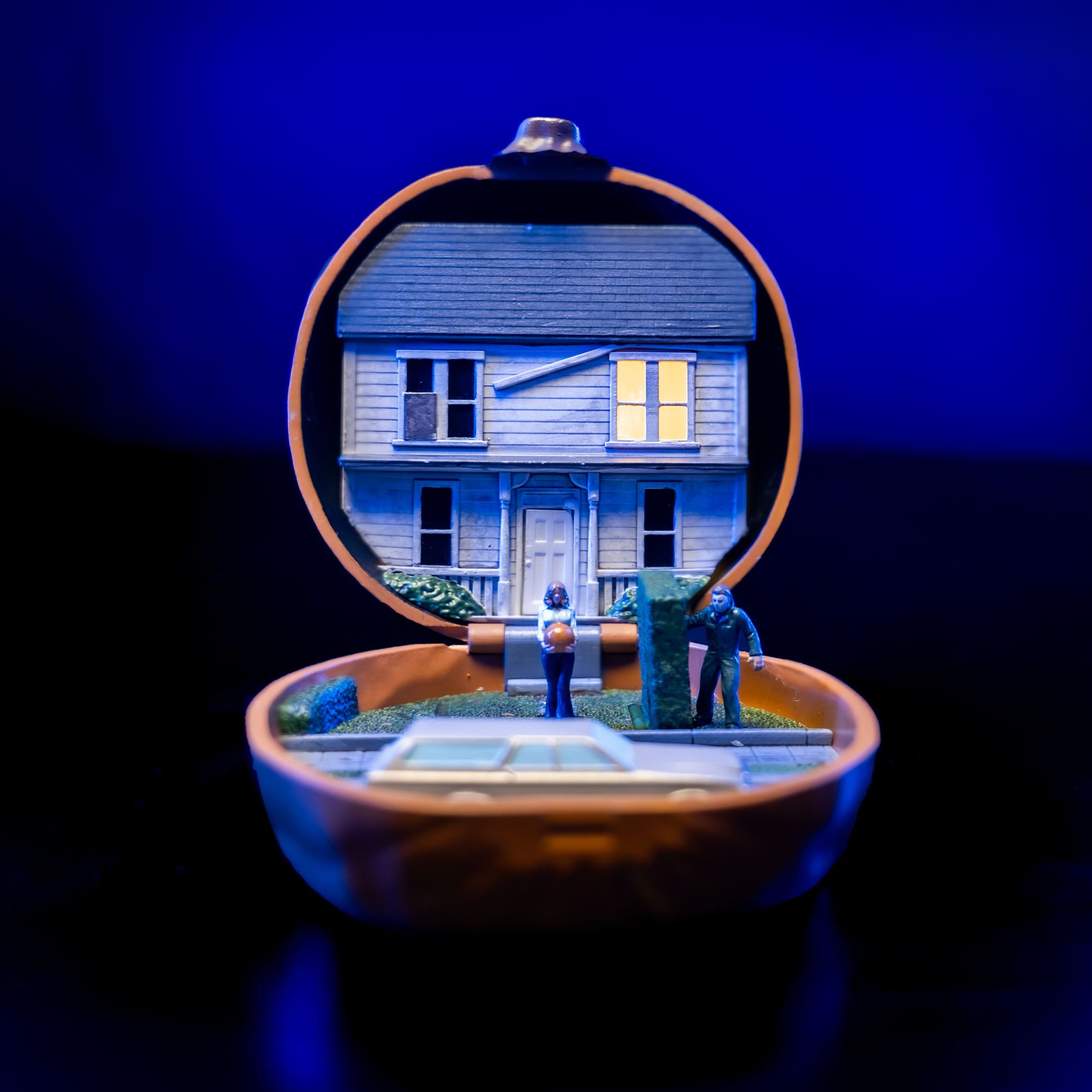
Trick or Treat Studios · playset
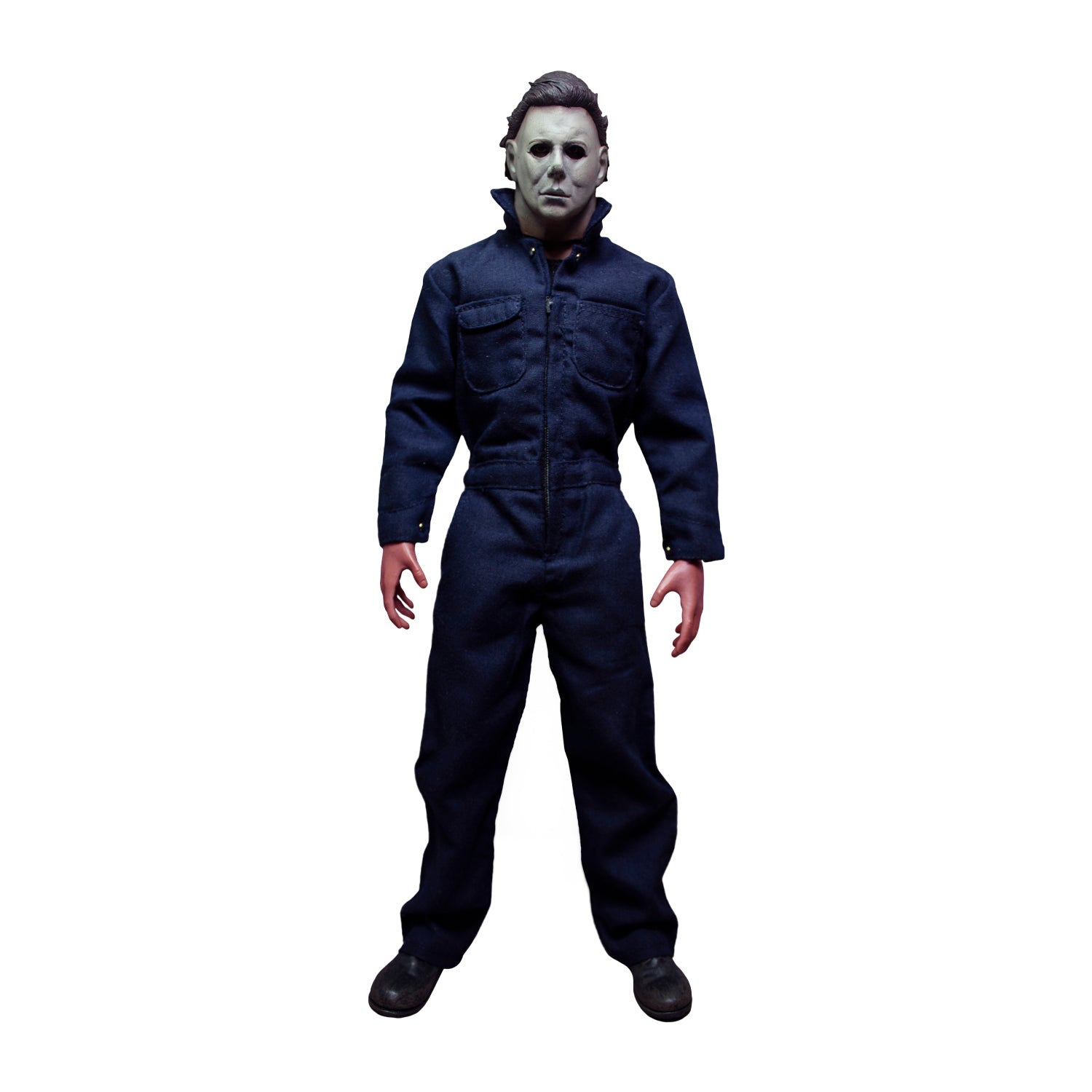
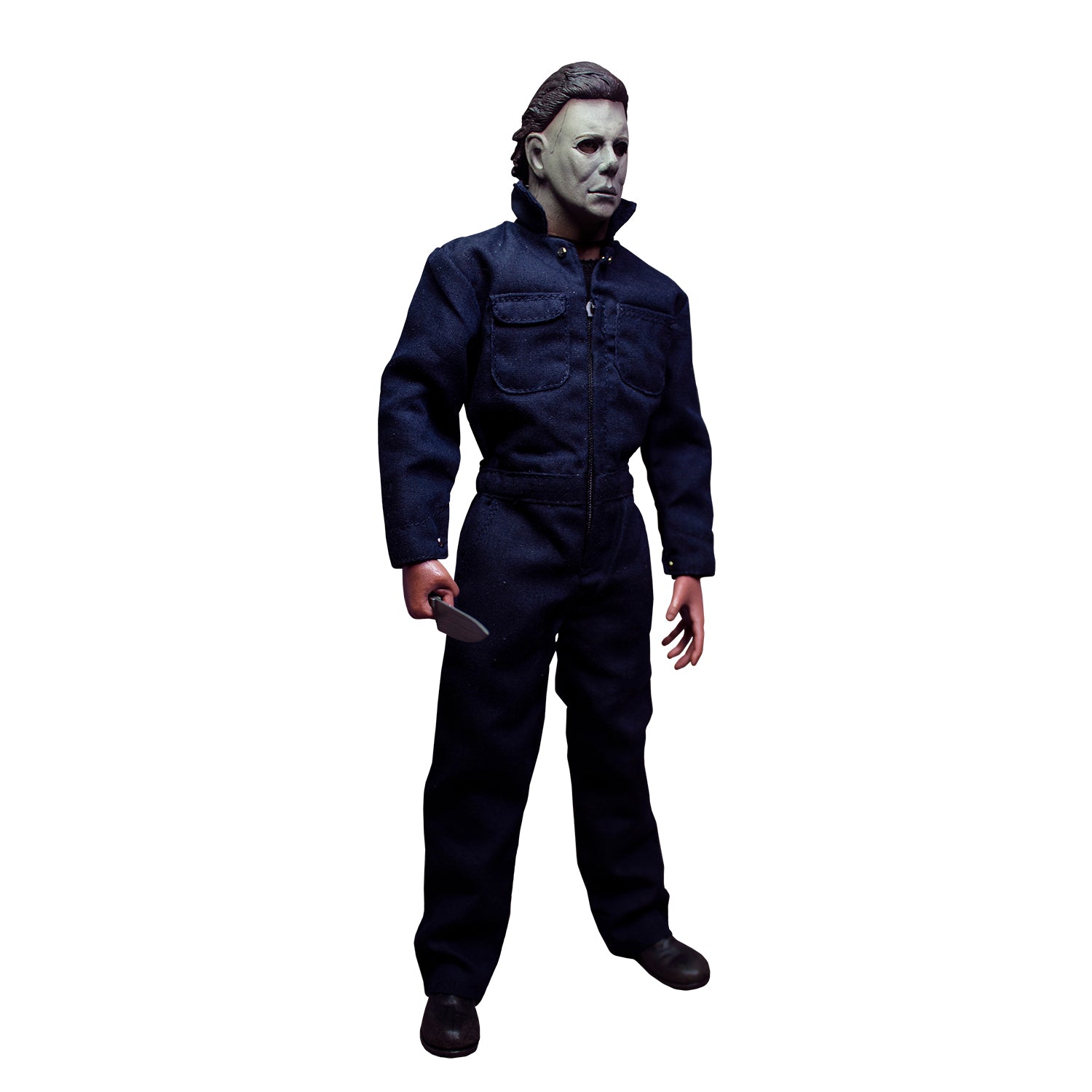
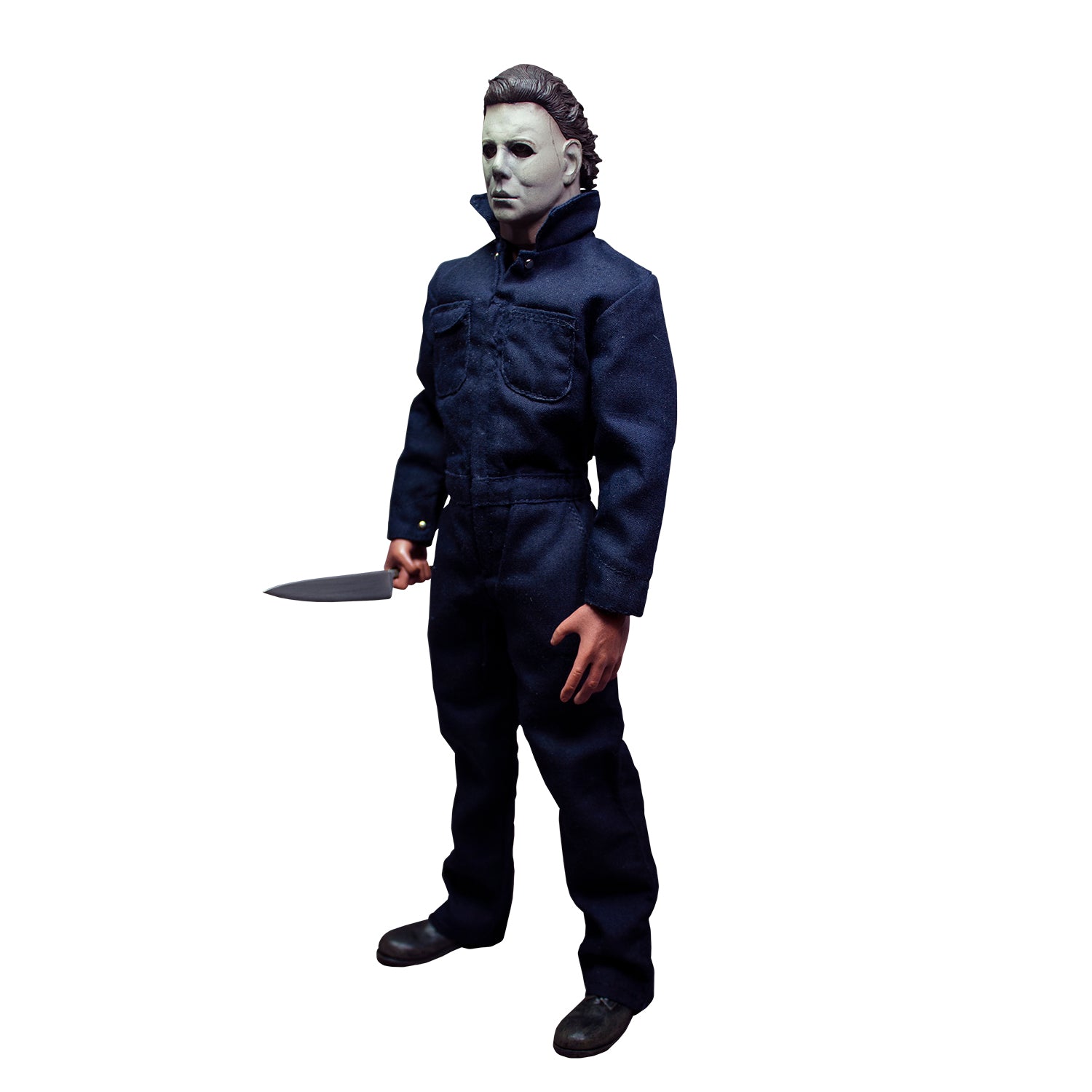
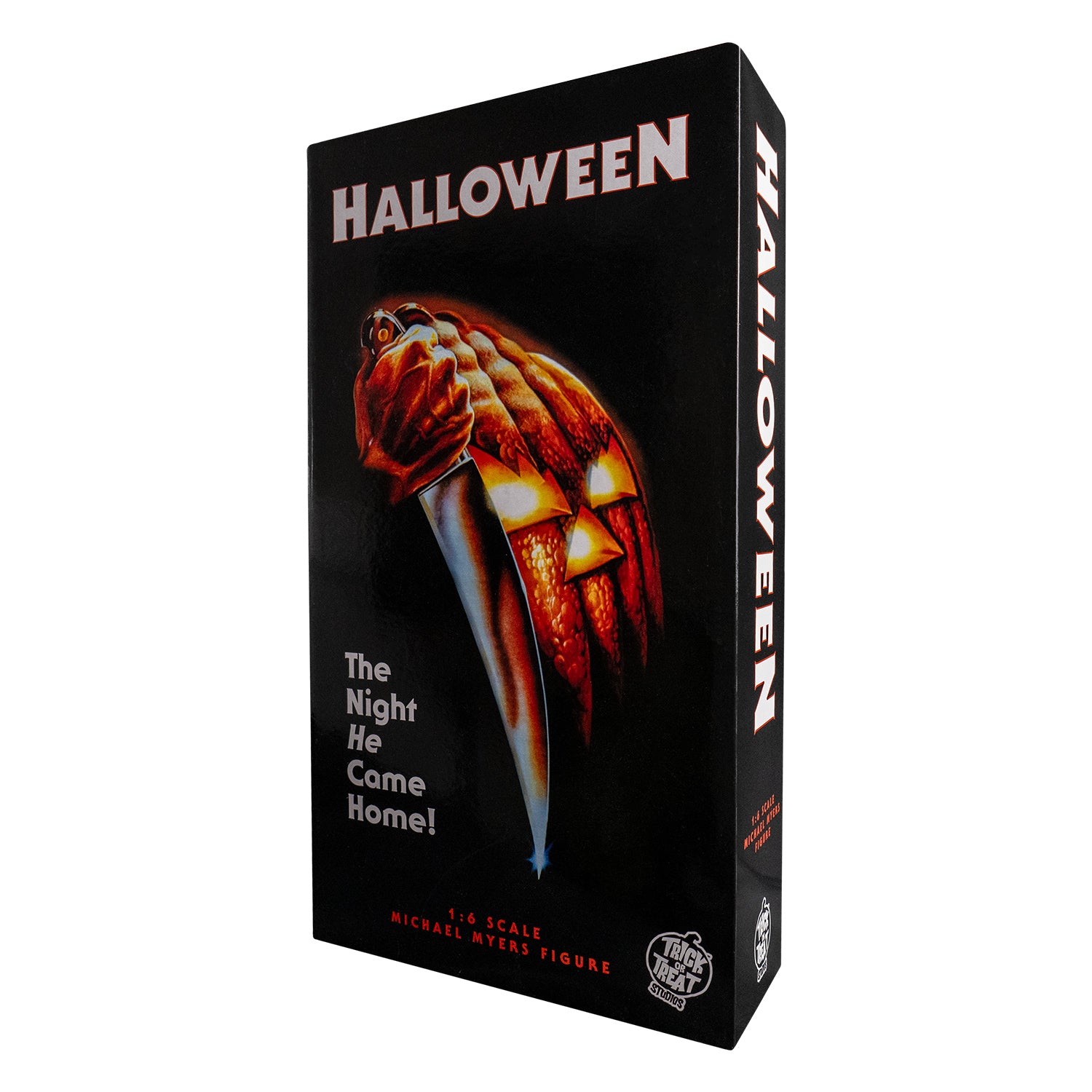
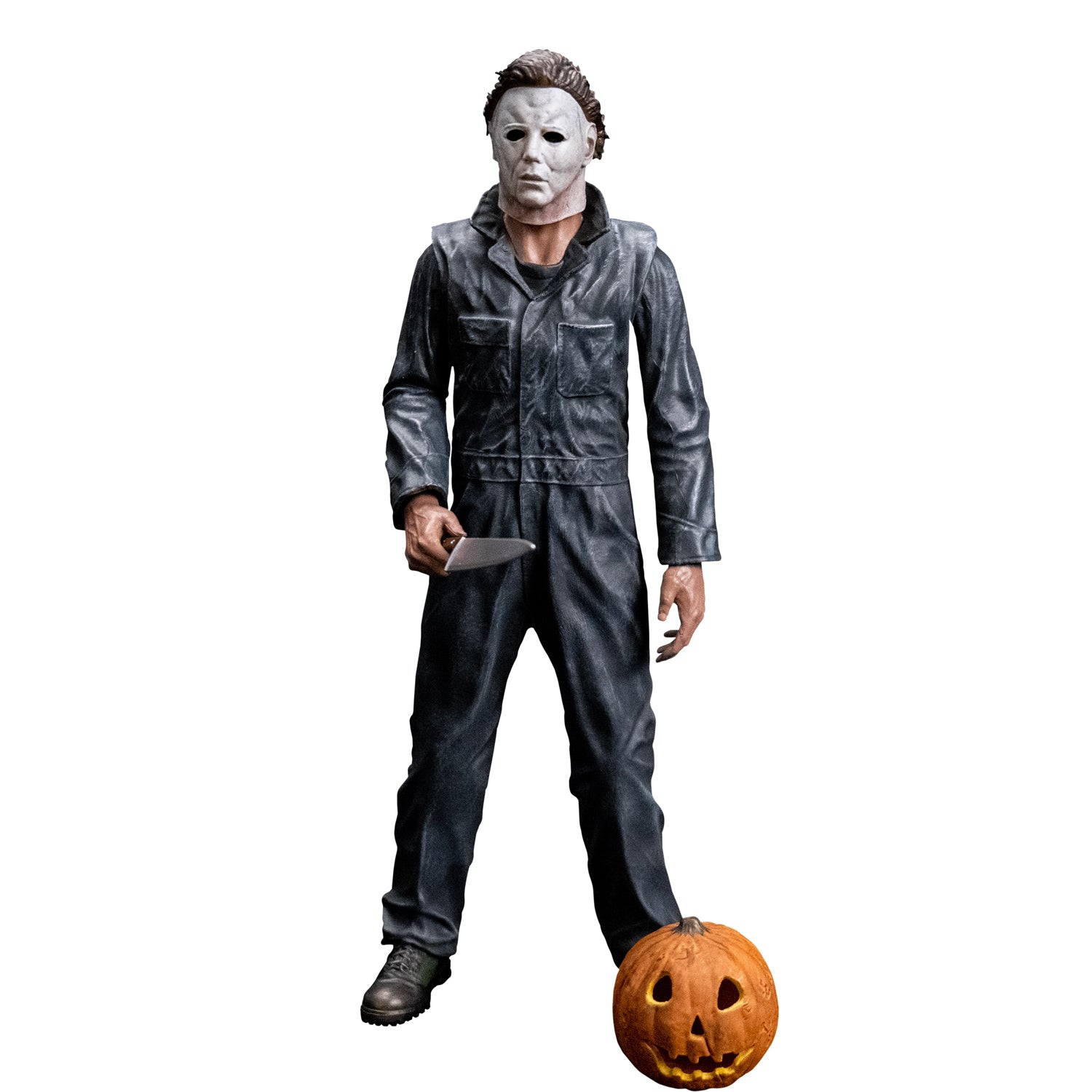
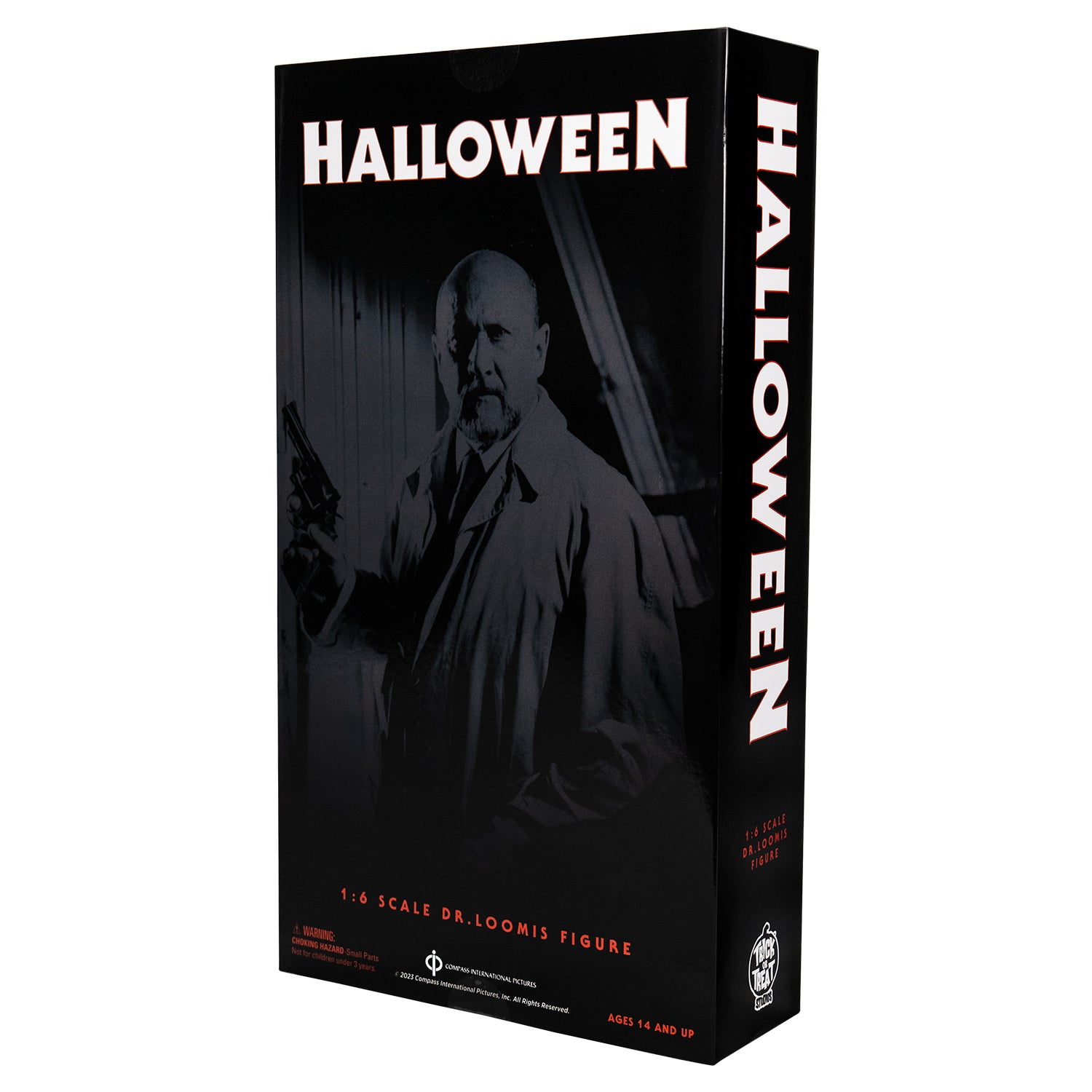
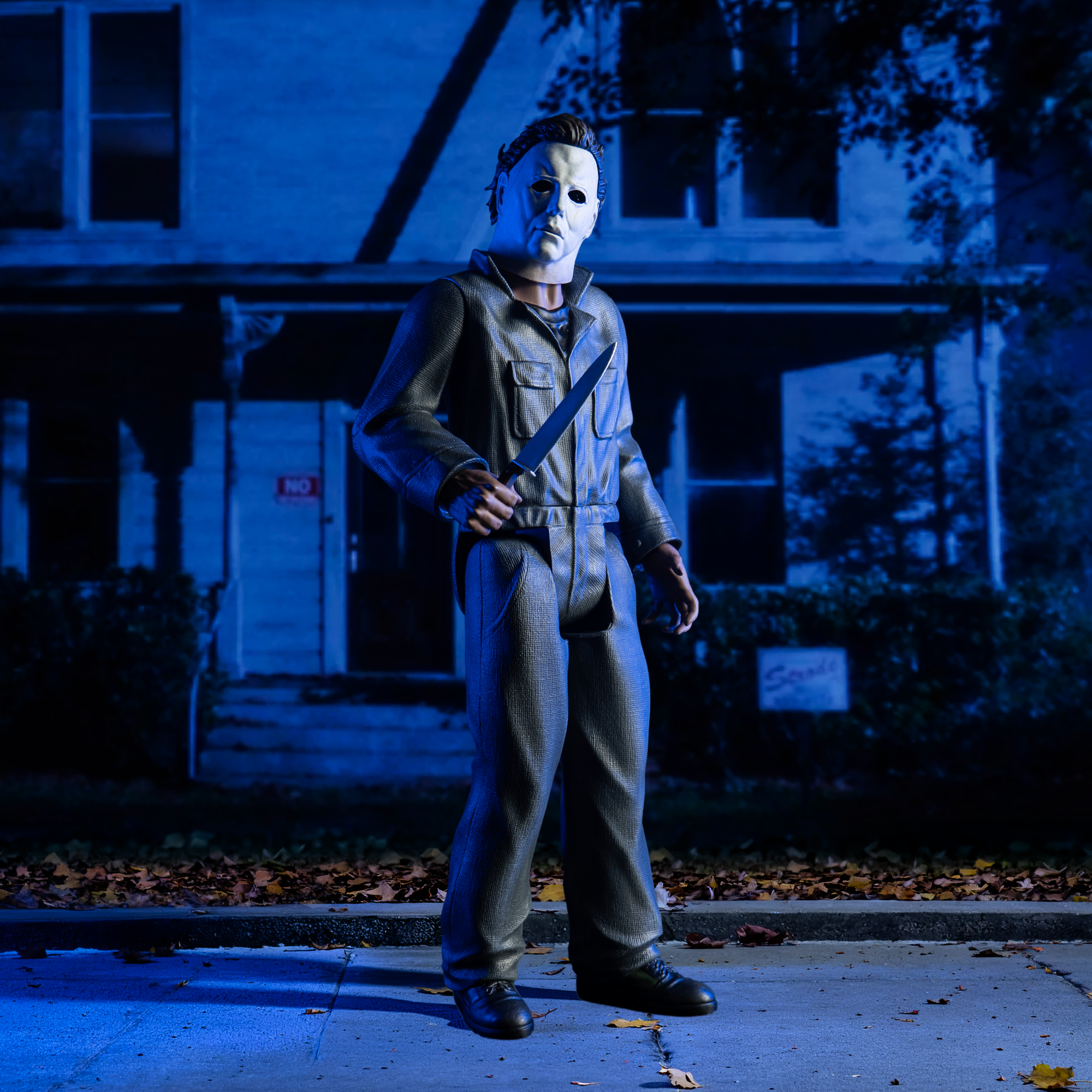
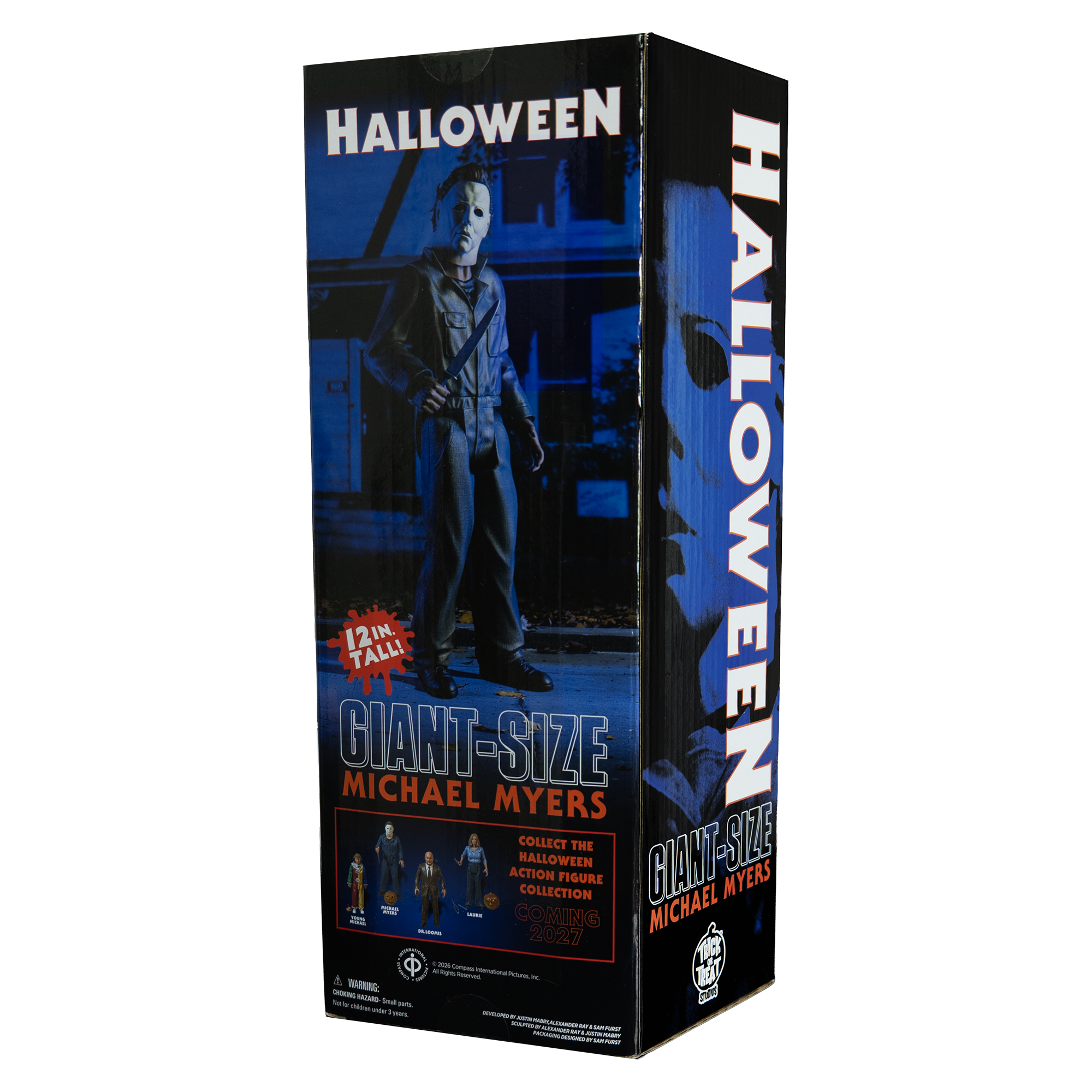
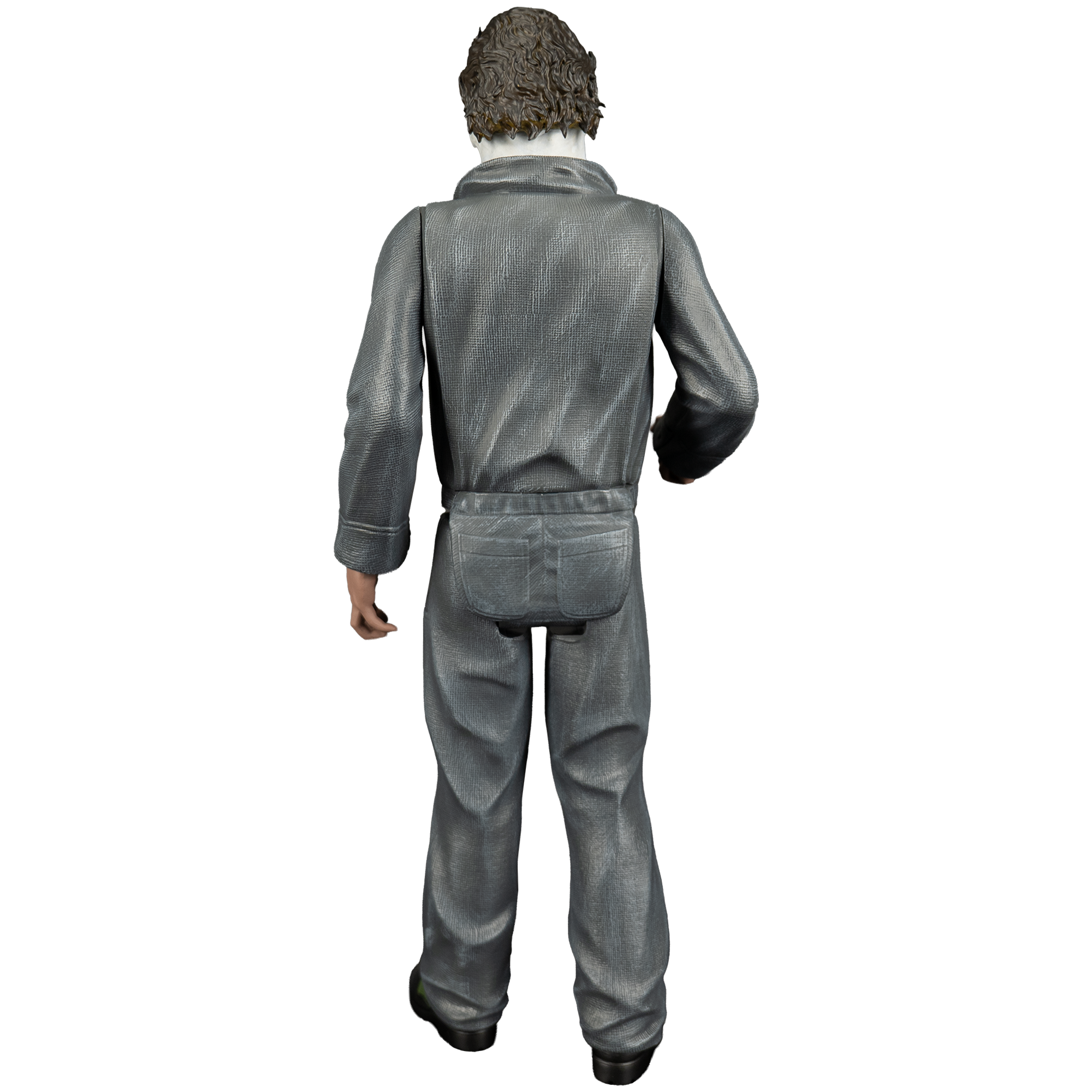
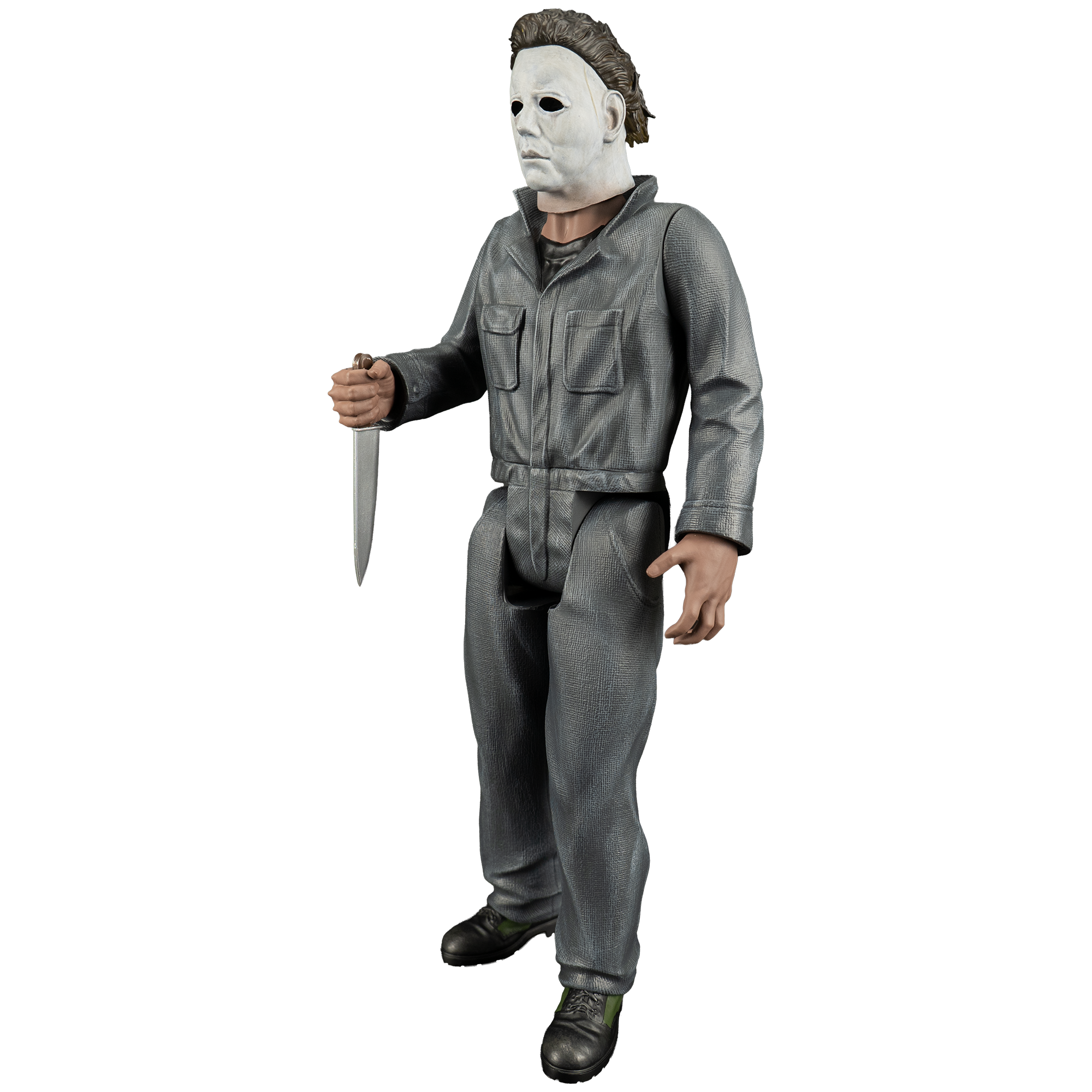
Trick or Treat Studios · figure
Trick or Treat Studios · prop
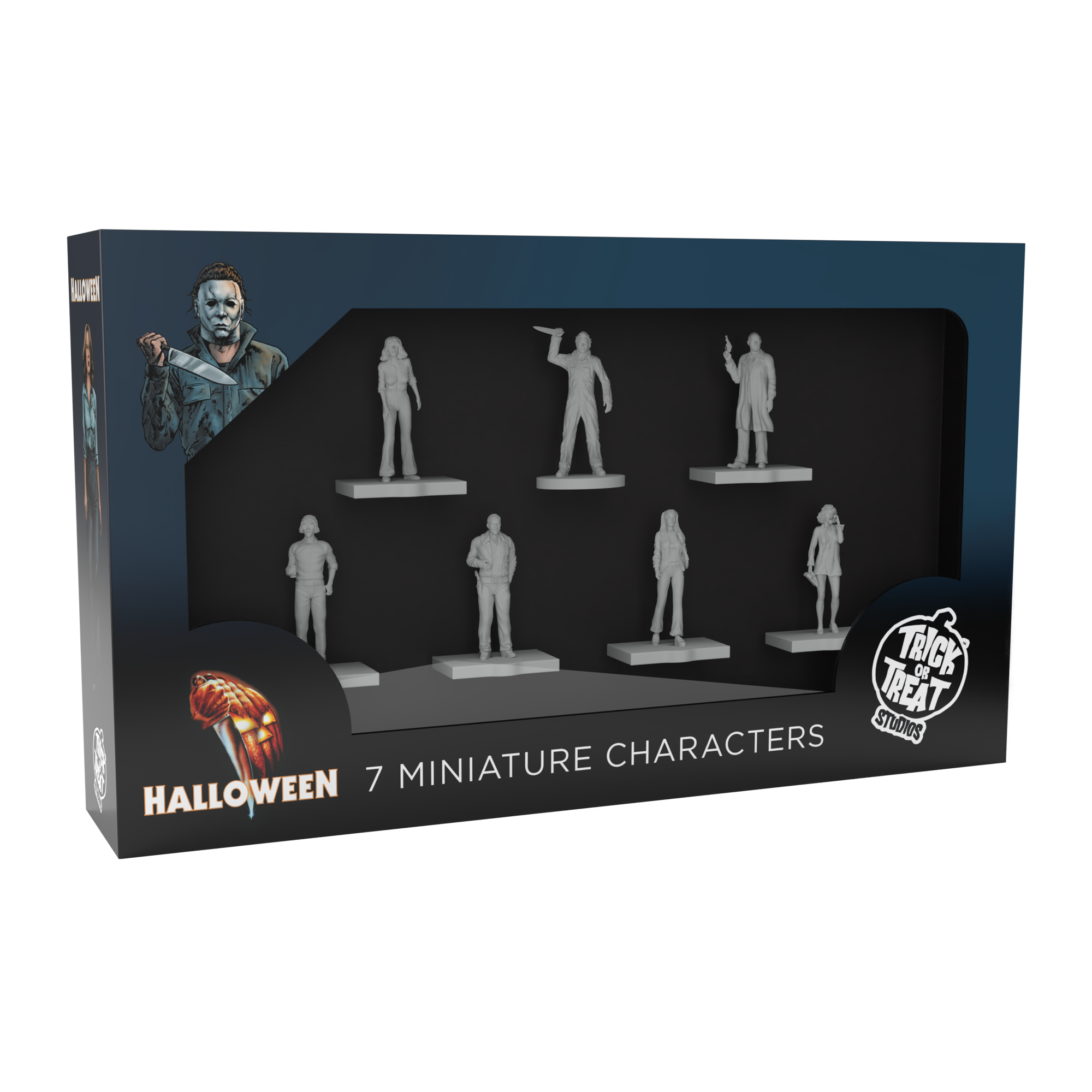
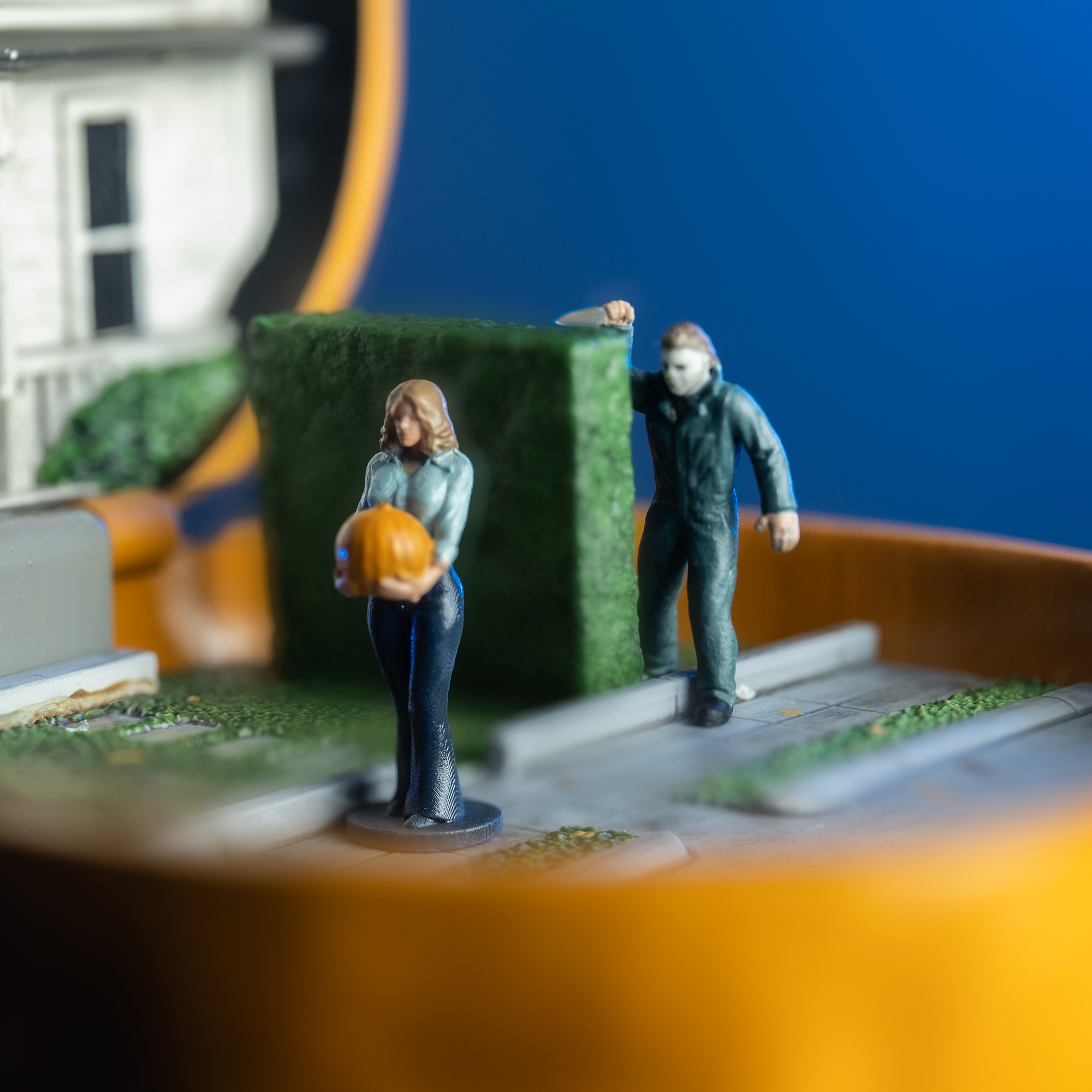
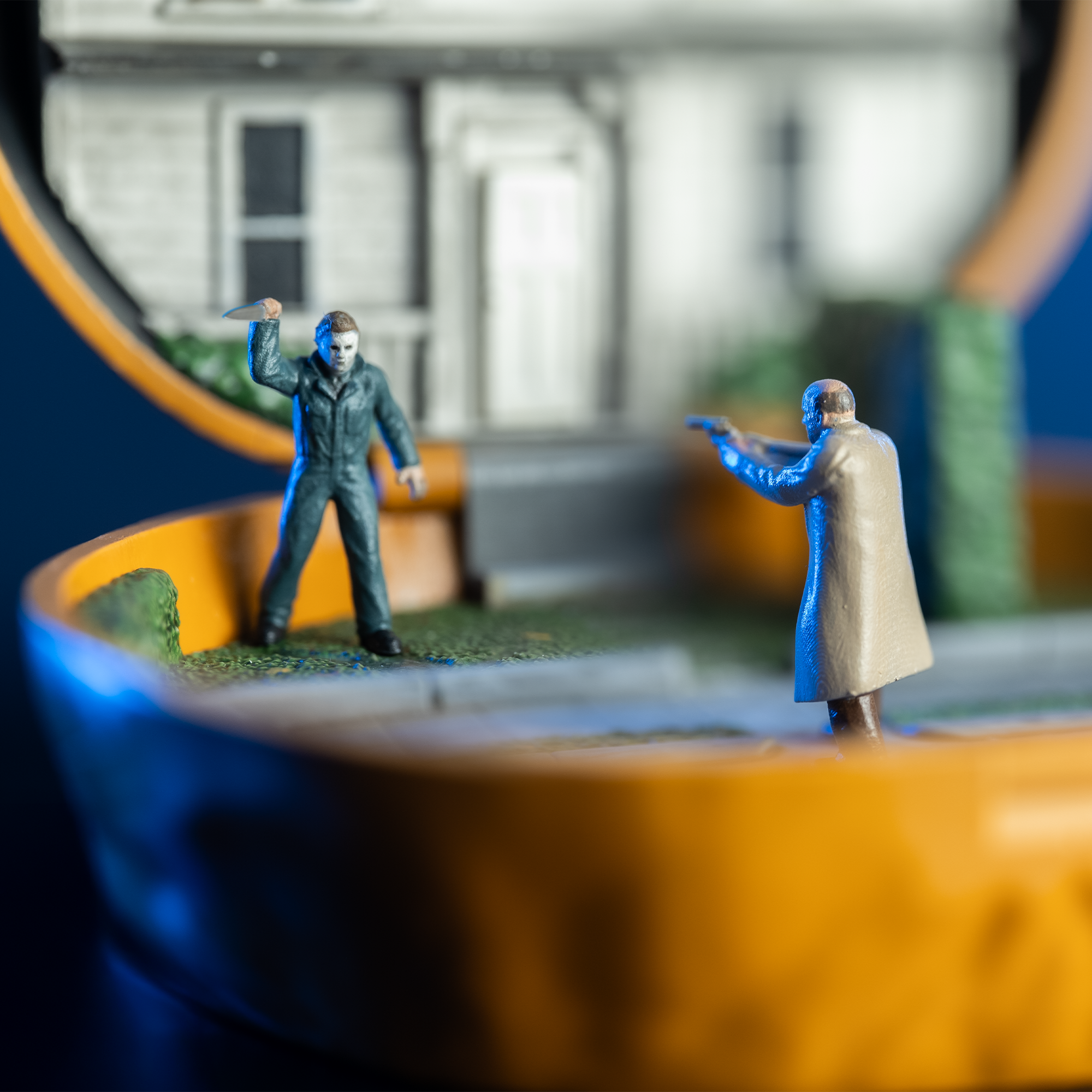
Trick or Treat Studios · miniatures
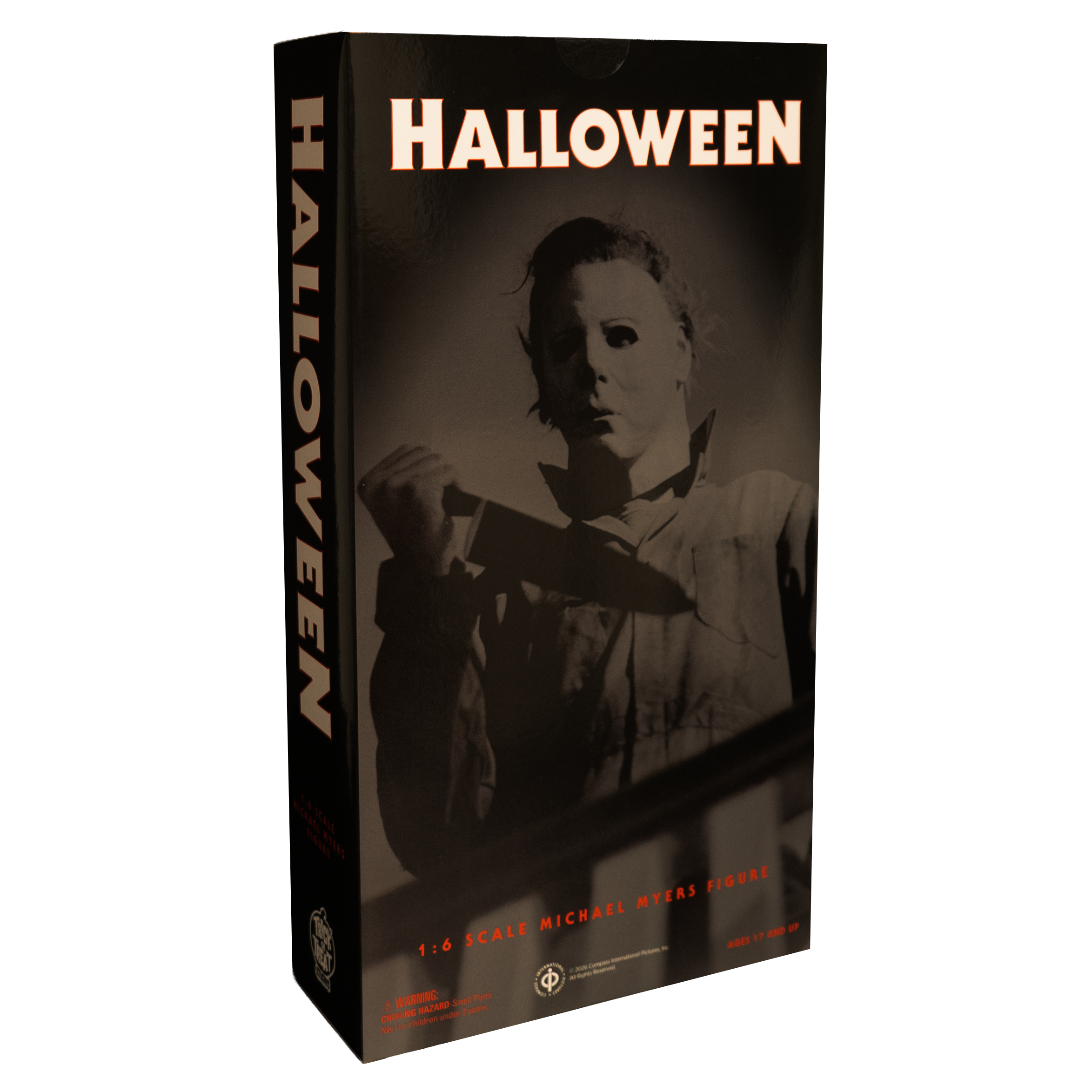
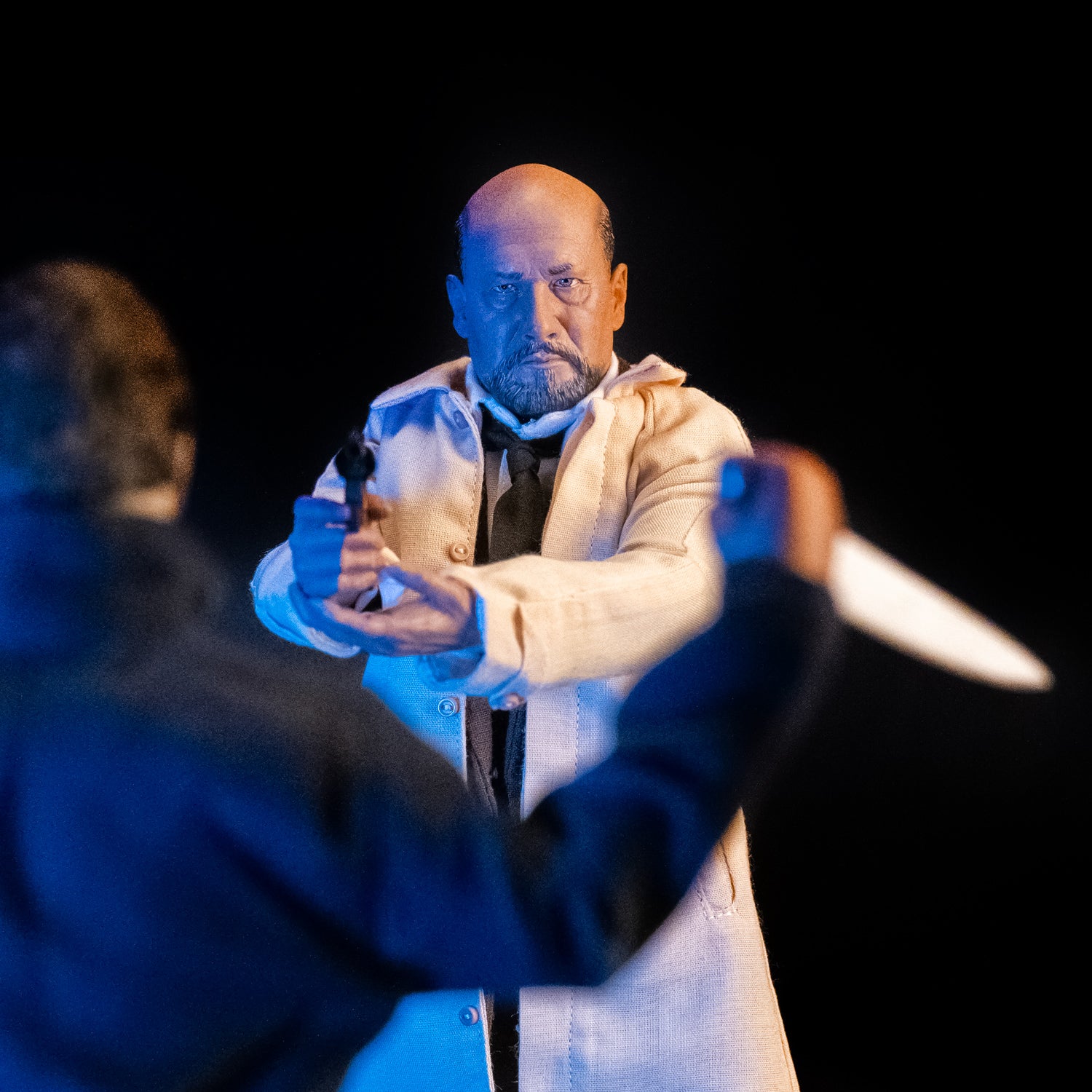
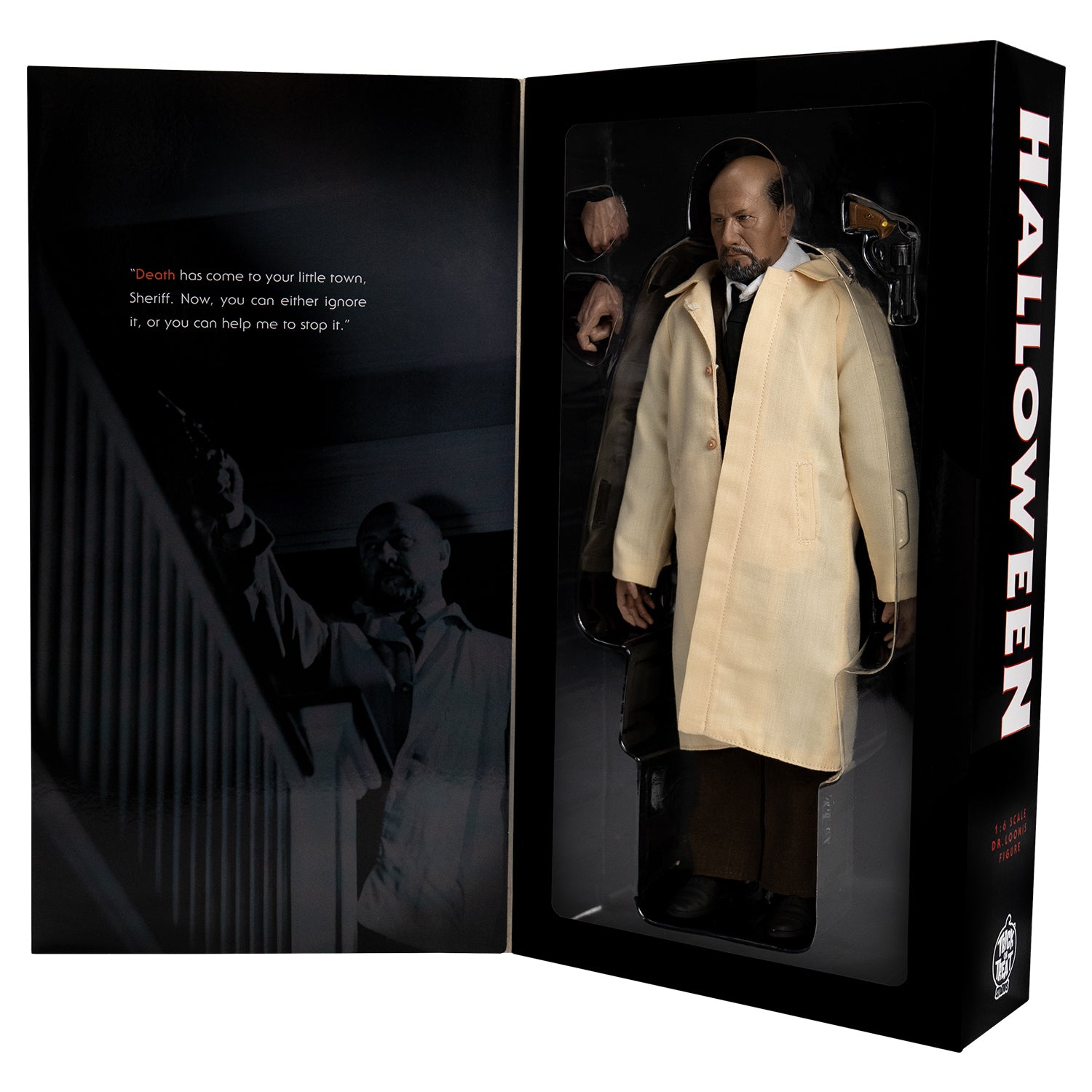
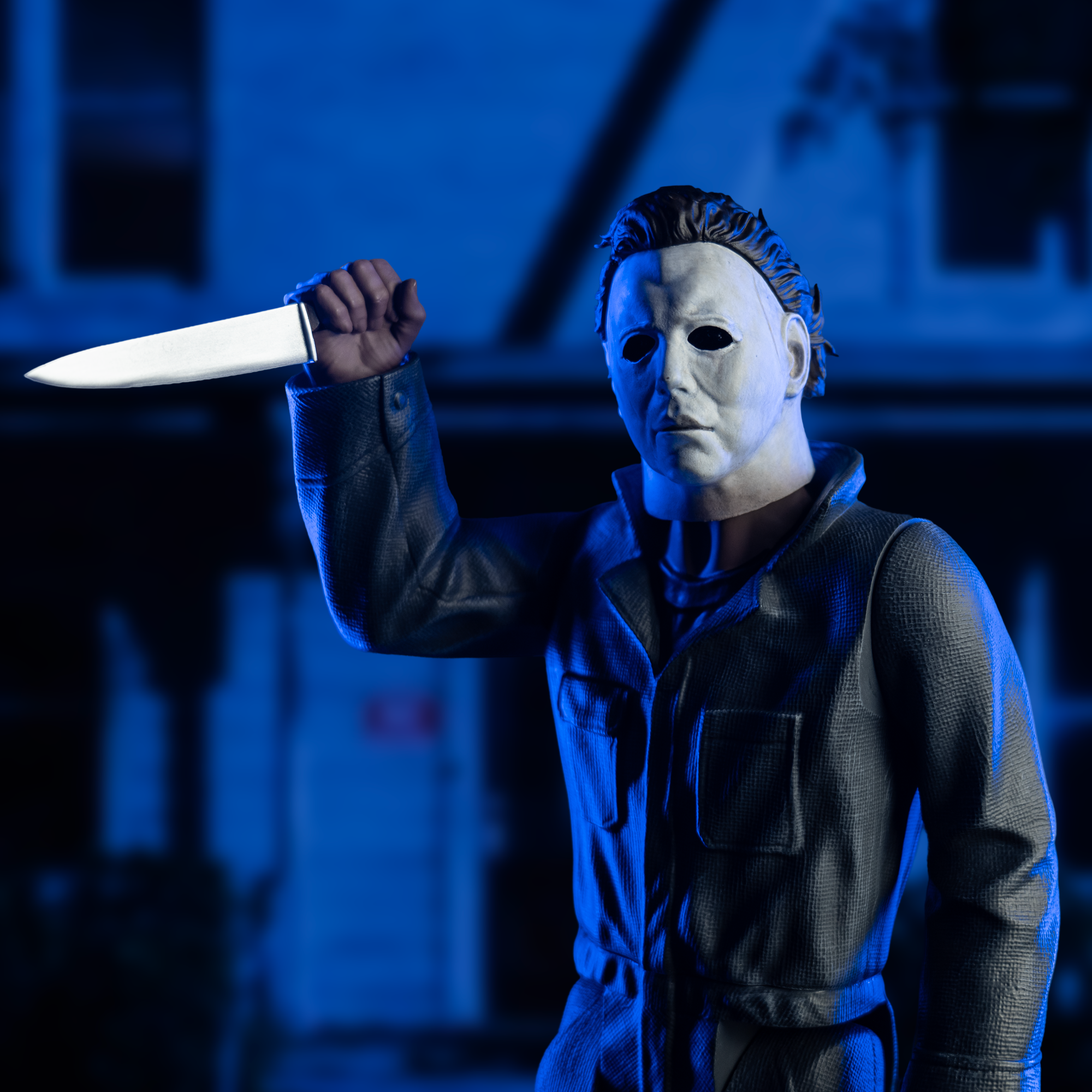
Trick or Treat Studios · figure
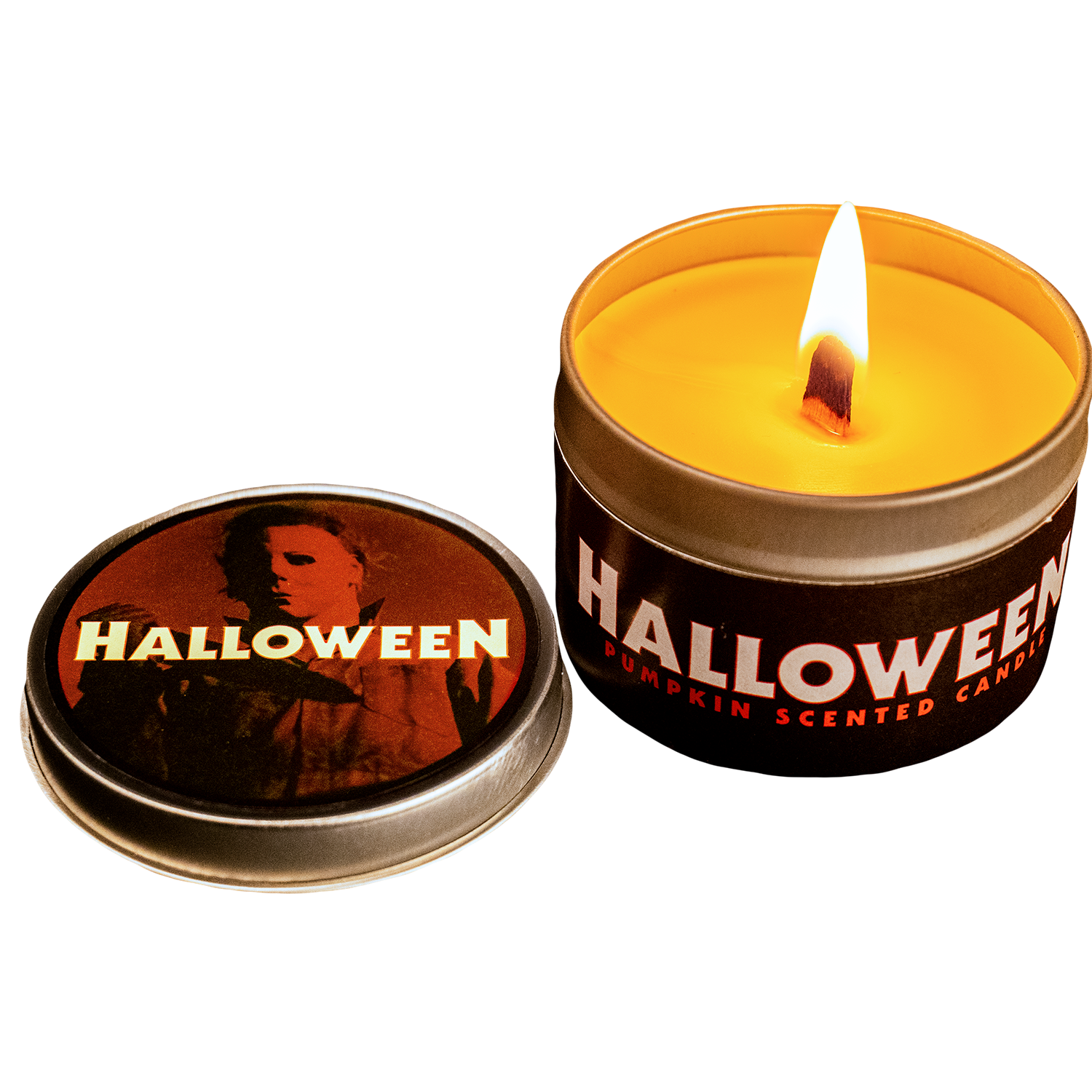
Trick or Treat Studios · home decor
Trick or Treat Studios · prop/home decor
Trick or Treat Studios · display
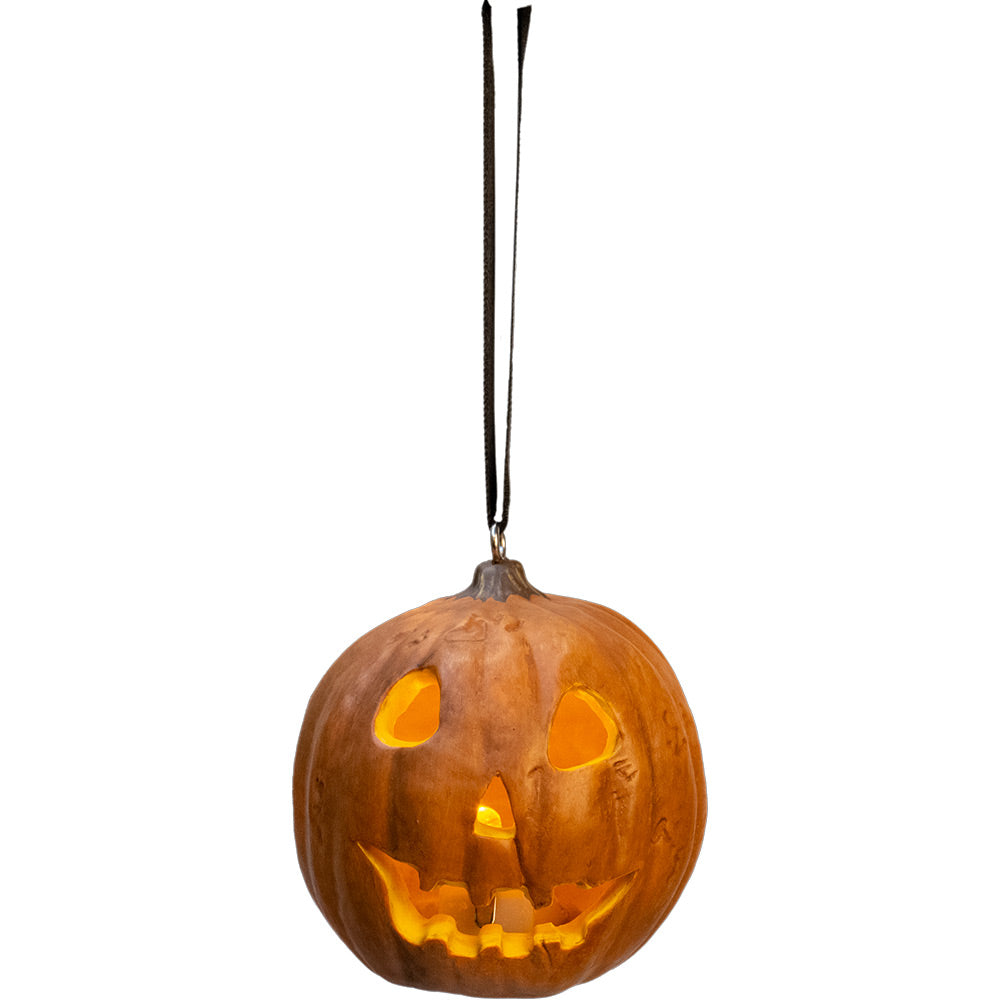
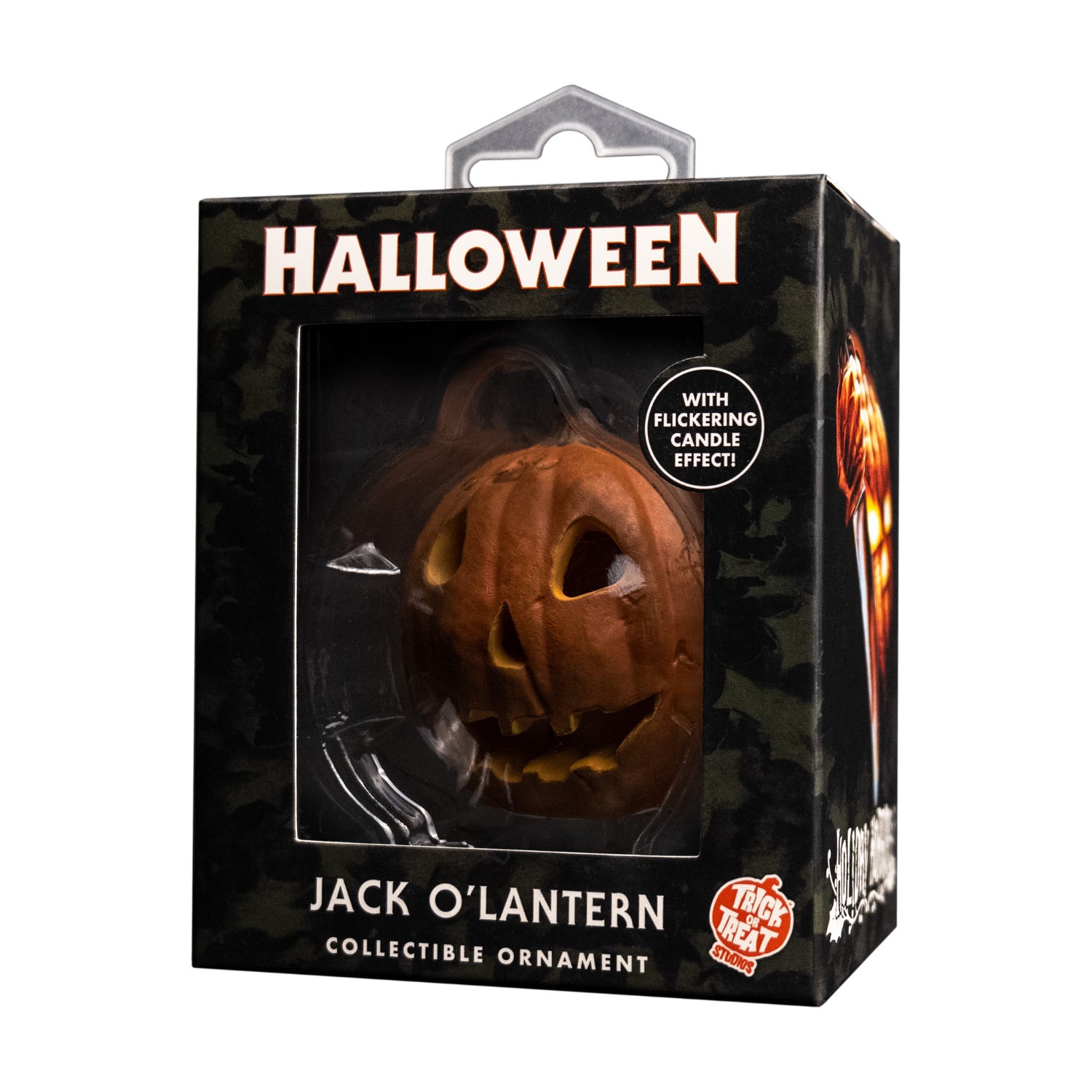
Trick or Treat Studios · ornament
Trick or Treat Studios · accessory
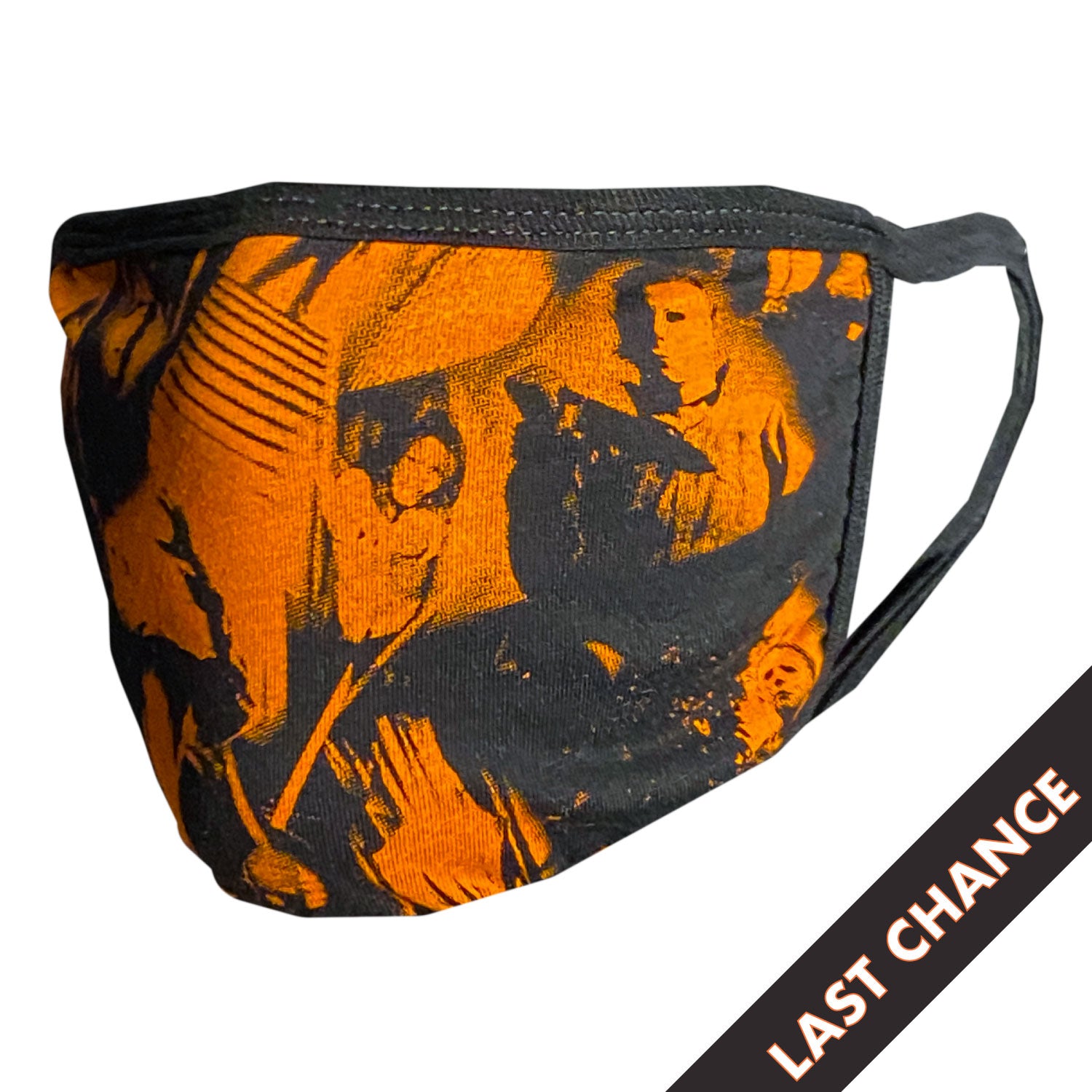
Trick or Treat Studios · mask
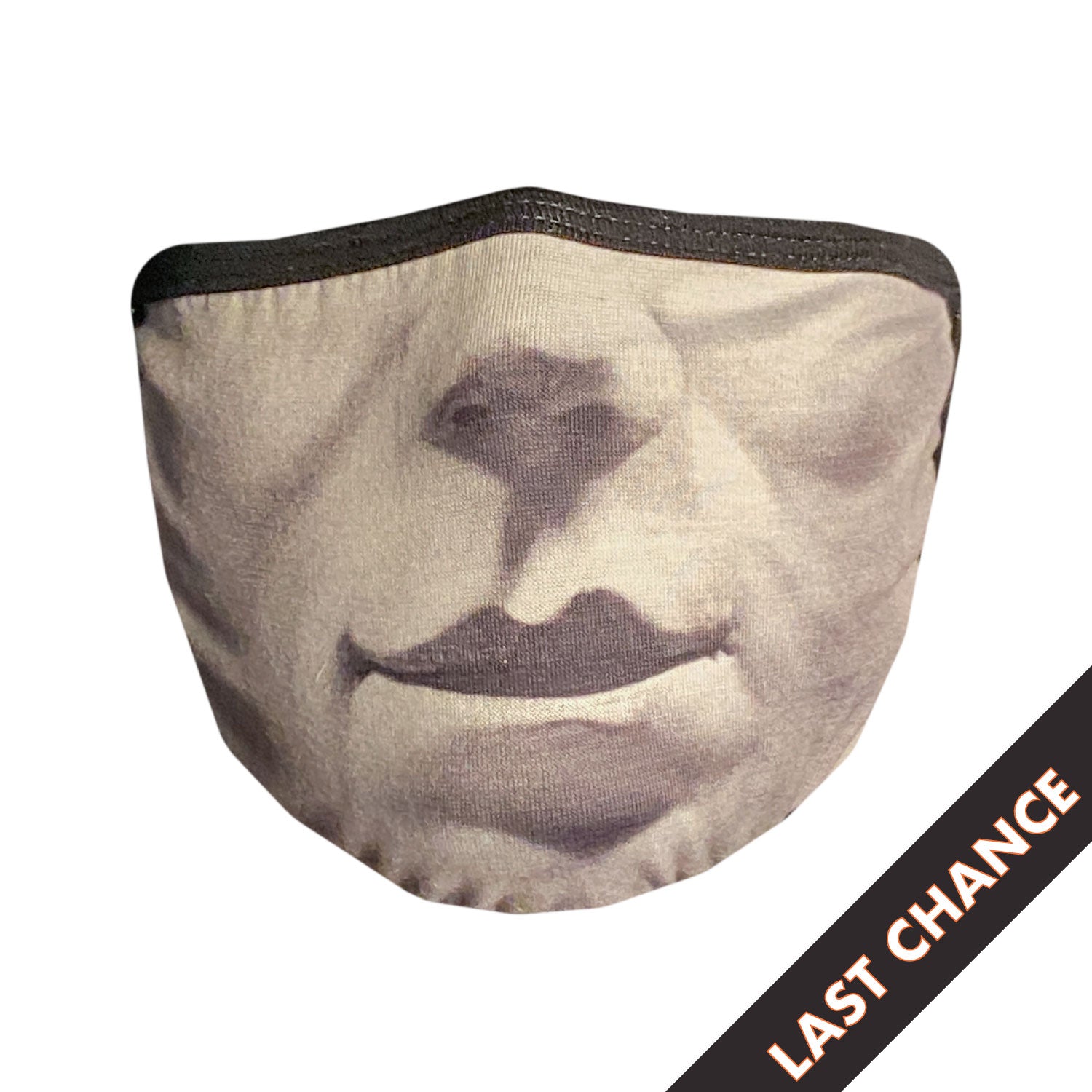
Trick or Treat Studios · mask
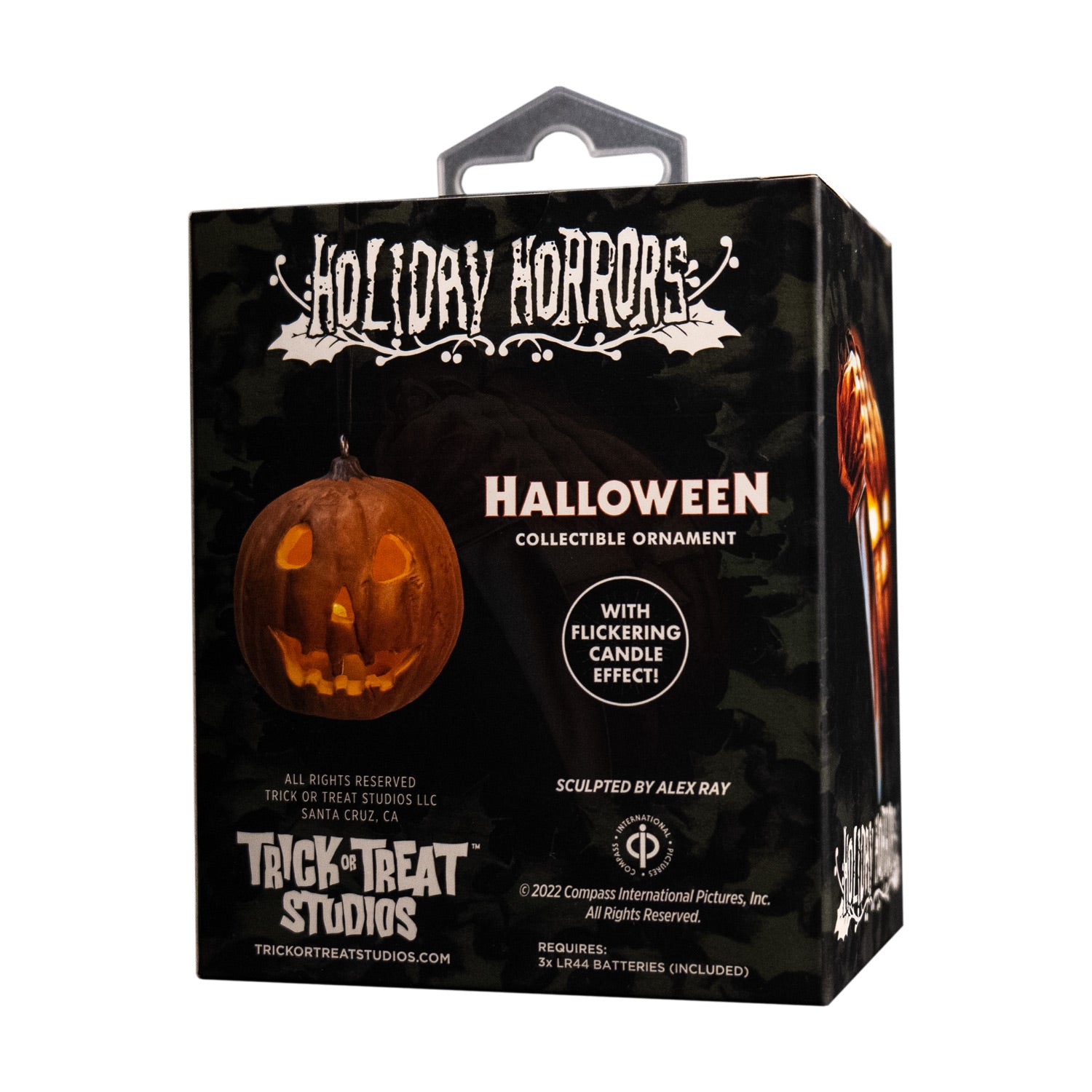
Trick or Treat Studios · ornament
Trick or Treat Studios · home decor
Trick or Treat Studios · accessory
Trick or Treat Studios · figure
Trick or Treat Studios · paper goods
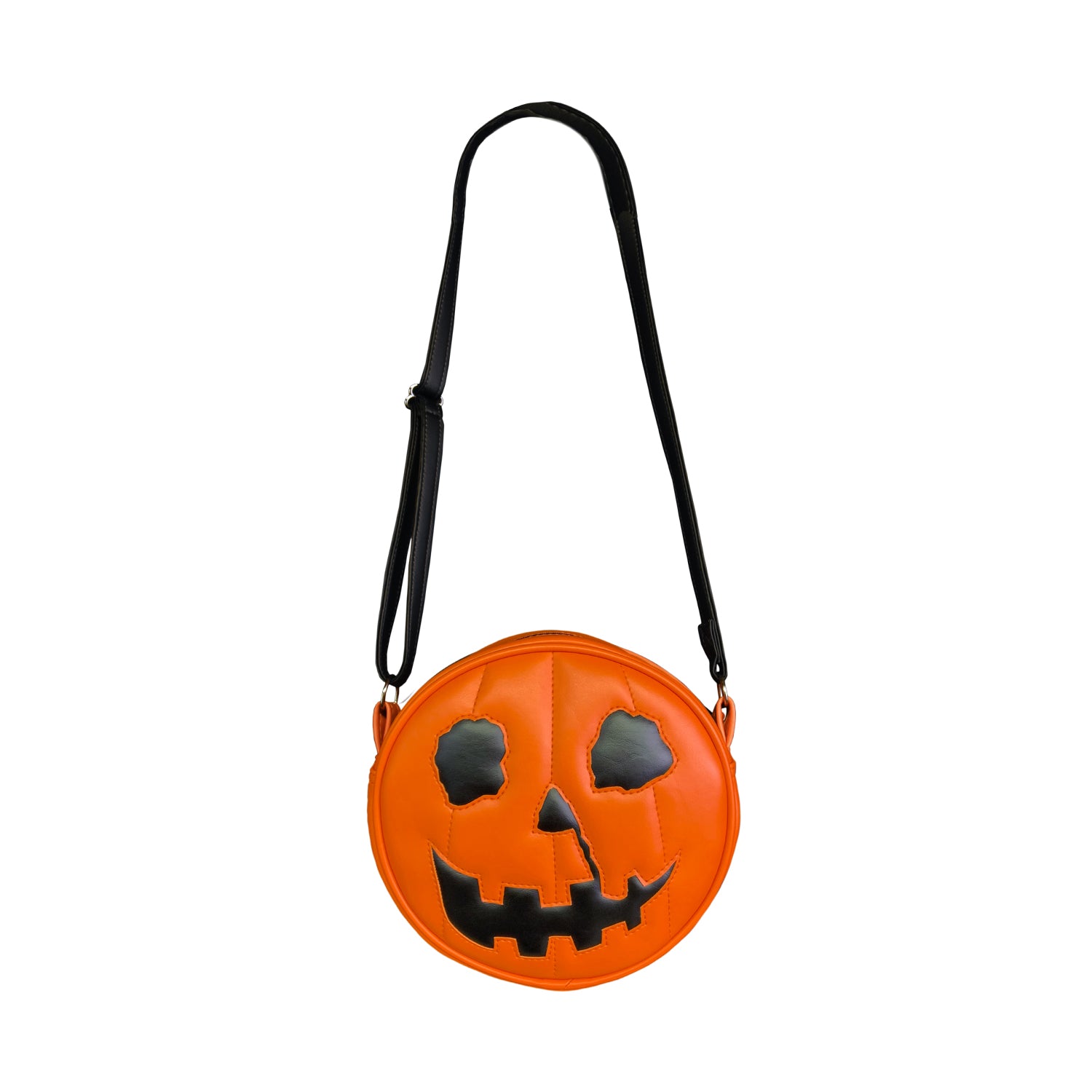
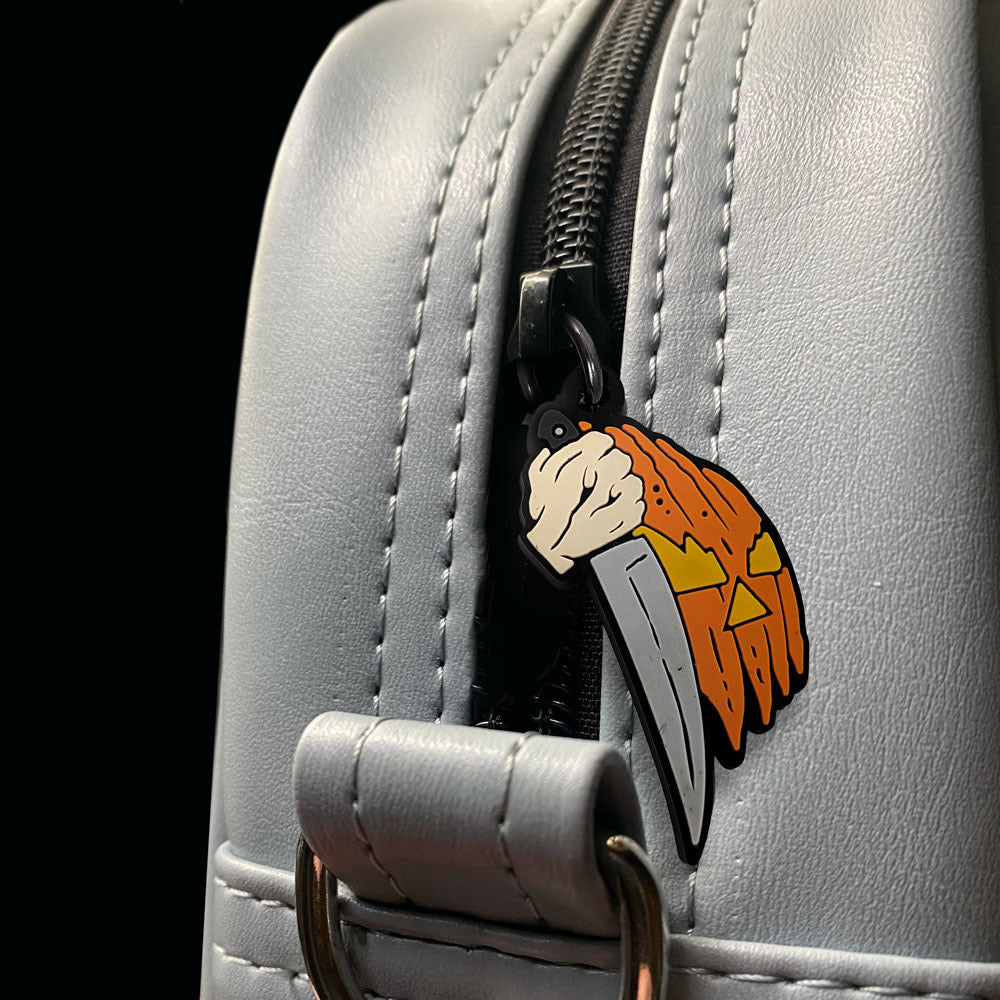
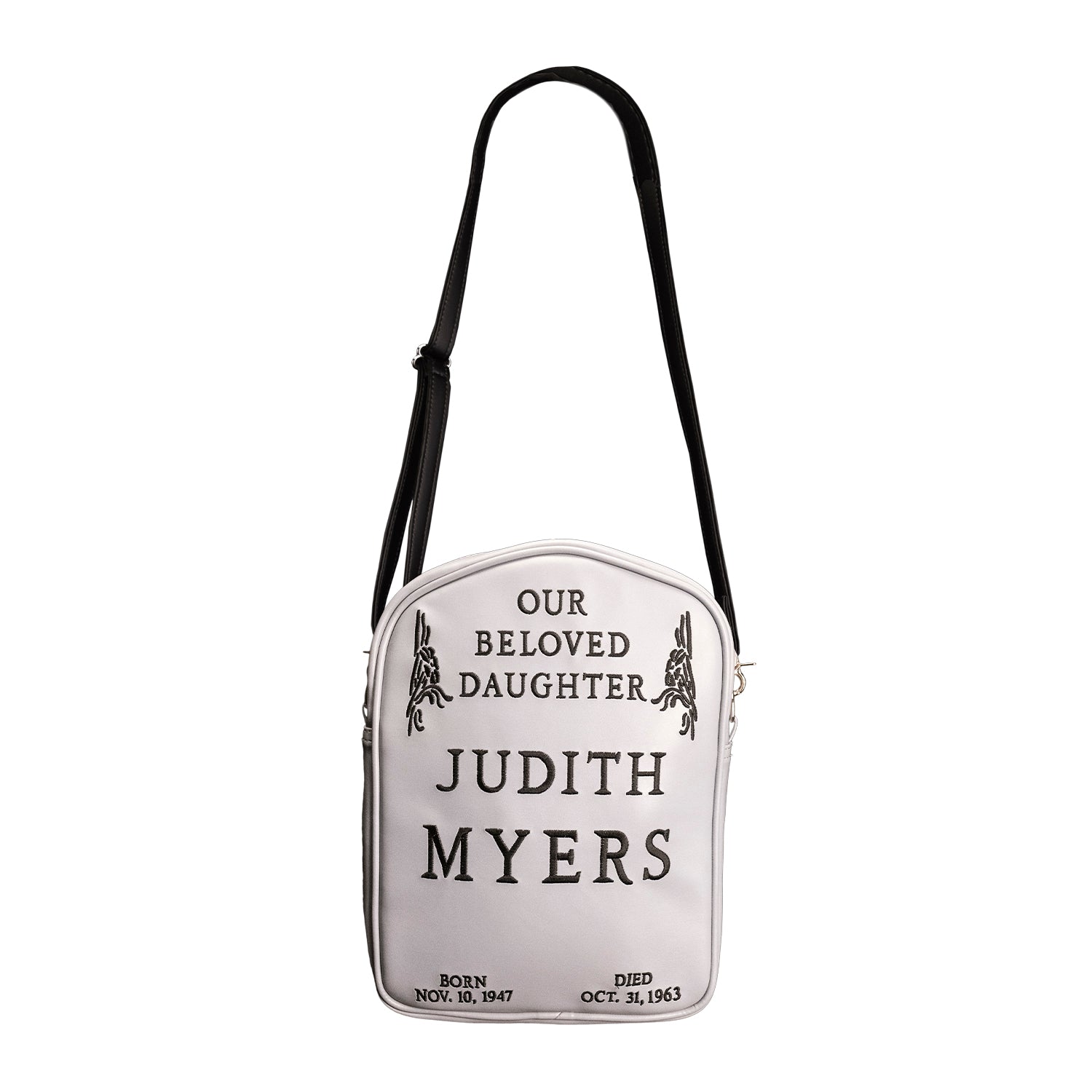
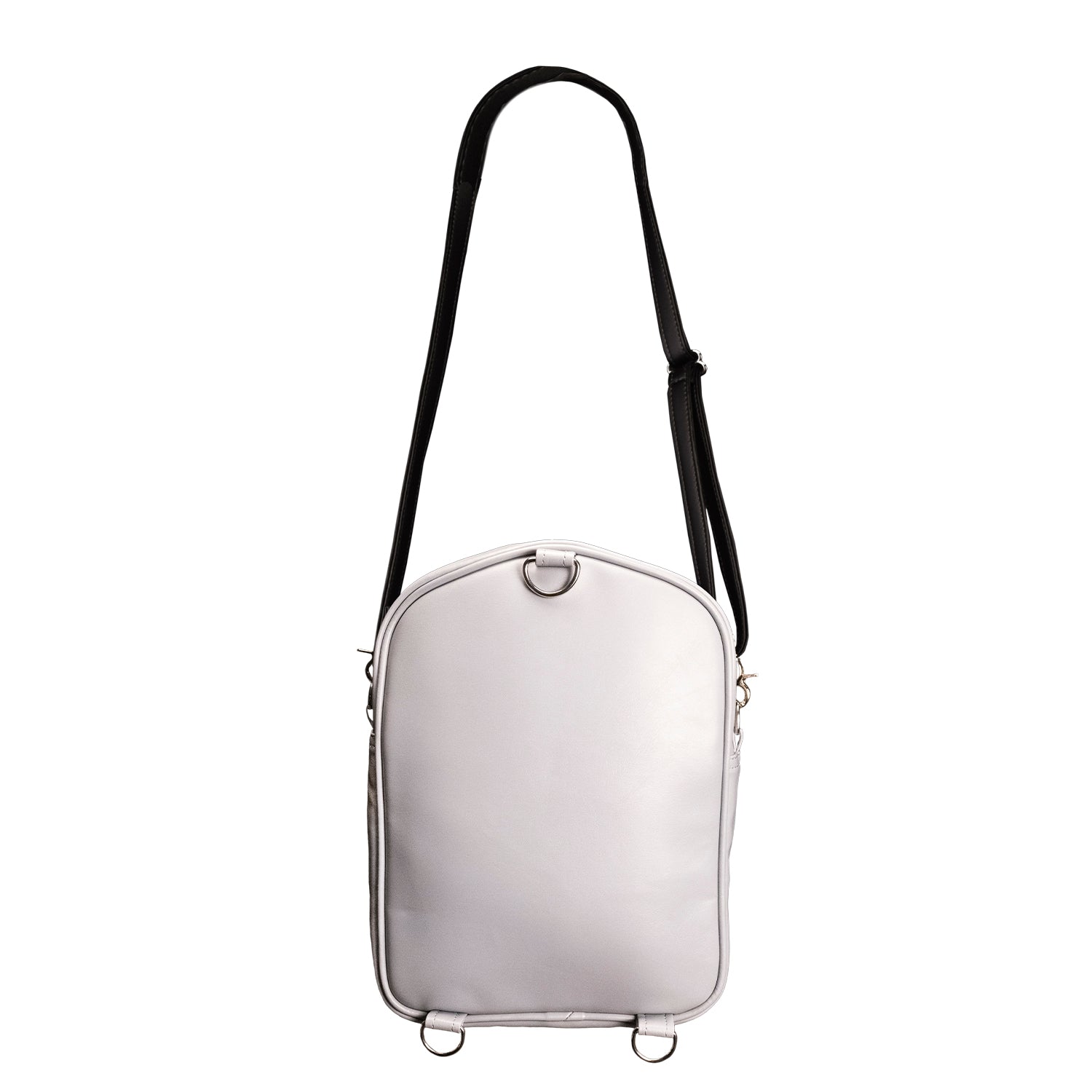
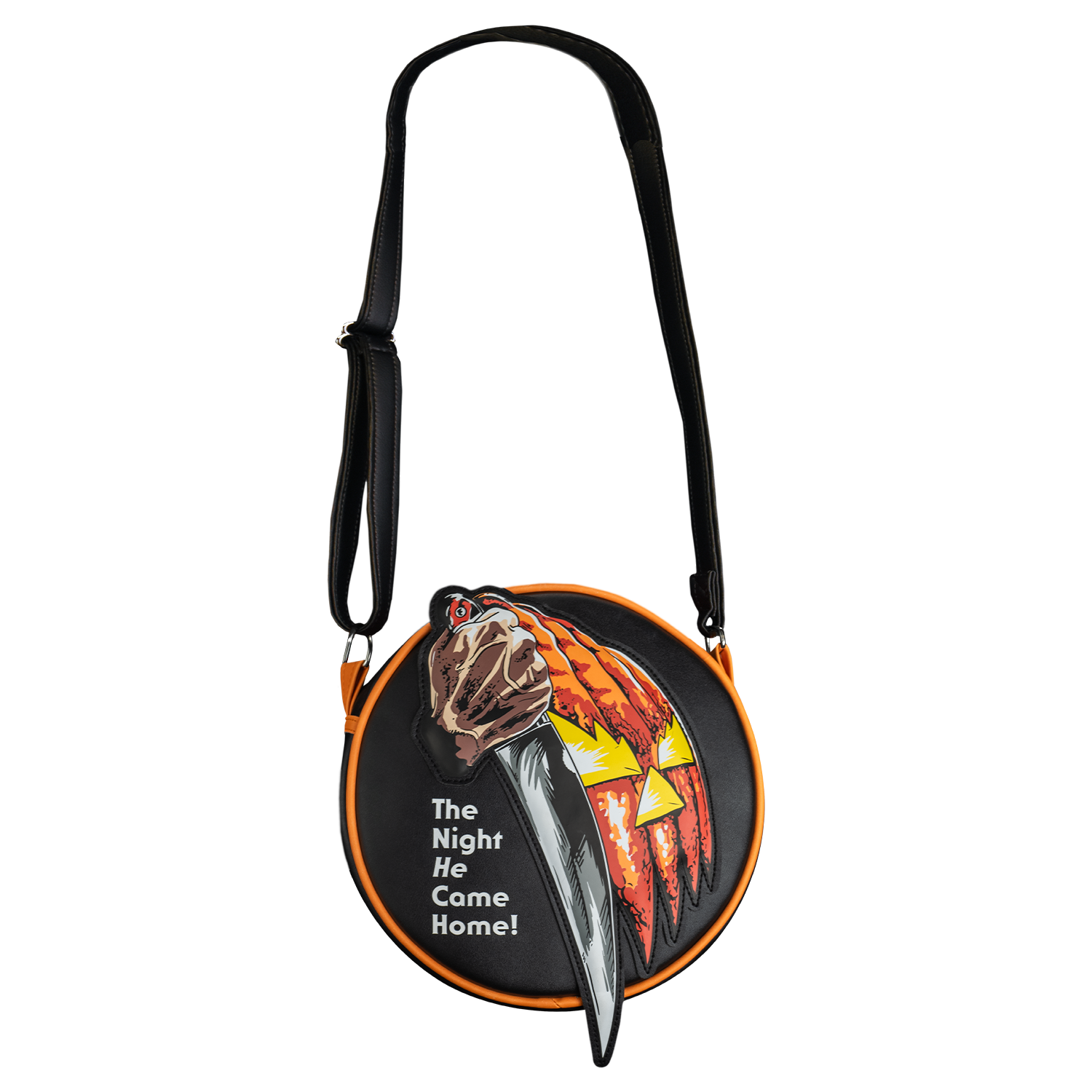
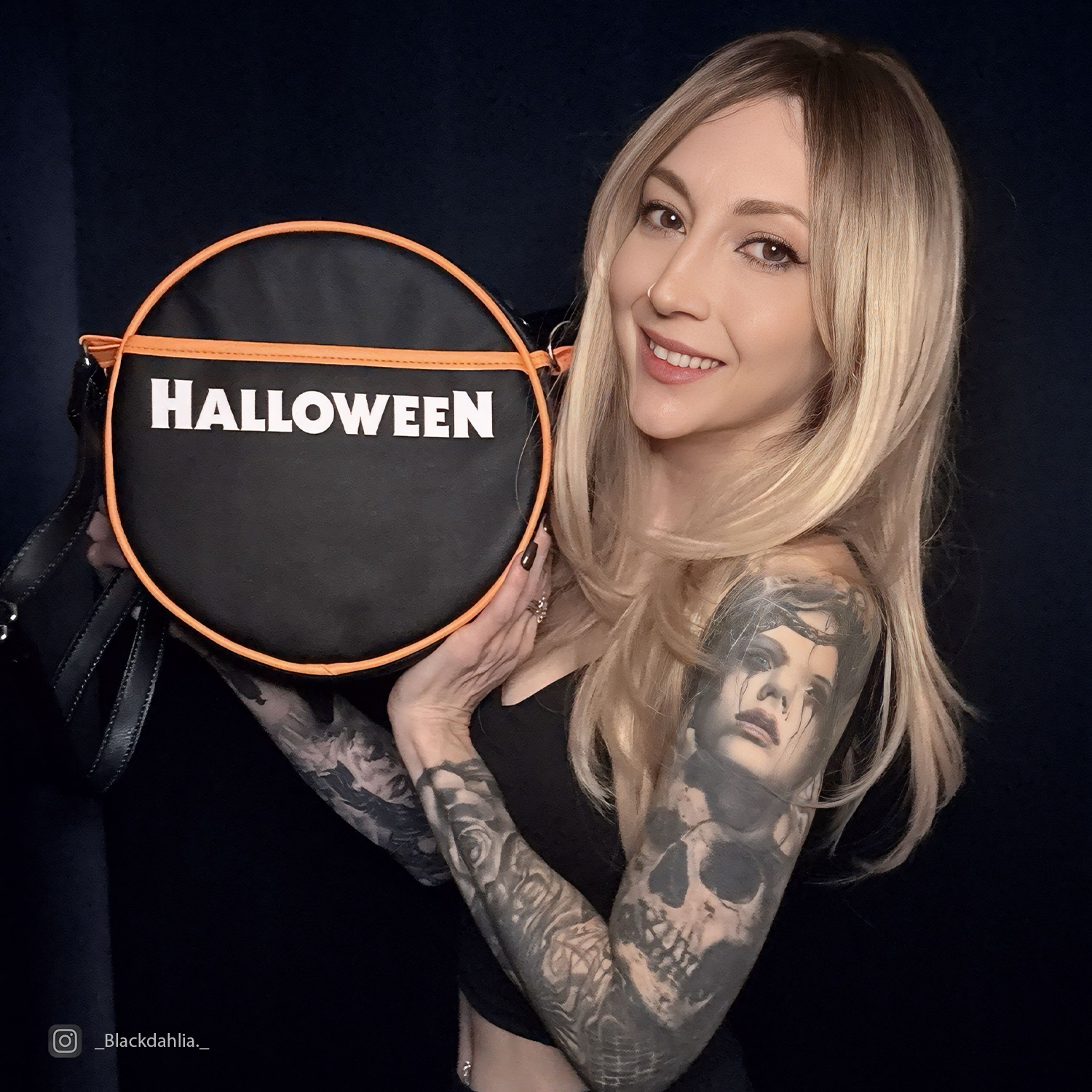
Trick or Treat Studios · bag
Trick or Treat Studios · bag
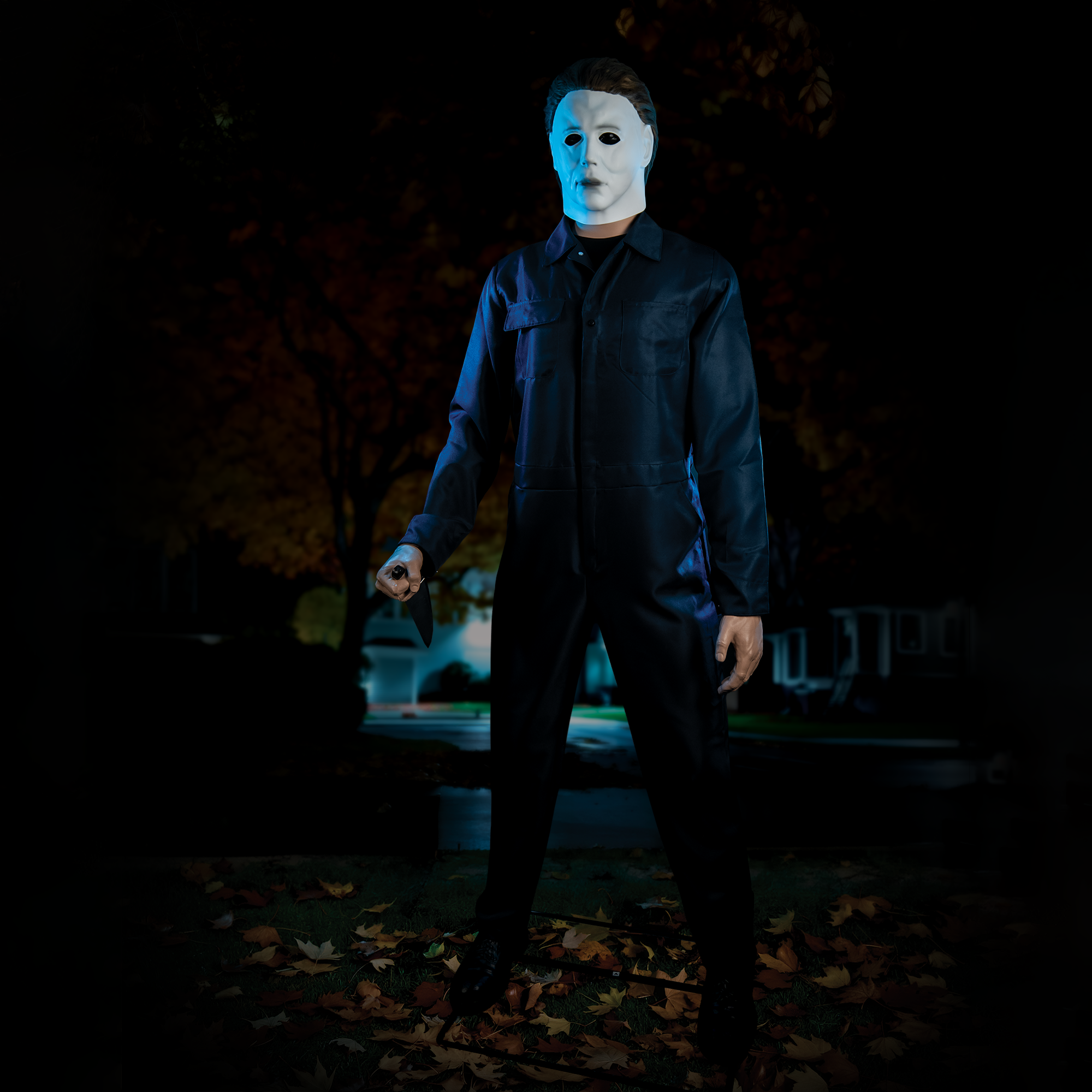
Trick or Treat Studios · costume
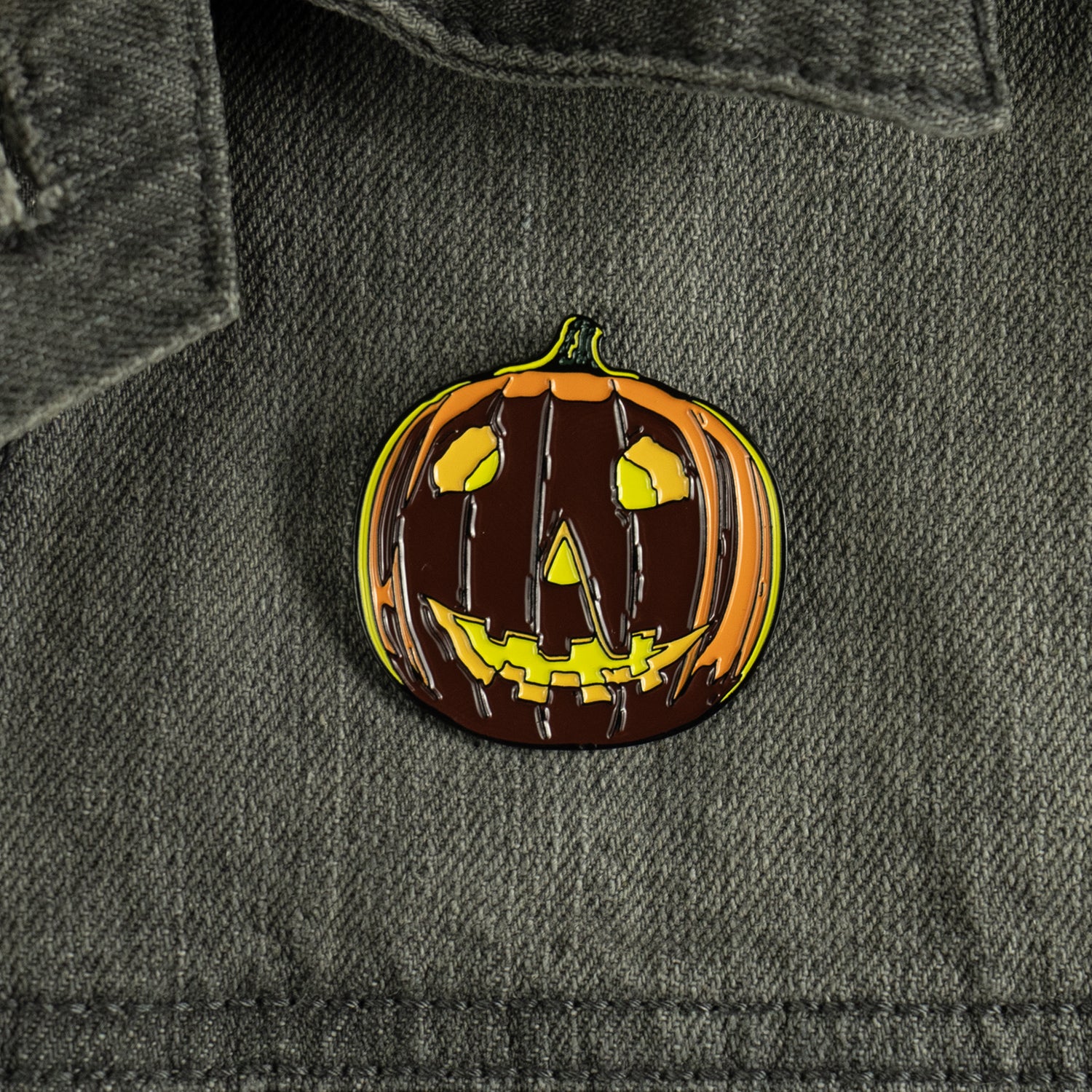
Trick or Treat Studios · pin
Trick or Treat Studios · sign
Trick or Treat Studios · ornament
Trick or Treat Studios · bust
Trick or Treat Studios · prop
Trick or Treat Studios · pin
Trick or Treat Studios · prop
Trick or Treat Studios · magnet
Trick or Treat Studios · pin
Trick or Treat Studios · figure
Trick or Treat Studios · costume
Trick or Treat Studios · costume
Trick or Treat Studios · costume
Trick or Treat Studios · costume
Trick or Treat Studios · mask
Trick or Treat Studios · costume
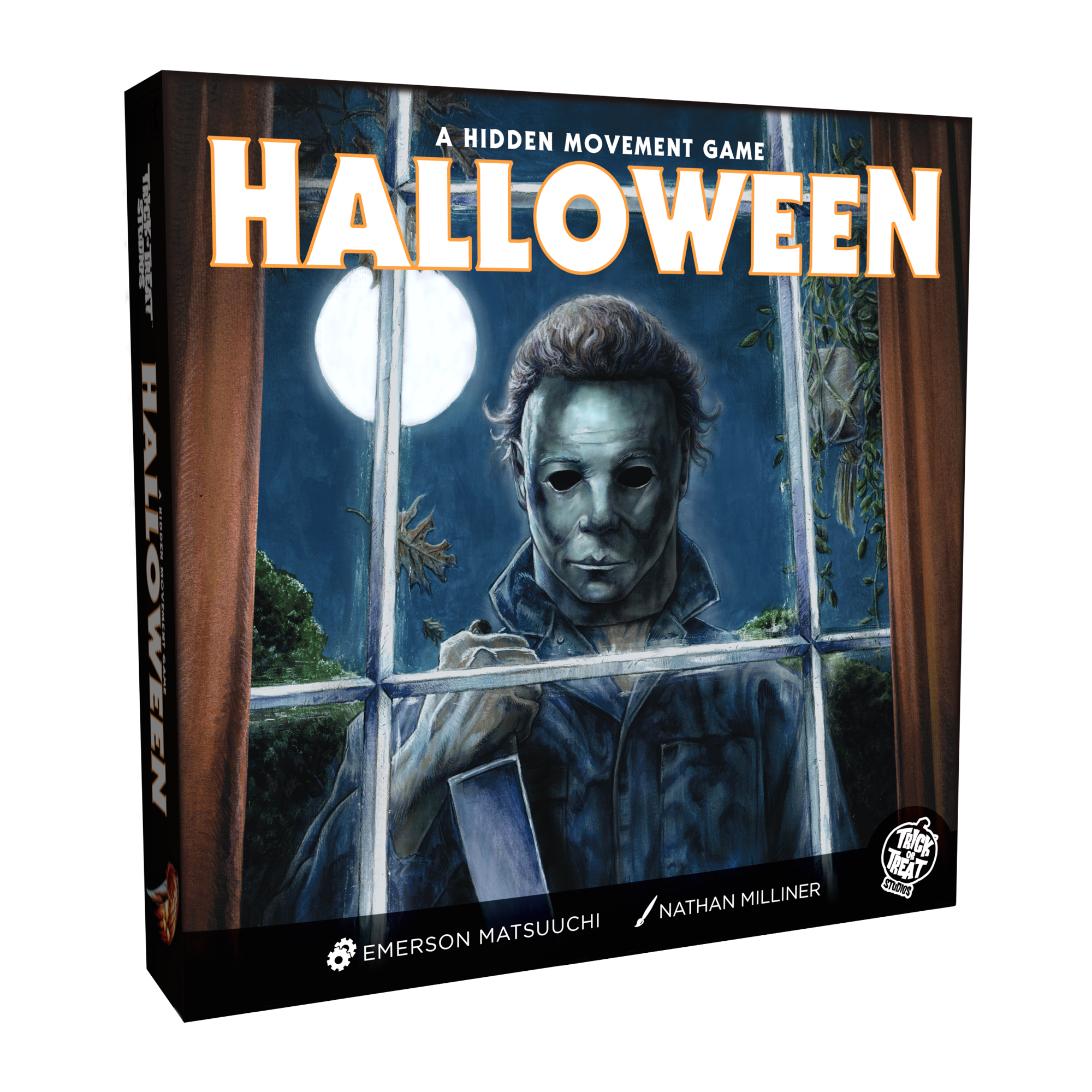
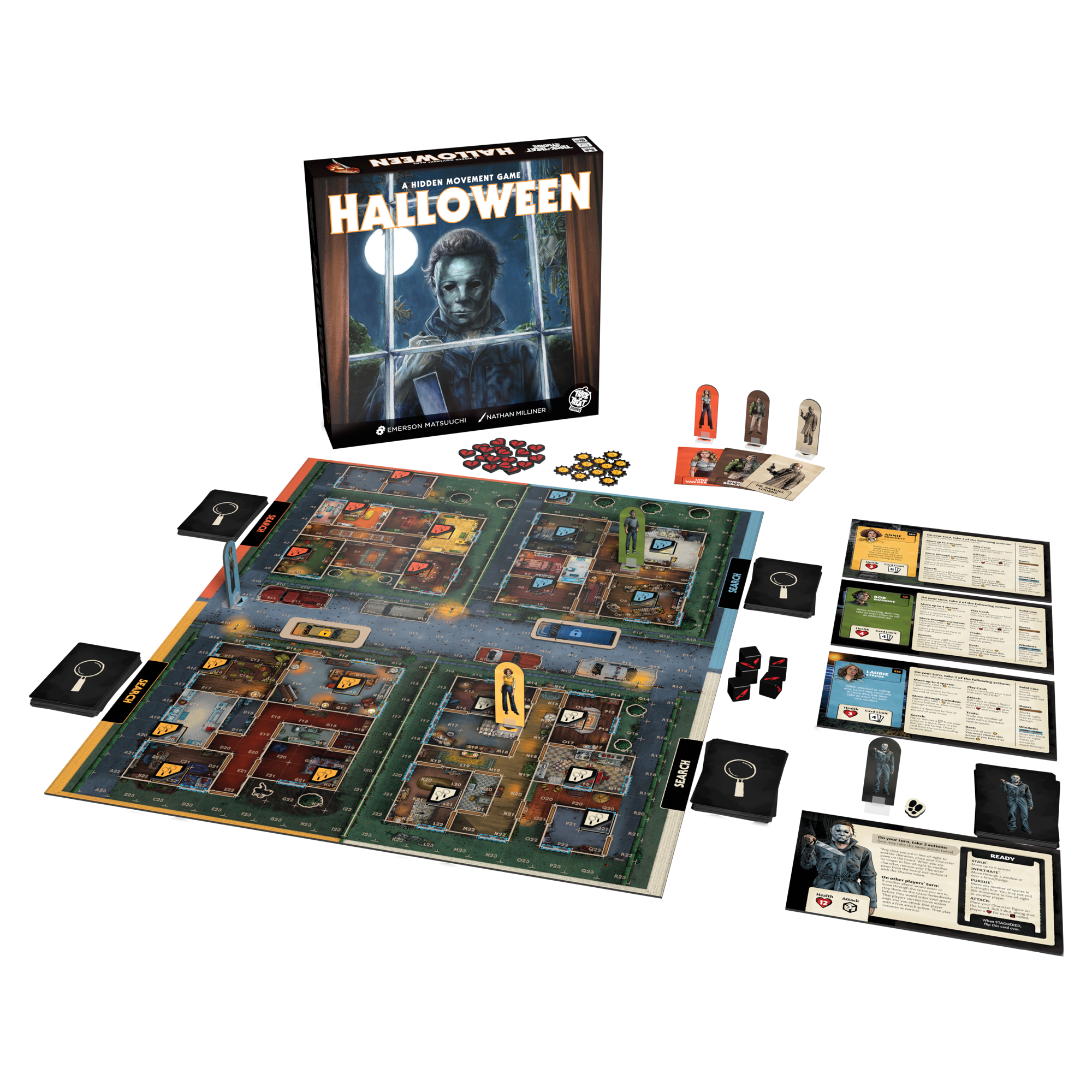
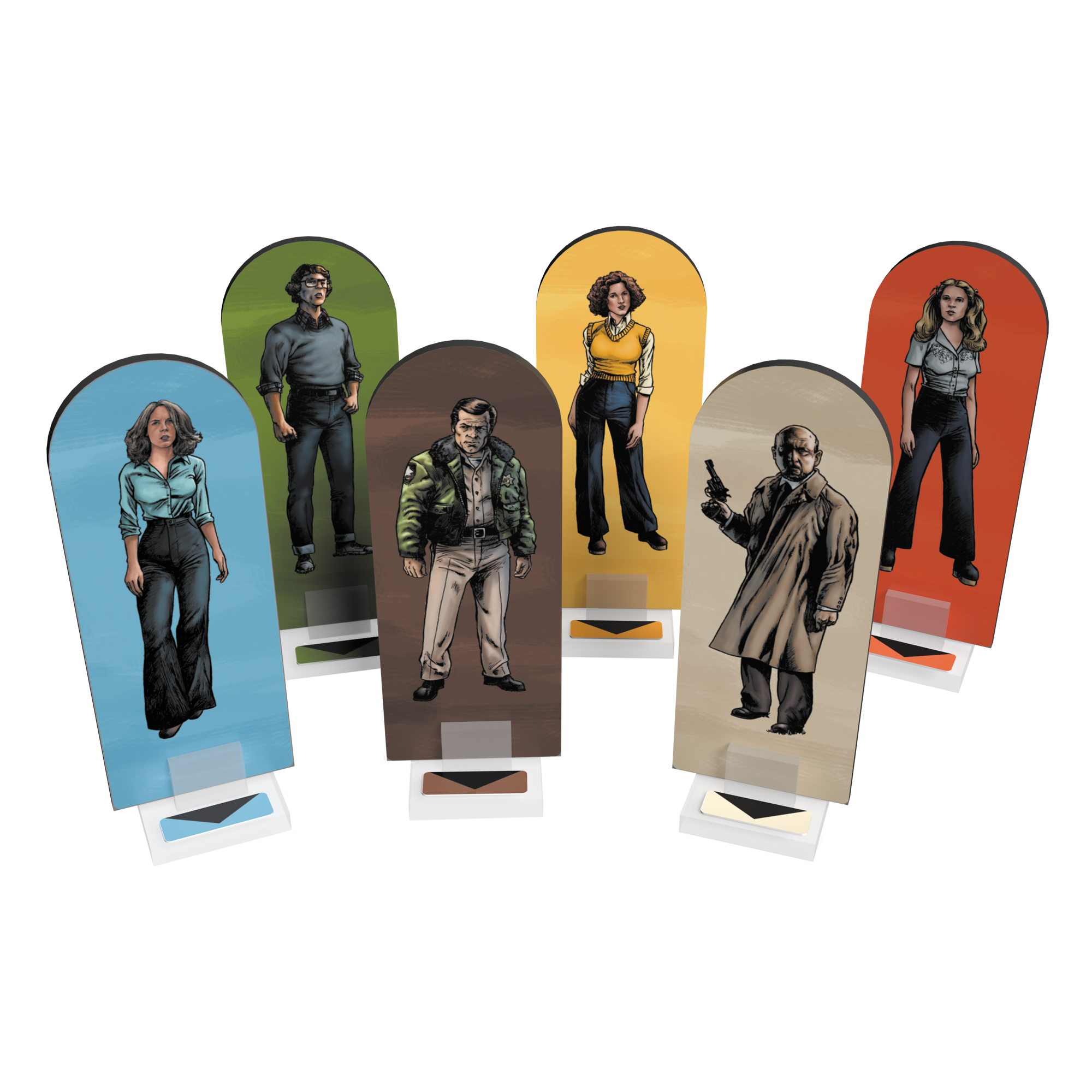
Trick or Treat Studios · board game
Trick or Treat Studios · bag
Trick or Treat Studios · mask
CavityColors · apparel
CavityColors · apparel
CavityColors · apparel
CavityColors · apparel
CavityColors · apparel
CavityColors · apparel
CavityColors · apparel
CavityColors · apparel
Funko · vinyl/figure
Funko · vinyl/figure
Funko · vinyl/figure
Funko · vinyl/figure
Mezco Toyz · doll/figure
Trick or Treat Studios · board game
Spirit Halloween · apparel
BoxLunch · apparel
PCS Collectibles / Sideshow · statue
McFarlane Toys · action figure
Fright-Rags · card game
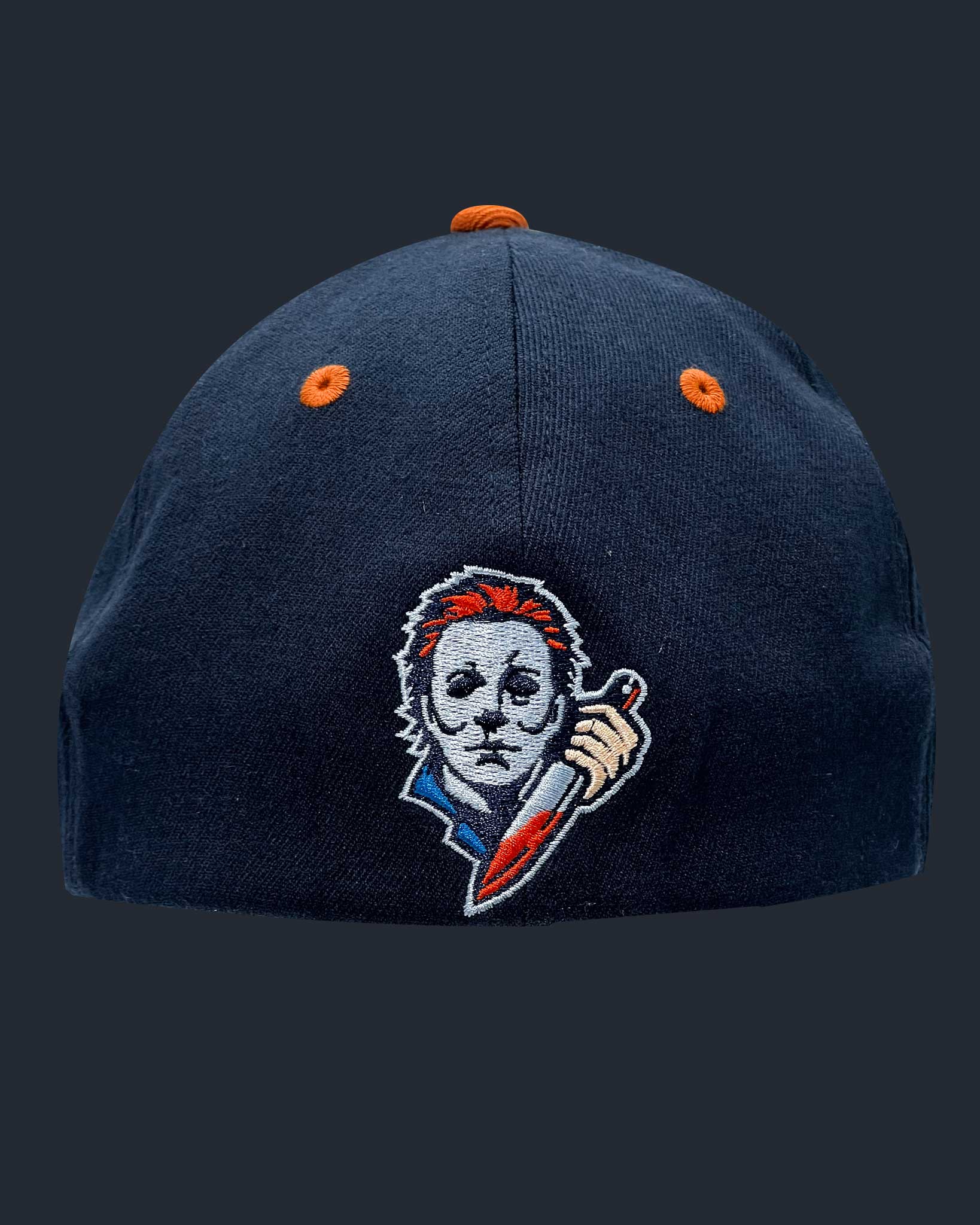
Fright-Rags · hat
Arrow Video