Rotten Tomatoes
83%

Scream
1997
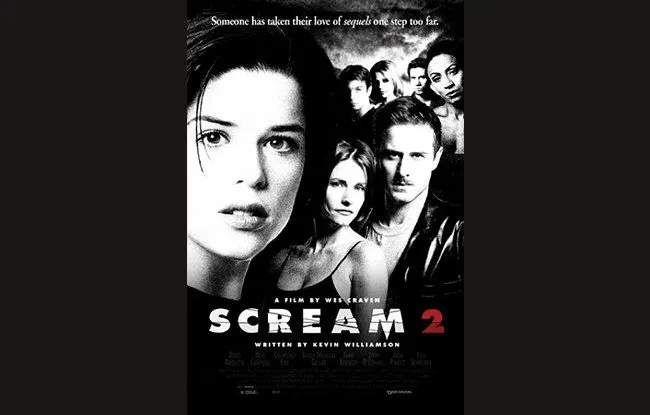
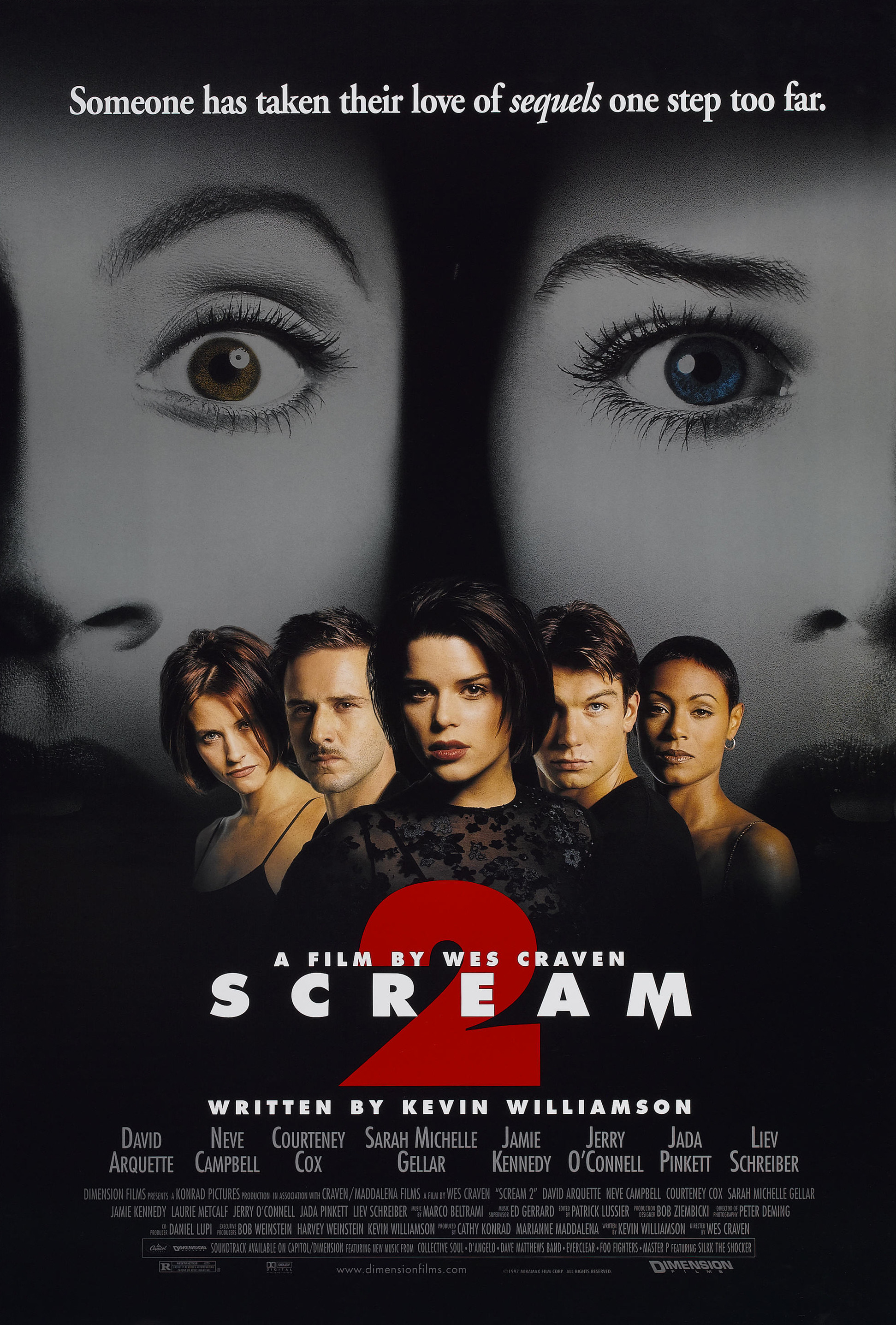
Someone has taken their love of sequels one step too far.
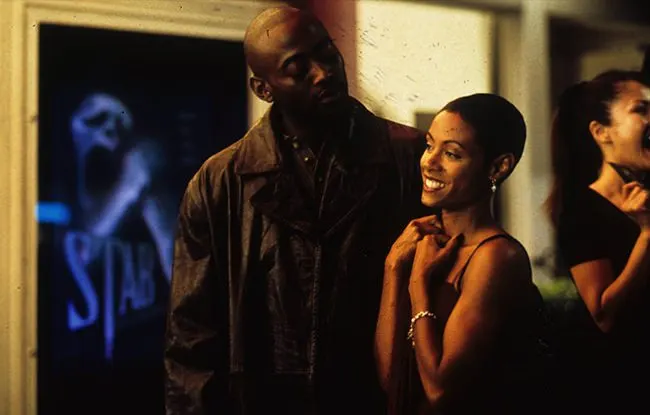
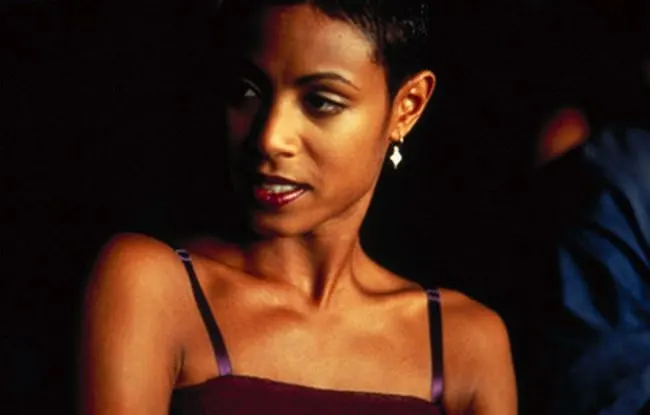
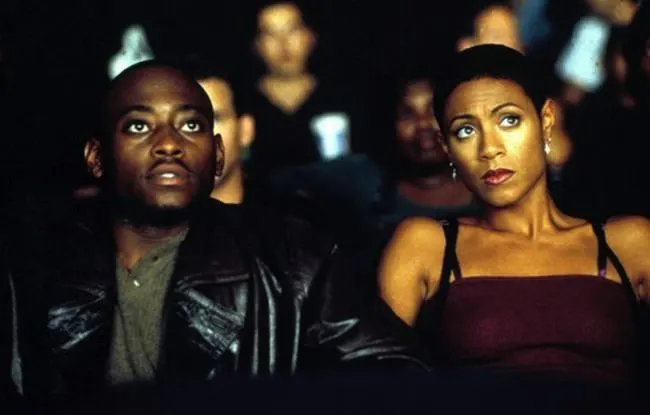
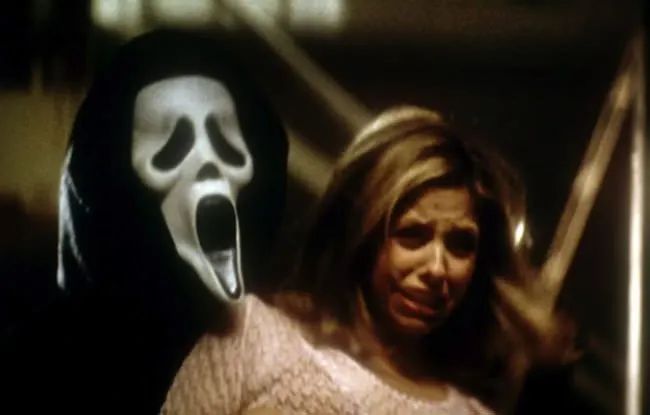
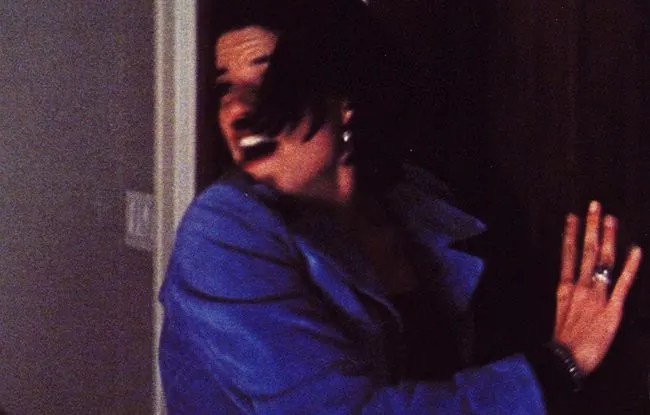
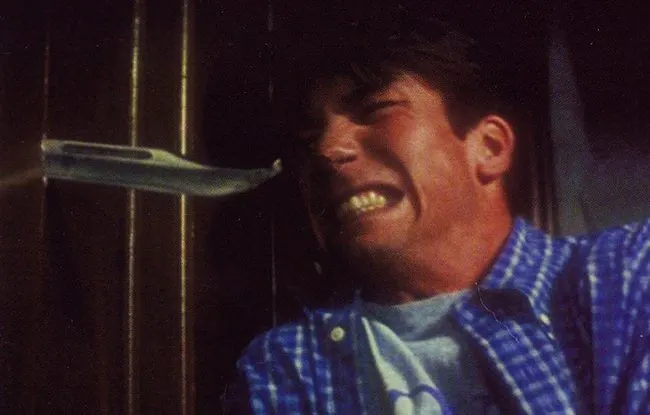
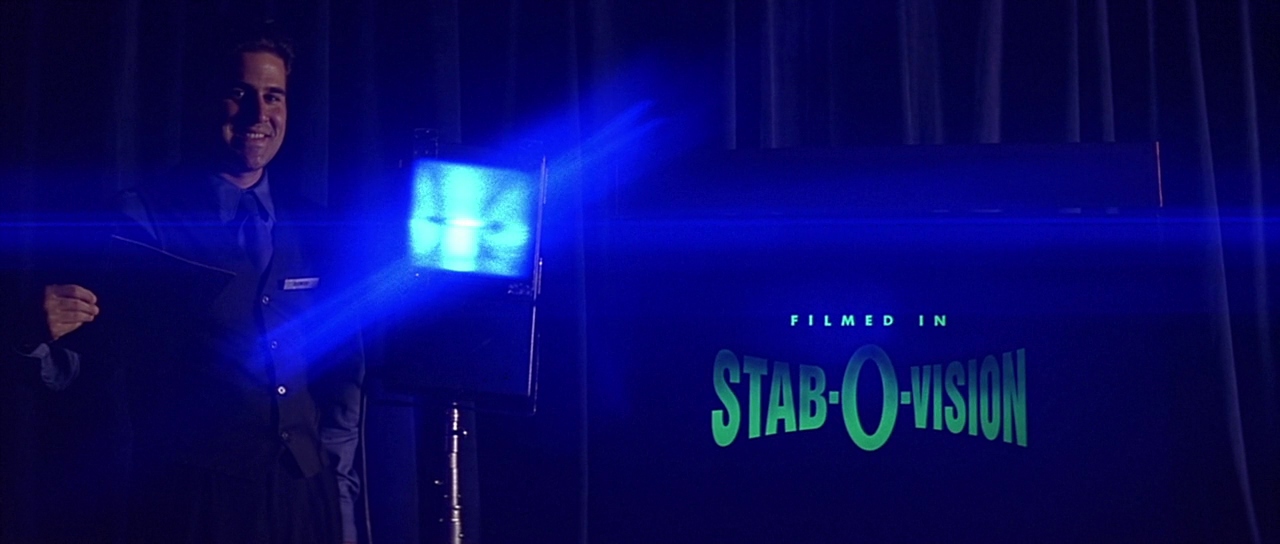
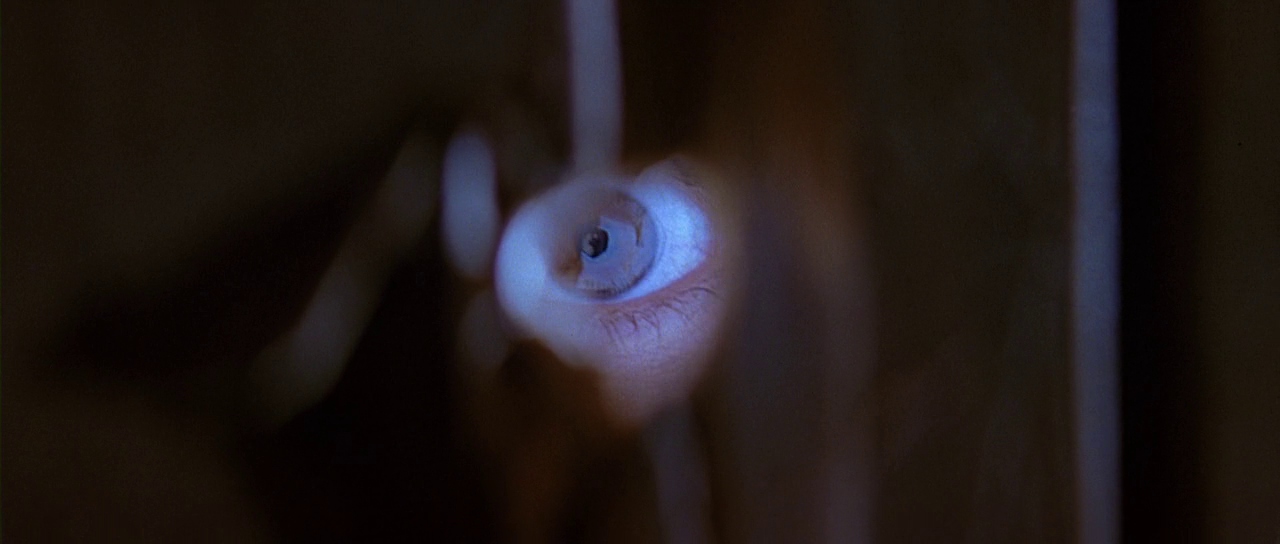
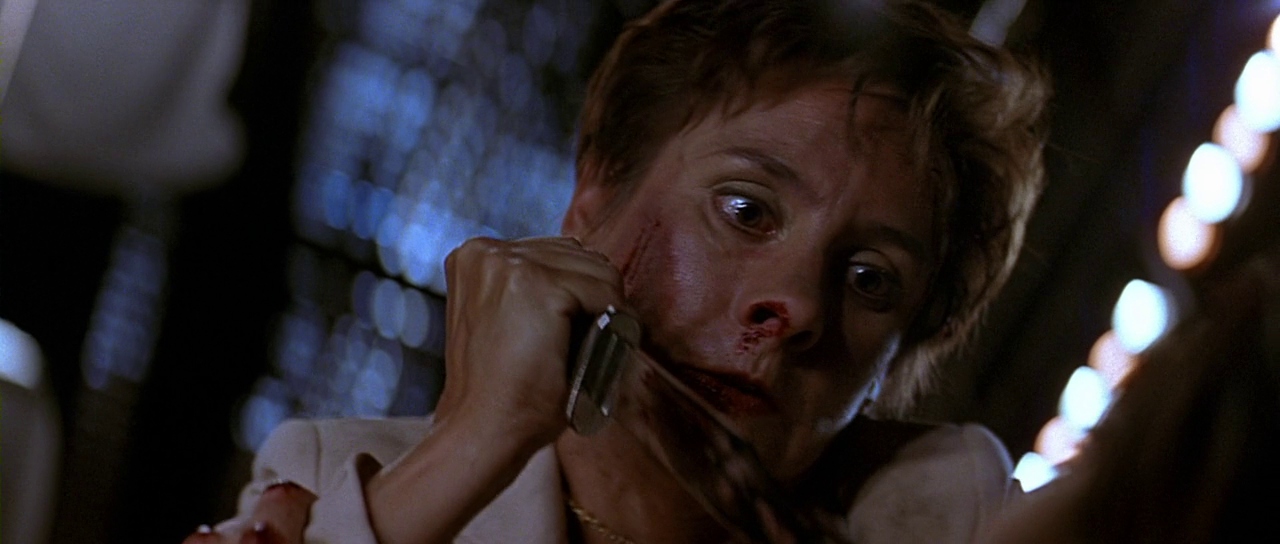
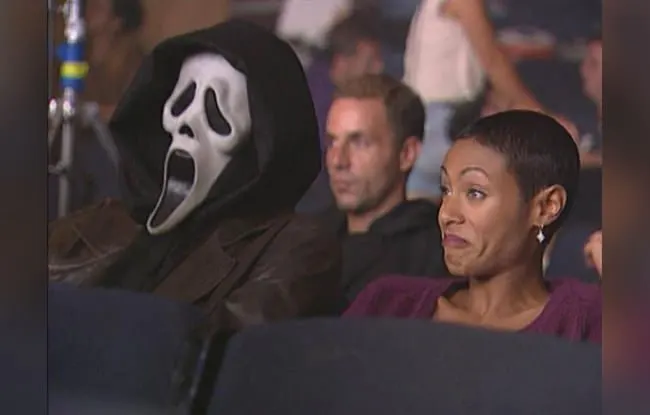
Windsor College students Maureen Evans and Phil Stevens go to a sneak preview of Stab, a movie based on the Woodsboro murders. The theater hands out Ghostface robes and masks, and the crowd is loud and rowdy. Phil steps out to the restroom and is stabbed through the wall of a stall. The killer takes his seat next to Maureen, still in costume, and stabs her during the screening. No one notices because the audience thinks it is part of the show. Maureen staggers up in front of the screen and dies there.
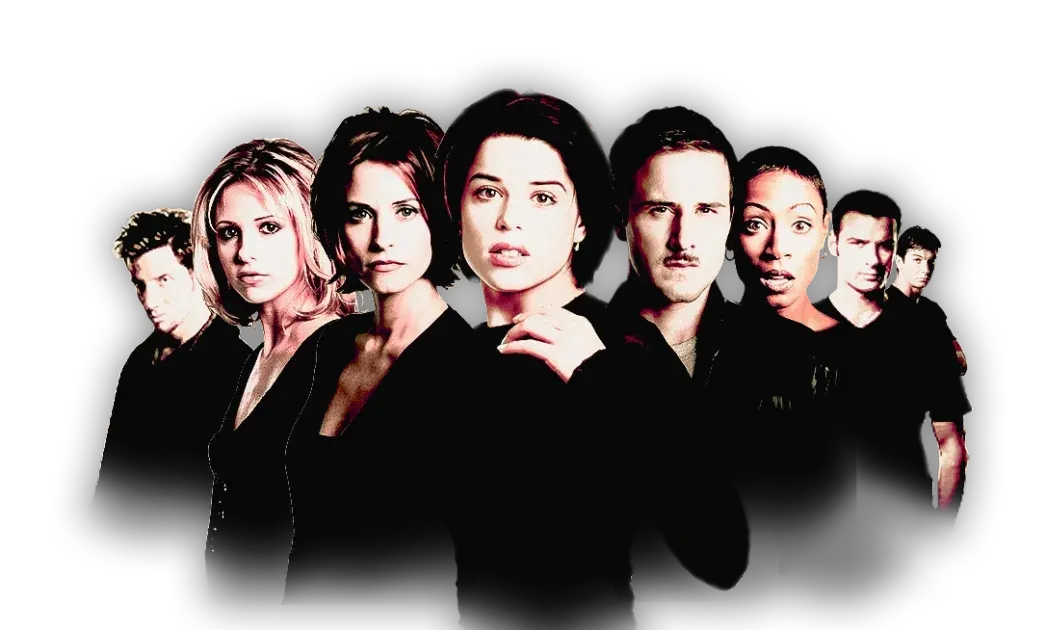
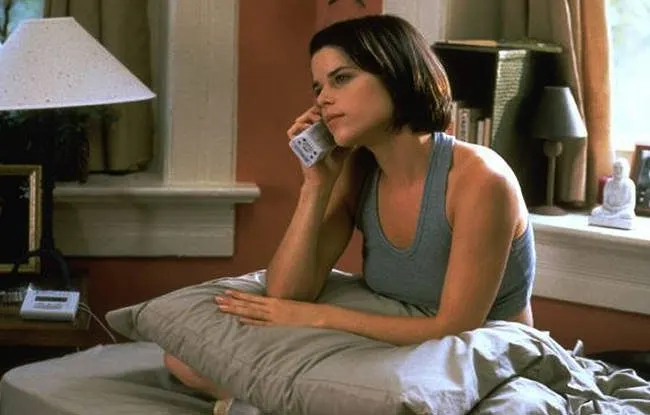
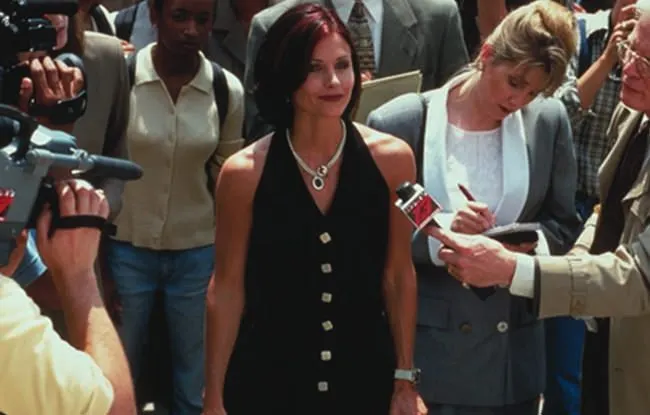
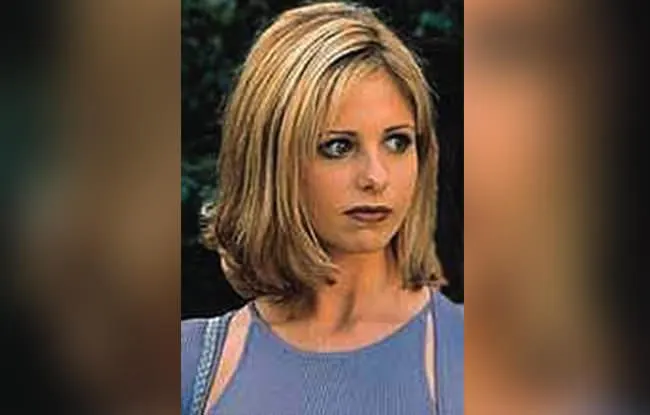
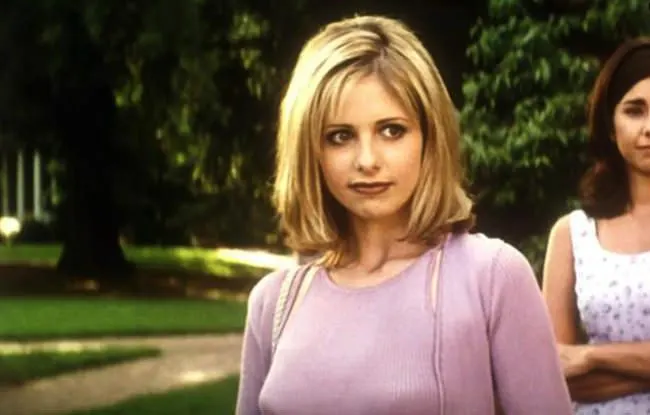
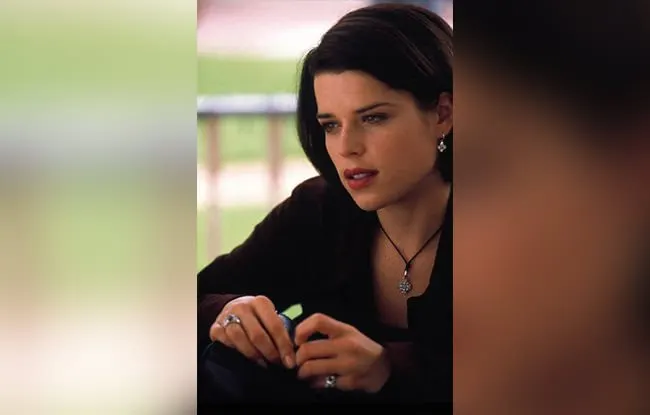
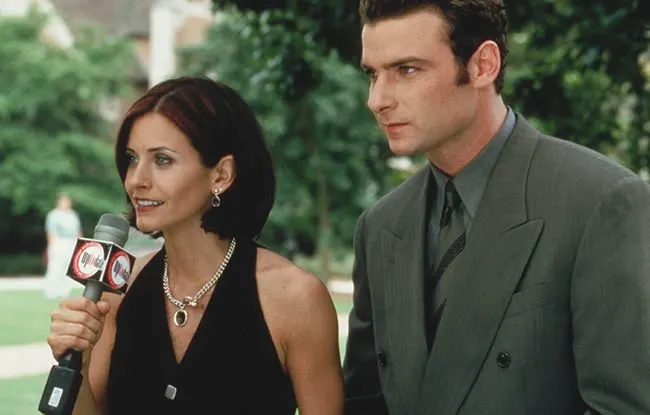
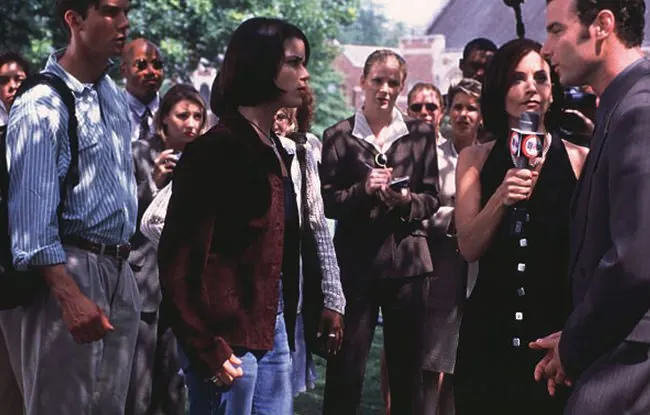
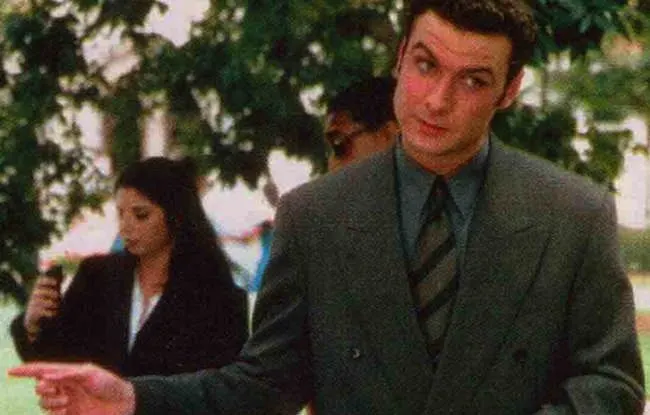
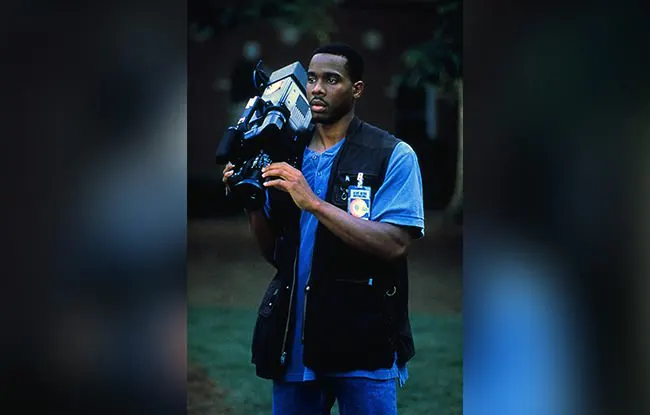
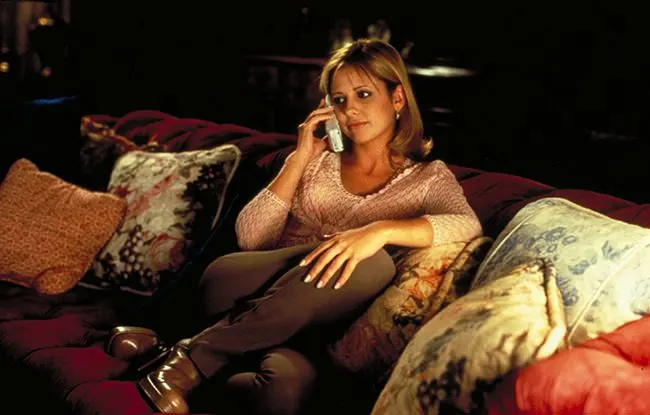
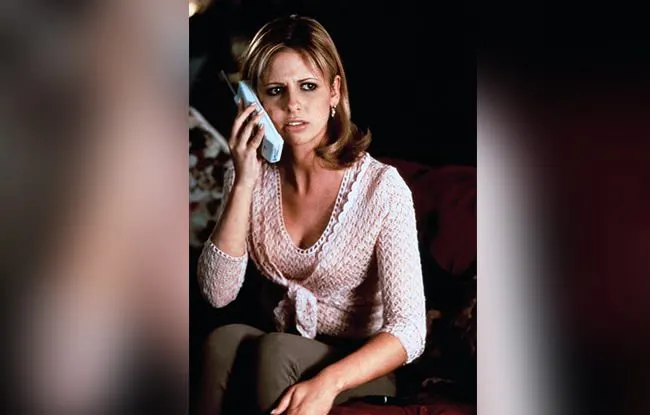
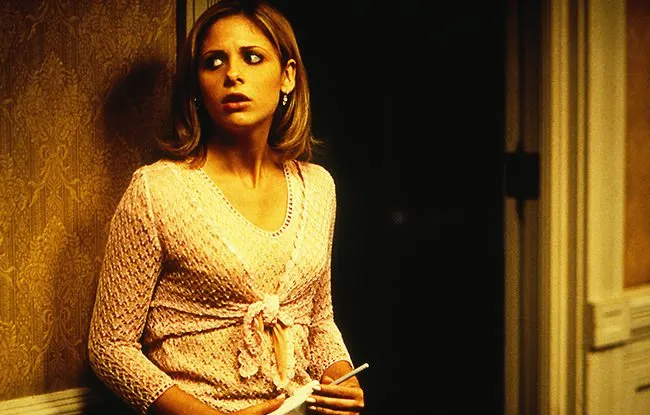
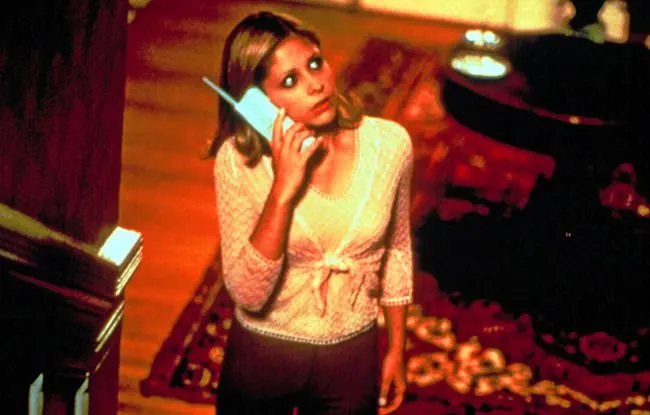
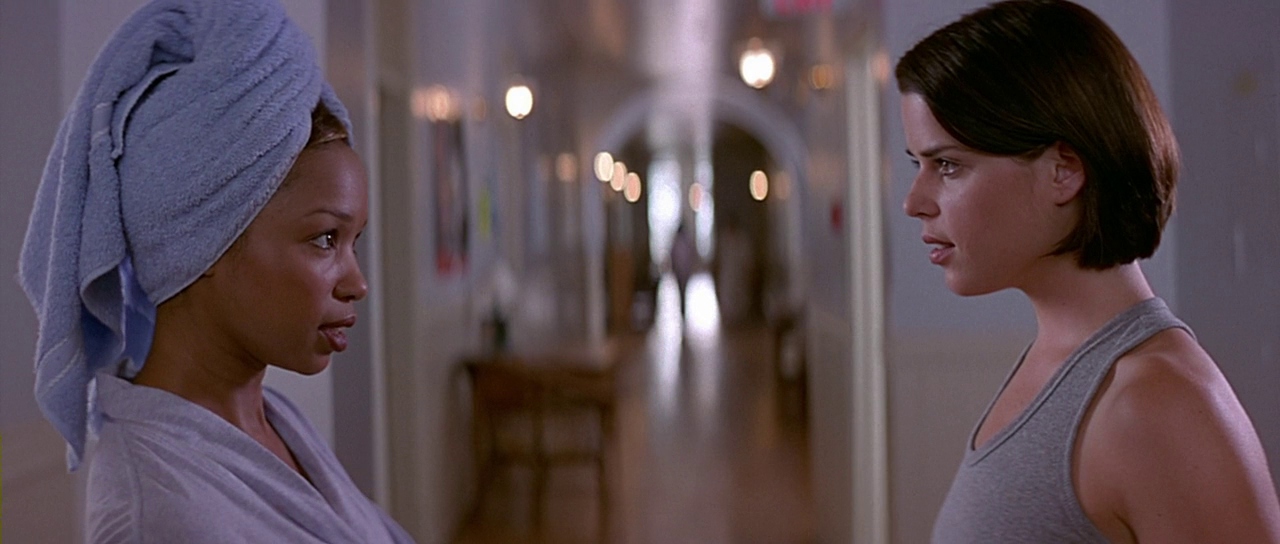
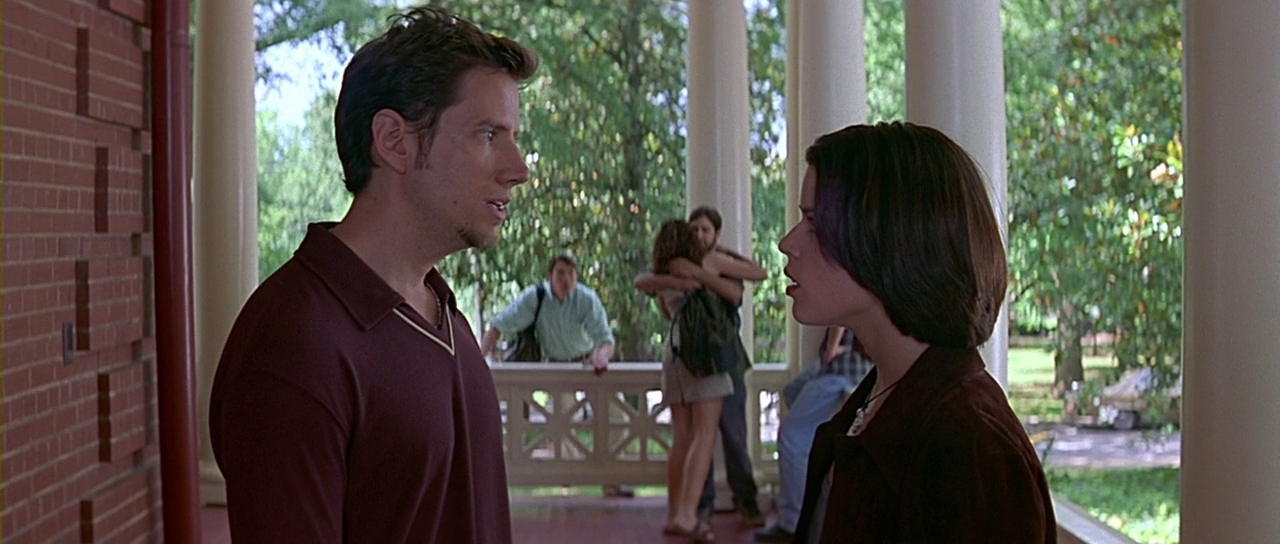
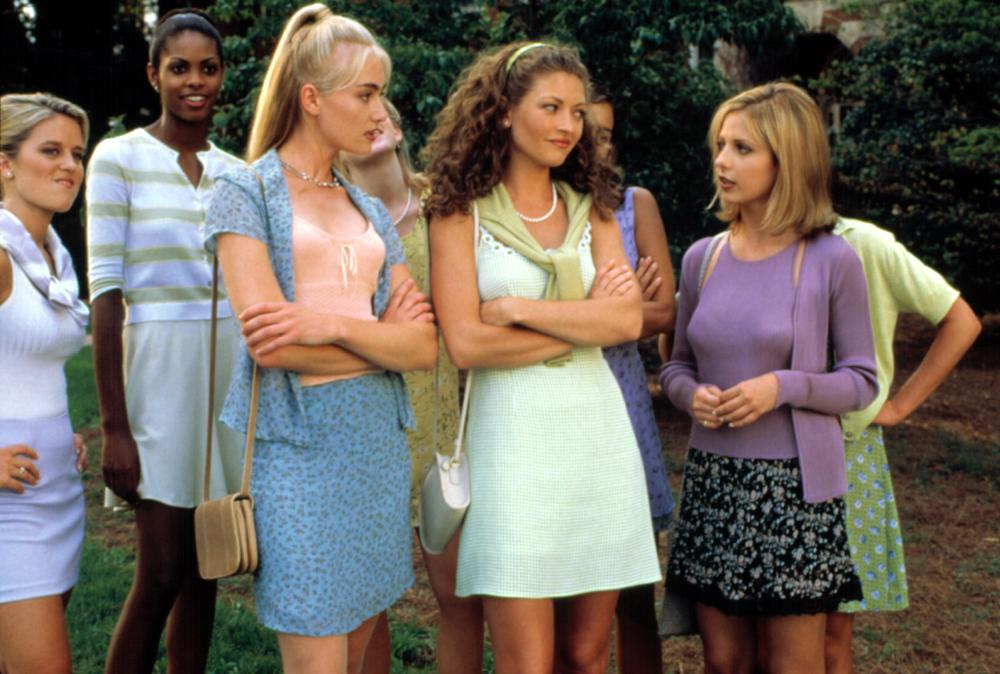
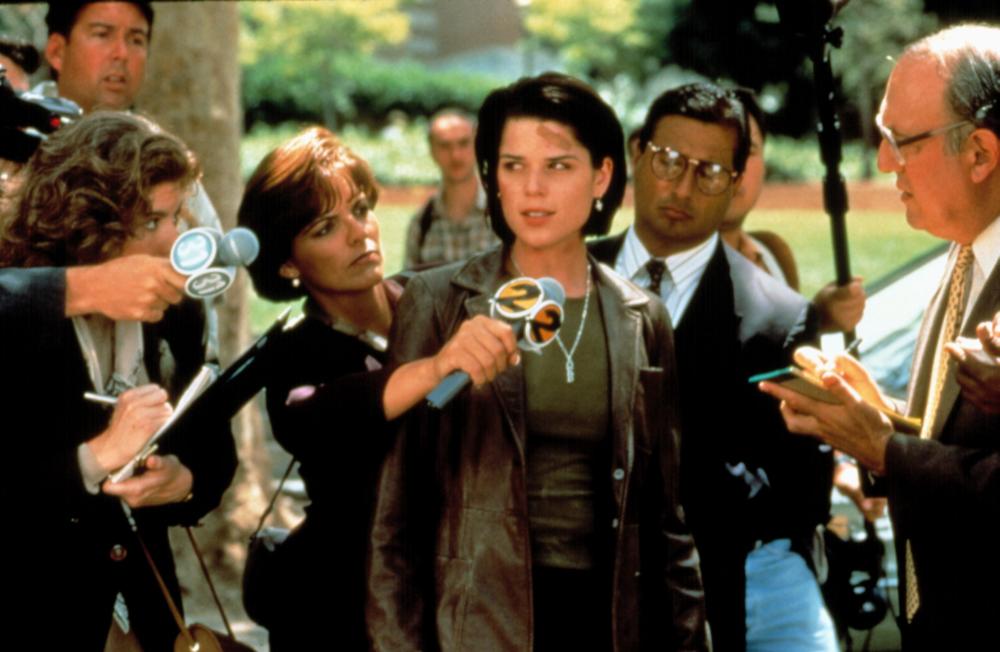
Reporters pour onto the Windsor campus in Ohio, among them local reporter Debbie Salt. Sidney Prescott is a student there now, with her roommate Hallie McDaniel, her boyfriend Derek Feldman, fellow Woodsboro survivor Randy Meeks, and Derek's friend Mickey Altieri. Dewey Riley comes to watch over Sidney. Gale Weathers, whose book became Stab, arrives with a new cameraman, Joel. Gale tries to ambush Sidney on camera with Cotton Weary, who is out of prison and trying to cash in on his exoneration.
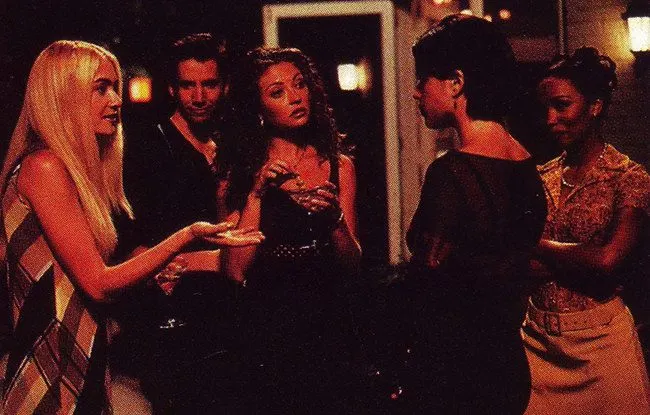
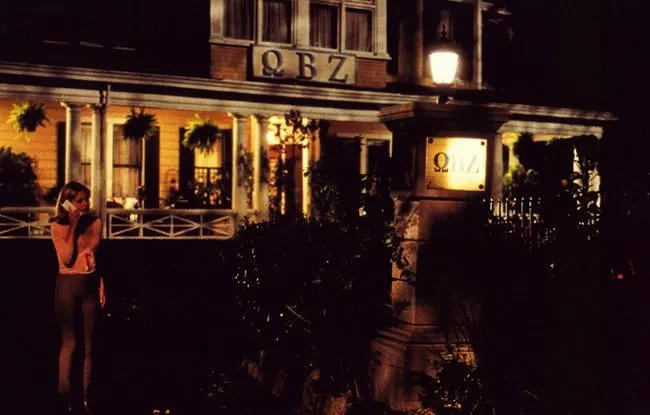
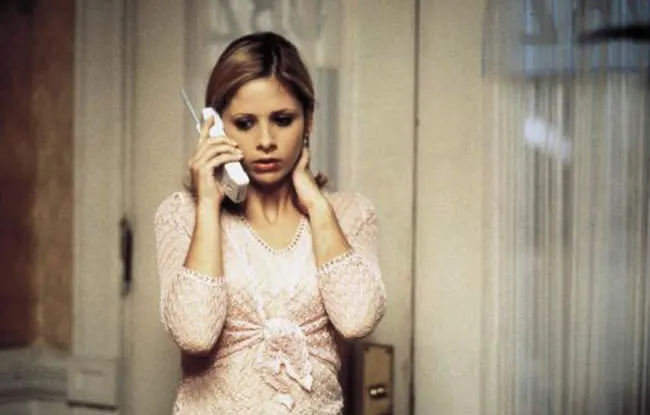
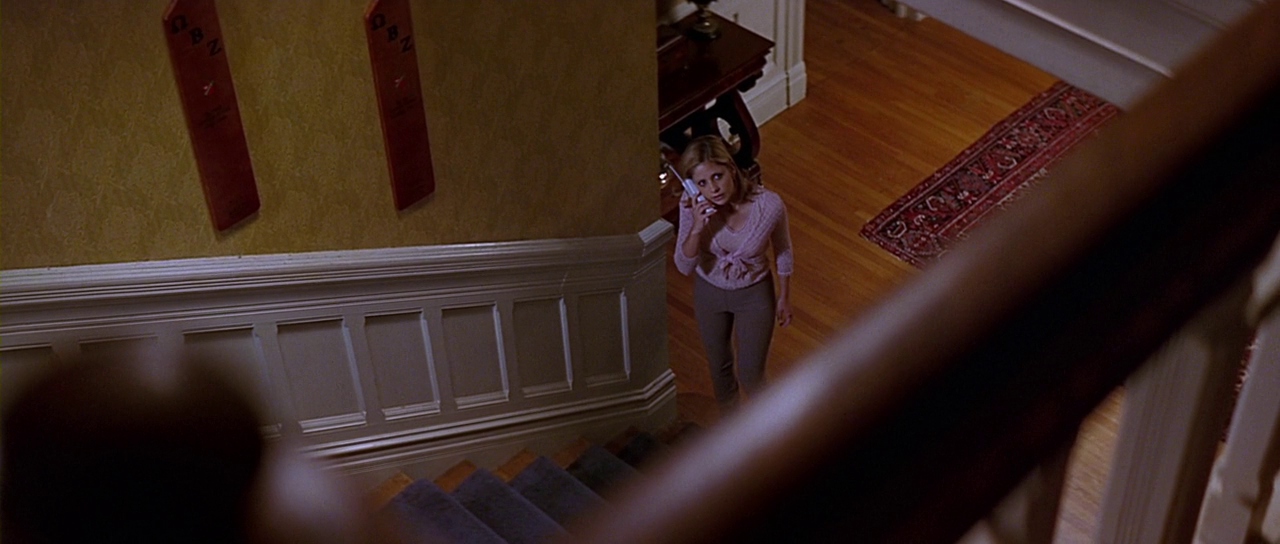
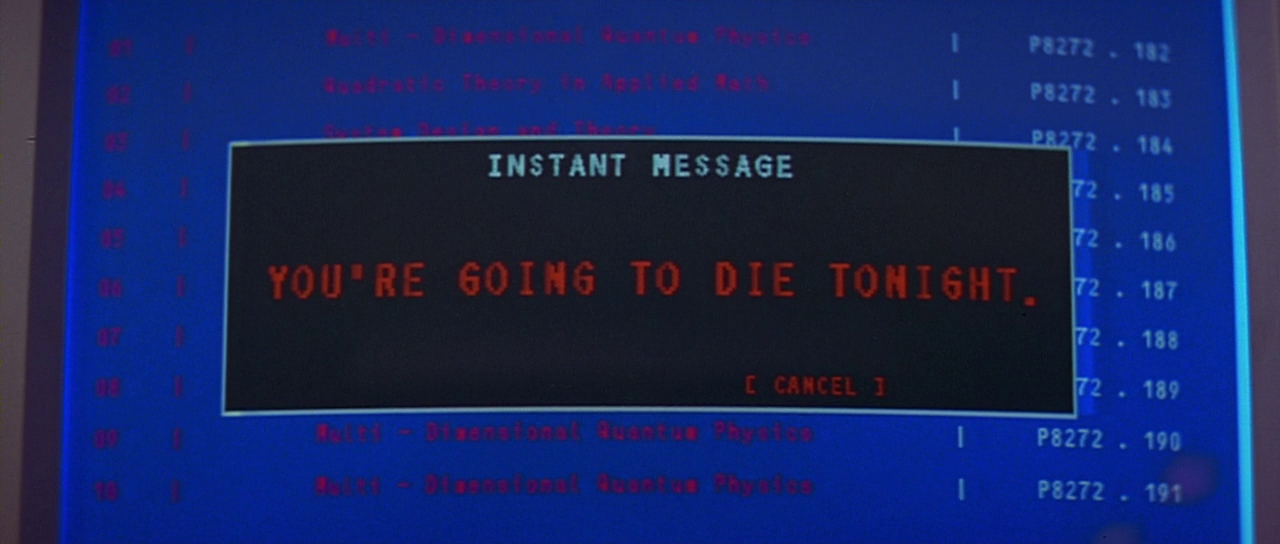
That night Sidney and Hallie go to a party at the Delta Lambda Zeta house. Nearby at the Omega Beta Zeta house, sorority sister Cici Cooper is alone when the killer calls and then kills her. The party empties out to see the crime scene, and the killer slips into the Delta Lambda Zeta house and attacks Sidney. Derek is hurt fighting him off, and the killer runs when police arrive. Gale realizes Cici is short for Casey and decides the killer is picking victims whose names match the Woodsboro victims. Randy guesses the killer is someone close to Sidney who is following the rules of a sequel.
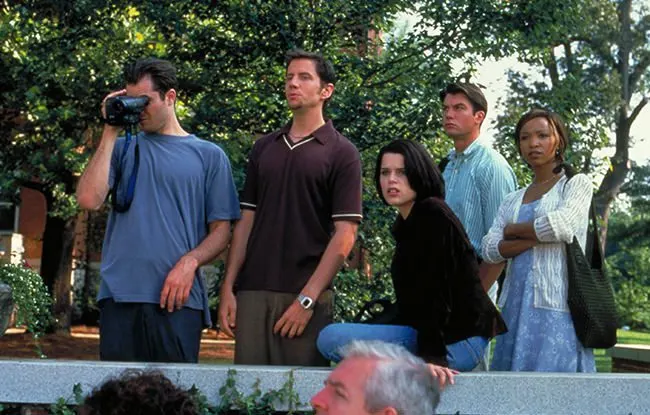
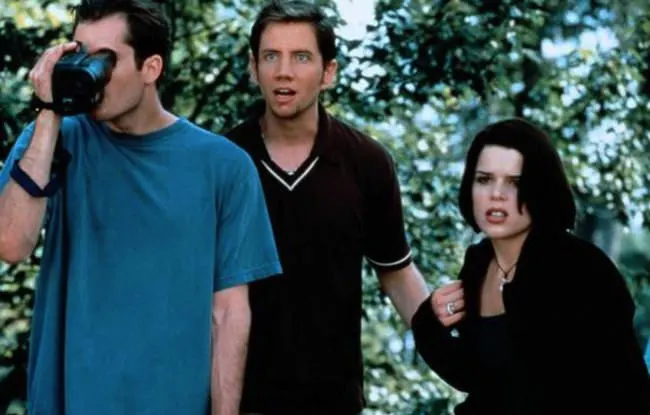
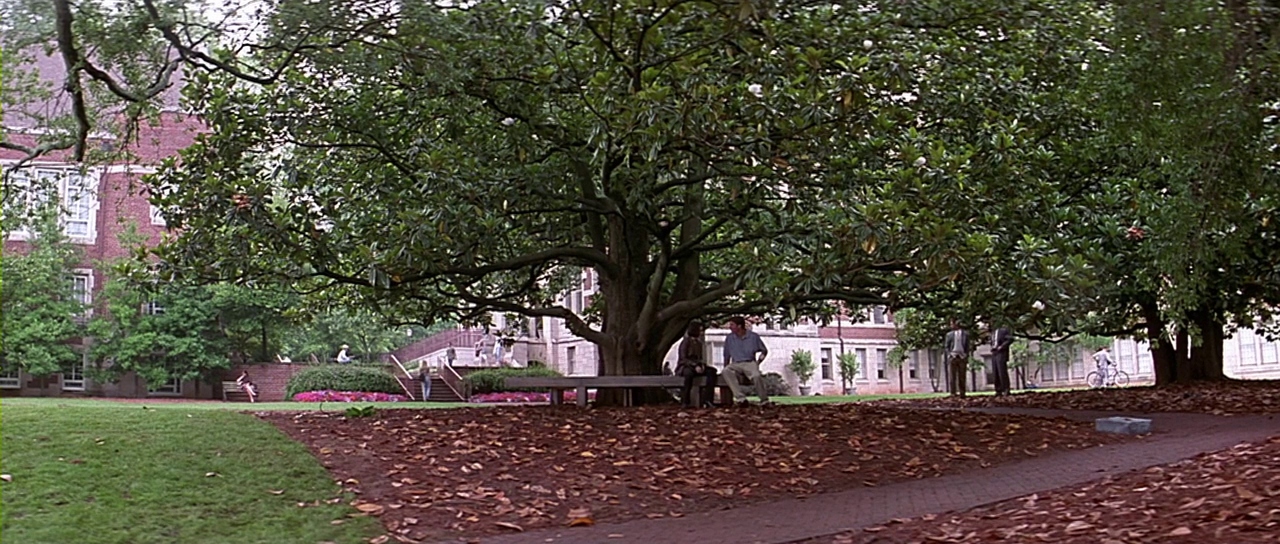
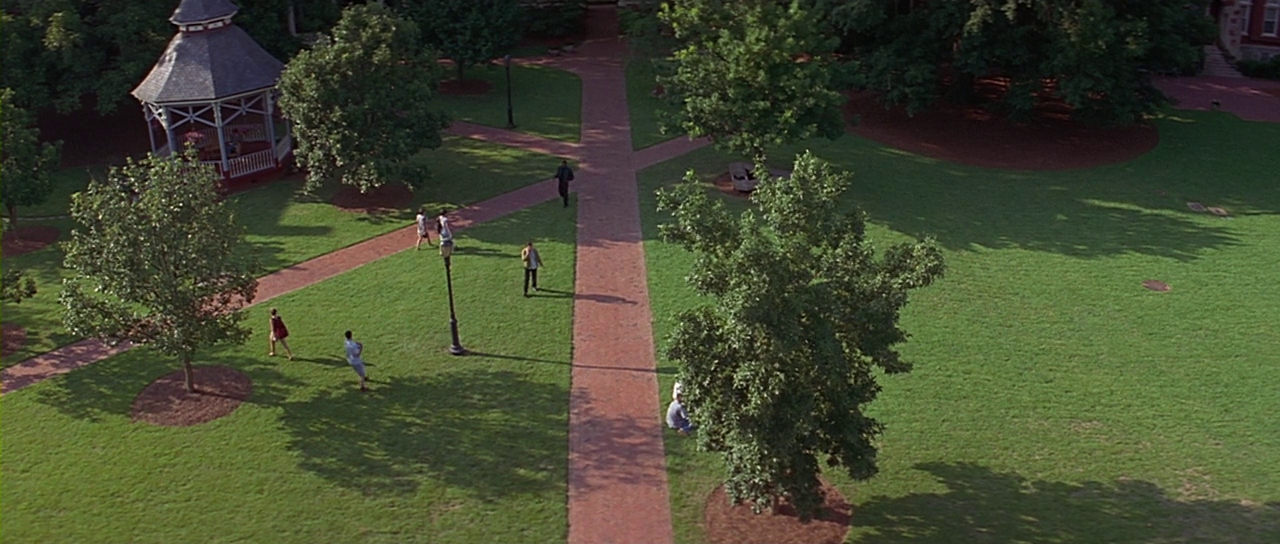
In broad daylight on the campus lawn, the killer calls Gale, Dewey and Randy at once while they search the crowd for him. Randy stays on the line insulting Billy Loomis, and he is dragged into Joel's news van and stabbed to death. Joel quits and leaves town. That night Dewey and Gale go through Joel's footage in the film building, and the killer attacks, stabbing Dewey.
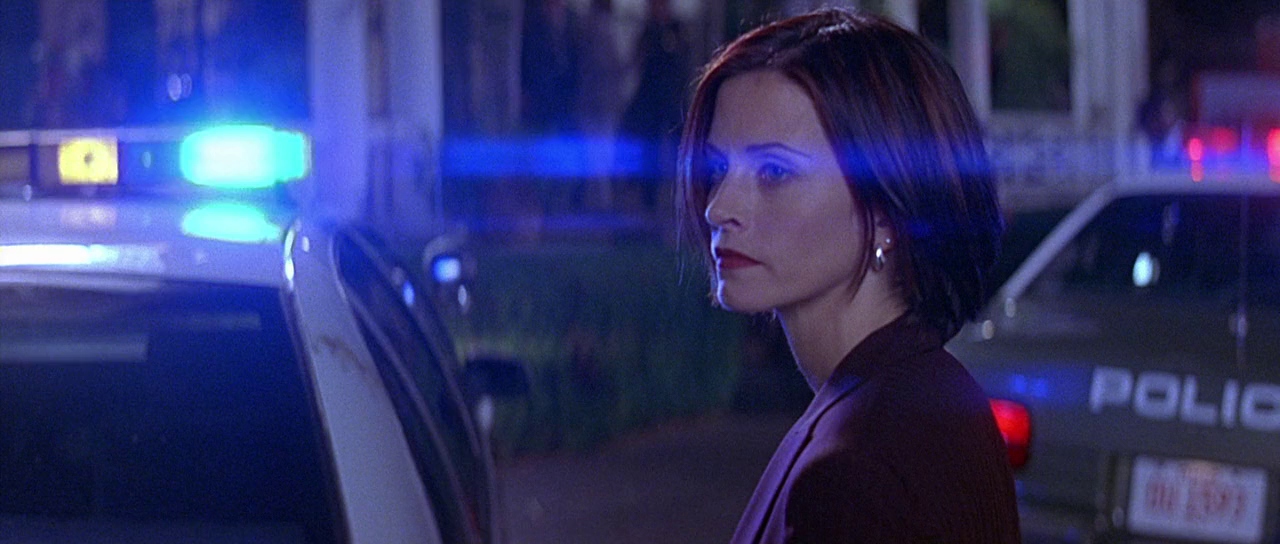
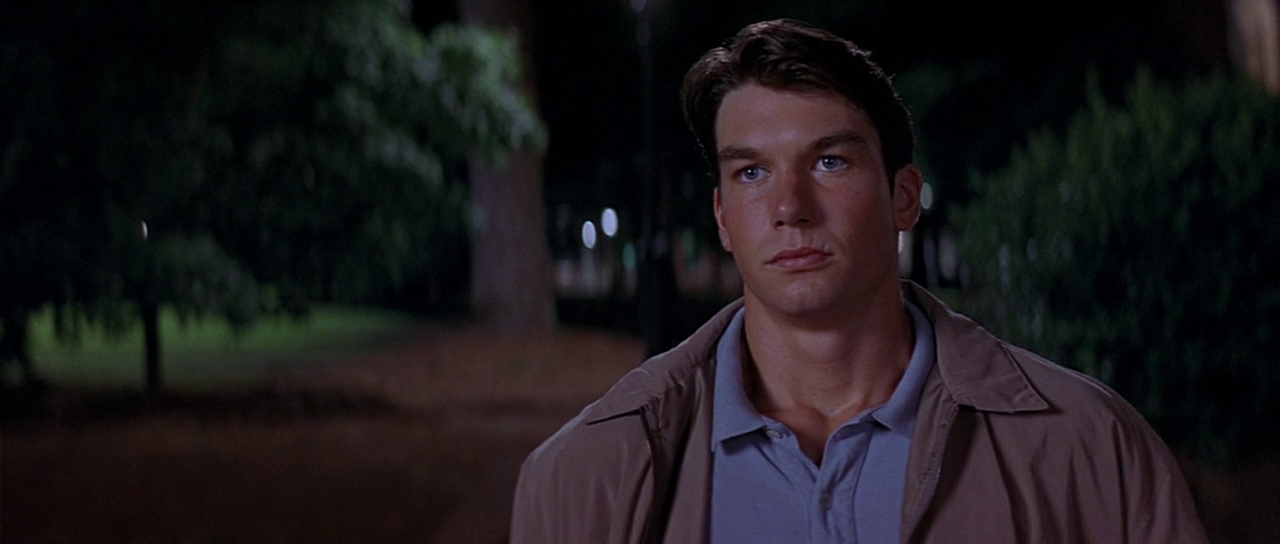
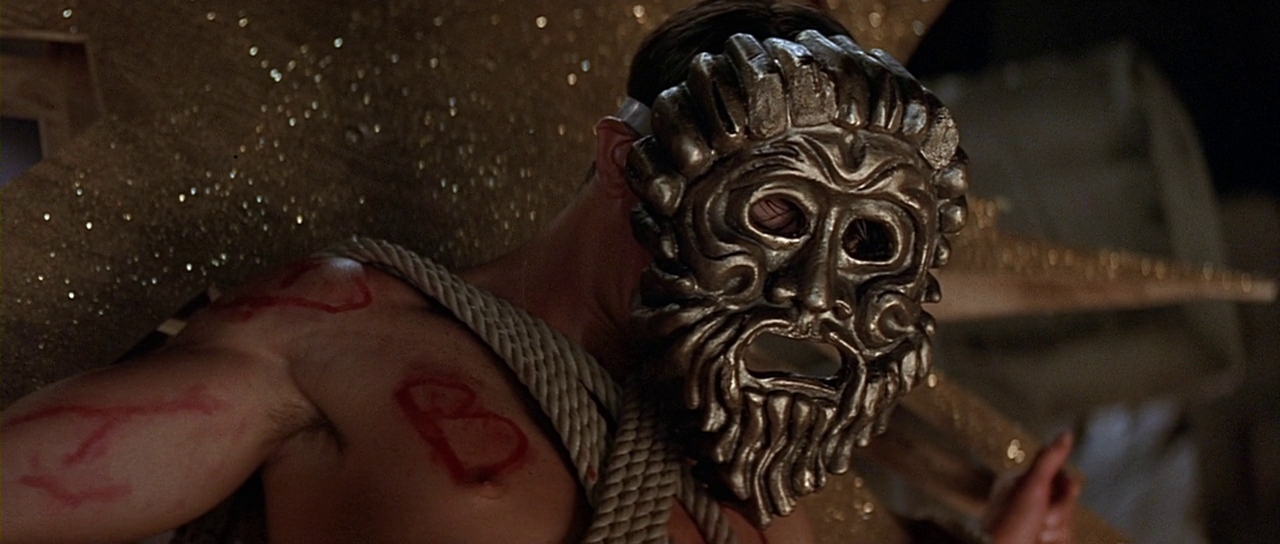
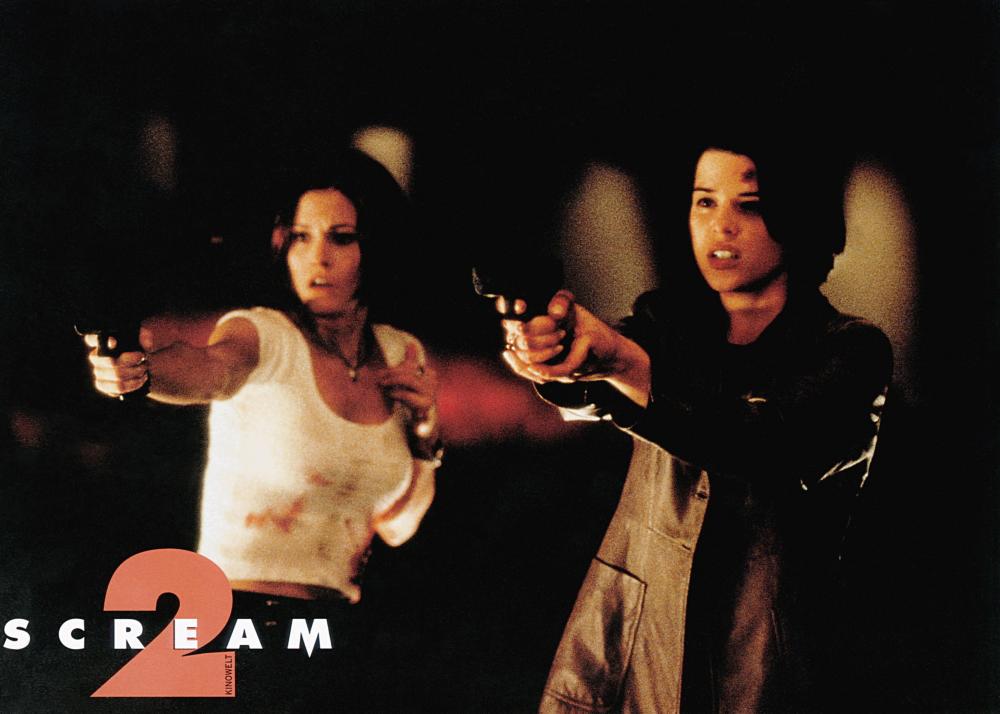
Two officers try to drive Sidney and Hallie to a safe house. The killer murders both officers and crashes the car. Ghostface is knocked out in the wreck, and Sidney and Hallie climb out past him. Sidney insists on going back to see who is under the mask, but he is gone, and he kills Hallie. Sidney hears music coming from the campus theater and goes in. She finds Derek tied to a cross, a prop from a fraternity hazing earlier. The killer pulls off his mask and he is Mickey. Mickey shoots Derek dead.
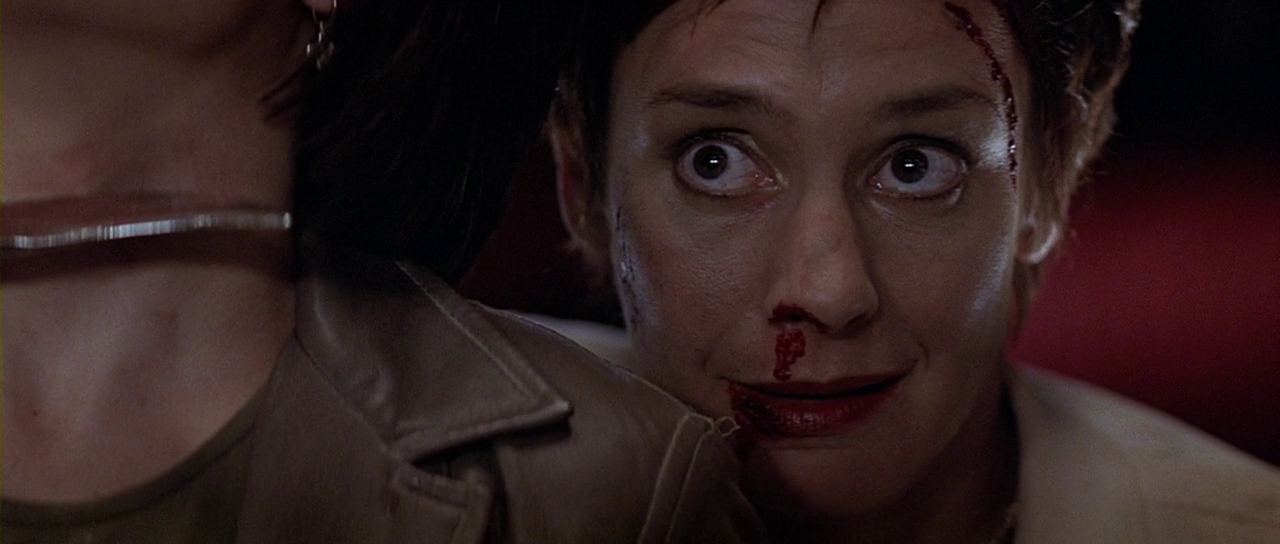
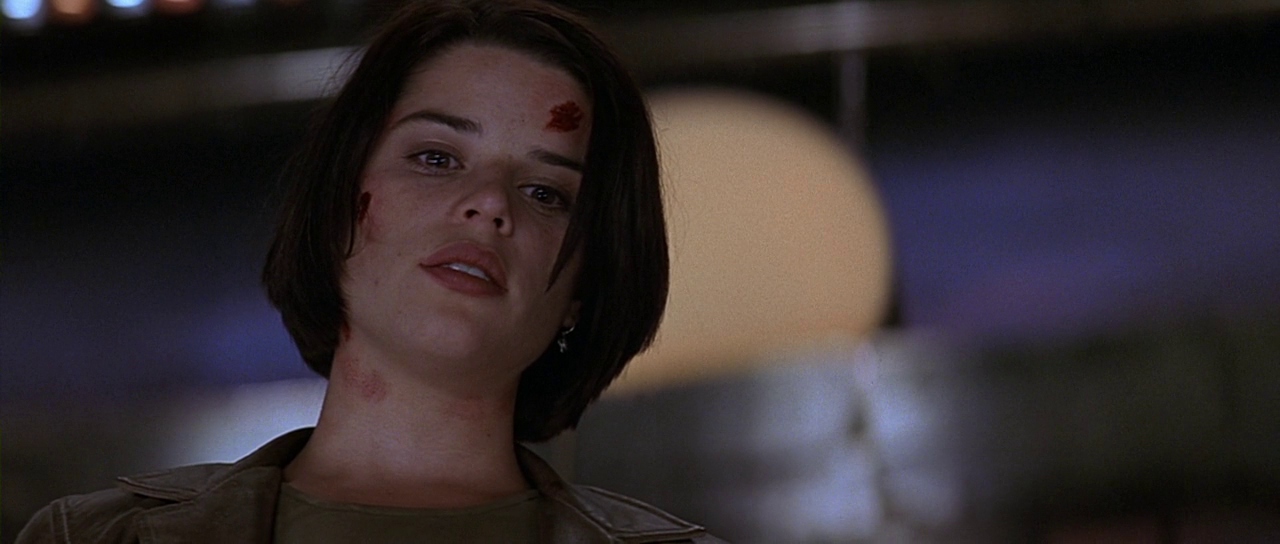
Mickey explains that he wants to be caught and put on trial so he can blame the movies and get famous. Debbie Salt walks in holding Gale at gunpoint. She is Mickey's partner and Sidney recognizes her as Nancy Loomis, Billy's mother. Nancy shoots Mickey; she only used him as someone to take the blame. Mickey fires as he falls and hits Gale, who drops off the stage. Nancy wants revenge for Billy and admits she killed Randy herself. Sidney throws it back at her that walking out on her son helped make Billy what he was. The two fight until Cotton shows up with a gun. Nancy reminds him Sidney's testimony sent him to prison, but Cotton shoots Nancy instead, for a chance at an interview with Sidney and Diane Sawyer. Mickey jumps up screaming and Sidney and Gale shoot him dead. Sidney then shoots Nancy in the head just in case.
Police arrive. Dewey is alive, and Gale climbs into the ambulance with him instead of going back to Joel, who has returned with the camera. Sidney tells the press to talk to Cotton, pointing the spotlight away from herself.
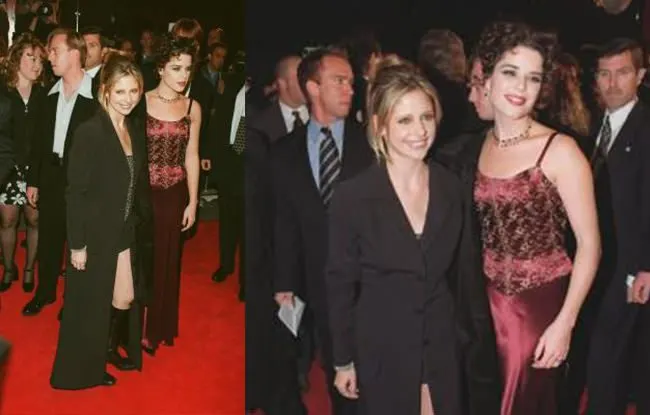
The film premiered December 10, 1997 at Grauman's Chinese Theatre and opened December 12, less than a year after Scream.
It opened to $32,926,342 in 2,663 theaters, about $27 million more than Scream's opening weekend. That was the biggest December opening weekend until What Women Want in December 2000. It grossed $101,363,301 in the US and Canada and $71 million overseas, for $172,363,301 worldwide, and was the 21st highest-grossing film of 1997. The studio first announced a $39.2 million opening, then corrected it to about $33 million a week later. Kennedy recalled that Craven's neighbor Pauly Shore hung a congratulatory banner in his yard when the sequel reached number one, a gesture that touched Craven.
Rotten Tomatoes lists 83 percent from 133 reviews with an average of 6.9 out of 10. Metacritic gives it 62 from 22 critics, and CinemaScore audiences gave it a B+.
Gene Siskel and Janet Maslin both liked it after panning Scream. Maslin wrote that 'Scream 2 almost works as straight satire.' Roger Ebert called it about as good as the original but felt the extra gore distracted from the script. Time Out London said it beat most horror films but fell short of Scream. Variety, which had been hard on Scream, said the sequel was worthy of the debate over whether a sequel can top the original. Kim Newman in Empire liked it but said it could not be as surprising as the first.
Randy's death drew criticism. John Kenneth Muir, author of Wes Craven: The Art of Horror, called it the sequel's most devastating moment and a bad call. He praised the returning characters but felt the new ones never got the same depth. Ebert also noted there was no way to guess who the killer was. Kennedy felt the sequel gave his career a bigger boost than the first film, making his auditions more likely to turn into bookings.
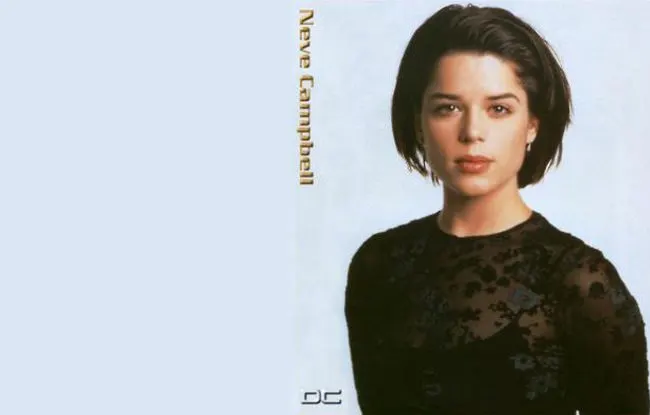
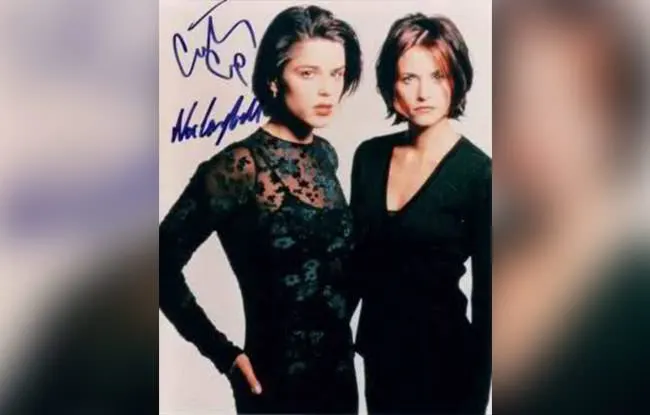
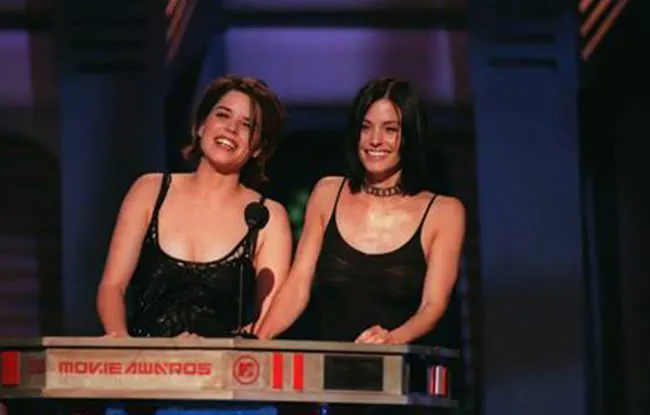
Awards: Neve Campbell won Best Female Performance at the 1998 MTV Movie Awards. At the 24th Saturn Awards, Campbell was nominated for Best Actress, Courteney Cox for Best Supporting Actress, and the film for Best Horror Film. Tori Spelling got a Golden Raspberry nomination for Worst New Star, shared with her role in The House of Yes.
83%
62
B+
Sidney Prescott
Gale Weathers
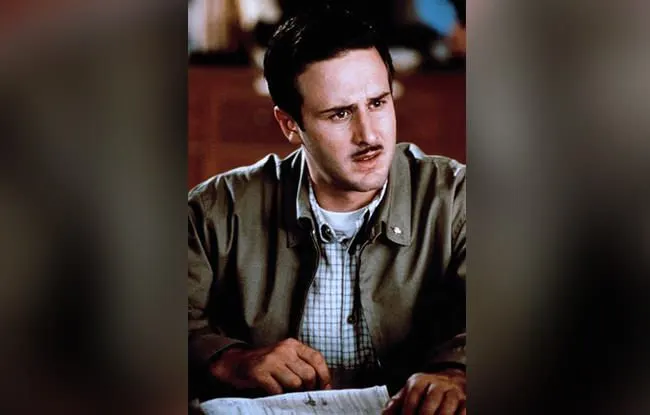
Dewey Riley
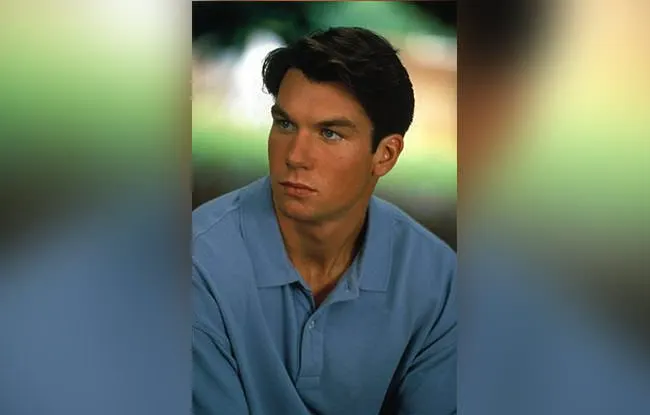
Derek Feldman
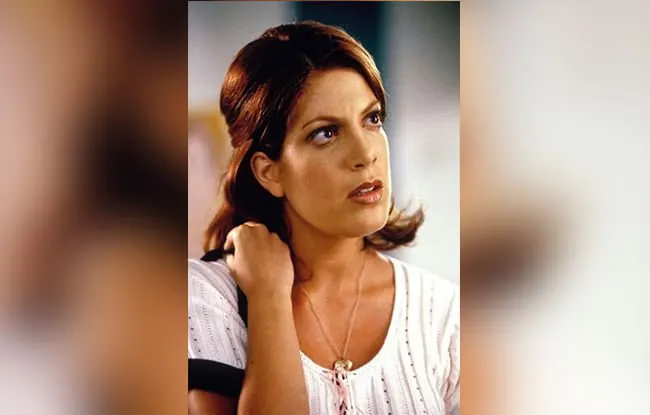
Hallie McDaniel
Mickey Altieri
Randy Meeks
Debbie Salt / Nancy Loomis
credited as Debbie Salt
Cici Cooper
Cotton Weary
Maureen Evans
credited as Jada Pinkett
Phil Stevens
Joel, Gale's cameraman
Chief Louis Hartley
Sorority Sister Lois
Sorority Sister Murphy
Casey Becker in 'Stab'
Ghostface ('The Voice')
voice
Film Class Guy #1
Dawnie
Herself, and Sidney Prescott in 'Stab'
Billy Loomis in 'Stab'
Gus Gold, drama teacher
Cici's Friend on Phone
voice
Screaming Girl Up Aisle
Popcorn Boy
cameo by the film's cinematographer
Theater Girl #1
Theater Girl #2
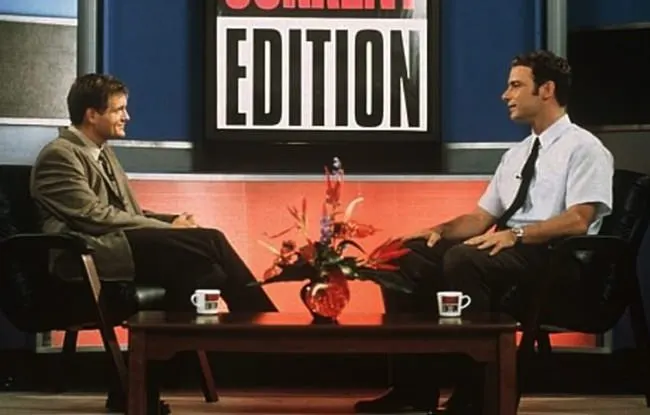
Cotton's Interviewer
cameo by the screenwriter
Girl in Dorm Hallway
Reporter Outside Theater
Reporter #1
Reporter #2
Reporter #3
Artsy Teacher
Film Class Guy #2
Film Class Mopey Girl
Reporter #4
Reporter #5
Coroner at Cici's House
ER Doctor
Officer Andrews
Officer Richards
credited as Chris Doyle; also a stunt performer on the film
Tori's Interviewer
Zeus
Ghost Dancer
also the film's choreographer
Dancer
Dancer
Dancer
Dancer
Dancer
Dancer
Dancer
Dancer
Dancer
Tackled Cell Phoner
Fraternity Brother #1
Fraternity Brother #2
also an associate producer
Fraternity Brother #3
Library Guy
Captain Down
credited as Timothy T. Hillman
Reporter #6
Reporter #7
Reporter #8
Usher Giving Out Costumes
Doctor
uncredited cameo
Guy at Party
uncredited cameo
Audience Member
uncredited
Student
uncredited
College Professor
uncredited
Ghostface
stunt performer
Ghostface
stunt performer
Director
Screenplay and Characters
Producer
Producer
Executive Producer
Executive Producer
Executive Producer
Co-Executive Producer
Co-Executive Producer
Co-Executive Producer
Co-Producer
Associate Producer
Associate Producer and First Assistant Director
Associate Producer
Director of Photography
Editor
Composer
Composer, 'Cassandra Aria'
Orchestrator
Orchestrator
Music Supervisor
Music Supervisor
Music Editor
Production Designer
Art Director
Set Decorator
Set Designer
Property Master
Costume Designer
Makeup Department Head
Hair Department Head
Special Effects Coordinator
Casting
Casting Assistant
Extras Casting
Choreographer
Stunt Coordinator
Script Supervisor
Second Assistant Director
Camera Operator
Camera Operator
Steadicam Operator
Still Photographer
Location Manager
Chief Lighting Technician
Supervising Sound Editor
Supervising ADR Editor
Re-Recording Mixer
Re-Recording Mixer
Re-Recording Mixer
Scoring Mixer
When he sold Scream, Williamson attached two five-page sequel outlines to make buyers think franchise. His sequel idea put Sidney in college with a copycat killer. After a strong Scream test screening with Miramax executives in the room, Craven was signed for two sequels. Dimension started talking about a sequel in January 1997 after Scream passed $50 million in its first month, and greenlit it in March 1997 with a $24 million budget. Williamson had 42 pages by then, with four killers: Derek, Hallie, Cotton Weary and Nancy Loomis. Williamson had conceived the cinema opening while writing Scream, drawing on He Knows You're Alone. Unable to fit it into the first film, he saved it for the sequel outline.
During Craven's deal negotiations, Dimension invoked Robert Rodriguez as a possible replacement. Williamson later disputed that the studio had Rodriguez lined up, saying he was already talking with him about The Faculty. Craven returned under a deal that also let him make Music of the Heart. Producer Stuart Besser was already committed to another project and could not return; he and Bruce Alan Miller both rejoined for Scream 3. Cary Woods did not return after his relationship with Miramax deteriorated. Cathy Konrad stayed with the franchise under a new Miramax production deal, and Williamson signed a reported $20 million exclusive deal with the company.
Neve Campbell had been signed for a sequel before the first film even started shooting, since Sidney was the only character sure to survive. After Scream hit, Dimension added sequel options for Cox, Arquette, Kennedy and Schreiber, and Roger L. Jackson came back as the voice. The producers said casting was much easier this time, and they credited Drew Barrymore's turn in the first film with making horror feel respectable to serious actors. Kennedy remembered getting the sequel call while vacationing in Tulum in late February. Dewey was again intended to die, but Maddalena said his chemistry with Gale made that loss too heartbreaking, so he survived his wounds. Arquette later recalled Craven taking him aside during a difficult period and urging him to take care of himself; he credited that conversation with helping him build his life with Cox.
Alicia Silverstone and Liv Tyler were approached for the opening scene. Eric Mabius, Natasha Gregson Wagner and Paula Marshall auditioned for unnamed parts. Jamie Kennedy has said Tobey Maguire was offered Mickey and passed. Campbell, Cox, Gellar and O'Connell were all on TV shows at the time, which made scheduling hard. Gellar was between Buffy the Vampire Slayer seasons, had just made I Know What You Did Last Summer, and signed on without reading the script. Laurie Metcalf had just ended nine years on Roseanne. Derek hopefuls, O'Connell included, had to audition by singing 'I Think I Love You.' Mickey was Timothy Olyphant's first leading role in a feature. Miramax brought Olyphant in after his off-Broadway work in The Monogamist and The Santaland Diaries caught its attention. Phil Pavel first read for Sidney's theater director before being cast as Detective Andrews; he knew Jonathan Craven through Northwestern's Mee-Ow comedy show.
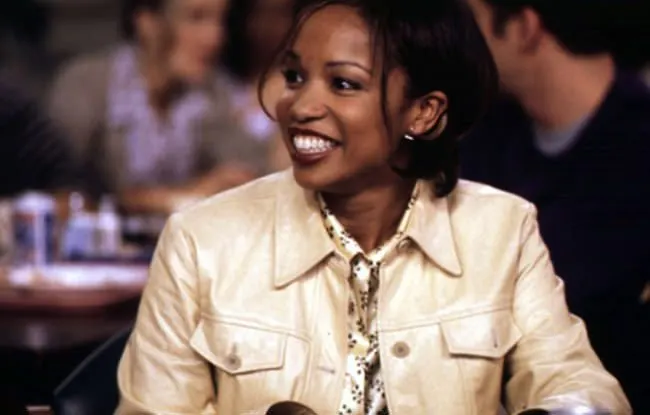
Lewis Arquette, David's father, plays the local police chief. Rebecca Gayheart had read for Tatum in Scream and then auditioned for Cici, Hallie and Maureen Evans before landing Lois. Tori Spelling was cast because Sidney joked in the first film that Spelling would play her in a movie; Craven said Spelling was a good sport about it. Portia de Rossi also read for another role before Craven offered her a sorority sister. Casting directors Lisa Beach and Sarah Katzman used color-blind casting for Hallie and Joel, whose ethnicities had not been specified in the script. Jada Pinkett Smith and Omar Epps were cast without auditions. Scream 2 was Nancy O'Dell's first acting role; Craven offered it through her agent. She remembered starting her lines before the slate and 'action' on her first scene, and Craven patiently explaining the process. O'Dell treated the reporter as the same character across the sequels, developing from a field reporter into a talk-show host.
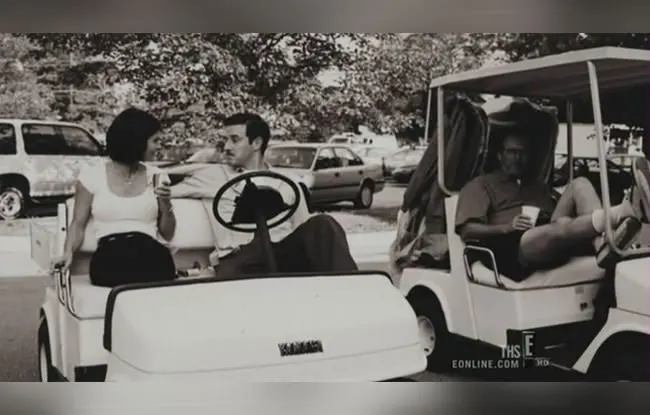
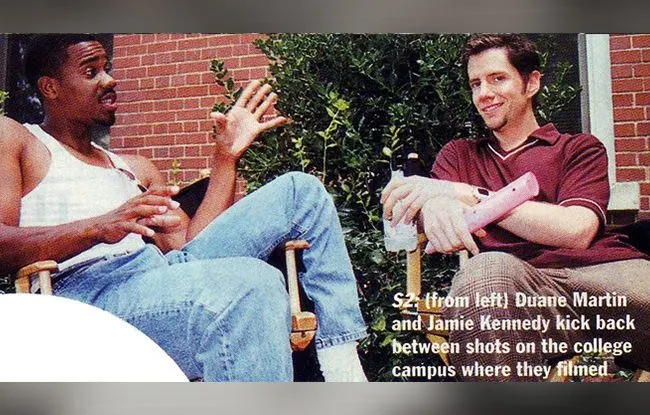
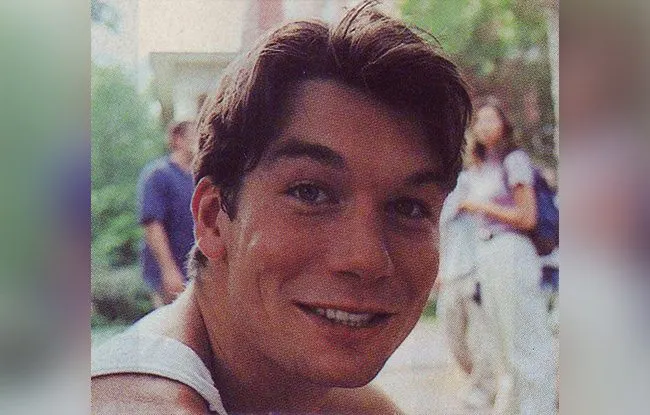
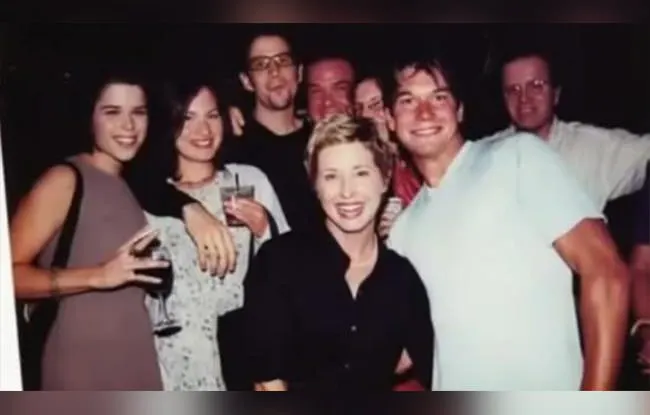
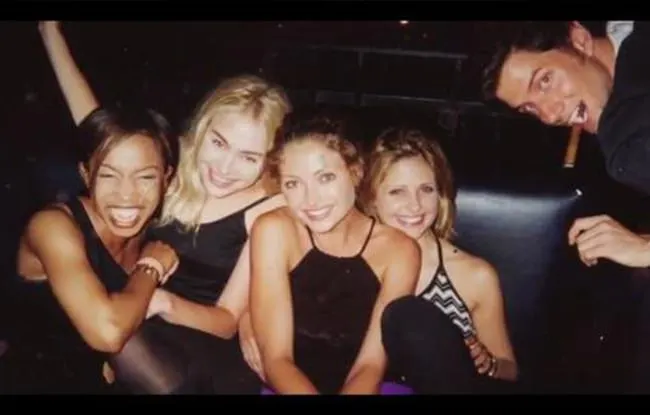
Principal photography ran nine weeks starting in mid-June 1997. Atlanta and Los Angeles stood in for Ohio, with most of the shoot in Los Angeles and more than four weeks in Atlanta. Craven described a rushed six-month schedule to hit December 12, less than a year after Scream opened. Bruce Alan Miller could not return because he was already working on U.S. Marshals. Editor Patrick Lussier recalled an eleven-day director's cut, compared with three to five weeks on the first film. The sequel's promotional budget exceeded the first film's production budget, and Maddalena recalled more freedom after the original's success. In Atlanta, much of the cast and crew shared a hotel, with birthdays, dinners and weekend parties alongside the filming. Maddalena described a deliberately calm set, with shared meals and celebrations. O'Connell and Kennedy became close, taking New York trips between filming and preparing for the coming magazine shoots at the gym. Ziembicki recalled using an empty dormitory floor during the college's summer break.

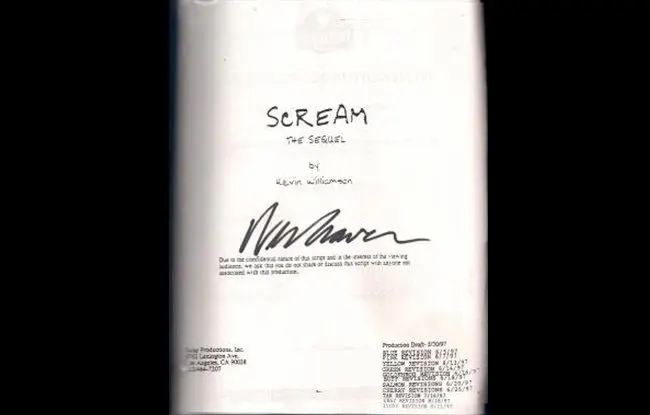
Accounts of the script leak differ. Julie Plec recalled an early draft or long outline reaching the internet, followed by a major reworking of the second half and the killers. Williamson remembered repeatedly rebuilding the story but was less certain the leak caused it; Richard Potter remembered Mickey as the only real ending written. Maddalena said the source of the leak could have been anyone in the production office. To protect the final story, the production withheld the ending from most of the cast and crew and required scripts to be returned after reading. Rewrites also changed Randy and Joel's roles. The last pages were withheld until weeks before shooting, killer-identity pages went only to the actors involved on the filming day, sets were closed, and nondisclosure agreements were required. Scripts were printed on photocopy-resistant stock and often destroyed after use.
Because of the schedule and Williamson's other work, some pages were detailed and others thin, and Craven wrote and shaped some scenes as they shot. With the screenplay running late, Maddalena and Julie Plec went to North Carolina, where Williamson was working on Dawson's Creek. Plec stayed behind to help him finish it. Williamson later described a separate deliberate leak: his assistant David wrote a decoy with Dewey as the killer, which Williamson passed to a blogger. He hoped an early false ending would make a later real leak less convincing. This account does not settle Plec's recollection of an earlier leaked draft.

Titles considered along the way included Scream Again, Scream Louder and Scream: The Sequel before the studio went with Scream 2.
Craven had fought the MPAA on the first film and wanted to avoid a repeat. He sent them a cut with extra gore he did not plan to keep, such as Phil being stabbed in the ear three times instead of once and a longer version of Randy's death showing his throat cut. He expected the board to make him cut that and pass the rest. The MPAA gave the gorier cut an R anyway, reasoning that the film's message justified the violence.
Rewrites continued during filming, and the filmmakers circulated decoy material while restricting access to the ending. Later interviews disagree about whether a real draft or outline leaked first and how that affected the story. Both Tomorrow Never Dies and Titanic vacated December 12 rather than open against it.
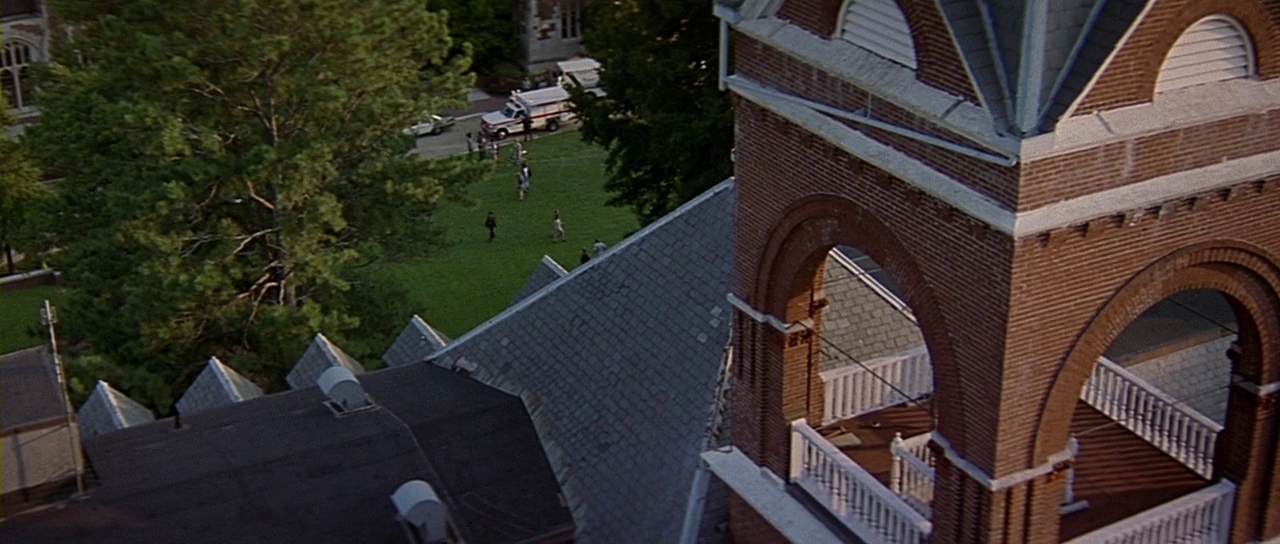
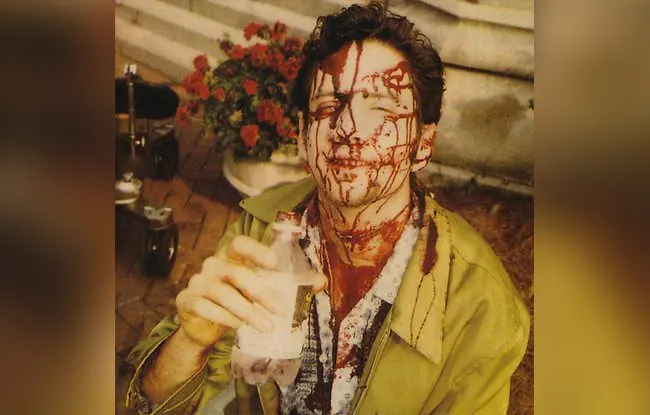
Nine weeks of principal photography beginning mid-June 1997, inside a rushed roughly six-month total production. The Stab premiere sequence took three days at the Vista Theatre on Sunset Drive in Hollywood. Exteriors also used the Rialto Theatre in South Pasadena. Sorority houses and party scenes were shot in Pasadena; the Stab film-within-a-film in Malibu. Windsor College exteriors are Agnes Scott College in the Atlanta area; interiors are UCLA. Atlanta and Los Angeles together stood in for Ohio. Photos from the Stab premiere shoot appeared online soon after filming. Maddalena and Konrad recalled trying to prevent leaks but did not believe those opening-scene spoilers had hurt its box office.
Alicia Silverstone and Liv Tyler were approached for the opening sequence. Eric Mabius, Natasha Gregson Wagner and Paula Marshall auditioned. Tobey Maguire was offered Mickey and declined, per Jamie Kennedy. Rebecca Gayheart auditioned repeatedly for Cici, Hallie and Maureen Evans before being cast as Lois. Sarah Michelle Gellar was shooting Buffy the Vampire Slayer concurrently and agreed to the film without reading the script. Laurie Metcalf had just finished a nine-year run on Roseanne. Jerry O'Connell and the other Derek candidates auditioned by performing the "I Think I Love You" serenade. It was Timothy Olyphant's first leading feature role. Neve Campbell was contracted before the first film had even finished shooting and was the only character guaranteed to survive into the sequel.
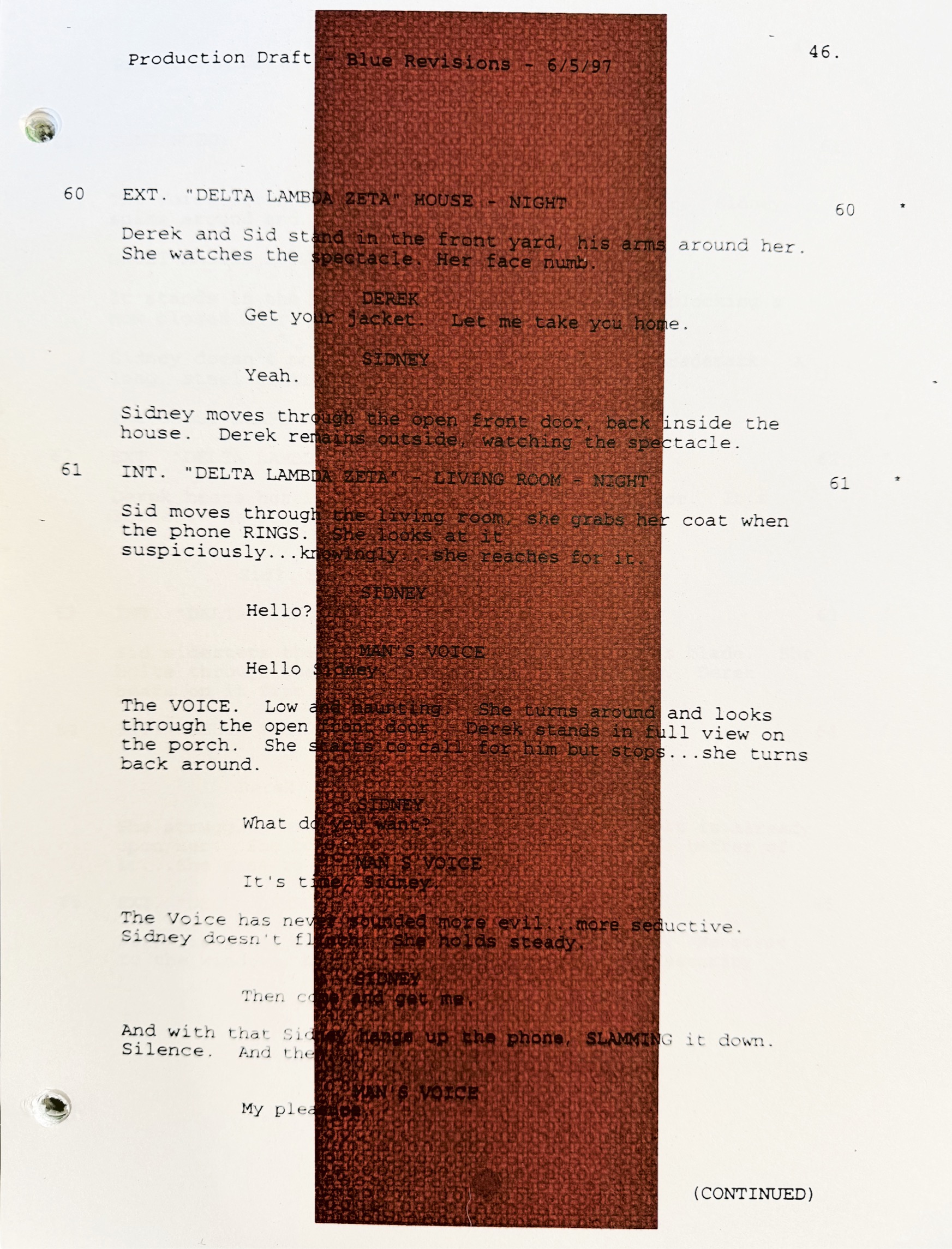
Script copies carried individual names and numbers on dark paper with a broad vertical stripe to frustrate photocopying. Potter recalled hiding the real identifying number in a page margin among decoy markings; Williamson planted deliberate misspellings to track a draft and its recipient. In some later pages, names and pronouns became 'character' so crew could follow the action without identifying the killers. The table read stopped before the finale. Phil Pavel recalled that Craven paired characters, including the sorority sisters and police officers, to keep audiences guessing which two might be working together.
Early and decoy versions have become tangled in accounts of Scream 2. Circulated material included Derek and Hallie as killers, with Cotton and Mrs. Loomis also implicated in early accounts. In later interviews, Plec remembered a leaked outline and substantial rewrites; Williamson remembered changing Mrs. Loomis's accomplice and deliberately leaking a separate Dewey decoy. Potter recalled discussion of Derek and Hallie but remembered Mickey as the only real ending written. These are competing recollections, rather than proof that every circulated ending was intended for filming. Another circulated early draft had Cotton killing Gale and Dewey dying again.
Shot mid-June to late August 1997; roughly four weeks in Georgia, the rest in Los Angeles.
LocationAddress · Scene
Rialto Theatre1023 South Fair Oaks Avenue, South Pasadena, CA · Exterior of the Stab premiere cinema
Vista Theatre4473 Sunset Drive, Los Feliz/Hollywood, CA · Interior of the Stab premiere; Maureen and Phil's deaths (three days of shooting)
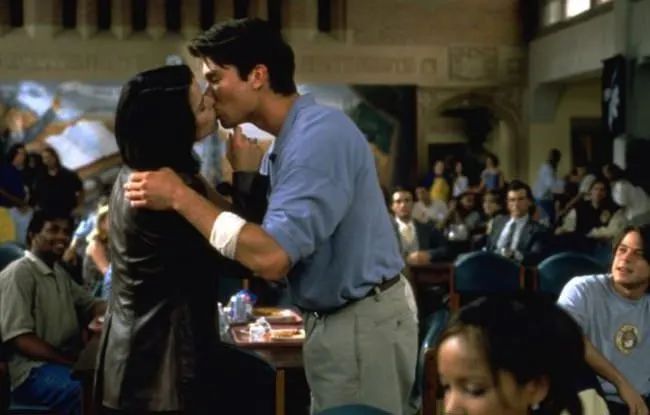
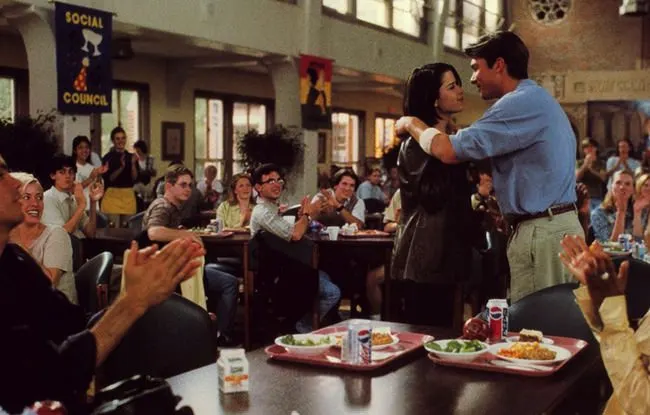
Agnes Scott College141 East College Avenue, Decatur, GA · "Windsor College". McCain Library and Buttrick Hall (establishing), Agnes Scott Hall and Inman Hall (Sidney's dorm), Rebekah Scott Hall, Winter Theater in the Dana Fine Arts Building (film-theory class), Letitia Pate Evans Hall (dining hall)
Sorority house2186 East Crary Street, Altadena, CA · Cici Cooper's death
Fraternity / party house350 South Grand Avenue at Arbor Street, Pasadena, CA · Omega Beta Zeta / Delta Lambda Zeta party
"Casey's house" for the Stab shoot5730 Busch Drive, Malibu, CA · The Stab-within-Scream 2 Casey Becker sequence
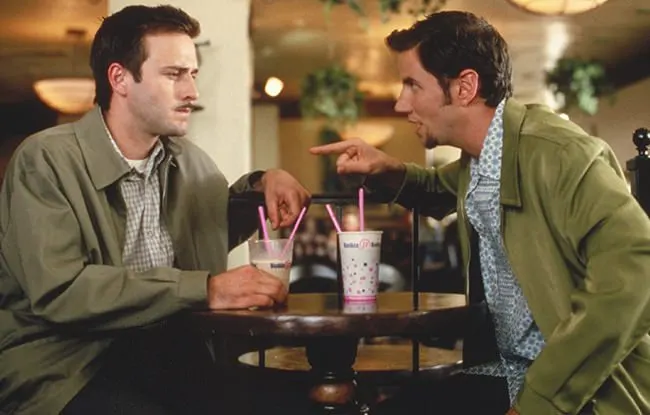
UCLA, Kerckhoff Coffee HouseUCLA, Westwood, Los Angeles · Dewey and Randy discuss suspects
UCLA, Humanities BuildingUCLA, Westwood · Tape-review scene
589 East Green StreetPasadena, CA · Night street confrontation
940 South Figueroa StreetLos Angeles, CA · Theatre interior for the finale
Stabthe first in-universe film, adapted from Gale Weathers' book "The Woodsboro Murders." Credited in-universe to Robert Rodriguez (some sources maintain Craven shot the footage himself; the in-film credit is Rodriguez's).
In-universe cast: Tori Spelling as Sidney Prescott; Luke Wilson as Billy Loomis; Heather Graham as Casey Becker; David Schwimmer as Dewey Riley (referenced rather than seen).
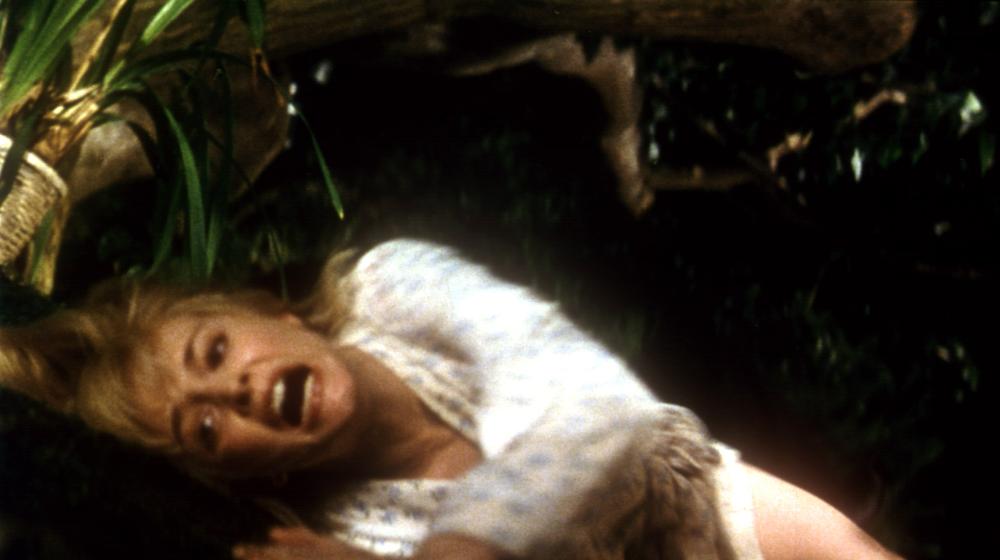
Depiction: we see only the Casey Becker prologue, played at the sneak-preview premiere. Deliberate deviations from "reality": Casey's popcorn is left on the stove; Randy is stabbed rather than shot; Kenny's death method is changed. The sequence intentionally reproduces the real crew-shadow goof from the 1996 film, with the silhouette made fully visible.
In-universe reception: a hit. The premiere is a promotional event with free Ghostface masks and robes distributed to the audience, who cheer the violence, the film's thesis about tragedy-as-entertainment. A Stab 2 exists by the time of Scream 3 (its poster hangs in the Sunrise Studios office) and is said to have been poorly received, partly over its handling of Randy. Collider states Stab 2 derives from a Gale Weathers book called "College Terror" and depicts Gale and Dewey as married. None of that is said on screen.
The pole in the police-car crash was meant to pierce the dummy's chest, but the stunt sent it through the head instead. Craven kept the result. For Mrs. Loomis's final gunshot, Laurie Metcalf wore a forehead prosthetic rigged to produce the impact. Metcalf also remembered the long hours spent staging the climax in the deserted theater, working out how she and Neve Campbell could move through the large space while keeping the confrontation tense. The crawl over the unconscious killer began as a scene Williamson wrote for Sarah Michelle Gellar in I Know What You Did Last Summer. After Jim Gillespie rejected it, Williamson kept it in a file of unused scenes and brought it to Craven for Scream 2. For Cici's body on the pavement, the blood rig would not produce enough blood for the overhead shot. Craven went downstairs with a bucket, had Gellar lift her head and poured blood beneath it, then ran out of frame as she lay back down. Gellar recalled that he covered himself in blood afterward and posed for a photograph with her. Neal approached Hallie's panic as someone encountering this violence for the first time, kicking at the car door and asking the performer attacking her to make the struggle convincing. Metcalf saw Debbie Salt and Nancy Loomis as one person using a false name: she played the reporter's concealed anger and then the mother's open revenge.
After filming, the police interview needed new dialogue acknowledging Randy's murder. Schreiber was overseas making Jakob the Liar, so Jerry O'Connell imitated his voice for temporary dialogue used at preview screenings. Schreiber returned to record the lines heard in the finished film. In another account of the preview process, post-production coordinator Tina Anderson recalled that a secret Scream 2 screening location was withheld until she reached LAX. The destination was Tucson, Arizona, and the audience had been told it would see another movie. Richard Potter remembered the team worrying because they could not hear laughter or screams, even though the audience gave the film exceptionally high scores. A theater employee explained that sound baffles reduced noise from other audience members.
The planned Stab material went beyond the scenes in the finished film. Tori Spelling and Luke Wilson were also due to recreate the kitchen finale, with an actor cast as Stu, but scheduling conflicts stopped that sequence before it was filmed.
The Stab premiere’s oversized knife arms were Bob Ziembicki’s addition to the marquee, inspired by the showmanship of William Castle’s horror screenings.
In an early edit, every Stab shot was framed through the cinema audience. Craven and Lussier changed the cuts from Maureen into the film to full-frame Stab images, bringing the viewer closer to Heather Graham’s Casey and linking the two women’s fear. The Heather Graham material was filmed before the premiere scene so it could actually play on the theater screen for the extras. Pinkett Smith asked Craven for a long, excruciating death for Maureen, and he worked that request into the opening.
Craven sent the MPAA a deliberately gorier cut, with Phil stabbed in the ear three times and an extended Randy death showing his throat being slashed, expecting those shots to be cut. The board passed that version at R.
Ron Trost coordinated special effects and Carol Schwartz ran the makeup department. Anthony Cecere returned as stunt coordinator.
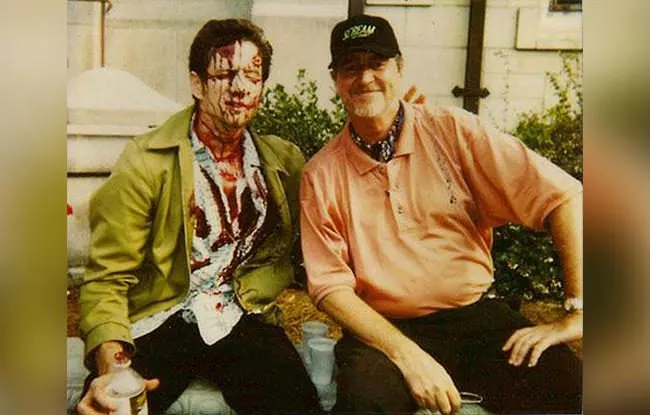
Stunt performers who wore the Ghostface costume include Lee Waddell, Dane Farwell, Allen Robinson, Chris Durand, Chris Doyle, TJ White, Ted Barba, Rick Barker and Kurt Bryant.
Roger L. Jackson again performed the phone calls. Ghostface grunts and groans when hurt are Jackson's voice dubbed in during editing. Kennedy recalled that Roger L. Jackson called him live while Randy's death scene was being filmed, then put Kennedy's visiting mother on the phone to unsettle him. Kennedy learned Randy would die at the table read. After Craven had the planned shots, Kennedy asked to make the aftermath bloodier and helped cover himself with fake blood; that is the version used in the film. Jackson also recalled meeting Kennedy in the hotel laundry room without Kennedy recognizing him, and once riding to set with Arquette and Cox without revealing who he was.
For Officer Andrews’s injury, a hand-held blood sponge did not produce enough blood. The effects team switched to a pump and a tube running under Phil Pavel’s jacket to his hand, letting him release the blood while holding his neck. Phil Pavel asked Craven to let Officer Andrews die with his eyes open, recalling the dead-eyed stare he performed for the scene. Pavel recalled that the blood tube slipped inside his jacket during a take, sending the syrup into his underwear. He stayed in the soaked costume for the rest of the night to preserve continuity. Pavel interpreted Andrews as gay and felt Craven's topical 'don't ask, don't tell' dialogue had partly grown out of his casting.
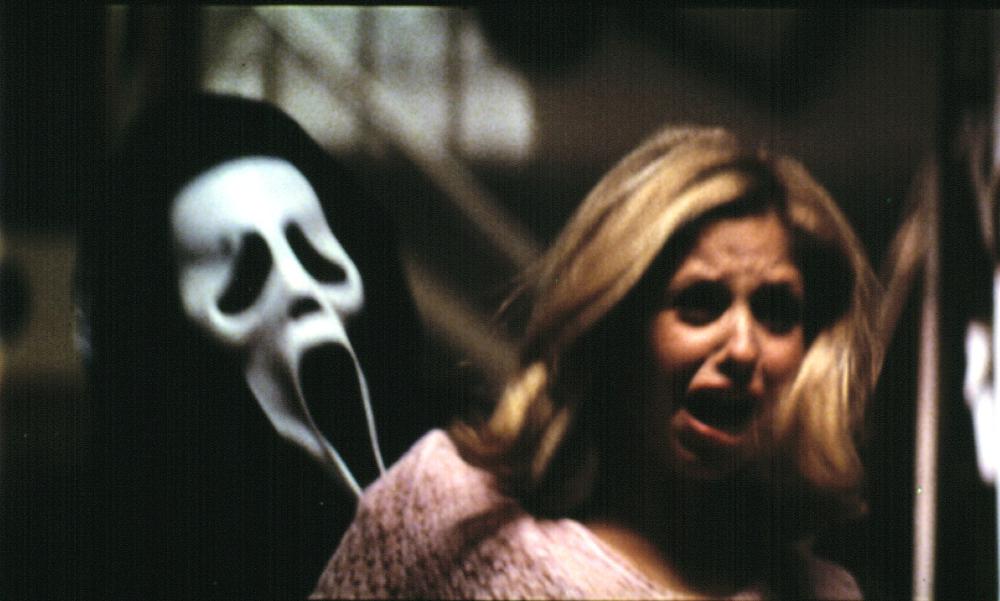
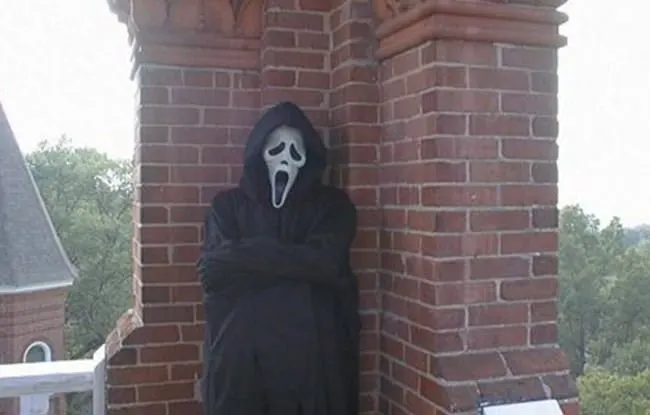
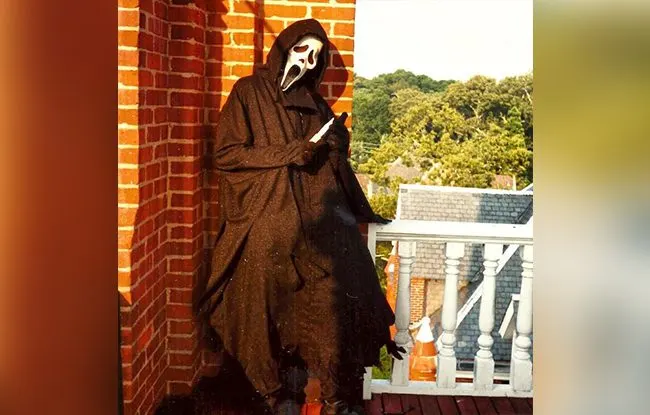
The Ghostface mask got a slight redesign for Scream 2, with changed eyes and an indented chin. It came from Fun World's Fearsome Faces line. After this film Fun World started a dedicated GhostFace mask line.
At the Stab premiere, ushers hand out Ghostface robes and masks to the crowd, which lets the killer hide in plain sight. The cast list includes an 'Usher Giving Out Costumes.'
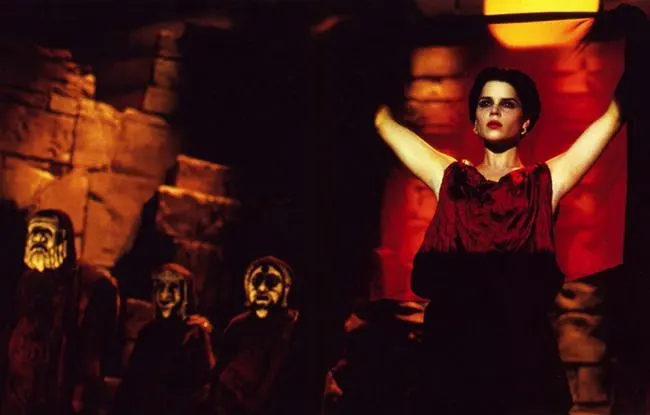
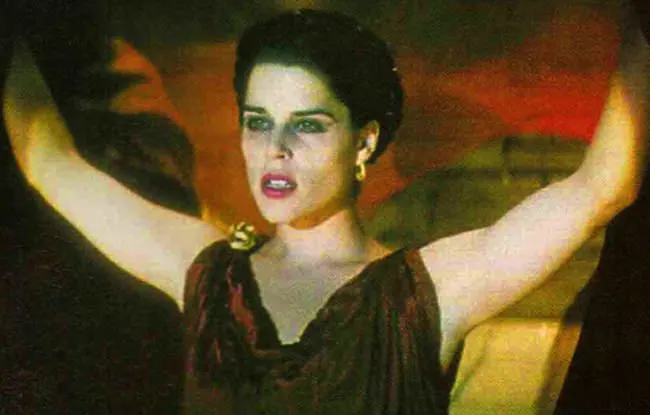
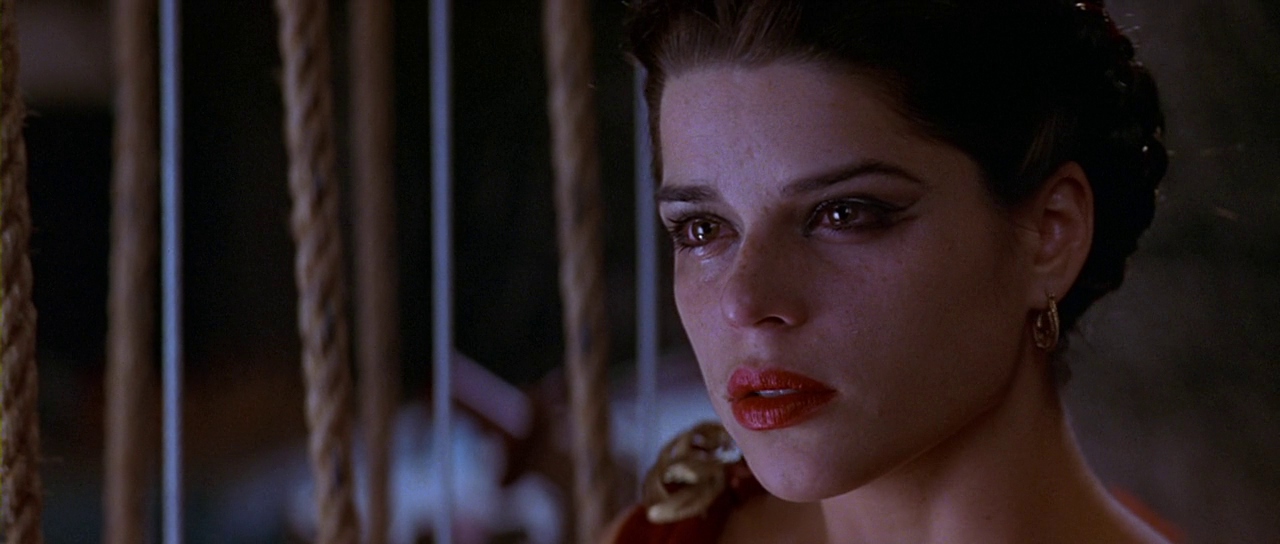
Derek is tied to a wooden cross left over from a fraternity hazing, set on the stage of the campus theater where Sidney is rehearsing a production of The Oresteia as Cassandra.
Kathleen Detoro designed the costumes. Bob Ziembicki was production designer and J.P. Jones returned as property master. Ziembicki joined after another production designer left over creative differences; Craven and Maddalena told him he had been their first choice. Ziembicki recalled Scream 2 as his first union job and a personal career milestone.
The knife is again a prop based on the Buck 120 hunting knife.
Gen 2 masks, including a special "deep mould" production run made for the film with cotton shrouds, many of which have yellowed to brown over the years because Fun World altered the vinyl mix. The MK-stamped RDS mask, named for Randy's death scene, comes from this film.
Marco Beltrami returned for the score. Danny Elfman wrote the choral piece 'Cassandra Aria' for Sidney's stage scene, which returns in the finale as 'Cassandra Aria Reprise.'
For Dewey, cues from Hans Zimmer's Broken Arrow (1996) score with guitar by Duane Eddy were used as temp music at a test screening. The audience responded so well that the studio kept them, and Beltrami's own 'Dewey's Theme' was cut back to a few serious Dewey moments.
Beltrami named Elliot Goldenthal, Ennio Morricone and Christopher Young as influences on this score. Filmtracks praised how he developed his first-film themes but said the most memorable music came from Elfman and Zimmer.
Scream 2: Music from the Dimension Motion Picture came out on Capitol Records on November 18, 1997. Tracks: 'Scream' by Master P featuring Silkk the Shocker; 'Suburban Life' by Kottonmouth Kings; 'Rivers' by Sugar Ray; 'She's Always in My Hair' by D'Angelo; 'Help Myself' by Dave Matthews Band; 'She Said' by Collective Soul; 'Right Place, Wrong Time' by The Jon Spencer Blues Explosion; 'Dear Lover' by Foo Fighters; 'Eyes of Sand' by Tonic; 'The Swing' by Everclear; 'I Think I Love You' by Less Than Jake; 'Your Lucky Day in Hell' by Eels; 'Red Right Hand (DJ Spooky Mix)' by Nick Cave and the Bad Seeds; 'One More Chance' by Kelly; and 'The Race' by Ear2000. It runs 62:09.
Thirteen of the fifteen songs are in the film; 'One More Chance' and 'The Race' are not. The album reached No. 50 on the Billboard 200, stayed on the chart more than ten weeks, and was certified Gold by the RIAA in 1998. AllMusic's Stephen Thomas Erlewine gave it 2 stars out of 5 and called it uneven.
Varese Sarabande first released the score on July 14, 1998 on a disc shared with Scream: nine Scream 2 tracks, about 17 minutes, without 'Cassandra Aria.' Bone white and splatter vinyl came out September 16, 2016, and red vinyl July 19, 2019. The complete score deluxe edition, 32 tracks and 77 minutes including Elfman's music, came out October 10, 2016 in a run of 2,000. It was reissued in the franchise score box set on January 7, 2022, with a vinyl box set June 10, 2022.
Beltrami resisted copying the Broken Arrow temp cue, so the production licensed the recording instead. Craven separately asked for Elfman to give the Greek-play sequence its own musical character; that guest score was meant to stand apart from the surrounding thriller music. The Broken Arrow recording reportedly cost about $35,000 to license. Music supervisor Ed Gerrard recalled that Elfman's fee was $1 million, with two premiere tickets for Elfman and his daughter included in the request. Plec recalled that The Verve's 'Bitter Sweet Symphony' was intended for the closing shot but became too expensive because of the rights surrounding its Rolling Stones sample. Collective Soul's 'She Said' took its place. Beltrami described his own Dewey theme as a Western sheriff's music, an approach he carried into Scream 3.
Paramount Home Entertainment
Included with any plan
Check current availability
Free with adverts
Free with a library card
About $3.99 to rent, $9.99 to buy
Movie Trailers
The original theatrical trailer from 1997.
Rotten Tomatoes Classic Trailers
An archive copy of the first trailer.
Trailer World
Another copy of the first trailer.
Trailer World
The second trailer, cut differently from the first.
Miramax
Gale and Randy going at each other over the rules of a sequel.
Miramax
The official clip of the opening scene in the movie theater.
Miramax
Sidney facing the killer down.
FilmIsNow Epic Movie Zone
On set footage from the sequel's production.
Ghostface
The making of documentary from the time of release.
AreYouScaredHD
A promotional featurette from the original release.
MTV Vault
MTV's set visit special from 1997.
Movieclips
SPOILERS
The opening murder in the movie theater.
JoBlo Horror 4K
Randy laying out the rules of a horror sequel.