Rotten Tomatoes
45%

Scream
2000
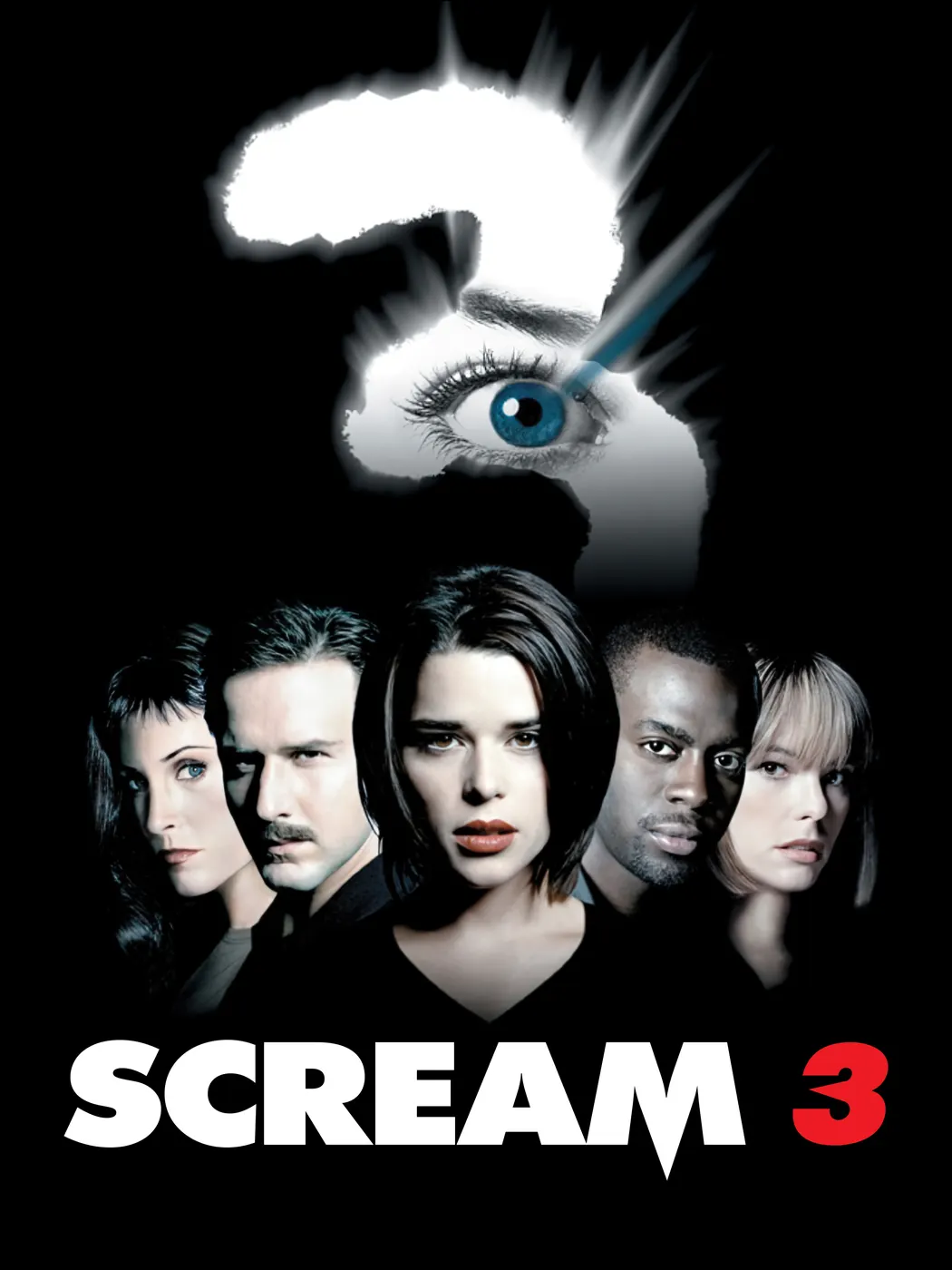
The most terrifying moments happen behind the scenes.
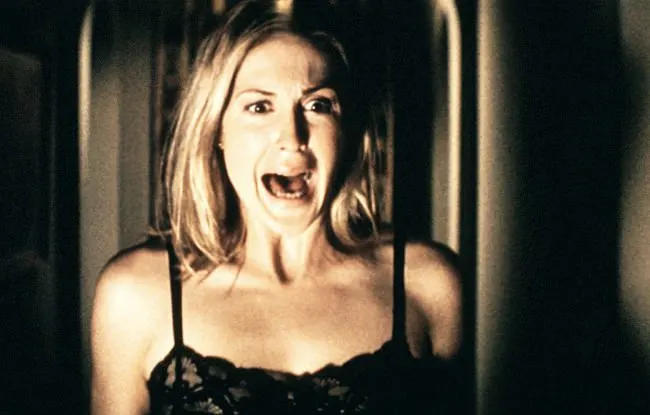
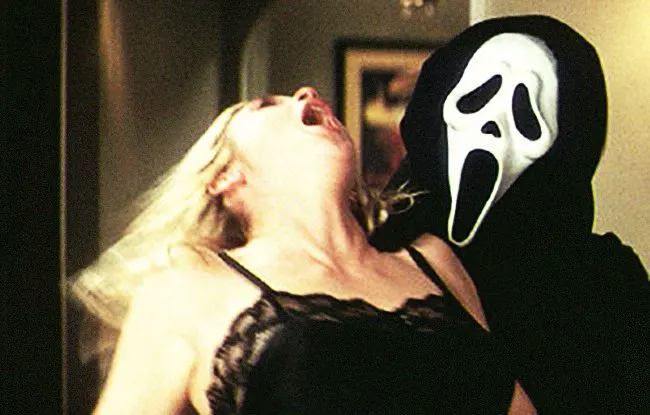
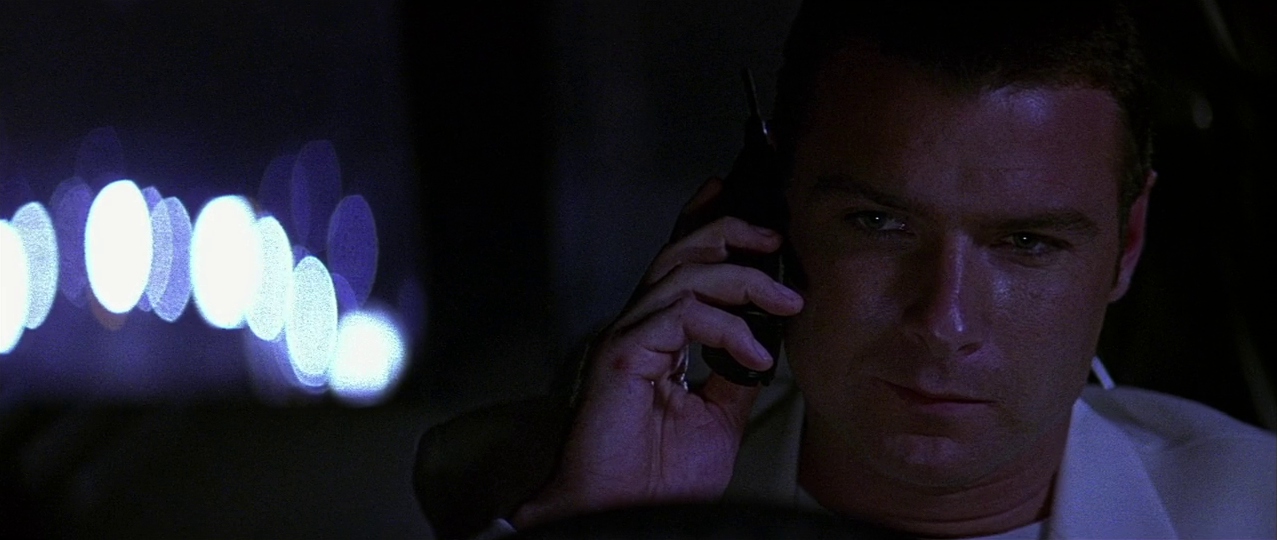
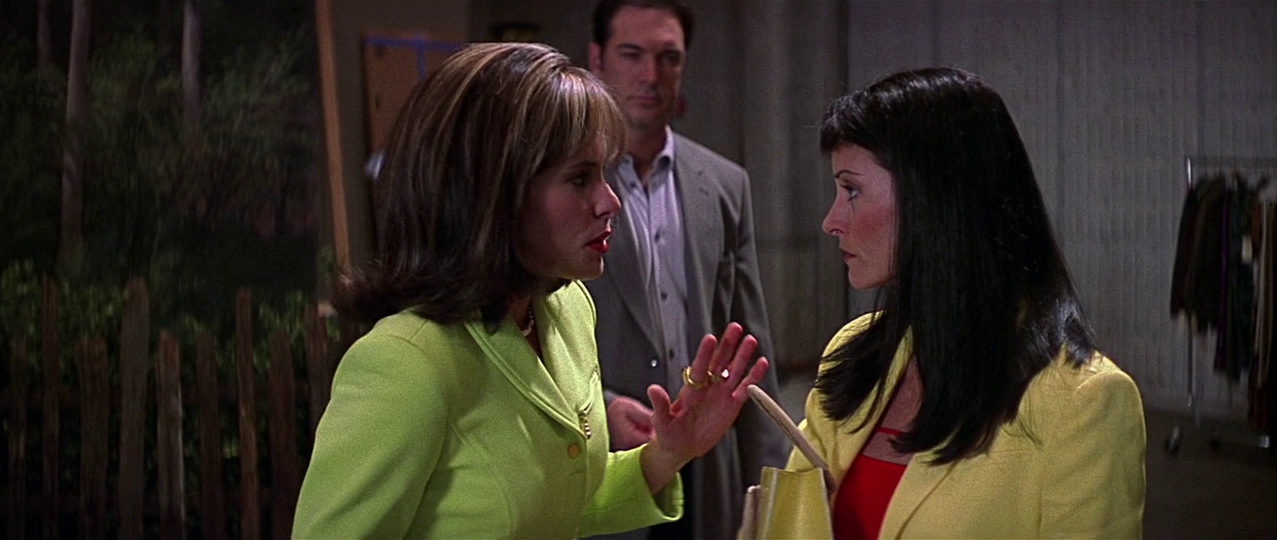
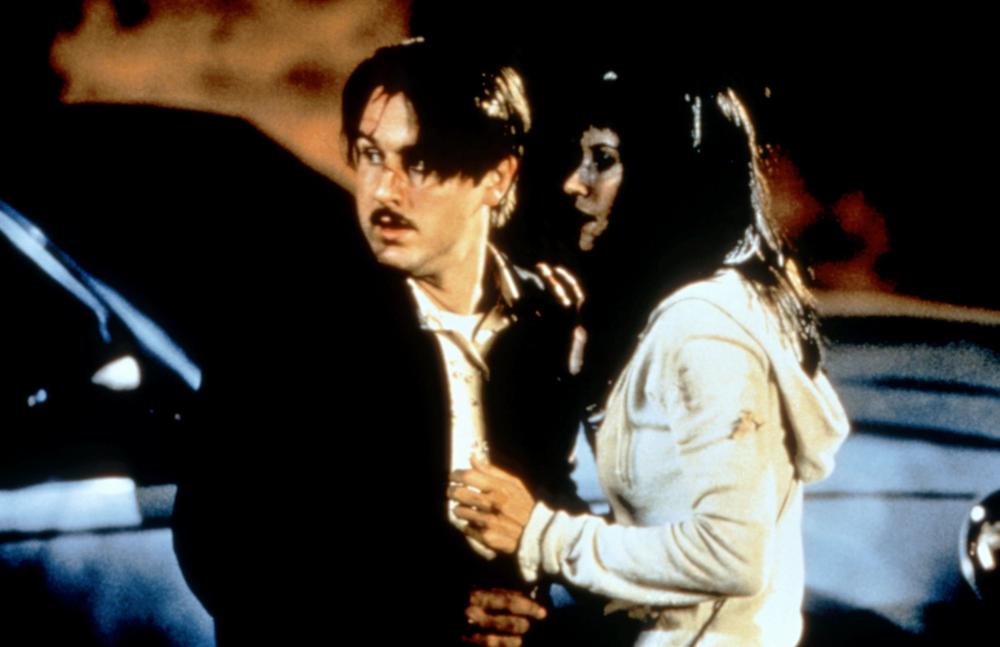
Cotton Weary now hosts his own talk show in Los Angeles. Driving home, he gets a call from Ghostface, who wants to know where Sidney Prescott is hiding. Cotton refuses. At his apartment, the killer has been stalking his girlfriend, Christine Hamilton, using a voice changer to sound like Cotton. When Cotton gets home, the terrified Christine thinks he is the killer and hits him with a golf club, and Ghostface stabs her in the back. The killer then murders Cotton and leaves behind a photo of Sidney's late mother, Maureen, as a young woman.
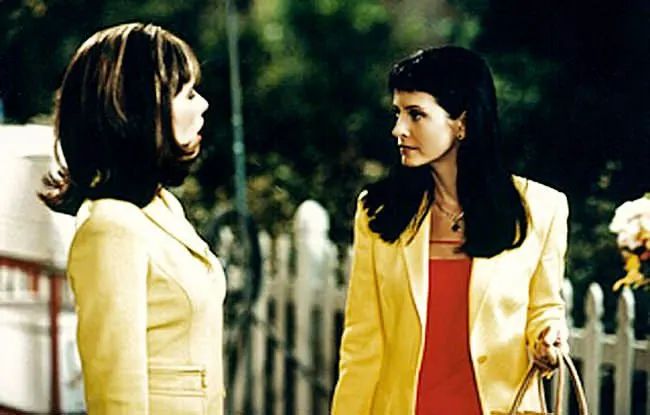
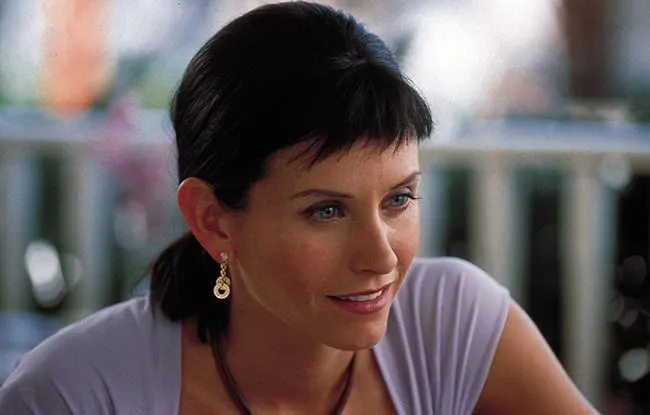
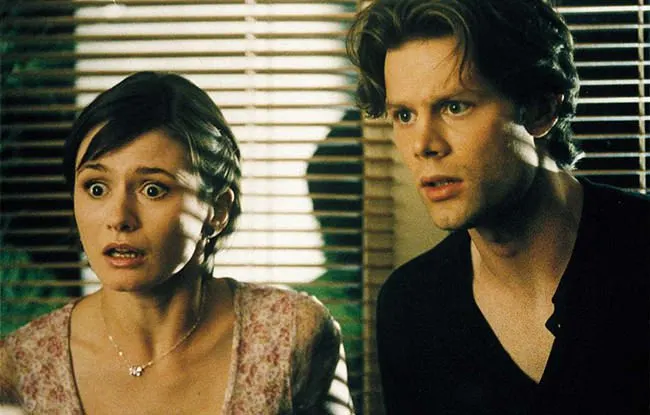
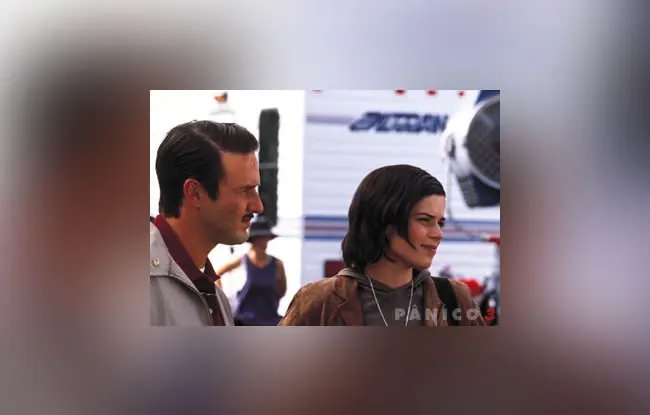
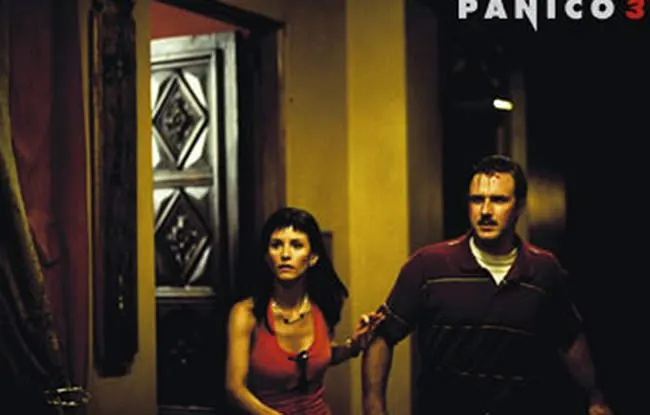
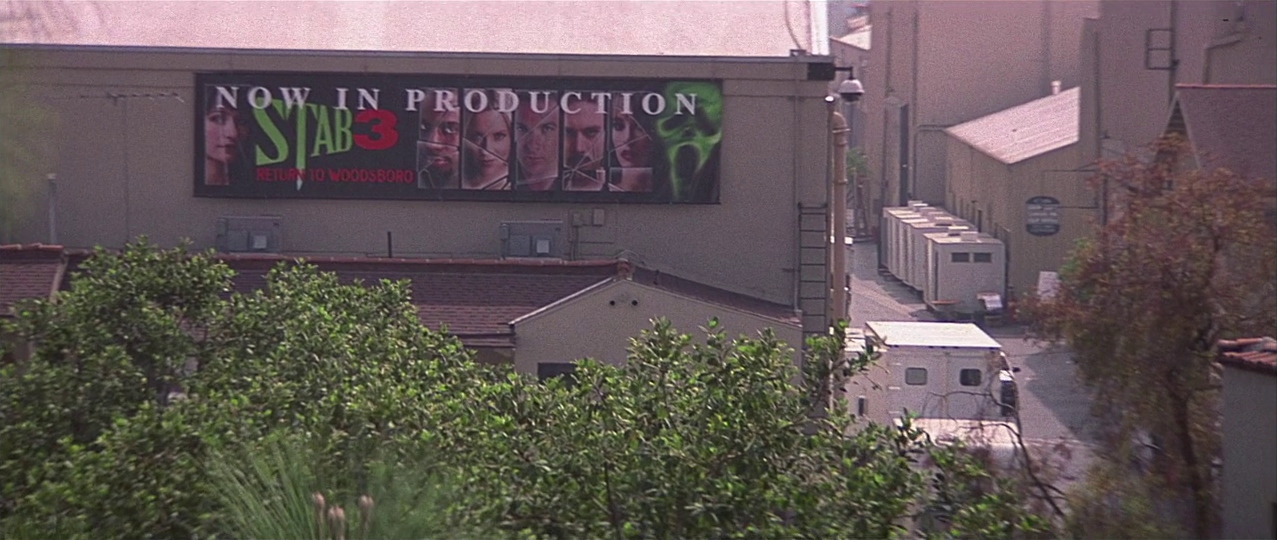
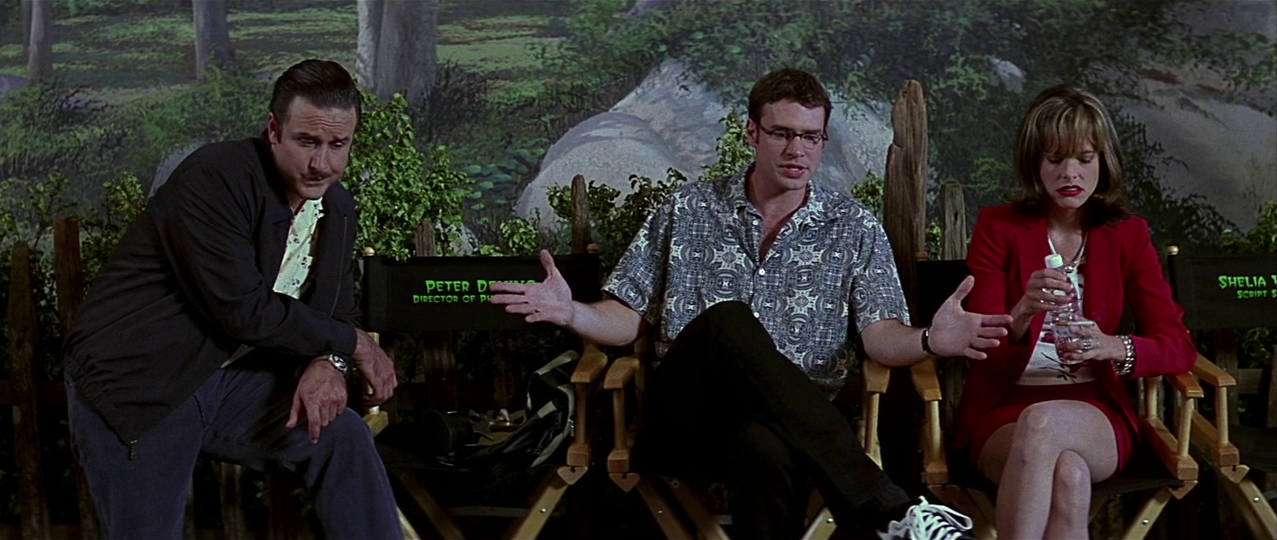
Detective Mark Kincaid calls Gale Weathers about the case, and she heads to Hollywood. She finds Dewey Riley working as a technical adviser on Stab 3: Return to Woodsboro, the third movie based on the Ghostface murders. Dewey is dating Jennifer Jolie, the actress who plays Gale in it. Gale forces her way onto the set anyway.
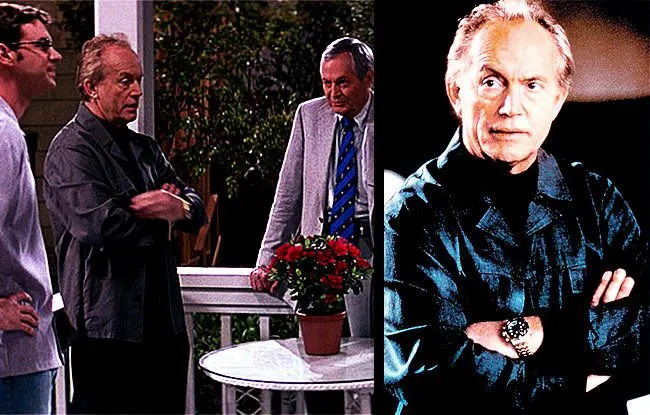
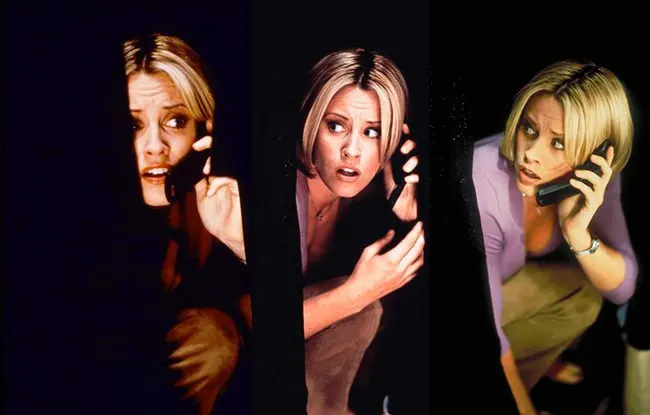
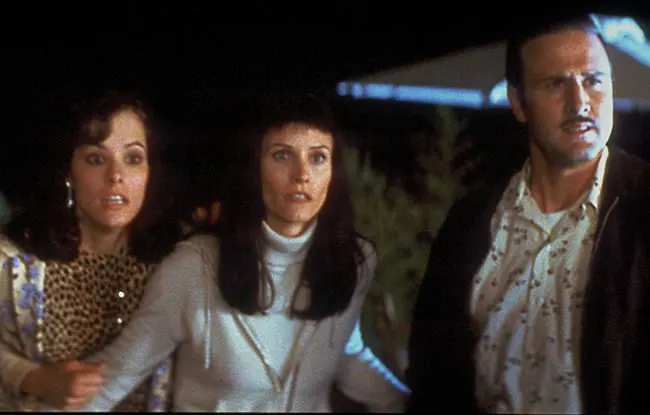
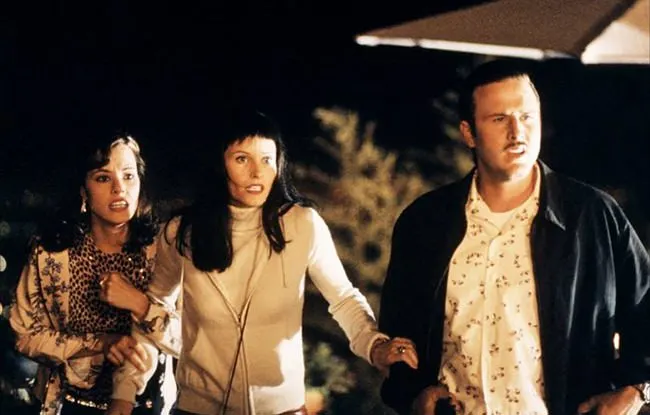
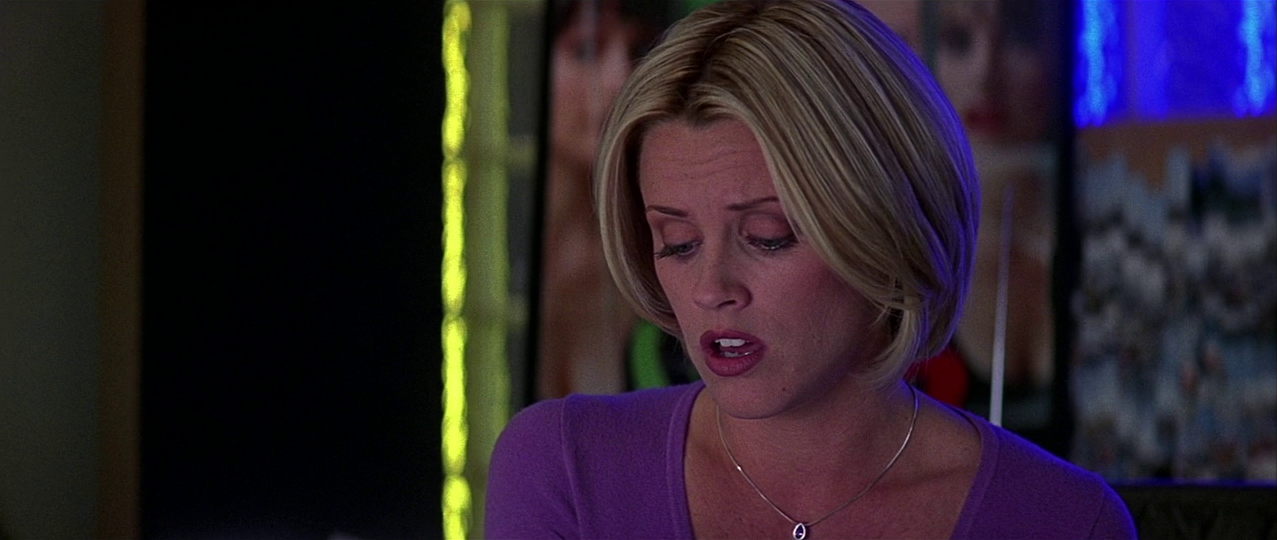
Ghostface kills actress Sarah Darling at Sunrise Studios, shutting down production to the frustration of director Roman Bridger. Only a few people know the ending, because several versions of the script exist to keep the killer's identity secret, and the murders seem to follow one of them. The surviving cast, along with Dewey and Gale, gather at Jennifer's house. The killer stabs her bodyguard, Steven Stone, to death and sets up a gas explosion that kills actor Tom Prinze, who plays Dewey.
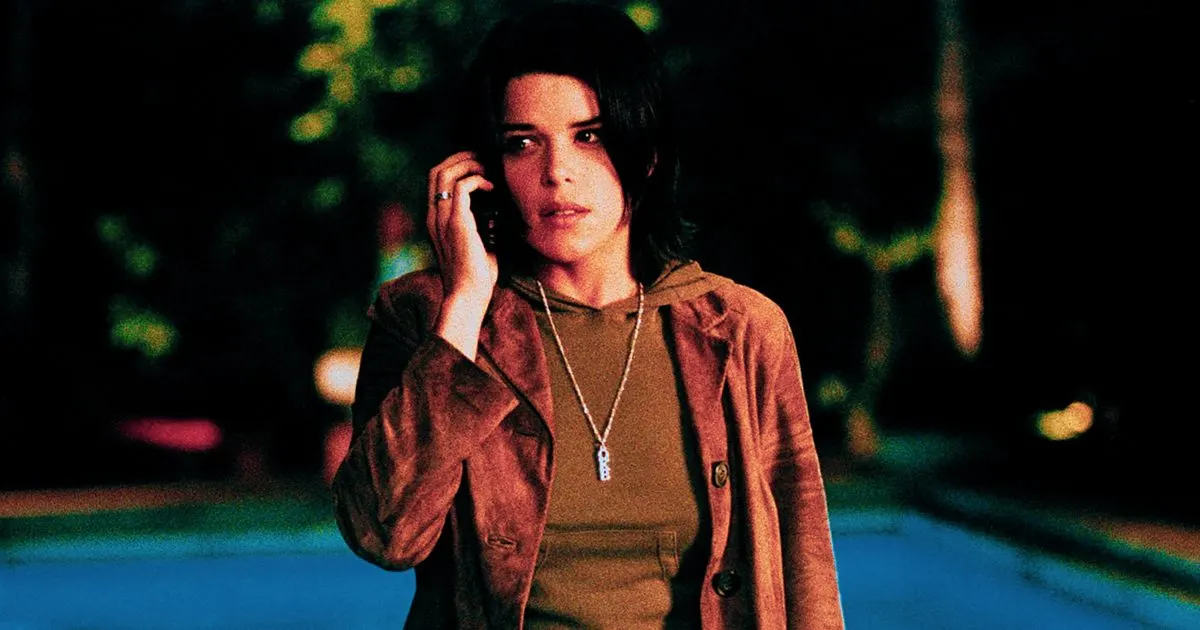
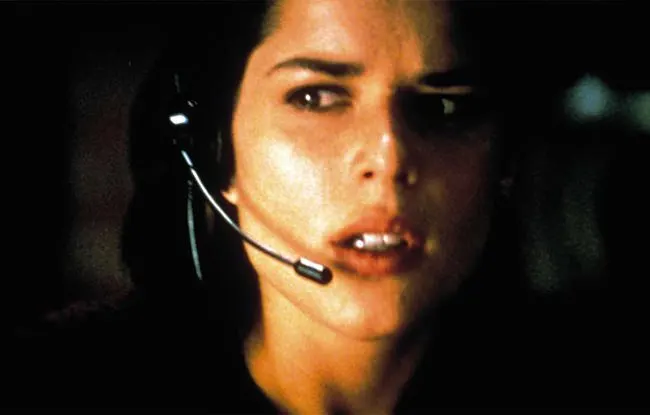
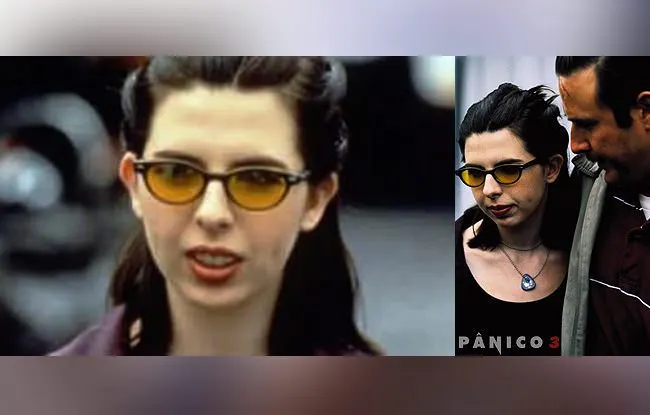
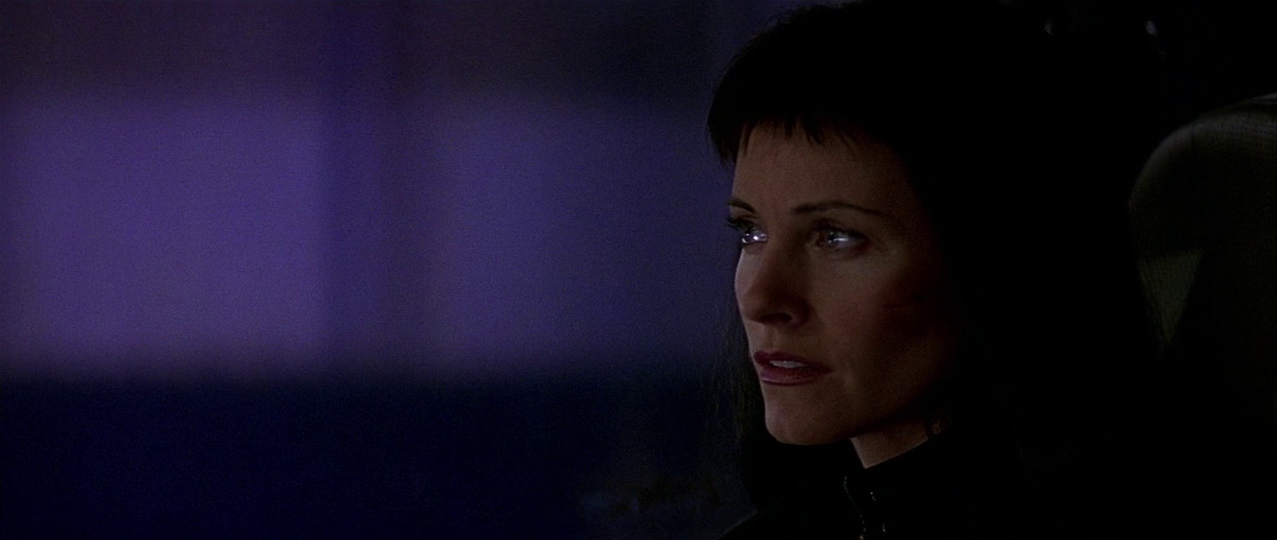
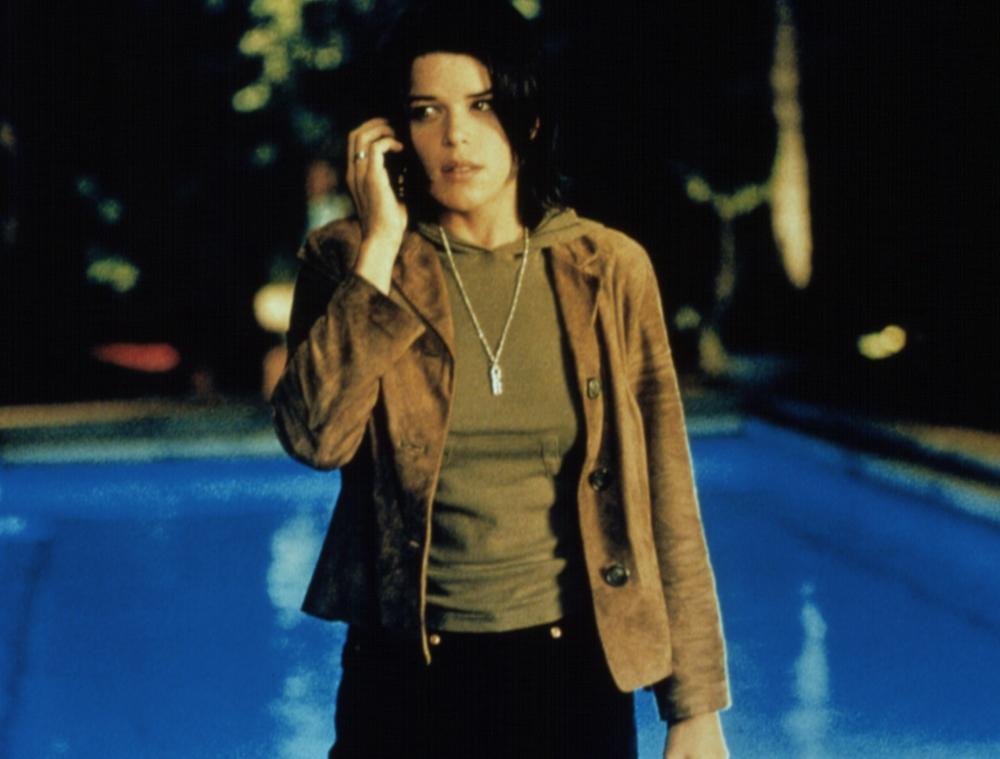
Sidney has been living alone in the hills under a fake name, working as a counselor on a crisis hotline for abused women. The killer finds her number and taunts her with a voice changer that sounds like her dead mother. Realizing she is no longer safe, Sidney goes to Hollywood. Digging through the studio archives with the help of archivist Bianca Burnette, Gale and Jennifer learn that Maureen once tried acting in Hollywood in the 1970s under the name Rina Reynolds, and that she was raped at a party thrown by John Milton, now the producer of Stab 3.
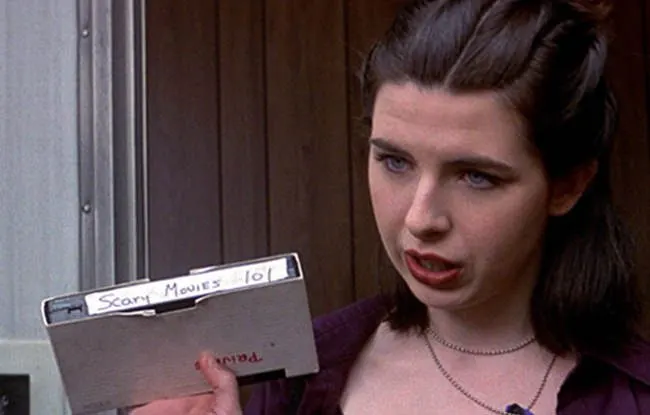
Martha Meeks, the sister of Sidney's murdered friend Randy, brings the group a videotape Randy made before he died. On it he warns that the third film of a trilogy breaks all the rules and that anyone can die, even the hero. Sidney is later chased by Ghostface through the Stab 3 soundstage, on sets rebuilt to look like her old Woodsboro home, and afterward the police hold her for her own protection.
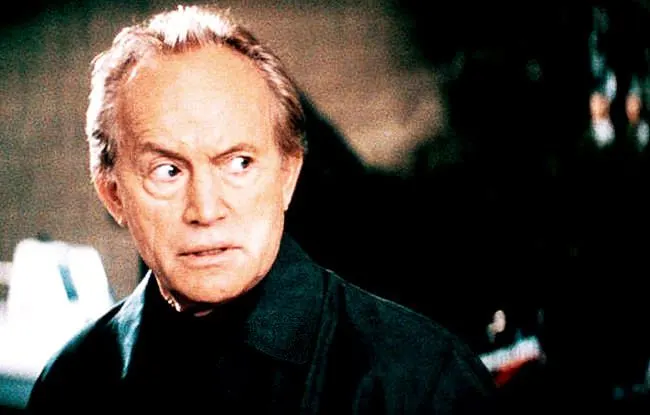
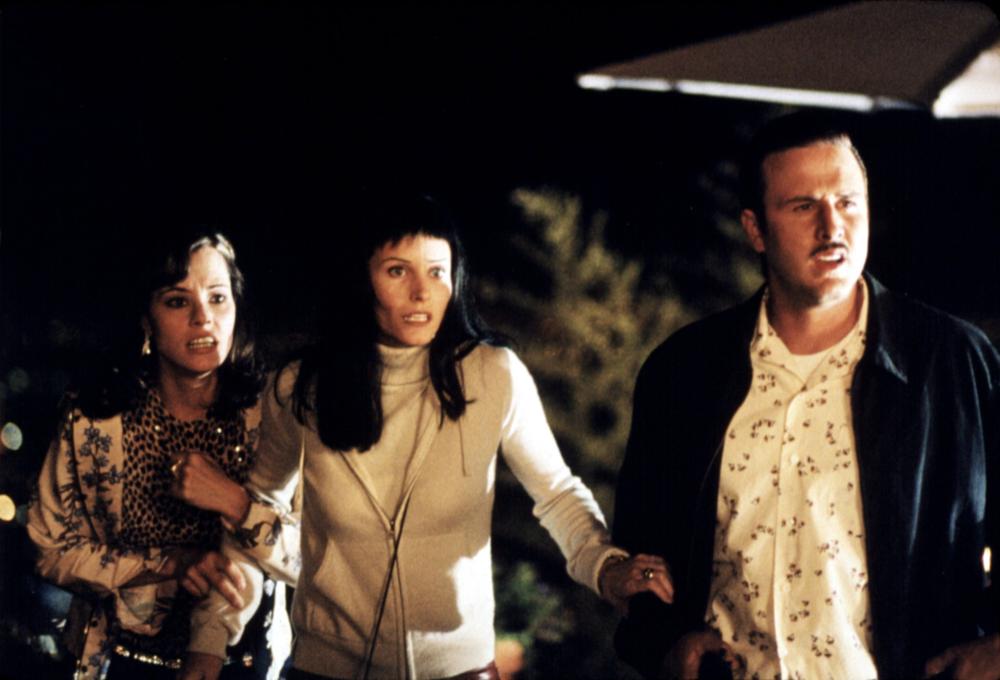
Dewey, Gale, Jennifer and the last two cast members, Angelina Tyler, who plays Sidney, and Tyson Fox, who plays Ricky, go to a birthday party for Roman at Milton's mansion. Gale and Jennifer find Roman apparently dead. Ghostface then kills Angelina, Tyson and Jennifer and takes Gale and Dewey hostage. He calls Sidney and she comes. Kincaid follows her but is knocked out. In a hidden screening room, Ghostface unmasks and is Roman, who faked his death.
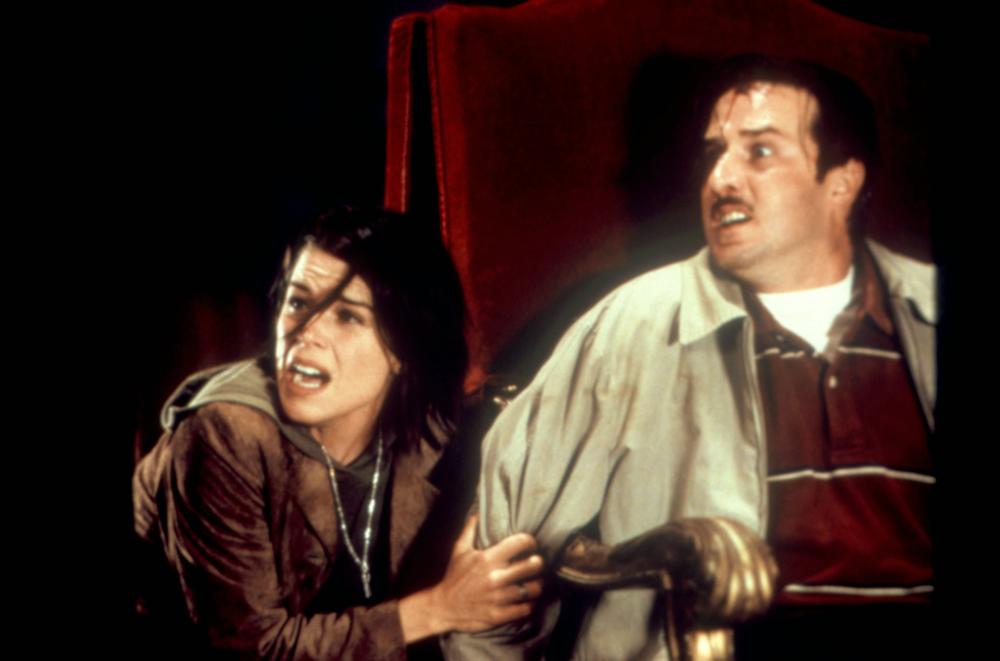
Roman tells Sidney he is her half-brother, born after Maureen was raped and then given up for adoption. Four years earlier he found Maureen, and she turned him away. He began stalking her and filming the men she was seeing, and he showed Billy Loomis footage of Billy's father with Maureen, which set off the Woodsboro killings. Jealous of the fame Sidney got from surviving, he now plans to kill her and frame her for his murders. He slits Milton's throat in front of her. Sidney tells him his story is just an excuse and that he kills because he chooses to. Roman snaps and attacks. He shoots Sidney, who survives because she is wearing a bulletproof vest. She outwits him and stabs him. When Dewey and Gale get free, Roman gets up once more, also saved by a vest, and Dewey shoots him in the head.
Later, at Sidney's house, Dewey proposes to Gale and she says yes. Sidney comes back from a walk and leaves her gate open, which she used to keep locked. The front door blows open in the wind. She ignores it and joins Gale, Dewey and Kincaid to watch a movie.
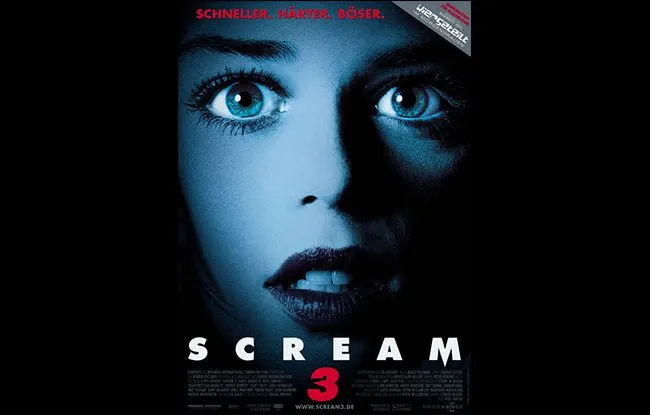
Scream 3 premiered February 3, 2000 at the AMC Avco in Westwood and opened the next day. It played on 3,467 screens, a record at the time for the widest opening in the US and Canada.
It opened at No. 1 with $34,713,342. That broke The Empire Strikes Back Special Edition's record for the biggest February opening, and Scream 2's records for the biggest horror opening and the biggest Miramax opening. It went on to $89,138,076 in the US and Canada and about $72.7 million overseas, for $161,838,076 worldwide.
Reviews were mixed. Rotten Tomatoes lists 45 percent from 164 reviews with an average of 5.3 out of 10. Metacritic gives it 56 from 32 critics, and CinemaScore audiences gave it a B.
Time Out London called its movie-within-a-movie angle a weak copy of Wes Craven's New Nightmare. Roger Ebert said the characters were 'so thin, they're transparent,' but he praised Campbell and predicted she could become a big star. The Los Angeles Times found it scary and funny, the BBC said it worked better as a trilogy ending than anyone had a right to expect, Variety praised how Craven closed out the series, and Empire called it satisfying but thought the idea had worn thin.
After the Harvey Weinstein revelations in 2017, writers took a new look at the film. Kristen Yoonsoo Kim pointed to John Milton talking about exploiting young actresses. In 2019 editor Patrick Lussier said Craven saw Milton as the spark for the villain's motive and, looking back, for the whole series. In 2020 Adam White called it an angry indictment of sexual misconduct in Hollywood, noting the jokes about trading sex for roles, Carrie Fisher's Princess Leia line, Weinstein's producer credit, and Rose McGowan's later accusation that Weinstein raped her. Emma Fraser of SyFy Wire argued the series shames and blames Maureen and that the film missed a chance to dig into the industry's crimes.
The DVD was nominated for the 2001 Saturn Award for Best Home Video Release and lost to Princess Mononoke.
It was meant to end the series, which stayed dormant until Scream 4 on April 15, 2011.
45%
56
B
Sidney Prescott
Dewey Riley
Gale Weathers
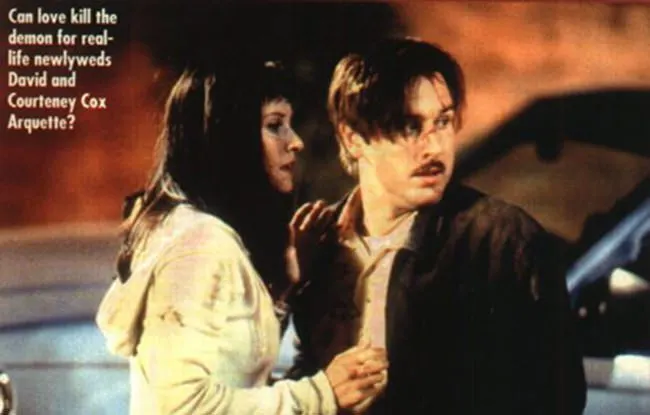
credited as Courteney Cox Arquette
Jennifer Jolie
Detective Mark Kincaid
Roman Bridger
Tom Prinze
Sarah Darling
Angelina Tyler
Tyson Fox
John Milton
Christine Hamilton
Cotton Weary
Steven Stone
Randy Meeks
on videotape
Martha Meeks
Ghostface ('The Voice')
voice
Moderator
Student
Female Reporter
Male Reporter
Maureen Prescott
first live appearance after two films of photographs
Studio Executive
cameo
Detective Wallace
Stage Security Guard
Neil Prescott
credited as Mr. Prescott
Studio Tour Guide
the film's casting director
Silent Bob
cameo
Jay
cameo
Bianca Burnette
cameo
Stan
Office Security Guard
also second assistant director
Waitress
Hank Loomis
credited as Mr. Loomis
Female Caller
voice
Man with Video Camera on Studio Tour
uncredited cameo
Ghostface
stunt performer
Ghostface
stunt performer
Director
Screenplay
Characters
Producer
Producer
Producer
Executive Producer
Executive Producer
Production Manager
Director of Photography
Second Unit Director of Photography
Editor
Composer
Music Supervisor
Music Editor
Music Editor
Production Designer
Art Director
Set Decorator
Property Master
Storyboard Artist
Title Designer
Costume Designer
Assistant Costume Designer
Makeup Department Head
Key Makeup Artist
Hair Department Head
Makeup Effects
Special Effects Coordinator
Visual Effects Supervisor
Visual Effects Supervisor
Visual Effects Producer
Compositing Supervisor
Casting
Casting Associate
Stunt Coordinator and Second Unit Director
First Assistant Director
Second Assistant Director
Script Supervisor
Camera Operator
Steadicam Operator
Still Photographer
Chief Lighting Technician
Location Manager
Location Manager
Sound Mixer
Sound Designer and Supervising Sound Editor
Re-Recording Mixer
Re-Recording Mixer
Scoring Mixer
Unit Publicist
Scream 3 cost $40 million, up from $15 million for Scream and $24 million for Scream 2. Williamson's original sale of Scream included two sequel outlines, and Craven had been signed for two sequels after the first film's test screening. Shortly before production, the Columbine High School massacre in April 1999 brought new pressure on violence in movies and games. The studio thought about not making the film at all, then went ahead with changes. It pushed for more humor and less violence, and at one point asked for no blood or on-screen violence. Ehren Kruger recalled Craven telling the studio that a Scream movie had standards, or else it should be called something else.
Bob and Harvey Weinstein approached Williamson in early 1999 for a full script. He was busy with the TV series Wasteland and directing Teaching Mrs. Tingle, so he wrote a 20 to 30 page outline instead. It brought Ghostface back to Woodsboro while the Stab movies were being made. The Weinsteins hired Arlington Road writer Ehren Kruger to write the script from those notes. Most of the outline was dropped, the setting moved to Hollywood, and the story pulled away from any school. Kruger said the characters were moving to bigger places, from high school to college to Hollywood, but the move away from Woodsboro was really about avoiding a small-town school massacre story less than a year after Columbine.
In a 2013 interview Williamson said his version had a Stab fan club of Woodsboro kids as the killers. The twist was that Sidney walks in after Ghostface has killed everyone, and they all get up because none of them were really dead. He later reused the idea for his series The Following. Matthew Lillard said in 2009 that he was signed to return as Stu, alive after the first film and running new Ghostface attacks on high school students from prison. That plot was scrapped after Columbine. Plec described that abandoned version as Woodsboro ten years later, under a curfew, with a new generation of teenagers growing up in the murders' shadow while a reboot was filmed in town.
Kruger read Williamson's first two scripts and watched the films to learn the characters. He admitted that coming in late made it hard to write them true to form. His early drafts made Sidney an action hero closer to Linda Hamilton in Terminator 2, and Craven stepped in to pull the characters back. Kruger has said Craven had a big hand in the script without getting credit. As on Scream 2, pages were often finished the day they were shot, and scenes were rewritten to add characters or fix plot threads that did not connect.
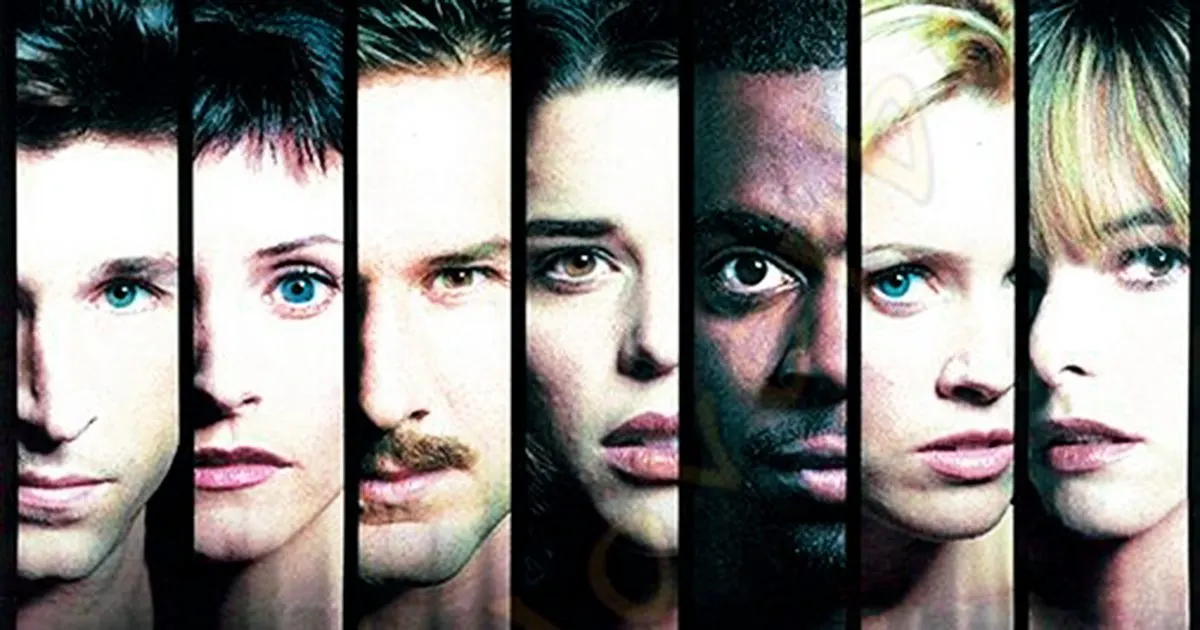
Campbell, Cox, Arquette and Schreiber returned. Craven said getting them back was easy, but arranging the shoot was harder. Campbell's limited shooting agreement reduced Sidney's role and gave Gale and Dewey more of the film; Maddalena disputed the usual explanation that this was simply a scheduling conflict, recalling the contract's cost while saying she did not know Campbell's reasoning. Negative reaction to Randy's death led the producers to consider having him secretly survive, hidden away by his family while he healed, but it seemed too far-fetched, so he appears on a videotape instead. Lynn McRee plays Maureen on screen for the first time, in Sidney's visions. Lawrence Hecht and C.W. Morgan return as Neil Prescott and Hank Loomis. Lussier credited Dempsey’s first police-station scene with helping Kincaid’s role grow: his performance could suggest both a love interest for Sidney and a possible killer.
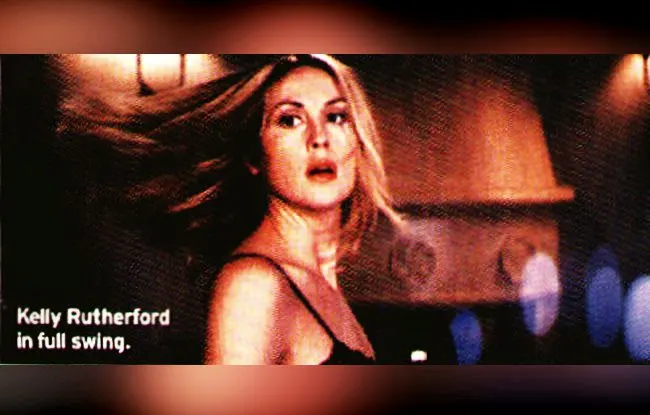
Audition pages were numbered and watermarked, and actors signed waivers and read them under supervision at the casting office. Sarah Katzman said actors auditioning for Stab’s Gale could read Courteney Cox’s material. Scott Foley auditioned with Randy’s phone-call scene from Scream 2. Foley recalled learning from Craven and Maddalena that Roman was the killer about two weeks into filming. Casting associate Sarah Katzman recalled sharing pizza with Topher Grace and Rebecca Romijn while they read their sides. Kelly Rutherford was cast after filming started, when rewrites turned Cotton's girlfriend from a corpse into a live character he talks to. Besser recalled that Mortimer's last-minute hiring required work-authorization arrangements in Vancouver, where someone from production met her and drove her back. Carrie Fisher's cameo as archivist Bianca Burnette was Bob Weinstein's idea, and Fisher helped write the part, including a joke about nearly being cast as Princess Leia. Roger Corman plays a studio executive, and Jason Mewes and Kevin Smith appear as Jay and Silent Bob. Katzman recalled retrieving numbered audition pages from a studio-lot trash can after an actor accidentally carried them out of the office. Naomi Watts, Eric Stonestreet and Paula Marshall also auditioned. Beach remembered long nights copying videotaped auditions in real time; finalists came back to read actual Scream 3 material. Mortimer remembered playing Angelina as a possible murderer and being surprised to learn that she would die. Foley took the opposite approach after his reveal: he chose not to change the acting decisions he had already made for Roman.
Principal photography started July 6, 1999 and ended September 29, 1999, twelve weeks in and around Los Angeles. Cotton's opening drive was shot on Hollywood Boulevard. Schreiber recalled suggesting that Cotton become the film’s surprise opening victim. The apartment scene kept changing, which meant reshooting the drive to match. The crew could not go back to Hollywood Boulevard, so they shot on a street outside the studio in the San Fernando Valley and cut it in with the earlier footage. The first version of the attack at Harper House had Cotton overpowering Ghostface and trying to escape through a skylight. The filmmakers decided it made the killer look weak, and since they could not return to Harper House, they built a copy of the apartment and reshot a version where Ghostface dominates. Script supervisor Sheila Waldron recalled Craven using a dolly toward a closed door during Christine’s hallway scene to build suspense. Lussier traced Cotton's talk show, 100% Cotton, to an editing-room joke during Scream 2 that the filmmakers carried into the third film. Rutherford remembered completing Christine's physically demanding opening sequence in two full shooting days.
The sequence of Sidney being chased through rebuilt Woodsboro sets was not in the script. Craven paid to build the sets because he knew he wanted to go back to the first film somehow, and the scene was written around them after they were built. Cinematographer Peter Deming said the Stab footage was given a different feel from the surrounding movie, drawing on mid-1980s schlock horror. With the script always changing, the crew shot many variations of scenes so they would have something usable without returning to locations. Randy's three-minute video came out of more than two hours of footage. Lussier recalled an abandoned version in which Randy’s sister was a contortionist who demonstrated poses during her scene. It was replaced by the Martha Meeks scene in the finished film. The epilogue was shot three ways for Kincaid: absent, with a bandaged arm, and unhurt. Matarazzo recalled receiving Craven's invitation through her manager with little information about Martha, then being made to feel at home by Campbell, Cox and Arquette. Kennedy remembered filming Randy's return over one afternoon.
In January 2000, three months after wrapping, the ending was reshot. In the first version Sidney beat Roman easily, then came an early-morning police scene, then the final scene at Sidney's house, which played like three endings. The producers also felt the audience needed to believe Sidney could die in the last chapter. The reshoot stretched out the fight, added Roman shooting Sidney, who had only hidden from him before, and put Kincaid into the finale, since his storyline had simply stopped. Dempsey wore a wig for those reshoots because he had cut his hair after the original shoot.
Craven clashed with the MPAA over violence again, and he said in an interview that the fights made him think about leaving the horror genre.
Written by Ehren Kruger rather than Williamson, who supplied only a story outline before leaving for television. Released nine months after Columbine, the violence was cut back sharply and the film shifted from December 1999 to February 2000 to allow reshoots. Randy returns from the dead by videotape. Kruger has said Craven "deserved a screenwriting credit" for how much he reshaped on set.
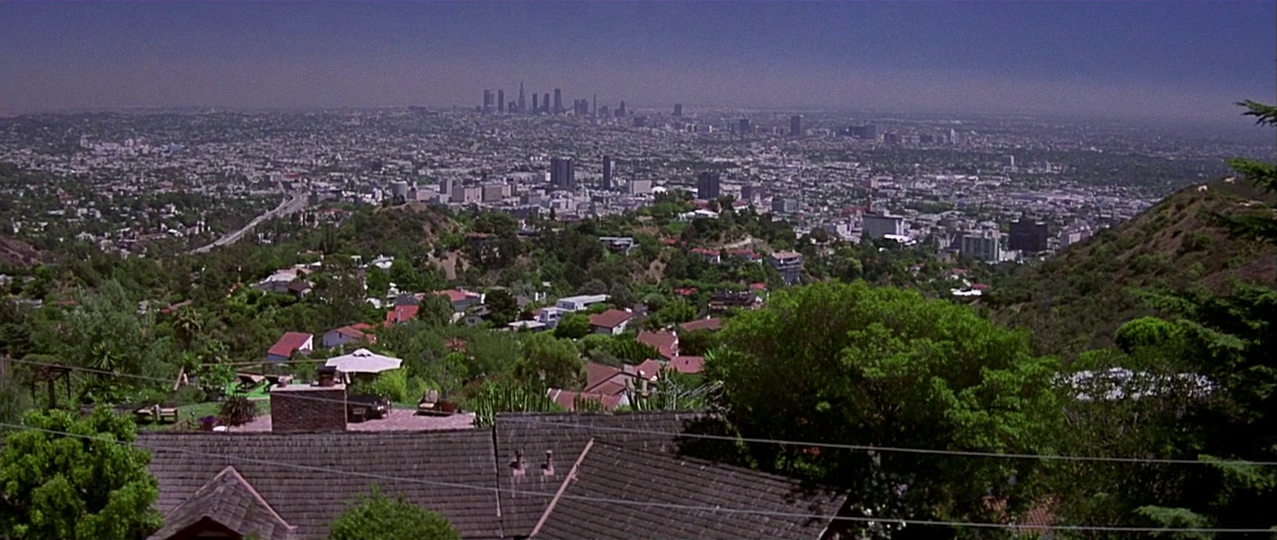
July 6 to September 29, 1999, twelve weeks, around Los Angeles; the ending was reshot in January 2000. Locations included Hollywood Boulevard, the San Fernando Valley, MacArthur Park, Beverly Hills, the Hollywood Hills, Silver Lake, Topanga Canyon, CBS Studio Center in Studio City, UCLA, the Canfield-Moreno Estate in Silver Lake and the Harper House in West Hollywood. JoBlo reports the finale mansion is the same location used in Halloween H20: 20 Years Later, treat as JoBlo's claim.
Williamson was unavailable, committed to the TV series Wasteland and directing Teaching Mrs. Tingle. The Weinsteins hired Ehren Kruger; Maddalena recalled giving him two weeks to deliver his first draft. Kruger later admitted he struggled because he did not fully understand the established characters. Craven had to intervene when Sidney was written closer to Sarah Connor in Terminator 2 than to herself. Kruger has said Craven reshaped scenes constantly and deserved a screenwriting credit. Laeta Kalogridis handled additional rewrites during shooting when Kruger was temporarily reassigned. New pages routinely arrived the same day scenes were shot, sometimes after a scene had already begun filming. Kalogridis recalled joining while the ending was still missing and shaping the latter half with Craven. His wish to return to the beginning led them back to Maureen's Hollywood past.
Williamson's outline returned the story to Woodsboro around a Stab fan club and revealed Stu Macher as the orchestrator; Matthew Lillard was contracted to return. Lillard told Vulture: "I was supposed to do Scream 3... the idea was that I'd be running high-school killers from jail." JoBlo reports Lillard was paid regardless. After Columbine the concept was scrapped to avoid tying violence to a high school setting, and the location moved from Woodsboro to Hollywood. The studio demanded reduced violence and at one point insisted on no blood or on-screen violence at all; Craven's response was "Either we make a Scream movie or we make a movie and call it something else." Per JoBlo, the studio also pushed toward comedy, and Craven's MPAA fights on this film frustrated him enough that he considered leaving horror filmmaking altogether.
Principal photography 6 July to 29 September 1999; reshoots January 2000. Areas used: San Fernando Valley, MacArthur Park, Beverly Hills, Hollywood Hills, Silver Lake, Topanga Canyon.
LocationAddress · Scene
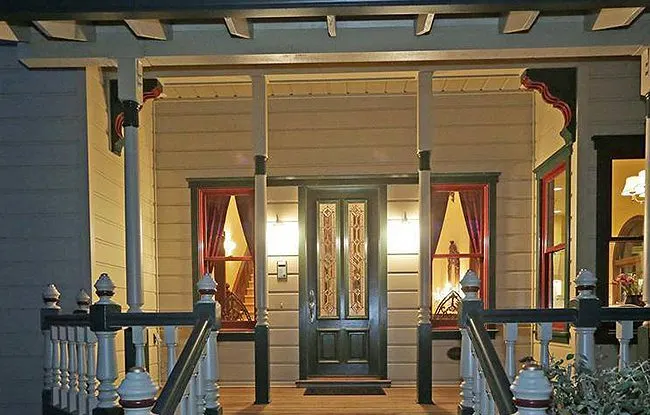
The Harper House1336 North Harper Avenue, West Hollywood, CA · Cotton Weary's apartment; opening murders of Cotton and Christine
Hollywood BoulevardHollywood, CA · Cotton's drive
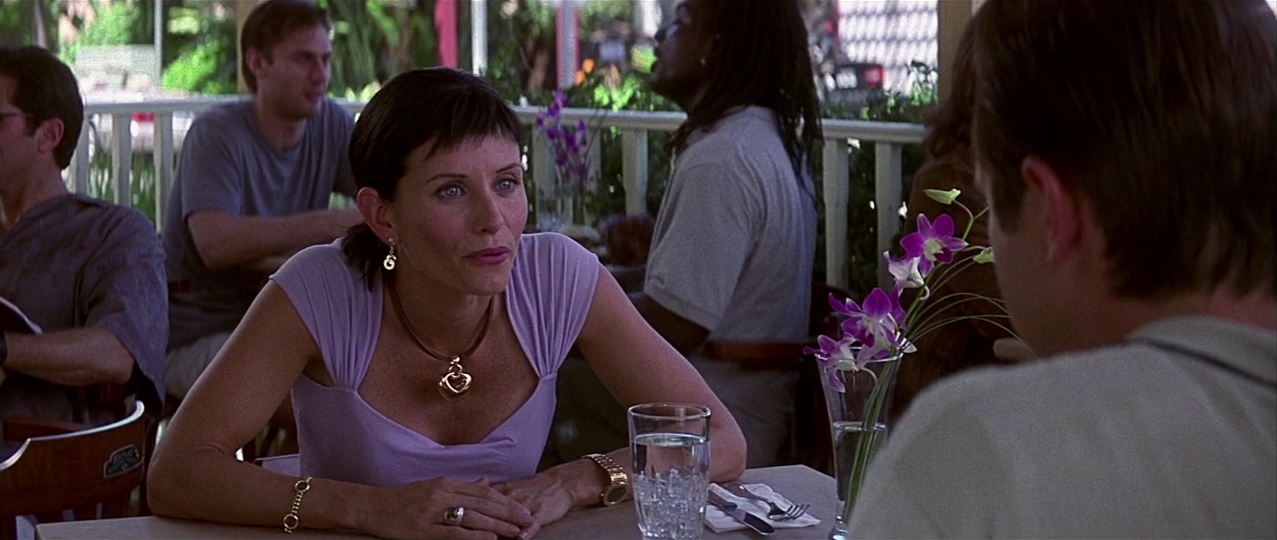
Le Pain Quotidien8607 Melrose Avenue, West Hollywood/Beverly Hills · Gale and Dewey's reunion meeting
CBS Studio Center4024 Radford Avenue, Studio City, CA · "Sunrise Studios", the Stab 3 backlot and sets, including the replica Woodsboro house
Runyon Ranch, Runyon Canyon ParkHollywood Hills, CA · Jennifer Jolie's house, the fax-machine sequence
Canfield-Moreno Estate (Paramour Mansion)1923 Micheltorena Street, Silver Lake, Los Angeles · John Milton's mansion; the climax
Downtown office overlooking MacArthur ParkLos Angeles, CA · Producer's office
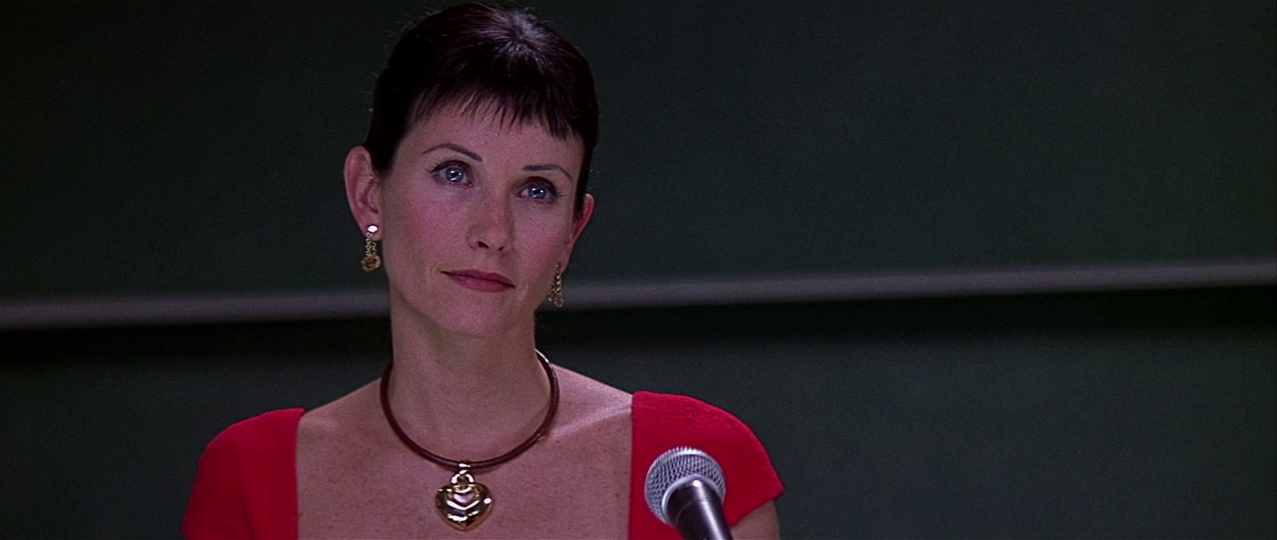
UCLAWestwood, Los Angeles · Gale's seminar (campus previously used for Windsor College)
Topanga CanyonCA · Sidney's isolated hillside house
Director: Roman Bridgerwho is also Ghostface.
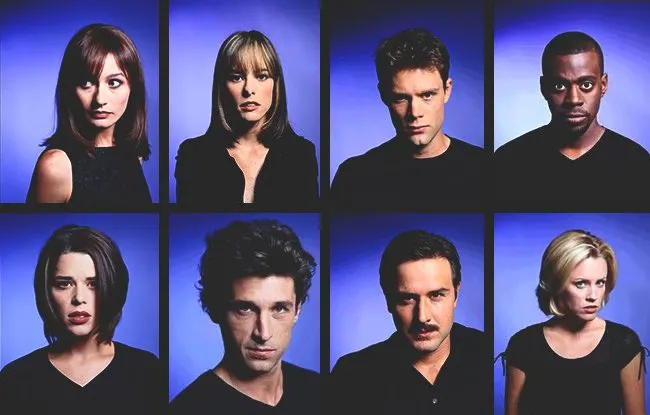
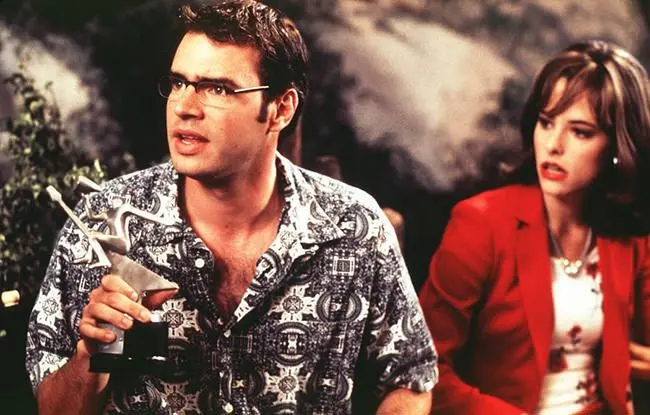
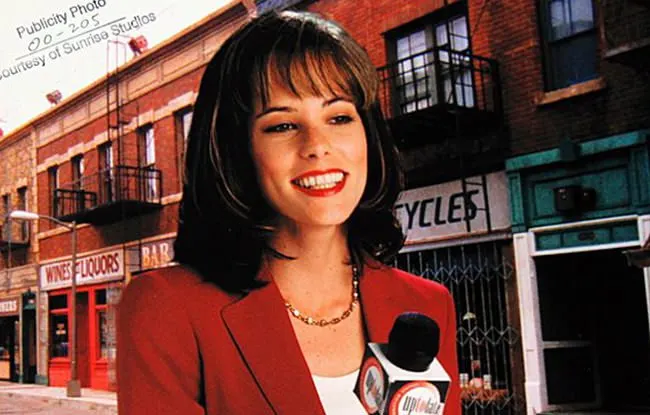
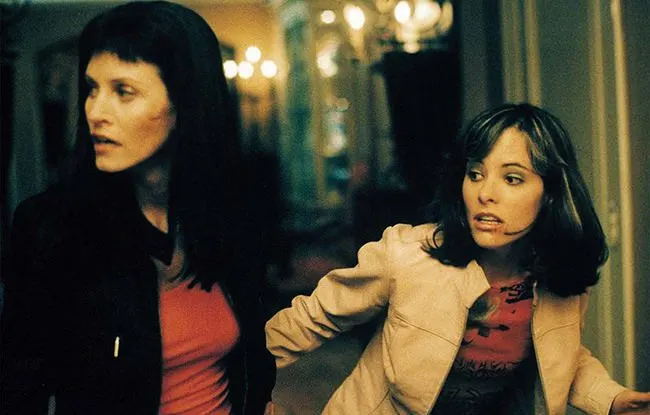
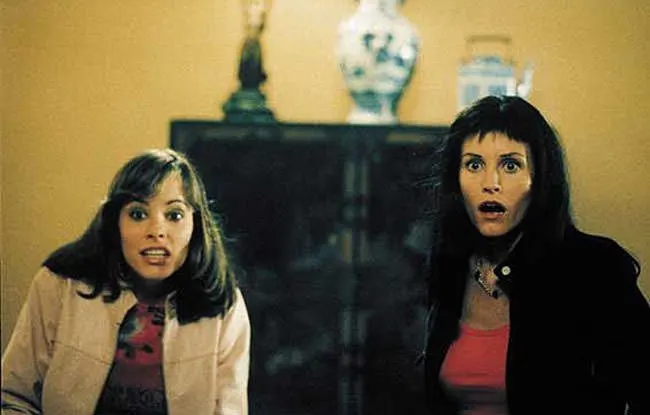
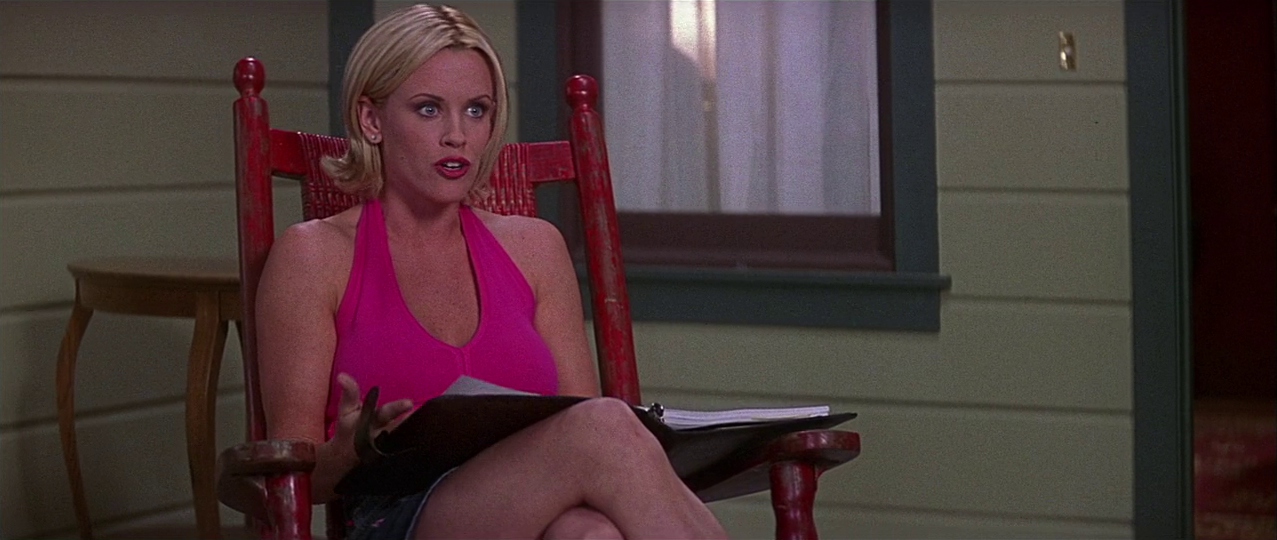
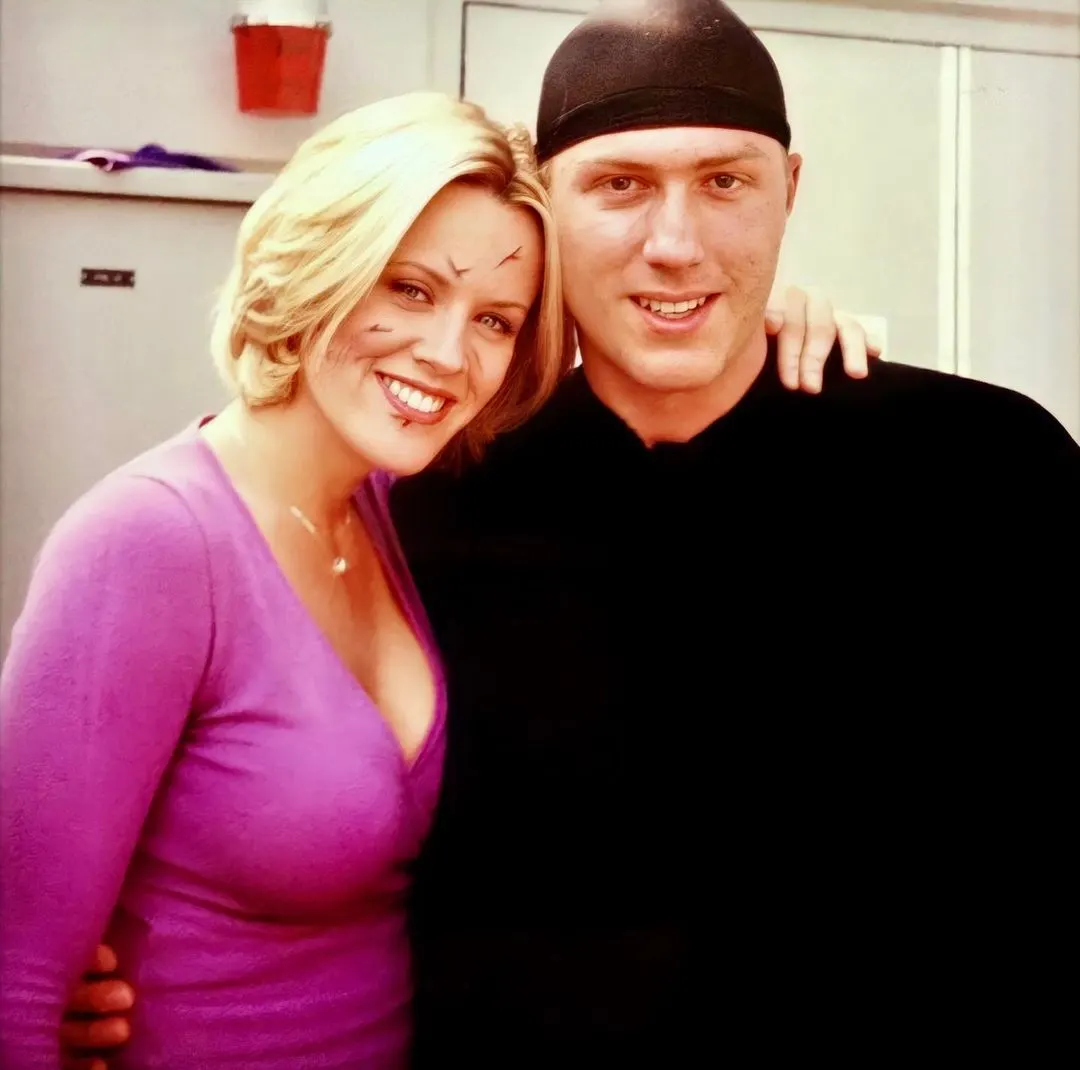
In-universe cast: Jennifer Jolie (Parker Posey) as Gale Weathers; Tom Prinze (Matt Keeslar) as Dewey Riley; Angelina Tyler (Emily Mortimer) as Sidney Prescott; Sarah Darling (Jenny McCarthy) as Candy; Tyson Fox (Deon Richmond) as Ricky. Keeslar had previously auditioned for Billy Loomis and now had a three-picture Miramax deal, but Katzman credited the strength of his audition for landing Tom. He estimated that at least half of his scenes were cut, and felt the fictional actors' harsh treatment of one another had made them difficult to root for.
Tori Spelling and David Schwimmer did not return in-universe.
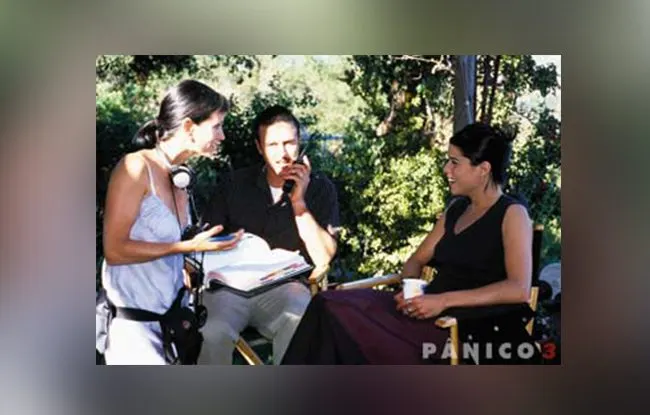
Production practice: because "the killer's identity kept changing," multiple alternate script pages existed and were leaked/faxed, the device Ghostface uses to send victims their own death scenes. Script access differed by performer: McRee received five or six contextual pages around her scenes, while Keeslar remembered discovering the killer only at the premiere. Schreiber thought he might have received the whole script, but was unsure. Keeslar recalled restrictions on cameras and photographs, and the Runyon Canyon location was closed to passersby. Maddalena remembered small screenings for roughly 30 or 40 friends and family rather than a broad public test, and the press kit asked reviewers to preserve the reveals.
The killer murders the cast in the order they die in the script. Production is shut down.
A Stab 3 poster later appears in Scream 4's Cinema Club room, and supplementary/franchise sources refer to a completed release retitled Stab 3: Hollywood Horror, with two killers rather than Roman alone and Gale and Dewey depicted as married. Not stated on screen.
A Stab 2 poster hangs in the Sunrise Studios corridor.
Foley worked with Craven, the first assistant director and the cinematographer to block Roman's final confrontation while other scenes were being lit. Moving through the room and searching for Sidney kept the explanation of Roman's past from becoming a static speech. Foley recalled performing most of the explanation in one take with several cameras, up to the moment Sidney emerges from behind the bar; this described that segment, rather than the entire finished climax.
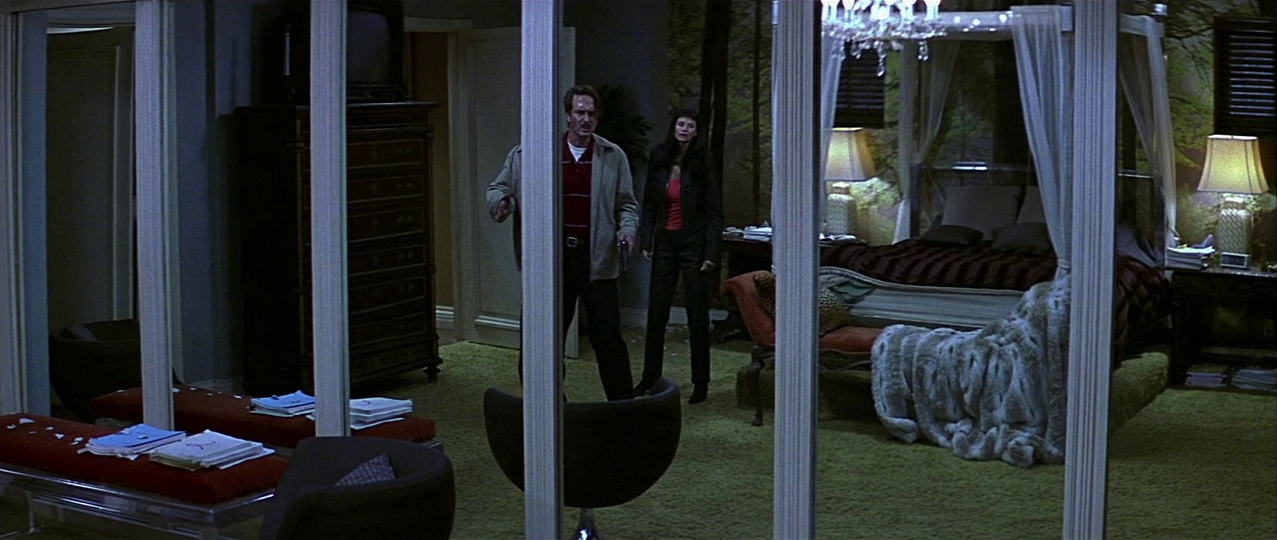
Milton's mansion combines a real location with purpose-built interiors. Miller covered an exterior door at the estate with the secret bookcase, while the mirrored bedroom and the screening-room finale were built on stages and matched to the house.
Fisher wrote Bianca's dialogue. To make a later edit work, Craven asked her to light her cigarette at the start of the scene instead of midway through the longer speech. The cigarette could then stay consistent when the middle of the dialogue was cut.
The shoot overlapped with post-production on Music of the Heart. Tina Anderson kept a color-coded August 1999 schedule that divided Craven's time between Scream 3 filming and Thursday–Friday work on the earlier movie. Maddalena also recalled celebrating Craven's 60th birthday at Konrad's house during the shoot, with a French provincial dinner, sunflowers and about 30 guests. During long night-lighting setups, Waldron recalled making playful Blair Witch-style camcorder chases around the mansion grounds with Craven.
The phone call before Steven Stone’s death changed in post-production. The first recording made the impersonated Dewey sound aggressive. During dialogue replacement, Craven tried a more distressed delivery, changing Stone’s reaction and making the attack less predictable.
The studio pushed for much less gore than the first two films after Columbine, and Craven fought to keep enough violence for it to feel like a Scream movie. Waldron described tracking both story logic through the daily rewrites and the increasing stages of blood, giving Craven choices in the edit.
Jake Garber is credited for makeup effects, with Carol Schwartz again running the makeup department. Ron Bolanowski coordinated special effects, including the gas explosion at Jennifer's house.
Gene Warren Jr. and Ray McIntyre Jr. supervised visual effects, with Leslie Huntley as visual effects producer and Reid Paul as compositing supervisor. Mark Wineman handled 24-frame video playback. Tom's explosion combined shots with a plate of the house for the compositors; Keeslar recalled performing his reaction in only a few takes.
Roman's voice changer lets him sound like other people. He uses it to pass himself off as Cotton to Christine and as Maureen to Sidney.
Rick Avery was stunt coordinator and second unit director. Brian Avery and Jeff Brockton performed as Ghostface.
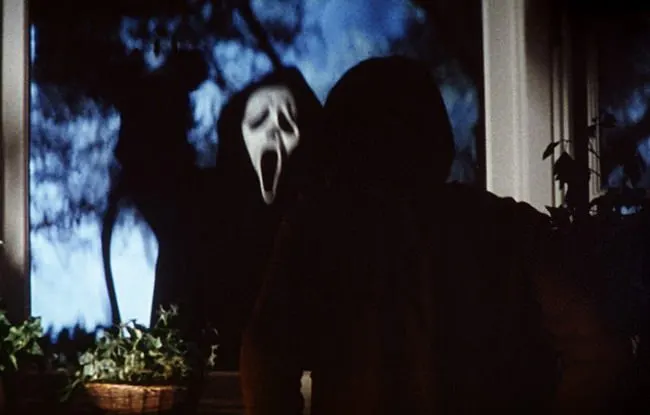
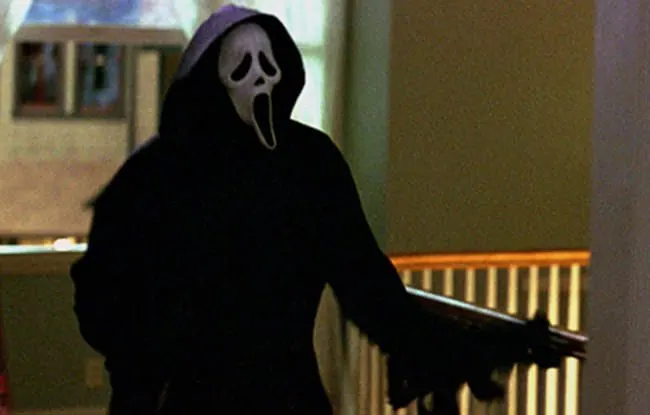
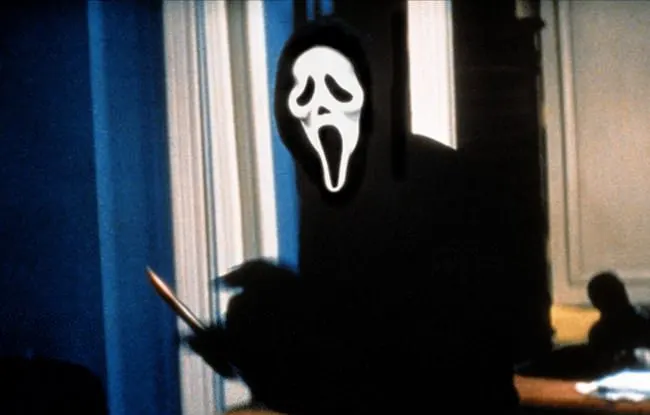
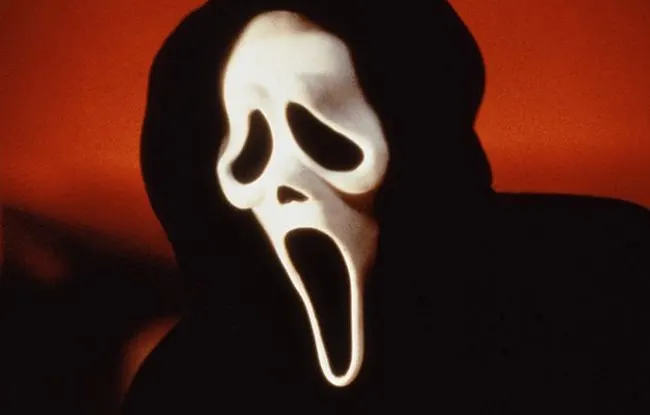
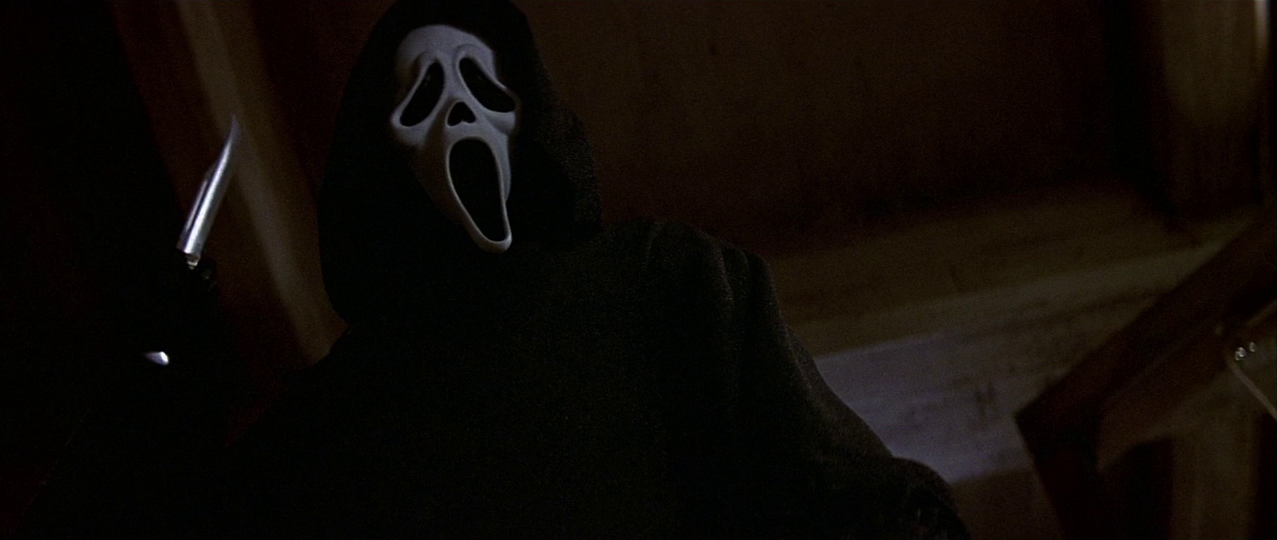
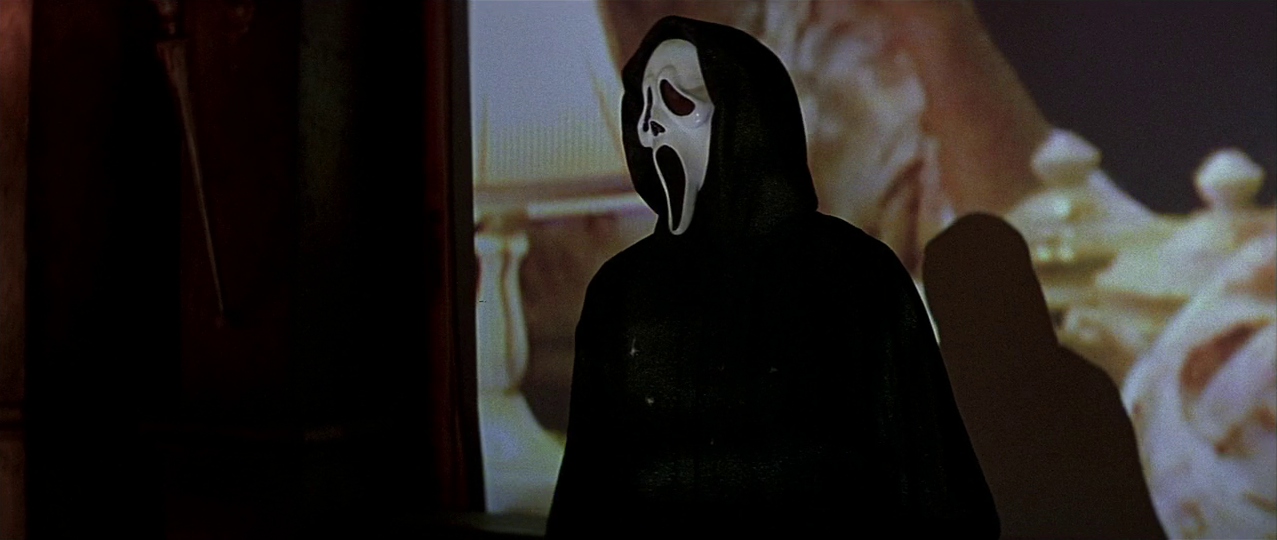
Roman wears the plain white mask from Fun World's dedicated GhostFace line, which started after Scream 2.
To play on Sidney's memories of her mother, Roman wears a bloodied crime-scene sheet over the costume, and leaves photos of the young Maureen at his crime scenes.
Roman's voice changer becomes a plot device here, used to impersonate other characters.
Craven had replicas of Sidney's Woodsboro house built on the Sunrise Studios soundstage for the Stab 3 chase.
Abigail Murray designed the costumes, with Bruce Alan Miller back as production designer and J.P. Jones as property master. Mortimer recalled that silicone costume inserts were difficult to keep in place during Angelina's running scenes.
ASIS-era masks, the transitional line produced while the GhostFace trademark was still going through registration, which is why the packaging of the period carries no line name at all.
McRee supplied photographs from her own modeling career for Maureen’s old Hollywood headshots. The production used her original prints rather than creating every image from scratch. She was attending an American Airlines recertification session when production called about bringing Maureen back.
Marco Beltrami scored his third Scream. He used seven orchestrators, which some took as a sign he was racing the deadline. He also experimented with sound, putting objects inside a piano, recording at different speeds, and altering the results electronically, while keeping the heavy vocal writing of the earlier scores.
Hans Zimmer's Broken Arrow music shows up again in the cue 'Sid Wears a Dress.'
Nick Cave wrote a new sequel to 'Red Right Hand' for the closing credits. It is not on the soundtrack album, but Beltrami worked a few notes of it into his score.
Scream 3: The Album came out on Wind-up Records on January 25, 2000. Tracks: 'What If' by Creed; 'Wait and Bleed (Terry Date Mix)' by Slipknot; 'Suffocate' by Finger Eleven; 'Spiders' by System of a Down; 'Automatic' by American Pearl; 'Fall' by Sevendust; 'Time Bomb' by Godsmack; 'Tyler's Song' by Coal Chamber; 'So Real' by Static-X; 'Crowded Elevator' by Incubus; 'Debonaire' by Dope; 'Sunburn' by Fuel; 'Get On, Get Off' by Powerman 5000; 'Wanna' Be Martyr' by Full Devil Jacket; 'Dissention' by Orgy; 'Crawl' by Staind; 'Click Click' by Ear2000; and 'Is This the End' by Creed. It runs 73:11.
The album reached No. 32 on the Billboard 200 and was certified Gold by the RIAA in 2000. It came to iTunes on February 1, 2012. AllMusic gave it 2.5 out of 5 and Kerrang! gave it 2 out of 5. Creed's 'Is This the End' plays over the end credits. The video for Creed's 'What If' restages events from the film with a David Arquette cameo and was included on the home video release. David Arquette co-wrote Ear2000's 'Click Click.'
Scream 3: The Score came out on Varese Sarabande on February 29, 2000. Filmtracks called it one of the few bright spots in the sequel, AllMusic gave it 2.5 out of 5, and Jonathan Broxton gave it 4 out of 5. The complete score, about 1 hour 44 minutes over two discs, was part of a box set of Beltrami's first four Scream scores on January 7, 2022, limited to 1,800 copies. A vinyl box set with about 42 minutes of Scream 3 music followed June 10, 2022.
Included with any plan
Check current availability
Free with adverts
Free with a library card
About $3.99 to rent, $9.99 to buy
Horror Addict
The theatrical trailer in high definition.
Rotten Tomatoes Classic Trailers
An archive copy of the first trailer.
Trailer World
Another copy of the official trailer.
Miramax
The clip where the characters lay out the rules of a trilogy.
Miramax
An official clip built around the film within the film.
The Scream VAULT
Press interviews with the cast recorded when the film came out.
Movies Stuff
Unedited footage shot on set during the production.
Alberto Amoruso
A press interview with Neve Campbell about the third film.