StabMovies.com

A Nightmare on Elm Street

A Nightmare on Elm Street

1984

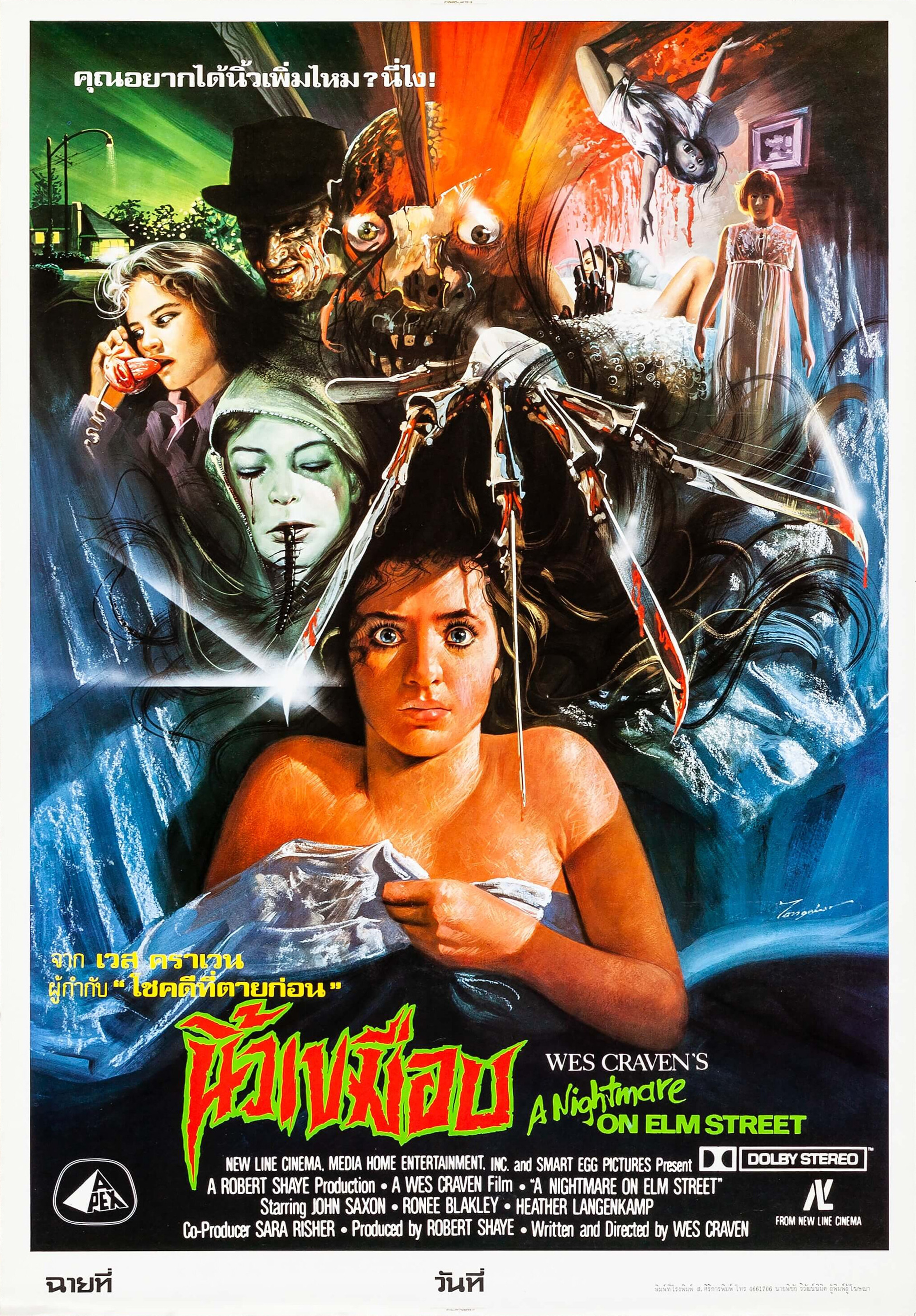
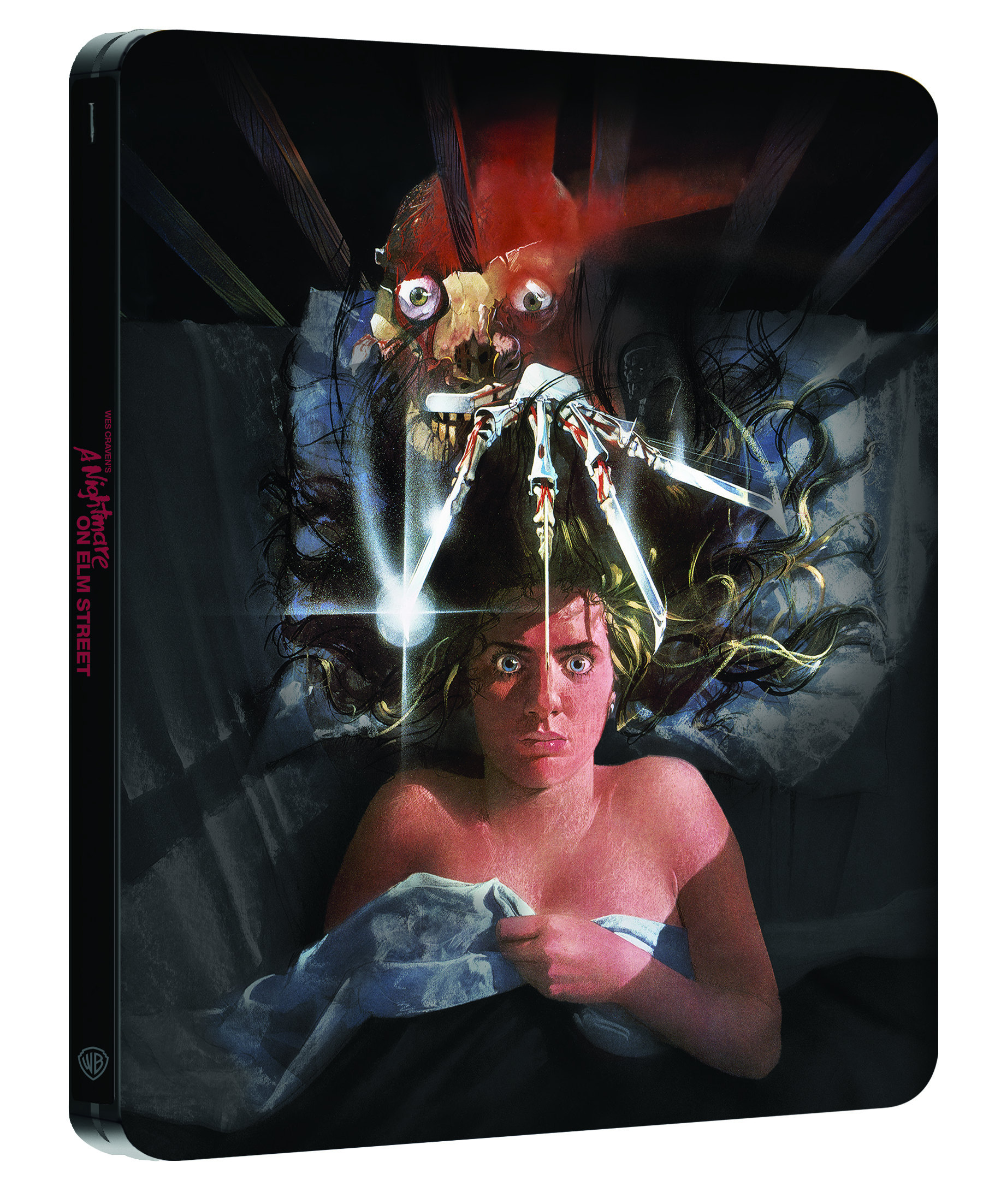
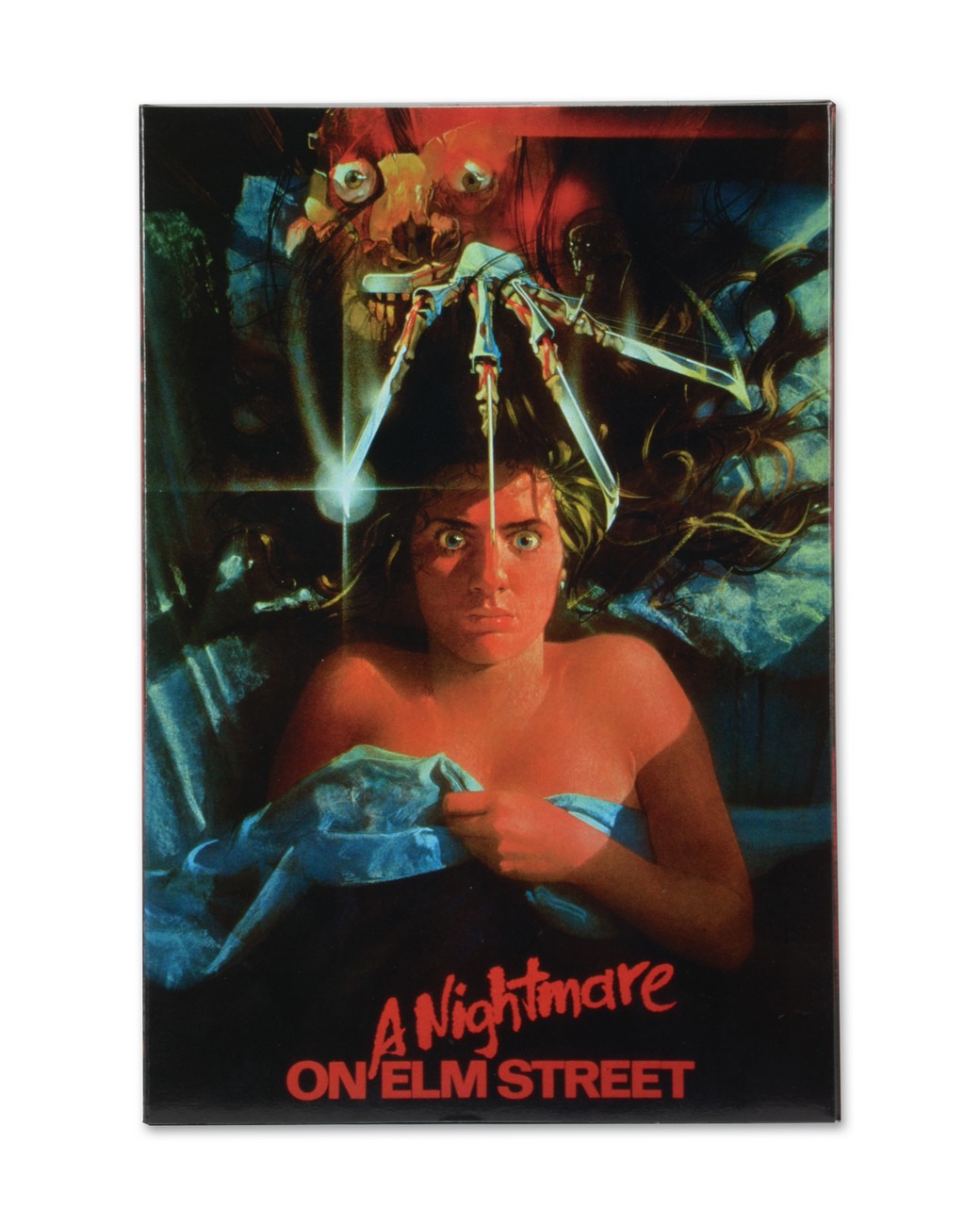
A Nightmare on Elm Street (1984) poster
Status
Released
Released
November 9, 1984
Runtime
91 minutes
Rated
R
Budget
$1,800,000
Opening
$1,271,000
Domestic
$25,504,513 (original 1984 run)
Worldwide
$57.1 million
Distributor
New Line Cinema
Studio
New Line Cinema, Media Home Entertainment, Smart Egg Pictures
Continuity
Original series

If Nancy Doesn't Wake Up Screaming She Won't Wake Up at All

Directed by
Wes Craven
Written by
Wes Craven
Produced by
Robert Shaye

The Film

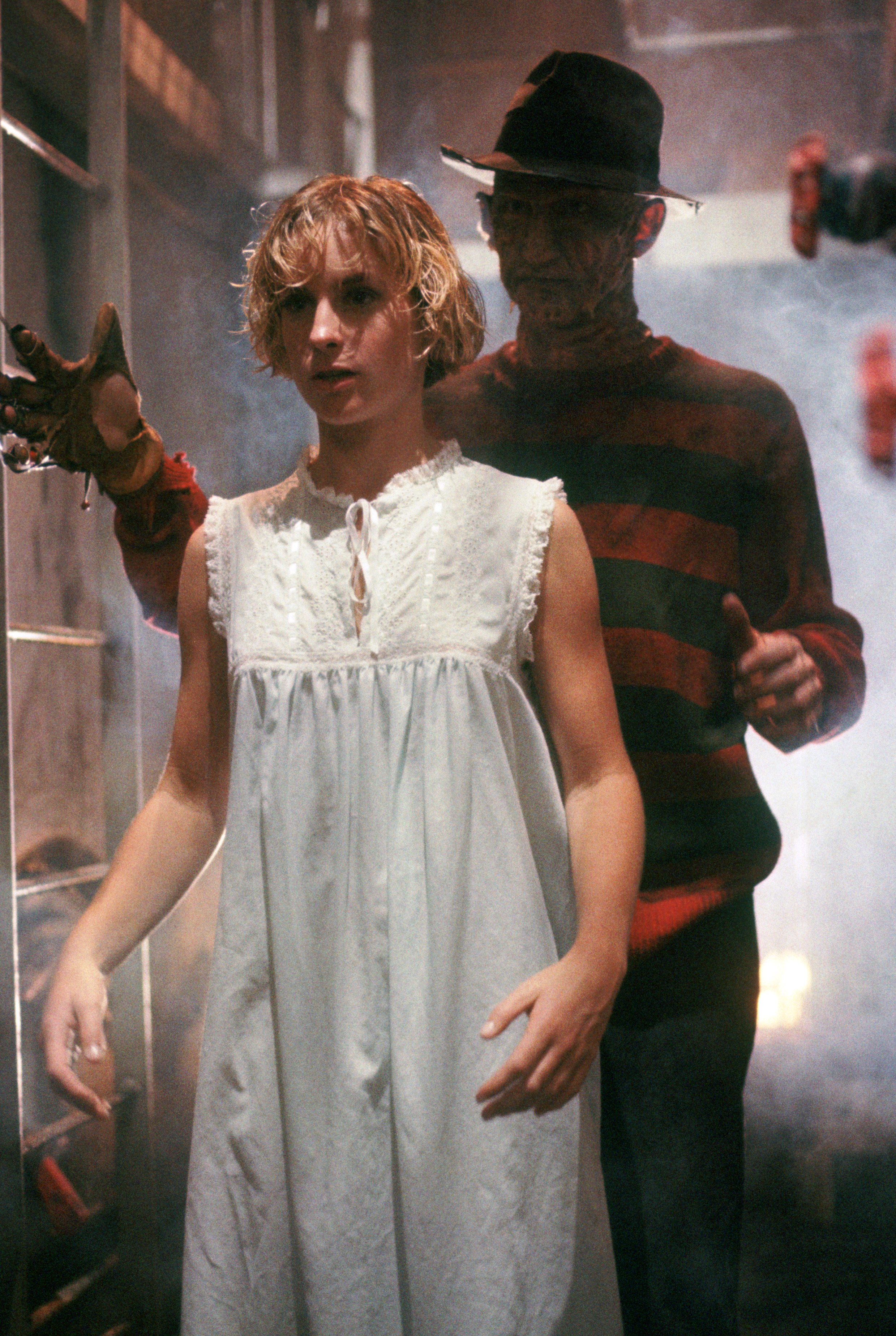
Tina Gray wakes up from a nightmare in which a burned man in a boiler room comes after her with a glove fitted with blades. Her mother points out four slashes in her nightgown. The next morning Tina learns that her best friend Nancy Thompson and Nancy's boyfriend Glen Lantz have been dreaming about the same man.

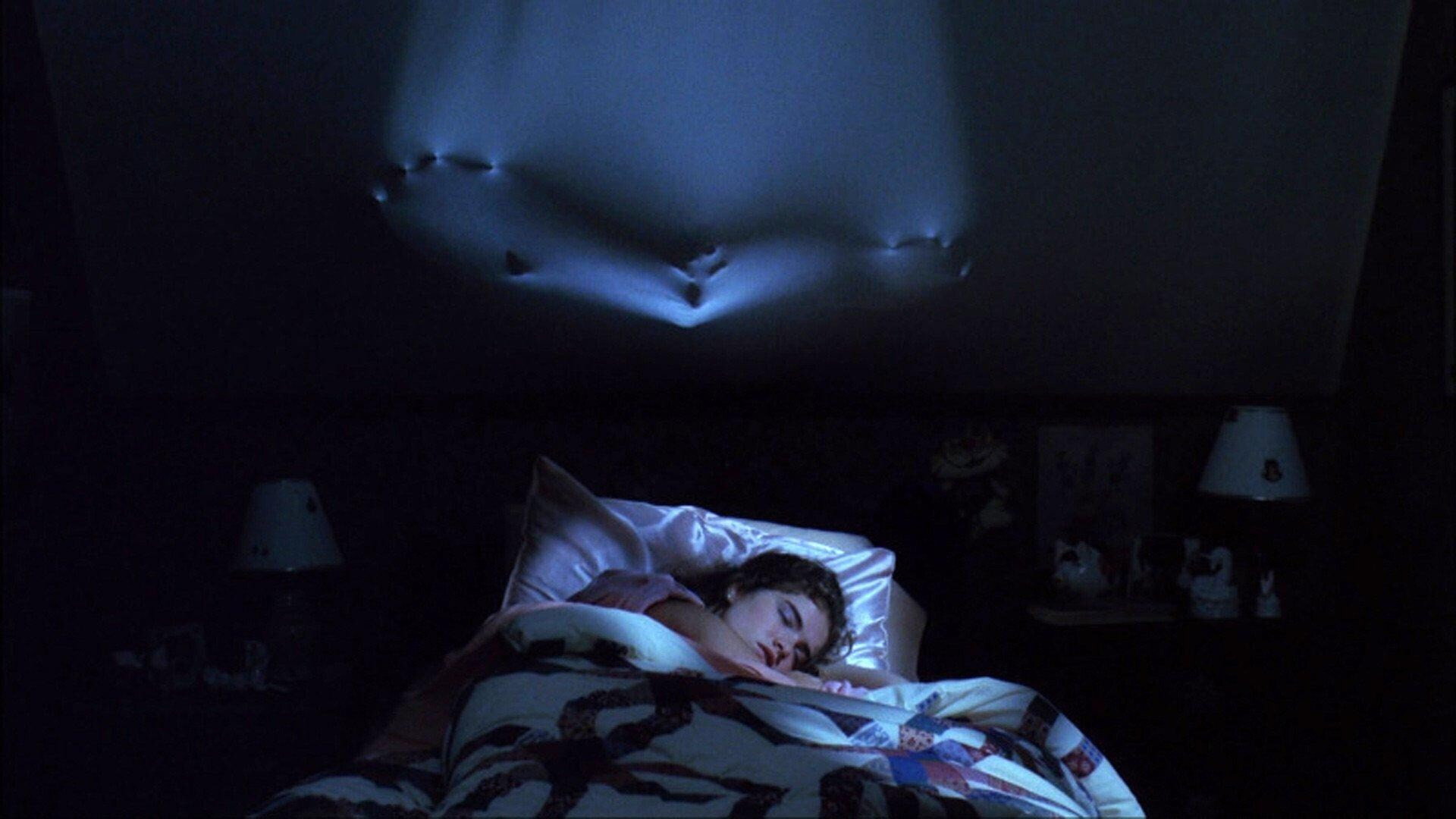
Nancy and Glen stay over at Tina's house because Tina is scared to be alone. Tina's boyfriend Rod Lane shows up, and the two sleep together. When Tina falls asleep, the man chases her through an alley. Rod wakes up to see Tina cut open by something he cannot see and dragged up the wall and across the ceiling. He runs. Nancy and Glen find her body.

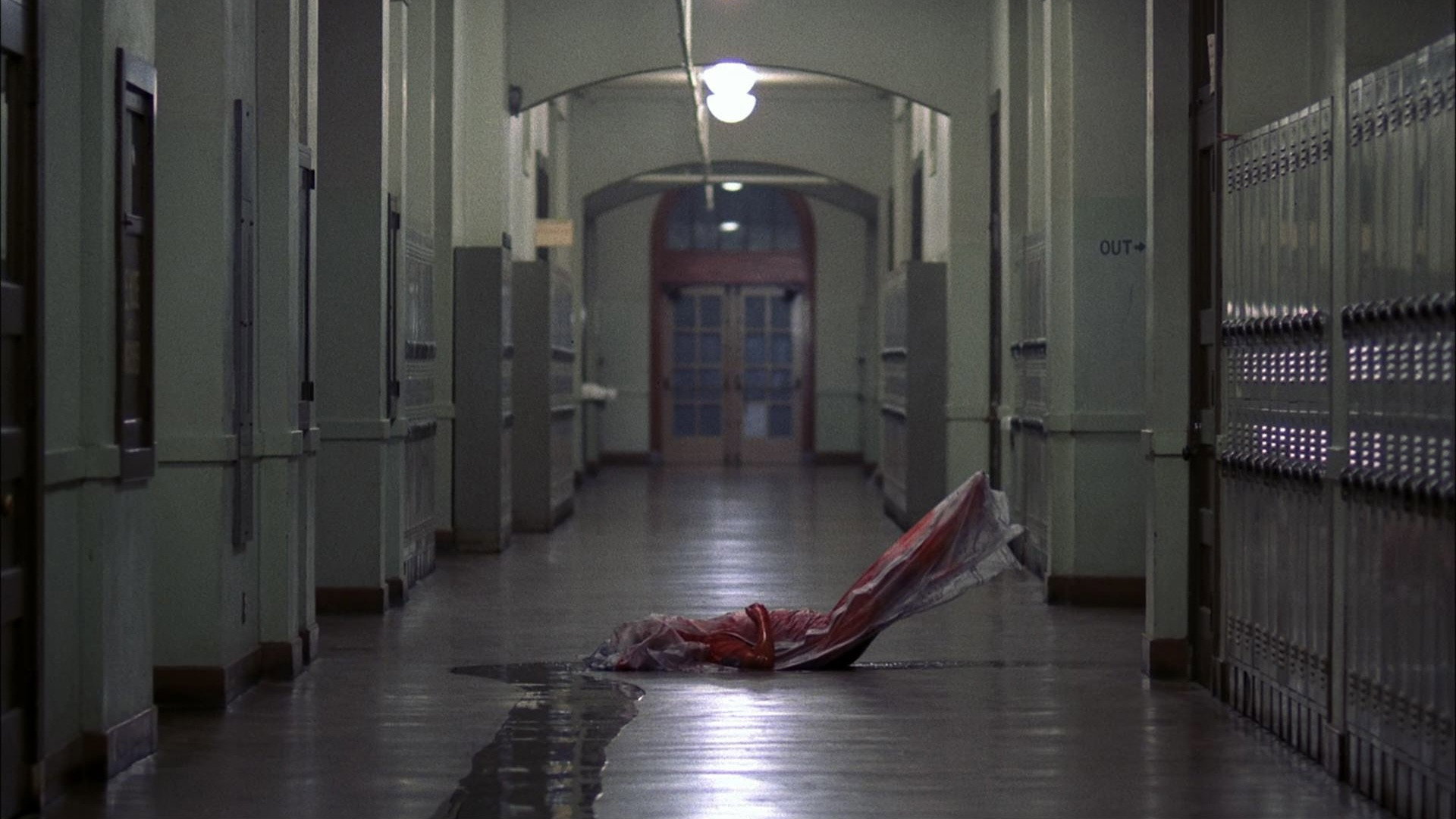
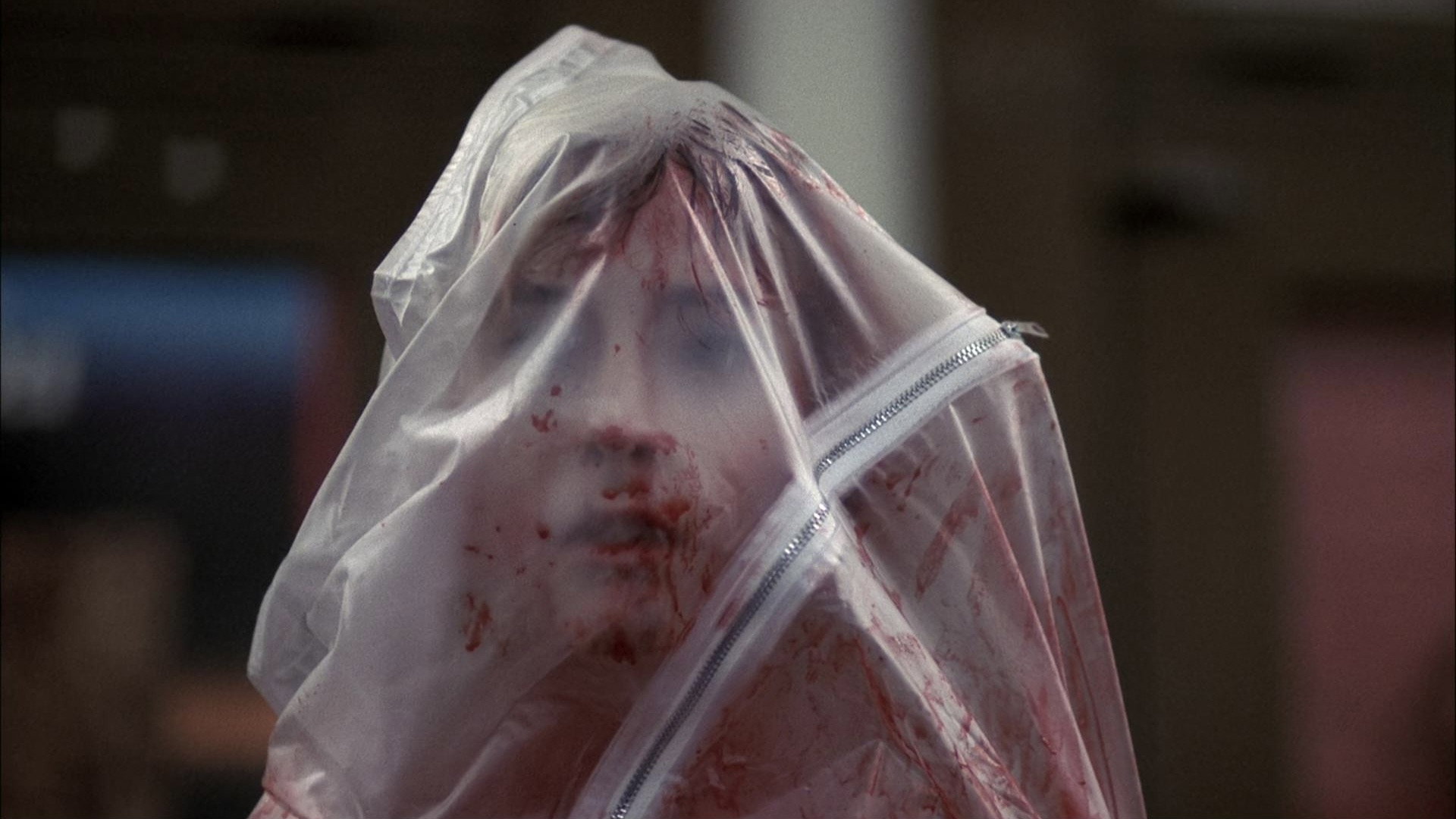
Nancy's father, police Lt. Don Thompson, arrests Rod, who swears he did not do it. Nancy dozes off in class and follows Tina's body bag into the school basement and down into a boiler room, where the man is waiting. She presses her arm against a hot pipe to wake herself up and comes to in class with a real burn on her arm. Rod tells her from his cell that he has been having the same dreams.

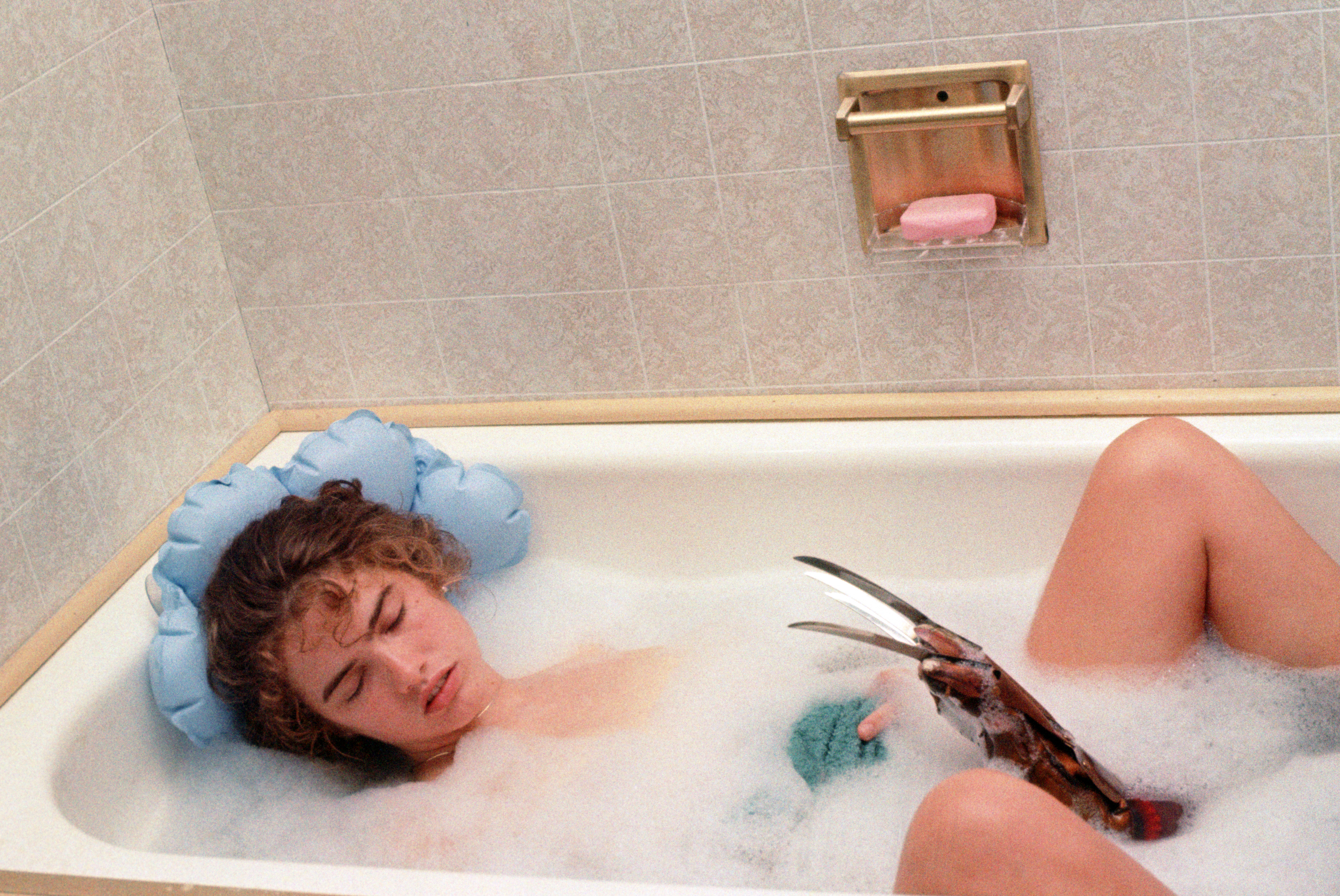
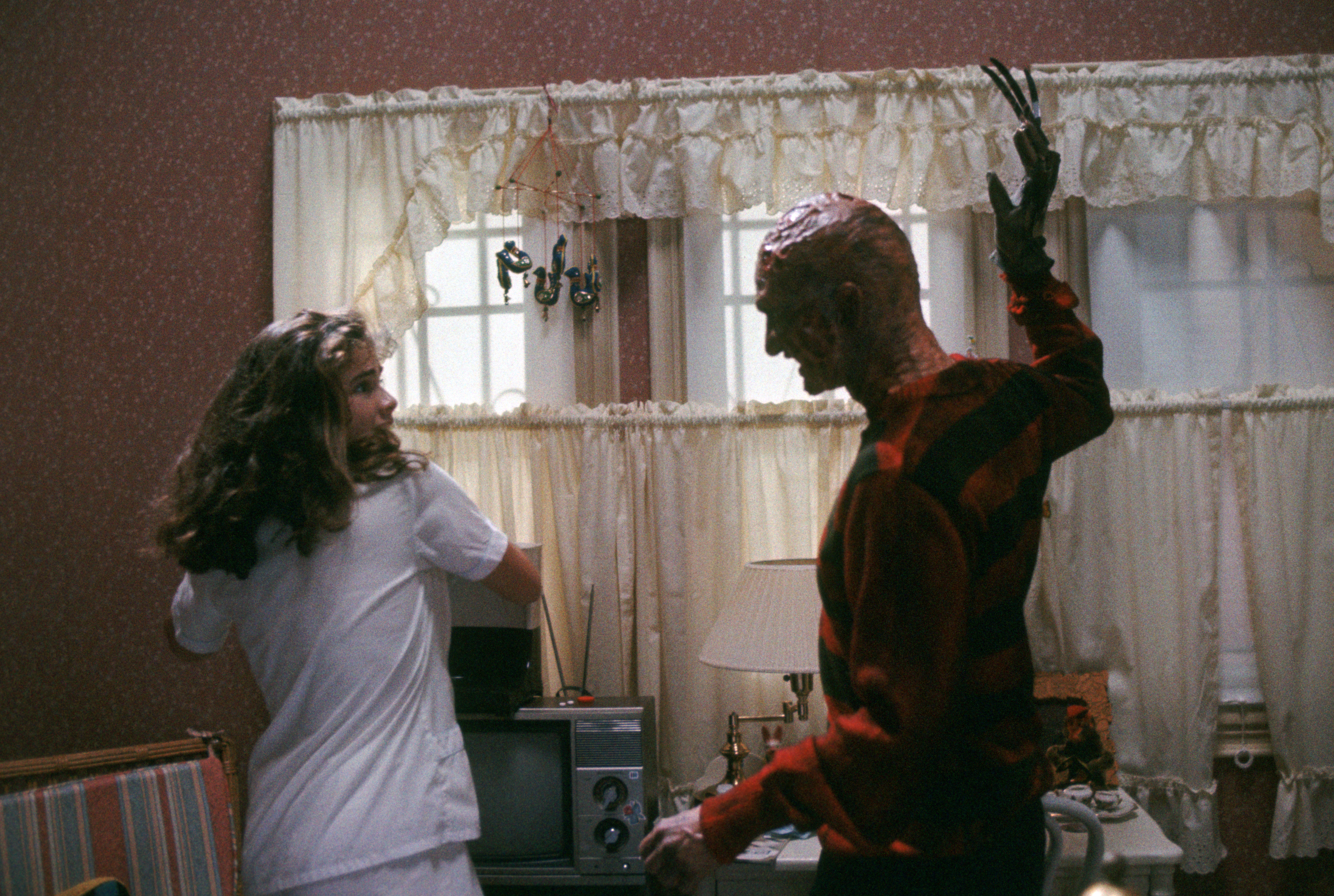
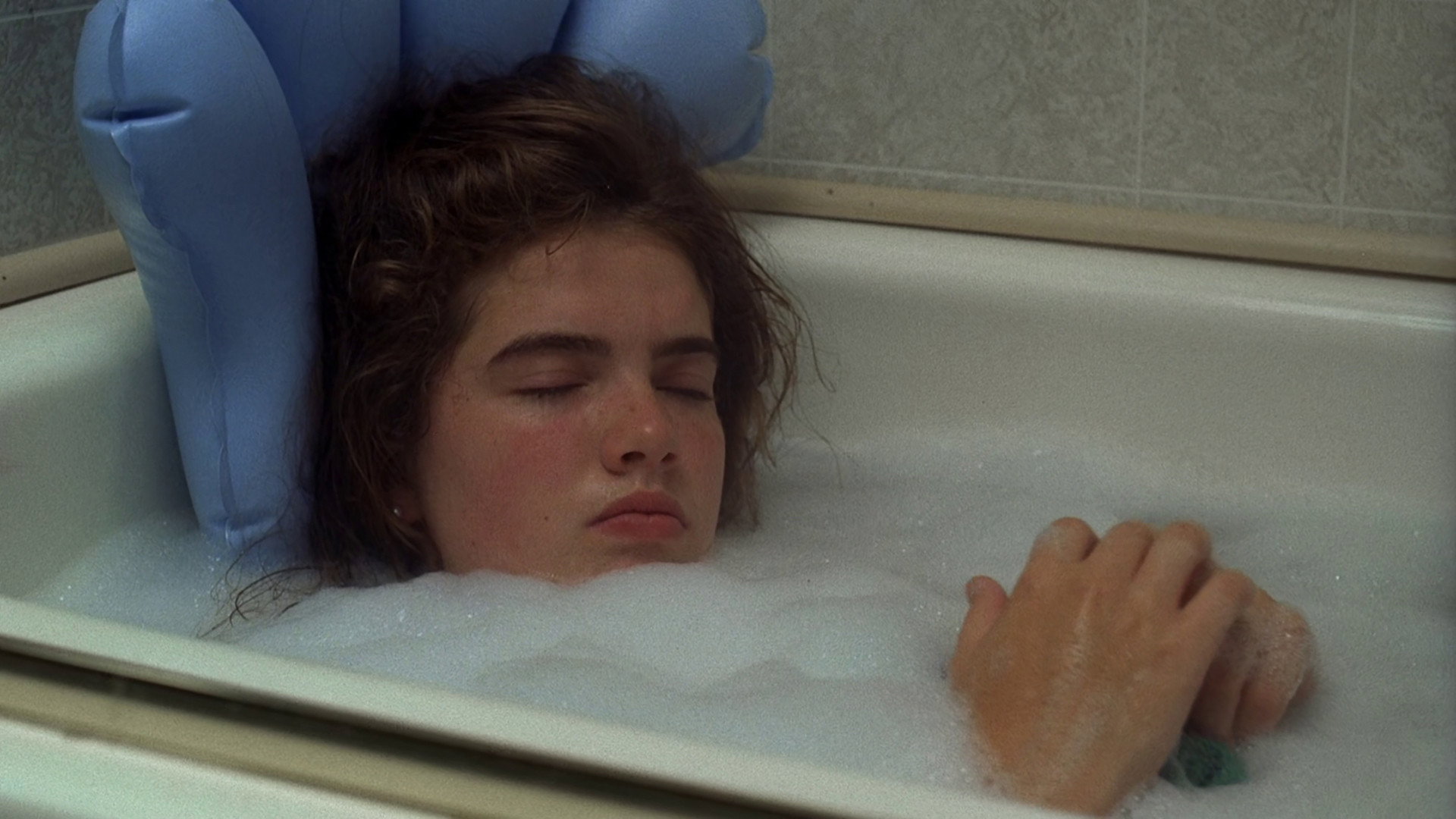
Nancy nearly drowns when the glove comes up through the water while she dozes in the bathtub. She starts drinking coffee to stay awake and asks Glen to watch over her while she sleeps. In her dream she sees the man about to kill Rod in his cell. He turns on her instead, and her alarm clock wakes her. By the time she and Glen get to the police station, Rod is dead, hanging from his bedsheet in a way that looks like suicide.

At Rod's funeral Nancy's parents grow worried. Her mother Marge takes her to a sleep clinic. Nancy has a violent nightmare while wired to the machines and wakes up holding the man's dirty fedora, with the name Fred Krueger written inside. Marge bars the windows of the house. Drunk, she finally tells Nancy the truth. Fred Krueger killed 20 children and walked free on a technicality. The parents of Elm Street tracked him down and burned him alive. Marge kept his bladed glove hidden in the furnace.

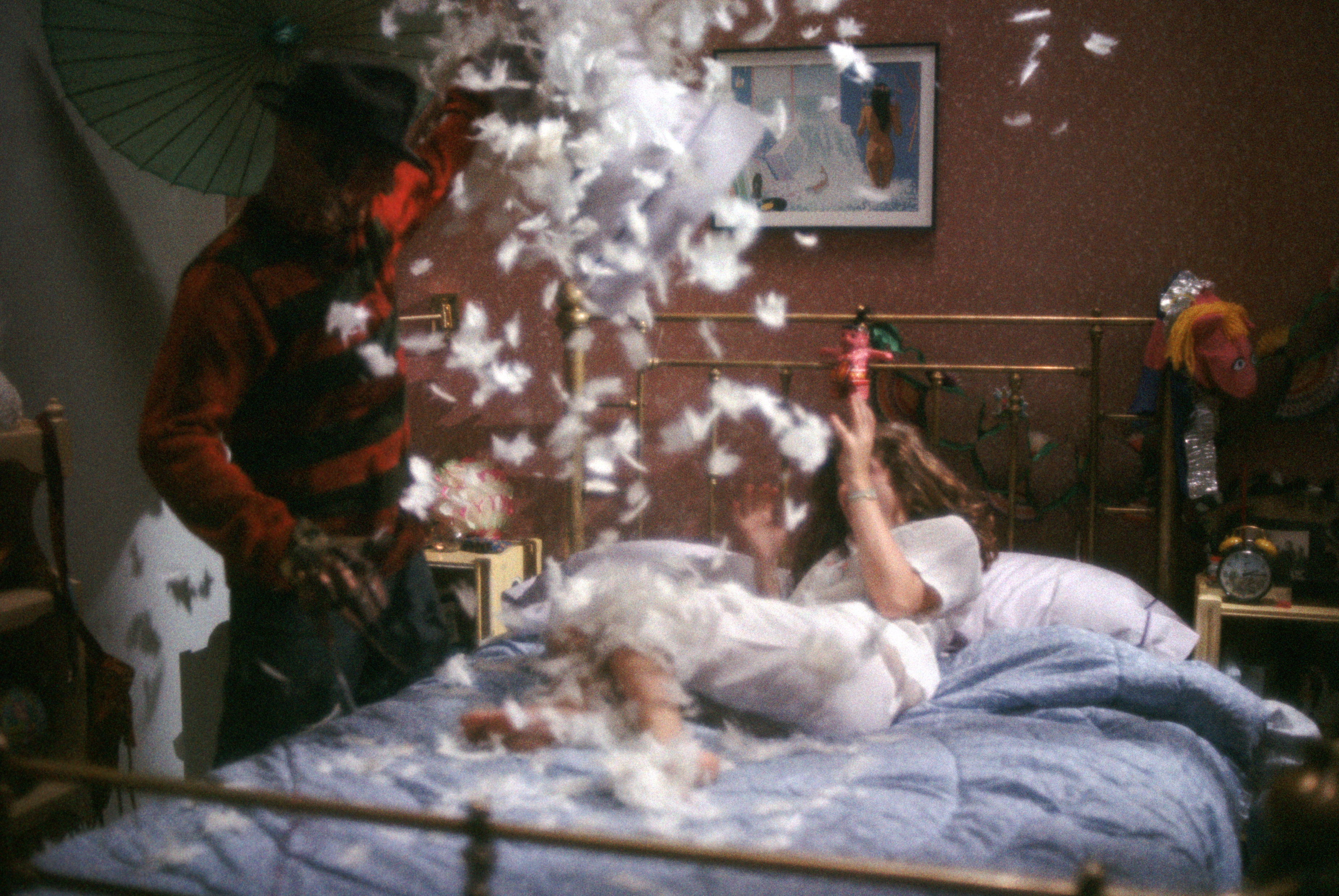
Nancy now knows Krueger is killing the children of the people who killed him. Glen promises to stay awake but falls asleep in front of the TV. Krueger pulls him down into his bed, and a flood of blood shoots up out of it onto the ceiling. Nancy calls her father, who is across the street at the murder scene, and tells him to break into the house in 20 minutes.

Nancy sets booby traps around the house, falls asleep, and grabs Krueger as her alarm goes off, pulling him into the real world. He runs through her traps, and she sets him on fire and locks him in the basement. Her father arrives with the police, but Krueger has already gotten upstairs. They find him, still burning, on top of Marge in her bed. Don puts out the flames, and Krueger and Marge sink into the mattress.

Krueger rises up behind Nancy. She realizes he only has power because she is afraid of him. She takes back the energy she gave him, turns her back, and he disappears.

Nancy walks out the front door into a bright, foggy morning. Her mother is alive, and Tina, Rod and Glen pull up in Glen's convertible. Once Nancy is in the car, the top slams down in red and green stripes and locks them in, and the car speeds off down the street. Three little girls in white jump rope and sing Krueger's rhyme, and Krueger's arm smashes through the window in the front door and pulls Marge inside.

Story notes

  • Teenager Nancy Thompson discovers that she and her friends are being hunted in their dreams by Freddy Krueger, a burned killer with a bladed glove.
  • Injuries suffered in dreams become real, forcing Nancy to confront him without falling asleep.

Release facts

  • Runtime: 91 minutes (the Nightmare on Elm Street Companion lists 92)
  • Budget: $1,800,000 (estimated; other reports run from $1.1 million to $2.5 million)

New Line opened the film on November 9, 1984, in 165 theaters. It made $1,271,000 its first weekend and had the best per-screen average of any film that week. The Numbers lists a peak of 274 theaters. The AFI Catalog cites a first three days of $1,769,638 on 377 screens. Palace Pictures released it in the UK on August 30, 1985.

Box Office Mojo lists $25,504,513 for the original domestic run, with later re-releases in 2020, 2021, 2024 and 2025 adding a little more. Worldwide numbers vary. Wikipedia gives $57.1 million, the AFI Catalog cites $57 million by 1992, and The Numbers lists $59,240,066. Either way the film made many times its cost and saved New Line.

Critics were mostly kind. Paul Attanasio of The Washington Post praised the witty script and Jacques Haitkin's camera work and called Freddy the scariest horror figure since Halloween's Shape. Variety called it highly imaginative but said the themes were not tied up at the end, and it singled out the scenes between Nancy and her alcoholic mother as the weakest. Kim Newman in the Monthly Film Bulletin called Freddy a fine, perhaps definitive bogeyman and said the film pulled Craven out of a career slump.

Rotten Tomatoes lists 93 percent approval from 71 reviews, with an average of 7.8 out of 10.

Awards: at the 1985 Avoriaz Fantastic Film Festival, Craven won the Critics Award and Langenkamp got a special mention for acting. The Academy of Science Fiction, Fantasy and Horror Films nominated it for Best Horror Film and nominated Nick Corri for Best Performance by a Young Actor. The 2006 DVD was nominated for Best DVD Classic Film Release.

AFI put Freddy Krueger at number 40 among villains on its 100 Years, 100 Heroes and Villains list. Bravo ranked the film 17th on The 100 Scariest Movie Moments in 2004. Empire ranked it 162nd on its 2008 list of the 500 greatest movies. The Independent Film and Television Alliance named it one of the 30 most significant independent films of the past 30 years in 2010.

The Library of Congress added the film to the National Film Registry in 2021.

Press and marketing

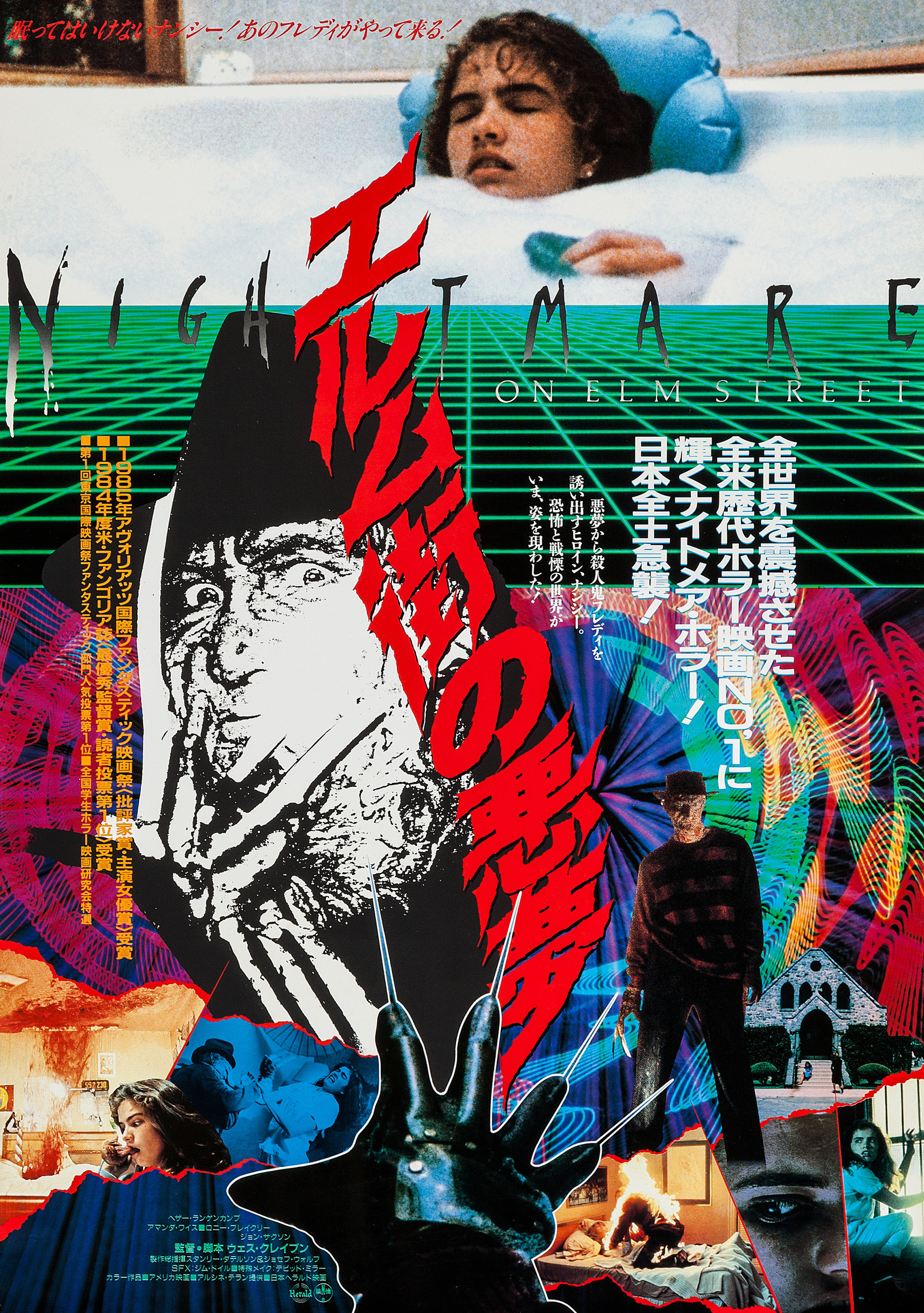
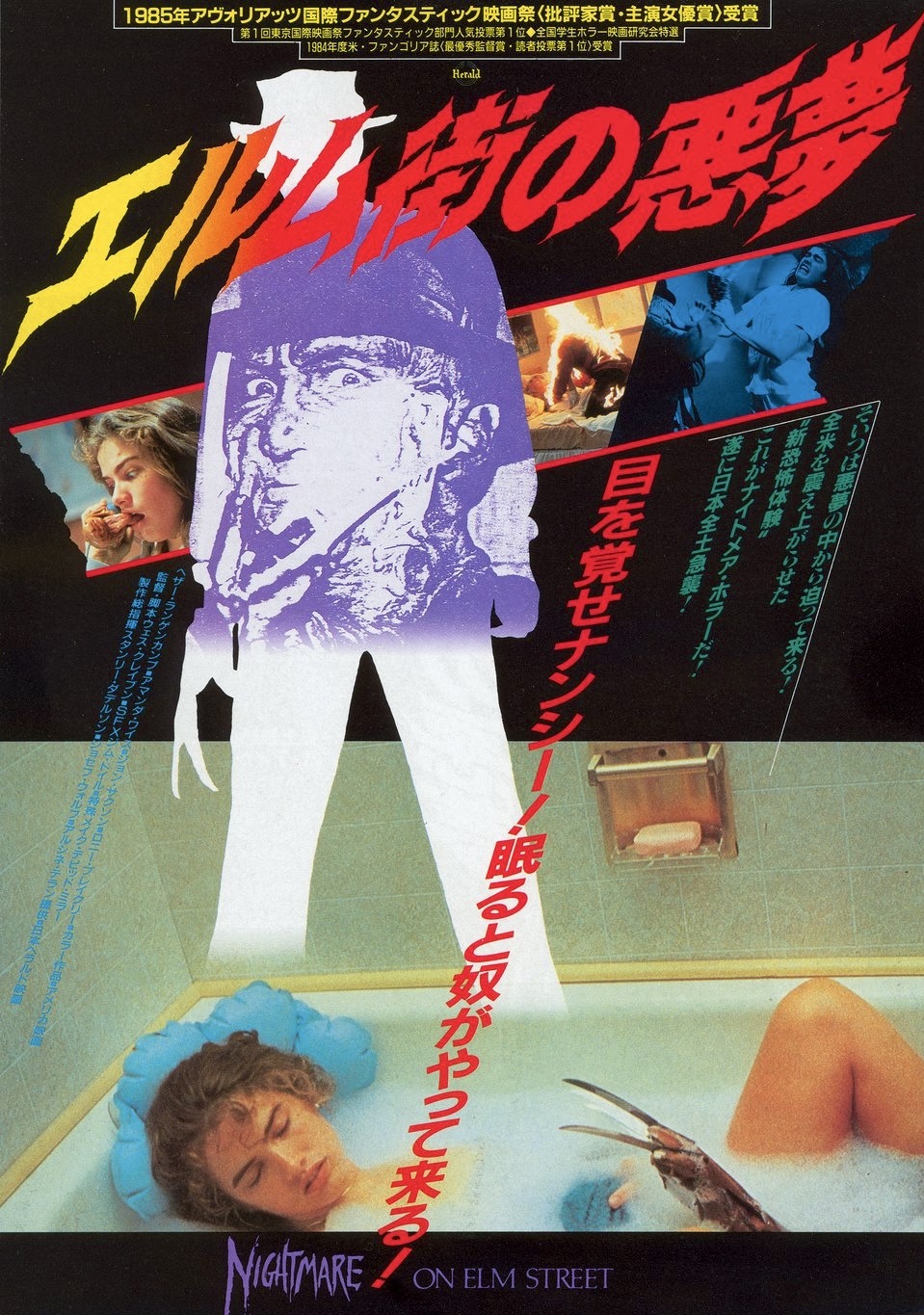
  • Theatrical key-art / poster campaign reference: A Nightmare on Elm Street US one-sheet — originalfilmart.com.

Posters and print

A Nightmare on Elm Street in 35mm - 40th Anniversary

2024 · 2024-10-24 · anniversary theatrical event

Location
Union County Performing Arts Center, Rahway, New Jersey
Features
35mm screening; Wurlitzer organ pre-show; spooky vendors; themed drinks; photo-op area; chance to win Heather Langenkamp-signed movie poster

Deleted Scenes & Trivia

  • The MPAA asked for two cuts before giving the film an R. The theatrical version lost 13 seconds, according to Wikipedia. In 2014 Craven said twelve frames of blood had to come out of Tina's death or the film would have been cut harder.
  • The UK got the film uncut in theaters and on video. In Australia, the theatrical print was cut for an M rating, but the 1985 VHS was uncut with an R rating.
  • The uncut version was first released in the US on Elite's 1996 LaserDisc. DVD, digital and Blu-ray releases used the theatrical cut until the 2024 4K disc, whose uncut version adds 8 seconds.
  • Deleted material on the 1996 Elite LaserDisc and Anchor Bay VHS includes Glen's body coming back up through the bed, longer footage of Nancy getting ready for her fight with Freddy, and backstory saying the parents burned Freddy 10 years earlier and that Nancy was not an only child.
  • The 1996 Collector's Edition also has three alternate endings. The main difference is that Nancy and her friends drive off without Freddy stepping in.
  • Craven shot an ending with Freddy driving the car. It stayed unreleased until the 2006 Infinifilm DVD and is also on the 2010 Blu-ray and the 4K discs.
  • The 2025 4K collection includes theatrical and uncut presentations plus three alternate endings.
  • The 1996 Collector's Edition archive includes Glen's body emerging from the bed, expanded Nancy preparation material and deleted backstory about the Elm Street parents and Nancy's siblings.
  • Three alternate endings were released on the 1996 collector media; the later 2006 Infinifilm DVD finally released the 'Freddy driving the car' ending as a supplement.

Versions

Theatrical cut

Theatrical / most earlier digital masters

Notes
MPAA-approved feature.

Uncut version

2024 · 4K UHD

Notes
Restores about 8 seconds of unrated violence across four cuts.

1996 Collector's Edition deleted/outtake archive

1996 · LaserDisc / VHS

Notes
Important source for extended dialogue, FX tests, deleted plot material and alternate endings.

Trivia

  • Robert Englund is billed last, under 'and Robert Englund as Fred Krueger.' Johnny Depp is billed as 'introducing.'
  • Budget reports disagree. The Numbers and the Nightmare on Elm Street Companion say $1.8 million. Robert Shaye has said $1.1 million. The DVD box set booklet says $1.2 million. The AFI Catalog notes trade reports of $2.5 million and later $1.7 million.
  • Domestic gross also varies by source: $25,504,513 for the original run at Box Office Mojo, $25,624,448 including re-releases at Box Office Mojo, and $25,804,893 at The Numbers.
  • Sam Raimi's The Evil Dead plays on a TV while Nancy tries to stay awake. Raimi had put a poster for Craven's The Hills Have Eyes in The Evil Dead. Raimi answered with a Freddy glove in Evil Dead II and later in Ash vs Evil Dead.
  • The end credits thank Sean Cunningham, Sam Raimi and Jack Sholder. Sholder went on to direct Part 2.
  • New Line put one of the final drafts of Craven's script on its 2000 DVD.
  • Craven said Freddy stands for the worst of adulthood: the adult who wants children to die rather than grow.
  • Langenkamp called it a feminist movie but said she sees it more as a youth power film.
  • Kane Hodder, who later played Jason Voorhees, met with Craven about playing Freddy. Hodder said Craven was first thinking of a big man for the part.
  • Nancy's house at 1428 North Genesee Avenue is a real home. The first two films used its exterior, with interiors built as sets.
  • The film's setting has a Southern California feel and never names a state. Springwood was placed in Ohio later in the series.
  • Sources disagree on whether Freddy's ending attack means Nancy is still dreaming. The Companion FAQ reads it that way, since the sequels treat Nancy as having survived.
  • The film was imitated abroad in the Indian films Khooni Murda (1989) and Mahakaal (1993) and the Indonesian film Satan's Bed (1986).
  • The AFI Catalog says Craven researched the story at the UCLA Dream Clinic during the four years it took to get the film made.
  • The UK tagline was 'Sleep Kills.'
  • Los Angeles named September 12, 1991, Freddy Krueger Day. Mayor Tom Bradley signed the proclamation because the series filmed in the city.

Continuity

  • Series origin and basis for the original seven-film cycle.
  • The 2010 film is a separate remake continuity.

Connections

  • Followed by A Nightmare on Elm Street 2: Freddy's Revenge (1985), set five years later in the same house.
  • A Nightmare on Elm Street 3: Dream Warriors (1987) brings back Nancy and her father Don and reveals where Freddy's bones were hidden.
  • The 1987 novelization by Jeffrey Cooper covers this film together with Parts 2 and 3.
  • The unused idea of Freddy driving the kids off became the school bus nightmare that opens Freddy's Revenge.
  • Wes Craven came back to the series with Wes Craven's New Nightmare (1994), built from an idea he first pitched for Part 3.
  • Remade in 2010 by director Samuel Bayer and producer Michael Bay, with Jackie Earle Haley as Freddy. That remake is a separate continuity.
  • Jackie Earle Haley, who later played Freddy in the remake, is the friend Johnny Depp came with to the 1984 audition.
  • Freddy's glove turns up in Sam Raimi's Evil Dead II and Ash vs Evil Dead, answering The Evil Dead appearing on Nancy's TV.
  • Freddy vs. Jason (2003) pits Freddy against Jason Voorhees.

A Nightmare on Elm Street (1984)

Details
Wes Craven establishes Freddy Krueger as a killer who attacks teenagers through their dreams and introduces Nancy Thompson as the defining original survivor.

Record
A Nightmare on Elm Street

Sources

Cast & Production

Cast

John Saxon

Lt. Donald Thompson

Ronee Blakley

Marge Thompson

Heather Langenkamp

Nancy Thompson

Amanda Wyss

Tina Gray

Nick Corri

Rod Lane

later works as Jsu Garcia

Johnny Depp

Glen Lantz

credited as 'introducing'; his first feature film

Charles Fleischer

Dr. King

Joseph Whipp

Sgt. Parker

Lin Shaye

Teacher

Robert Englund

Fred Krueger

Joe Unger

Sgt. Garcia

Mimi Meyer-Craven

Nurse

also listed as Mimi Craven

Jack Shea

Minister

Ed Call

Mr. Lantz

Sandy Lipton

Mrs. Lantz

David Andrews

Foreman

Jeffrey Levine

Coroner

also listed as Jeff Levine

Donna Woodrum

Tina's Mom

Paul Grenier

Tina's Mom's Boyfriend

Shashawnee Hall

Cop #1

Carol Pritikin

Cop #2

Brian Reise

Cop #3

Jason Adams

Surfer #1

listed as Ash Adams on Wikipedia

Don Hannah

Surfer #2

Leslie Hoffman

Hallguard

also a stunt performer on the film

Robert Shaye

TV news and KRGR radio broadcaster

uncredited voice roles

Kathi Gibbs

Kid

uncredited

John Richard Peterson

Kid

uncredited

Chris Tashima

Kid

uncredited

Antonia Yannouli

Kid

uncredited

Crew

Wes Craven

Director

Wes Craven

Writer

Robert Shaye

Producer

Stanley Dudelson

Executive producer

Joseph Wolf

Executive producer

Sara Risher

Co-producer

John Burrows

Associate producer and production manager

Jacques Haitkin

Director of photography

Rick Shaine

Editor

Patrick McMahon

Co-editor

Charles Bernstein

Music

Gregg Fonseca

Production designer

Anne Huntley

Set decorator

Dana Lyman

Costume designer

Lisa Jensen

Costume supervisor

Terence McCorry

Costumer

David B. Miller

Special makeup effects

Mark Wilson

Makeup effects assistant

Kathy Logan

Makeup

Ramona Fleetwood

Hairstylist

Jim Doyle

Mechanical special effects designer

Lou Carlucci

Special effects assistant

Larry LaPointe

Special effects assistant

Charles Belardinelli

Special effects assistant

Tassilo Baur

Special effects assistant

Peter Kelly

Special effects assistant

James Upham

Special effects assistant

Jim Rynning

Special effects assistant

Annette Benson

Casting

Lauren Roman

Casting assistant

Nick Batchelor

First assistant director

Peter C. Graupner

Second assistant director

Amy Rabins

Production supervisor

Rachel Talalay

Assistant production manager

Stephen Abramson

Production executive

Lisa C. Cook

Production coordinator

Kathy Weygand

Script supervisor

Craig Pointes

Location manager

Sean S. Cunningham

Second unit director on some of Nancy's dream scenes, uncredited

Henning Schellerup

Second unit camera

Anne Coffey

First assistant camera

Tom Vanghele

Second assistant camera

Joyce Rudolph

Still photographer

Scott Buttfield

Gaffer

Rowdy Herrington

Best boy electric

Joseph Adolph

Best boy grip

Bill Kroyer

Storyboard artist

Barbara Metzenbaum

Art department assistant

Don Diers

Art department assistant

Dorree Cooper

Set dresser

John Reinhart

Construction coordinator

John Stadelman

Property master

James LaRue

Sound mixer

Greg Nave

Boom operator

Jess Soraci

Supervising sound editor

Albert Nahmias

Sound editor

Karen I. Stern

Looping editor

Jack Cooley

Re-recording mixer

Valerie Schwartz

Assistant editor

Kevin Krasny

Editorial assistant, Los Angeles

Dan Perri

Title designer

Tony Cecere

Stunt coordinator

Jeff Habberstad

Stunts

Paul Shaver

Stunts

Kerrie Cullen

Stunts

Maggie Koehnen

Stunts

Bruce Carson

Stunts

Sandy Wilson

Stunts

Cynthia Brannon

Stunts

Cindy Wills

Stunts

Jim Stearns

Stunts

Don Pike

Stunts

Tanya Lee Russel

Stunts

Larry Phillips

Stunts

Christina Johnson

Stunts

Christina Rideout

Stunts and special effects assistant

Chuck Clarke

Transportation coordinator

Jim Picciolo

Animal wrangler

Leslie Hoffman

Stunts

Steve Crawford

Second unit gaffer

Cindy Lagerstrom

Second unit key grip

Production

Wes Craven started writing the script around 1981, after finishing Swamp Thing. The idea came from a series of Los Angeles Times articles about young men from Southeast Asian refugee families who had terrible nightmares, tried not to sleep, and died in their sleep. The AFI Catalog cites a 1981 report saying the story drew on news reports of Laotians who died after having the same nightmare. Craven also researched at UCLA's dream clinic during the film's four years of development. It was his first spec script as a writer and director.

Craven built Freddy out of his own life. He named him after a boy who bullied him at school, and he based the look on an old man who stared at him from the sidewalk outside his home when he was a kid. Krueger was first written as a child molester. Craven changed him to a child killer so the film would not look like it was cashing in on child abuse cases in the California news at the time. He picked red and green for the sweater after reading a 1982 Scientific American article that said those two colors clash hardest for the human eye. He wanted a villain who wore something like a mask but could still talk and taunt.

The script was turned down across town. Disney wanted a tamer film. Paramount passed because it seemed too close to Dreamscape. Universal sent a rejection letter dated December 14, 1982. New Line Cinema, then a small distributor, took it on, and the film became the company's first big hit. New Line is still called The House That Freddy Built.

Money was hard to find. The first budget was $700,000, split among English investors, a producer of The Texas Chain Saw Massacre and Media Home Entertainment. Four weeks before shooting, the English investor putting in 40 percent pulled out, and Media Home Entertainment covered it. Heron Communications and Smart Egg Pictures also came in. Robert Shaye later said the film ended up at $1.1 million and that half the money came from a Yugoslavian backer, Djordje Zecevic of Smart Egg Pictures. The AFI Catalog lists the co-production partners as London's VTC Productions and Smart Egg Pictures.

David Warner was Craven's first choice for Freddy and did makeup tests, but he had to drop out over scheduling. Kane Hodder, later known as Jason Voorhees, met with Craven about the part. Casting director Annette Benson talked Craven into seeing Robert Englund, who had auditioned for her before. Englund had rubbed cigarette ash under his eyes and slicked back his hair for the audition. He took the role because it was the only job that fit the break between the V miniseries and the V TV series.

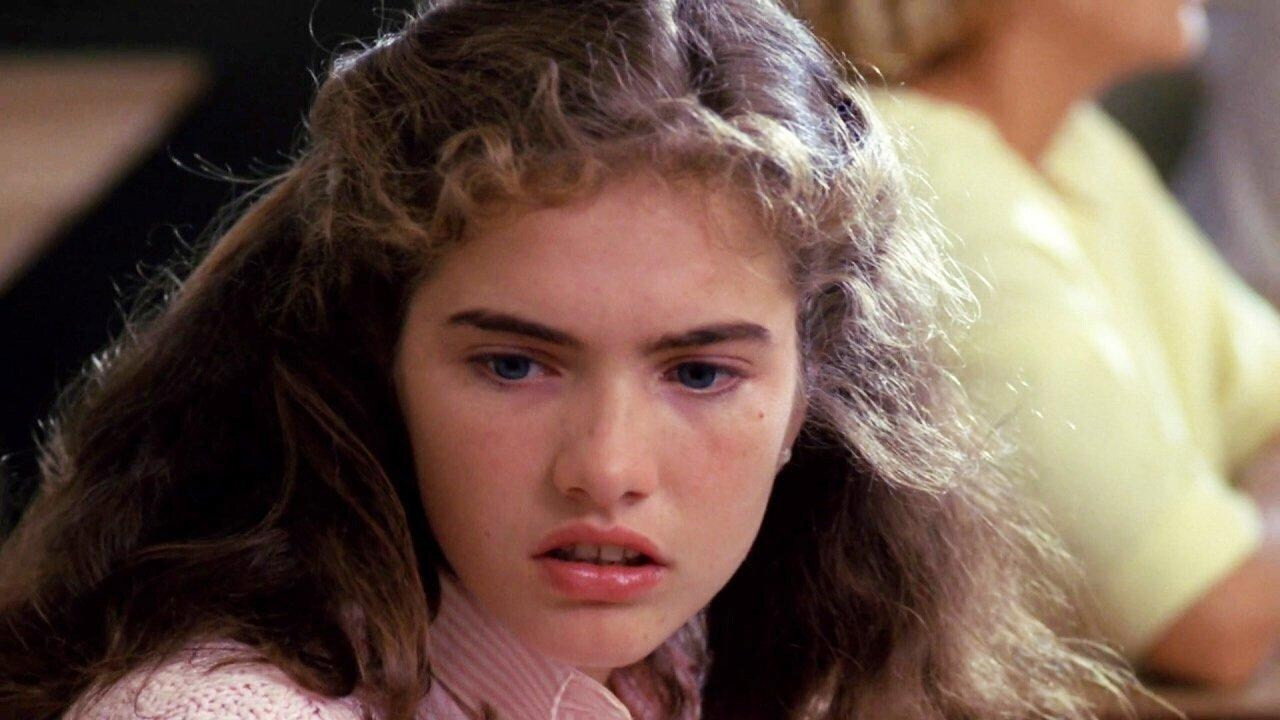
Heather Langenkamp beat more than 200 actresses at an open audition. Craven wanted someone who did not seem like Hollywood. Casting director Annette Benson knew her from earlier auditions for Night of the Comet and The Last Starfighter, both of which she lost to Catherine Mary Stewart. Benson later said Demi Moore and Courteney Cox did not audition, despite rumors, and she was not sure about Tracey Gold or Jennifer Grey.

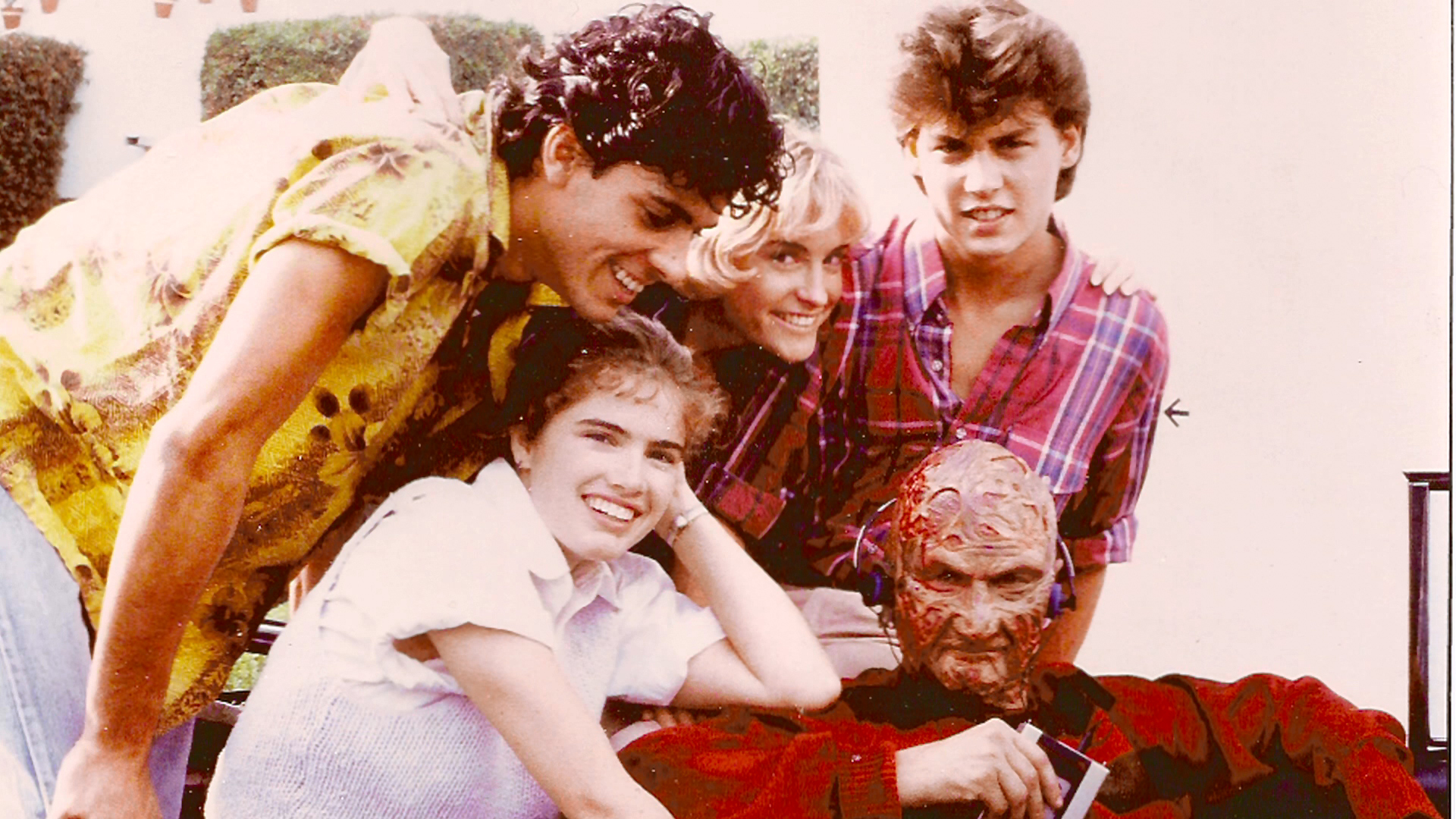
Johnny Depp came to the audition with his friend Jackie Earle Haley. Glen was written as a big blond jock, and Depp was turned down at first, but Craven's daughters liked his photo too. Nicolas Cage's agent had introduced Depp to Benson. Charlie Sheen was offered the part and turned it down. Benson says his asking price was double the $1,142 weekly wage New Line could pay. Sheen says he just did not believe in the movie. Mark Patton, who later starred in Part 2, said it came down to him and Depp.

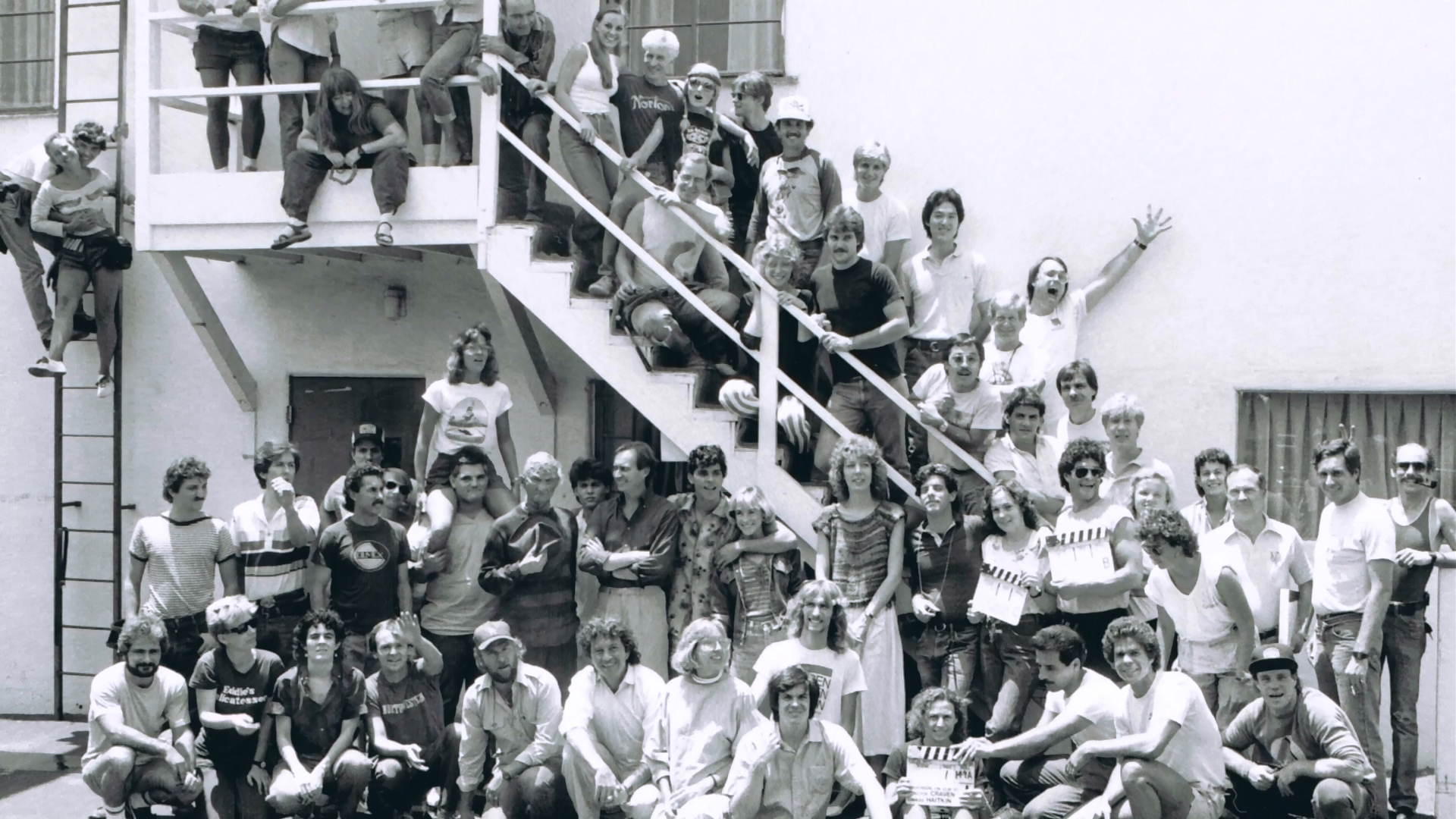
Principal photography began June 11, 1984, and ran 32 days in and around Los Angeles, wrapping at the end of July. The AFI Catalog says the start was first planned for mid-March 1984 as a 30-day shoot. Sean S. Cunningham, Craven's partner from The Last House on the Left, helped near the end of the shoot by running a second unit on some of Nancy's dream scenes.

Nick Corri was using heroin during the shoot while dealing with depression after a stretch of homelessness. Langenkamp later said he was high during their jail cell scene and that she thought he was giving the best performance of his life.

Craven's ending, where Nancy walks out into a dreamlike morning with her friends, did not satisfy Shaye, who wanted a twist with Freddy driving the car. Craven refused to put Freddy behind the wheel. They came up with about five endings and used the one with Freddy pulling Marge through the door. The planned fog would not hold in the wind even with about 20 people running fog machines. The fight over the ending is one reason Craven did not work on Freddy's Revenge.

Filming locations

  • 1428 North Genesee Avenue, Los Angeles: Exterior of Nancy's house, 1428 Elm Street. Interiors were built as sets.
  • 1419 North Genesee Avenue, Los Angeles: The Lantz house
  • John Marshall High School, Los Angeles: Springwood High School exteriors
  • Lincoln Heights Jail, Los Angeles: Boiler room and police station interiors. The jail had been closed since 1965.
  • Cahuenga Branch Library, Los Angeles: Police station exterior
  • Evergreen Cemetery, Los Angeles: Rod's burial
  • American Jewish University, 15600 Mulholland Drive: The sleep disorders clinic
  • TVC Studios, Los Angeles: Stage work, per the AFI Catalog
  • The Thompson house exterior is the well-known Los Angeles residence used as 1428 Elm Street; location records are being separated from studio-set records.
  • The 32-day Los Angeles shoot used 1428 North Genesee Avenue for Nancy's exterior, 1419 North Genesee for Glen's house, 620 Milwood Avenue for Tina's house, Lincoln Heights Jail for the boiler-room/police-station interiors, and John Marshall High School for exterior school photography.

1428 Elm Street

1984 · house exterior / interior set

Exterior
1428 Genesee Avenue, Hollywood, California
Interior
two-story constructed set

Effects and makeup

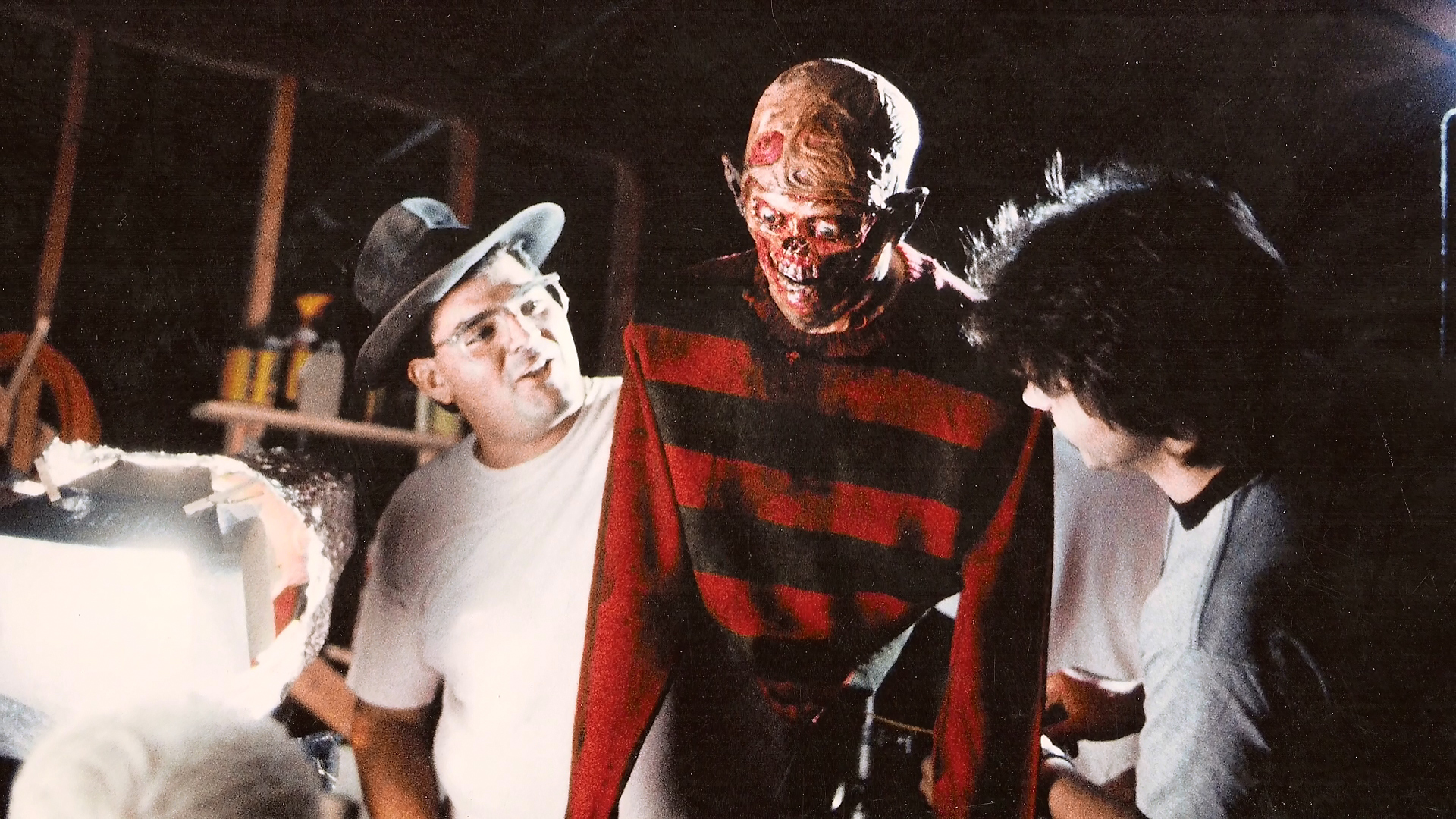
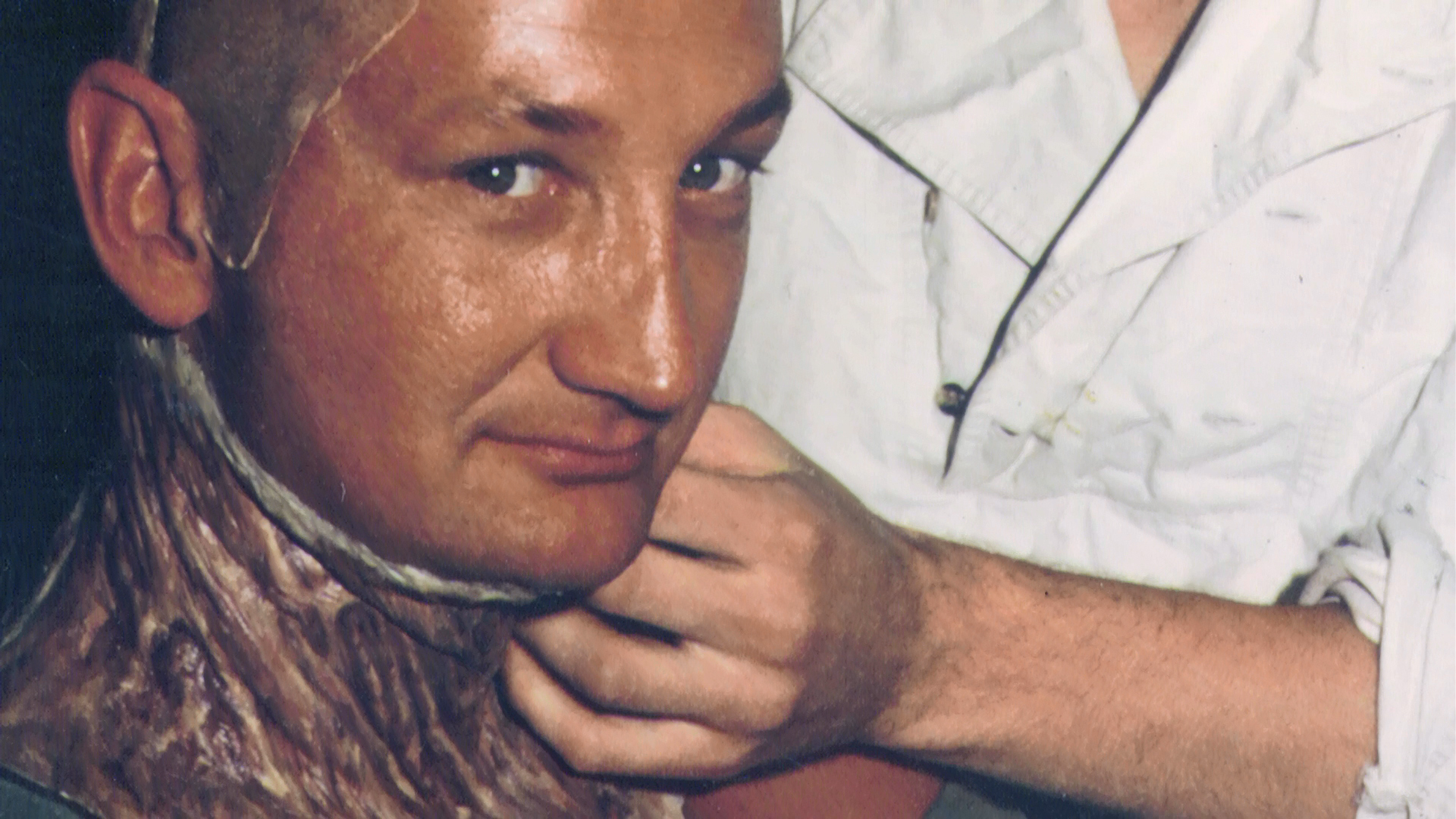
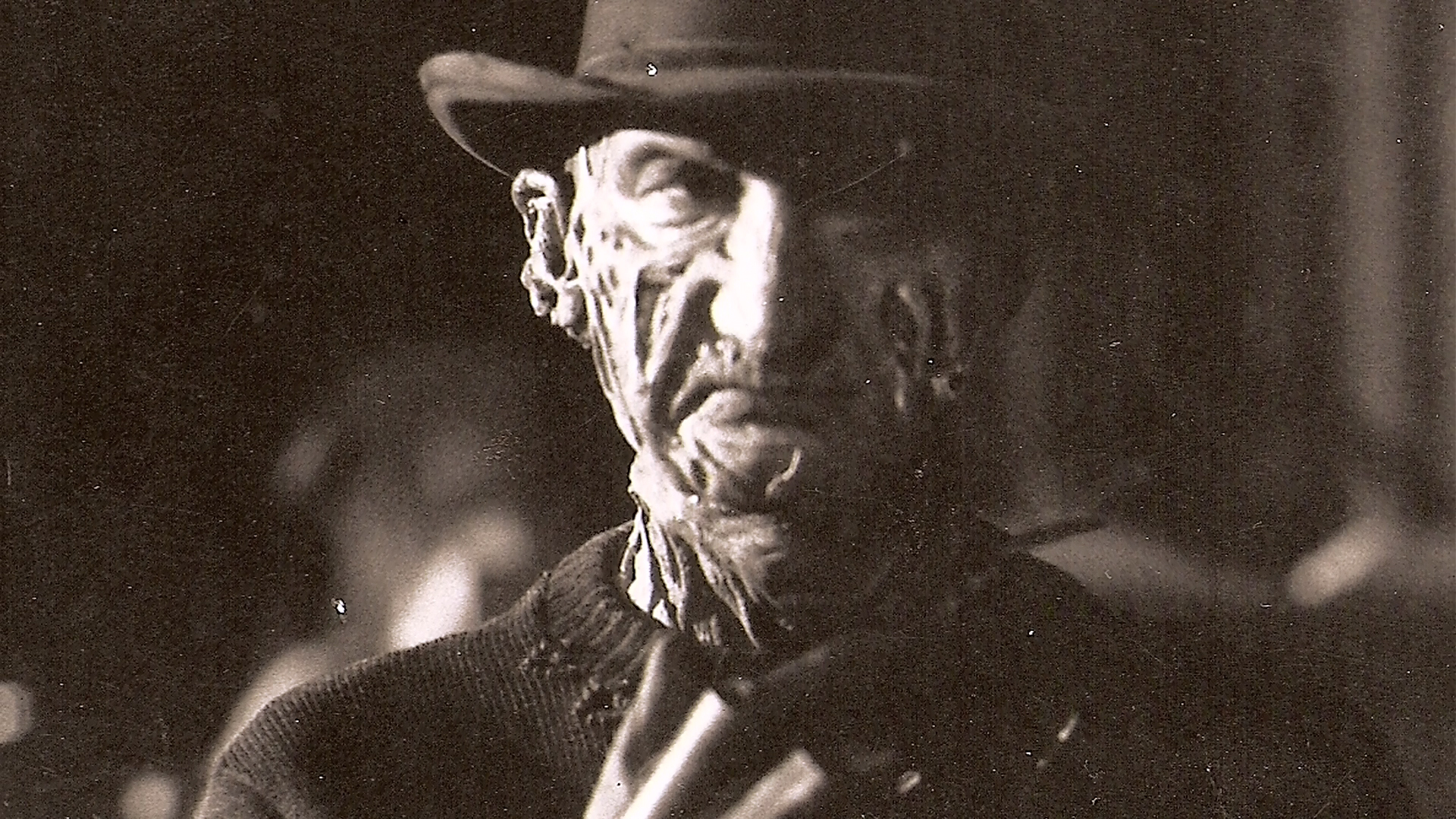
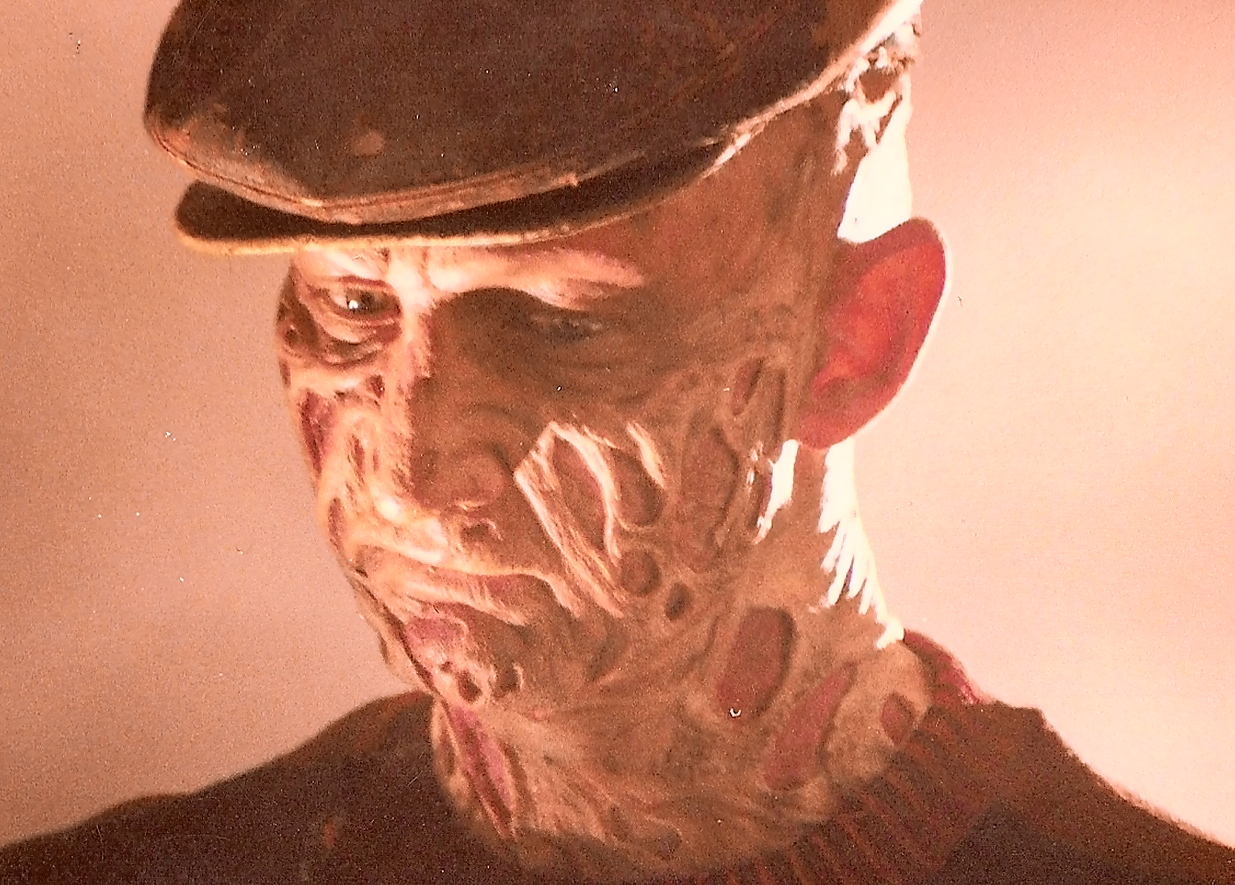
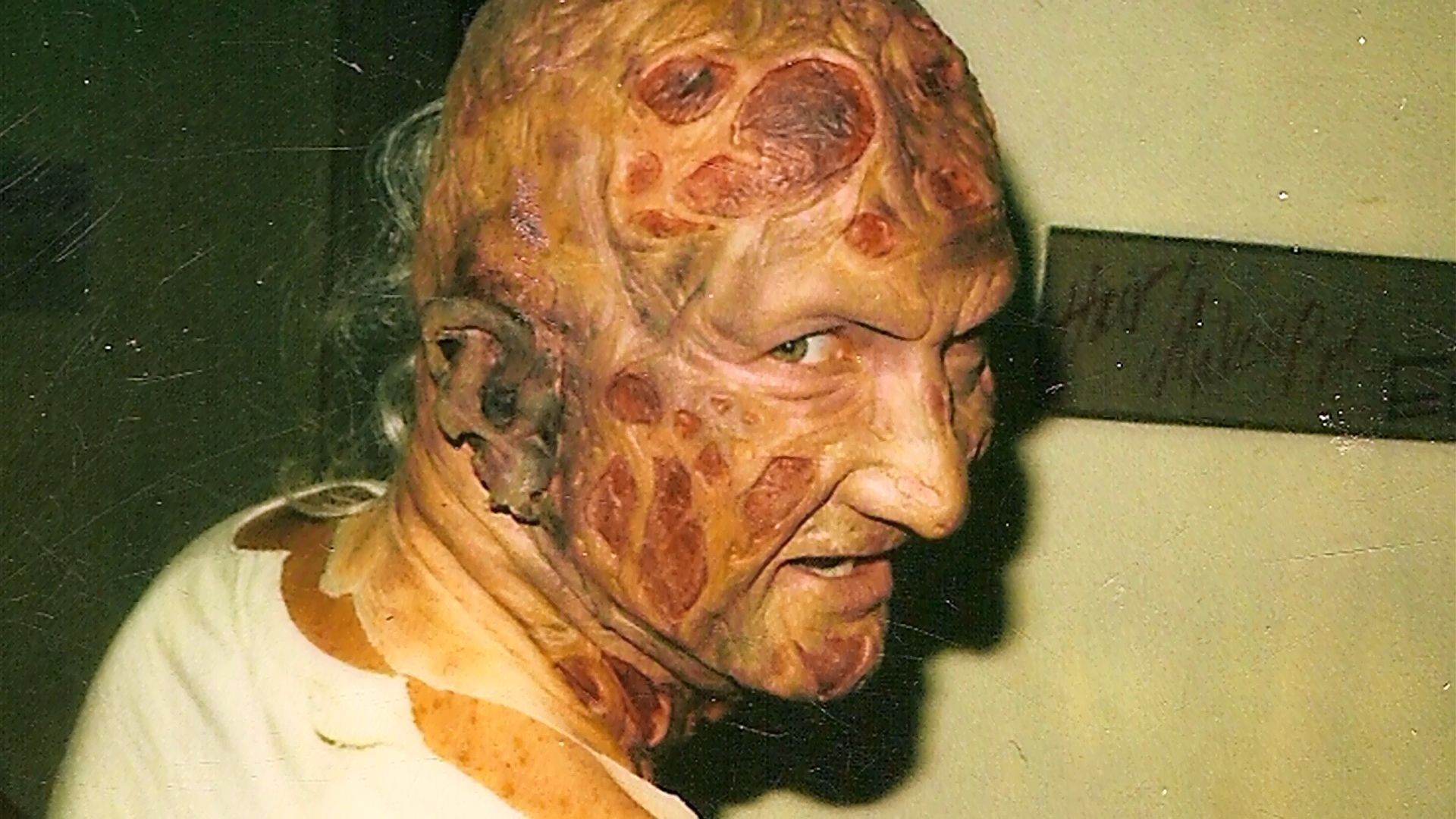
David B. Miller designed Freddy's burned face from photos of burn victims he got from the UCLA Medical Center.

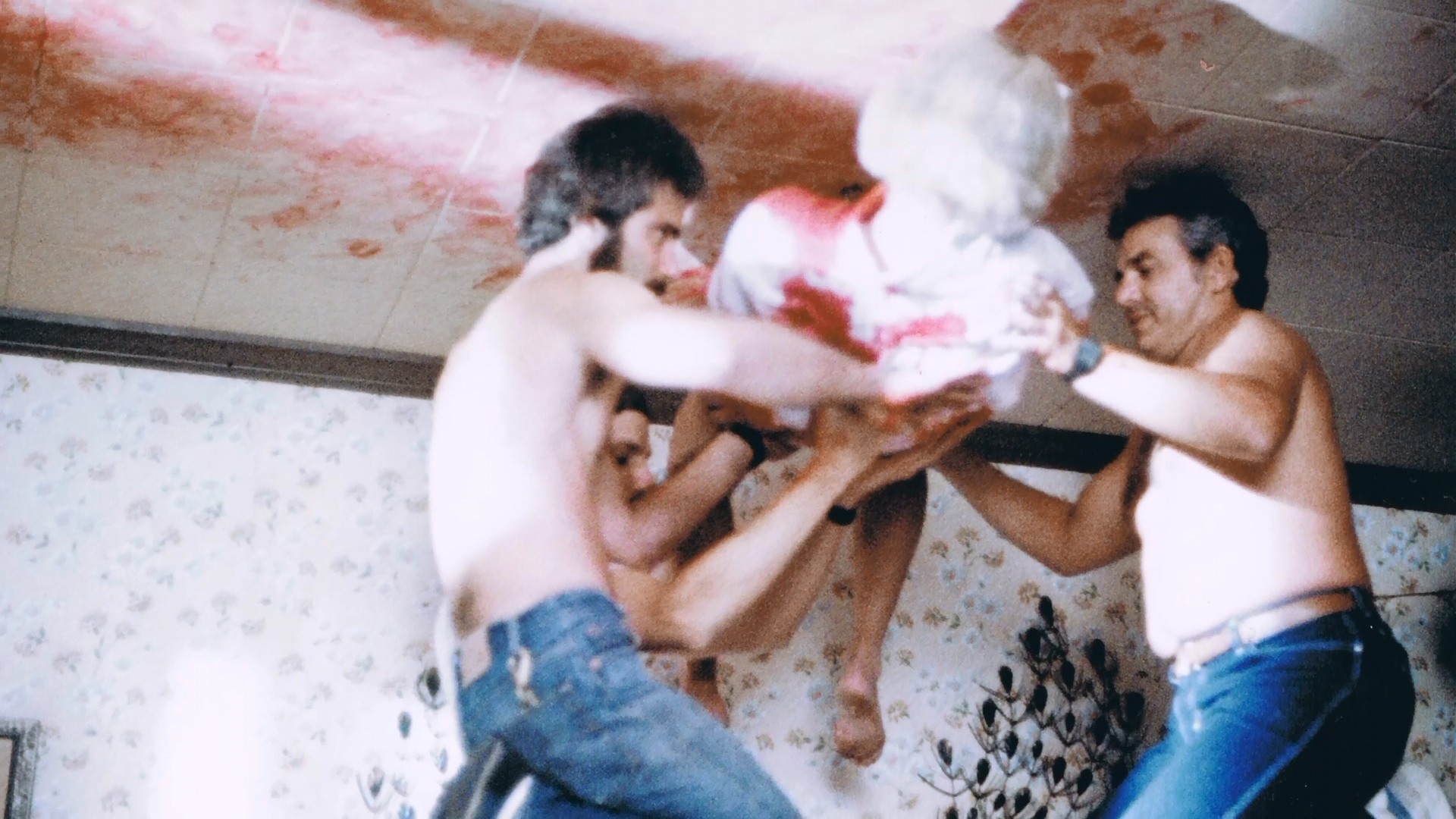
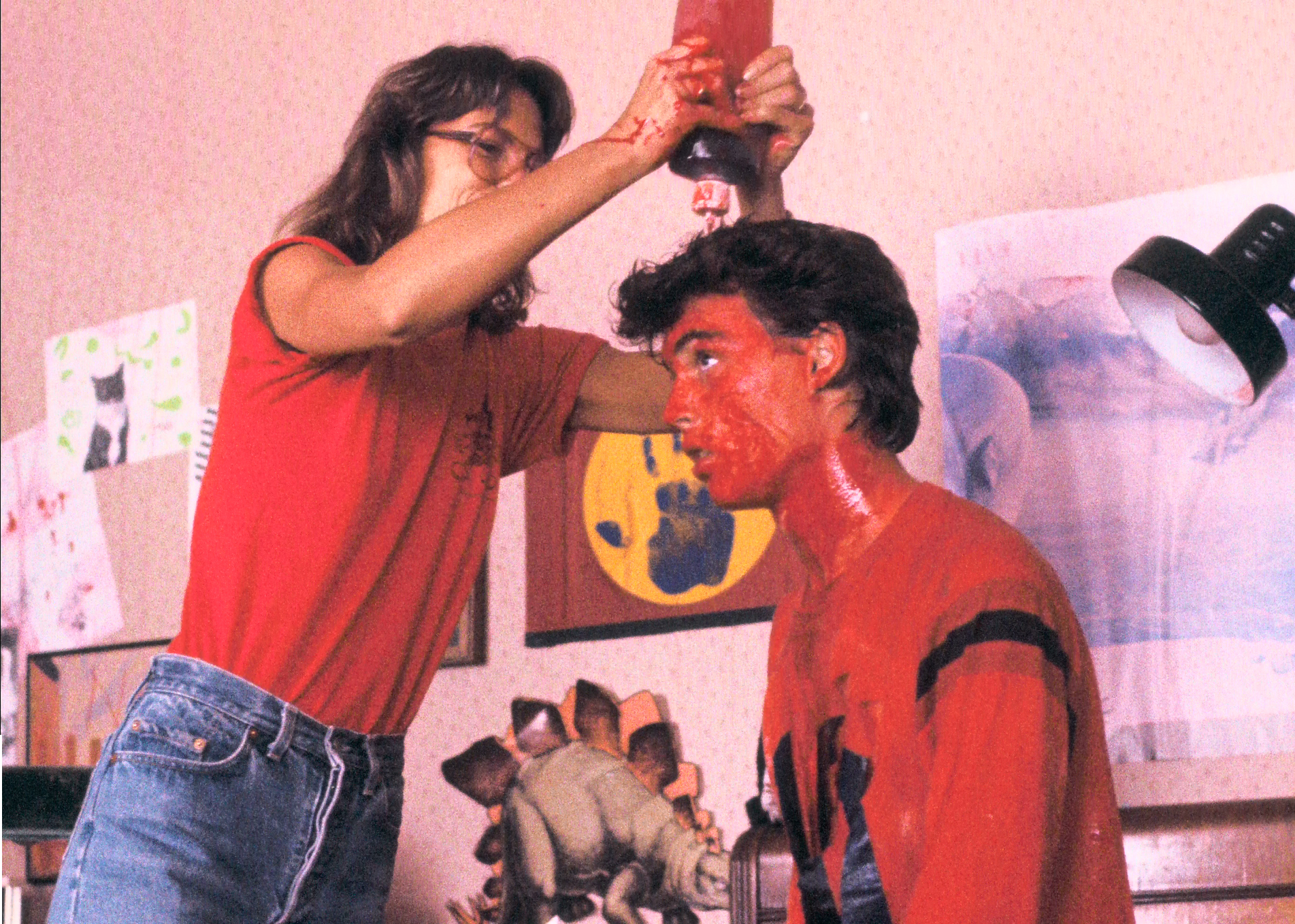
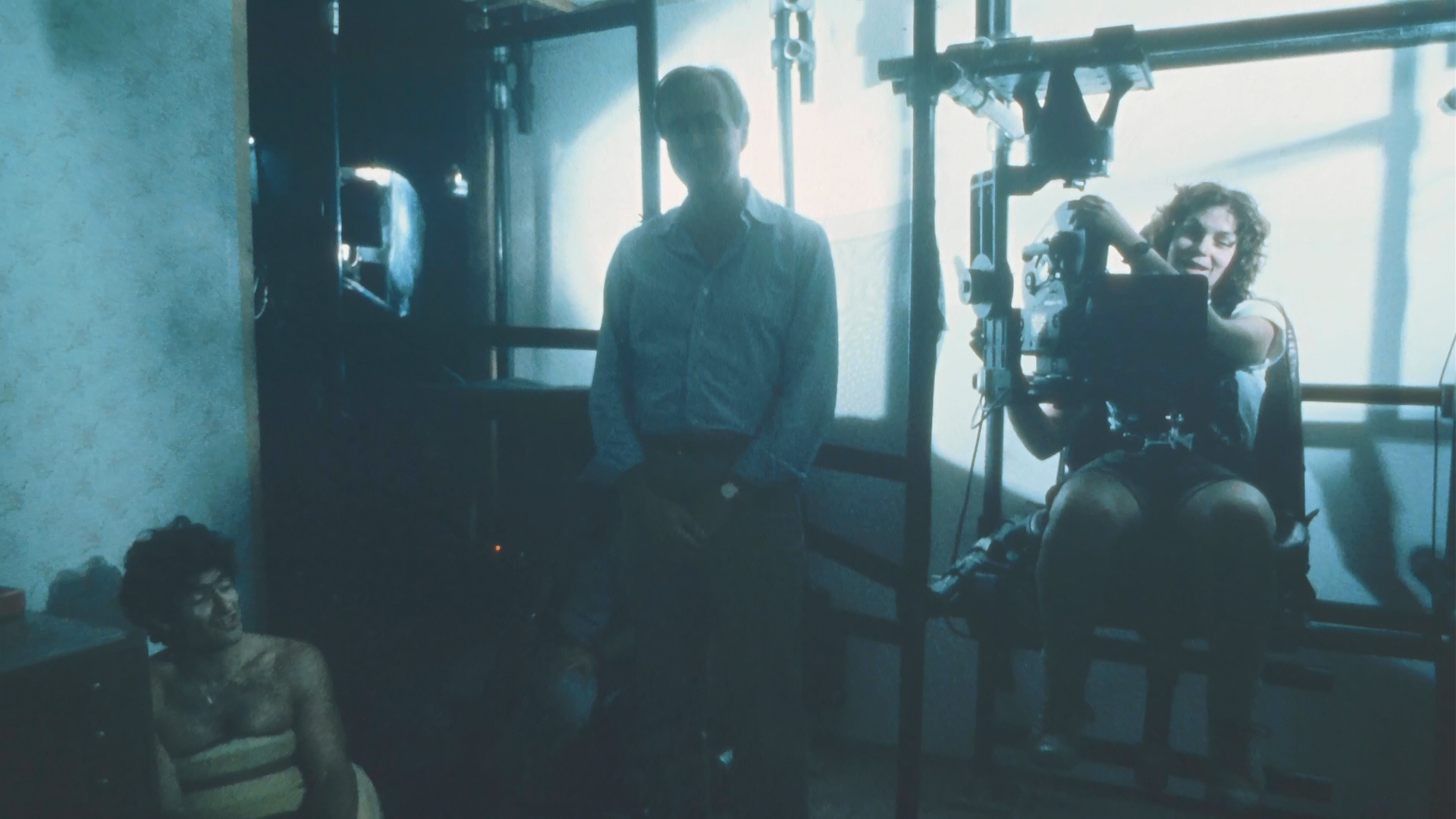
Jim Doyle designed a full rotating room for Tina's death. The camera operator and Craven sat in bucket seats taken from a Datsun B-210 while the set turned, so Amanda Wyss appears to be dragged up the wall and across the ceiling. The same rig was used for Glen's death. The set was turned upside down and red-dyed water was poured through the bed, because stage blood did not look right as a geyser. The room once spun the wrong way and soaked Craven and Langenkamp.

More than 500 gallons of fake blood were used on the film, according to Wikipedia. The DVD box set booklet says thousands of gallons ran through conduits in the rotating bedroom.

The bathtub scene used a bottomless tub built over a pool. A stuntwoman doubled Langenkamp underwater. The box set booklet quotes Englund saying the hand coming out of the water was Jim Doyle's, from inside a 450-gallon tank.

The staircase that turns to goo under Nancy's feet was Shaye's idea, taken from his own nightmares. Wikipedia says it was done with pancake mix. The booklet describes it as Bisquick and chopped carpet.

When Freddy leans out of the wall over Nancy's bed, that is Jim Doyle pushing through a wall made of spandex.

For Freddy walking through the bars of Rod's cell, Craven measured the exact camera height and angle, shot the empty set, shot Englund walking through the same space, and had a rotoscope artist matte out the bars.

The centipede coming out of Tina's mouth first used a rubber centipede Wyss tried to push out. The final shot is a real centipede crawling out of a clay head of Wyss sculpted by Miller. The centipede got loose on set for a while before it was found.

David B. Miller's Freddy makeup and the film's physical dream effects receive separate practical-effects records from optical/post-production effects.

The bathtub attack used a special deep/bottomless tub arrangement over water, allowing the glove and performer/stunt work to appear beneath Nancy.

More than 500 gallons of artificial blood/red water were used across the production's effects work.

Tina's ceiling death and Glen's blood-geyser sequence used the same rotating-room rig; the bathtub attack was staged with a bottomless tub over a pool, and Freddy pressing through Nancy's wall used a stretchable spandex wall rather than a digital effect.

Props and costumes

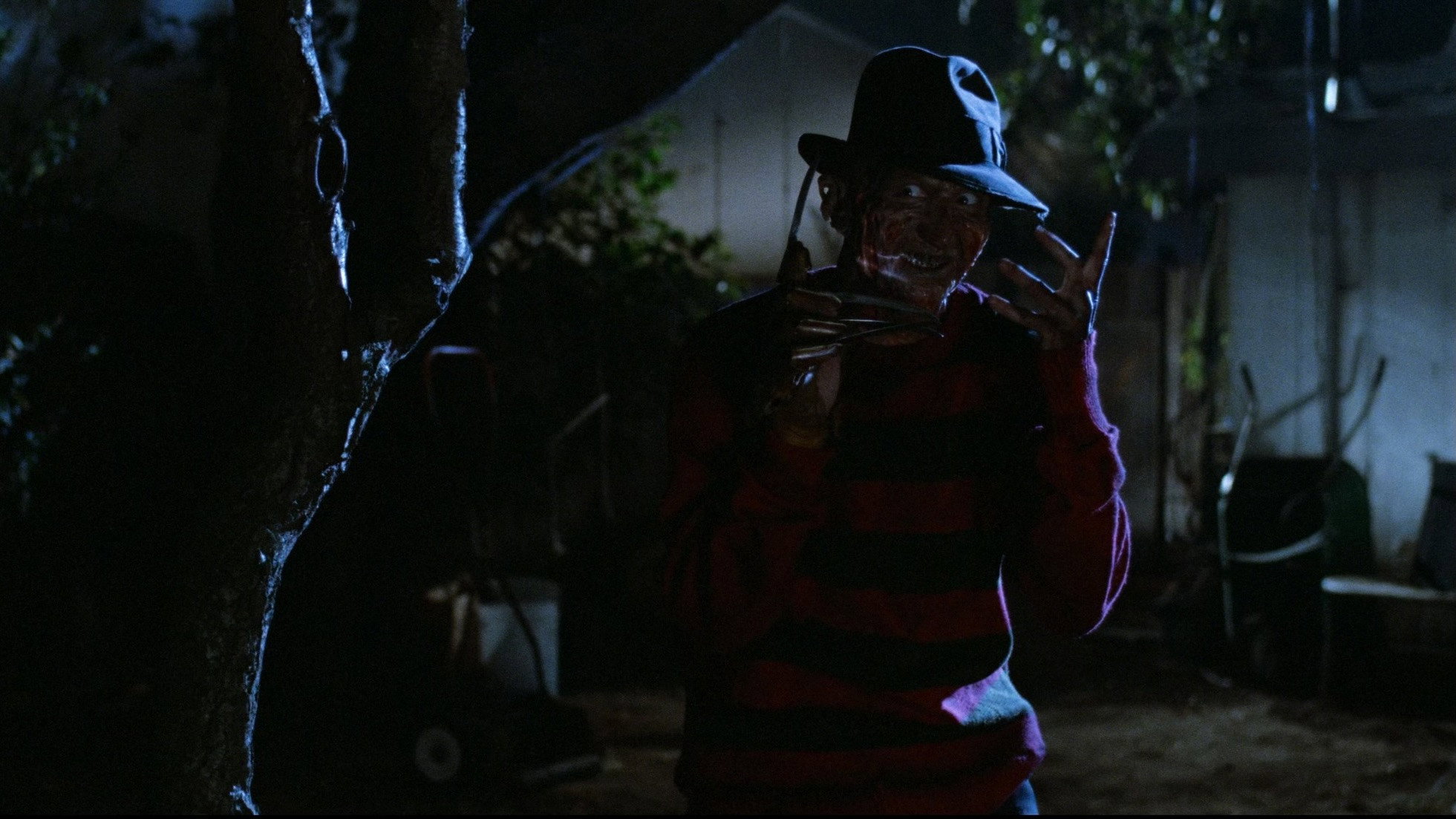
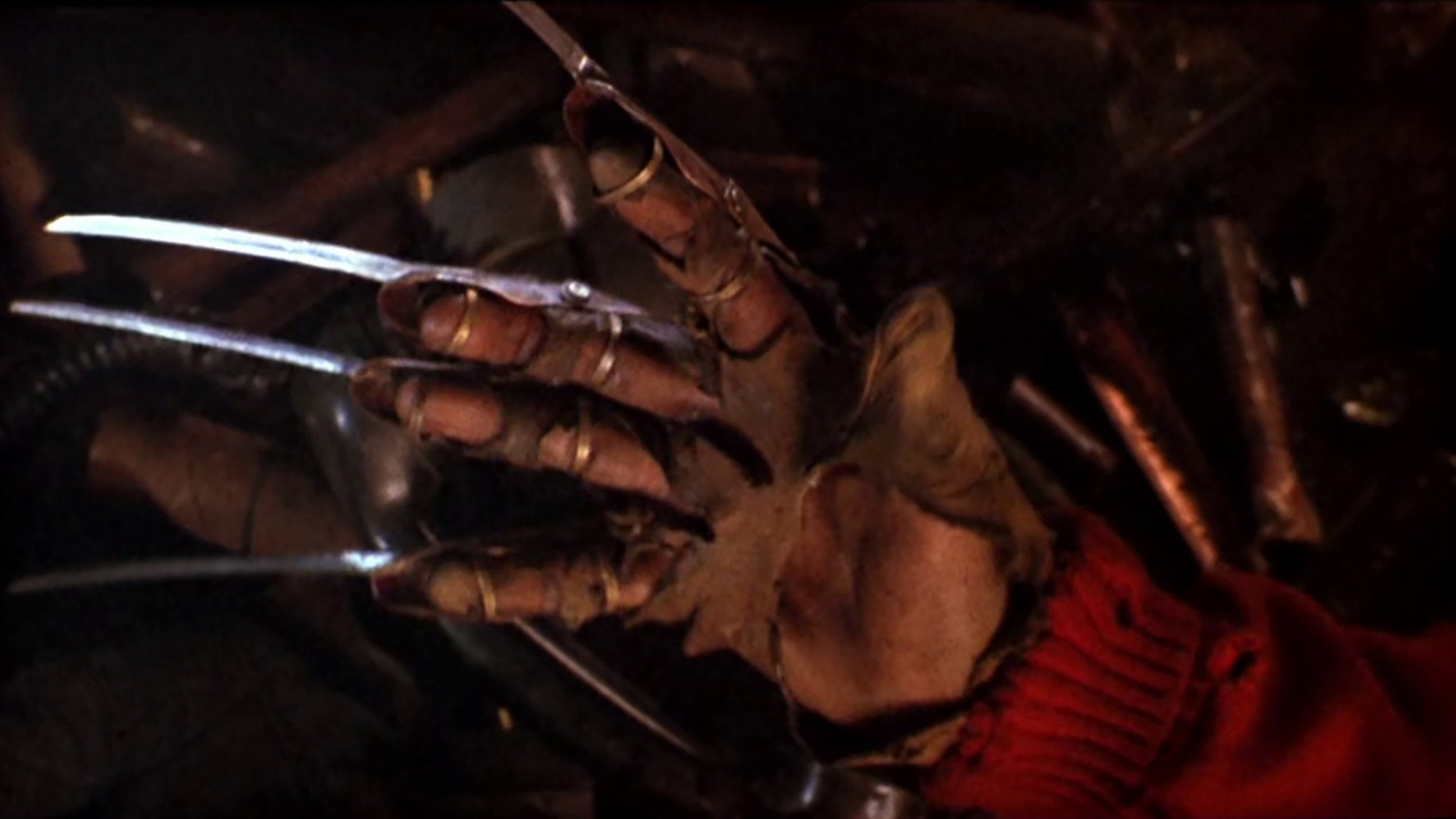
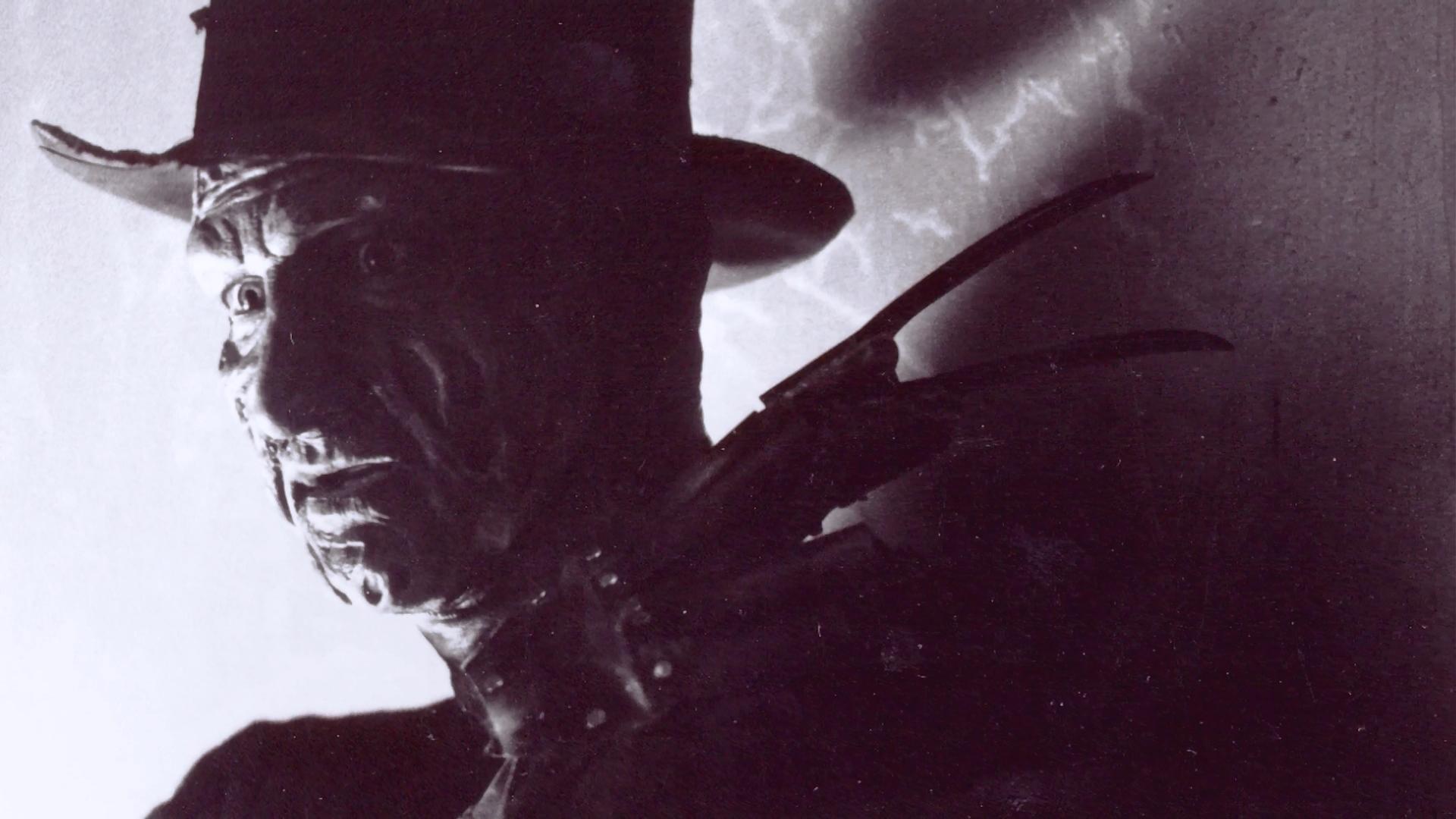
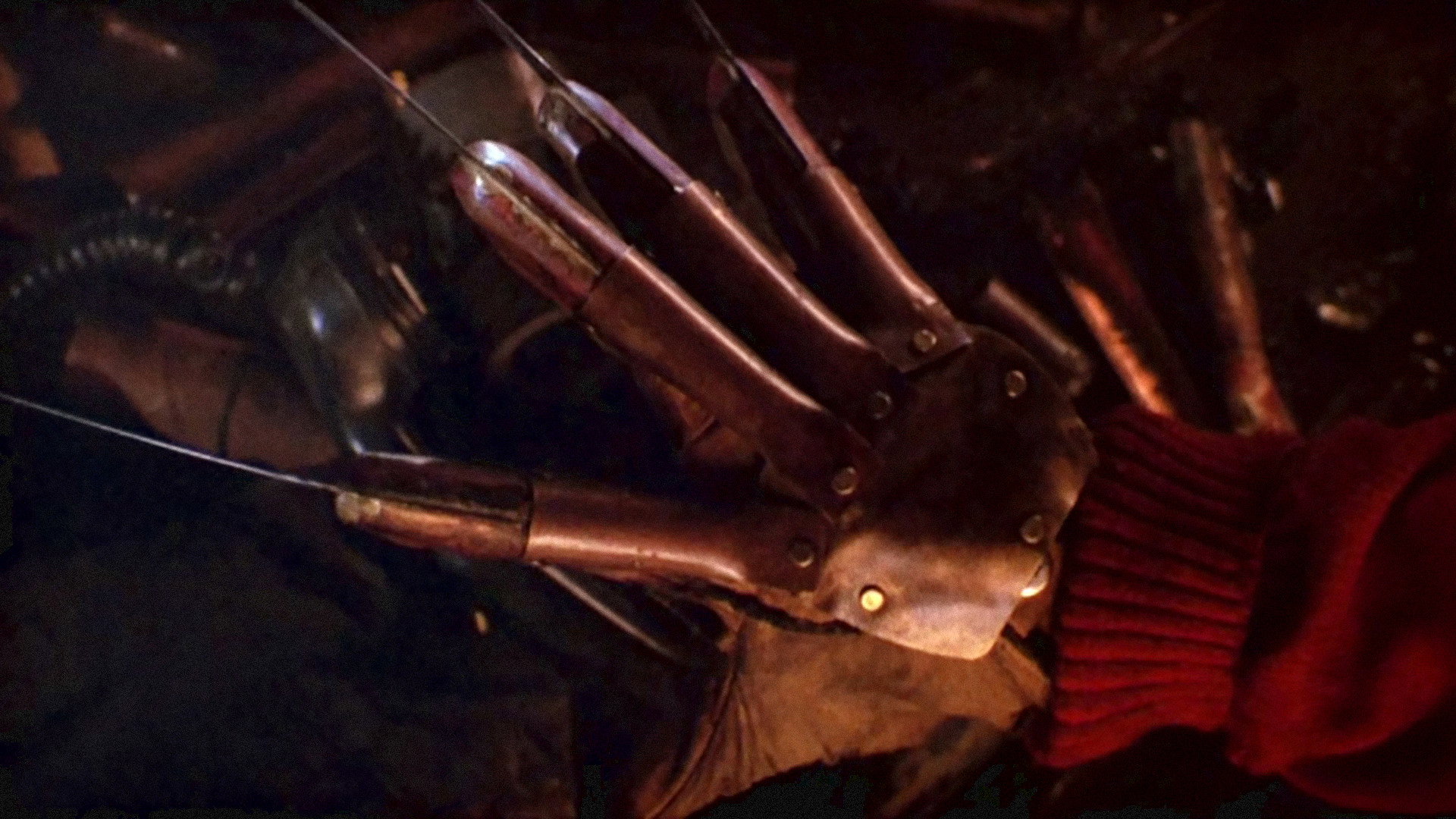
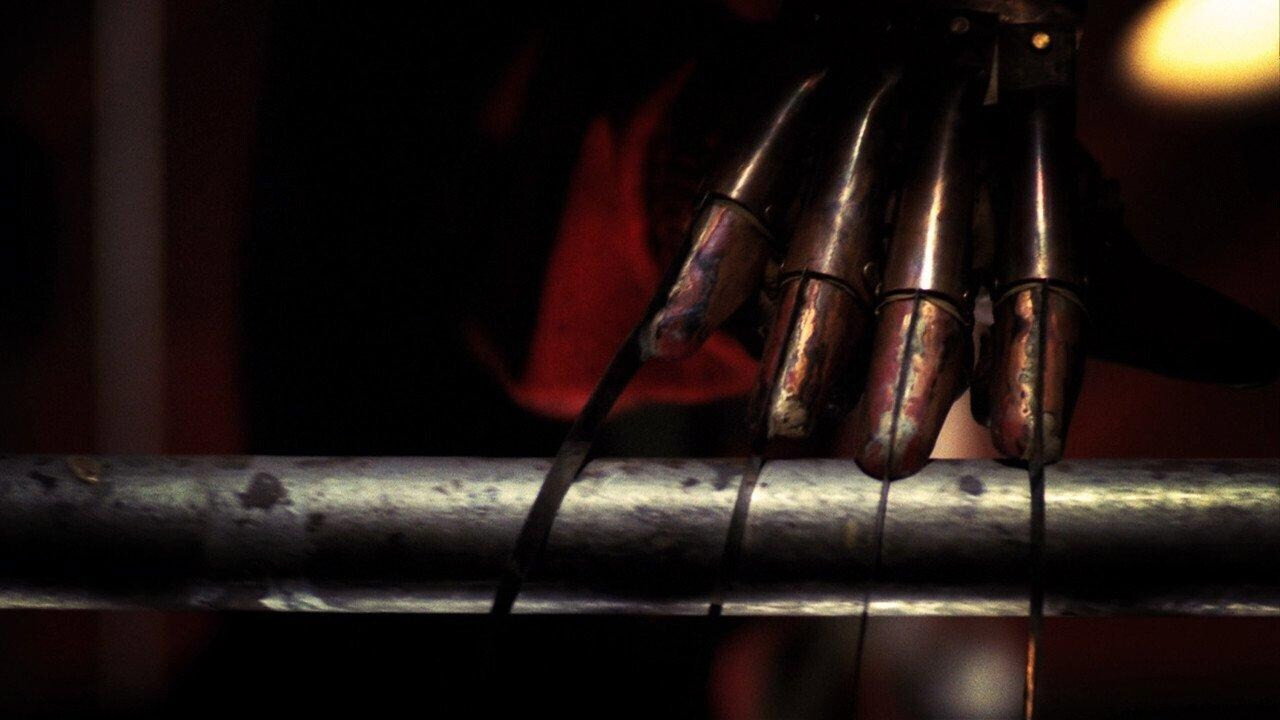
Freddy's glove was designed and built by Jim Doyle. Craven asked for something like long fingernails, made by someone with boilermaker skills. Production designer Greg Fonseca brought knife samples. They picked a steak knife, turned it upside down, removed the back edge and ground a new edge on the face. Doyle used copper tubing, tinner's rivets and other boiler room hardware.

Wikipedia says two versions were made, a hero glove for cutting scenes and a safer stunt glove. The Nightmare on Elm Street Companion says four were made in all: a prototype, two stunt gloves with plastic and wooden parts, and one hero glove of copper and stainless steel for close-ups.

The original hero glove went to Wes Craven, who lent it to Freddy's Revenge, where it was stolen. Effects crew member Charles Belardinelli has said it might be at a Hard Rock Cafe. Doyle says the original is easy to spot because its index-finger blade broke and was soldered back, leaving a seam.

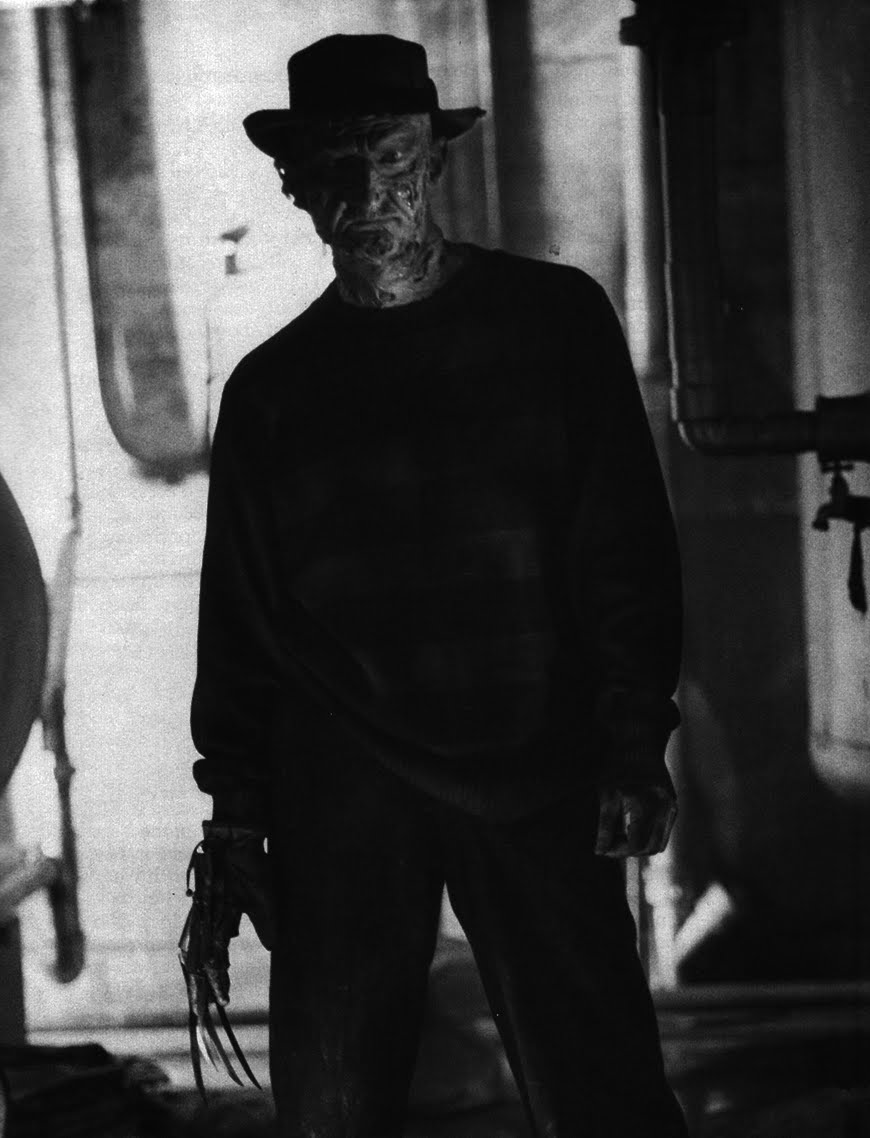
The red and green striped sweater came from Craven's reading of a 1982 Scientific American article on clashing colors. The fedora carries the name Fred Krueger inside, which Nancy finds after pulling it out of her dream.

Freddy's bladed glove and burned makeup are tracked as separate prop/effects lineages, including hero/stunt variants and licensed replica history.

Jim Doyle's original glove was conceived as a rough boilermaker-built weapon: a work glove with copper hardware, rivets and inverted knife blades. One hero metal-blade glove and two safer stunt duplicates established the prop lineage followed by later films.

Design

Original Freddy glove

1984 · hero prop design

Designer
Jim Doyle
Brief
boilermaker-built weapon; elongated fingernails
Materials
work glove; copper components; tinner's rivets; stainless-steel hero blades
Blade origin
steak-knife profile; inverted; back edge removed; new edge ground
Quantity
1 hero glove; 2 stunt gloves
Stunt materials
plastic parts; wooden blades

Production artifacts

Freddy Krueger screen-matched hero metal glove armour and razor fingers

1984–1985 · screen-used hero prop components

Films
A Nightmare on Elm Street; A Nightmare on Elm Street 2: Freddy's Revenge
Performer
Robert Englund
Designer
Jim Doyle
Fabricator
Lou Carlucci
Production quantity
1 hero metal-blade glove; 2 stunt plastic-blade gloves
Included
original hero metal armature/blades; Jim Doyle hand-drawn schematic; letters of authenticity
Original leather glove
lost; metalwork displayed on replica leather glove
Estimate
£200,000–£400,000
Auction result
unsold
Certificate
Propstore COA

Art and design

  • The IMP Awards primary one-sheet credits illustration to Matthew Joseph Peak.

Scripts and documents

Screenplay

Draft date
1984-05-22
Draft
Revised Shooting Script
Writers
Wes Craven

Killers & Deaths

The killers

Fred 'Freddy' Krueger

Played by
Robert Englund
Motive
Krueger murdered 20 children and got off on a technicality. The Elm Street parents burned him alive. He comes back through dreams to kill their children.
Death
Nancy pulls him into the real world and sets him on fire. When she turns her back and refuses to fear him, he vanishes. The ending shows he is not gone: he locks the kids in the car and drags Marge through the front door window.

Deaths

Fred Krueger (before the film)

Played by
Robert Englund
How
Burned alive
Where
Springwood, years before the story
By
The Elm Street parents, including Nancy's parents

Tina Gray

Played by
Amanda Wyss
How
Slashed across the chest by an unseen force and dragged up the wall and across the ceiling while Rod watches
Where
Her bedroom at the Gray house
By
Freddy Krueger

Rod Lane

Played by
Nick Corri
How
Choked with his own bedsheet and left hanging so it looks like suicide
Where
Jail cell at the police station
By
Freddy Krueger

Glen Lantz

Played by
Johnny Depp
How
Pulled down into his bed, followed by a geyser of blood onto the ceiling
Where
His bedroom at the Lantz house, across the street from Nancy
By
Freddy Krueger

Marge Thompson

Played by
Ronee Blakley
How
Smothered by the burning Krueger and pulled down into her bed. In the final scene she is alive again and is dragged through the window in the front door.
Where
The Thompson house, 1428 Elm Street
By
Freddy Krueger

Music & Home Media

Charles Bernstein wrote the score, a mix of synthesizers and orchestral cues. Varese Sarabande released the soundtrack in 1984. The album runs 33 minutes 32 seconds. Craven said Gary Wright's song Dream Weaver helped shape the film and gave it a synthesizer idea.

The jump rope rhyme was already in the script, modeled on One, Two, Buckle My Shoe. The melody was written by Alan Pasqua, Langenkamp's boyfriend and later husband, and Bernstein worked it into the score. One of the three girls who sang it was Robert Shaye's 14-year-old daughter.

Song: 'Nightmare' performed by 213, written and produced by Martin Kent, Steve Karshner and Michael Schurig.

Varese Sarabande reissued the score on CD in October 2005, and put tracks on Freddy's Favorites: Best of A Nightmare on Elm Street (October 12, 1993) and A Nightmare on Elm Street I and II (November 22, 1995).

The score is in Varese Sarabande's 8-CD Nightmare box set (October 16, 2015) and the 12-CD Little Box of Horror (2016).

Death Waltz Recording Co. put it in the 8-LP Box of Souls set in 2017. Its 180-gram LP with Mike Saputo artwork came in Pizza Face, Freddy's Sweater, black and Texas Frightmare Weekend exclusive colors. A 2021 vinyl edition has 29 tracks.

Death Waltz, Mondo and WaterTower Music released a 40th anniversary expanded 2-LP in November 2024 on 140-gram vinyl with extra cues and sketches, liner notes by Bernstein and design by Mike Saputo.

Soundtrack releases

A Nightmare on Elm Street Original Motion Picture Soundtrack

Vinyl

Label
Death Waltz Recording Co. / Mondo / WaterTower Music
Composer score
Charles Bernstein
Features
Death Waltz / Mondo 180g vinyl; Mike Saputo artwork; multiple colorways including Freddy's Sweater and Pizza Face; Texas Frightmare Weekend exclusive variant

Home Media

  • 1985 VHS, Media Home Entertainment. Pan and scan. Video sales earned about $8 million.
  • 1985 Betamax, Media Home Entertainment. Pan and scan.
  • 1986 LaserDisc, Media Home Entertainment. Pan and scan.
  • 1986 VHD, Victor Company of Japan. Pan and scan, Japan only.
  • 1987 VHS, Media Home Entertainment. Pan and scan reissue and a Spanish-subtitled edition.
  • 1993 VHS, Video Treasures. Pan and scan.
  • 1995 VHS, Video Treasures. Double the Horror set with Freddy's Revenge.
  • 1996 LaserDisc, Elite Entertainment. Special Collector's Edition with deleted scenes, outtakes and three alternate endings. This was the first US release of the uncut version. A widescreen Elite disc also came out that year.
  • 1996 VHS, Anchor Bay Entertainment. Two-tape Collector's Edition with the same deleted scenes and outtakes as the LaserDisc.
  • 1997 VHS, New Line Home Video. Mastered in high definition.
  • 1999 VHS, New Line Home Video. Remastered pan and scan and widescreen editions with the trailer and a Wes Craven interview. Also a seven-tape box set.
  • 1999 DVD, New Line Home Video. Nightmare on Elm Street Collection box set with all six sequels.
  • 2000 DVD, New Line Home Video. Digitally remastered, with the screenplay included.
  • 2006 DVD, New Line Infinifilm two-disc edition. Restored picture, DTS 5.1, Dolby Digital 5.1 and original mono. Two audio commentaries, alternate and extended scenes (including Marge revealing she had another child Freddy killed), the Freddy-driving-the-car ending, and scares from the sequels and Freddy vs. Jason.
  • 2008 DVD, New Line Home Video. 4 Film Favorites with Parts 2 to 4.
  • 2010 Blu-ray, New Line and Warner Home Video, April 13, 2010. Carries the 2006 extras: Focus Points, two commentaries, three featurettes, alternate endings and a trivia track.
  • 2014 DVD, Warner Home Video. Walmart exclusive double feature with Freddy's Revenge.
  • 2017 DVD, Warner Home Video. 4-Film Collection: Monster Mayhem. New Line also put out a double feature with Part 2.
  • 2018 DVD, Warner Home Video. Double feature with Freddy's Revenge.
  • 2020 Blu-ray, Best Buy exclusive SteelBook with digital code and the 2010 extras.
  • 2024 4K Ultra HD, Warner Bros. 40th anniversary. Digital October 1, disc October 15, 2024. Standard, SteelBook and a SteelBook limited to 4,400 copies. New 4K restoration with HDR and Dolby Atmos. Both the theatrical cut and the uncut version, which adds 8 seconds; both run 91 minutes. Extras: Ready Freddy Focus Points, two audio commentaries, the alternate endings, The House That Freddy Built, Never Sleep Again: A Nightmare on Elm Street, and Night Terrors: The Origins of Wes Craven's Nightmares.
  • 2025 4K Ultra HD, Warner Bros. A Nightmare on Elm Street 7-Film Collection. US street date September 30, 2025. UK release October 27, 2025, in standard and Collector's SteelBook editions, with the uncut versions of this film and The Dream Child.
  • 2025 4K Ultra HD and Blu-ray, Warner Bros. Japan Collector's Box, 11 discs, December 3, 2025. This film's disc has English Dolby Atmos, DTS-HD MA 2.0 and a Japanese mono dub.

2025 Warner Bros. A Nightmare on Elm Street 7-Film Collection

2025-09-30 · 4K Ultra HD

Technical
2160p 4K presentation; HDR; Original seven-film collection
Features
Ready Freddy Focus Points; Two legacy commentaries; Three alternate endings; The House That Freddy Built; Never Sleep Again: The Making of A Nightmare on Elm Street; Night Terrors: The Origins of Wes Craven's Nightmares

2024 Warner Bros. 40th Anniversary 4K

2024 · 2024-10-15 · 4K UHD; standard + SteelBook

Digital date
2024-10-01
Technical
theatrical version: 91 min; uncut version: 91 min; uncut adds 8 seconds; HDR; Dolby Atmos
Features
2001 commentary; 2006 commentary; Ready Freddy Focus Points; 3 alternate endings; The House That Freddy Built; Never Sleep Again; Night Terrors

2025 Warner Bros. UK A Nightmare on Elm Street 7-Film Collection

2025-10-27 · 4K UHD; standard and Collector’s SteelBook editions

Territory
United Kingdom
Technical
Original seven films, including uncut versions of A Nightmare on Elm Street and The Dream Child; Freddy’s Dead alternate ending in anaglyph 3D; physical collection includes glasses

Home video history

Media Home Entertainment

1985 · VHS / Betamax

Notes
Early pan-and-scan cassette lineage.

Elite Entertainment Collector's Edition
1996 · LaserDisc

Notes
Major archival release with deleted scenes, outtakes and alternate endings.

Anchor Bay Collector's Edition

1996 · VHS

Notes
Two-tape set carrying much of the LaserDisc deleted/outtake archive.

New Line Home Video

1999 · VHS / DVD

Notes
Remastered pan-and-scan and widescreen VHS lineages; DVD-era franchise packaging.

New Line Infinifilm

2006 · DVD

Notes
Two-disc edition restored select earlier deleted material and finally released the 'Freddy ending' as a supplement.

New Line / Warner

2010 · Blu-ray

Notes
High-definition release carrying the core Infinifilm-era feature package.

Warner Bros. 40th Anniversary

2024 · 4K UHD

Notes
New 4K restoration with theatrical and uncut versions.

Warner Bros. 7-Film Collection

2025 · 4K UHD box set

Notes
The 1984 feature reappears as part of the complete original-seven-film UHD set.

New Line Home Video

1999 · VHS

Notes
Pan-and-scan and widescreen remastered editions; trailer; Wes Craven interview.

New Line Home Video

2010 · Blu-ray

Notes
Focus Points; 2 commentaries; 3 featurettes; alternate endings; trivia track.

Best Buy Exclusive

2020 · Blu-ray SteelBook

Notes
Focus Points; 2 commentaries; 3 featurettes; alternate endings; digital code.

Merchandise

  • The Nightmares on Elm Street Parts 1, 2 and 3, novelization by Jeffrey Cooper, St. Martin's, 1987, 216 pages.
  • A Nightmare on Elm Street, young readers adaptation by E.L. Flood, Crestwood House (Macmillan), May 1991, 48 pages, Tales of Terror series.
  • A Nightmare on Elm Street, young adult adaptation by Bob Italia, Abdo and Daughters, September 1992, 64 pages, with color photos and profanity removed.
  • A Nightmare on Elm Street video game for the NES, developed by Rare and published by LJN, October 1990.
  • An eight-issue 3D comic adaptation written by Andy Mangels for Blackthorne Publishing was commissioned in early 1989 but never published after Blackthorne went bankrupt.
  • McFarlane Toys Movie Maniacs Series 1 Freddy Krueger, 1998, with hat, glove, Freddy puppet and mini poster stand.
  • McFarlane Toys Movie Maniacs 3 18-inch Freddy Krueger, 2000, with removable hat and motion-activated sound.
  • McFarlane Toys Movie Maniacs Series 4 Freddy Krueger, October 2001.
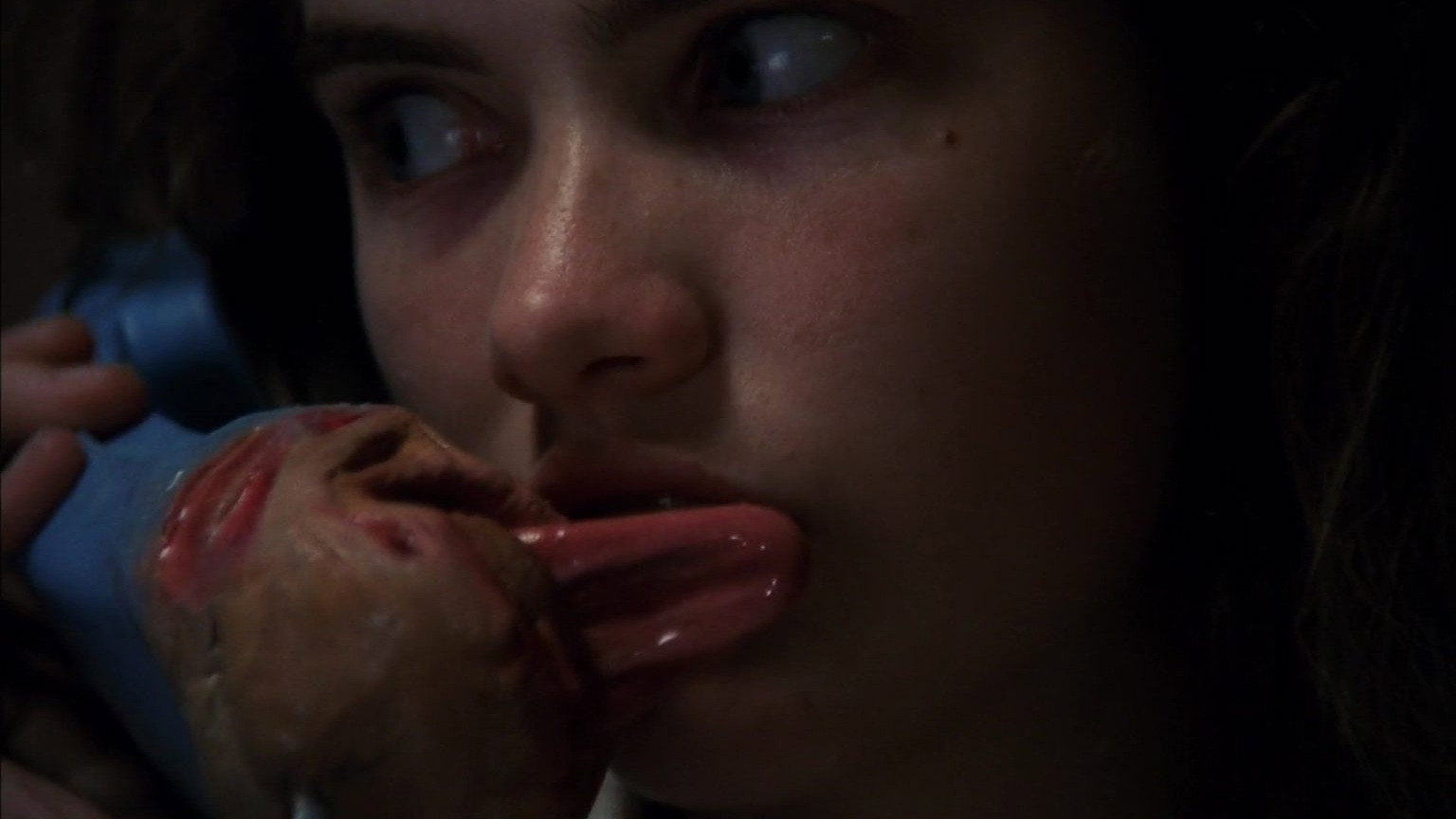
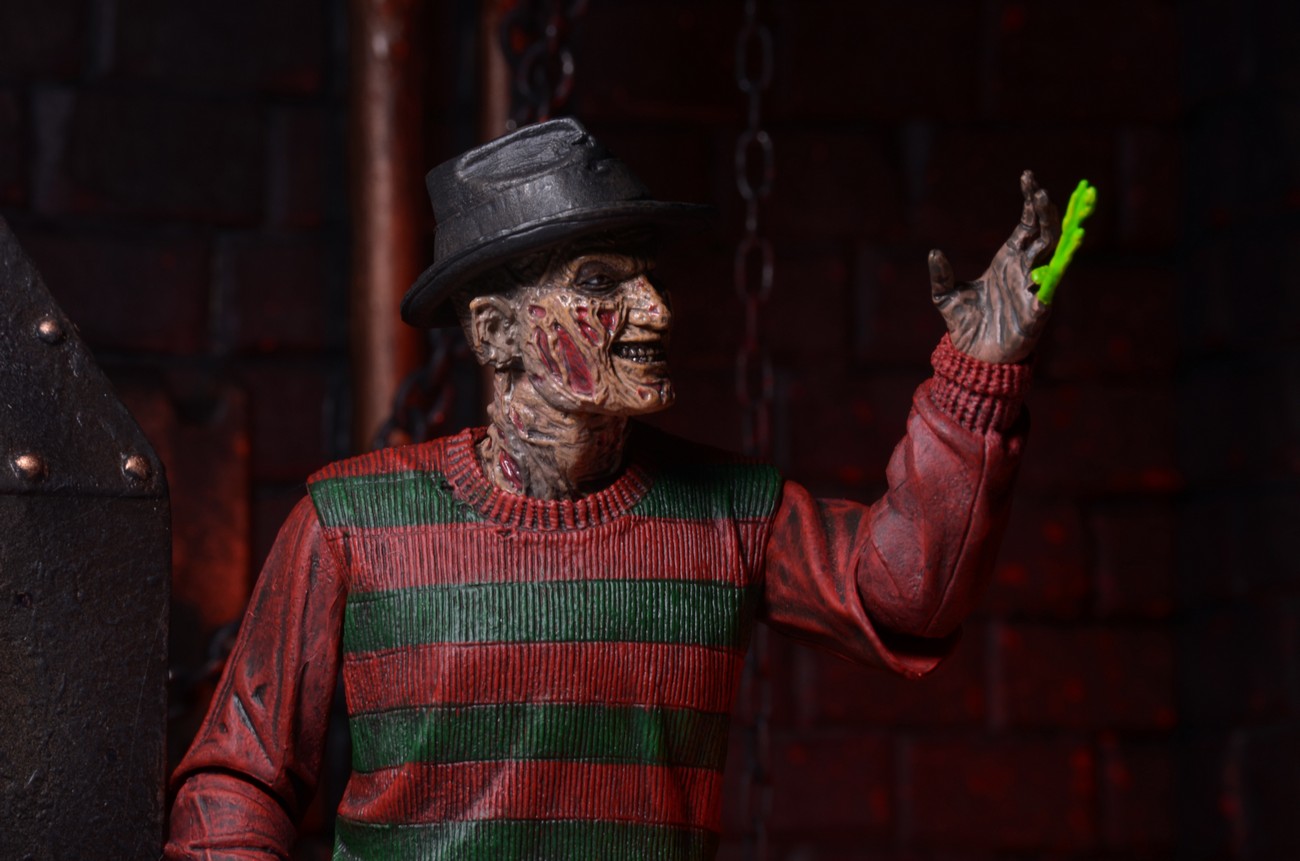
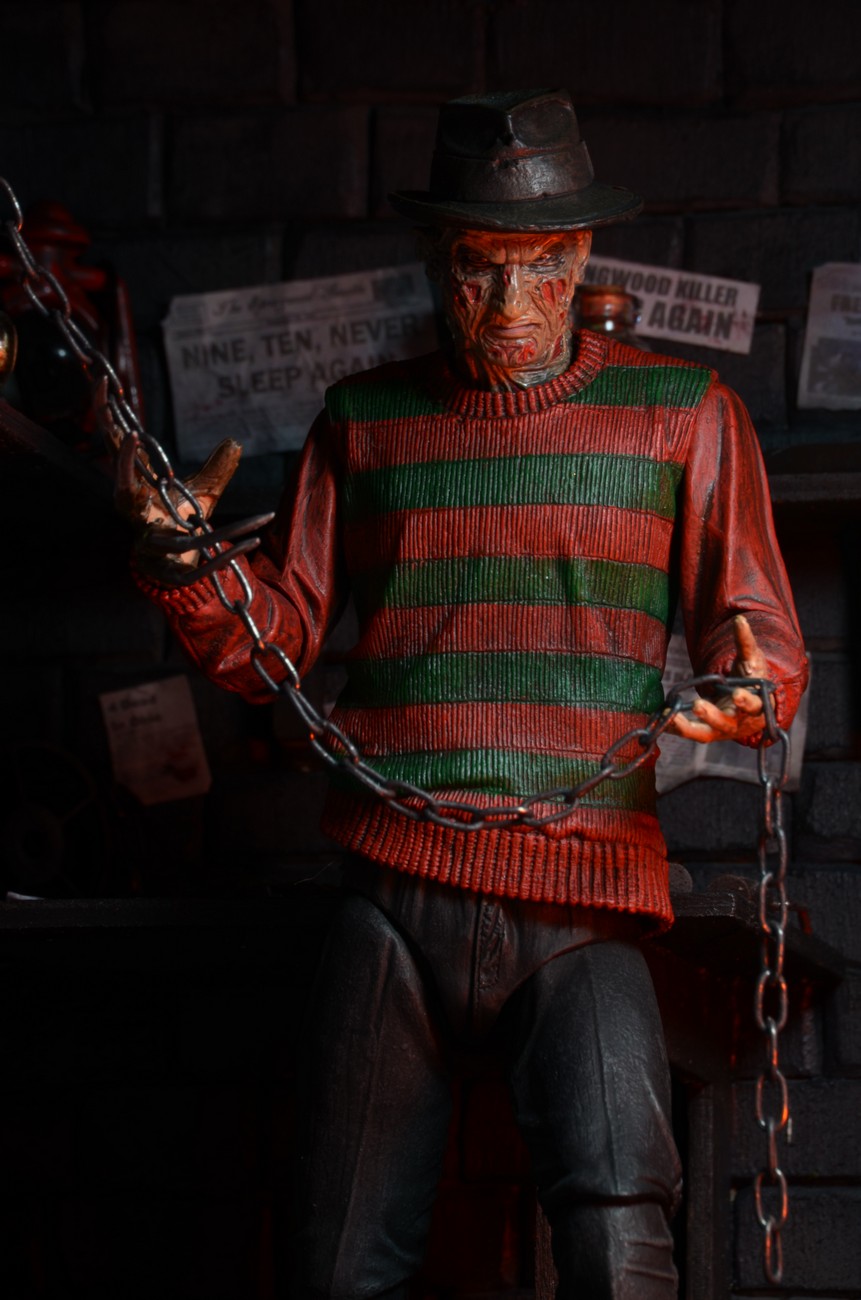
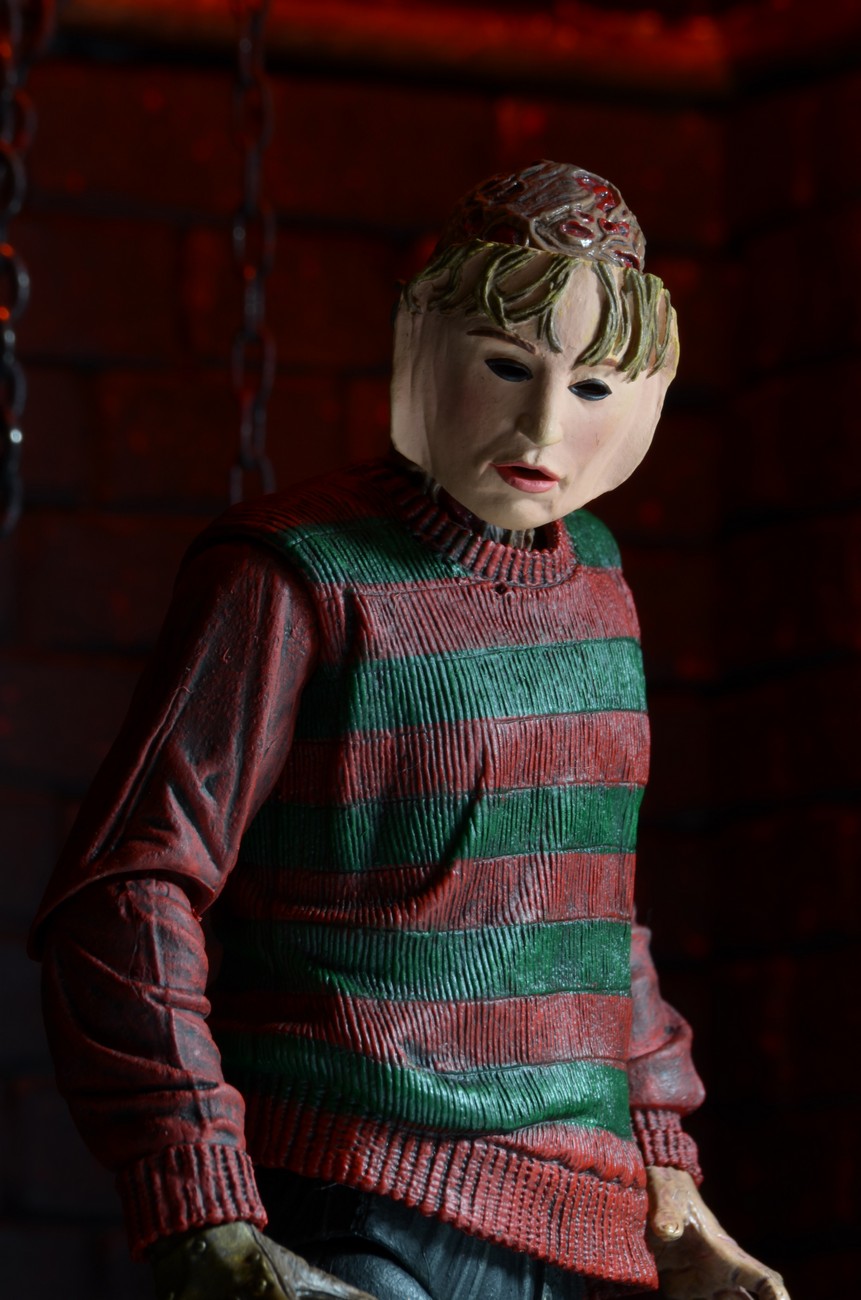
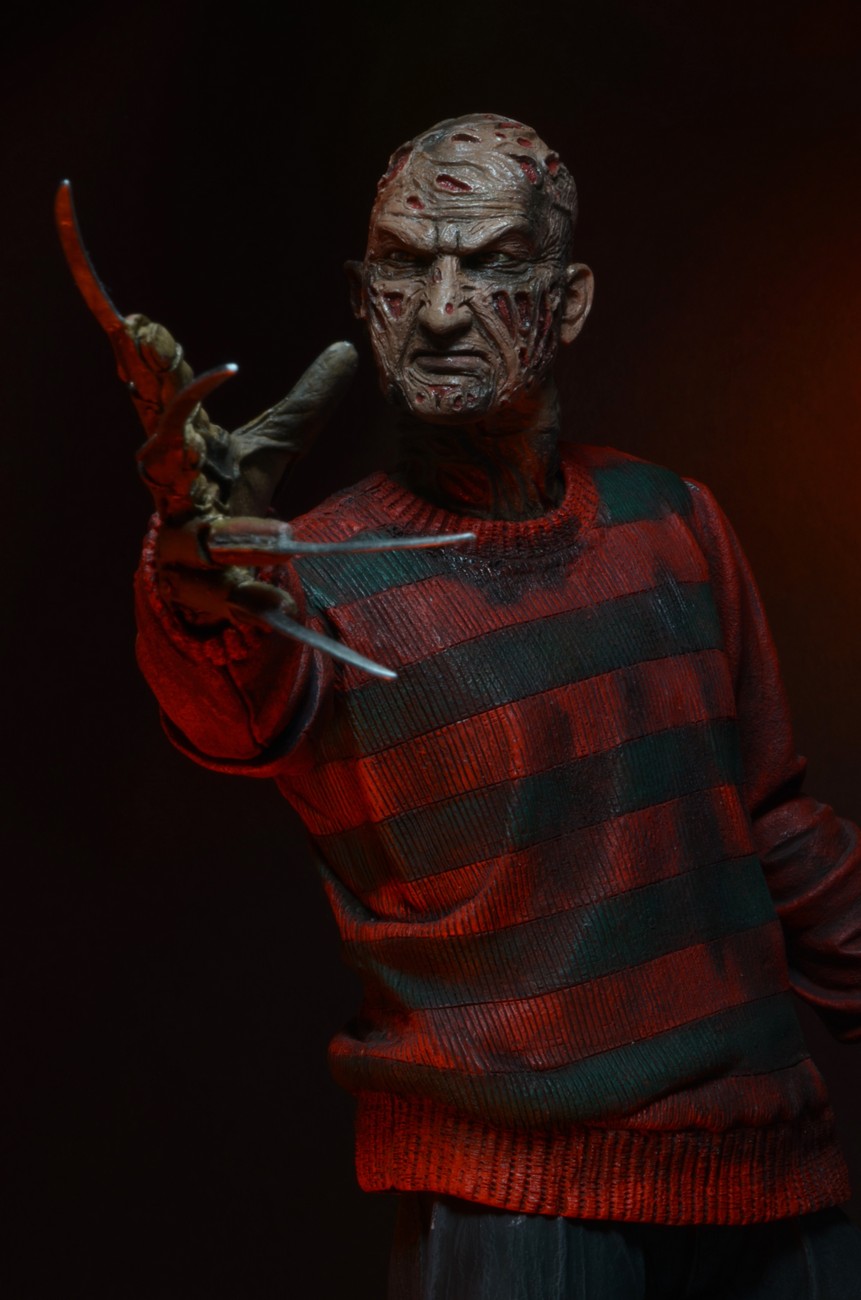
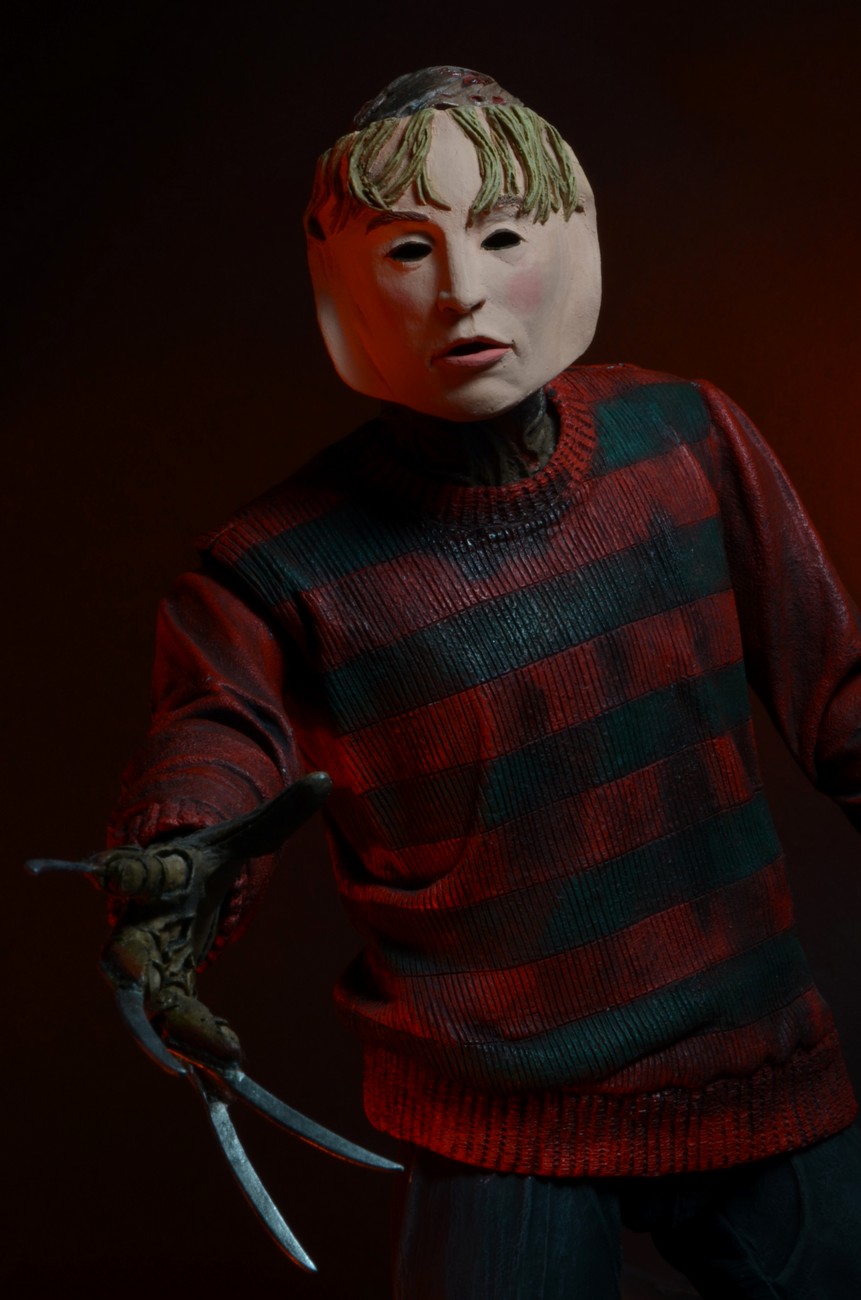
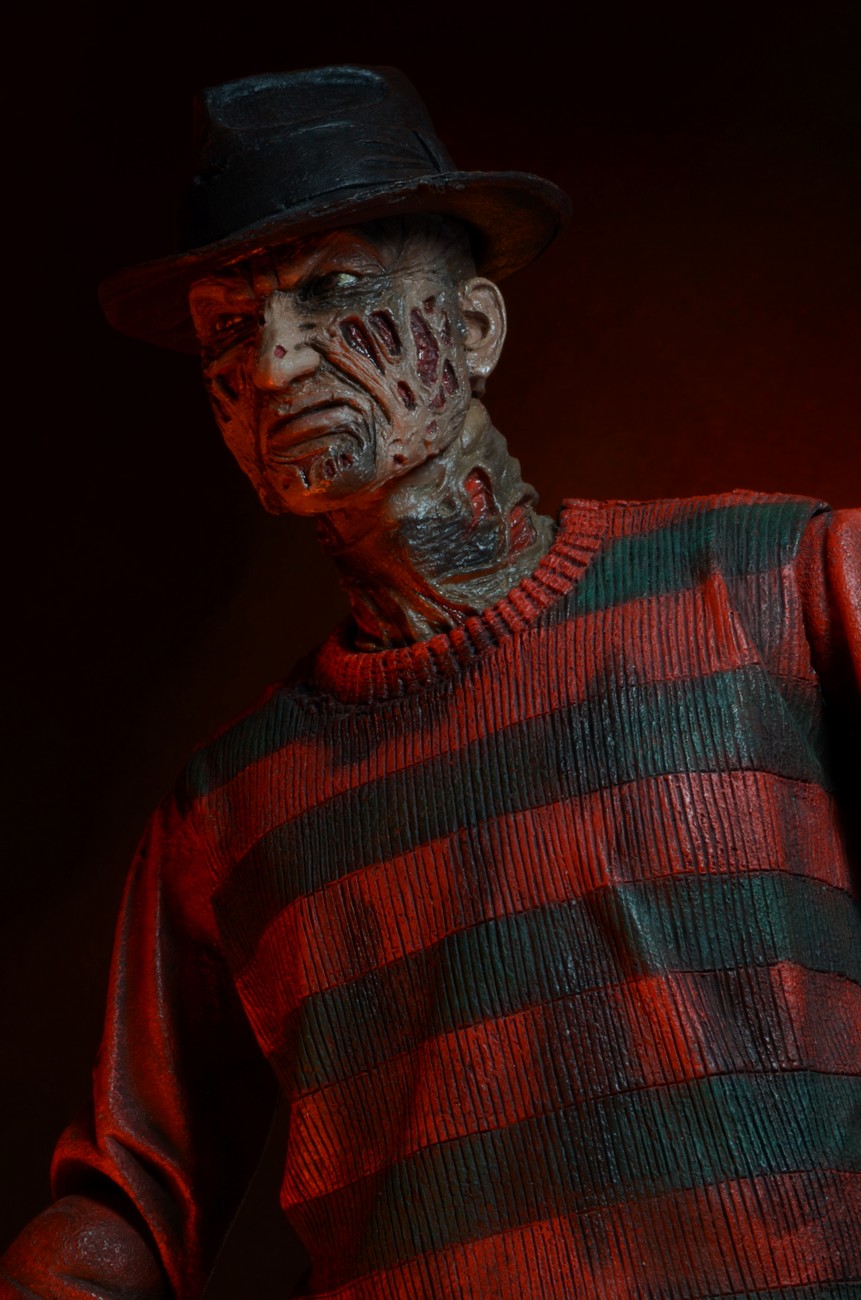
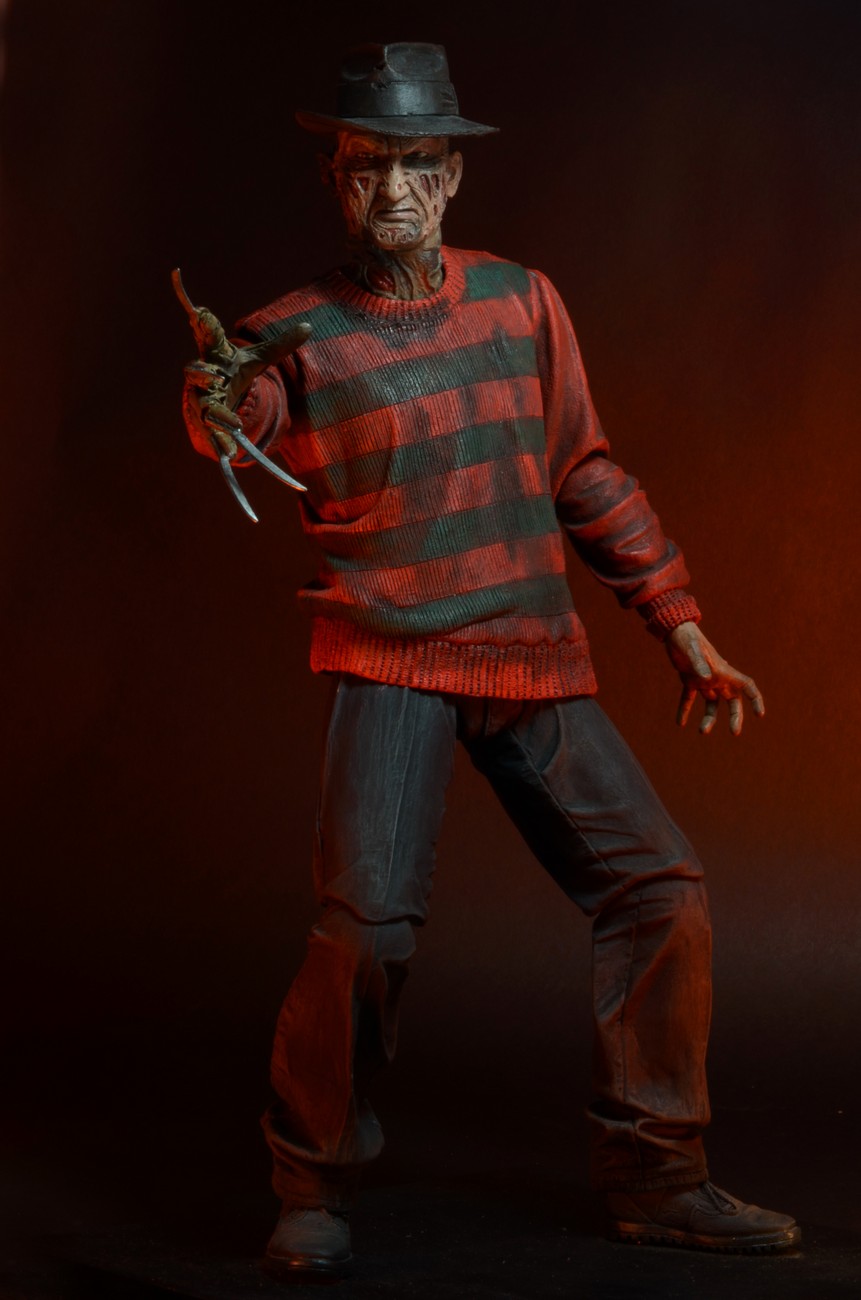
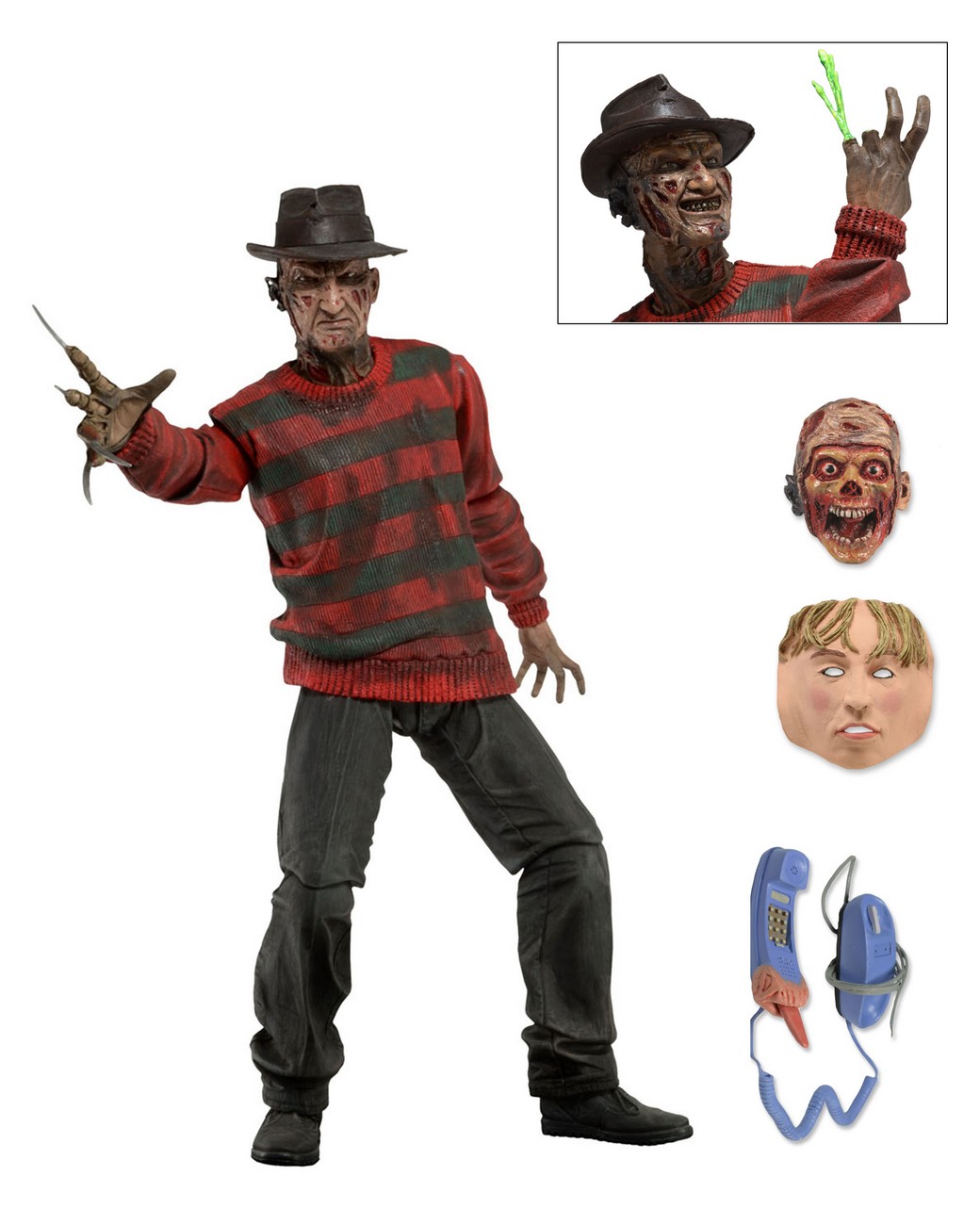
  • NECA Ultimate Freddy 7-inch figure, 30th anniversary, 2014 (item 39759). Three heads, damaged hand, dead-skin mask, tongue phone and fedora.
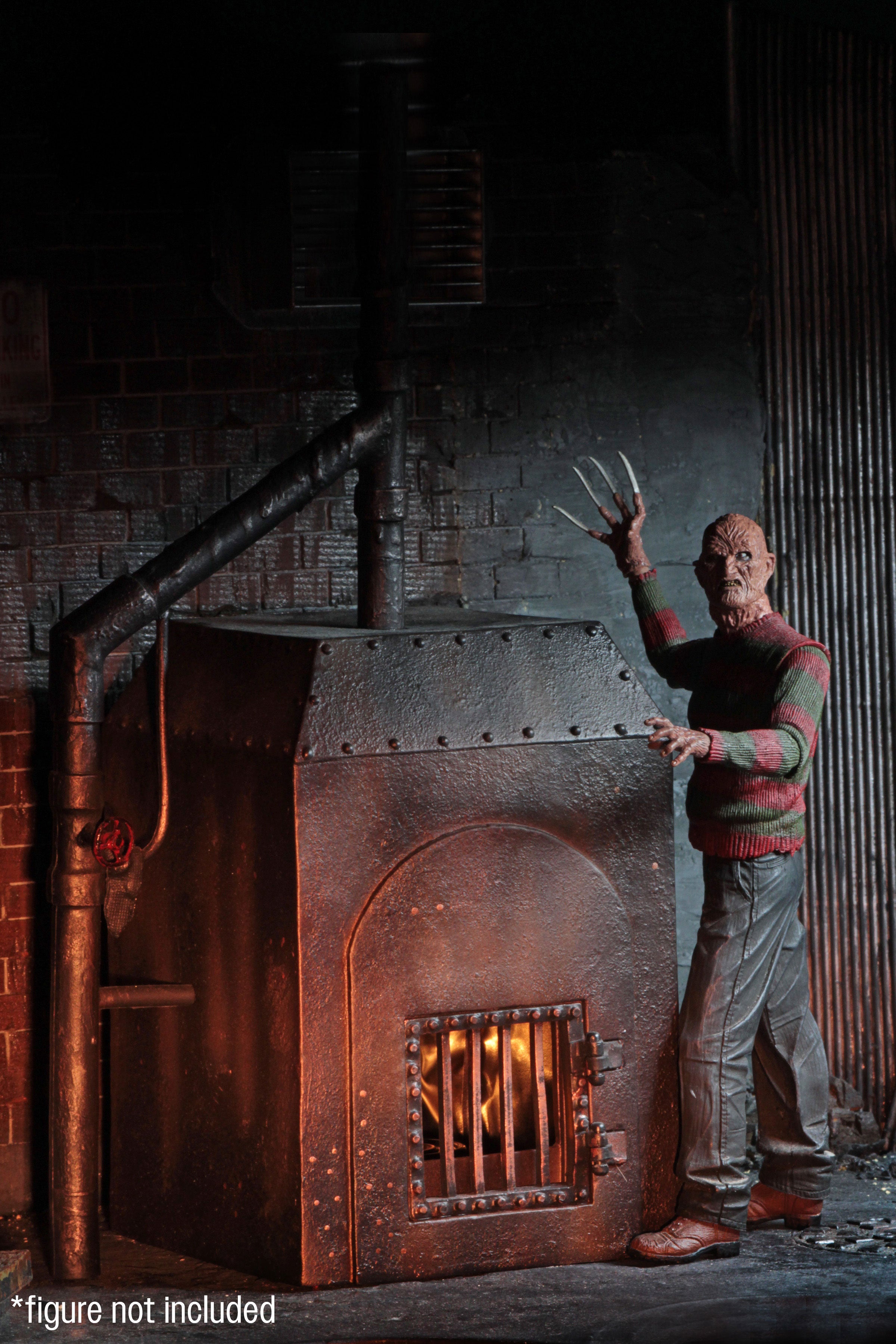
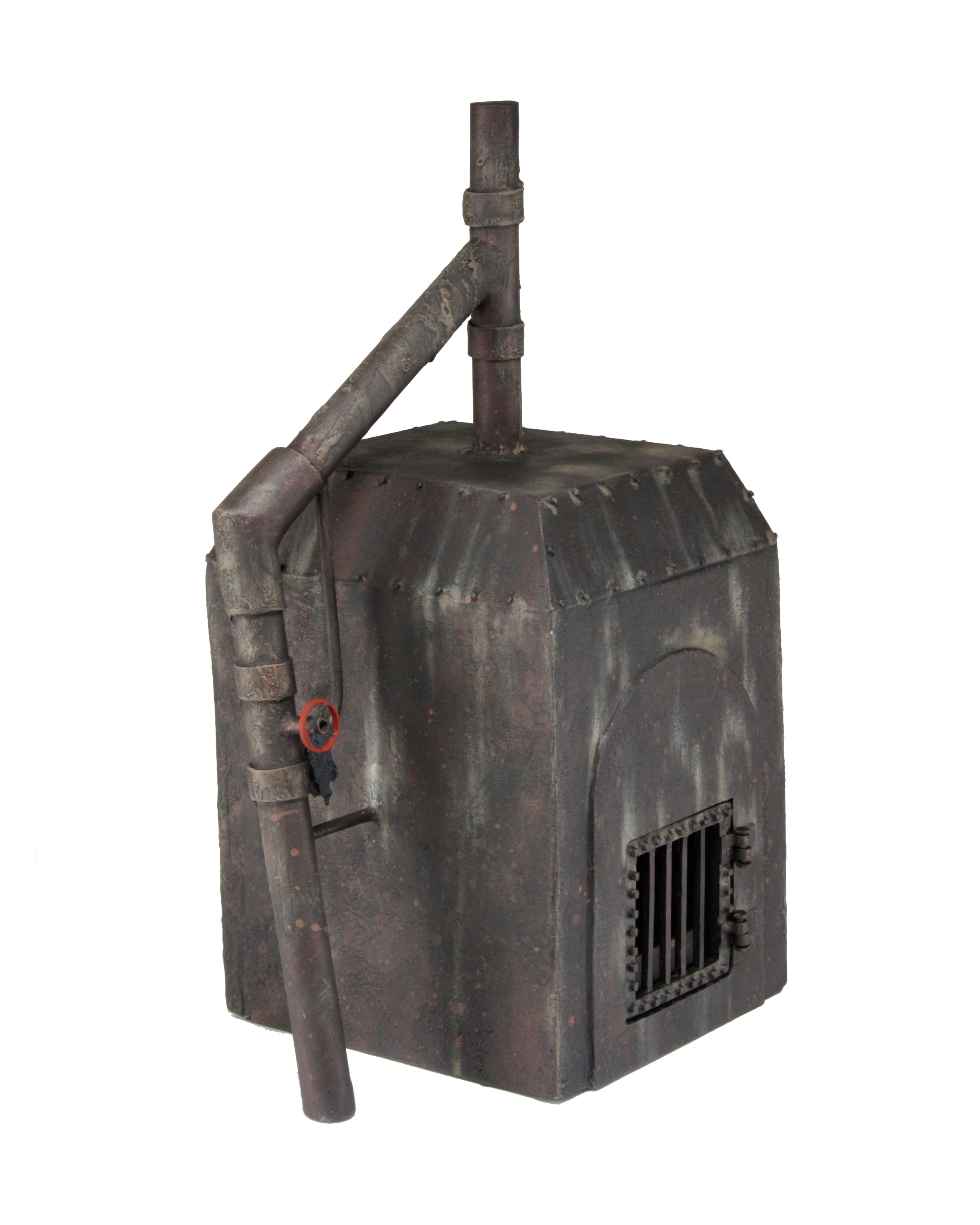
  • NECA Freddy accessory set with Freddy worm, Freddy TV and normal and nightmare Elm Street signs.
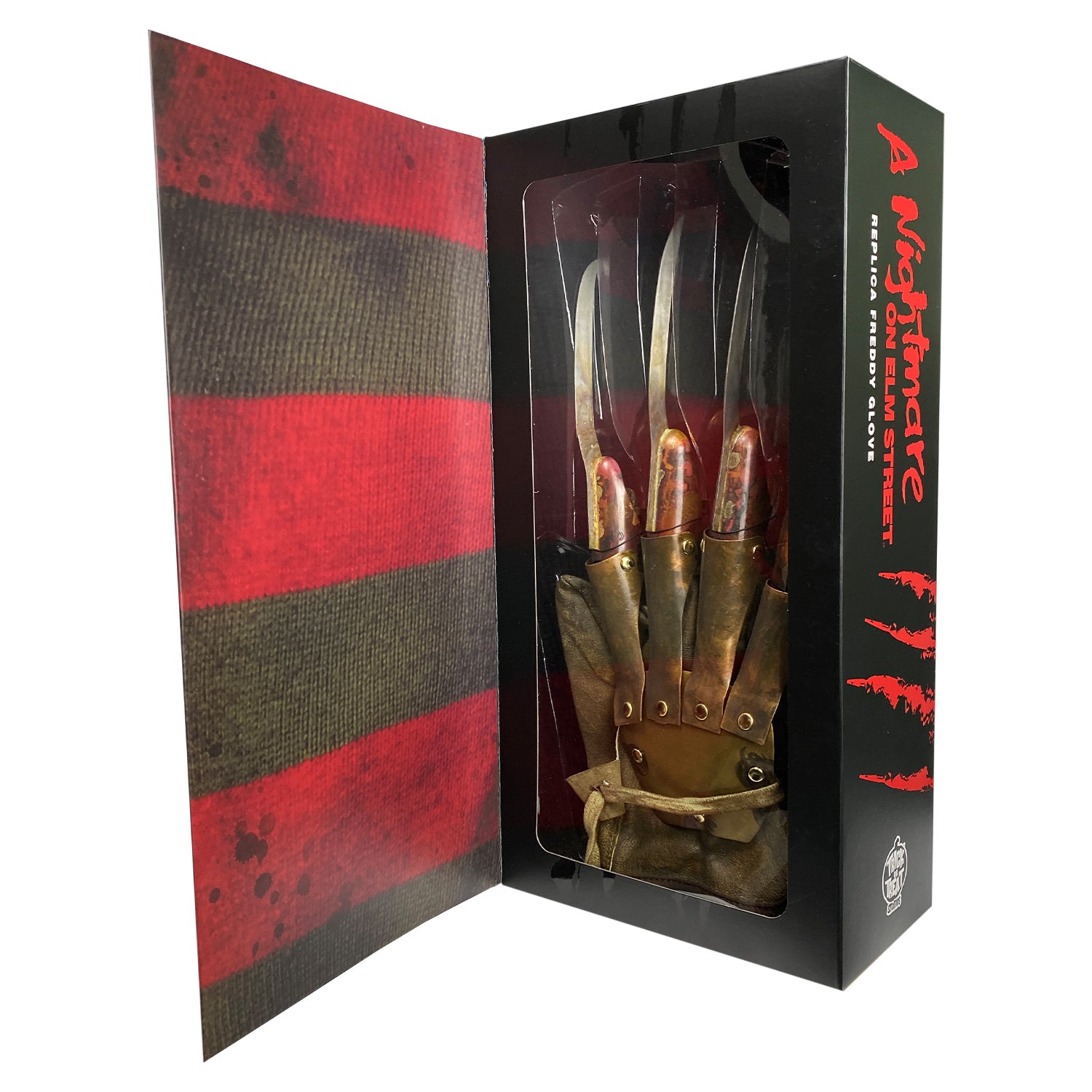
  • Trick or Treat Studios Deluxe Freddy Krueger Glove by Anders Eriksen (SKU MAAEWB100), 14.5 by 4.5 inches, copper armature, stainless steel blades, leather glove.
  • Trick or Treat Studios Freddy Krueger mask sculpted by Russ Lukich, a Deluxe mask with fedora, and the '84 Freddy Mask reissued from the original Don Post Studios master.
  • BoxLunch Freddy Krueger T-shirt.
  • Death Waltz Recording Co. and Mondo soundtrack LPs (see Music).
  • NECA Ultimate Freddy 7-inch figure based on the 1984 film, with multiple heads, alternate hand, dead-skin mask, tongue phone and fedora.
  • Trick or Treat Studios officially licensed 1984-style Freddy latex mask sculpted by Russ Lukich from screen and behind-the-scenes reference.
  • Trick or Treat Studios '84 Freddy Mask reissue based on the original Don Post Studios master.

Books and publishing

Replica props and masks

The catalog

Ultimate Freddy 7-inch Scale Action Figure

NECA · figure

License status
officially licensed
Notes
Three heads, alternate damaged hand, dead-skin mask, tongue phone and fedora.
Product code
39759
Edition
30th Anniversary (2014)
Construction
Articulated lower body with ball-hinged thighs and knees
Packaging
30th Anniversary window box with opening front flap

Freddy Krueger Movie Maniacs Series 1

McFarlane Toys · action figure

Notes
1998 figure with hat, claw glove, Freddy puppet and miniature poster stand.
Status
historical
License status
officially licensed

One:12 Collective Freddy Krueger

Mezco Toyz · 1:12 figure

Notes
Four head portraits, removable skull faceplate, striped sweater, claw gloves and Tina-nightmare trash-can lid.
License status
officially licensed