A Nightmare on Elm Street 2: Freddy's Revenge press kit
1985 · studio publicity kit
- Contents
- press-kit notes PDF; glossy photos

A Nightmare on Elm Street
1985

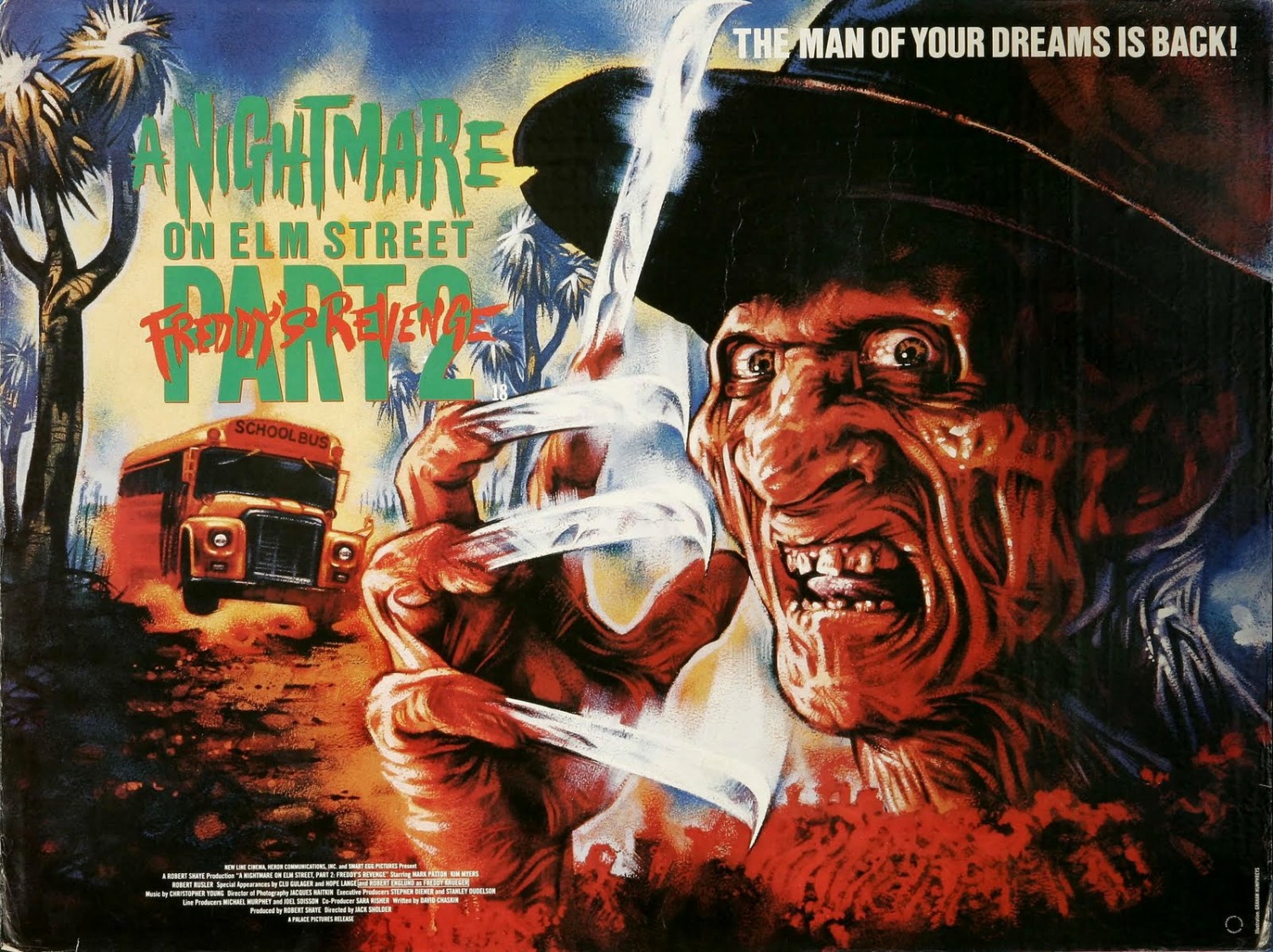
The Man of Your Dreams Is Back!
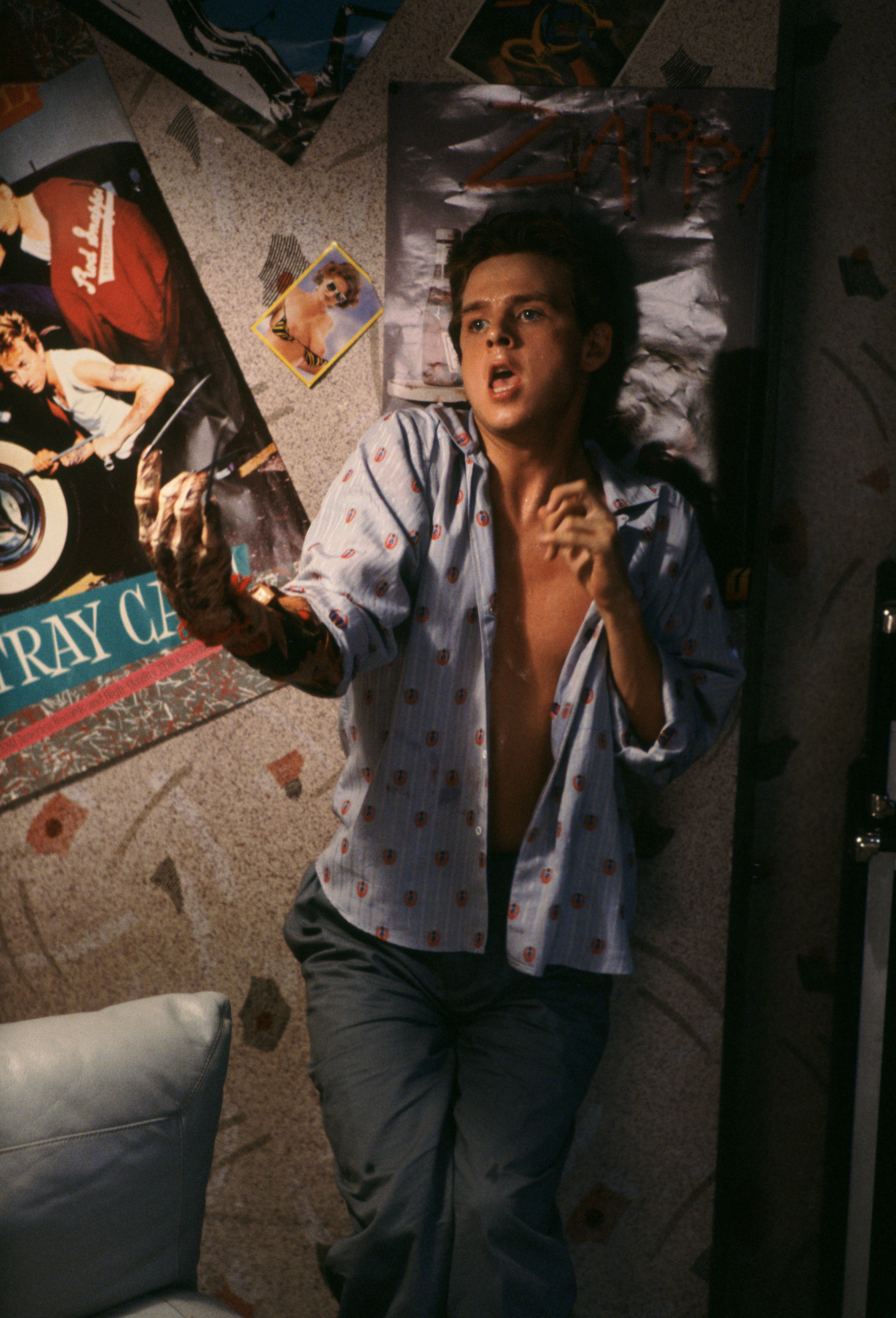
Five years after Nancy Thompson's fight with Freddy Krueger, the Walsh family moves into her old house at 1428 Elm Street. Seventeen-year-old Jesse Walsh lives there with his father Ken, his mother Cheryl and his little sister Angela. Jesse dreams that he is on a school bus that leaves the road and races into the desert, with Freddy at the wheel. His parents think he is just nervous about the move.
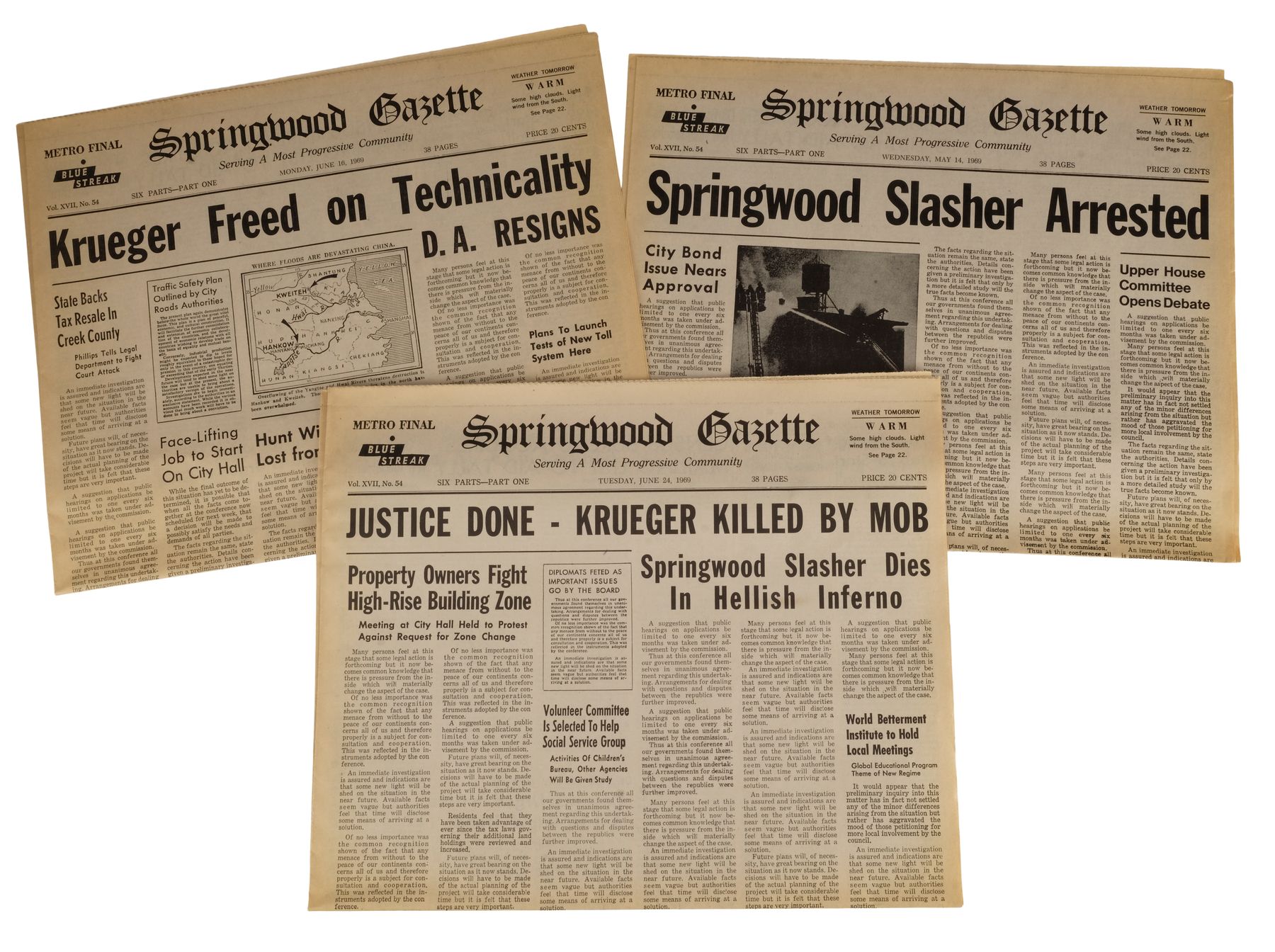
Strange things start happening in the house. It gets unbearably hot on a cool night. Appliances go haywire and catch fire. One of the family's parakeets goes wild and explodes. Jesse and his friend Lisa Webber find Nancy's old diary in his room. Her nightmares sound just like his. Jesse and Lisa dig up the story of Freddy Krueger, the child killer the town burned to death.
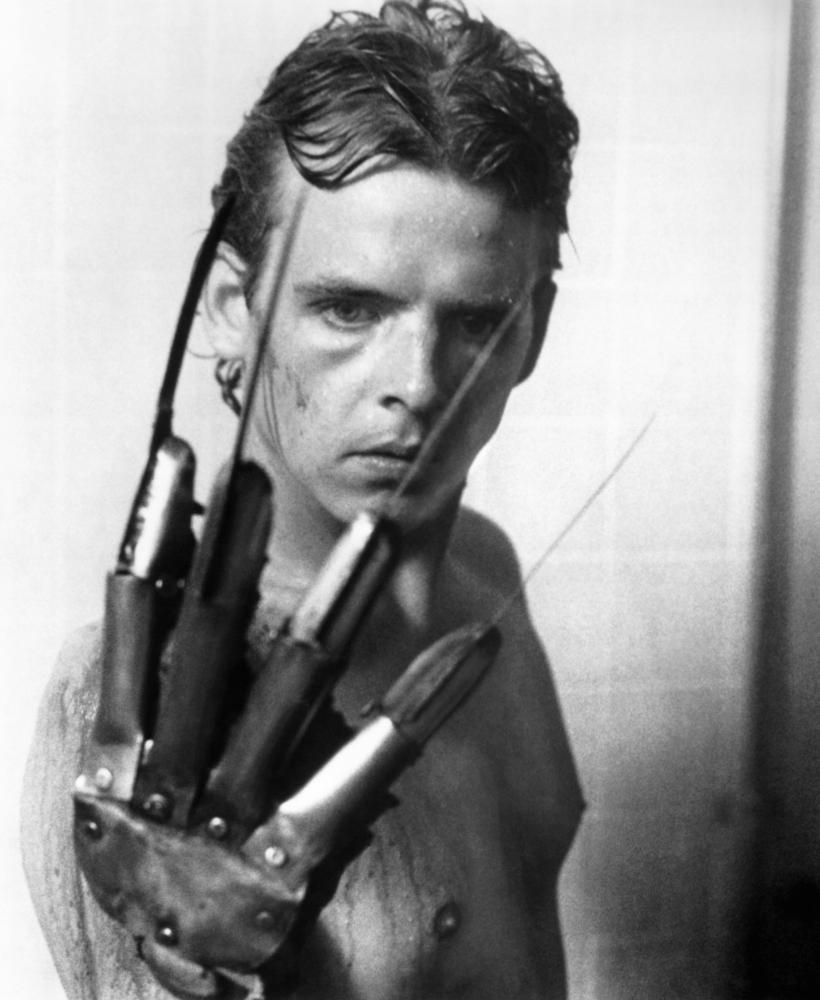
Jesse's dreams get worse. Freddy tells him he has special plans for him and needs Jesse's body to kill for him. Jesse tries everything to stay awake and starts wandering the streets at night. One night his gym teacher, Coach Schneider, catches him in a leather bar and takes him back to the school to run laps. Sports balls fly off the shelves at Schneider in his office. Jump ropes wrap around his hands and drag him into the showers, where he is strung up, stripped and whipped with towels. Freddy appears in the steam and kills him. Jesse finds himself standing there wearing the glove. The police bring him home after finding him naked on the highway.
Lisa takes Jesse to the abandoned power plant where Freddy used to work, but they find nothing. The next night Lisa throws a pool party. Jesse kisses her, and his body starts to change, with a long tongue sliding out of his mouth. He runs off in a panic to the house of his friend Ron Grady. He admits he killed Schneider and begs Grady to watch him while he sleeps. Grady falls asleep. Freddy tears his way out of Jesse's body and kills Grady, then turns back into Jesse, who is left standing over the body.
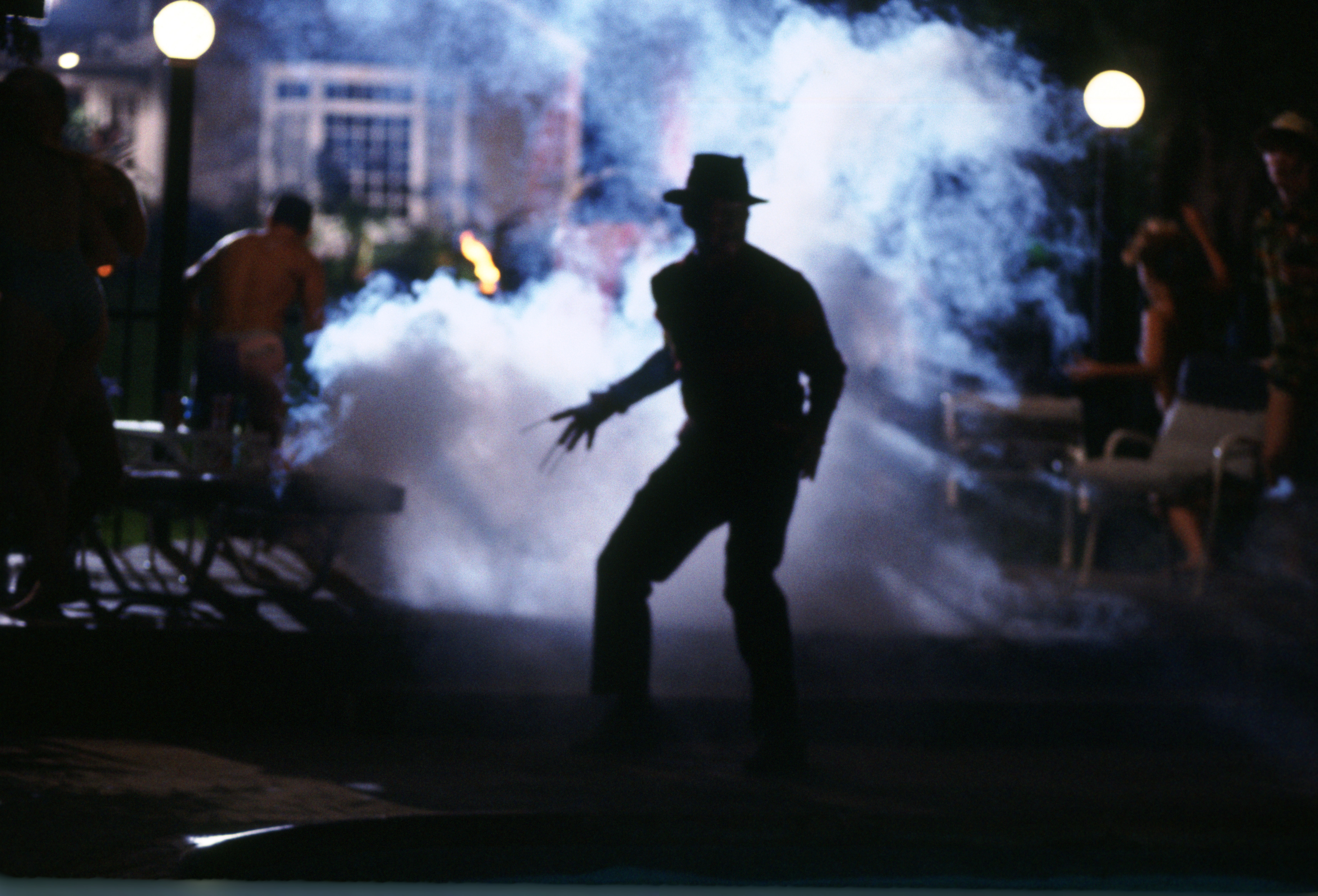
Jesse runs back to Lisa's house. Lisa realizes that Jesse's fear is what gives Freddy his strength, but Jesse cannot stop being afraid, and he changes again. Freddy goes after Lisa but cannot bring himself to kill her, because Jesse is still inside. He goes outside and attacks the kids at the pool party, slashing and burning while the party turns to chaos. Lisa's father aims a shotgun at Freddy, but Lisa stops him because Jesse is the one inside Freddy. Freddy walks off through a hedge.
Lisa drives to the power plant. She has to get past her own fear to face Freddy. She calls to Jesse to fight back, tells him she loves him, and kisses Freddy. Jesse starts to fight. Freddy bursts into flames and burns to ash, and Jesse comes out of the ashes.
Later, Jesse, Lisa and Lisa's friend Kerry ride the school bus. Jesse notices that the ride looks like his first nightmare and gets scared. Kerry tells him it is all over, and Freddy's clawed arm bursts out through her chest. Freddy laughs as the bus drives off the road into a field, the same way it did in Jesse's dream.
New Line opened the film on November 1, 1985, on 522 screens, starting in New York, Washington, D.C., Detroit and Texas. Opening weekend numbers disagree. Daily Variety reported $3,865,475, which put it second behind Death Wish 3. A Weekly Variety ad claimed $3,220,348 and third place behind To Live and Die in L.A. Box Office Mojo lists $2,865,475 and fourth place. By any count its per-screen average beat the rest of the top ten. The Hollywood Reporter later said a New Line staffer had given out the projected gross for the week by mistake and put the real weekend at $3,220,348. The film did not open in Los Angeles until January 17, 1986, according to the AFI Catalog.
The second weekend brought $1,819,203, for $5,569,334 in ten days. The film finished with $29,999,213 in the US, about ten times its $3 million budget.
Janet Maslin of The New York Times liked it. She praised the effects and Patton's lead performance, said Englund made Freddy a welcome presence, and singled out Clu Gulager, Hope Lange and Marshall Bell. Variety said the episodic story was punched up by imaginative effects, with a standout chest-burster scene. People called it a tedious, humorless mess. Craven himself called the script silly.
Rotten Tomatoes lists 49 percent approval from 37 reviews. Metacritic gives it 43 out of 100 from six critics.
Over the years the film became known for its gay subtext: Jesse runs into his coach at a leather bar, spends most of the film half dressed, and runs from Lisa's kiss to Grady's bedroom. One publication called it the gayest horror film ever when it came out, and Cracked put it first on a 2009 list of unintentionally gay horror movies. It became a cult film for gay audiences.
Chaskin first denied any subtext and then blamed Patton's acting. In 2010 he admitted he put it in on purpose, saying he wanted to tap into the anxiety of teenage boys at a time when homophobia was rising. Robert Englund told Attitude magazine in 2010 that the film was clearly meant as a bisexual-themed story. Jack Sholder said in 2020 that he never discussed a gay subtext with anyone during production and did not have the self-awareness to see it.
Mark Patton was gay and not out at the time. He said the film typecast him and hurt his career, and he left acting soon after to work as an interior decorator. He has said he blames Chaskin. He later wrote Jesse's Lost Journal about Jesse's life after the film and made the 2019 documentary Scream, Queen! My Nightmare on Elm Street.
1985 · studio publicity kit
Jesse Walsh
Lisa Webber
Ron Grady
Ken Walsh
credited as Mr. Walsh, billed as a special appearance
Cheryl Walsh
credited as Mrs. Walsh
Coach Schneider
Mrs. Webber
Mr. Webber
credited as Thom McFadden
Kerry
Wikipedia gives her last name as Hellman
Freddy Krueger
Biology Teacher
Angela Walsh
credited as Angela
Mr. Grady
Mrs. Grady
Teacher
Girl on Bus
Girl on Bus
Policeman
Do-Gooder
Bar-B-Que Boy
Girlfriend
Patty
Victim
Spike
Bartender
uncredited
Director
Writer
Characters
Producer
Executive producer
Executive producer
Co-producer
Line producer
Line producer and second unit director
Production manager
Director of photography
Second unit director of photography
Editor
Editor
Music
Music coordinator
Synthesizer programmer
Costume designer
Freddy Krueger makeup and effects creator
Transformation effects creator
Special puppet effects creator
Assistant to Kevin Yagher
Assistant to Kevin Yagher
Special makeup effects artist; assistant to Mark Shostrom
Assistant to Mark Shostrom
Assistant to Mark Shostrom
Assistant to Mark Shostrom
Makeup artist
Assistant makeup artist
Hair stylist
Special mechanical effects
Special mechanical effects
Special visual effects designer and director
Miniatures
Miniatures
Miniatures
Effects animator
Effects animator
Effects animator
Effects animator
Visual effects, live action
Visual effects, live action
Visual effects, live action
Second assistant director
Third assistant director
Sound mixer
Boom operator
Stunt coordinator
Stunts
Stunts
Stunts
Stunts
Stunts
Stunts
Stunts
Stunts
Stunts, uncredited
Set medic
Production assistant
Production designer
Set decorator
Property master
First assistant director
Casting
Location manager
Script supervisor
Sound editor
Re-recording mixer
Steadicam operator
Still photographer
Pre-production started in April 1985. Screenwriter Leslie Bohem pitched a story about a teenage boy, his pregnant mother and his stepfather, with Freddy getting into the mother's womb, drawing on Rosemary's Baby. New Line executive Sara Risher was pregnant at the time, and the company passed. Bohem later used the idea for A Nightmare on Elm Street 5: The Dream Child (1989).
New Line went with David Chaskin's possession story. Chaskin says he wrote a 15-page treatment in three days and then spent two months on the script. He liked the idea of Freddy having a human stand-in doing things in the real world. Lisa was named Lisa Poletti in the script. At Craven's suggestion, Chaskin moved the story from about 90 percent Jesse to an even split between Jesse and Lisa.
Wes Craven was asked to direct and turned it down. He thought the possessed bird was silly, and he felt that Freddy running around a pool full of teenagers bigger than him would make him look ridiculous. He also said he suggested making the girl across the street the hero.
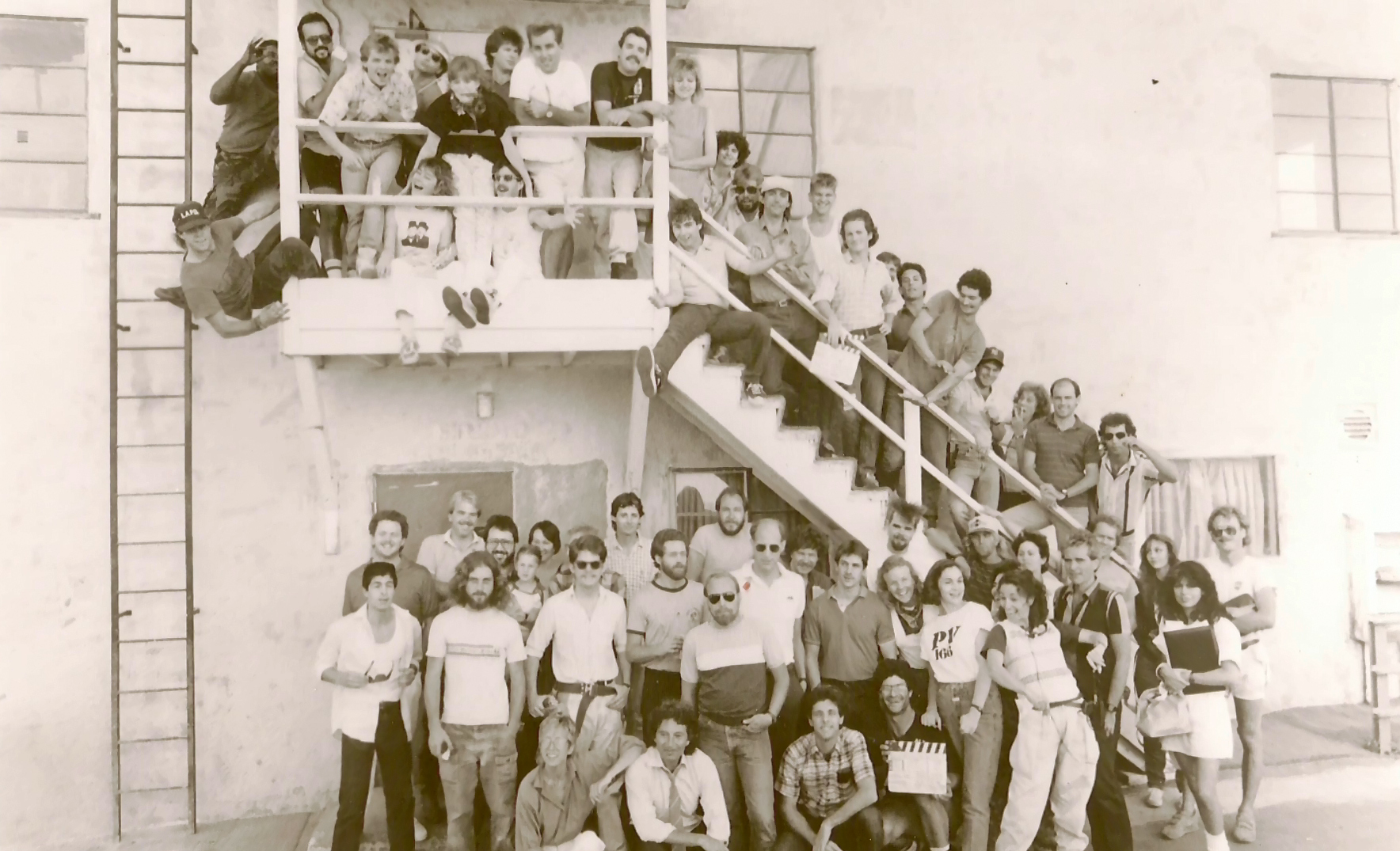
The job went to Jack Sholder, who had written and directed Alone in the Dark (1982) for New Line. The Hollywood Reporter said he came on five weeks before filming started. He had no interest in horror movies but took the job to move his career forward. He later said he had very little time to prepare and that the film was full of special effects he did not know how to do.
The school bus nightmare came from the fight over the first film's ending. Craven had refused to put Freddy in the driver's seat of the car, so the idea was used here with new characters.
To save money, New Line first tried to replace Robert Englund with an extra in a rubber mask. The extra moved like a dime-store monster, so the producers rehired Englund for the rest of the shoot. Shots of the extra are still in Coach Schneider's death, hidden by steam.
Brad Pitt tried out for Jesse and lost to Mark Patton, reportedly for being too nice. Patton had been praised for Come Back to the 5 and Dime, Jimmy Dean, Jimmy Dean. Patton and Robert Rusler sat in on the Lisa auditions. Sholder cast Kim Myers because she looked like a young Meryl Streep.
Robert Shaye wanted to play Grady's father. Sholder said no and made him the bartender at the leather bar instead. Shaye said his outfit came from The Pleasure Chest in Los Angeles.
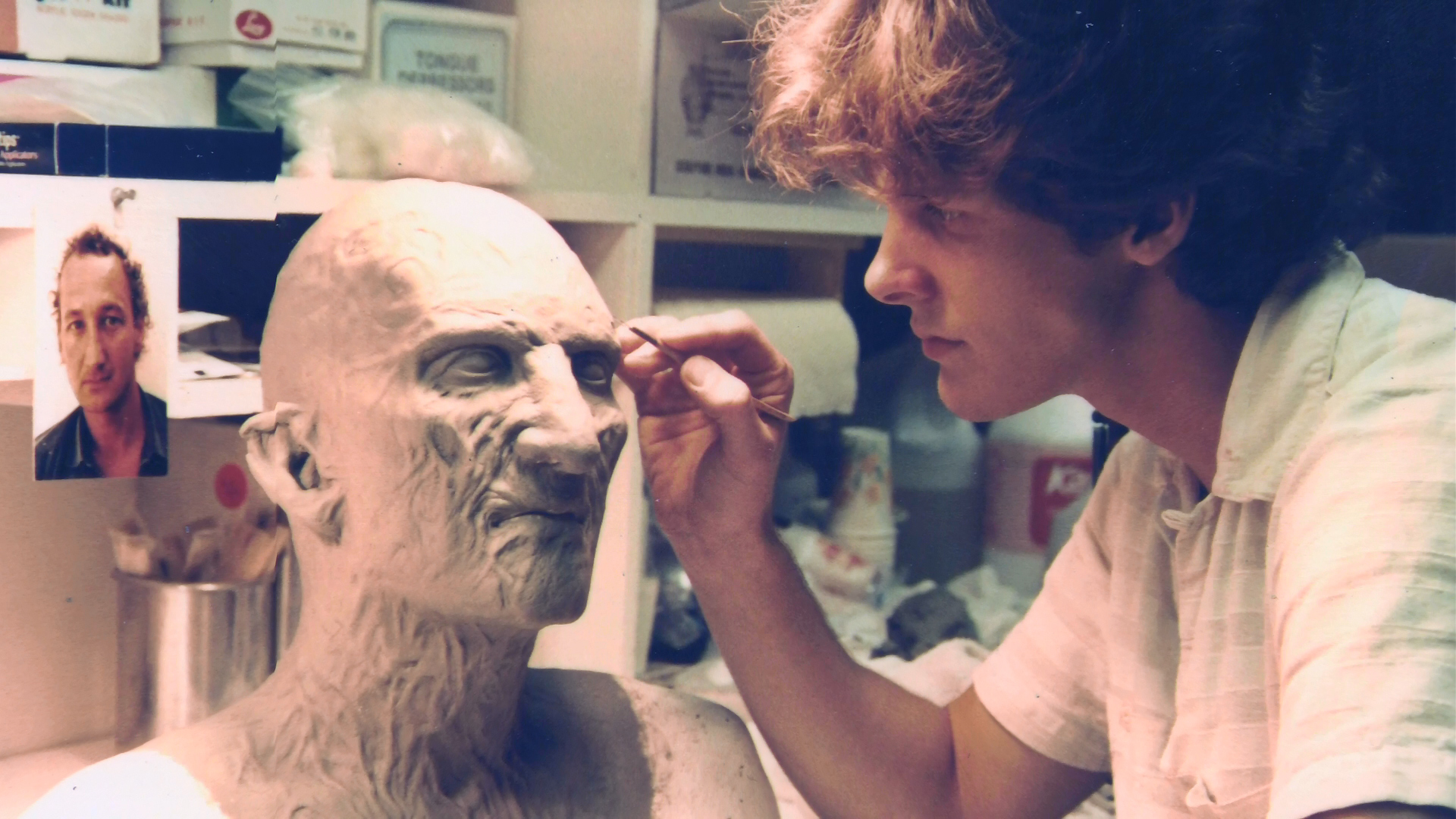
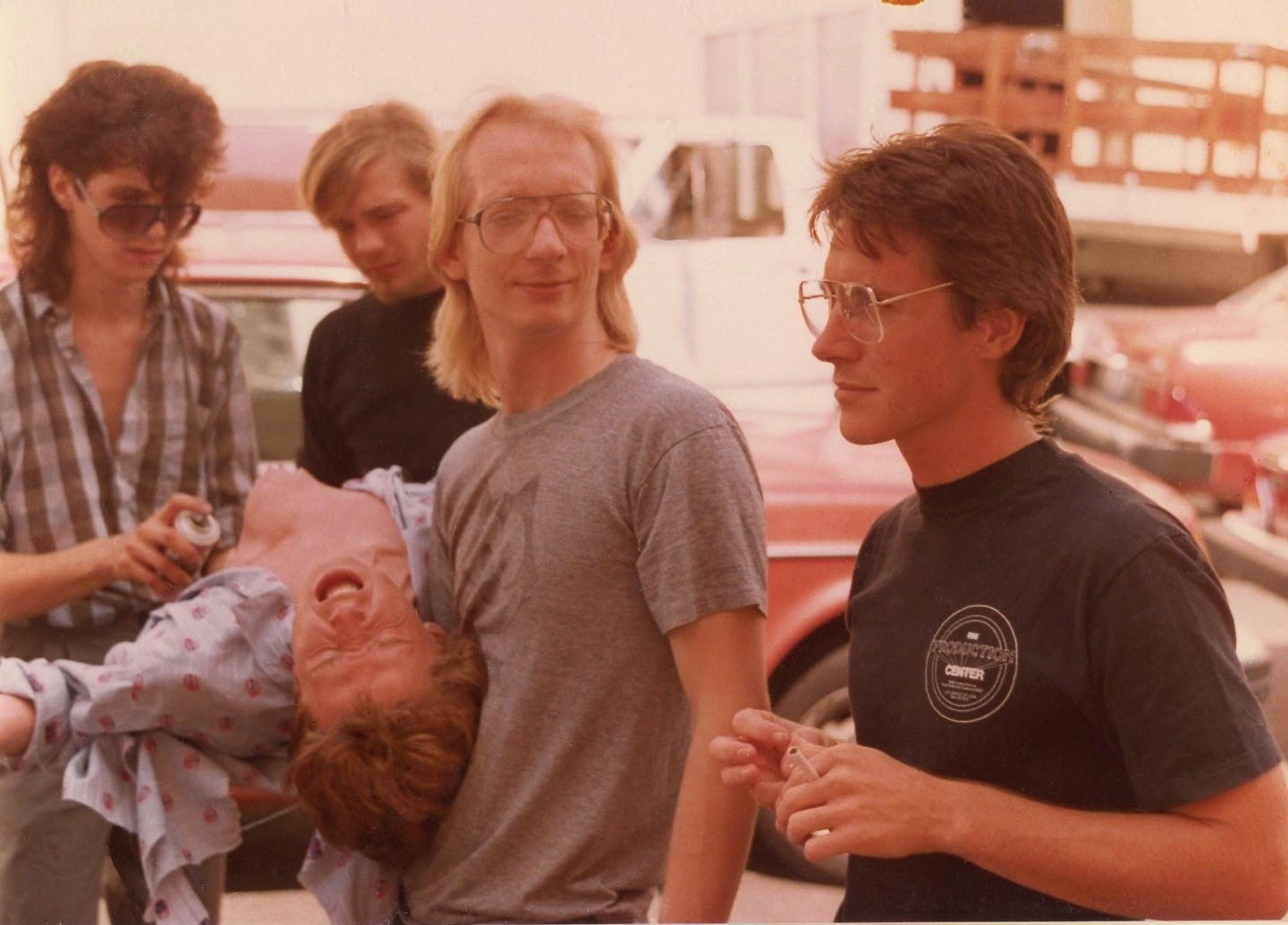
Principal photography began in June 1985. David B. Miller, who made Freddy's makeup for the first film, was busy on Cocoon and My Science Project. Kevin Yagher took over Freddy, and Mark Shostrom handled the scenes of Freddy coming out of Jesse. Yagher later said he was let down and confused by the ending.
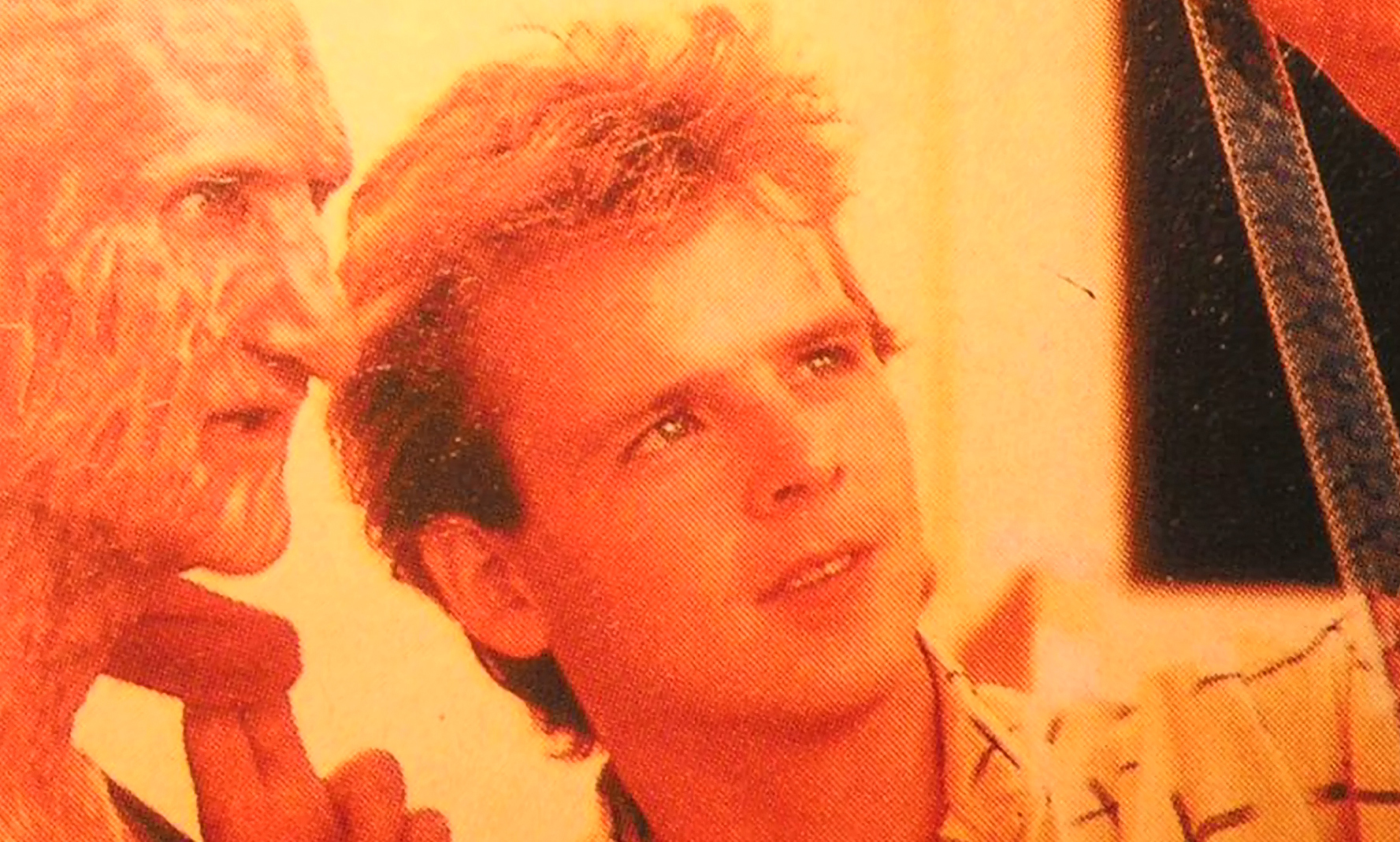
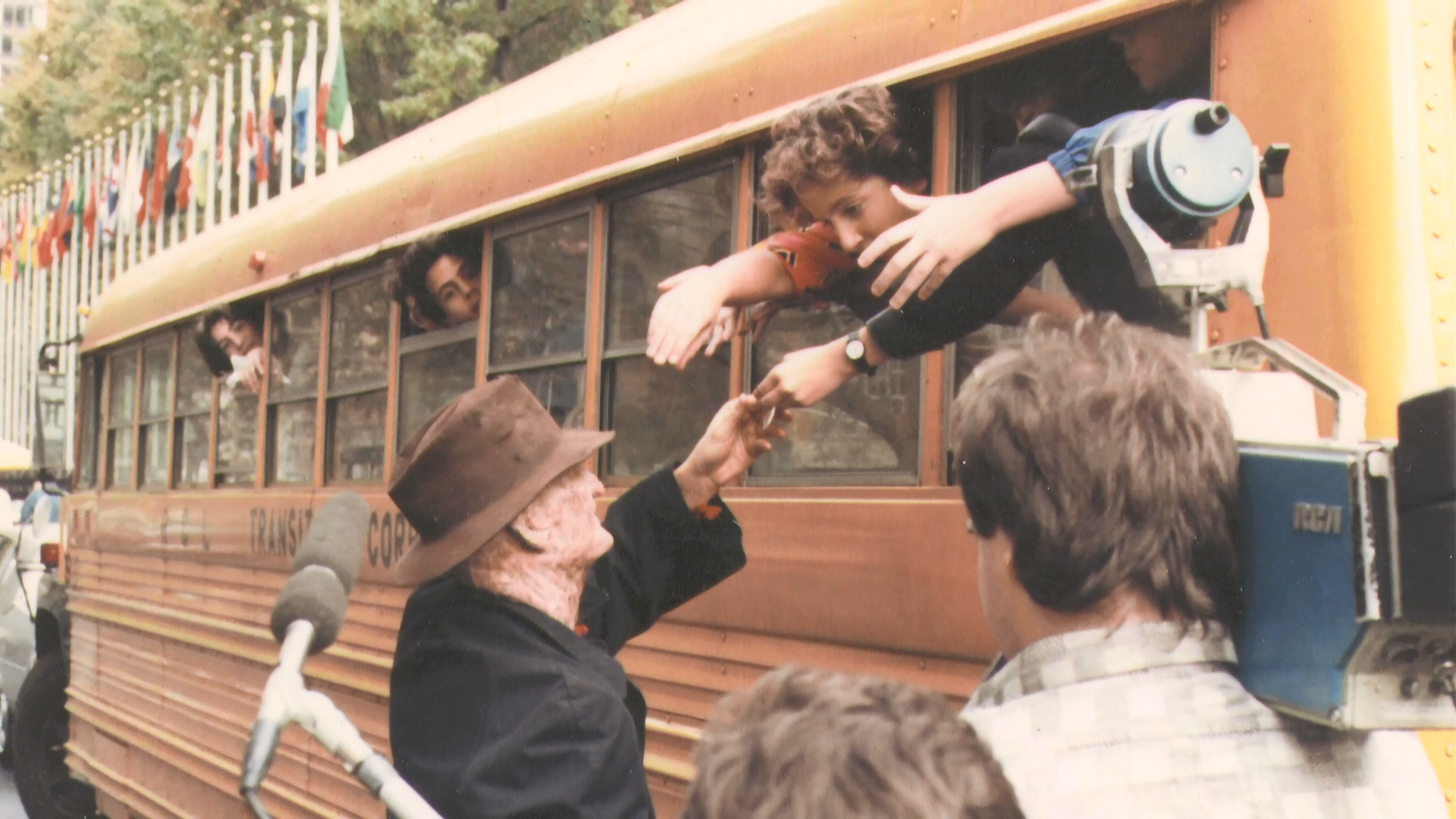
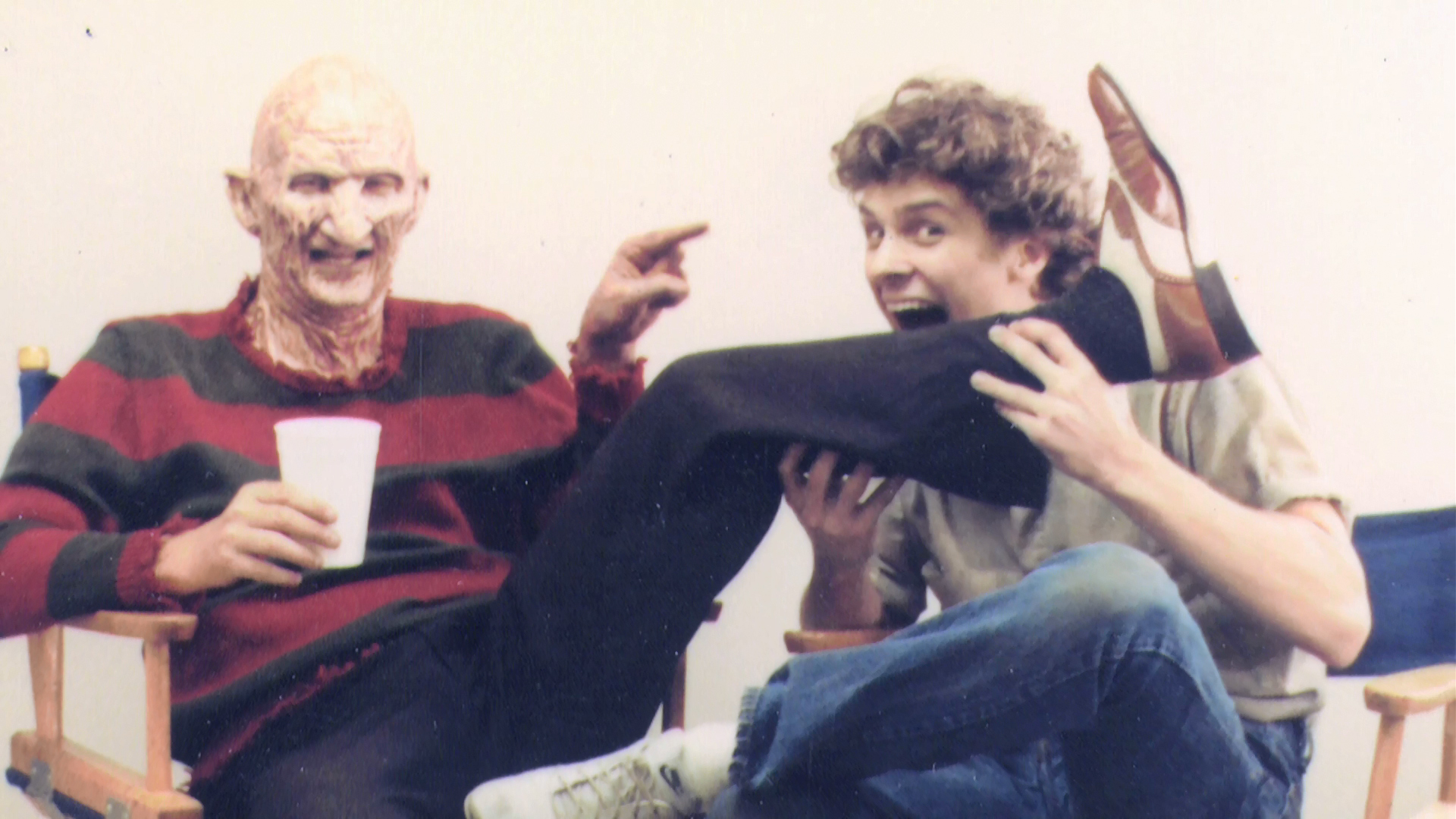
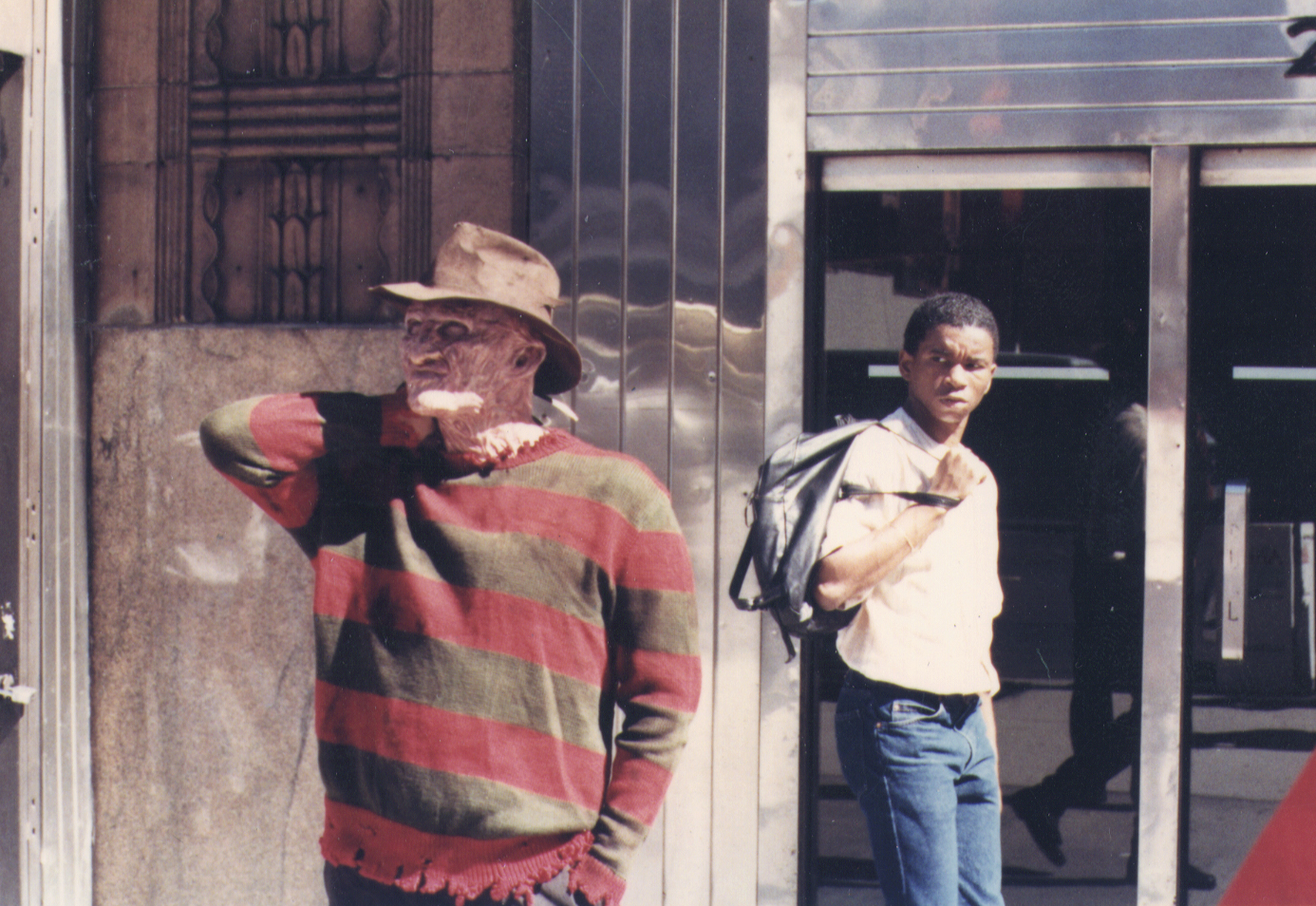
After four days of shooting, Englund had an allergic reaction to the makeup remover. He later wore the full makeup for 24 hours straight during promotional appearances in New York.
During one scene Englund was ready to slide a blade into Jesse's mouth instead of just touching his lips. Patton said no after the makeup artist suggested he think about his image.
1985 · house exterior / interior set
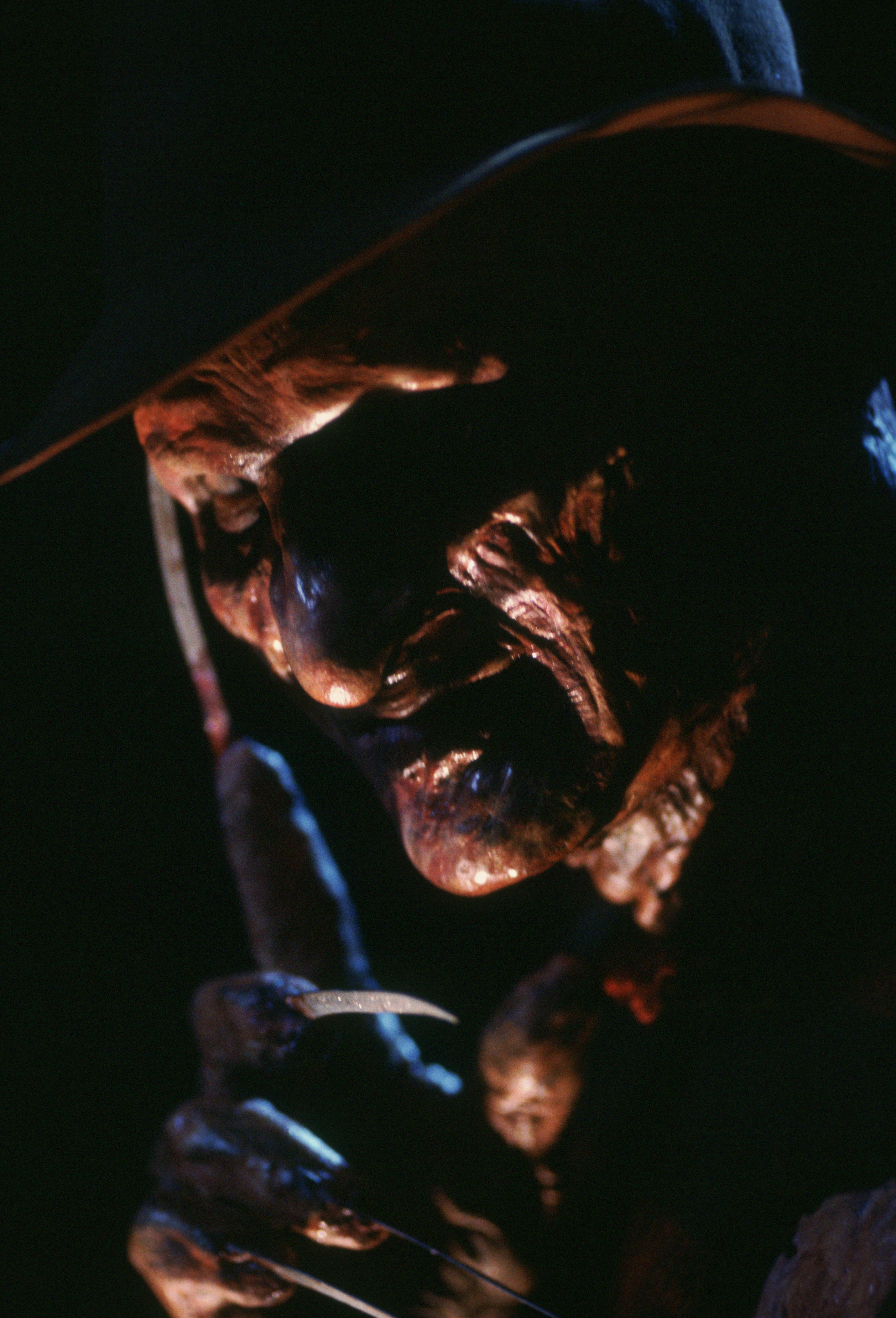
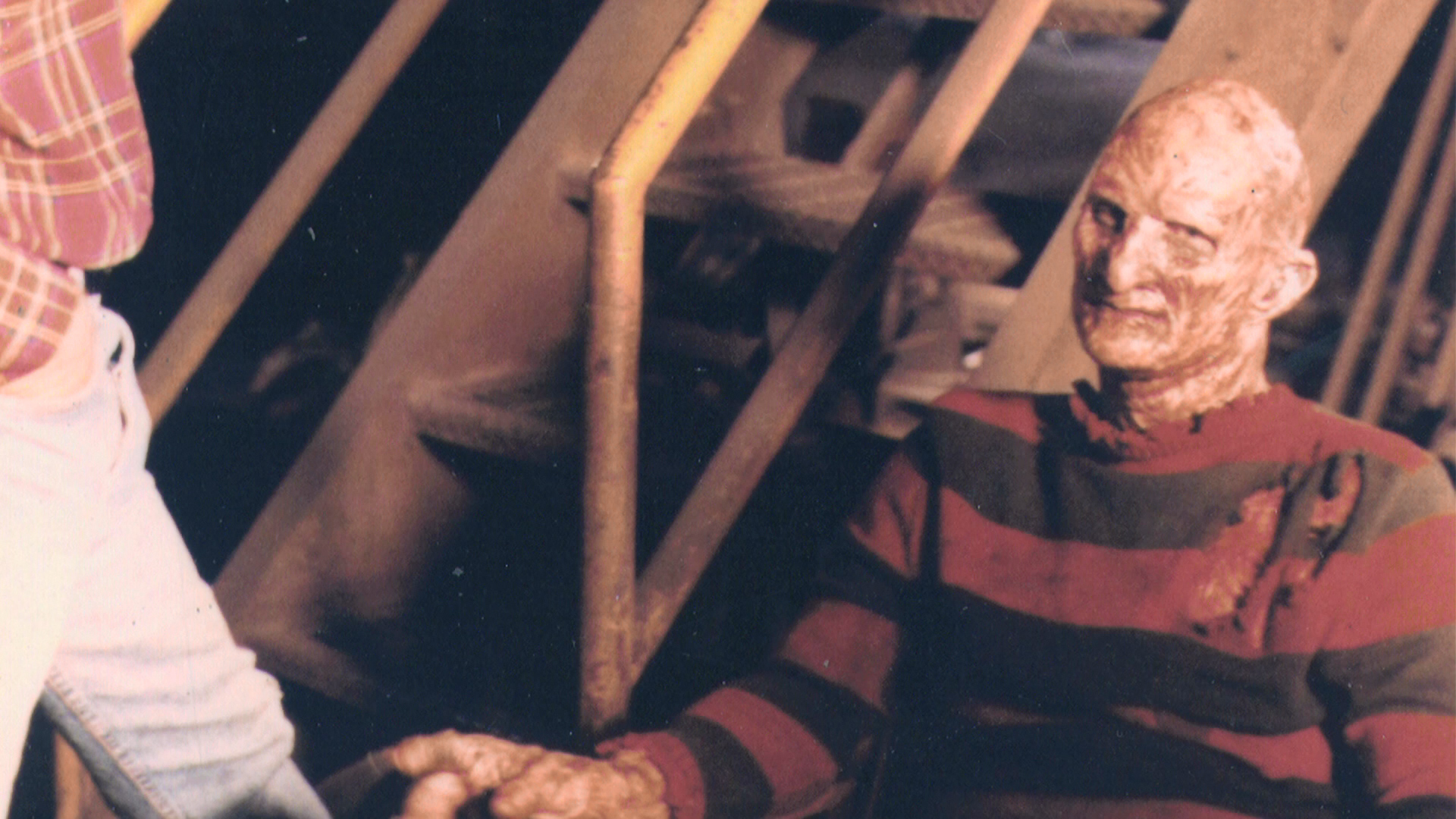
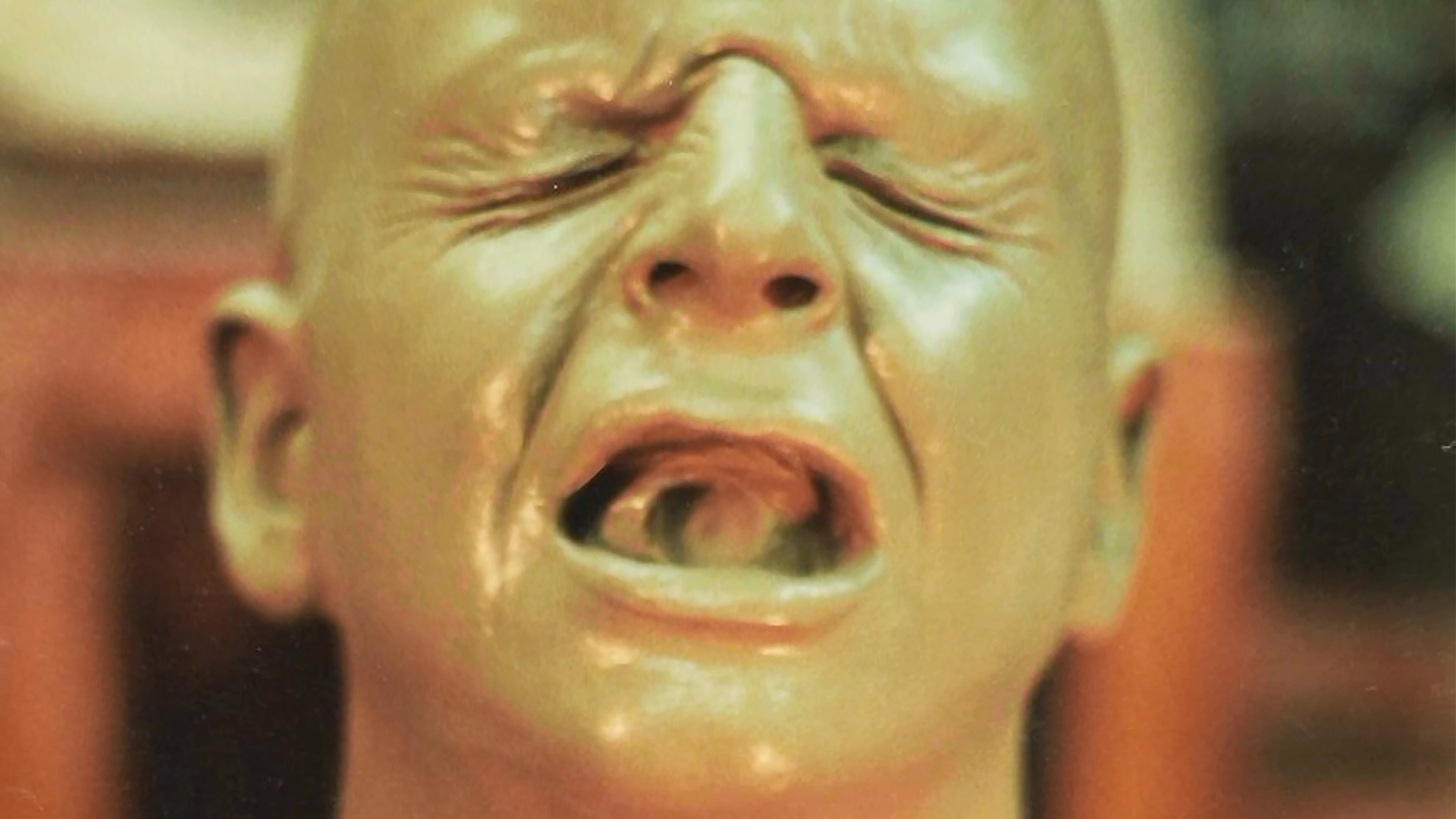
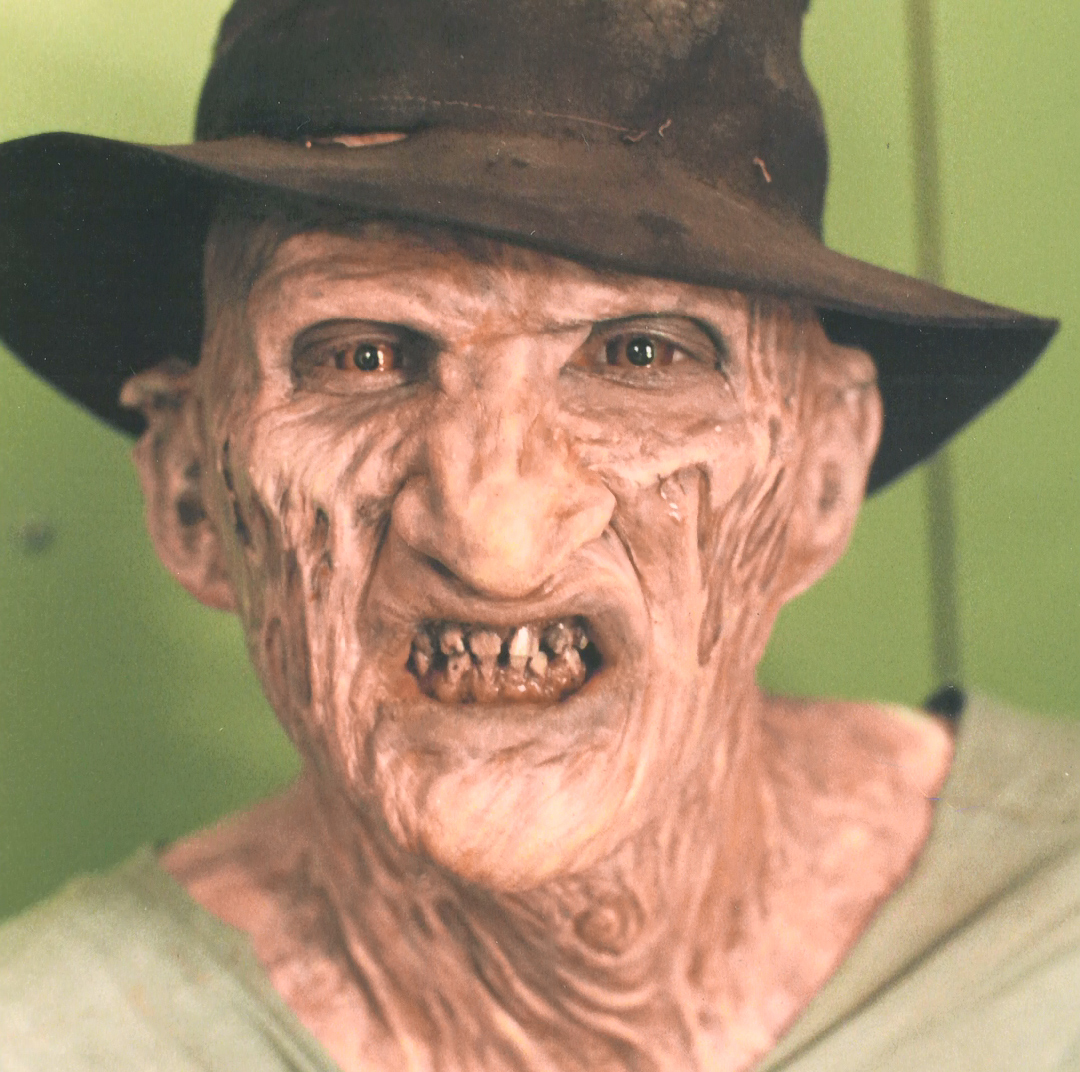
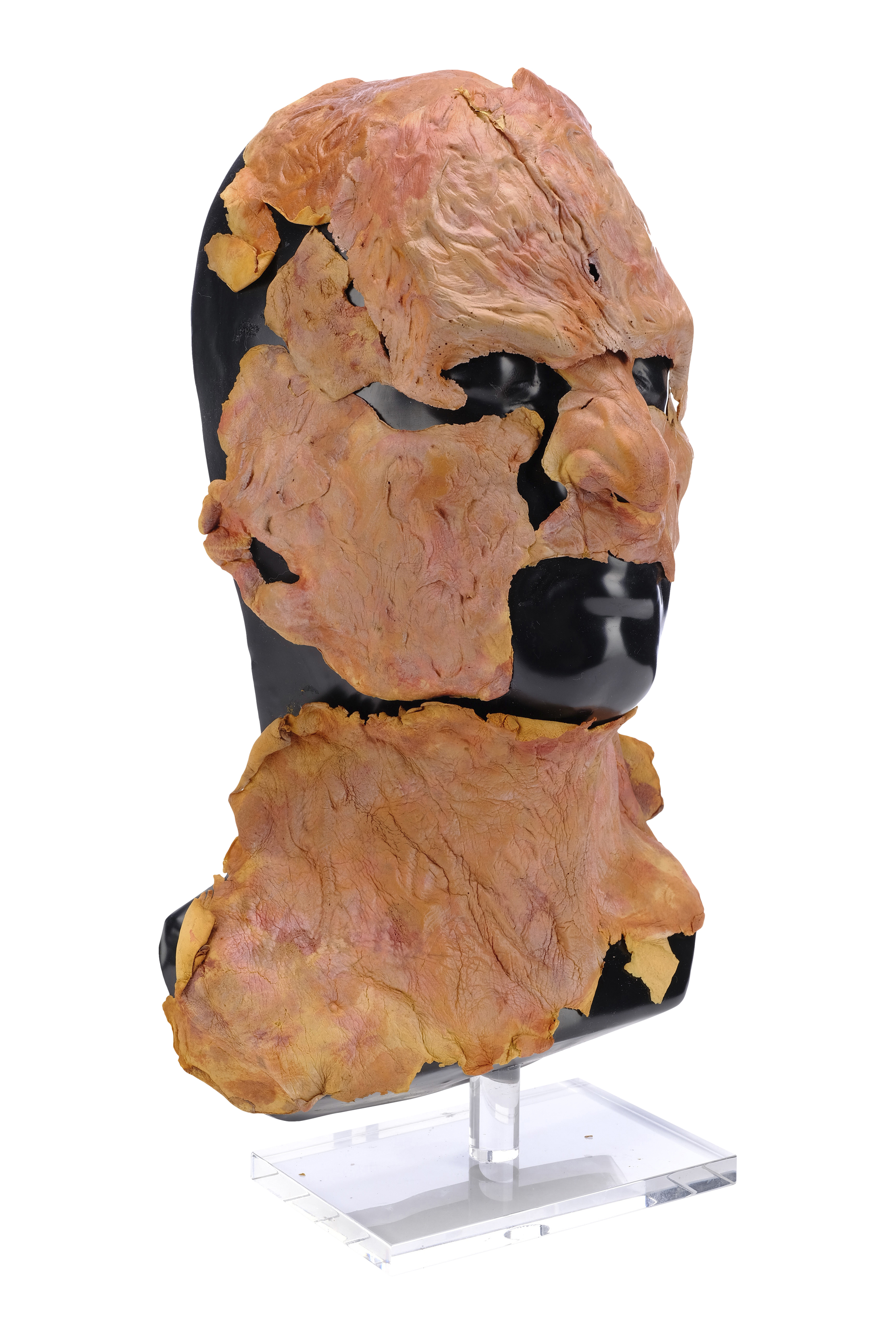
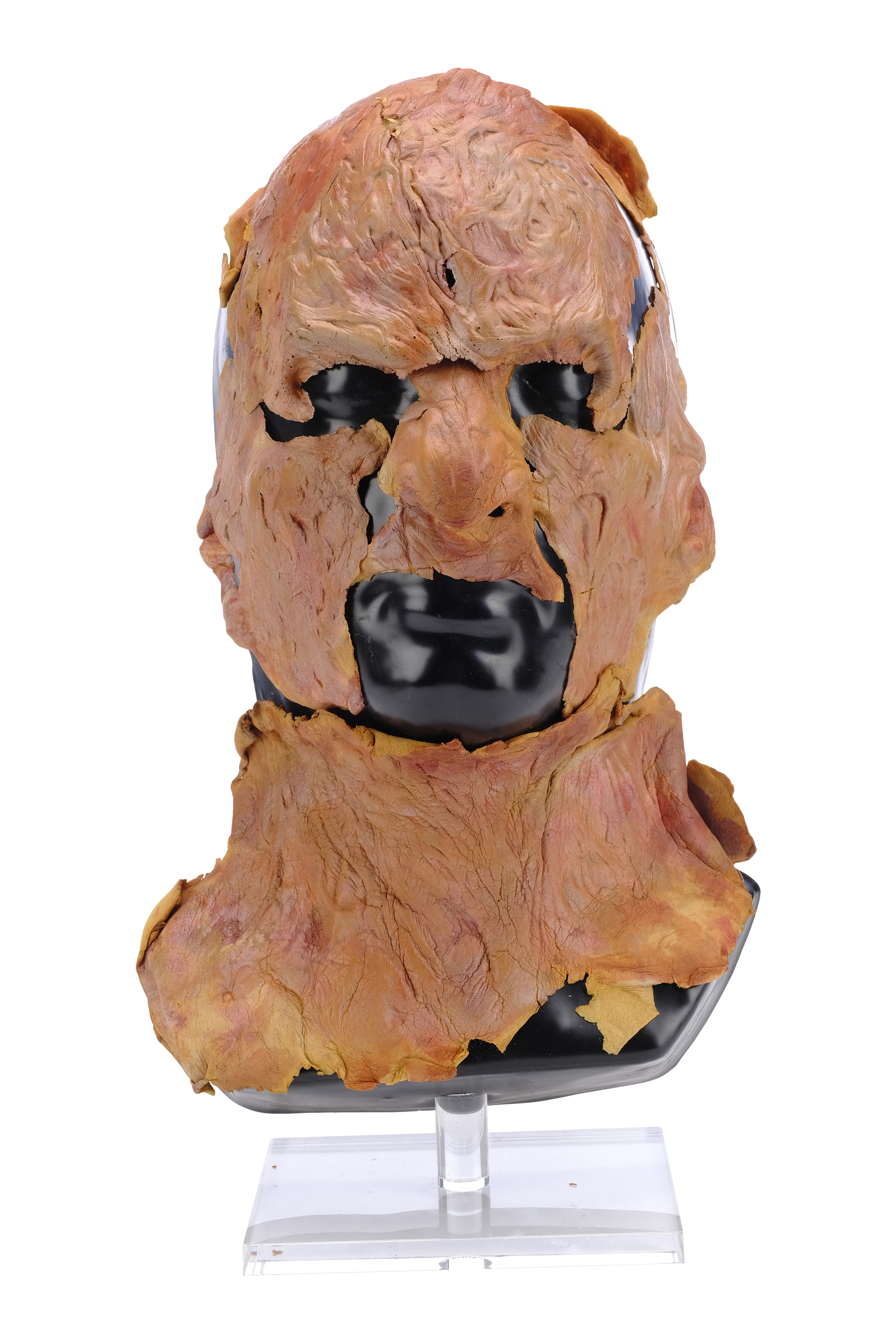
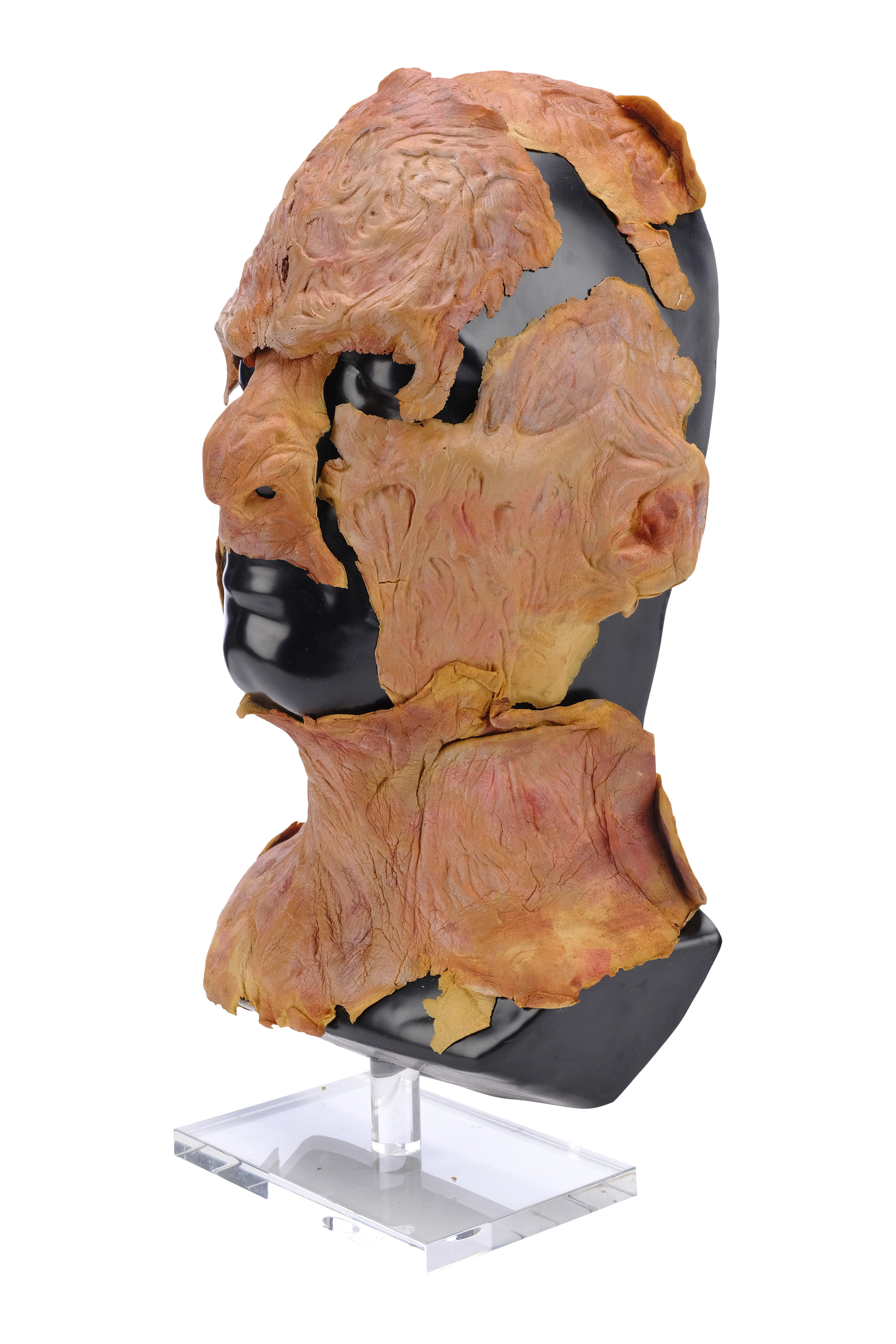
Kevin Yagher's Freddy makeup used nine separate pieces on Englund's face and head: ears, nose and upper lip, chin, cheek pieces, top of the forehead, back of the head and neck. A shoulder piece was added for a shot where Freddy gets stabbed in the chest. Yagher said he got books on burn victims and used KY jelly to make the skin look wet.
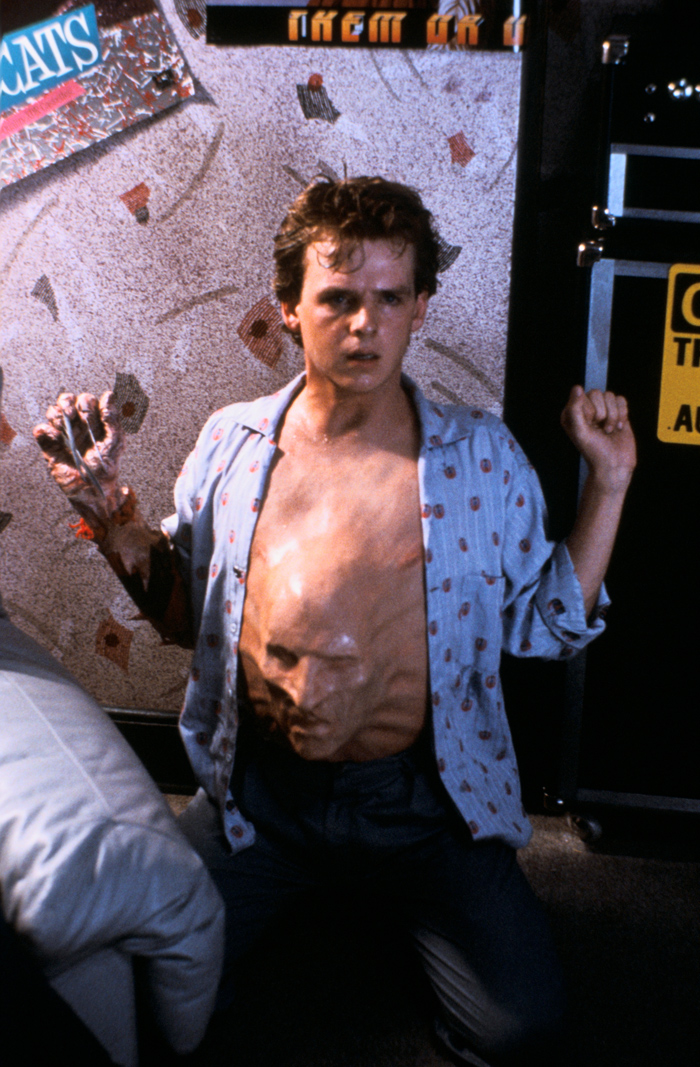
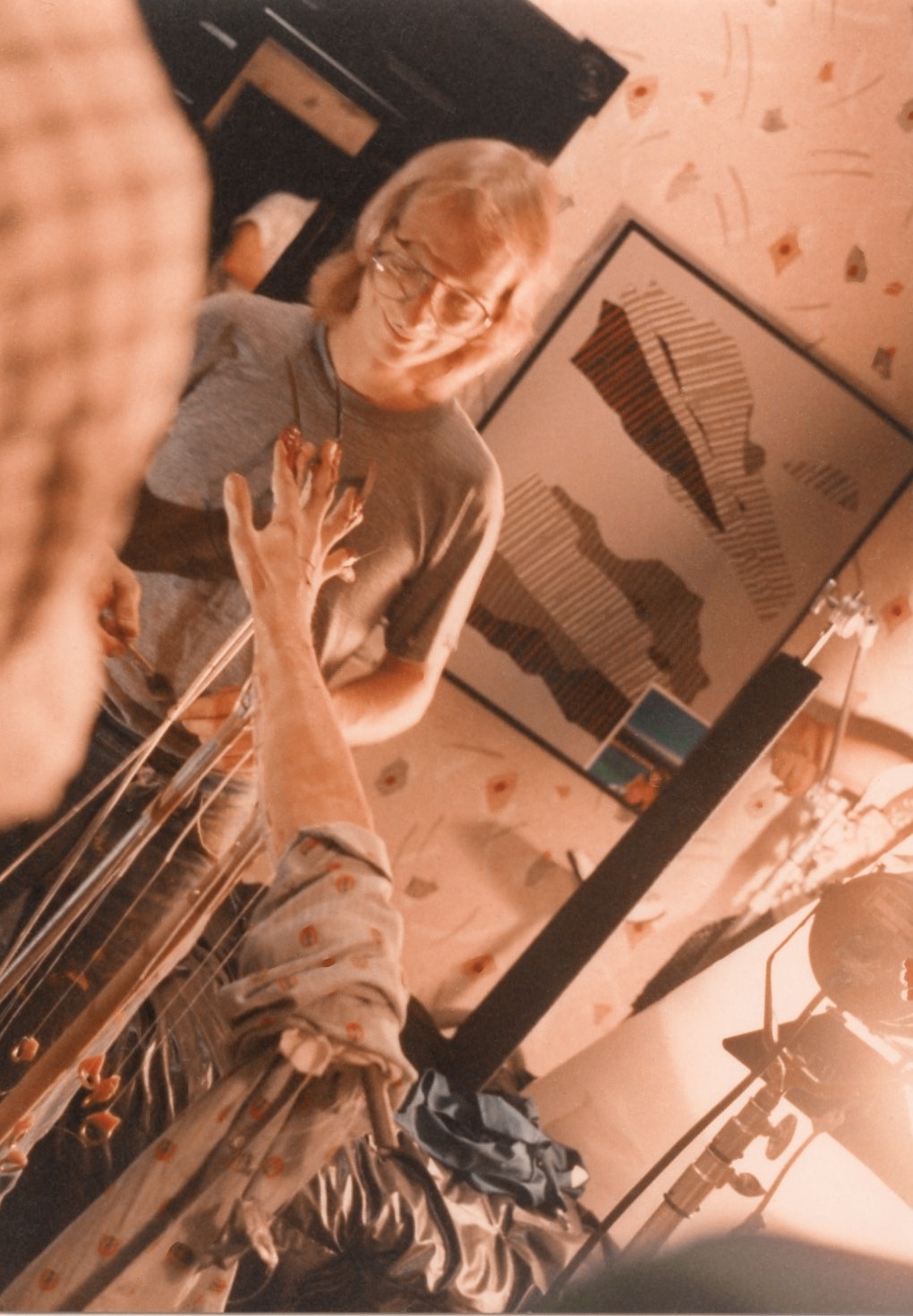
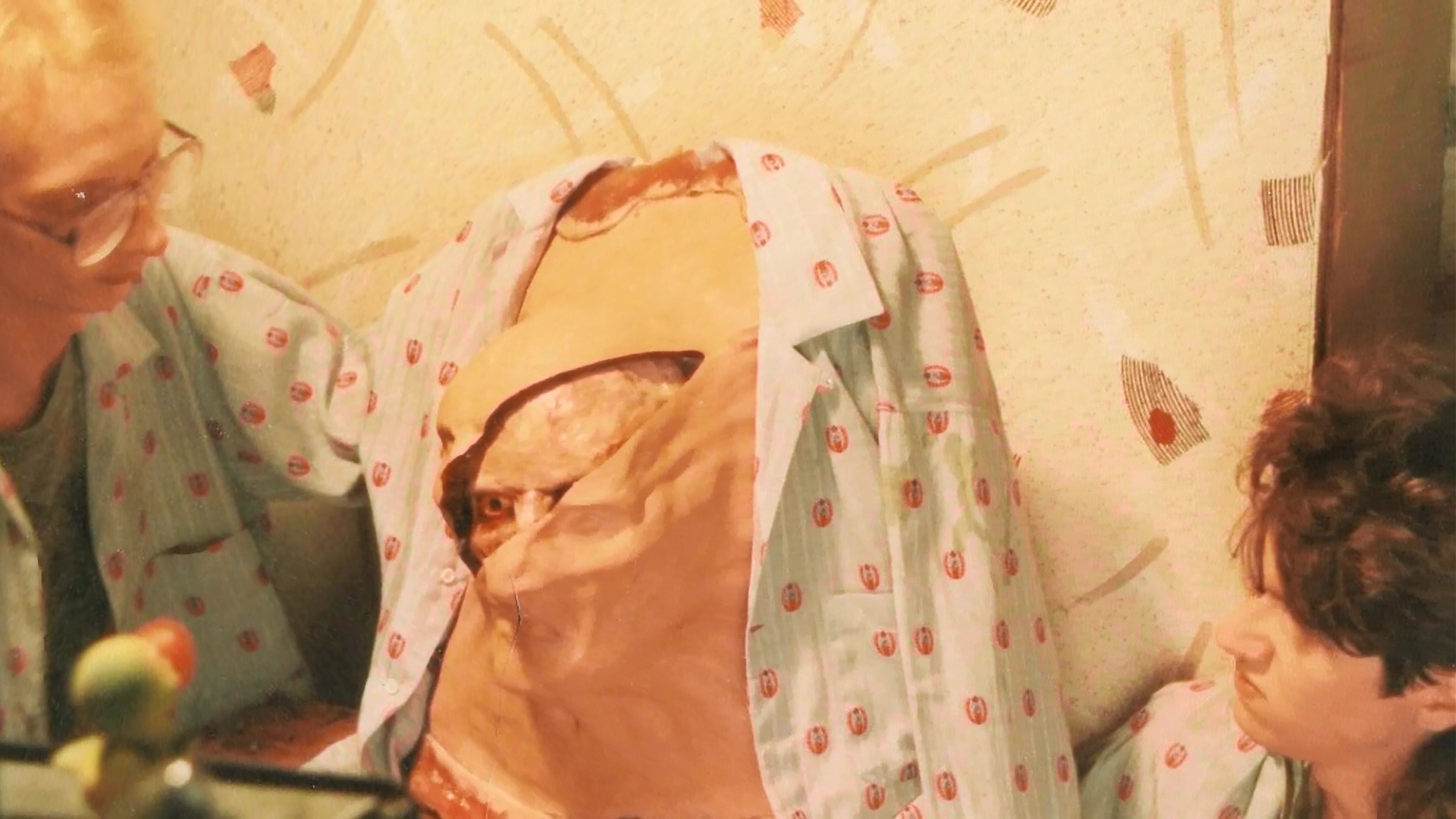
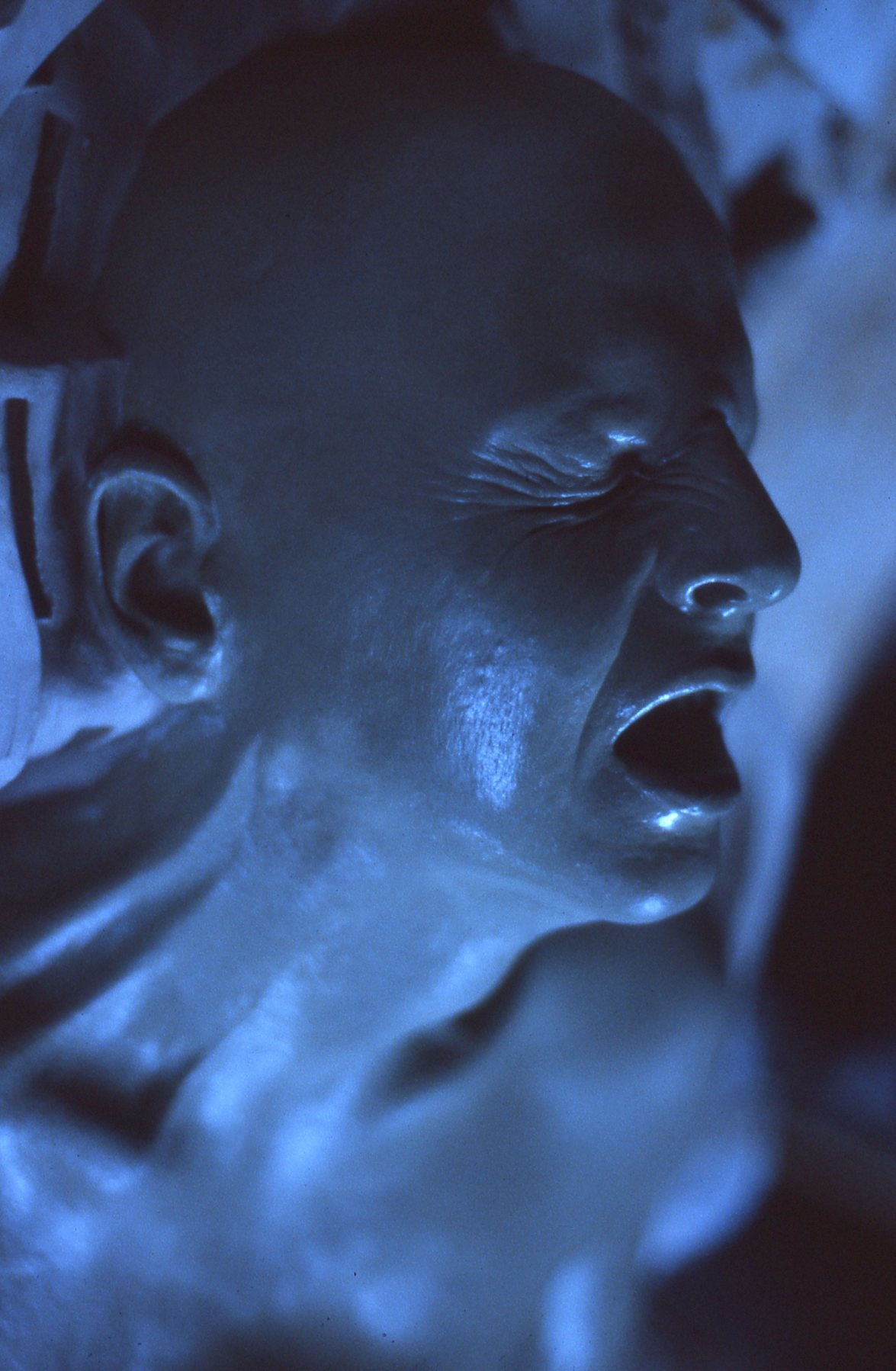
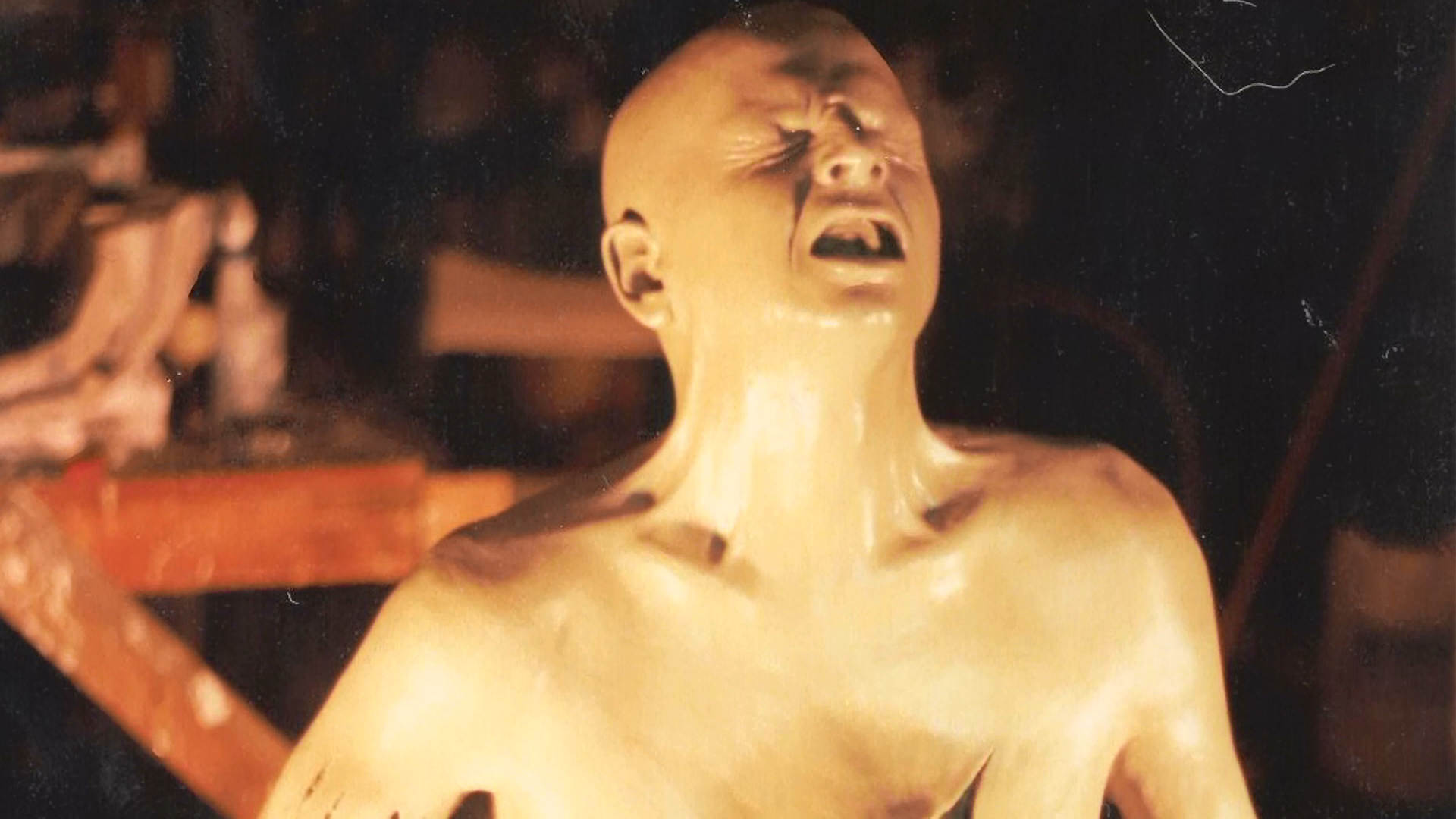
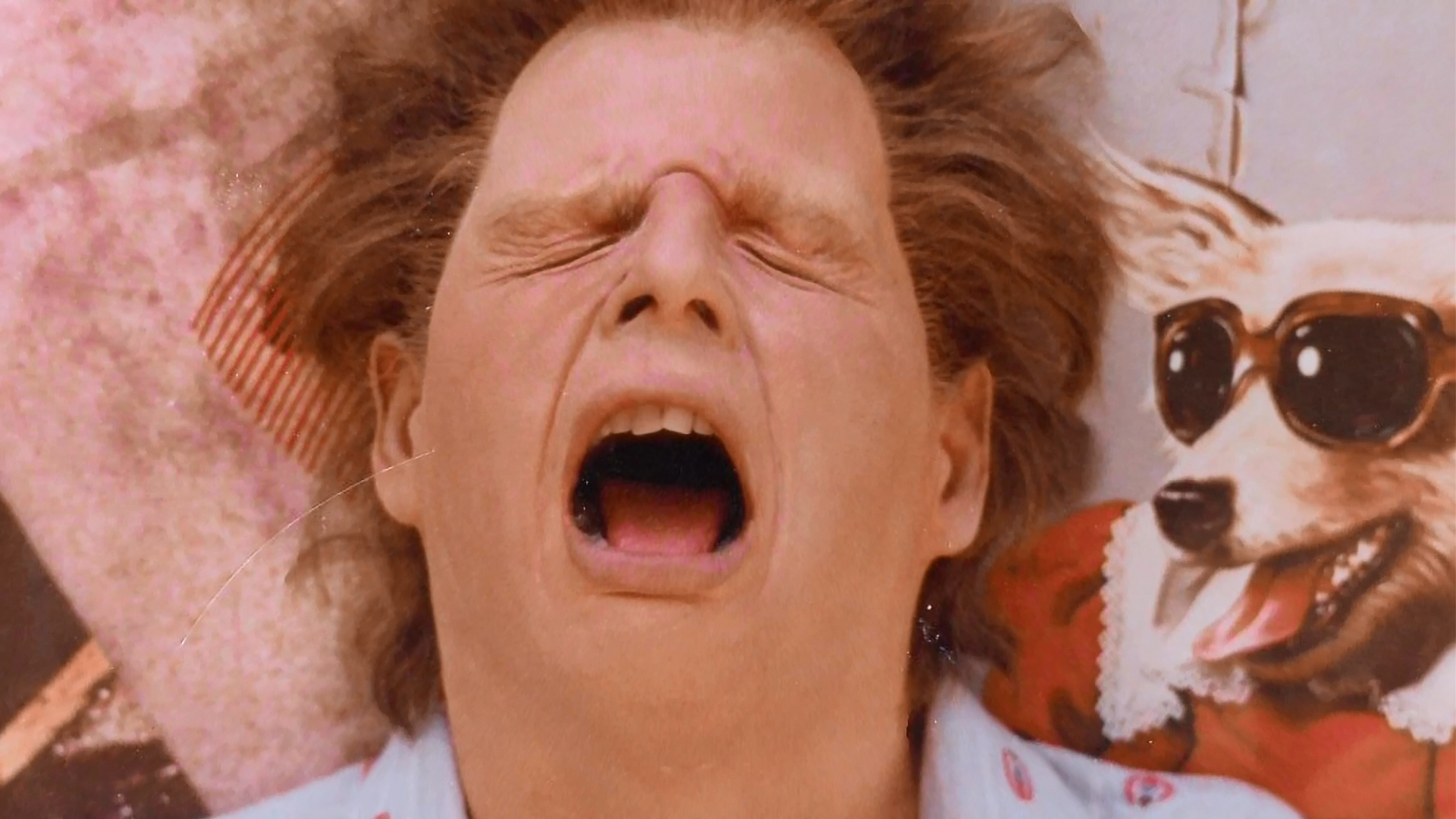
Mark Shostrom designed the transformation of Jesse into Freddy, including the arm splitting open and Freddy's face pushing out through Jesse's stomach. For that insert he used a stretchy Smooth-On stomach and pushed a cast of Freddy's face through it. The transformation was planned for three shooting days and cut to two. A dummy of Jesse was used for the moment Freddy throws off the body. A third planned shot, using a false chest on the actor, was never filmed.
Shostrom built a mechanical tongue that moved in sections and could circle and lick. It was filmed at length, but almost none of it made the final cut.
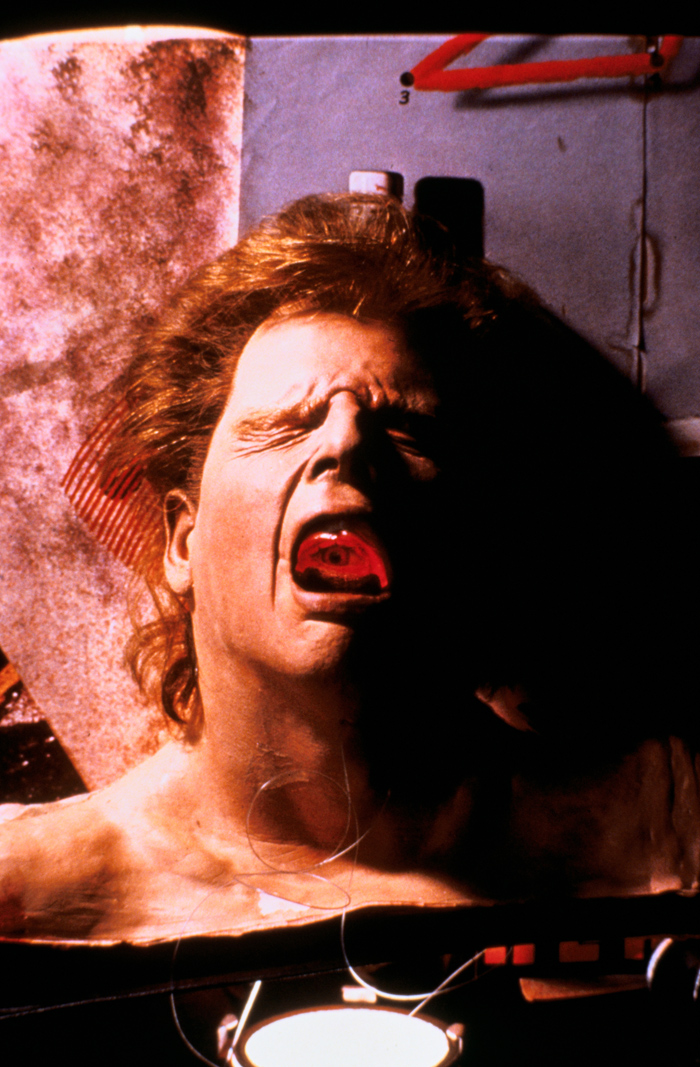
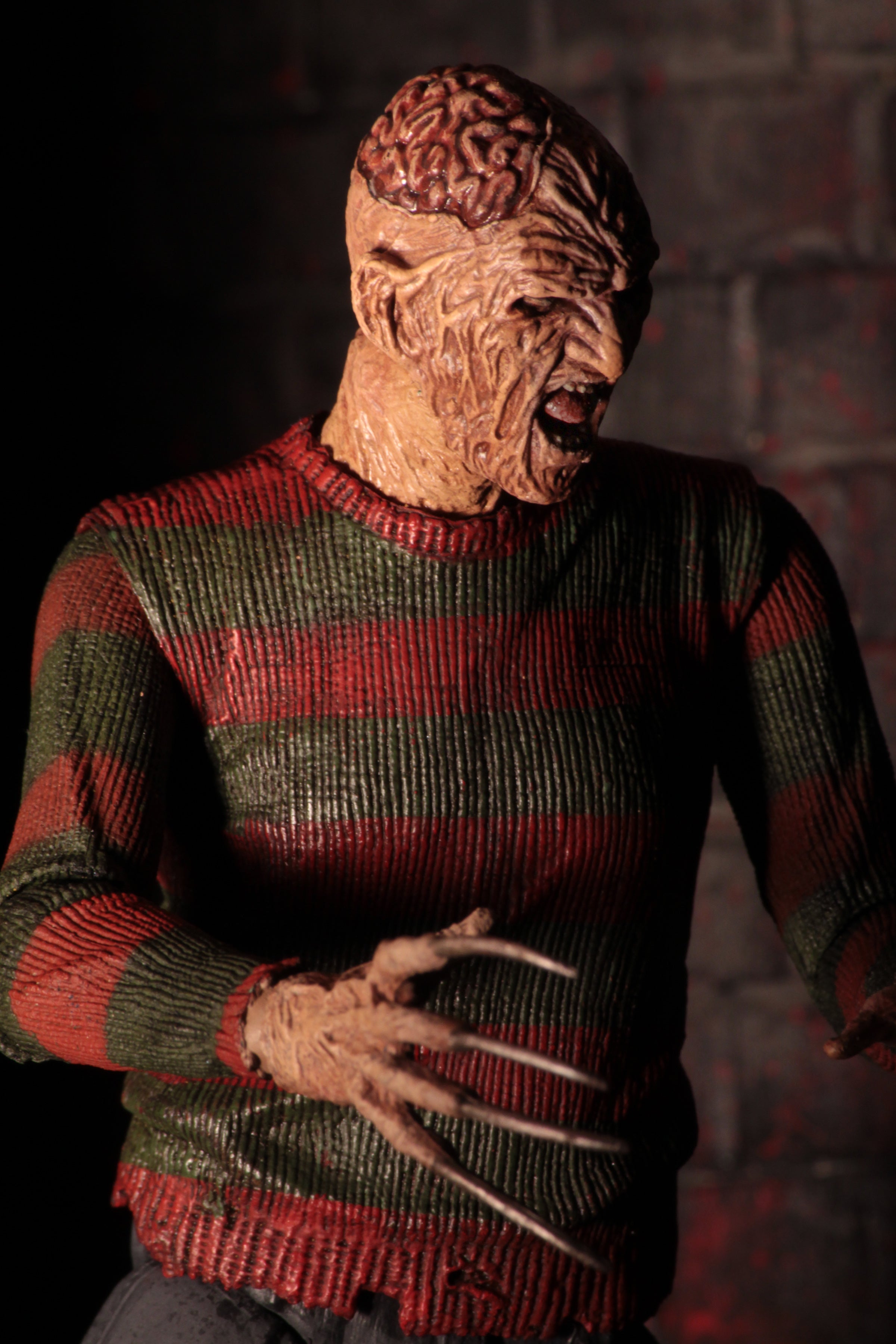
Yagher's assistant Earl Ellis sculpted an exposed brain that fit over Englund's real head. Six tubes ran from a bladder up Englund's back and through the neck piece, and four people under him blew into them to push blood through the channels of the brain. The channels had broken into each other before the take, so the effect only partly worked.
Yagher built a mechanical Freddy head for Freddy's death that could blink, snarl and move its jaw. Its eyes fell out and the side of the face slid off with lots of goop. About seven people worked it with cables while others pumped blood and ooze. Sholder cut most of it.
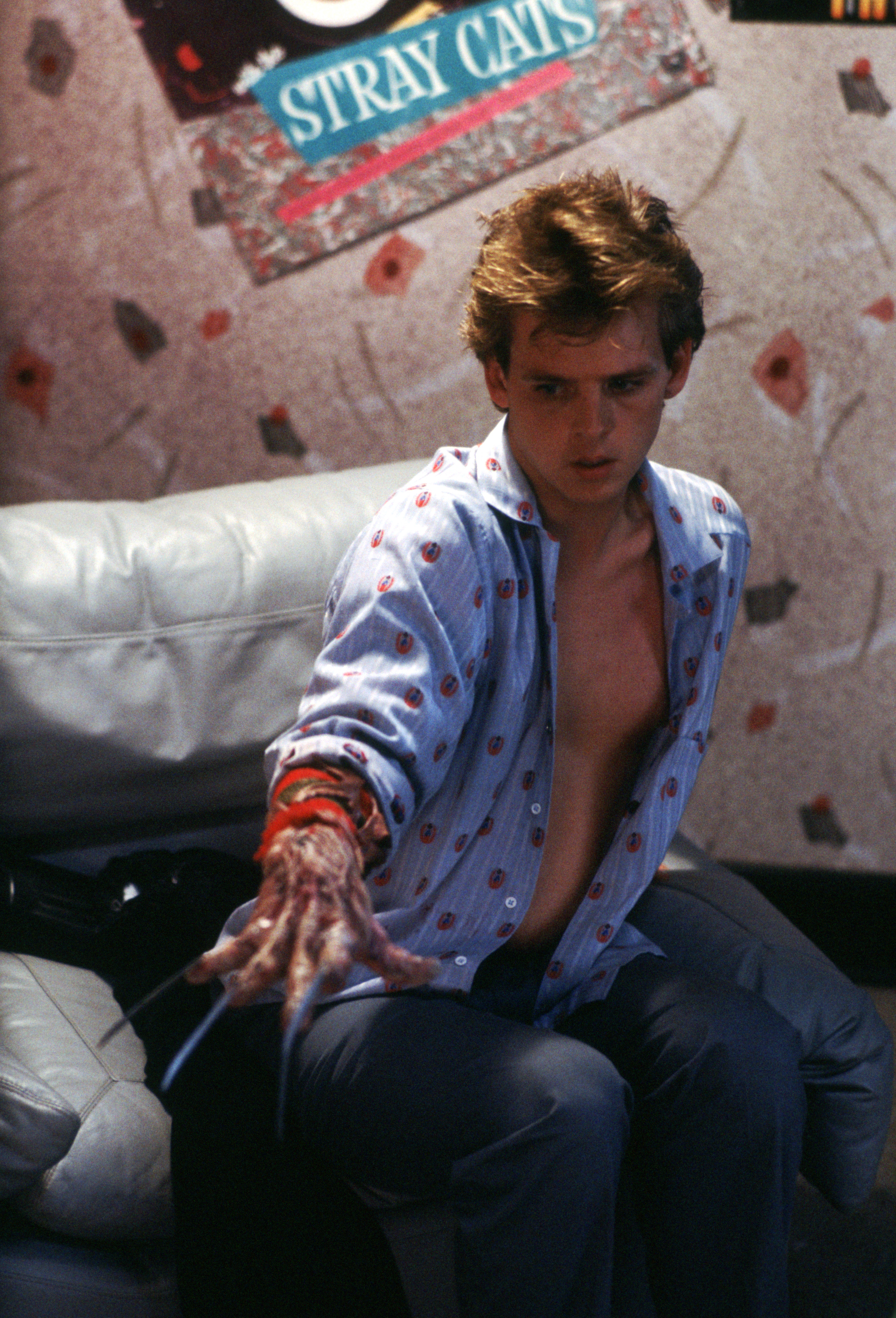
Yagher also built a flesh hand with blades growing out of the fingertips for the transformation. It was a separate piece from the regular mechanical glove.
Rick Lazzarini built puppet effects for the nightmare creatures. Paul Boyington designed and directed the visual effects, with miniatures and effects animation including work by Wes Takahashi.
Kevin Yagher redesigned and applied Freddy's makeup while Mark Shostrom handled the body-transformation work in which Freddy emerges from Jesse. The transformation was planned as a multi-stage practical sequence and photographed over two effects days.
Yagher also built a transformation-specific flesh hand with blades growing from the fingertips, a slip-on appliance distinct from Freddy's standard mechanical glove.
Kevin Yagher described the Part 2 Freddy facial makeup as nine separate appliances, with a shoulder piece added for the chest-stabbing scene.
Earl Ellis sculpted the exposed brain above Robert Englund’s real head. A bladder and six tubes supplied its moving blood effect, with four operators positioned beneath the actor.
The Freddy meltdown head had moving eyes, brows, tongue and jaw. Yagher recalled roughly seven people operating its cables and fluids; much of the sequence was shortened in editing.
For the insert in which Freddy’s face stretches through Jesse’s abdomen, Mark Shostrom used a stretchable Smoothon stomach and pushed a Freddy face cast through it.
Shostrom’s mechanical tongue moved in separate sections and could curl and lick, although the finished edit showed little of that movement.
The original hero glove from the first film was lent to this production by Wes Craven and was stolen during filming. Jim Doyle says the original can be spotted by the soldered repair on the index-finger blade, a seam the later gloves do not have.
Yagher's flesh hand with blades growing from the fingers was built only for the transformation shots and did not replace the standard glove.
Gail Viola designed the costumes. Robert Shaye's leather bartender outfit came from The Pleasure Chest store in Los Angeles.
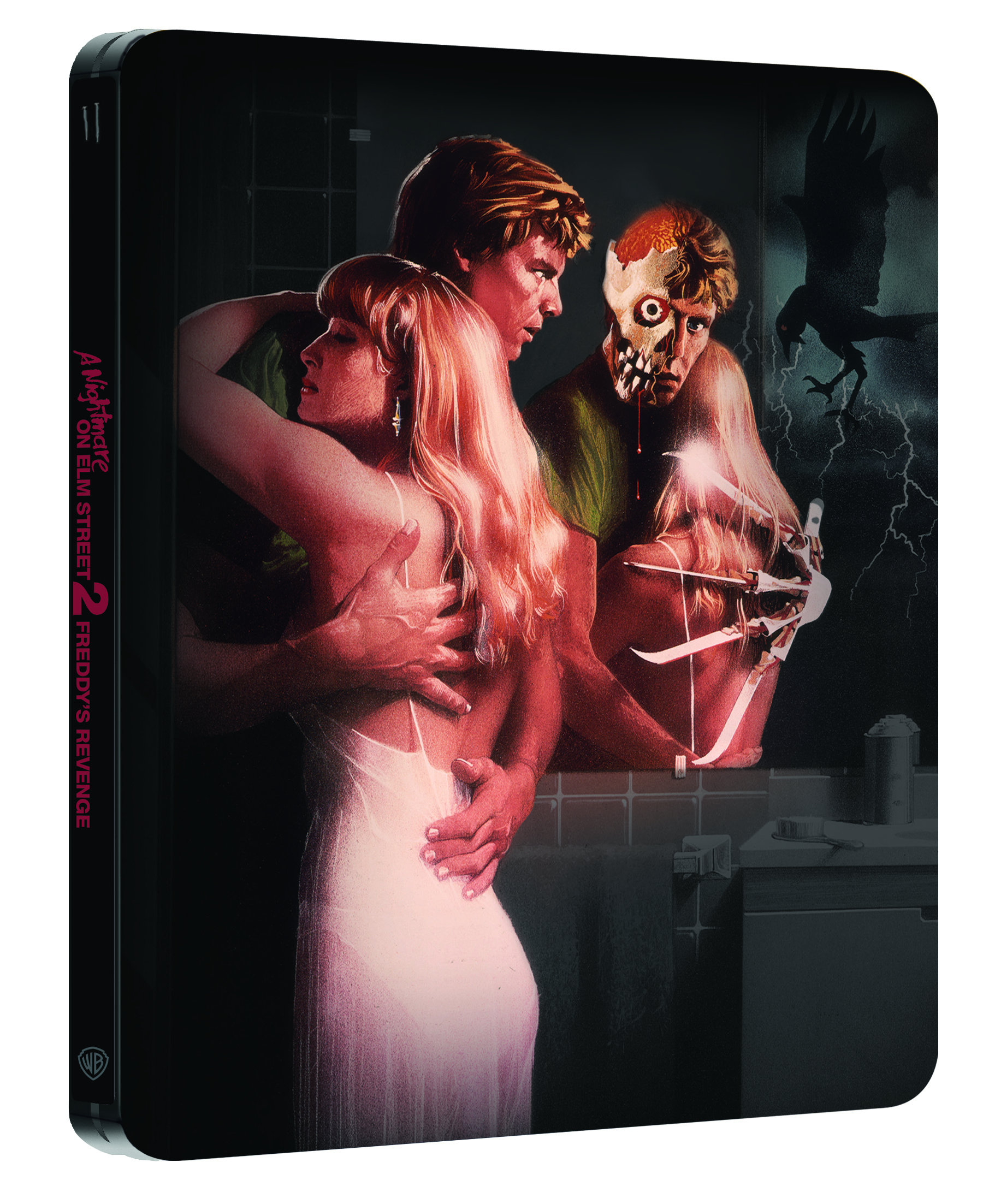
The theatrical poster art is by Matthew Peak.
The production continued the original-film glove lineage while also introducing Yagher's flesh-and-blade hand appliance for transformation shots; the two designs served different on-screen functions rather than replacing one another.
1985 · prop continuity
1984–1985 · screen-used hero prop components
1985 · screenplay archive
Christopher Young wrote the score. Varese Sarabande released it in 1986 with 13 tracks: Main Title; And Leave the Driving to Us; Furnace Flare-Up; Kissing Freddy on the Cat Walk; Chest-Burster; Jump Rope; Fire Bird; Dream Heat; Necromancer's Spell; Kill for Me; Sports Attack/Threatening Angela; Freed of Her; Snake in the Class.
'Did You Ever See a Dream Walking' performed by Bing Crosby, over the end credits.
'Touch Me (All Night Long)' performed by Wish featuring Fonda Rae.
'Whisper to a Scream' performed by Bobby O. and Claudja Barry.
'On the Air Tonight' performed by Willy Finlayson.
'Move It in the Night' performed by Skagarack. The AFI Catalog lists it from the credits as 'Moving in the Night' by Skagerack.
'You Can't Hide from the Beast Inside' performed by Autograph.
'Terror in My Heart' performed by The Reds.
Varese Sarabande put six cues on Freddy's Favorites: Best of A Nightmare on Elm Street (October 12, 1993) and paired the score with the first film on A Nightmare on Elm Street I and II (November 22, 1995). The score is also in Varese's 8-CD series box (2015) and Death Waltz's Box of Souls vinyl set (2017).
Death Waltz Recording Co., Mondo and WaterTower Music released an expanded 2-LP in November 2024 on Freddy Burst and black vinyl, with the original album plus unreleased cues and a suite, art by Mike Saputo, and liner notes by Mark Patton and Jack Sholder.
Vinyl
2025-09-30 · 4K Ultra HD
1987 · film novelization collection
1992 · hardcover film adaptation
Trick or Treat Studios · prop replica
Trick or Treat Studios · replica glove
Trick or Treat Studios · mask/costume
Trick or Treat Studios · mask
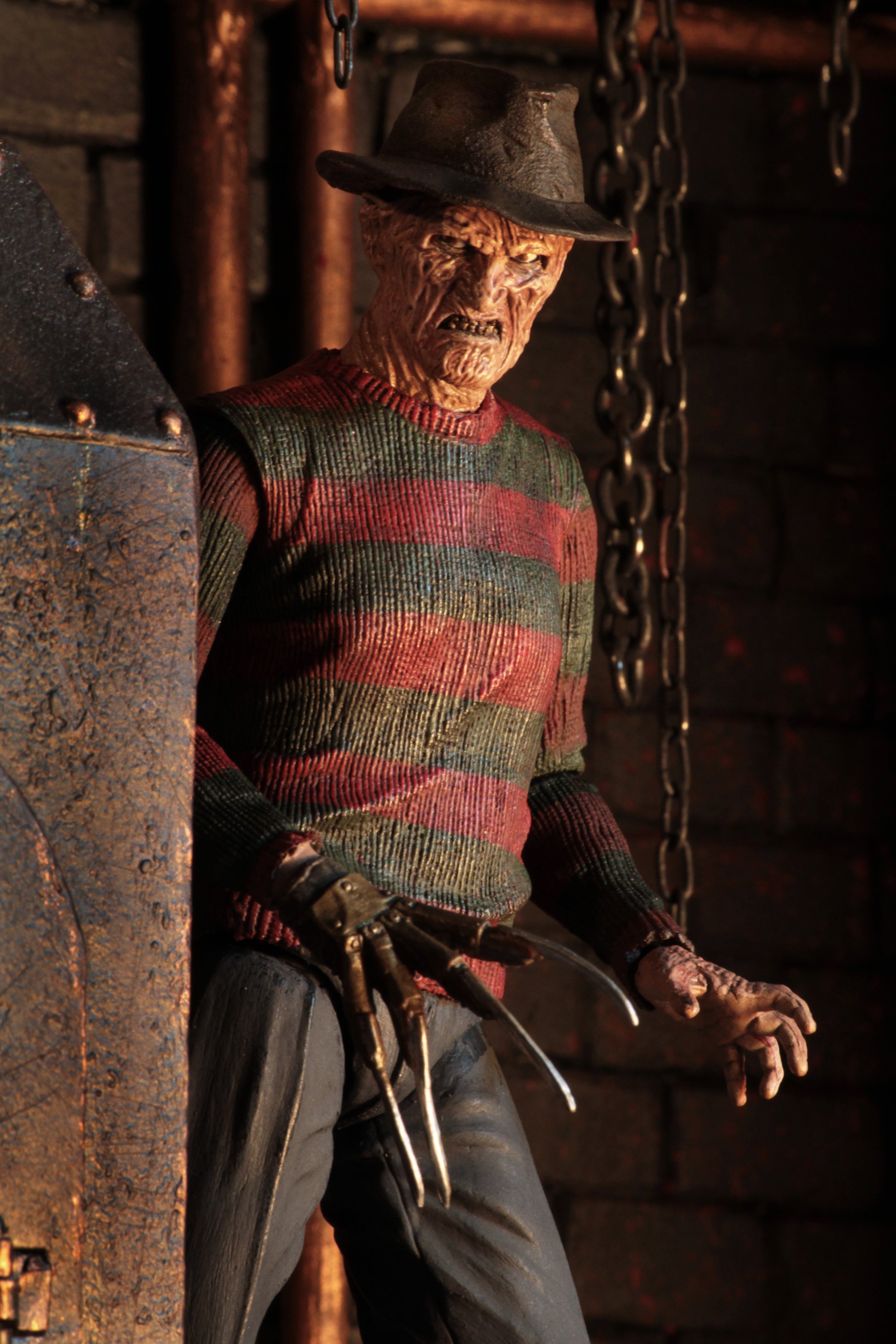
NECA · figure
Rotten Tomatoes Classic Trailers