A Nightmare on Elm Street 3: Dream Warriors press kit
1987 · studio publicity kit
- Contents
- press-kit notes; glossy photos

A Nightmare on Elm Street
1987

If You Think You'll Get Out Alive, You Must Be Dreaming.
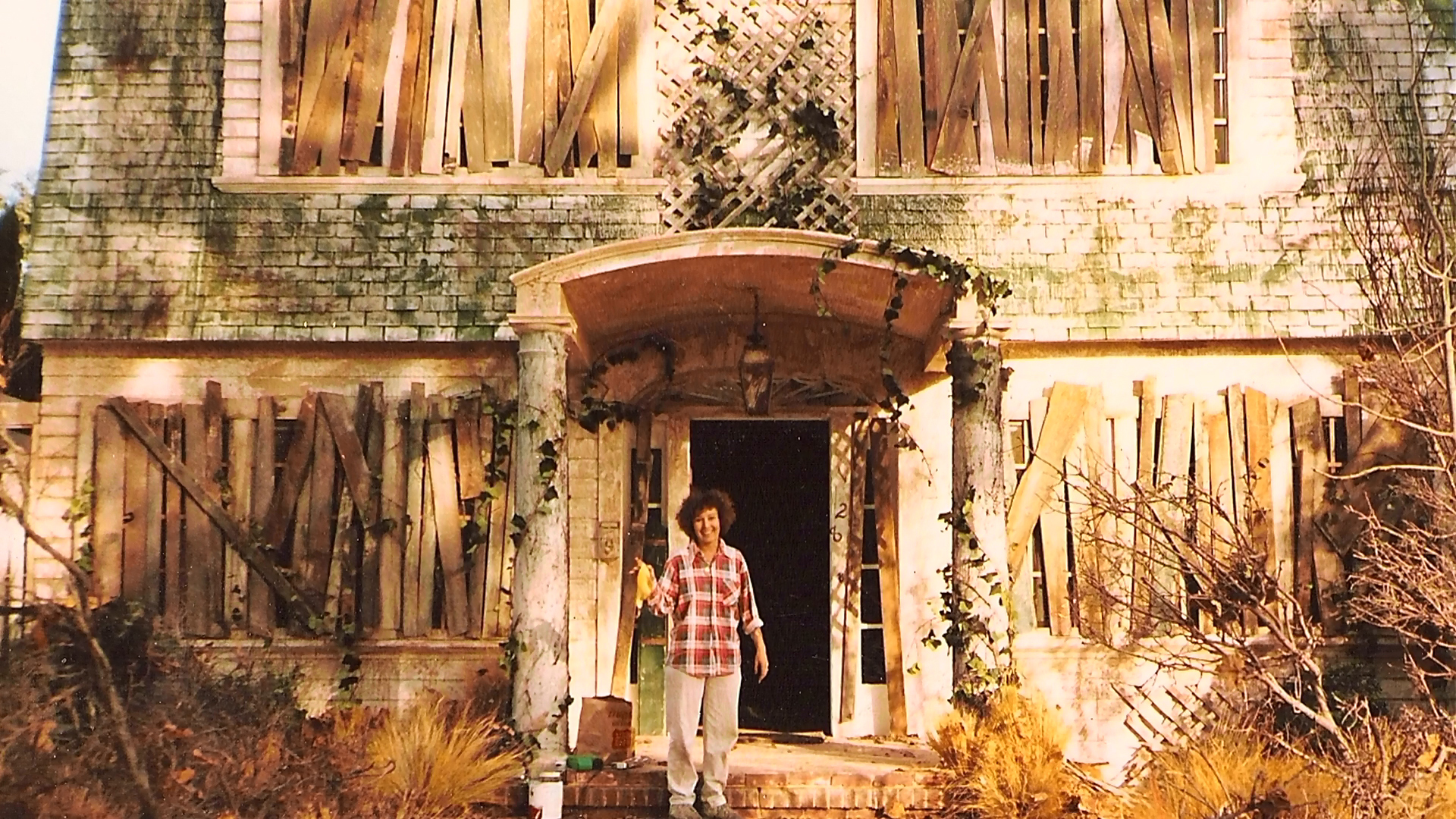
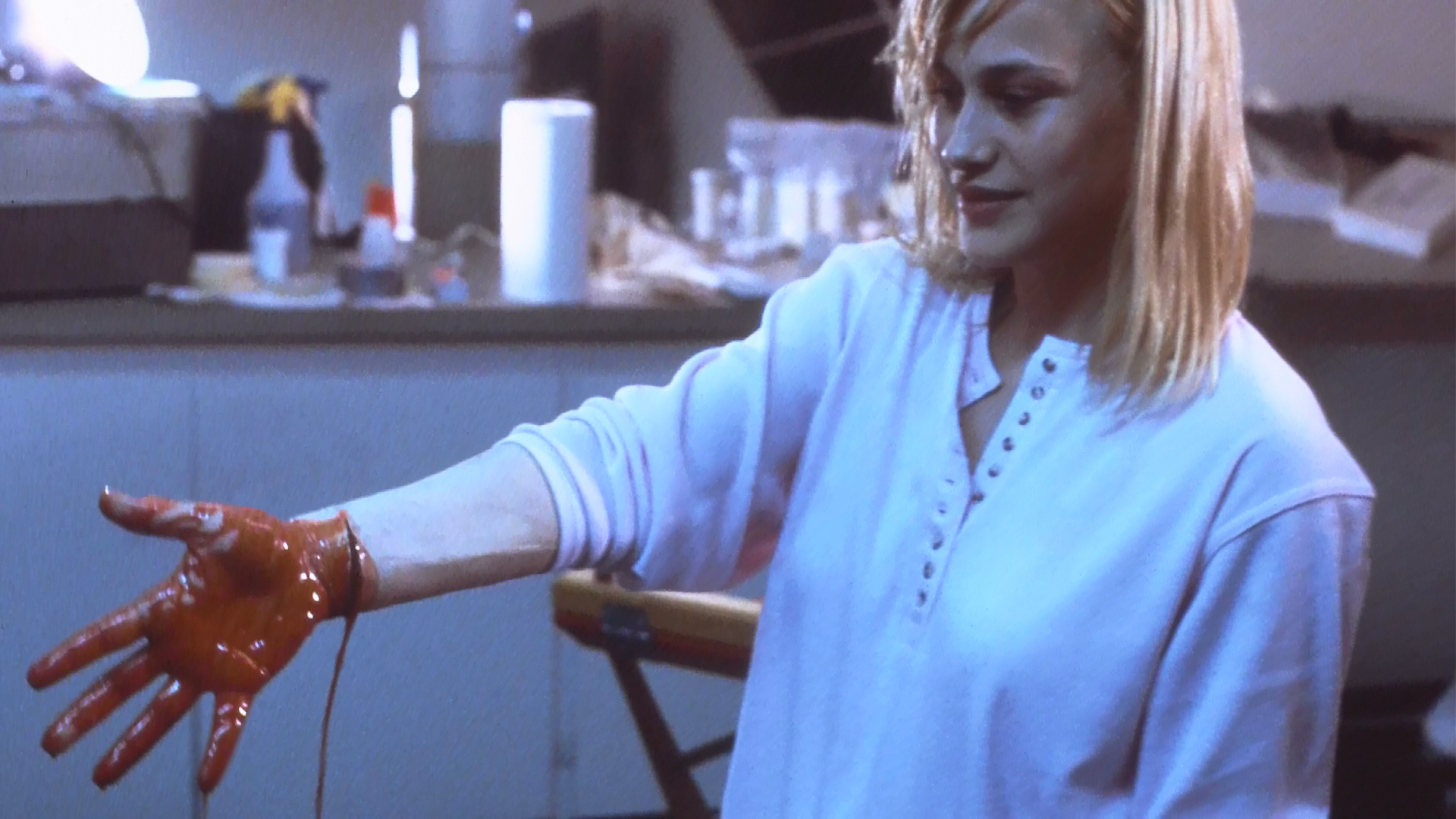
Kristen Parker, who builds a papier-mache model of a house, dreams of Freddy Krueger, and he comes after her. When she wakes, it looks like she has cut her own wrist. Her mother Elaine thinks she tried to kill herself and has her committed to Westin Hills Psychiatric Hospital, under the care of Dr. Neil Gordon.
Kristen fights the orderlies who try to sedate her, because she is terrified of falling asleep. The new intern therapist, Nancy Thompson, calms her down by reciting Freddy's nursery rhyme. Nancy survived Freddy six years earlier, and Kristen realizes she is not alone.
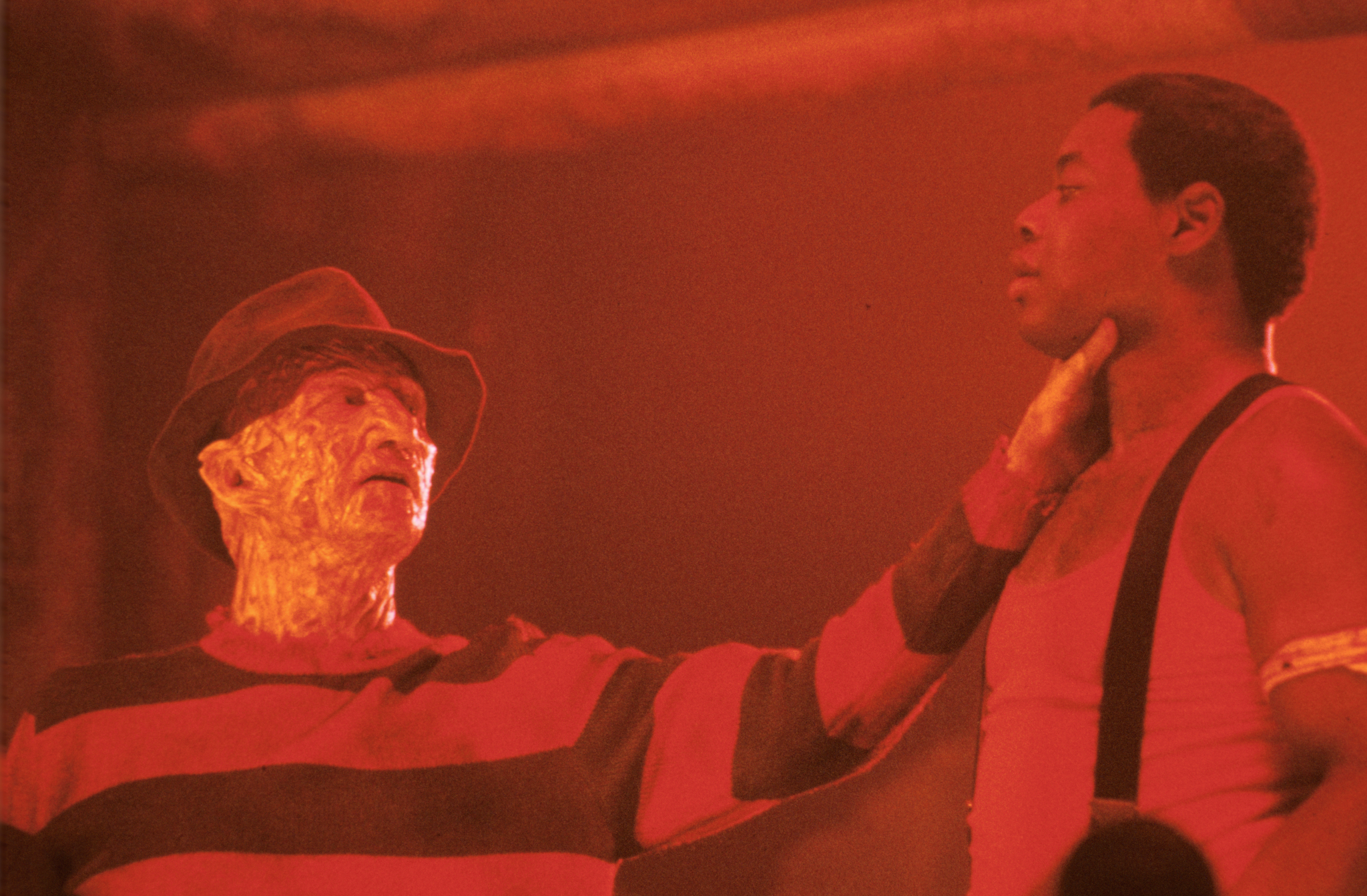
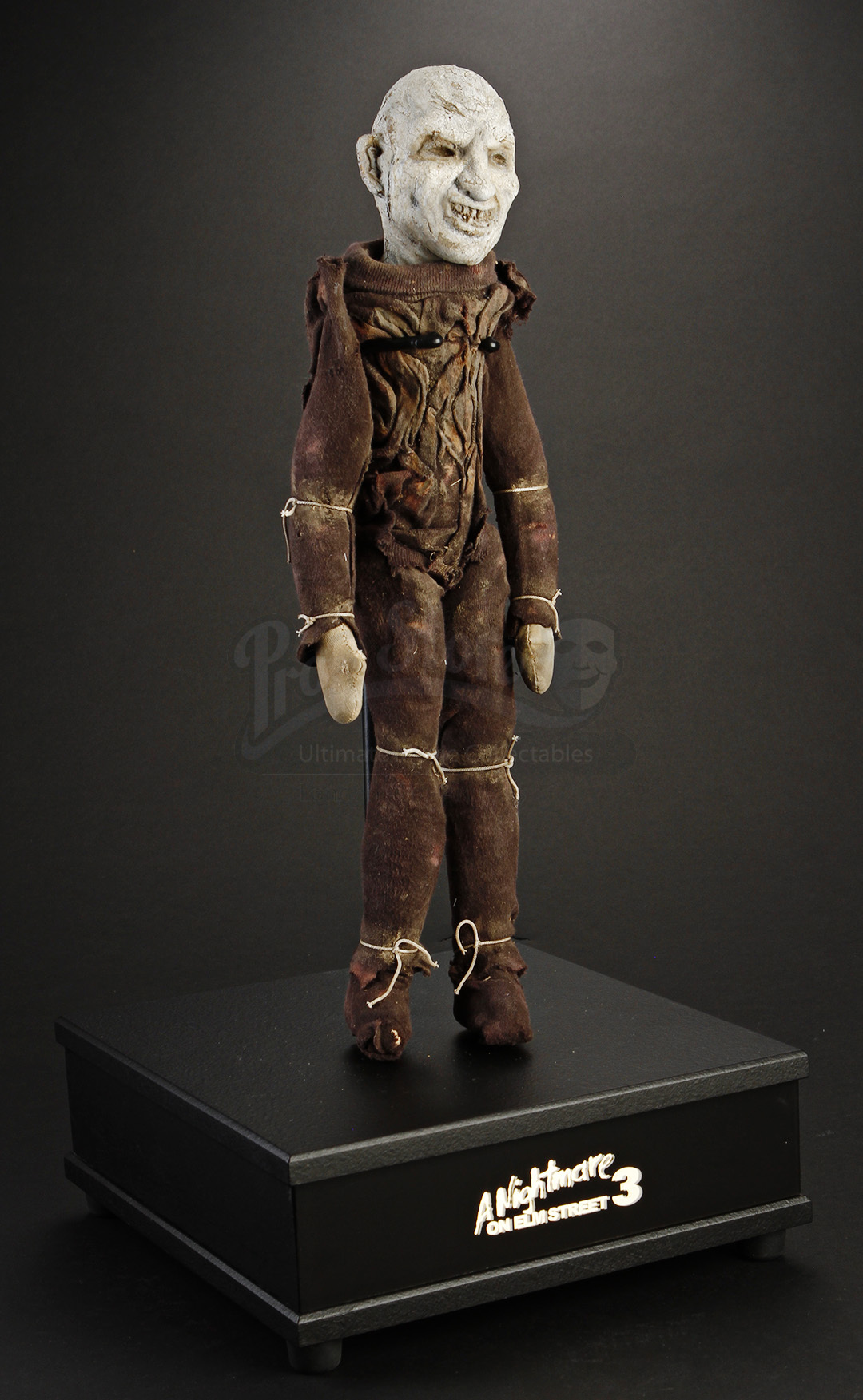
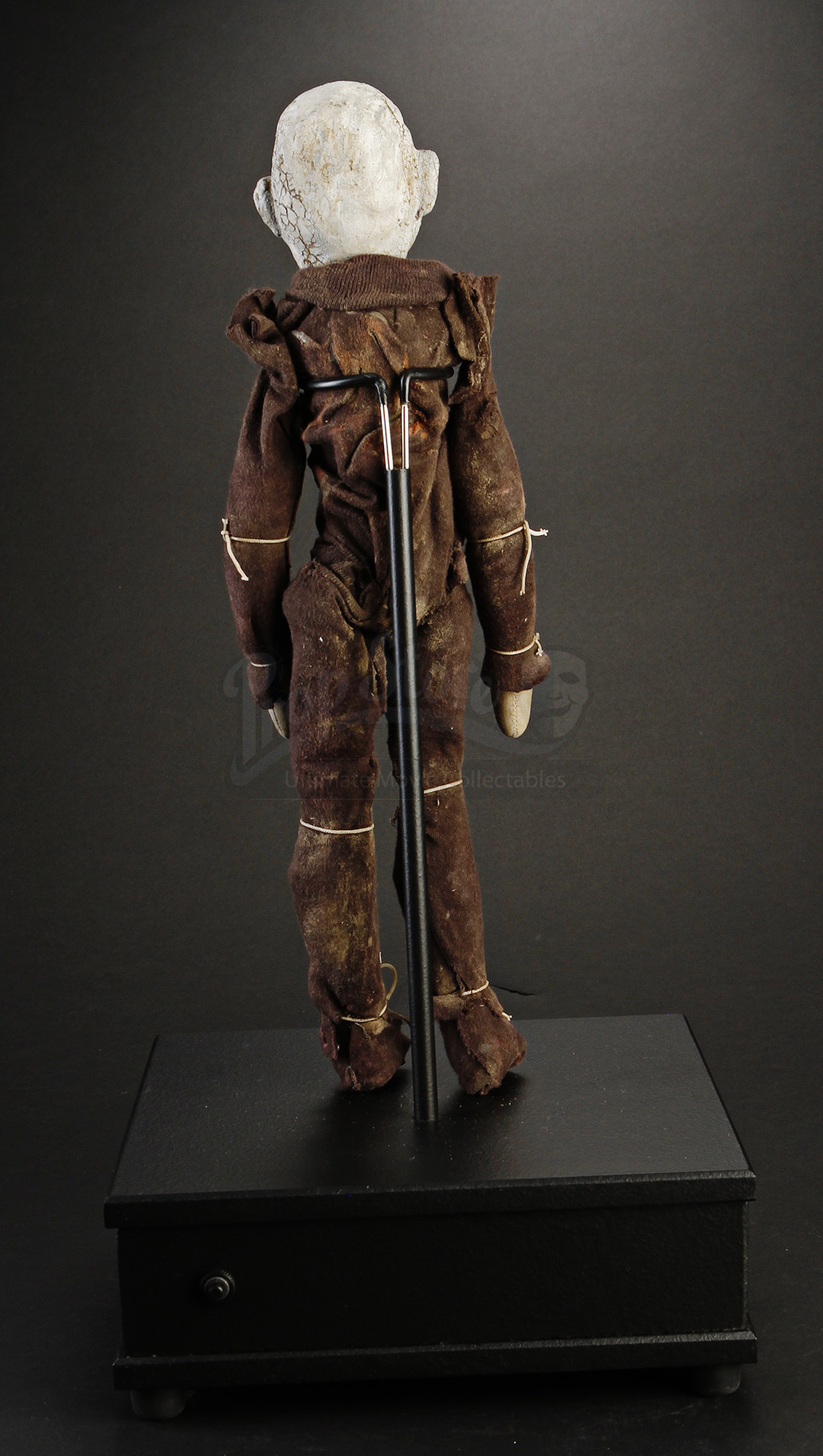
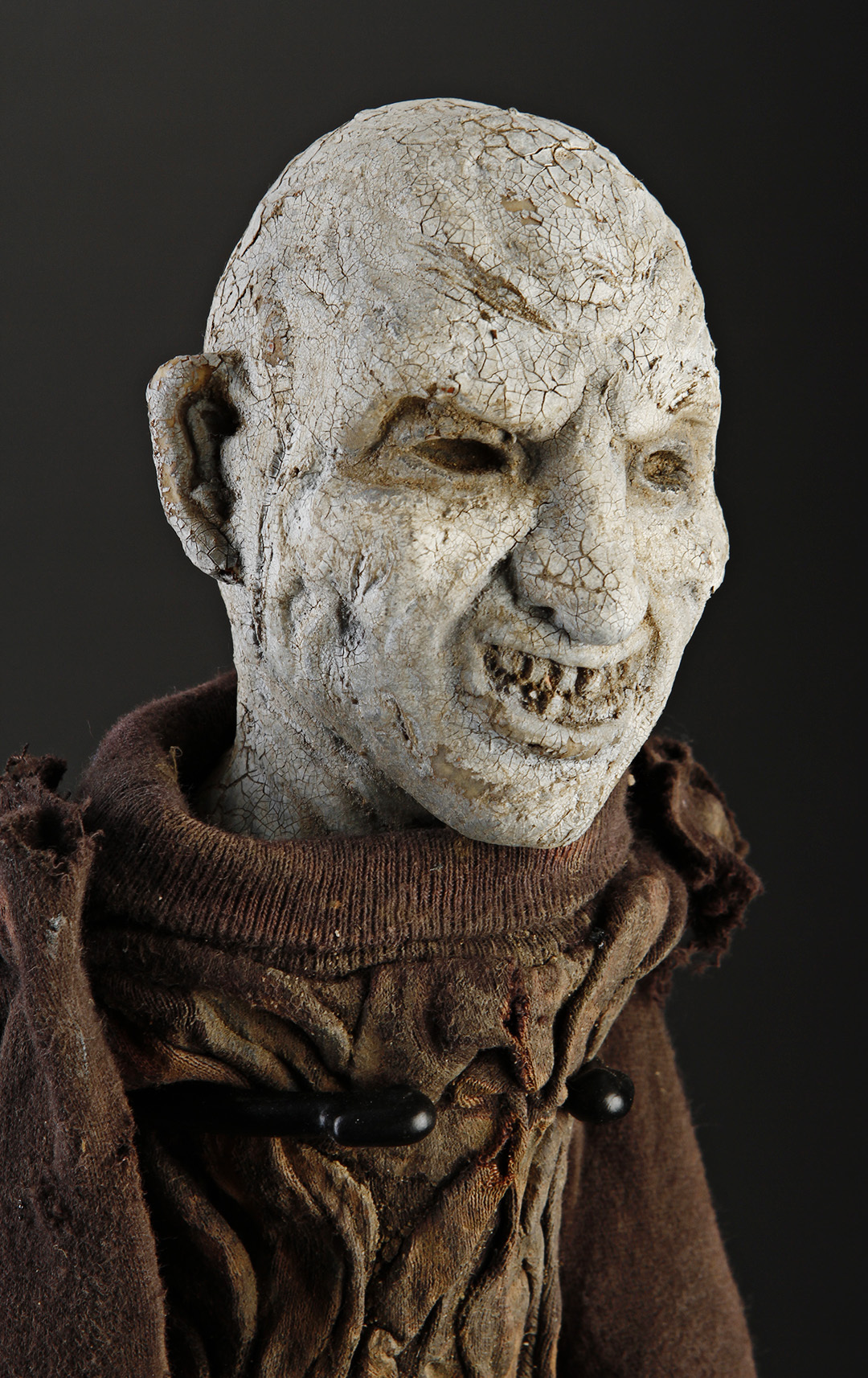
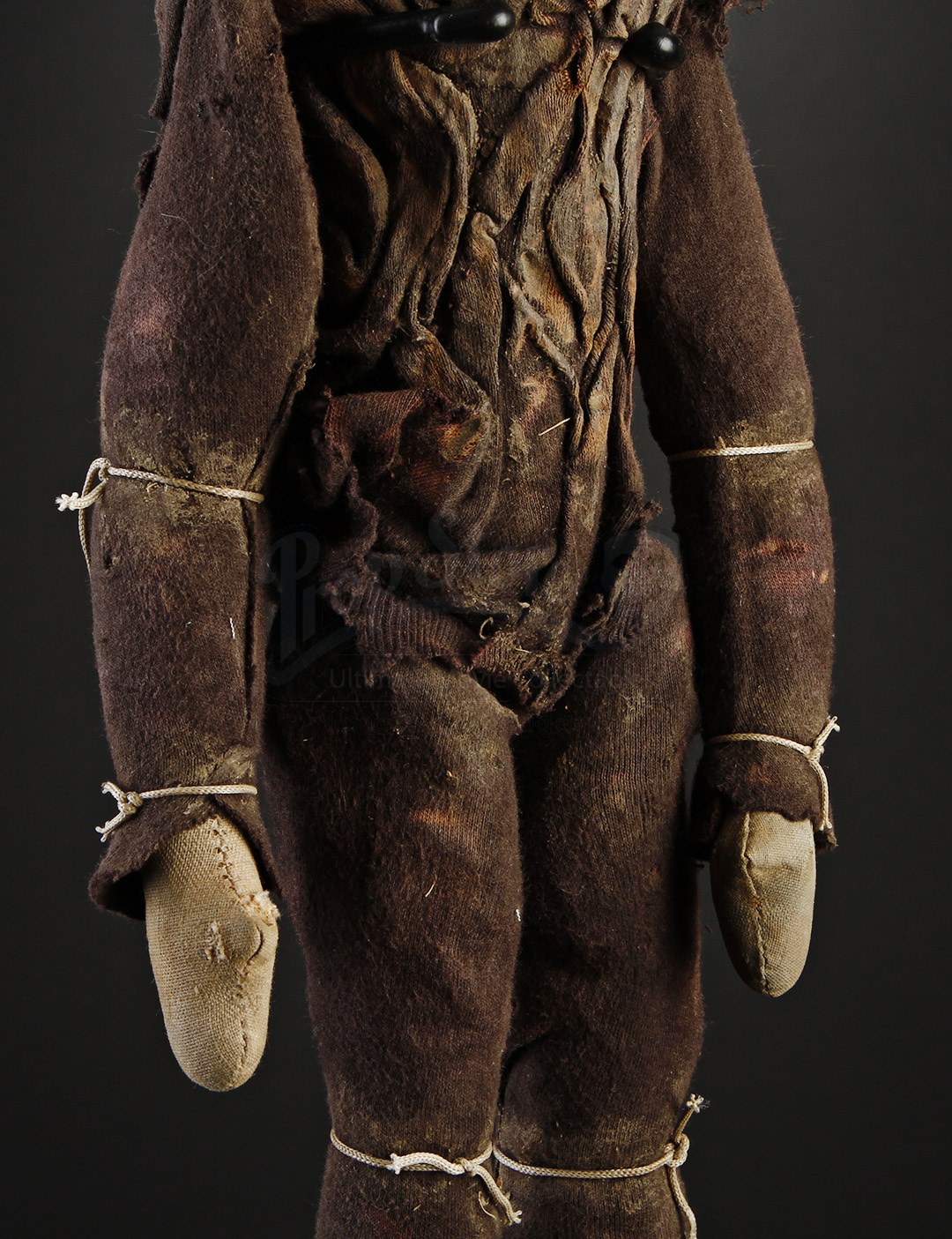
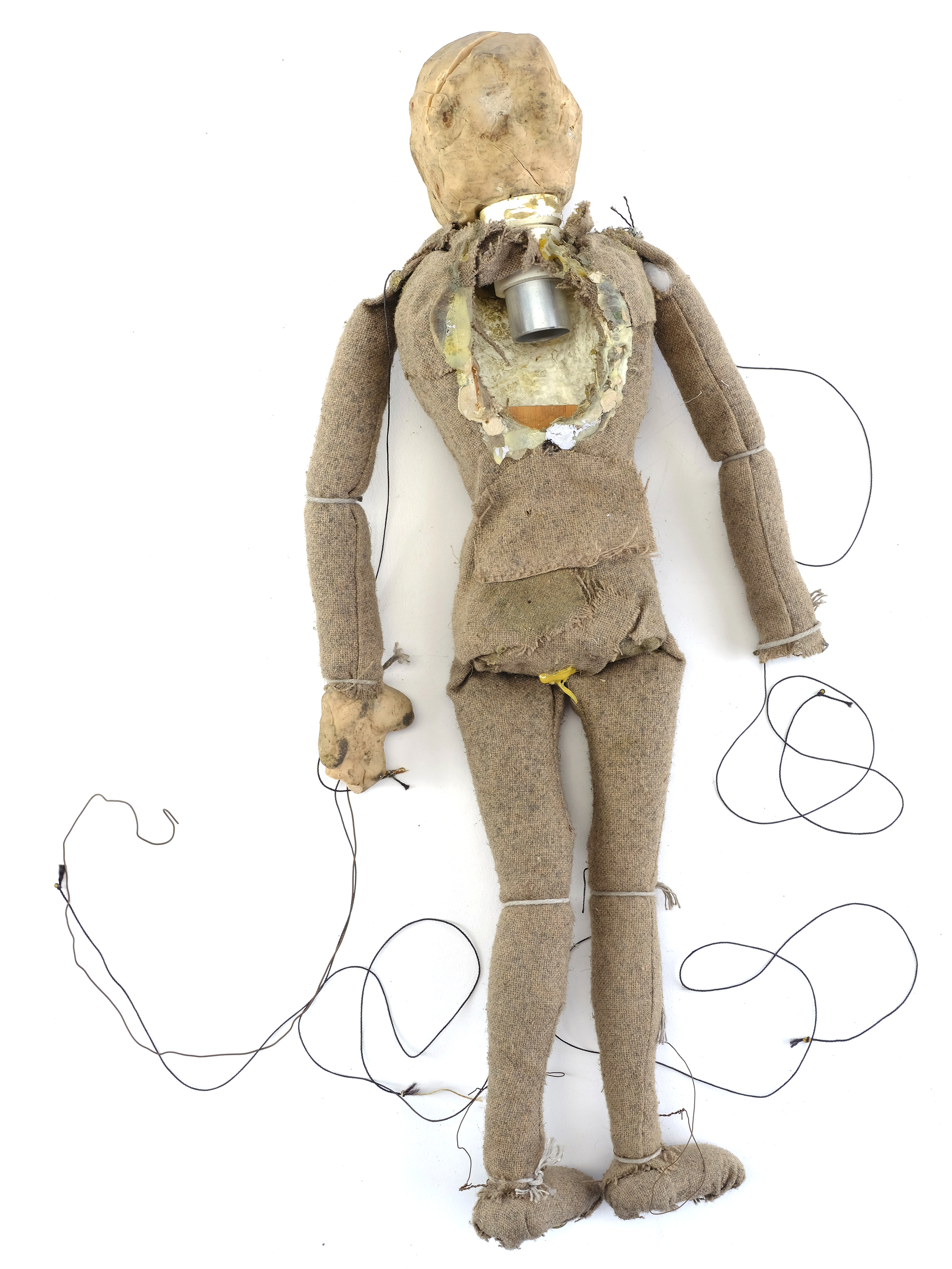
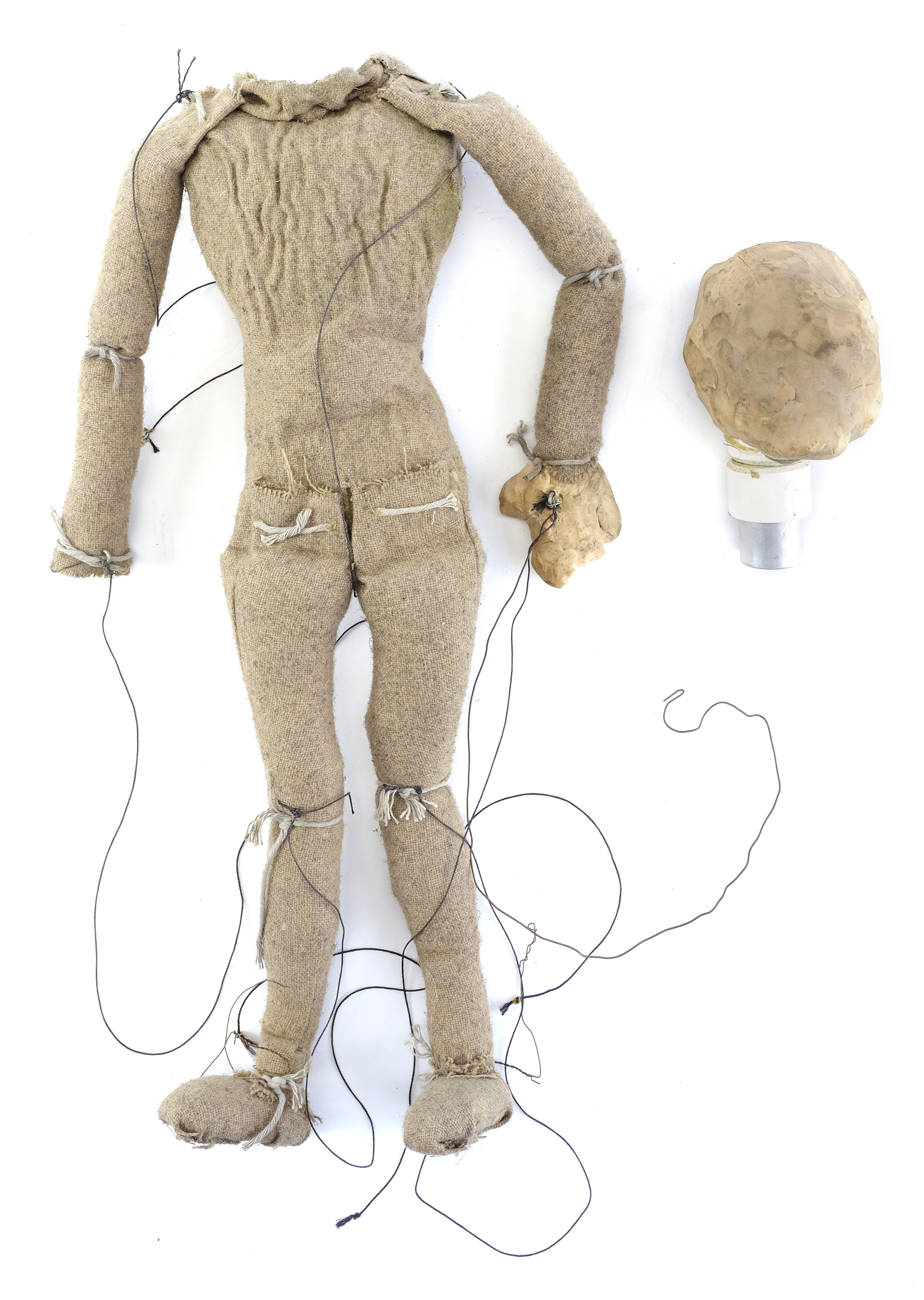
Nancy meets Neil's other teenage patients. Phillip Anderson is a sleepwalker who carves puppets. Roland Kincaid is a tough kid from the streets. Jennifer Caulfield wants to be on TV. Will Stanton uses a wheelchair after a suicide attempt. Taryn White is a recovering drug addict. Joey Crusel, the youngest, is too traumatized to talk. The orderly Max looks after them, and Dr. Elizabeth Simms runs the ward.
One night Freddy turns into a giant snake and attacks Kristen in a dream. Without meaning to, Kristen pulls Nancy into the dream, and the two of them escape. Kristen explains that she has been able to pull people into her dreams since she was little.
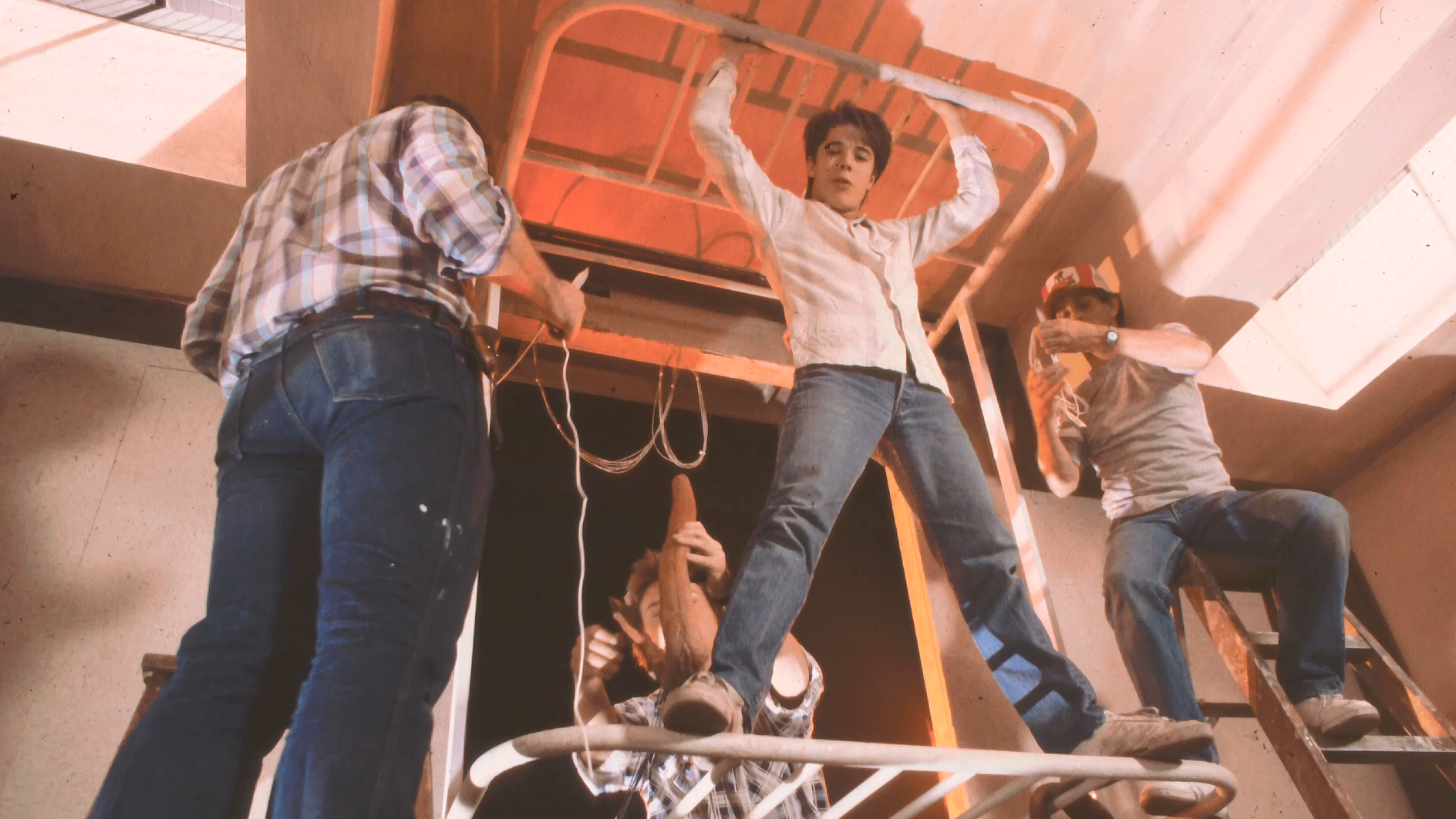
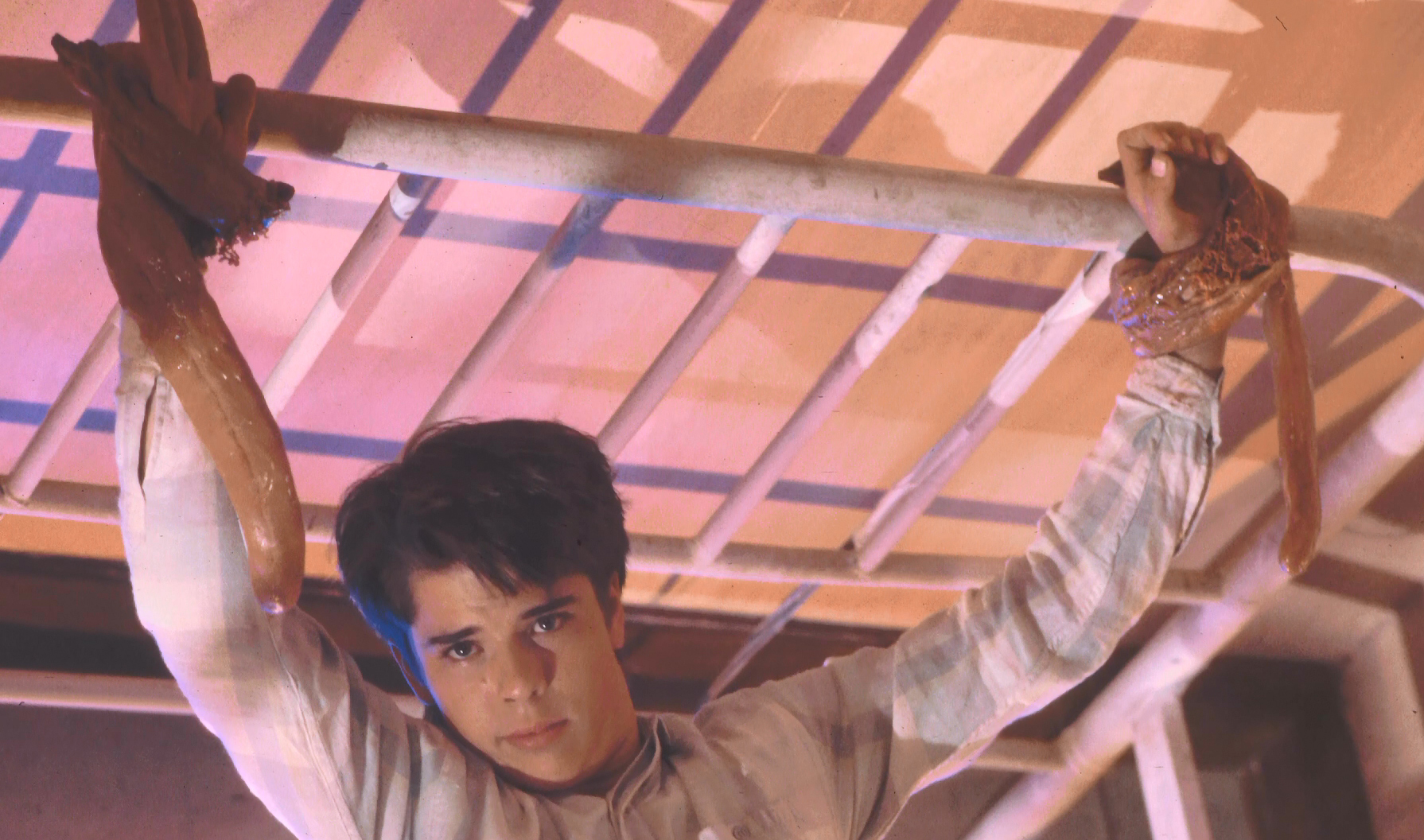
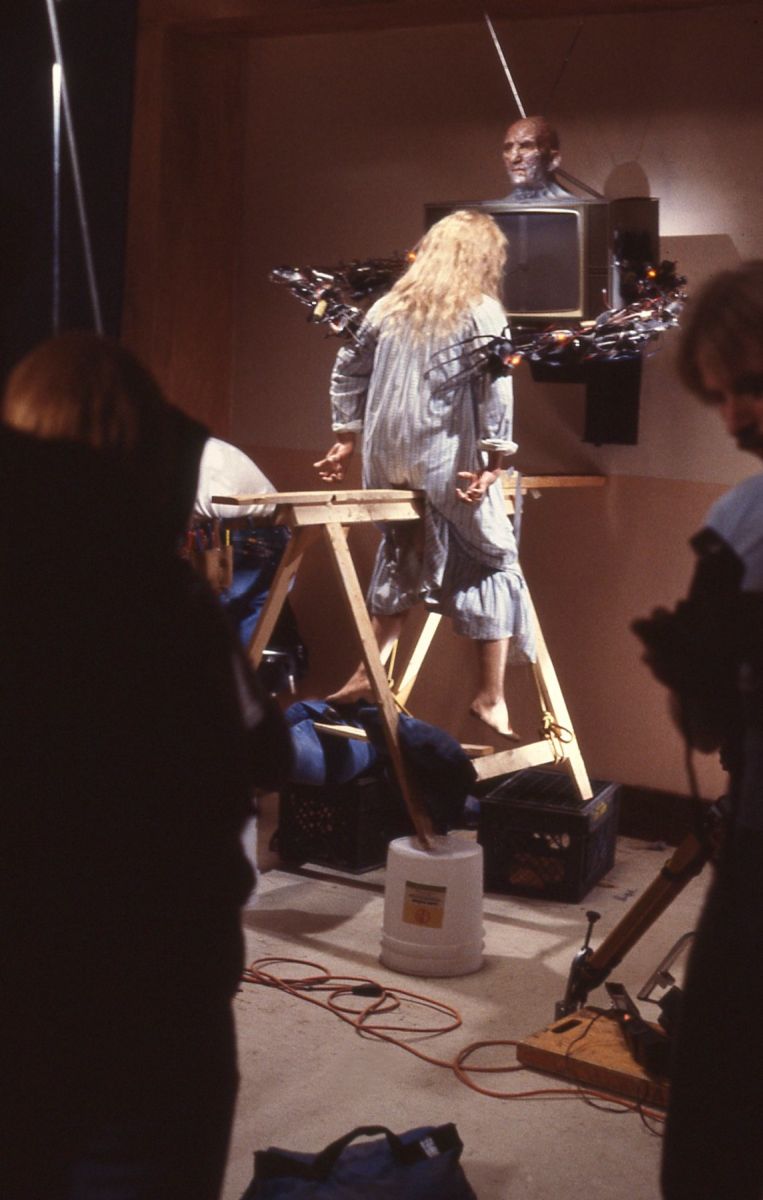
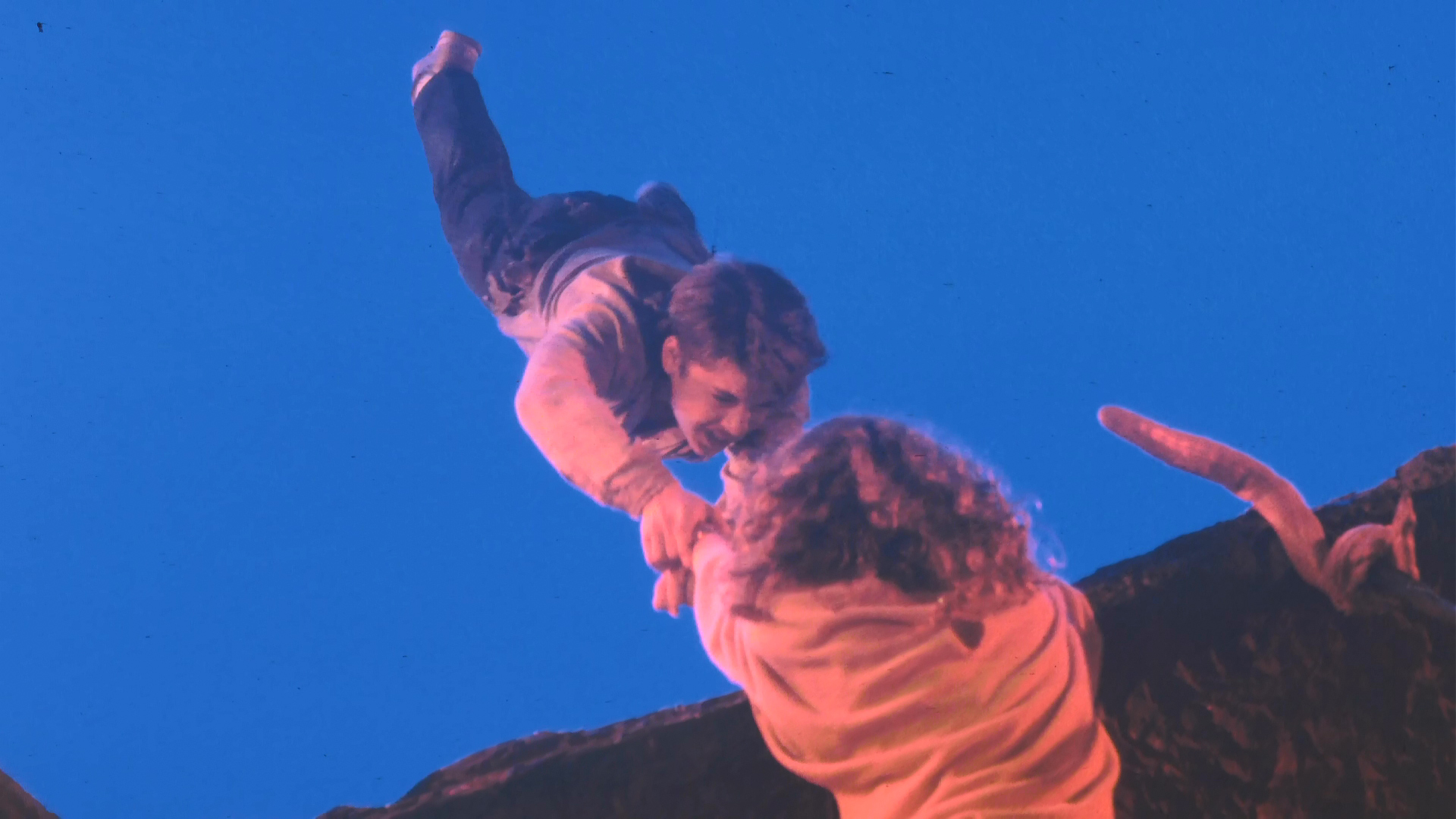
Over the next two nights Freddy kills two of the kids. He cuts open Phillip's arms and legs and uses his tendons like puppet strings to walk him up to a high window of the bell tower, then cuts the strings and lets him fall. Jennifer is watching a late-night talk show when the TV grows arms and Freddy's head, lifts her up and slams her head into the screen. The staff calls both deaths suicides.
Nancy tells the kids they are the last of the Elm Street children, whose parents burned Freddy to death. Neil comes around, and they try group hypnosis so everyone can share one dream and find a power there. Kincaid is super strong. Taryn becomes a punk fighter with switchblades. Will can walk again and use magic. Joey gets a powerful, deafening voice. Kristen already has her power. In the dream Freddy grabs Joey, who falls into a coma in the real world. The hospital is furious, and Nancy and Neil are taken off the case.
A nun named Sister Mary Helena, who keeps showing up around the hospital, tells Neil who Freddy really is. His mother, Amanda Krueger, was a young woman on the hospital staff who was accidentally locked in with hundreds of the criminally insane patients over the holidays. They raped her again and again, and Freddy was born. She tells Neil that the only way to stop Freddy is to bury his bones in hallowed ground.
Nancy and Neil ask her father, Don Thompson, one of the men who killed Freddy, where the bones are. He tells them Freddy's remains were hidden in an auto junkyard. Nancy learns Kristen has been sedated and rushes back to Westin Hills, while Neil takes Don to the junkyard to find the bones and lay them to rest.
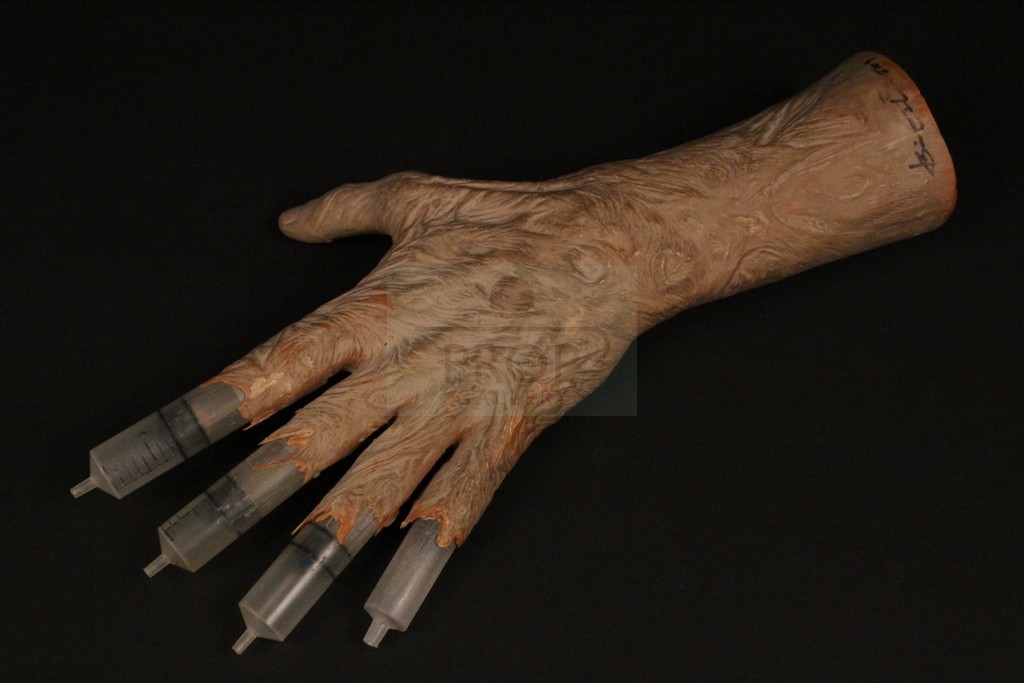
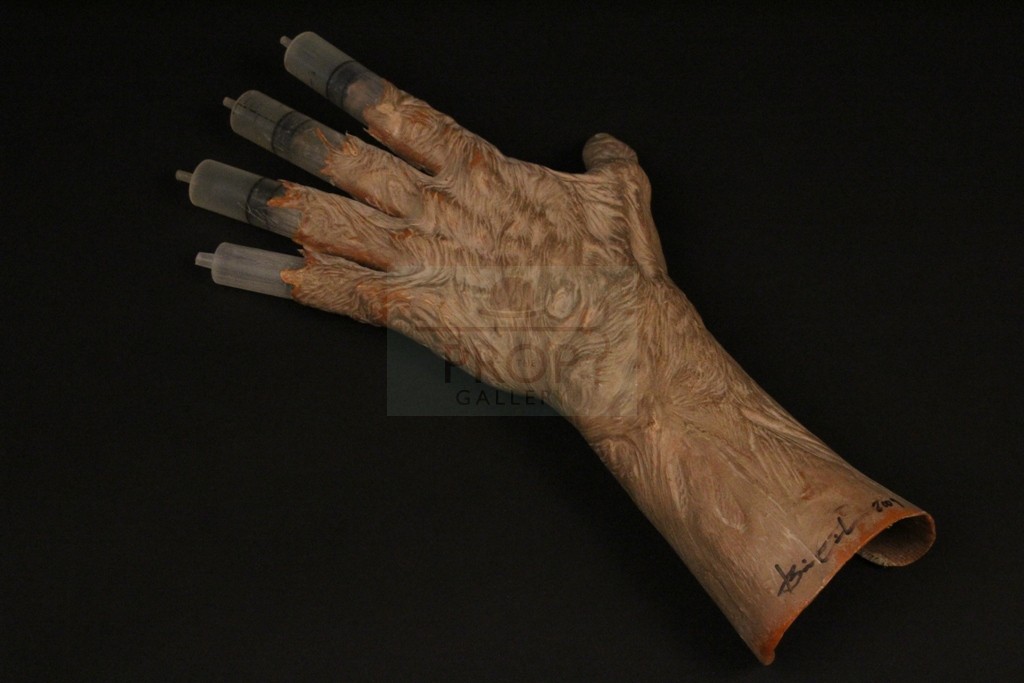
At the hospital Nancy and the kids go under together to reach Kristen and save Joey. Freddy picks them off. He turns his glove blades into needles and gives Taryn a fatal overdose. He catches and kills Will. Kristen, Nancy and Kincaid make it to Freddy's boiler room and rescue Joey.
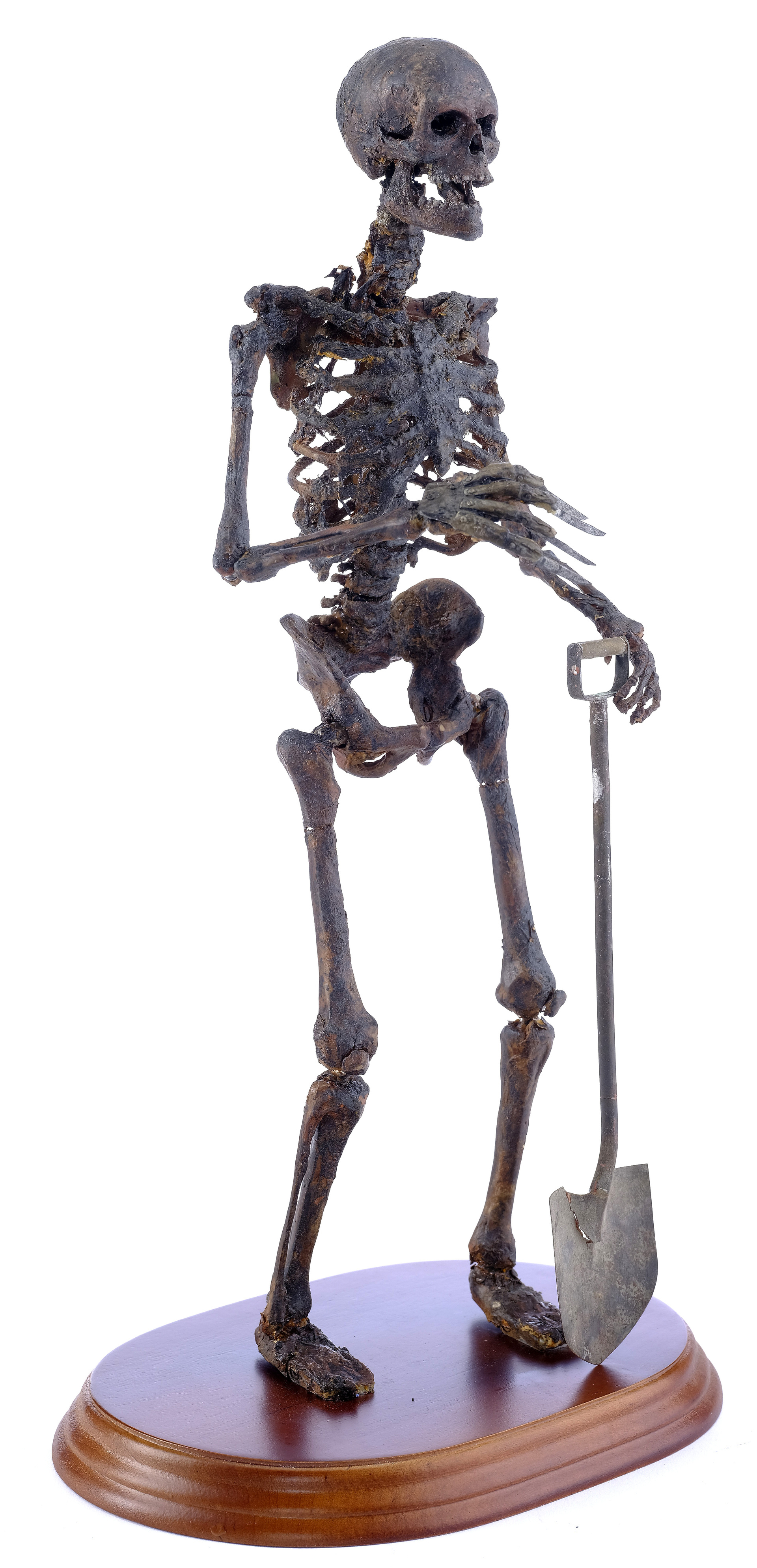
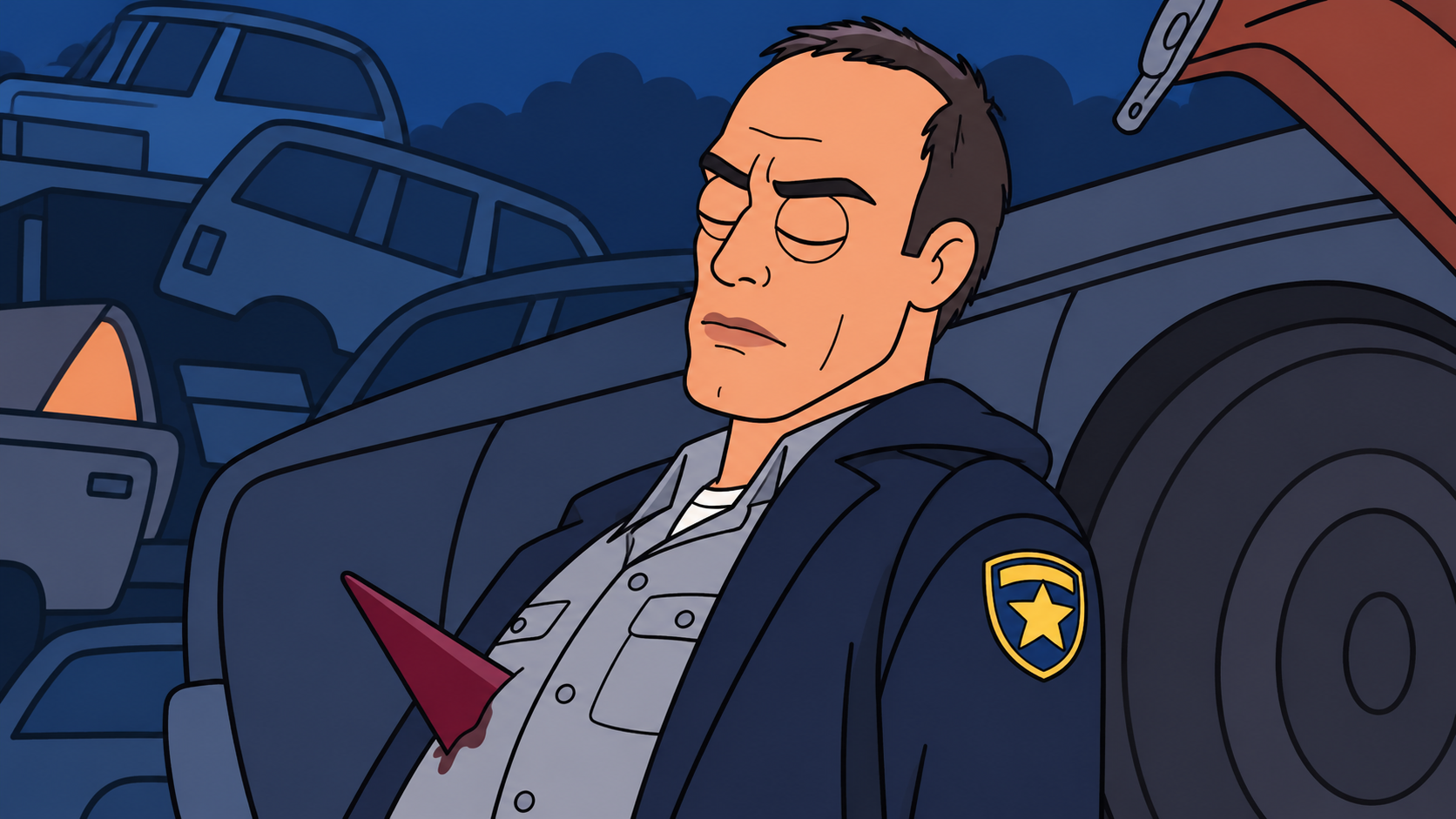
At the junkyard, Neil and Don dig up the bones. Freddy's skeleton comes alive, impales Don on the metal fin of a Cadillac and knocks Neil out. In the dream, Don seems to appear to Nancy to say goodbye, but it is Freddy in disguise, and he stabs her. When Freddy goes for Kristen, Nancy stabs him with his own glove. Neil comes to, sprinkles holy water on the bones, and Freddy is destroyed. Nancy dies in Kristen's arms.
Days later, Neil, Kristen, Kincaid and Joey go to the funeral for Nancy and Don. Neil spots the nun and follows her to a headstone. It belongs to Amanda Krueger, and her name in the church was Sister Mary Helena. That night Neil goes to sleep with a Malaysian dream doll Nancy gave him beside Kristen's paper house. A light turns on inside the model house, a sign that Freddy is not finished.
This was the first Nightmare film New Line opened nationwide. The first two had gone out through regional distributors. New Line spent $5 million to $6 million on prints and ads.
It opened February 27, 1987, in 1,343 theaters and was number one with $8,880,555, a record for an independent film at the time. It dropped only 20 to 25 percent in its second weekend and played in up to 1,383 theaters. It finished with $44,793,222 in the US, New Line's biggest film of the year and the 24th biggest film of 1987. It spent two weeks at number one in the UK. Among the franchise, The Numbers ranks only Freddy vs. Jason, the 2010 remake and The Dream Master above it in US gross.
It opened in France June 17, 1987; Denmark and Finland July 24, 1987; Australia August 27, 1987; Hong Kong November 23, 1987; West Germany January 7, 1988; the Netherlands February 25, 1988; and Sweden September 9, 1988.
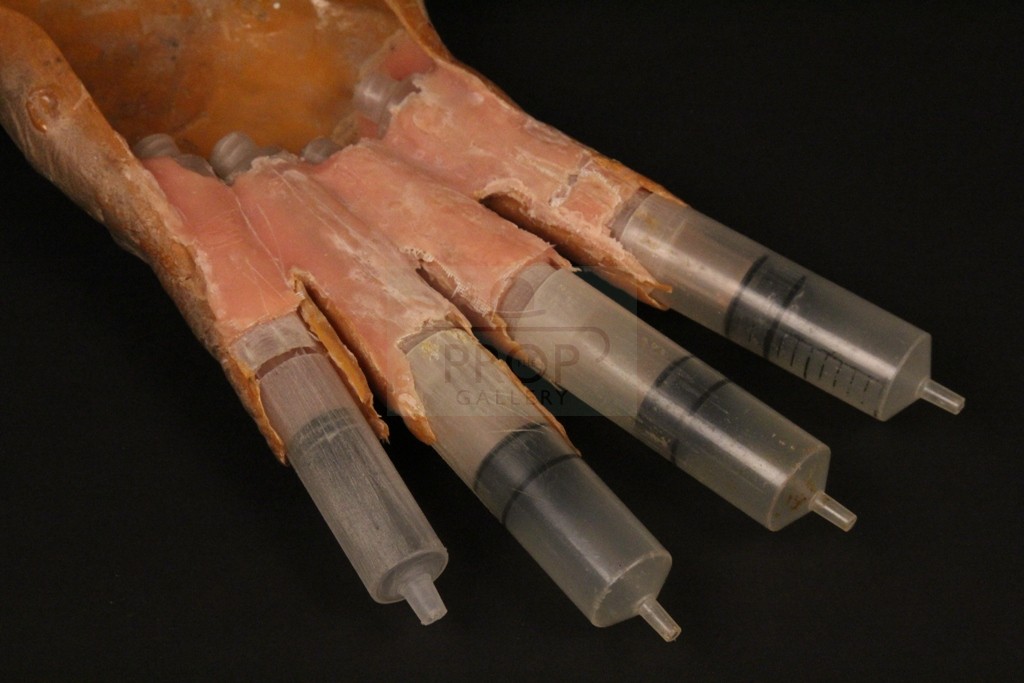
In Queensland, Australia, the Bjelke-Petersen government banned the film over its drug references, mainly Taryn's syringe death. The ban lasted until the Queensland Film Board of Review was abolished in 1990.
Reviews were mixed. Roger Ebert gave it one and a half stars out of four, liking the production values but saying he never cared about the characters. Janet Maslin of The New York Times called the dream sequences ingenious. Variety said Russell's direction made it hard to tell the intended laughs from the unintended ones. Kim Newman, writing later in Empire, praised the big scenes but felt Langenkamp was miscast as a teenage psychiatrist.
Rotten Tomatoes lists 68 percent approval from 65 reviews, with an average of 5.9 out of 10. Metacritic gives it 49 out of 100 from 11 critics.
Awards: the 1988 Saturn Awards nominated it for Best Horror Film and Best Make-up, and nominated Robert Englund for Best Supporting Actor. At Fantasporto 1988, Russell was nominated for the International Fantasy Film Award and won a Critics Award special mention.
1987 · studio publicity kit
music-video / soundtrack promotion
Nancy Thompson
Kristen Parker
Max
credited as Larry Fishburne; Wikipedia gives the full name Max Daniels
Dr. Neil Gordon
Dr. Elizabeth Simms
Elaine Parker
Phillip Anderson
credited by first name only
Joey Crusel
credited by first name only
Will Stanton
credited by first name only
Sister Mary Helena / Amanda Krueger
credited as Nun
Taryn White
credited by first name only
Roland Kincaid
credited as Kincaid
Jennifer Caulfield
credited by first name only
Donald Thompson
special appearance; credited as Thompson
Himself
special appearance
Herself
special appearance
Freddy Krueger
billed 'and Robert Englund as Freddy Krueger'
Lorenzo
Little Girl
Nurse #1
Nurse #2
Nurse Marcie
credited as Marcie
Priest in Church
Priest in Cemetery
Dr. Carver
Neurosurgeon
Girl in Cemetery
Girl in Crowd
Director
Second unit director; main title sequence designer
Story and screenplay
Story and screenplay
Screenplay
Screenplay
Producer
Executive producer
Executive producer
Co-producer
Line producer
Associate producer
Executive in charge of production; production manager
Director of photography
Director of photography, second unit
Loader
First assistant camera
Second assistant camera
Gaffer
Best boy electric
Electrician, second unit
Key grip
Editor
Editor
Music
Music editor
Music supervisor
Additional music
Additional music
Orchestrator
Orchestrator
Art director
Art director
Art department coordinator
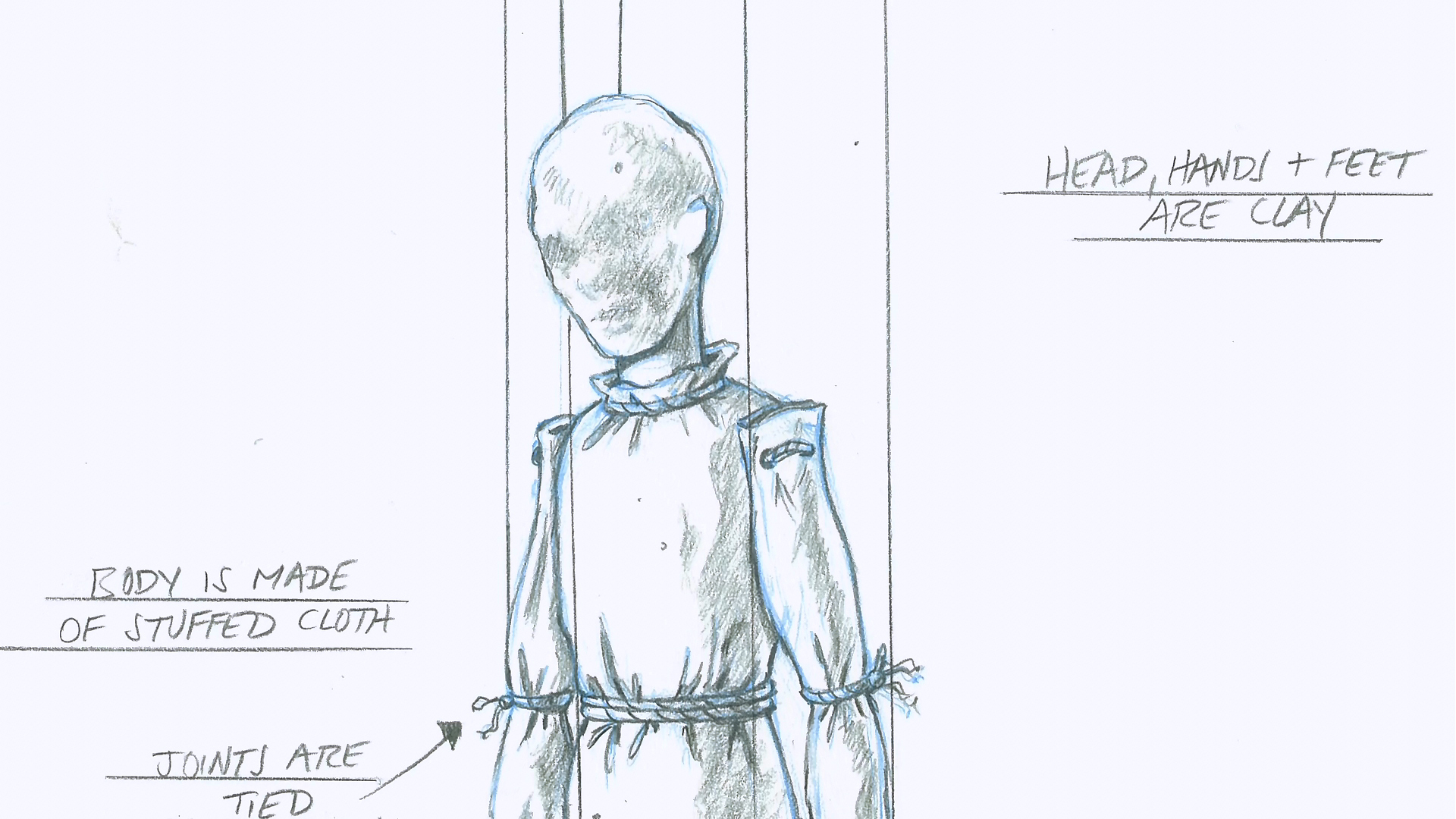
Storyboard artist and visual consultant
Illustrator
Set decorator
Property master
Construction coordinator
Costume designer
Wardrobe supervisor
Freddy Krueger makeup and effects
Special makeup effects sequences
Special makeup effects sequences
Additional makeup effects
Key makeup
Key hairdresser
Assistant to Greg Cannom
Assistant to Greg Cannom
Assistant to Greg Cannom
Assistant to Kevin Yagher
Assistant to Kevin Yagher
Assistant to Kevin Yagher
Assistant to Mark Shostrom
Mechanical special effects
Special effects crew
Special effects sculptor
Special effects carpenter
Visual effects supervisor (Dream Quest Images)
Effects photography supervisor; stop-motion
Stop-motion animation
Stop-motion puppet constructor
Marionette constructor
Matte artist
Animator
Animation effects
Sound mixer
Sound designer
Supervising sound editor
Dialogue editor
Score mixer
Casting
First assistant director
Second assistant director
Location manager
Production coordinator
Post-production supervisor
Stunt coordinator
Stunts
Stunts
Stunts
Stunts
Stunts
Stunts
Stunts
Stunts
Stunts
Stunts
First assistant director
First assistant director, second unit
Assistant production manager
Assistant makeup
Special effects, bone ghouls
Special effects, bone ghouls
Motion control supervisor
Re-recording mixer
Boom operator
After Freddy's Revenge got poor reviews, New Line thought about ending the series. Wes Craven agreed to come back as co-writer. His first idea, Freddy breaking into the real world to haunt the actors making a new Elm Street film, was turned down. It later became Wes Craven's New Nightmare.
Before the script was settled, John Saxon and Robert Englund each wrote treatments. Saxon's prequel, How the Nightmare on Elm Street All Began, painted Freddy as innocent or framed by Charles Manson and his followers. Englund's Freddy's Funhouse had Tina Gray's sister looking into her death while Freddy took over the Elm Street house. Englund says parts of it ended up in No More Mr. Nice Guy, the pilot of Freddy's Nightmares.
Craven and Bruce Wagner turned in a first draft dated June 16, 1986. Craven said they decided one person could no longer fight Freddy, because the souls of his victims had made him stronger. That draft was darker and more profane. Nancy was not a dream expert, Neil (then named Guinness) was much younger and had a romance with Nancy, Taryn was Black, Will was named Laredo, Phillip was 13, the story centered on the ranch house where Freddy was born, Amanda was not a nun or a rape victim, both Joey and Kincaid died, and Nancy killed Freddy with his glove instead of holy water.
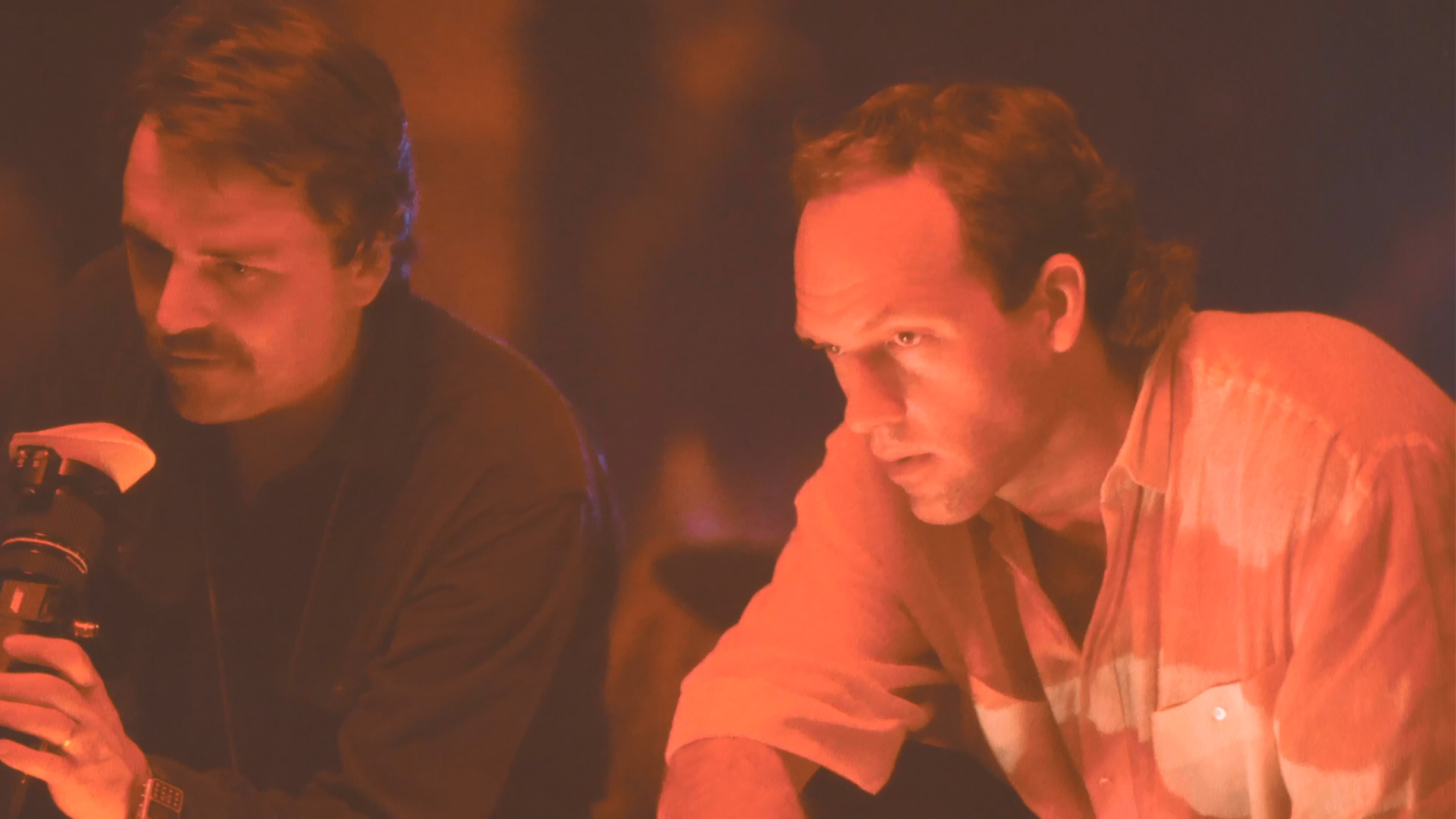
New Line hired Chuck Russell to direct and rewrite the script. He had co-written Dreamscape and produced Back to School, and this was his first film as director. Rachel Talalay thought the Craven and Wagner draft read like a $20 million script. Russell and Frank Darabont locked themselves away in Big Bear and rewrote it in eleven days. Sara Risher said they rewrote 70 percent of it. Russell said he wanted to turn the dreams into a carnival and add dark humor. Craven later said New Line never really called him again once it had his script.
Lisa Wilcox and Lezlie Deane, who were cast in later sequels, auditioned for this one. Patricia Arquette nearly got replaced early in the shoot until Russell stood up for her. Nurse Marcie took the most casting, because she was first meant to turn into a she-Freddy wearing Freddy's face. Roy H. Wagner had second thoughts after seeing it, and the scene was changed to Marcie shooting out long tongues before turning into Englund.
The talk show scene was written for Sally Kellerman, but Dick Cavett reportedly picked Zsa Zsa Gabor himself. Englund said Gabor did not know much about the movie and had a real mild freak-out when Freddy showed up.
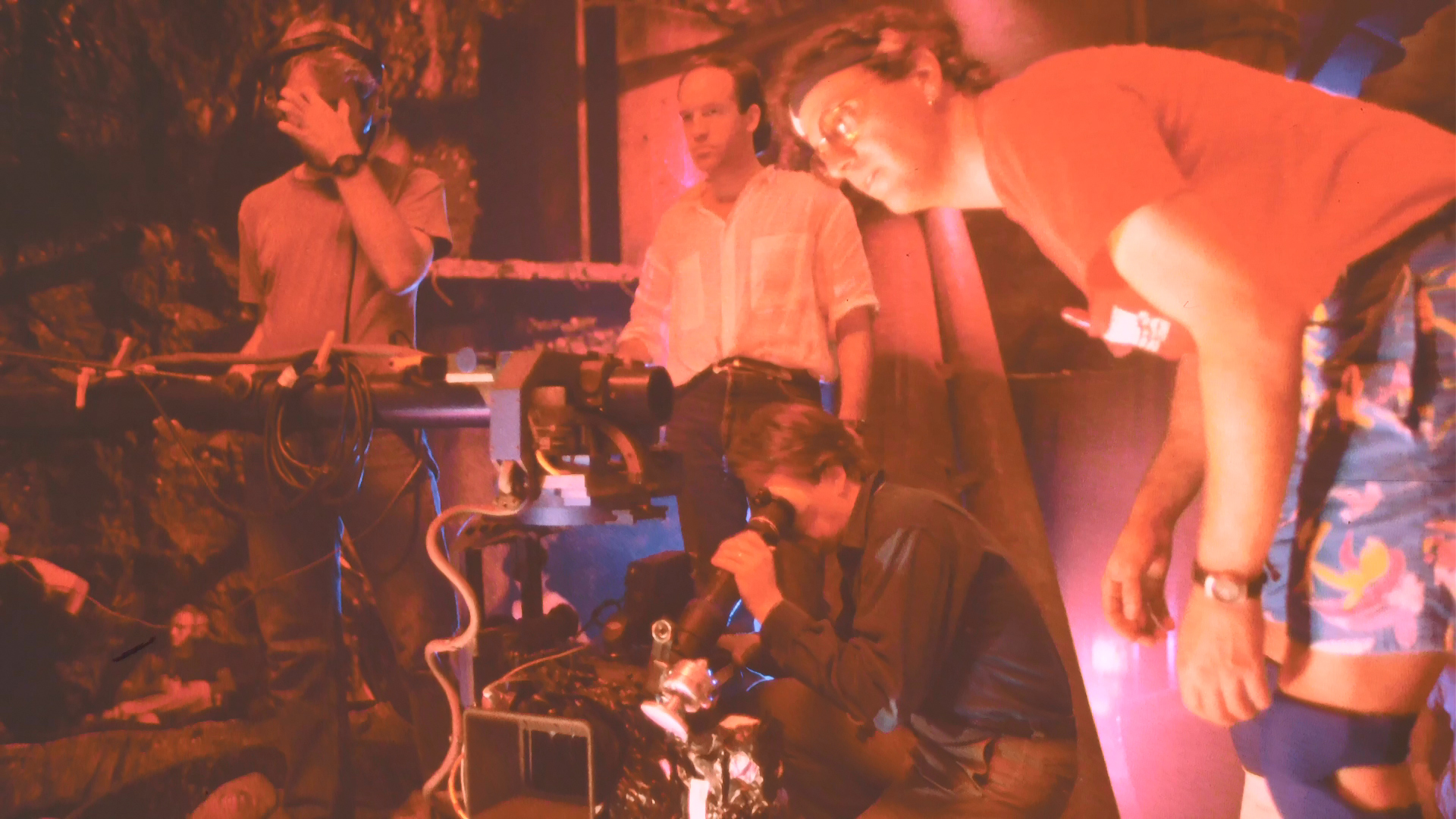
Filming began July 28, 1986. A Fangoria set report described a 40-day schedule, and the DVD box set booklet says it shot over eight weeks in and around Los Angeles. Construction started three months before filming. The budget was first set at $3 million in May 1986 and grew to about $4.3 million.
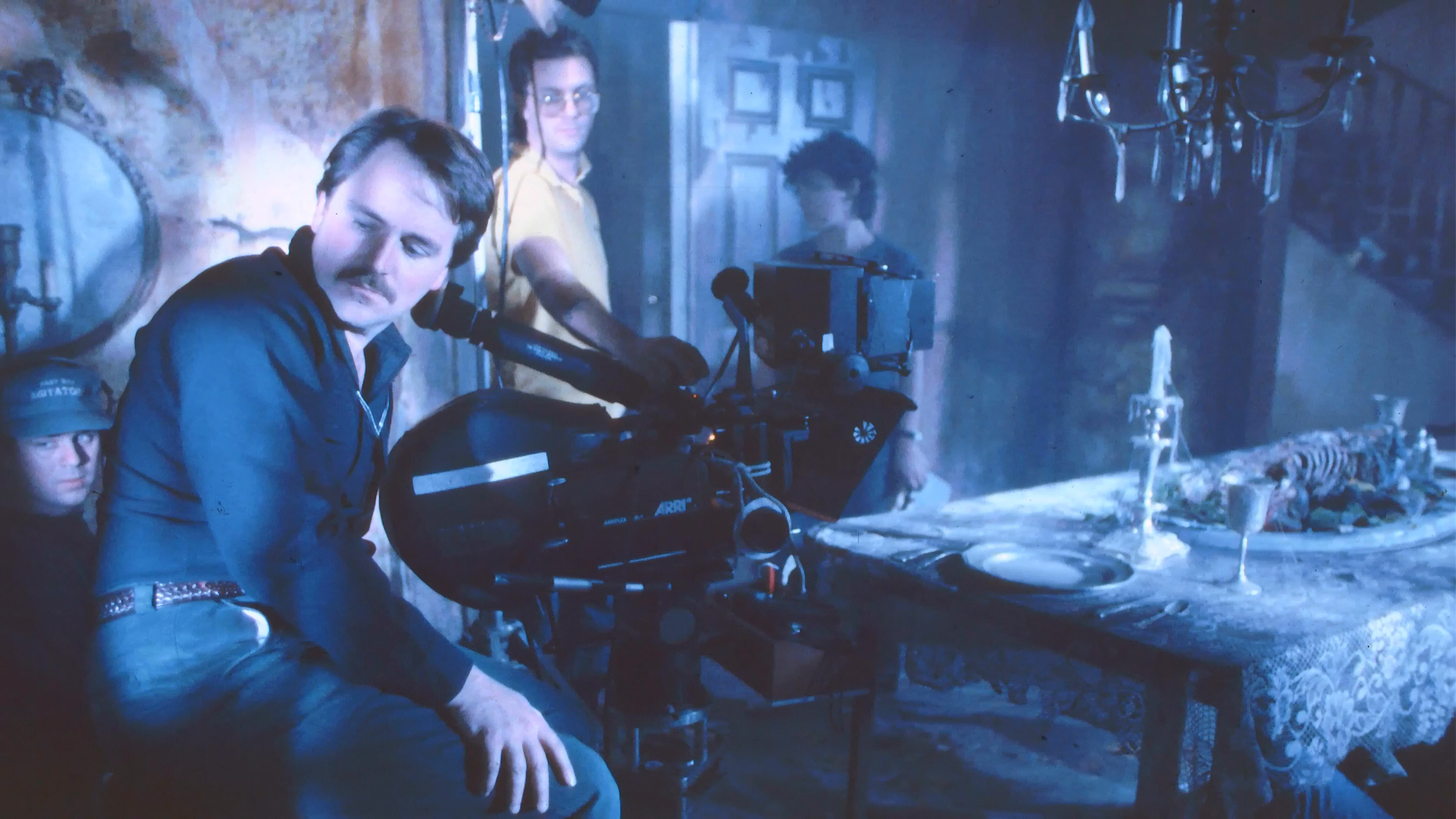
Line producer Rachel Talalay had Russell's first cinematographer fired after he insulted Penelope Sudrow and brought in Roy H. Wagner. Wagner joined after shooting had started. He read the script one evening and began work the next day, and his first job was the junkyard skeleton fight.
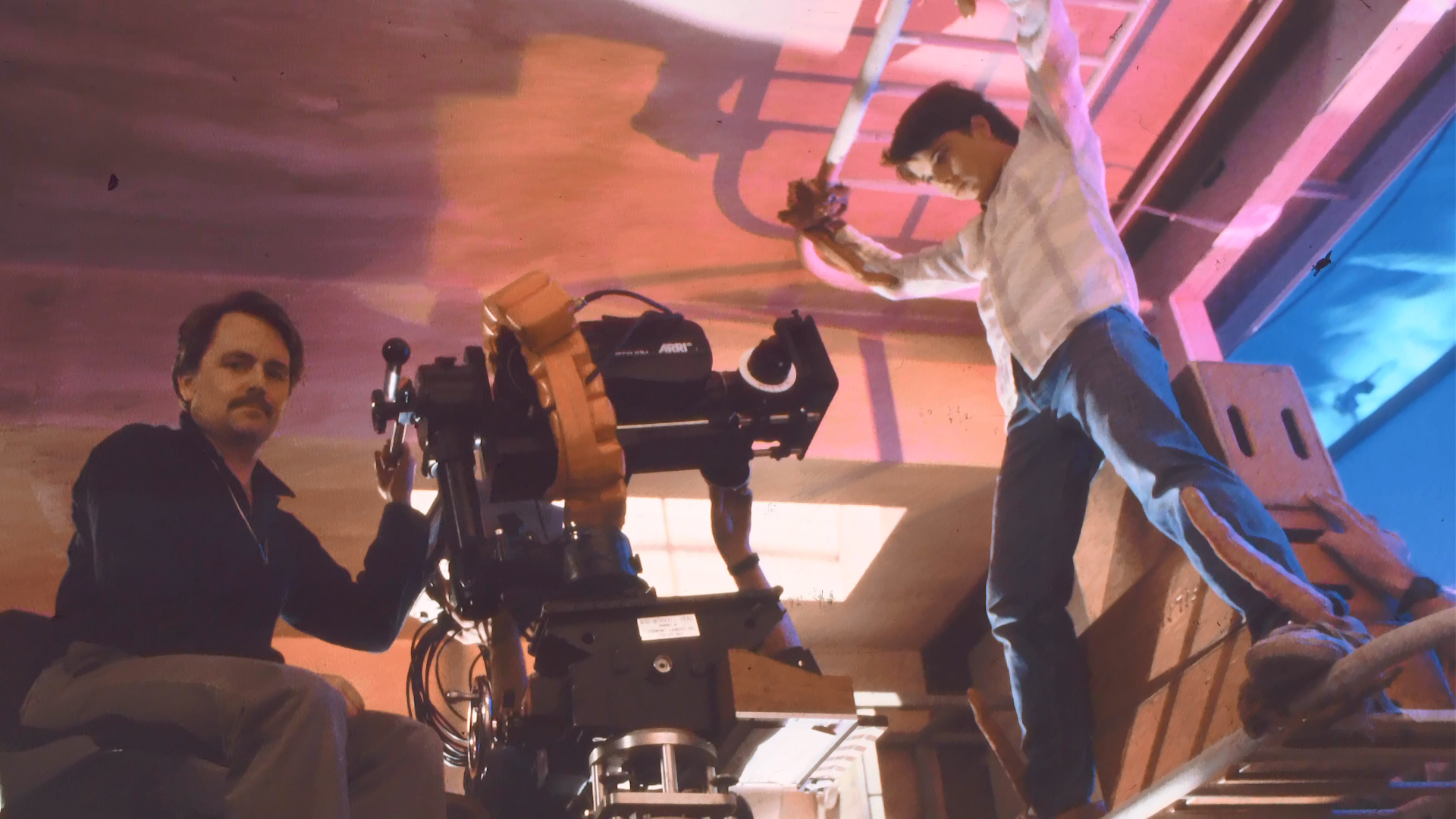
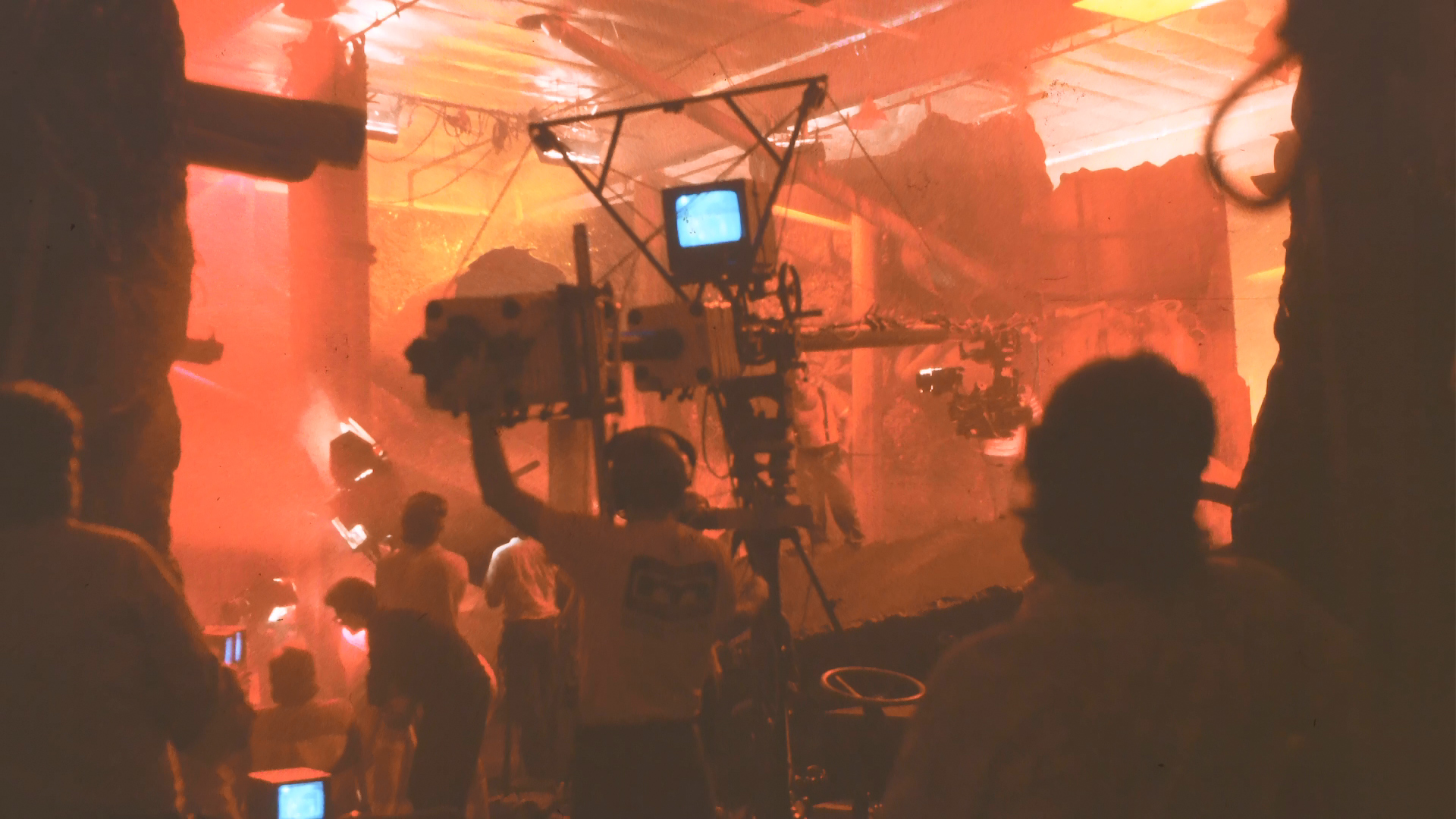
Wagner and assistant Giles Dunning kept detailed notes on exposure, lighting and camera positions so unfinished effects scenes could be picked up later and still match. A Louma crane helped move through the multi-level boiler room set, and Wagner said he finished work planned for five days in three.
For the shot that goes from Kristen's bedroom to Elm Street, the camera sped up from 24 to 60 frames per second while the exposure was adjusted, so the children in the background slip into slow motion. Wagner said he lit Freddy like a product shot, with very little front light, detail in the shadows and no long close-ups.
Peter Chesney's company, Image Engineering, handled more than 50 mechanical effects. He said the schedule was so tight he kept ten crew on set and fifteen in the shop, with three units shooting effects in different places at the same time.
Freddy's boiler room, called Freddy Hell by the crew, took eight weeks to build with up to 30 people working at once. It was built in a warehouse across from the Los Angeles County Jail. The AFI Catalog says the warehouse covered 125,000 square feet and held 26 or 27 sets. Art directors Mick and C.J. Strawn designed the sets, and Pete von Sholly drew the storyboards.
Englund was playing Freddy while also working on the TV series Downtown.
Chesney reported maintaining ten effects crew members on set and fifteen fabricating in the shop while three units filmed effects at different locations.
The production built Freddy’s boiler-room underworld over eight weeks, within a 125,000-square-foot warehouse opposite the Los Angeles County Jail. The warehouse also housed 26 other sets.
Roy H. Wagner joined after shooting had started, reading the screenplay one evening and beginning work the next day. His first assignment was the junkyard skeleton battle.
Wagner and assistant Giles Dunning kept detailed exposure, lighting and camera-position notes so unfinished effects scenes could be resumed consistently.
A Louma crane helped negotiate the multi-level boiler-room set. Wagner reported completing work scheduled for five days in three.
The bedroom-to-Elm-Street transition accelerated the camera from 24 to 60 frames per second while compensating exposure, shifting the background children into slow motion.
Wagner favored restrained front lighting and shadow detail for Freddy, limiting prolonged close views to preserve the makeup illusion.
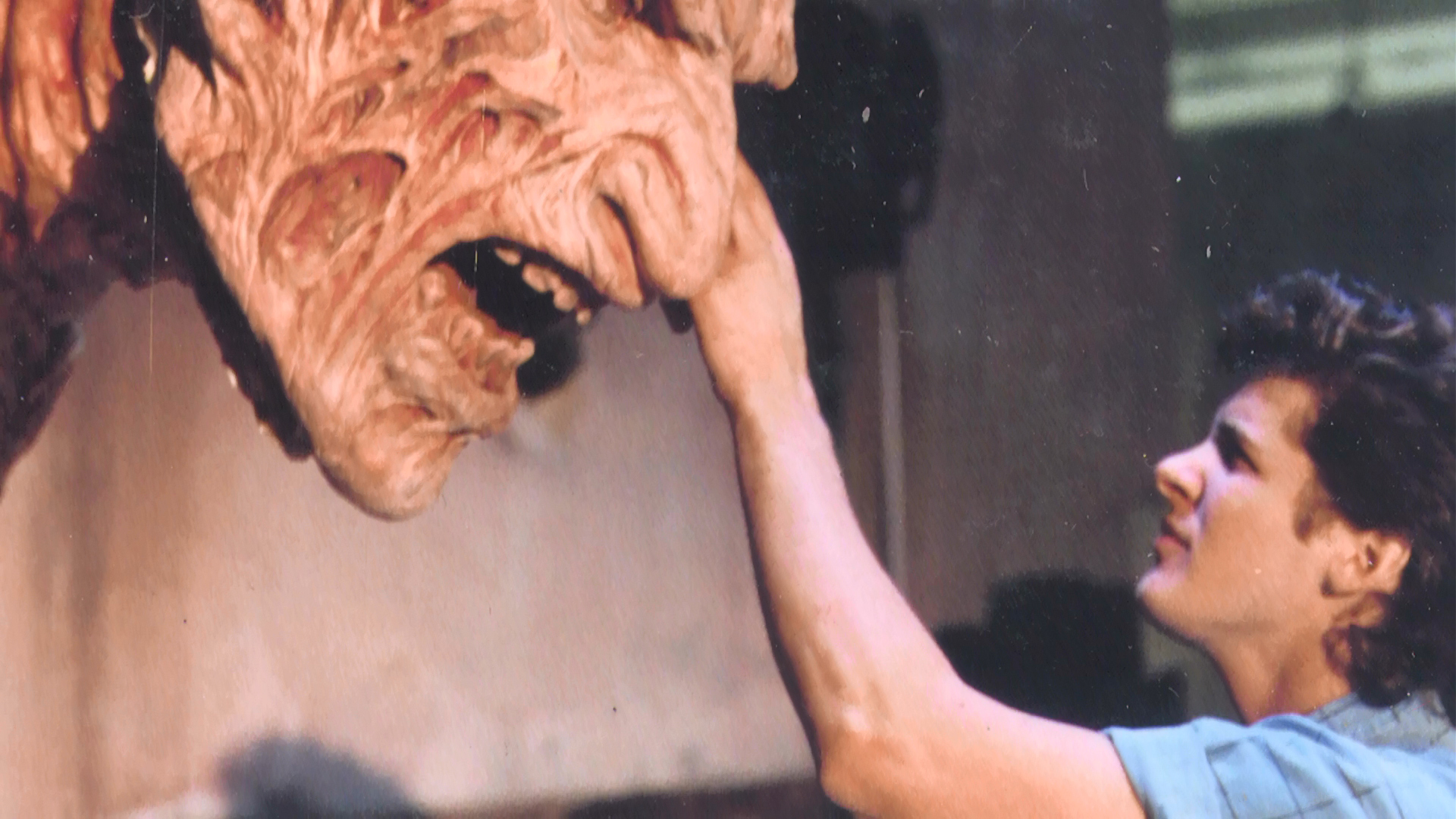
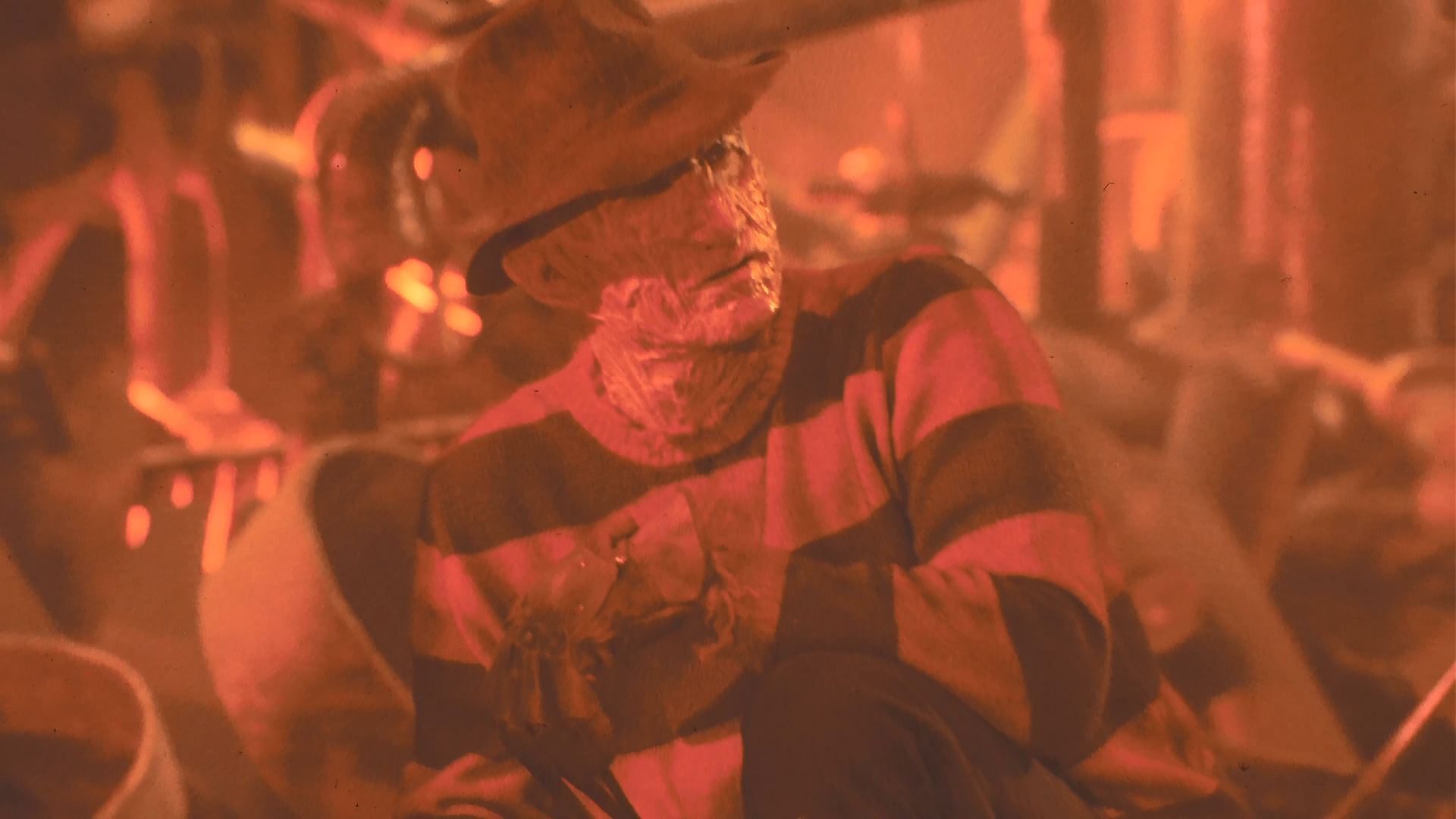
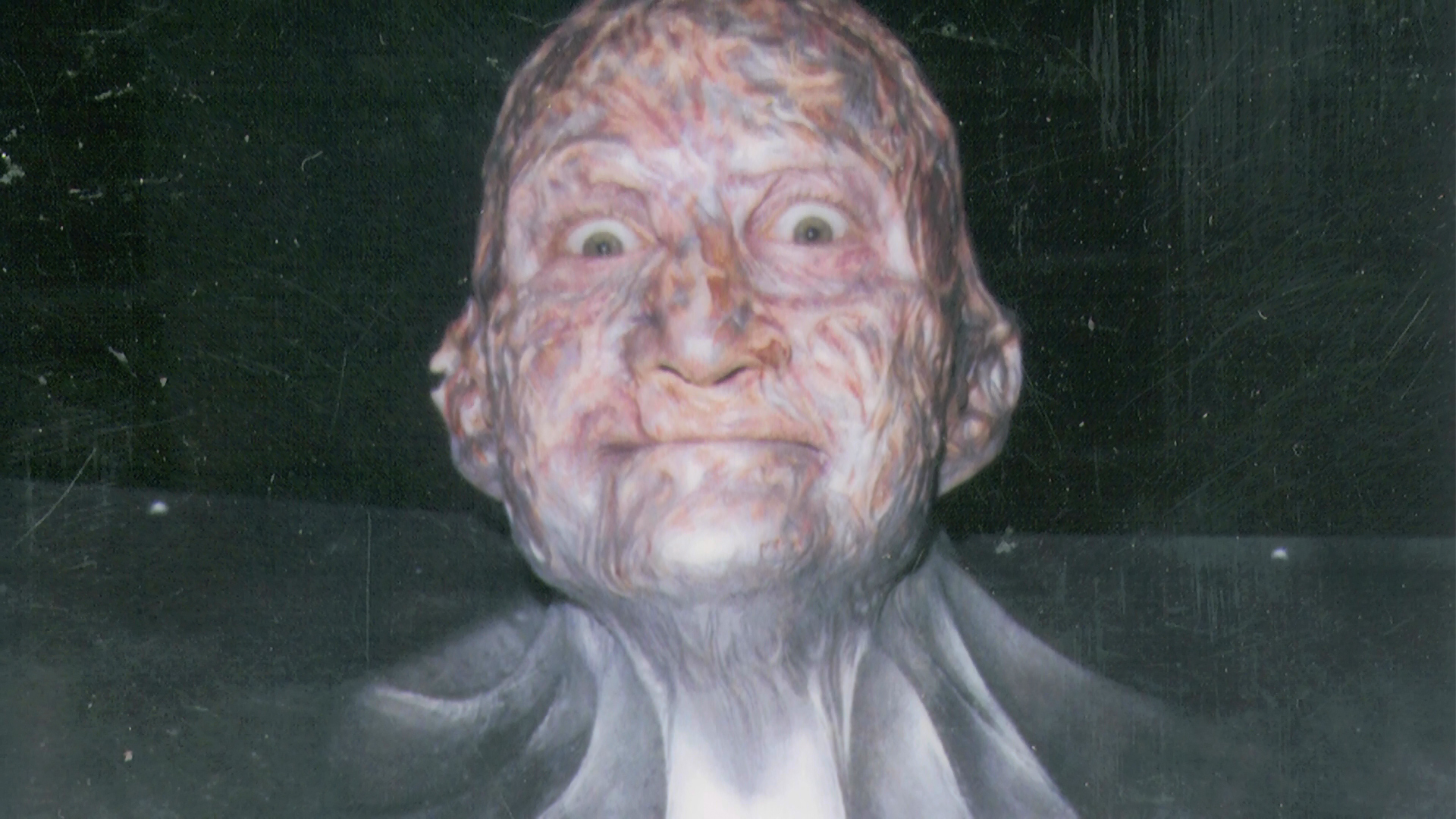
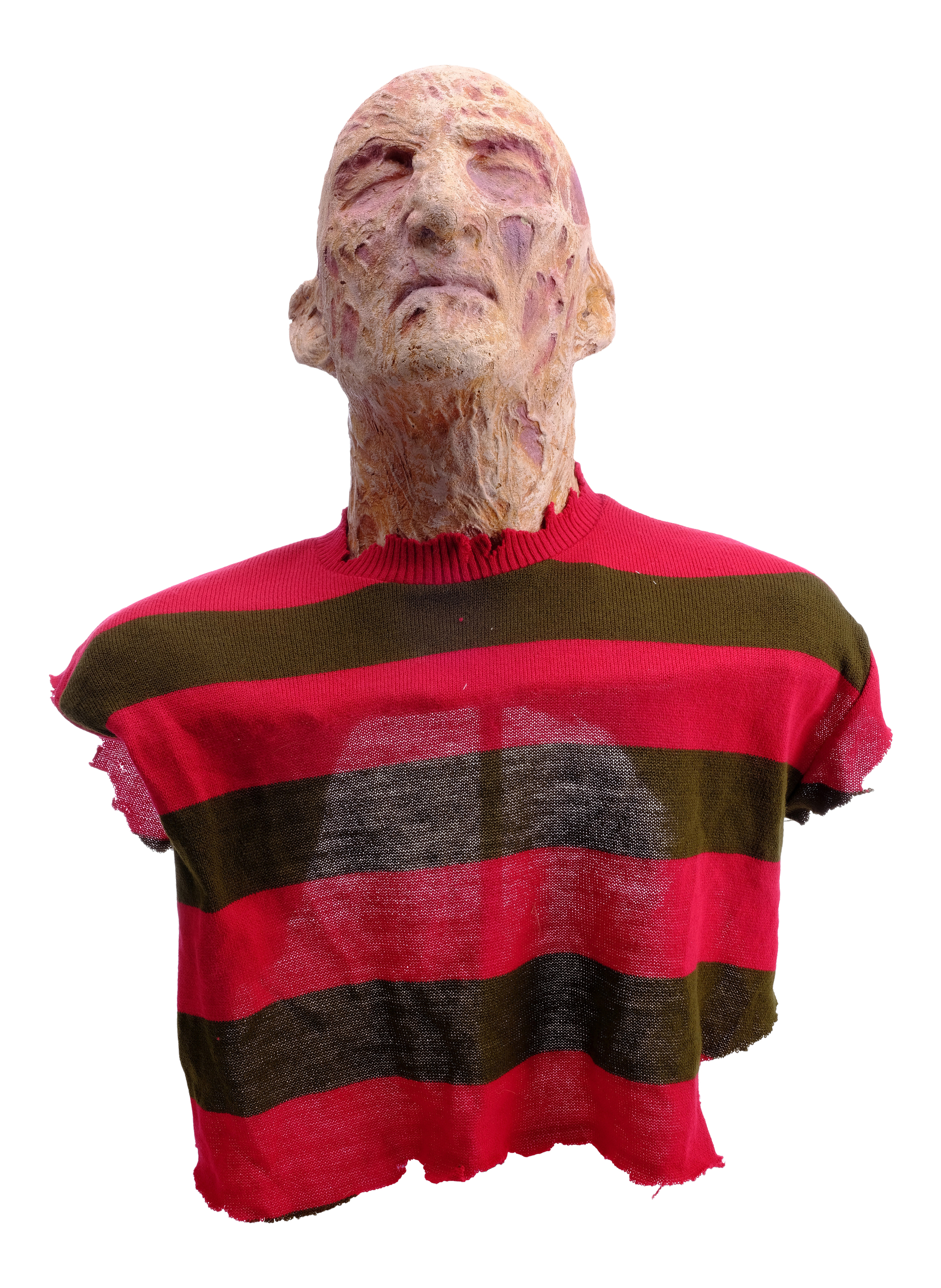
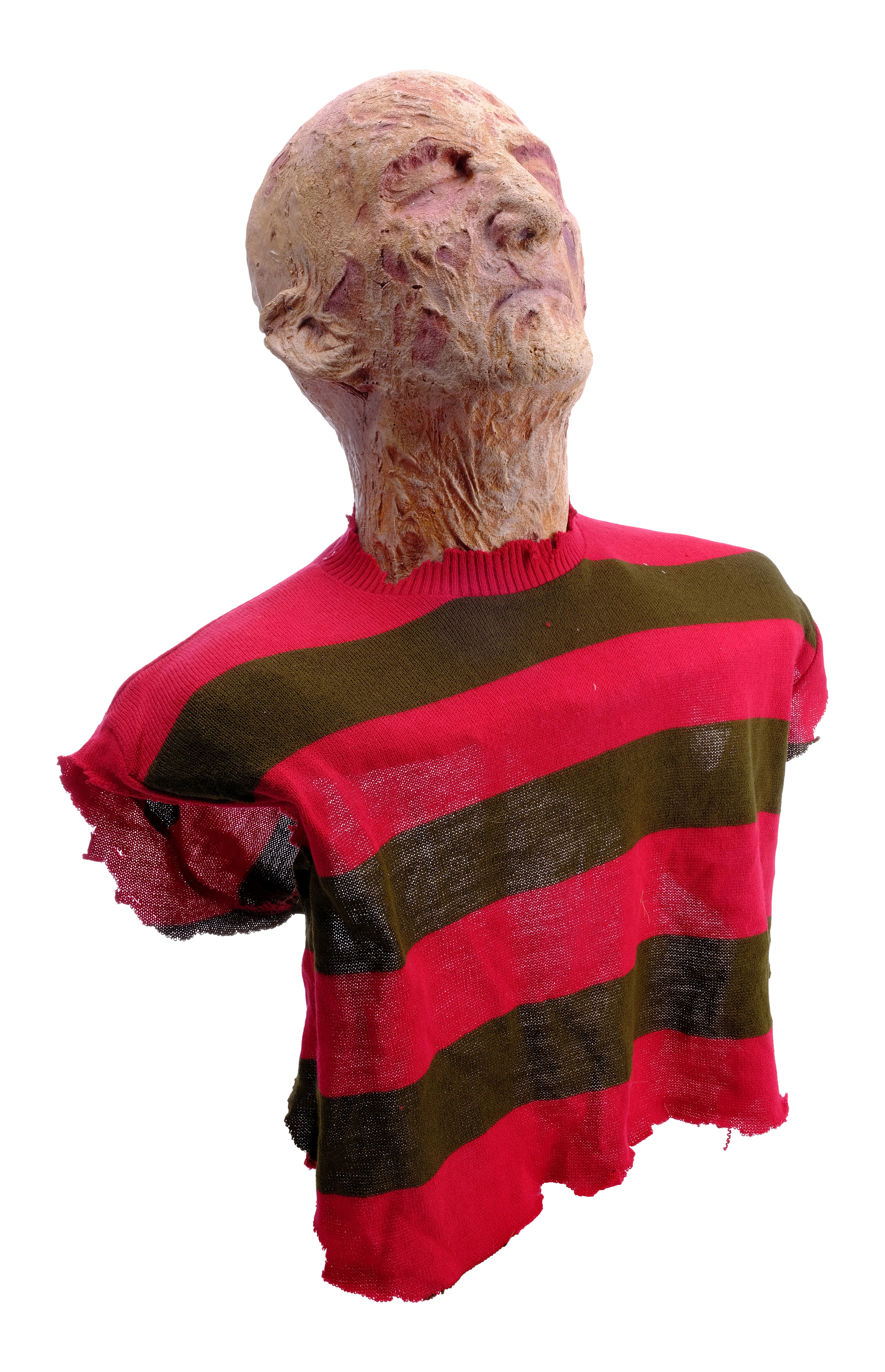
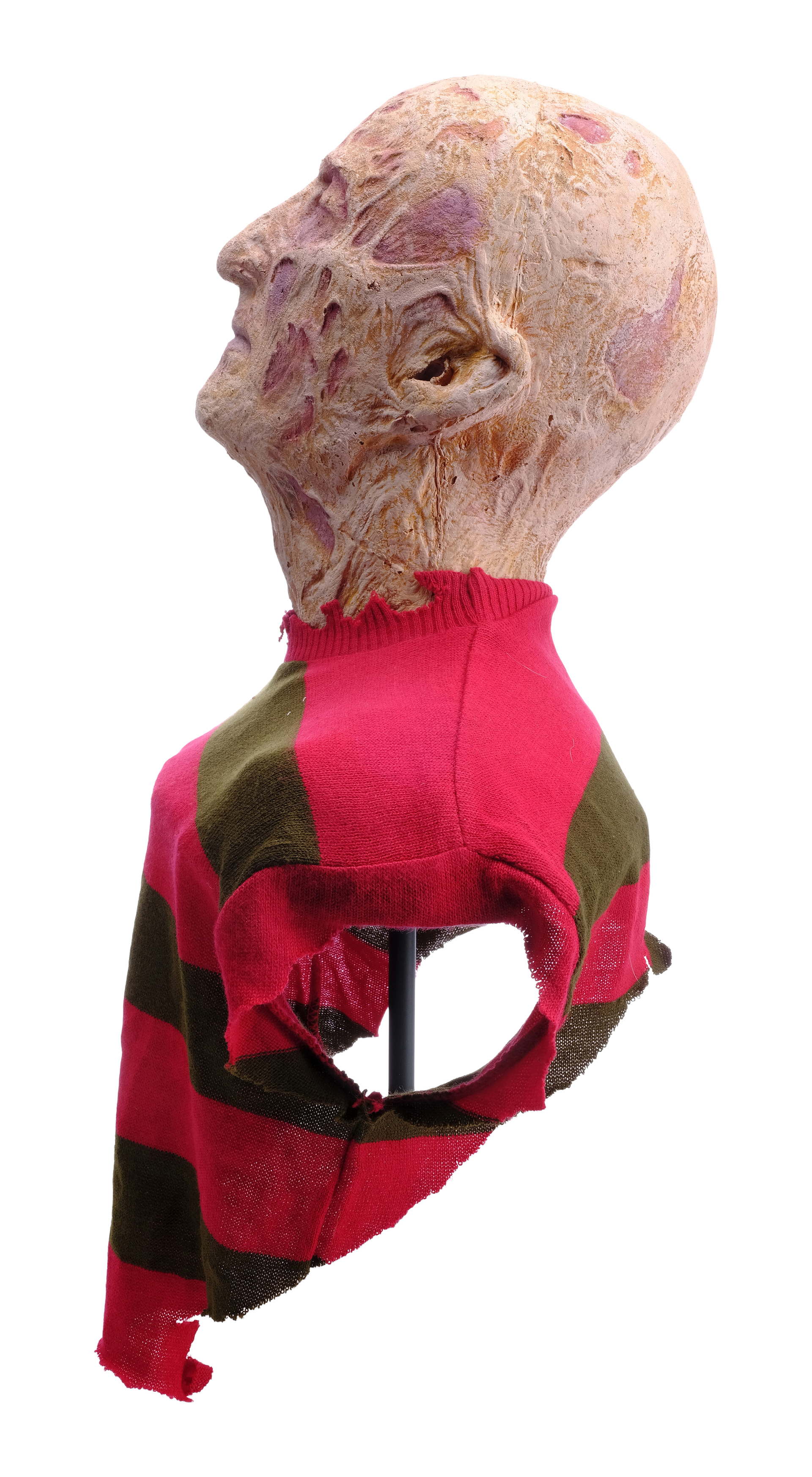
Kevin Yagher reworked his Part 2 Freddy makeup, giving Freddy a smaller nose and a face closer to Englund's own, and cut the number of pieces from nine to eight according to a Fangoria set report. The DVD box set booklet says the makeup used 18 pieces of foam latex, took almost four hours to put on and one hour to take off.
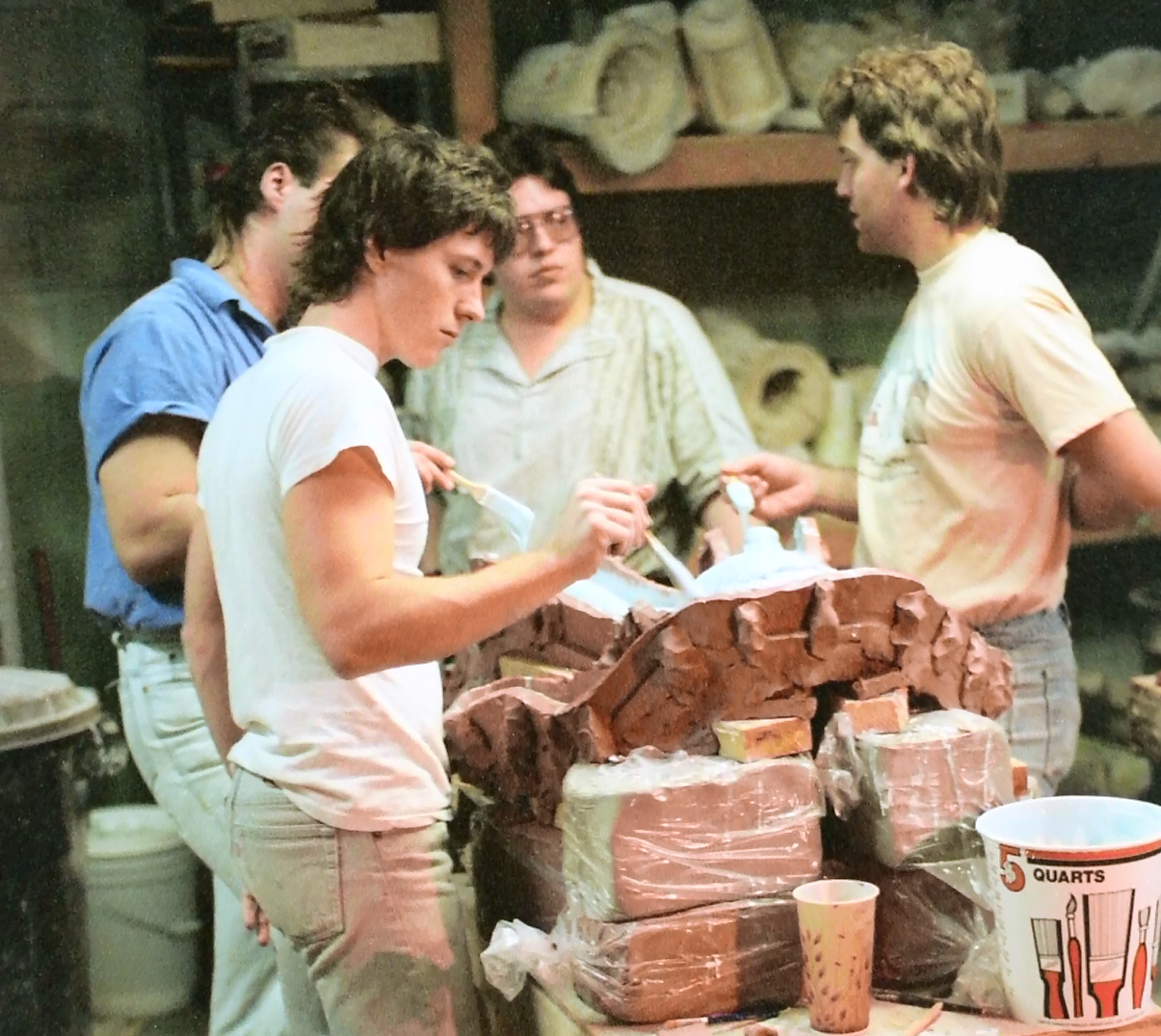
Peter Chesney led the mechanical effects, with makeup effects by Yagher, Mark Shostrom and Greg Cannom. Hoyt Yeatman supervised visual effects at Dream Quest Images, with stop-motion by Doug Beswick and Jim Aupperle.
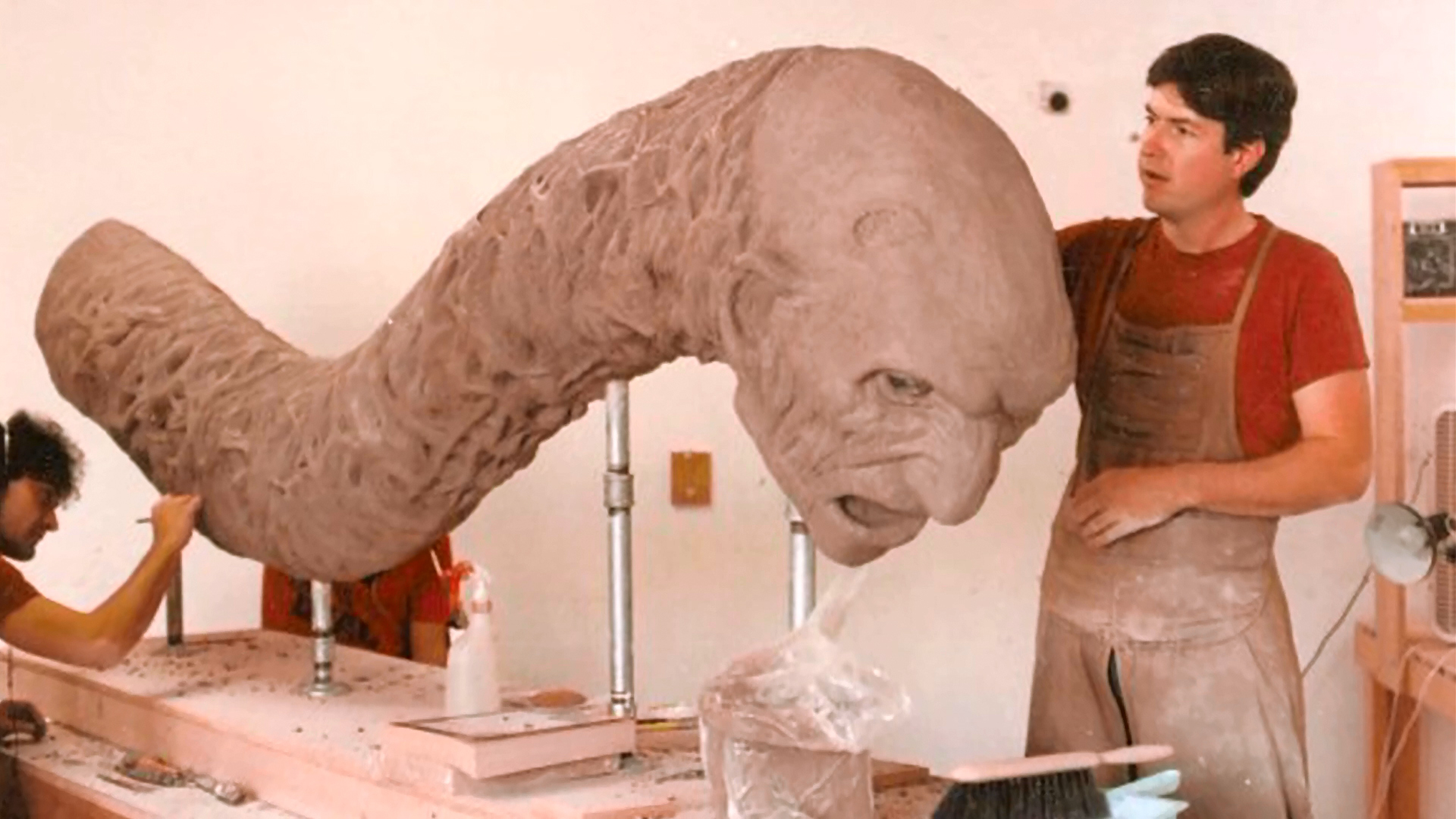
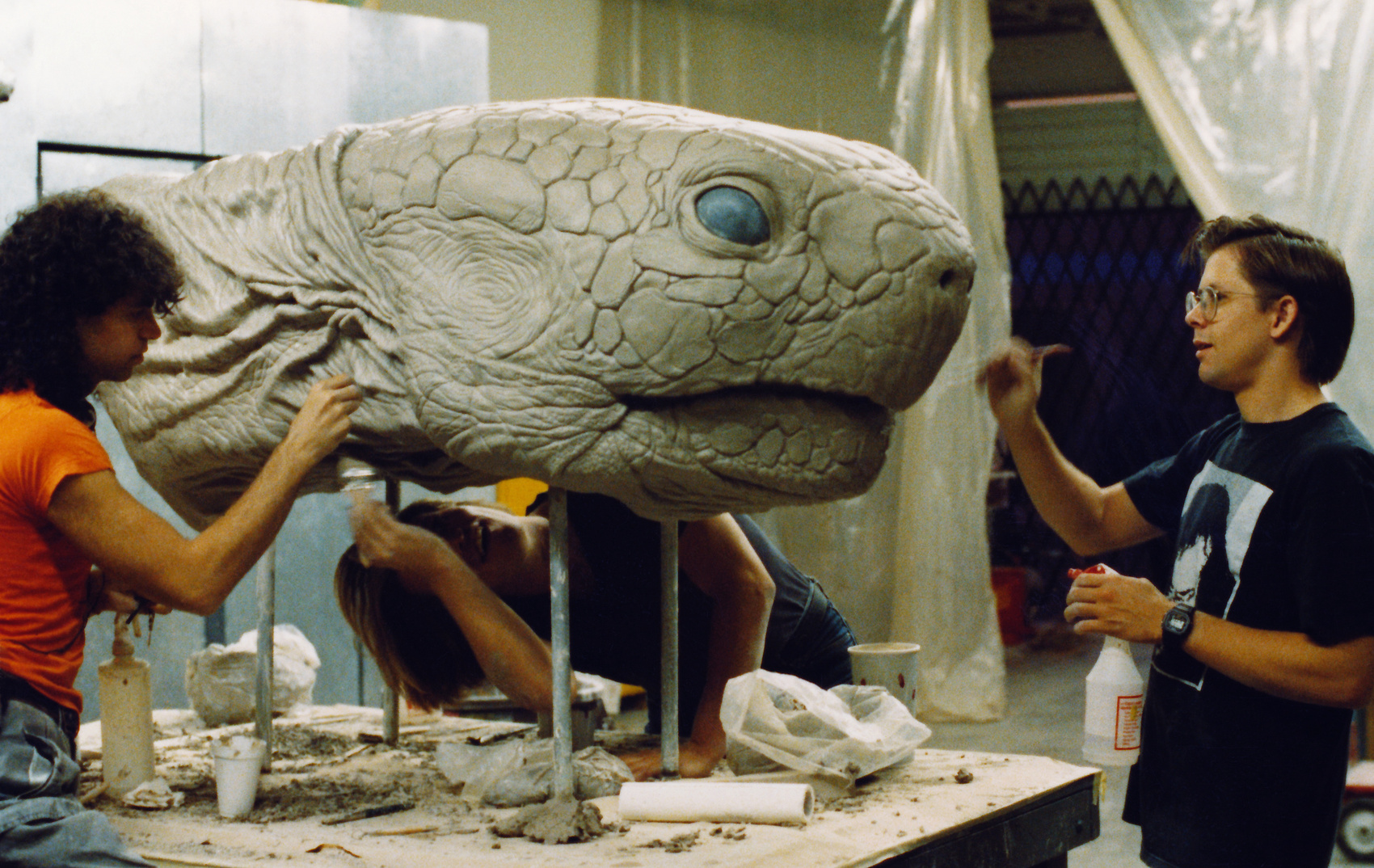
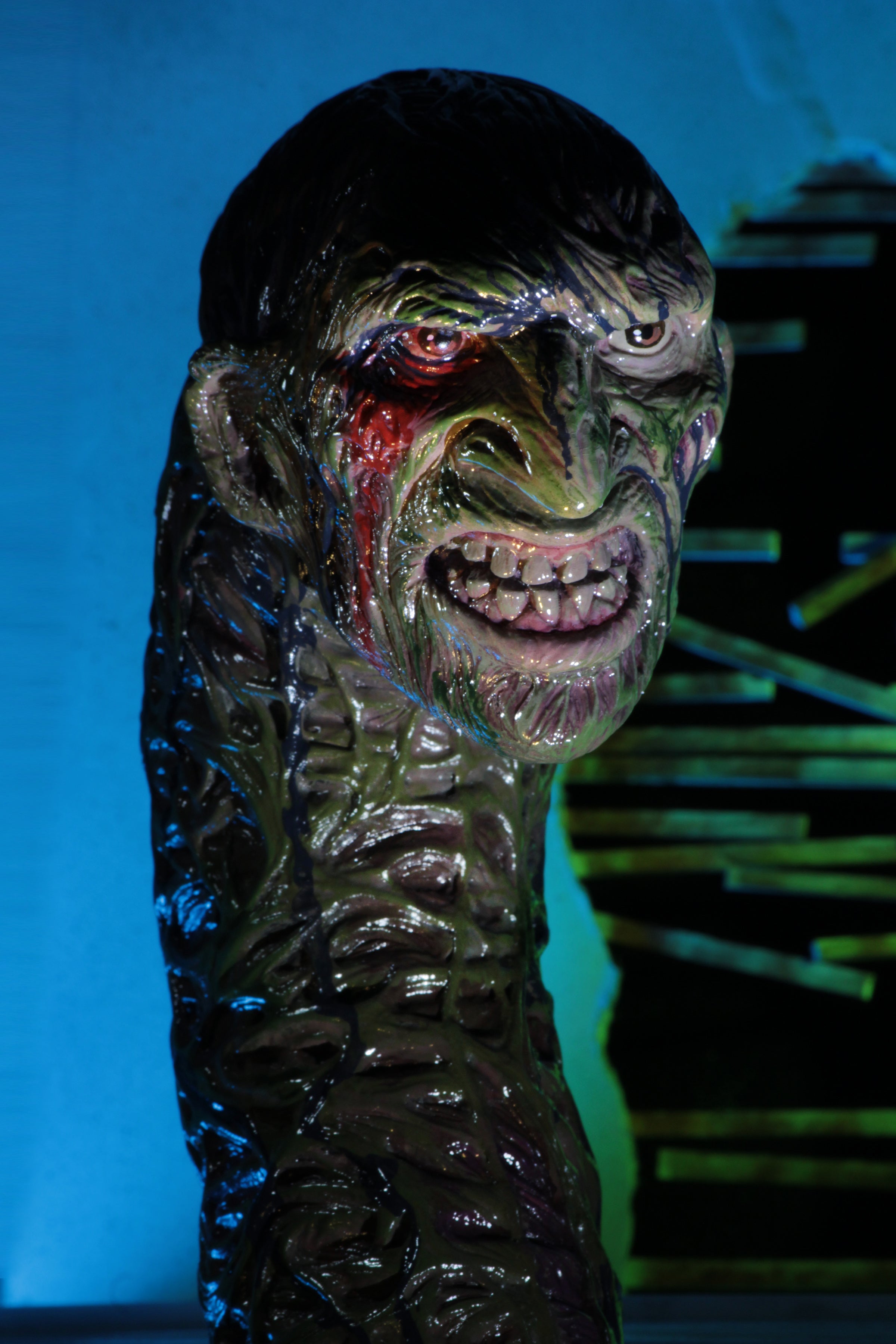
Yagher helped build the Freddy Snake that swallows Kristen, a puppet about ten feet long.
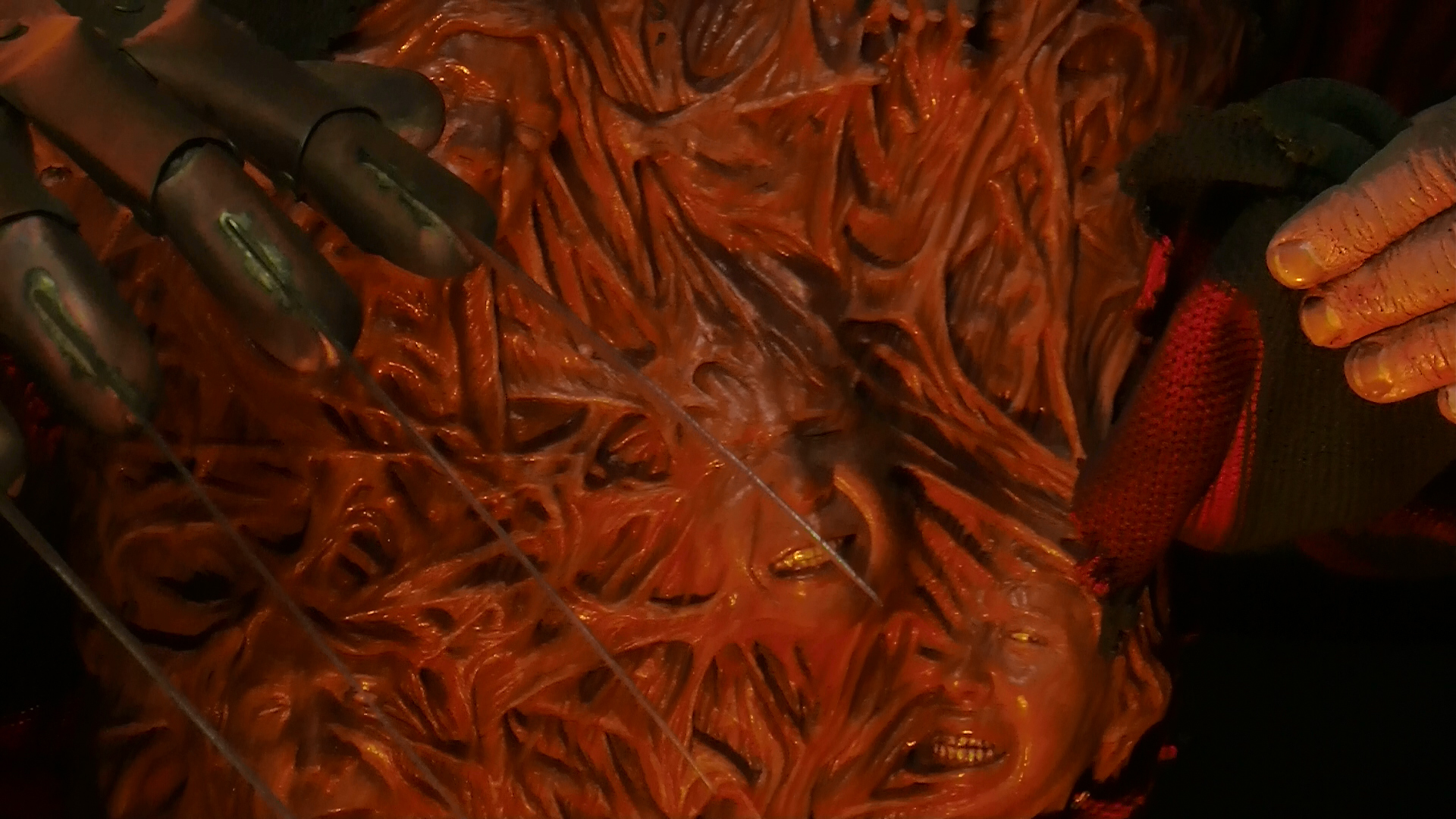
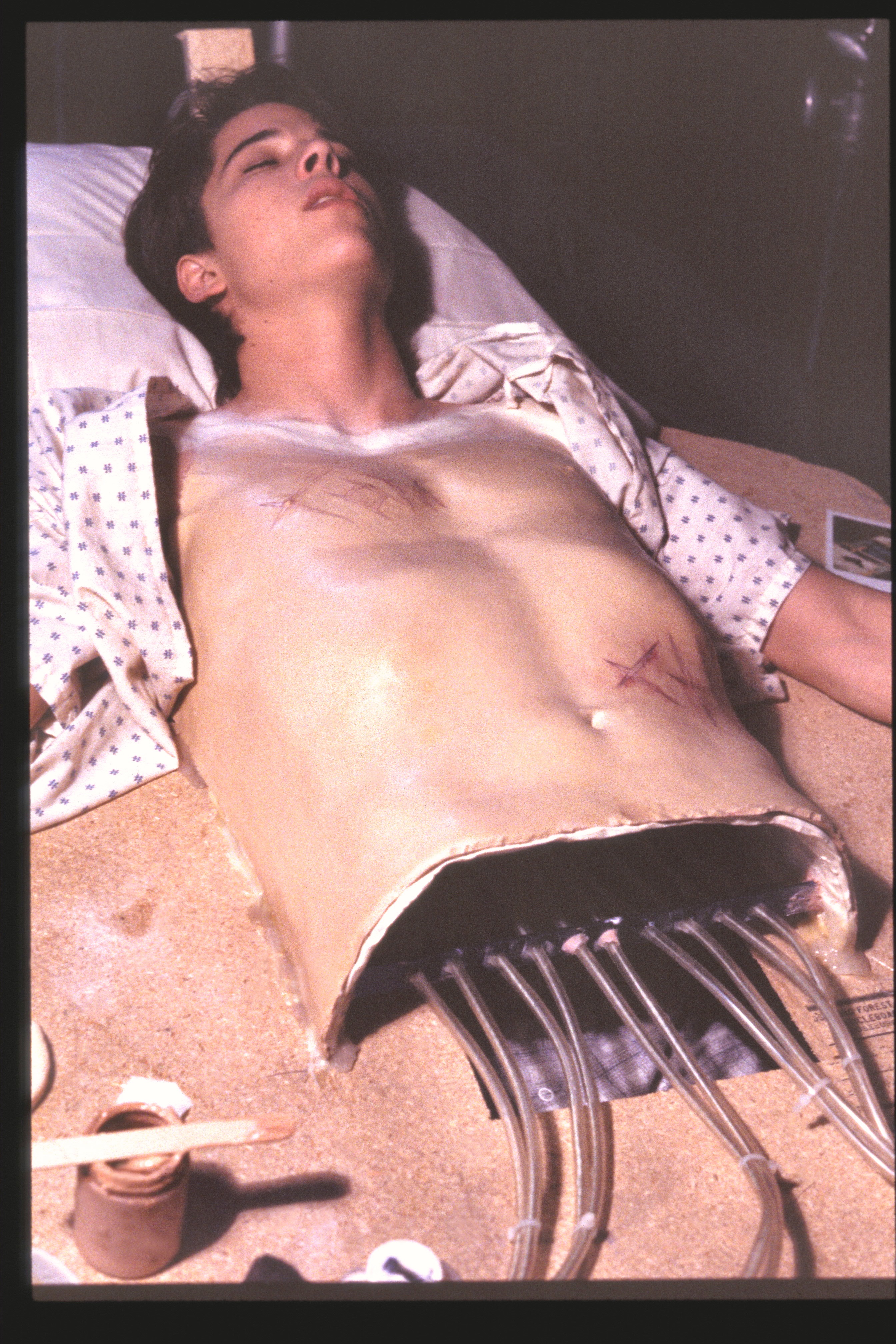
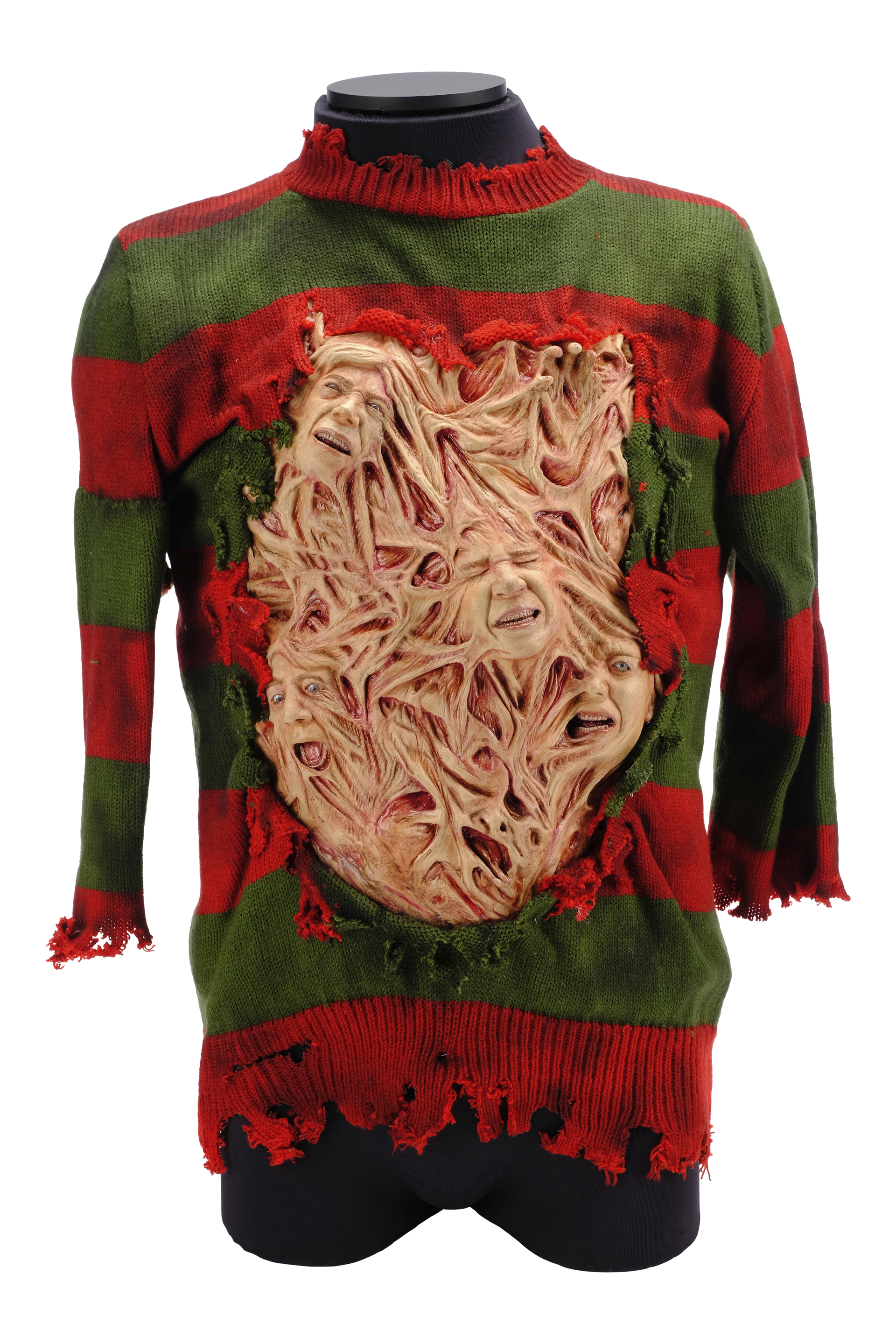
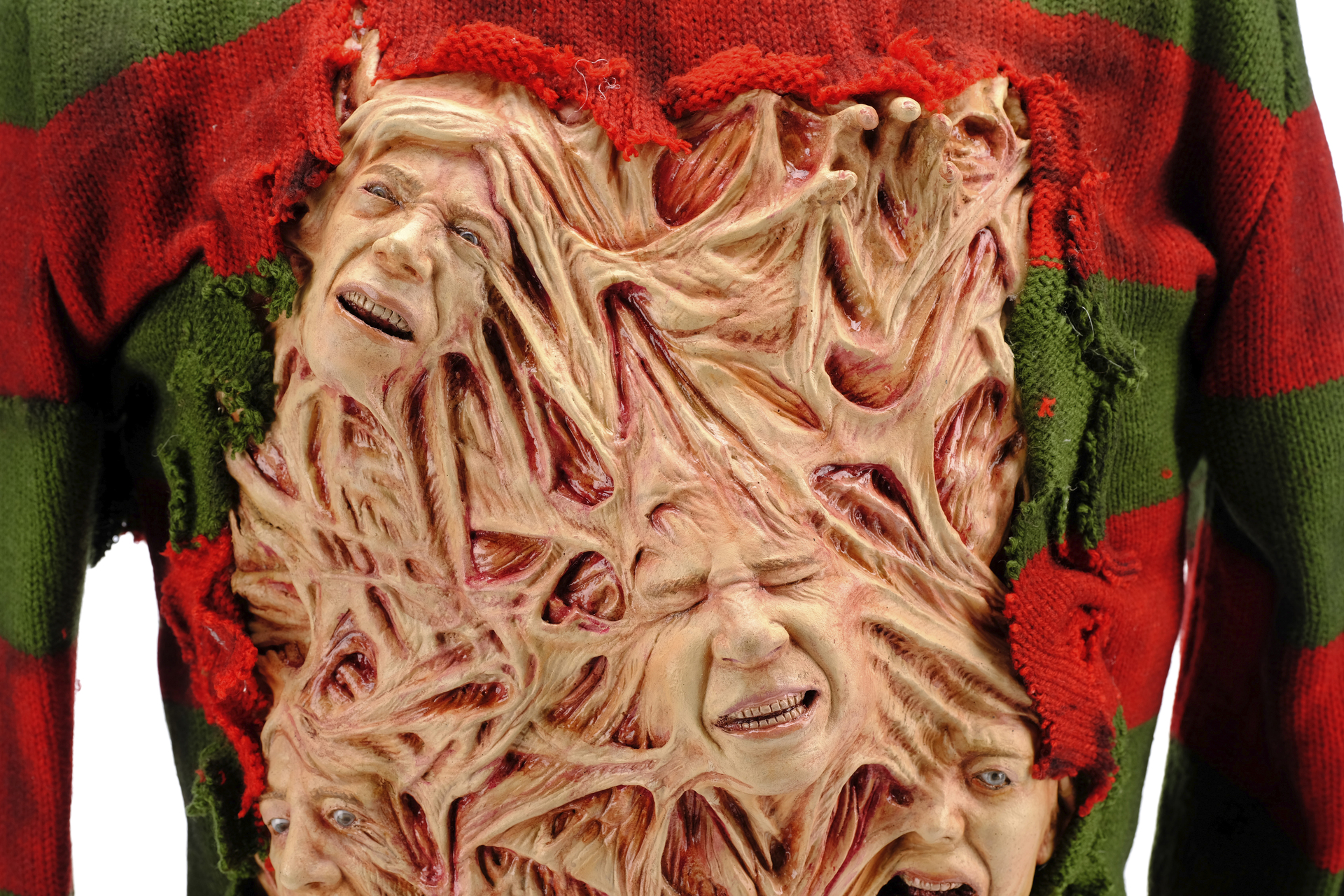
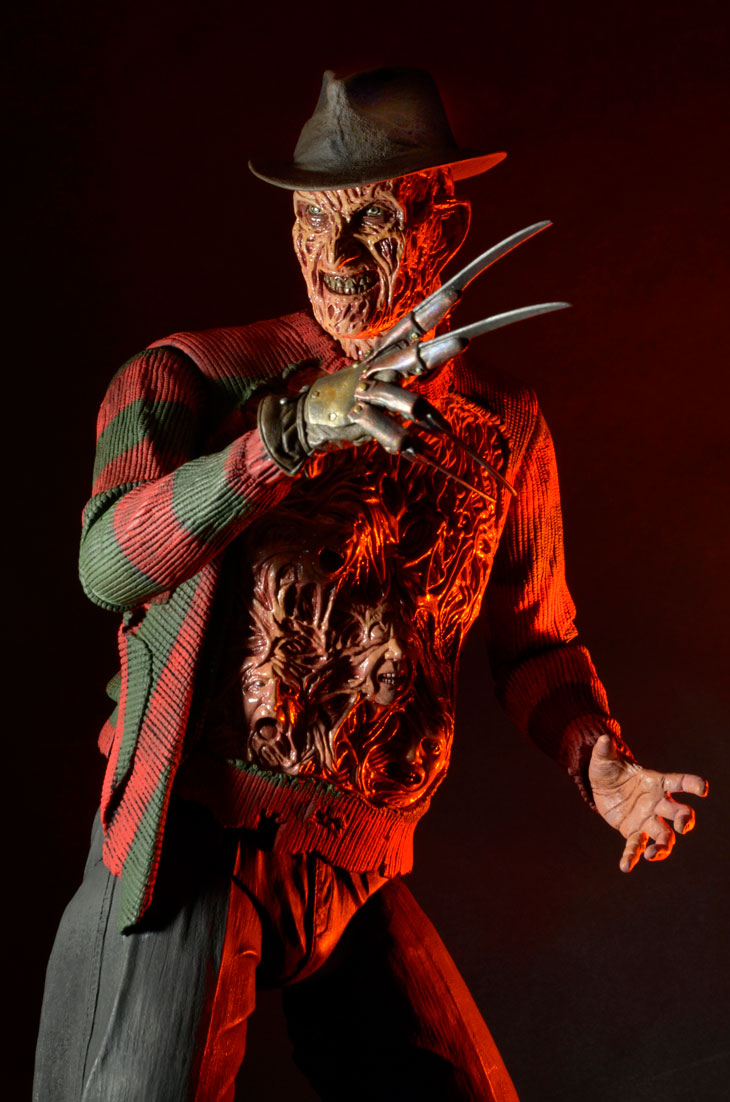
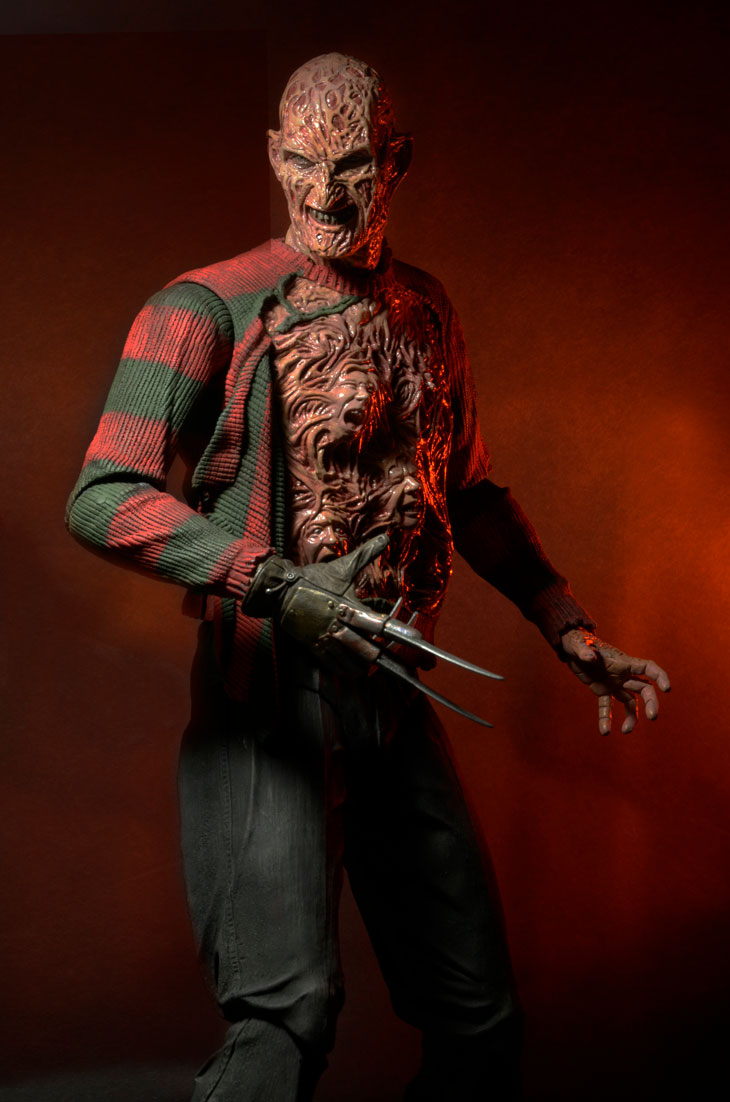
For Freddy's chest of souls, the crew took a cast of Englund's chest and casts of the actors' faces. Small sculpted faces were mounted on the chest and mechanized so they seemed to scream.
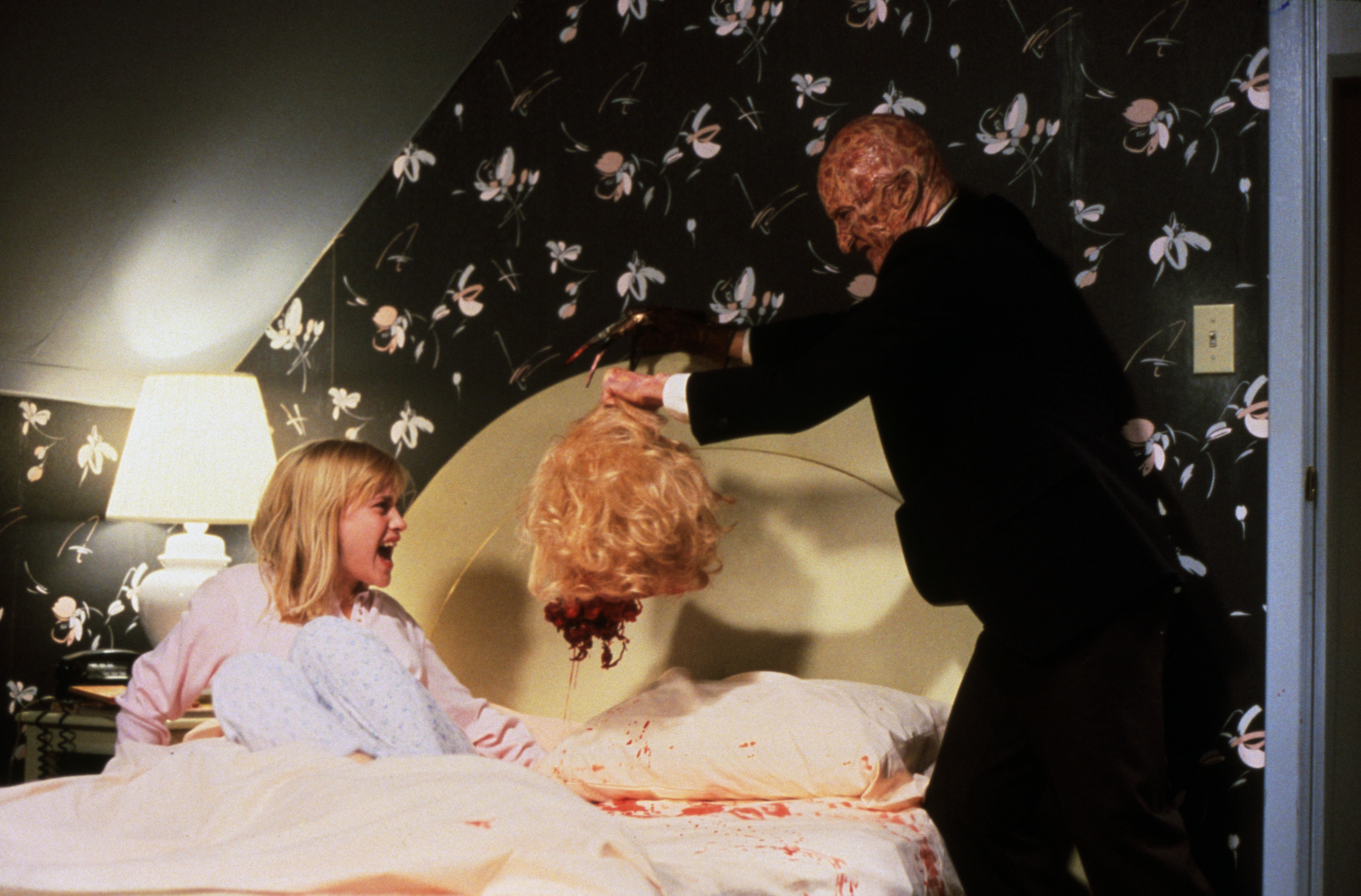
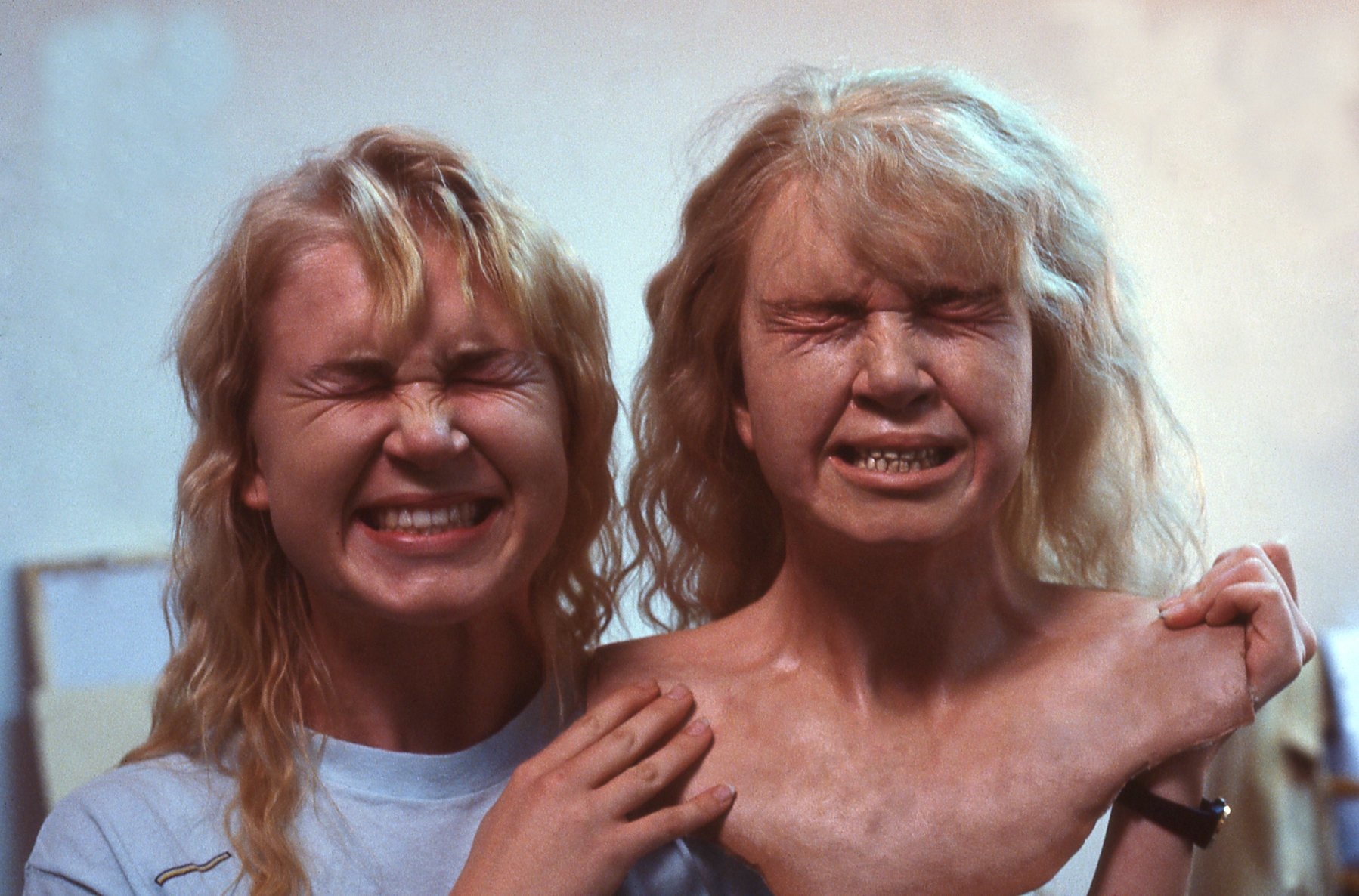
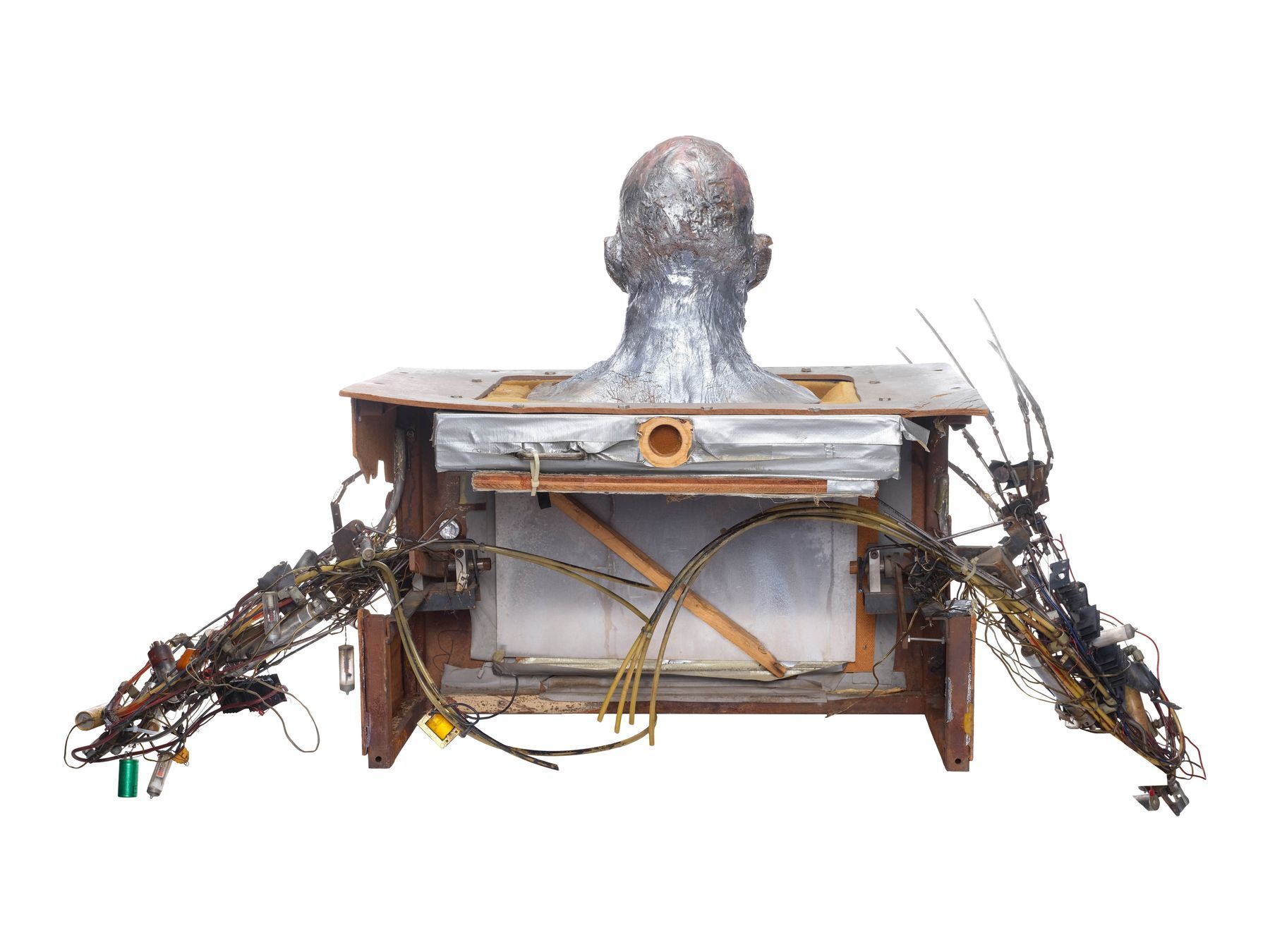
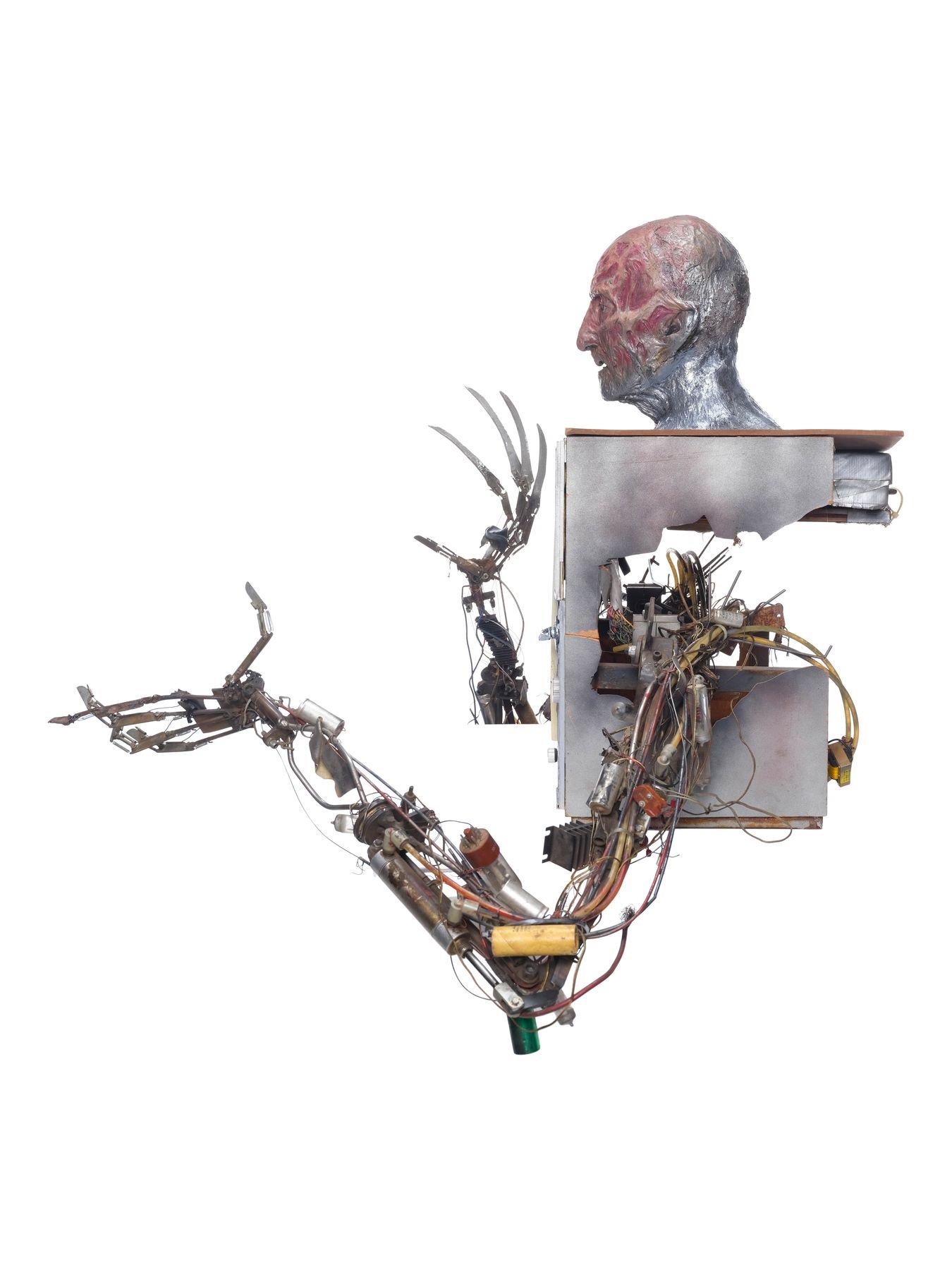
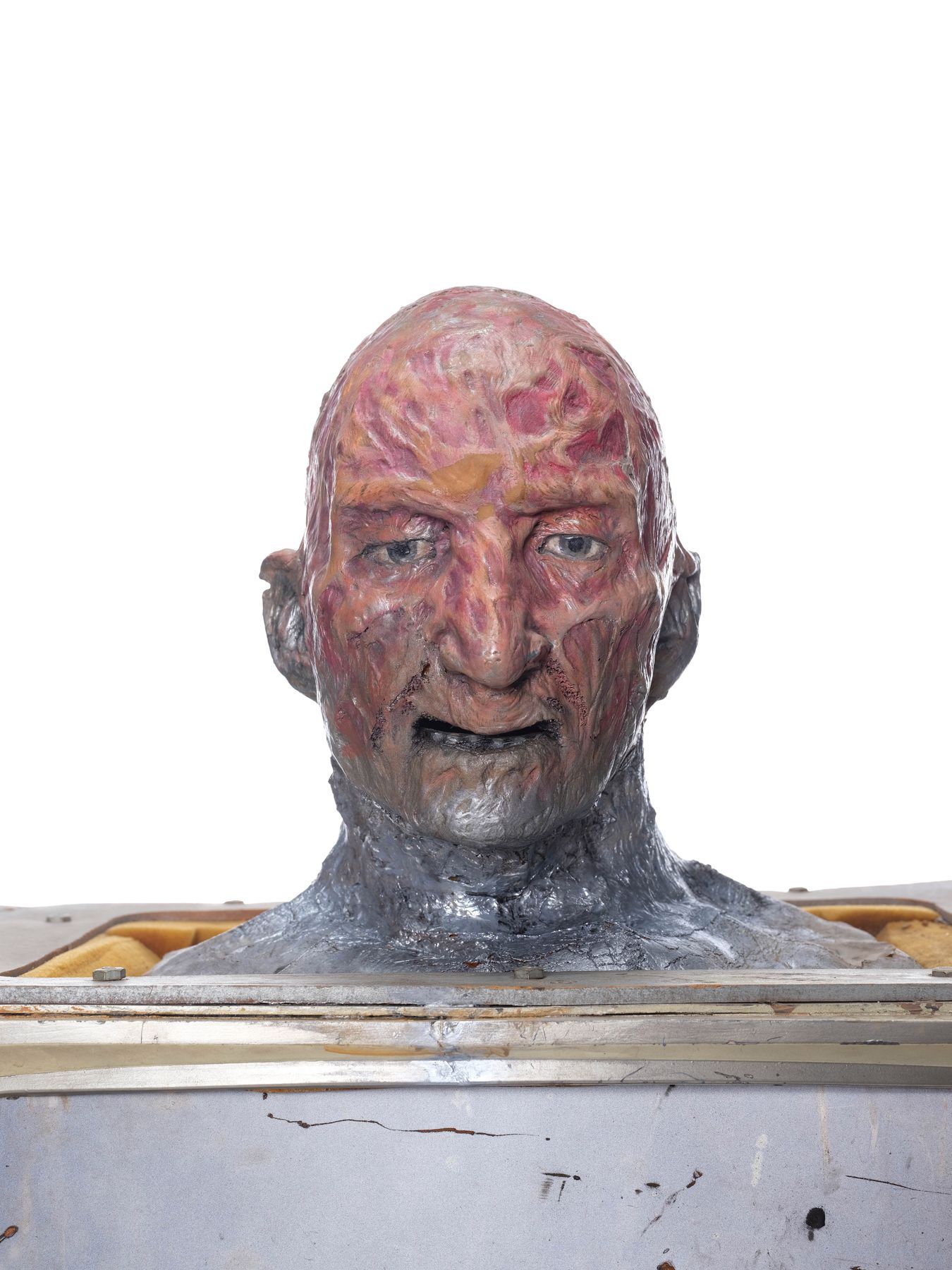
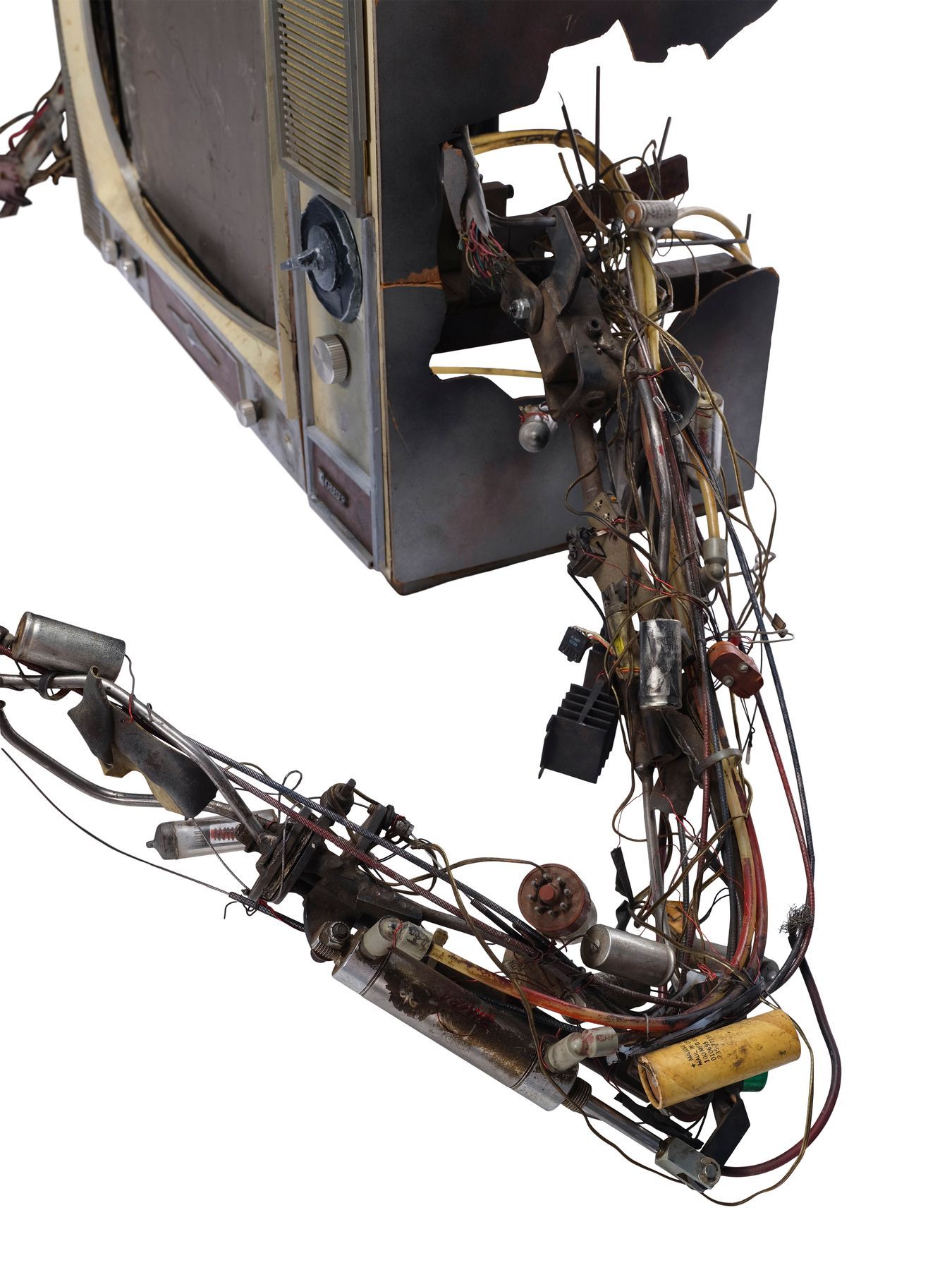
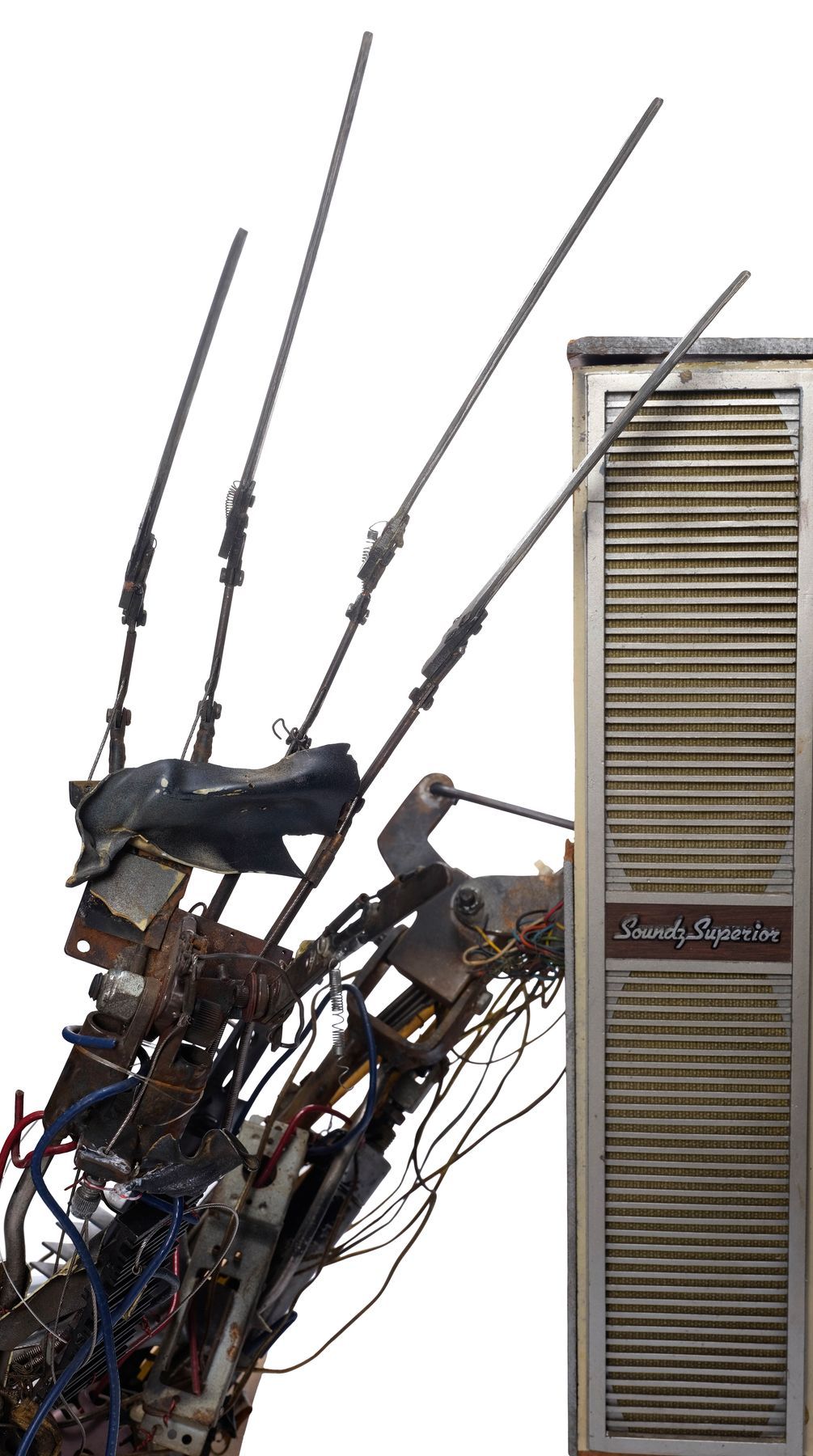
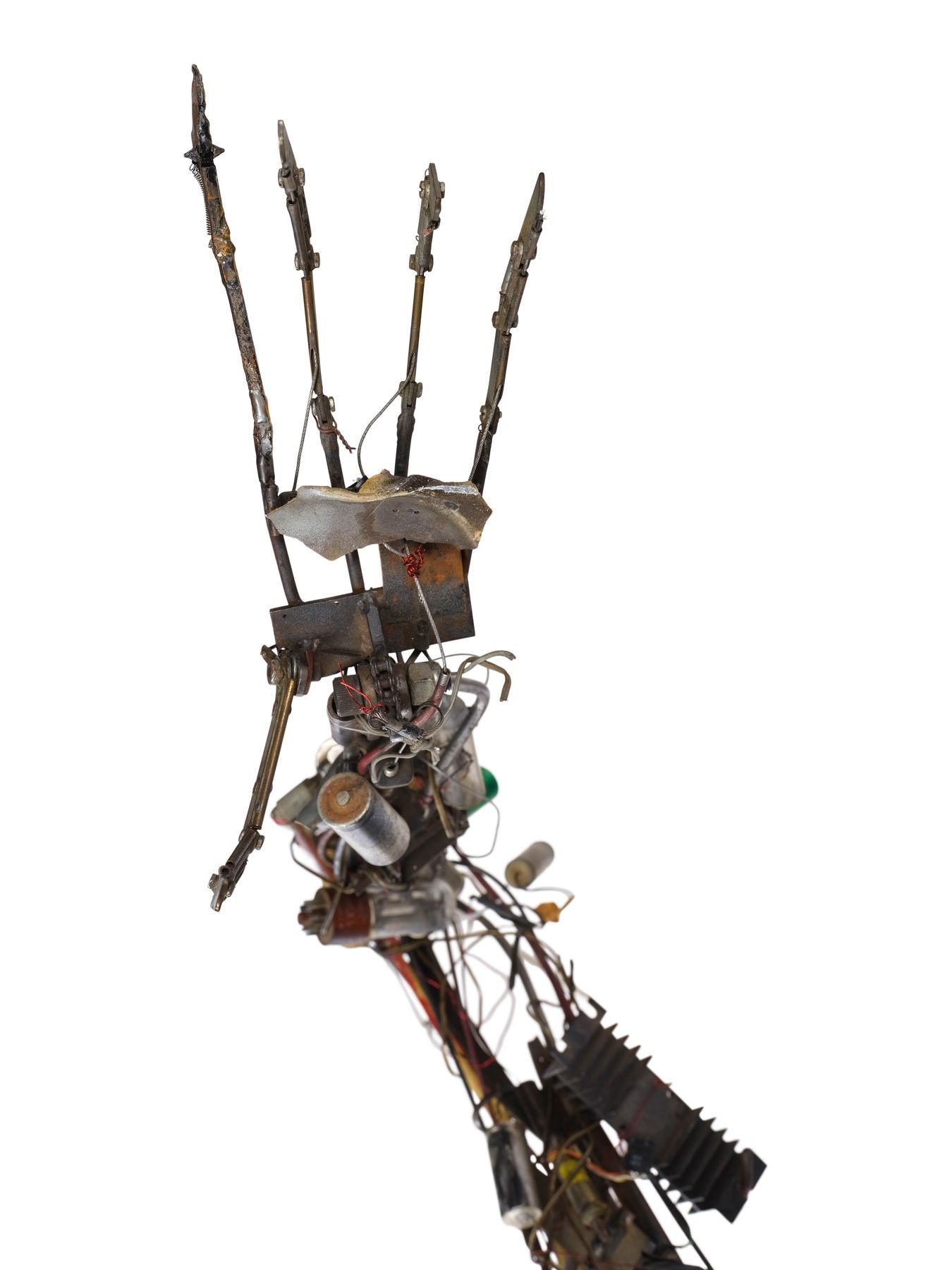
Chesney's crew built five fake televisions for Jennifer's death, each for a different job. One had a rubber membrane so a dummy Freddy head could push through the screen before Englund took over. Another had metal arms with finger blades and real vacuum tubes. Shostrom built a dummy of Penelope Sudrow with flexible fiberglass and urethane limbs and a matching wig. Englund made up the line about prime time on the spot.
For Taryn's death the team first tried to make her head explode after the drug injection. It did not work, so they put withering appliances on Jennifer Rubin instead.
Peter Chesney's crew made the melting tricycle from different grades of polyurethane foam instead of wax. Twenty-six fine wires pulled it down, and the setup took eleven hours.
For the mirror scene, 19 mirrors shattered at once. Chesney rigged an electronic release to slingshot mechanisms hidden behind the glass, and stunt doubles jumped out through some of them. Half the mirrors were tempered glass so the stunt people could come through safely.
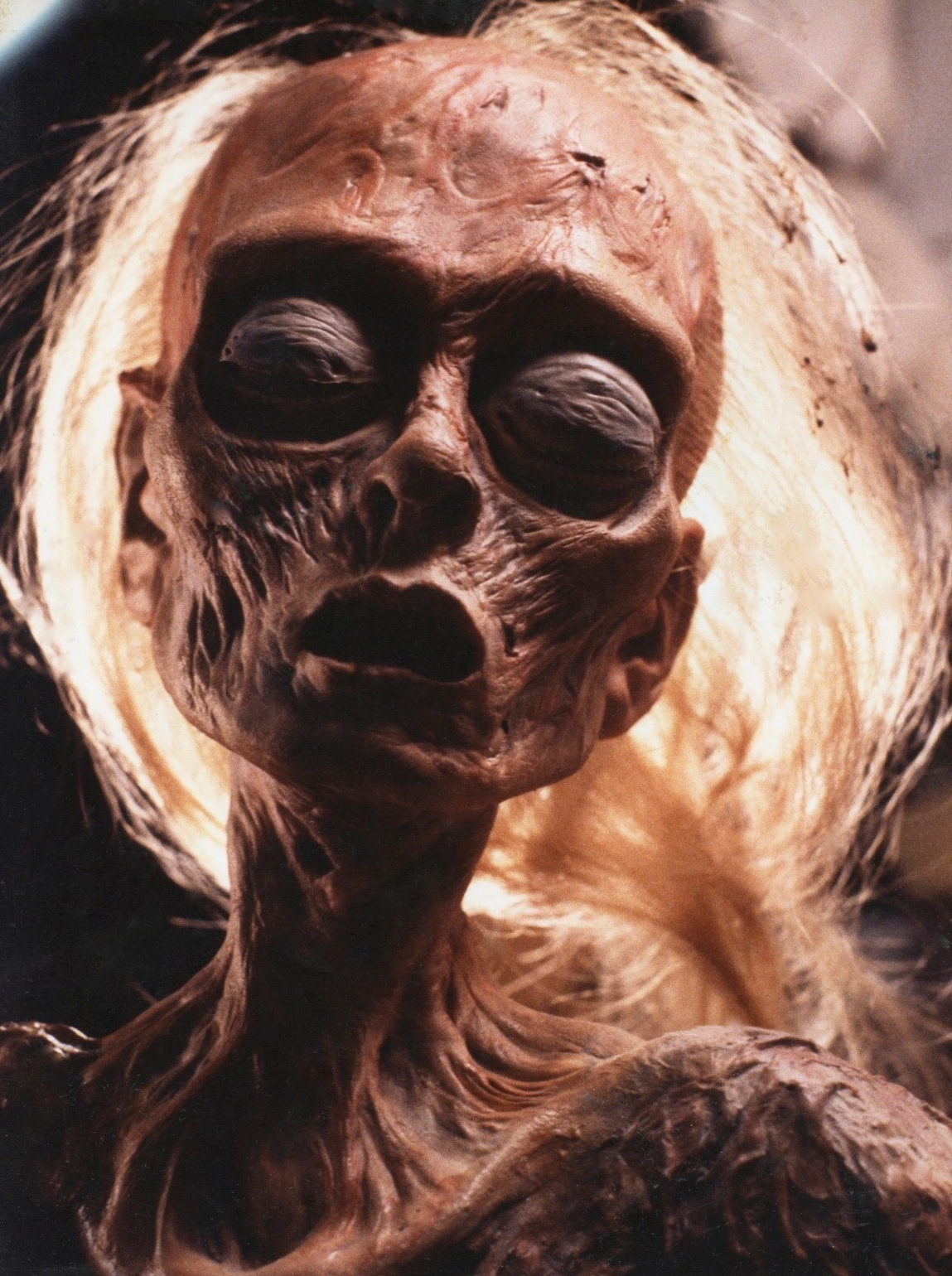
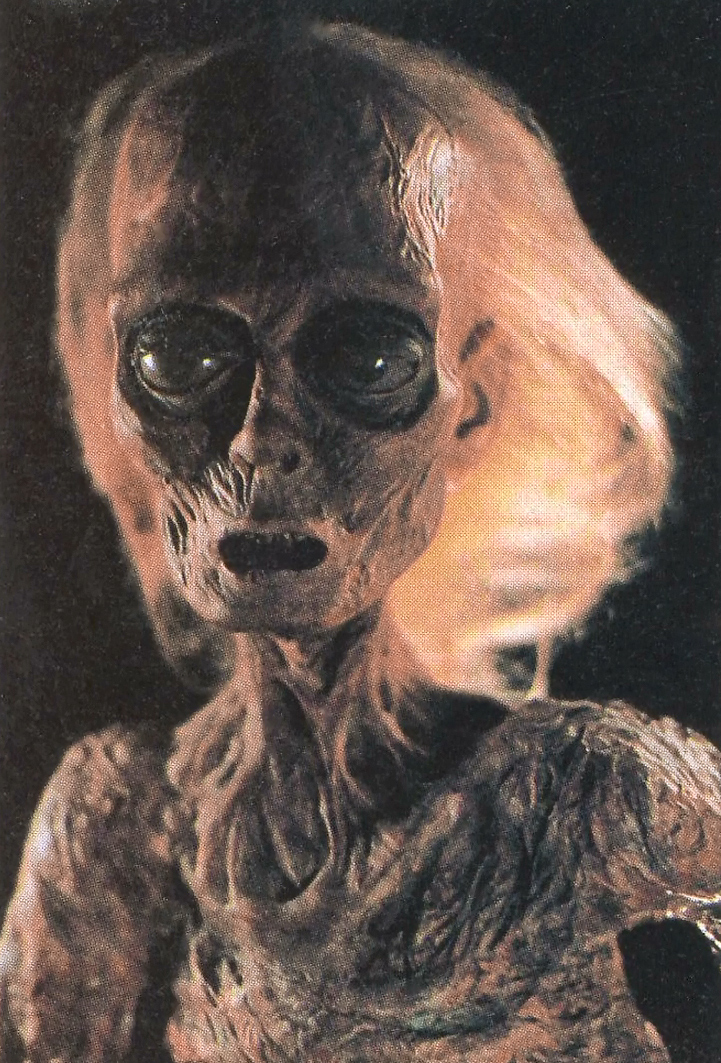
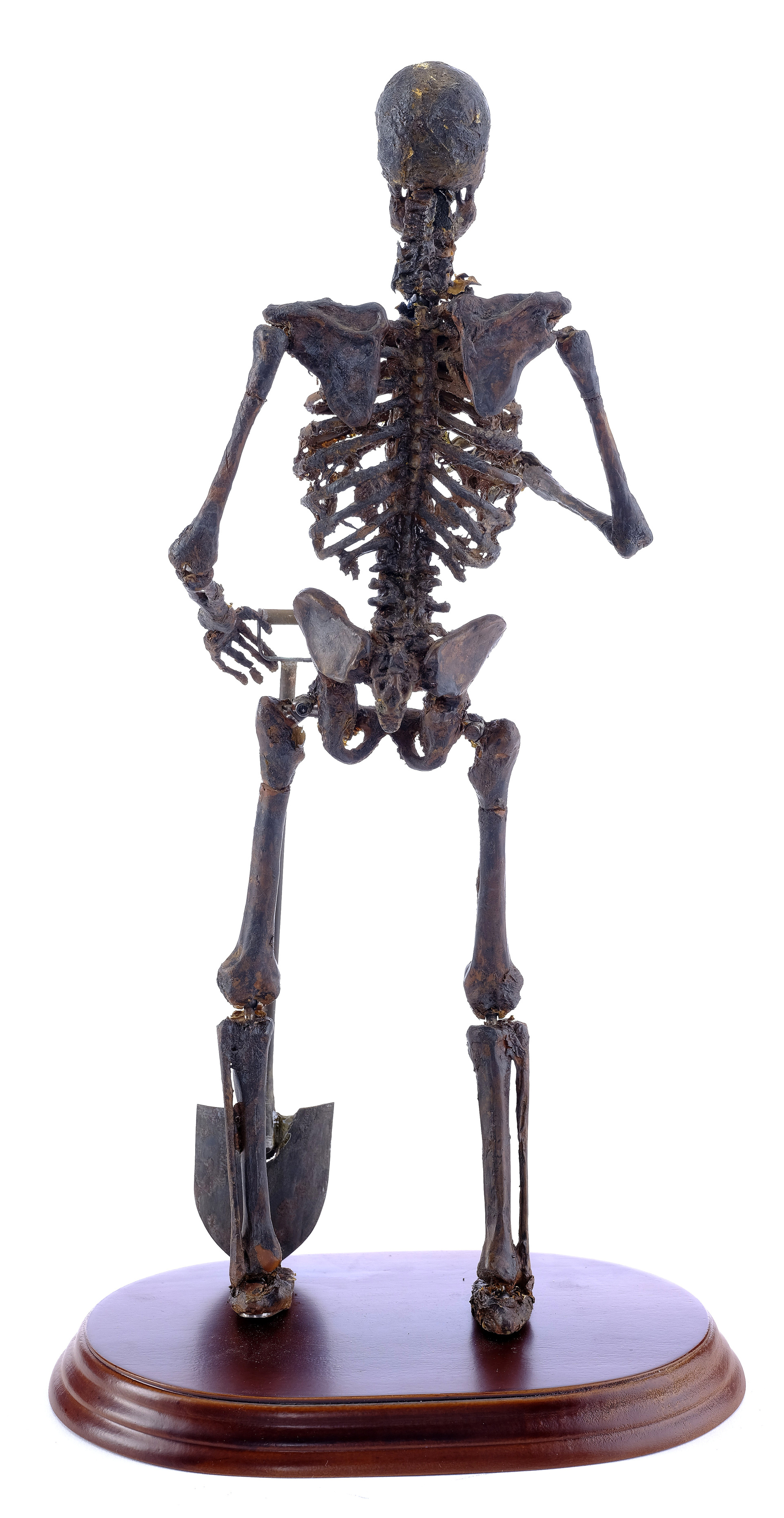
The skeletal girl Kristen holds at the start was first a mechanical corpse Shostrom spent ten weeks building, based on Auschwitz photographs from the Simon Wiesenthal museum. Russell found it too disturbing, and a plainer decayed skeleton was made in a few hours.
Kevin Yagher refined Freddy's Part 2 makeup into an eight-piece application and helped build the approximately ten-foot Freddy Snake, while the Chest of Souls used casts of Robert Englund and the victims with miniature faces mechanically animated to writhe and scream.
Jennifer's television death used multiple purpose-built television props and a flexible membrane so a Freddy head could push physically through the screen before the live performer took over.
The mirror sequence coordinated nineteen breakaway mirrors with an electronic release system and mechanisms positioned behind the glass.
The Freddy glove in this film was a new build, not the original 1984 hero glove, which had been stolen during Part 2. Jim Doyle says the original had a soldered seam on the index-finger blade that later gloves do not have.
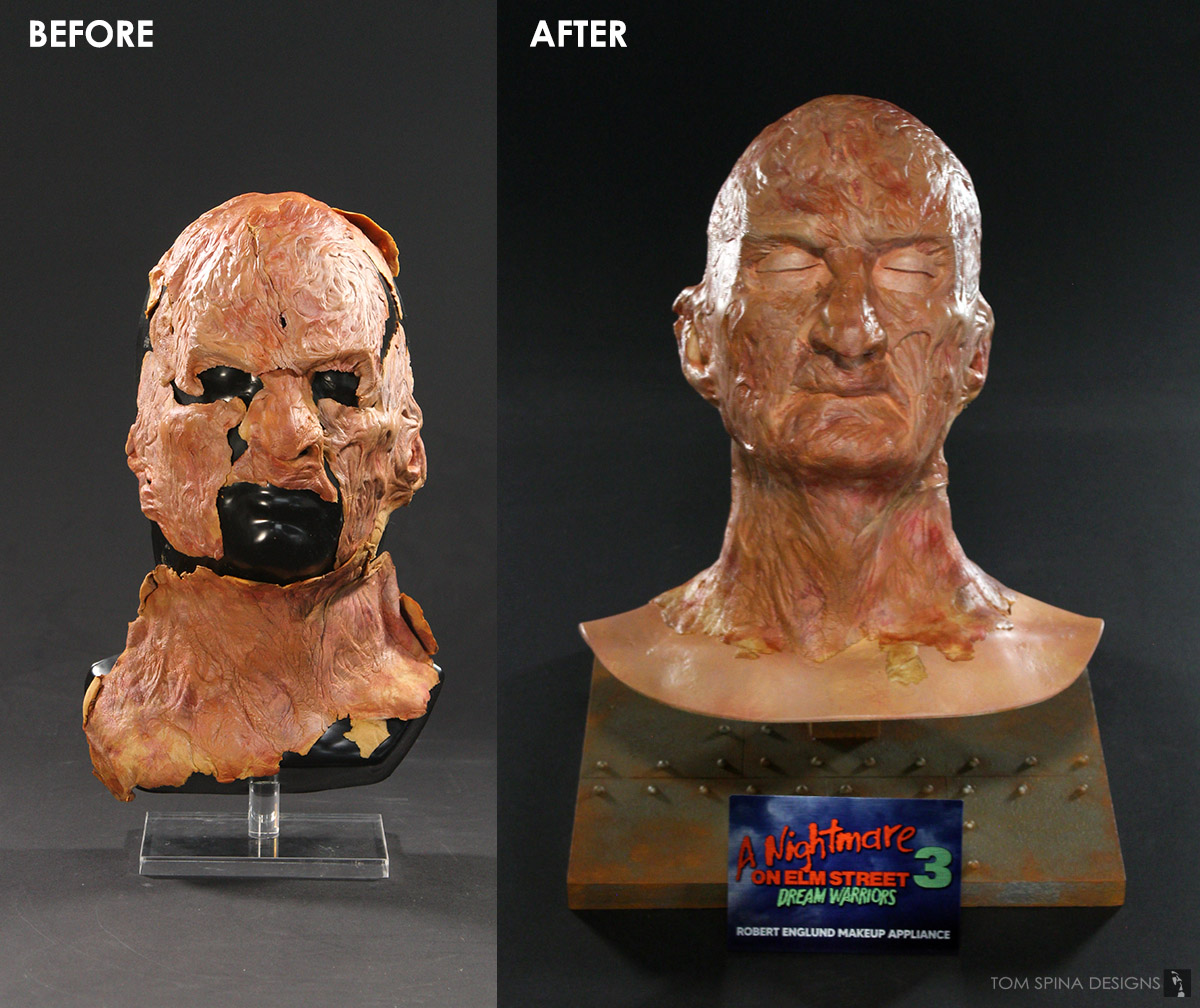
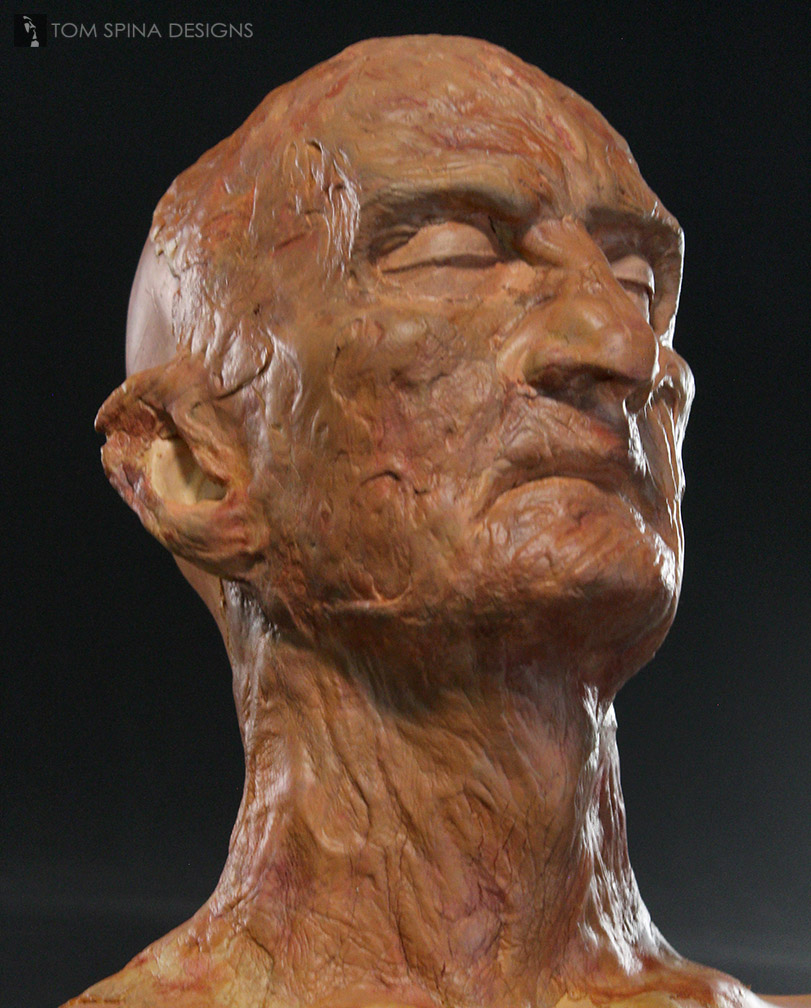
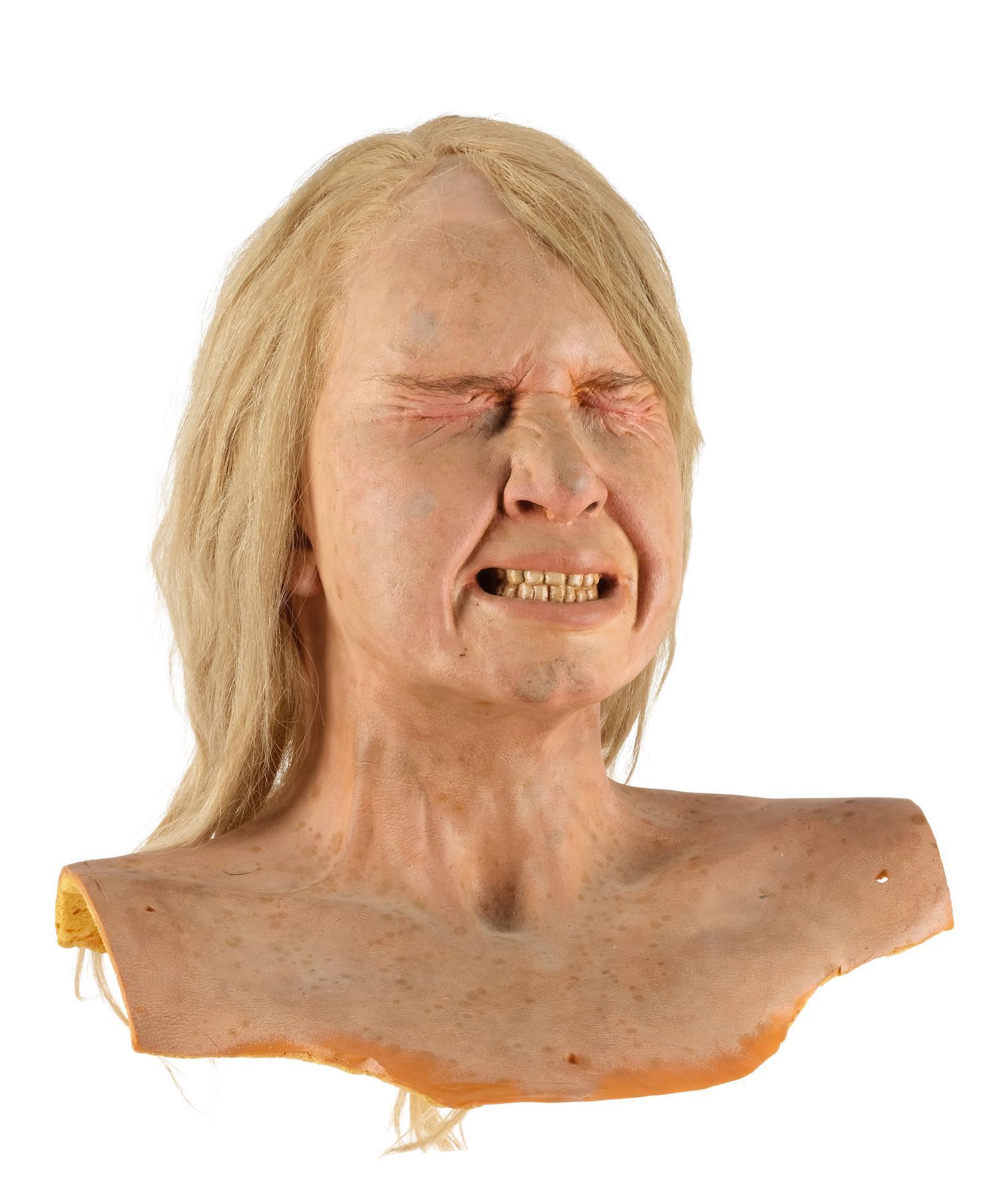
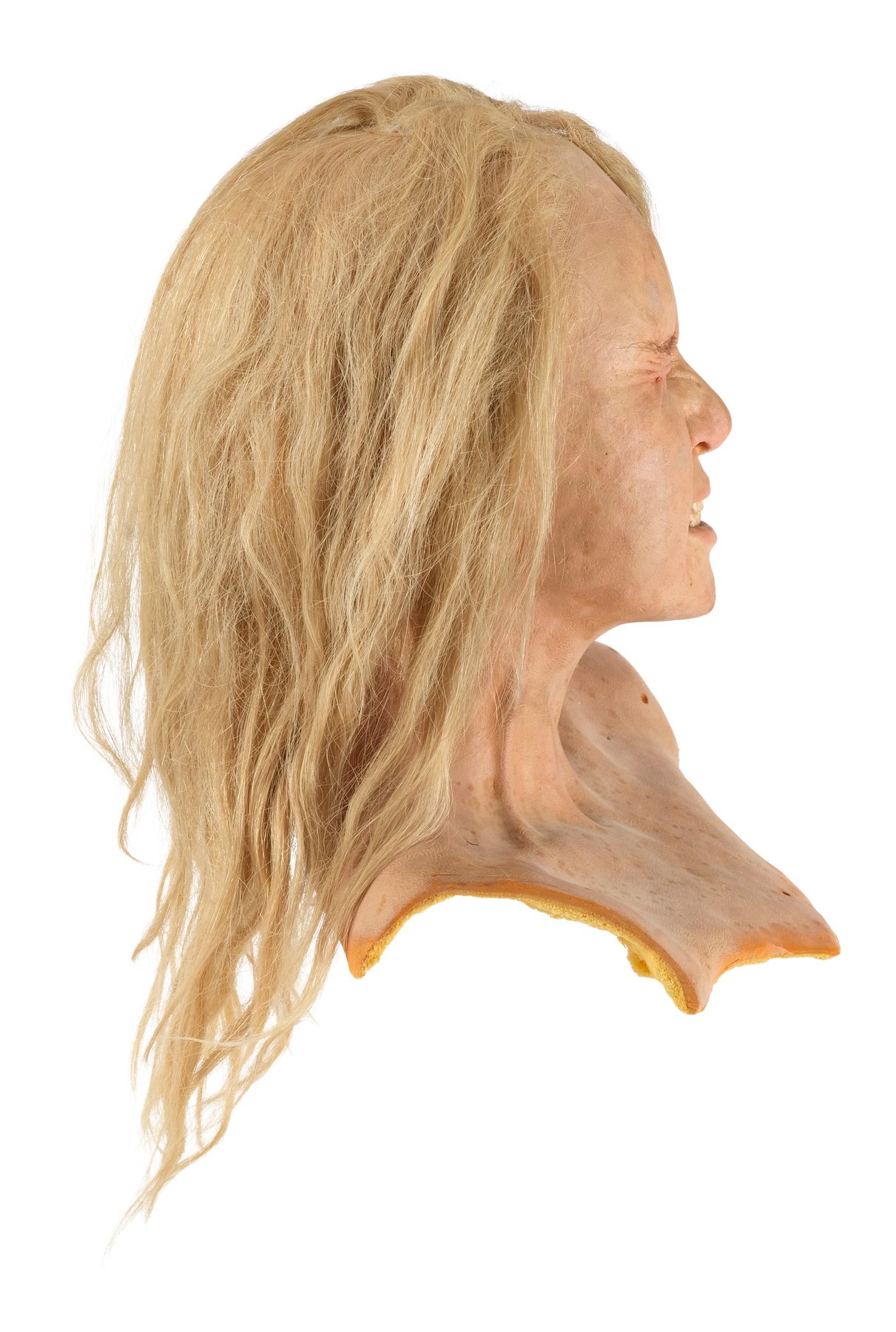
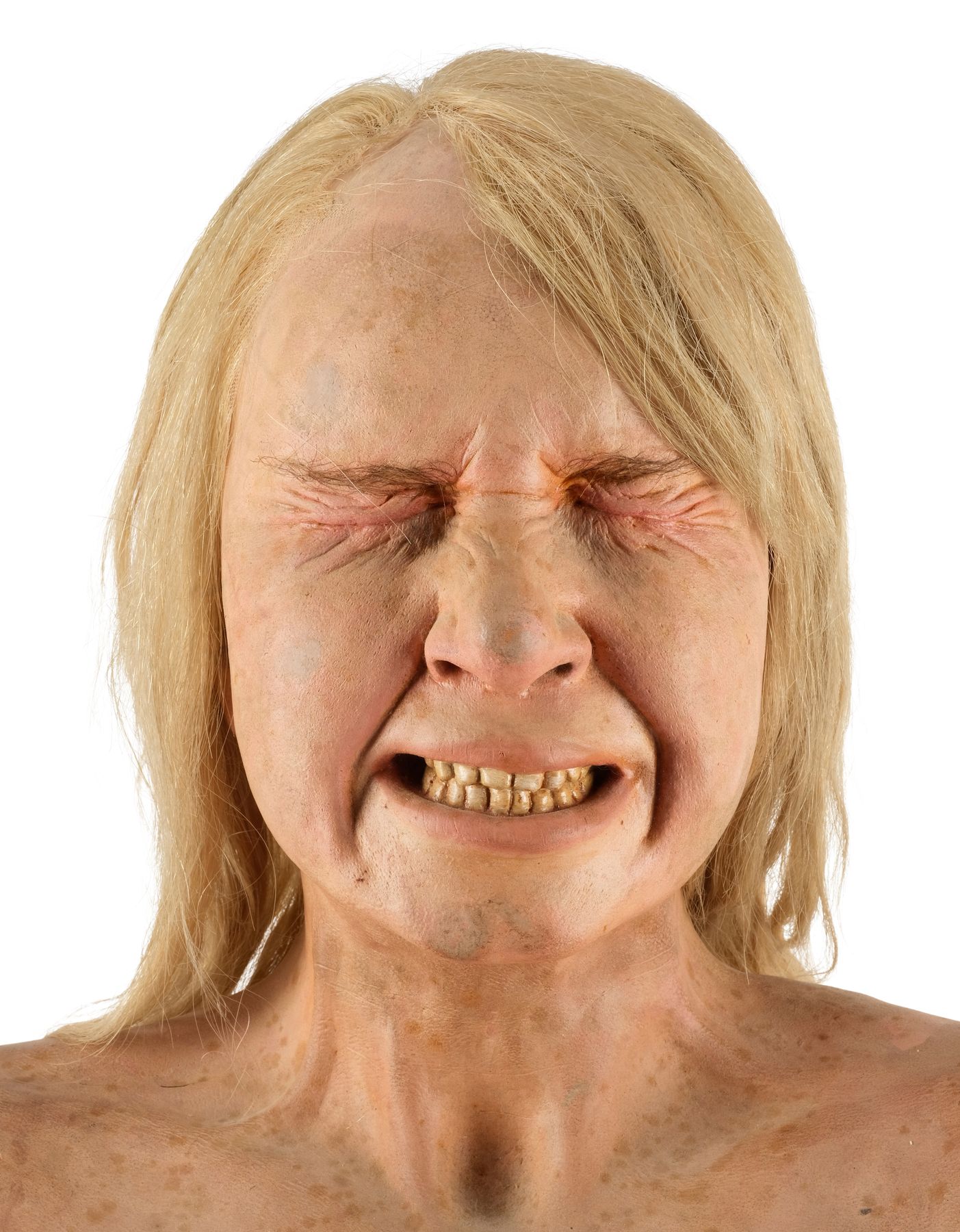
Tom Spina Designs restored and displayed Englund's Dream Warriors foam latex face appliances. Patrick Louie reconstructed the pieces and Melissa Ocampo did the in-painting.
Mark Shostrom may have sneaked a Dream Warriors glove onto the set of Evil Dead II, where he was working at the same time, as a background prop.
Camile Schroeder designed the costumes. Batia Grafka was property master.
The theatrical poster art is by Matthew Peak.
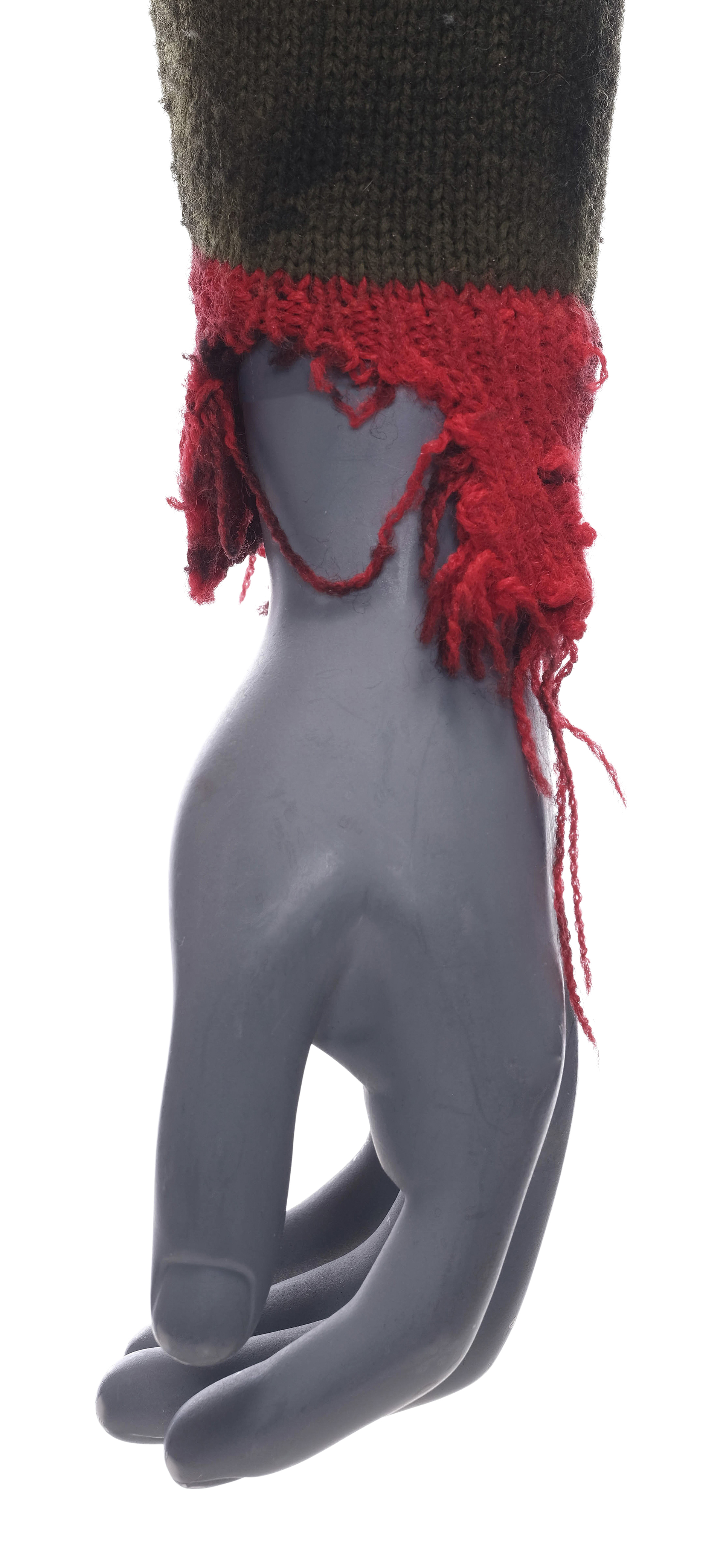
The sequel-era Freddy glove was a later build rather than the original 1984 hero. Crew recollections identify the original by its repaired index-finger blade seam, making glove continuity a trackable prop distinction across the early sequels.
The Westin Hills effects package included dedicated TV shells, a giant Freddy Snake puppet and the mechanical Chest of Souls, all built as physical character/set pieces rather than generic dressing.
1987 · production-made / screen-matched artifact
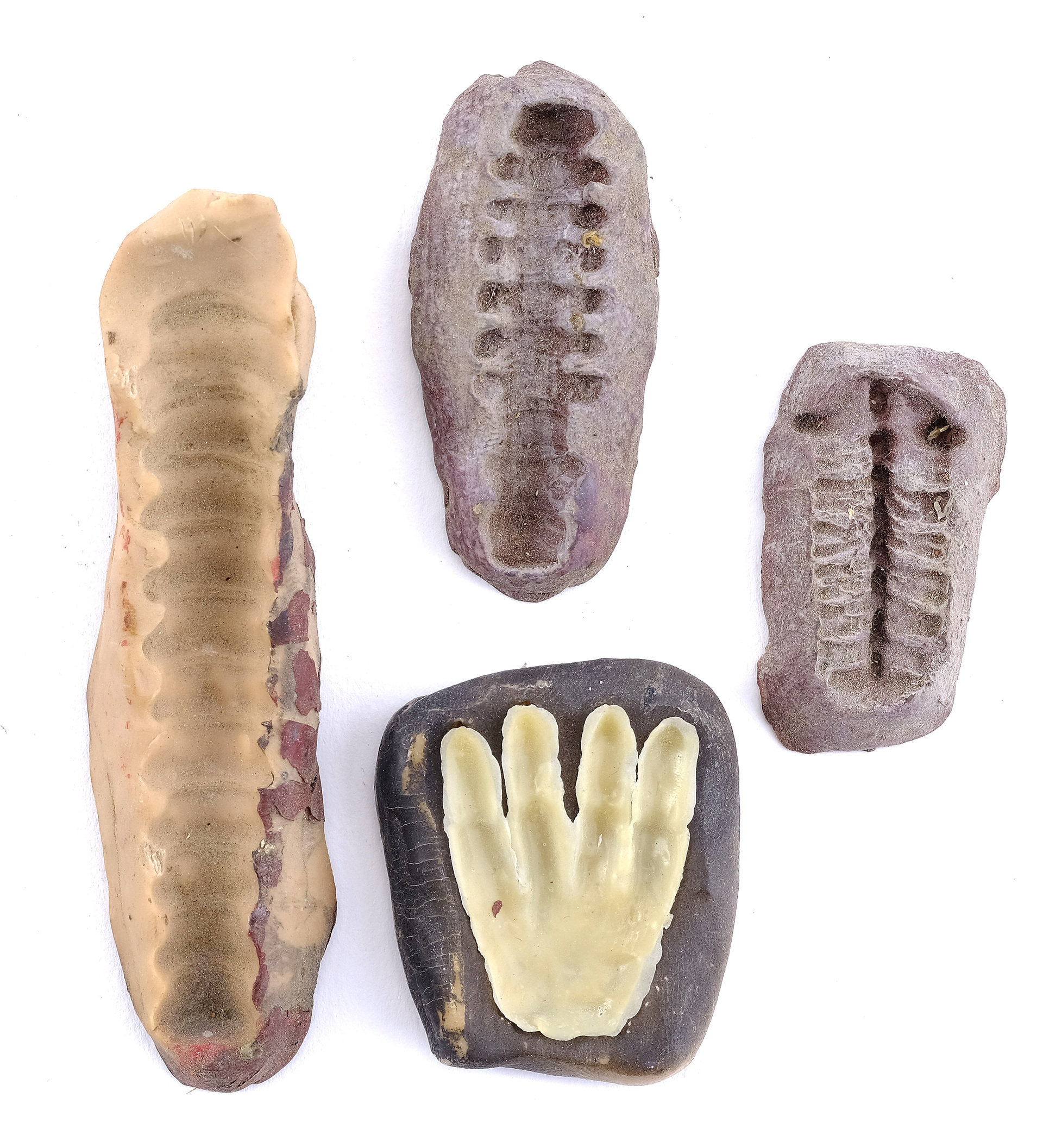
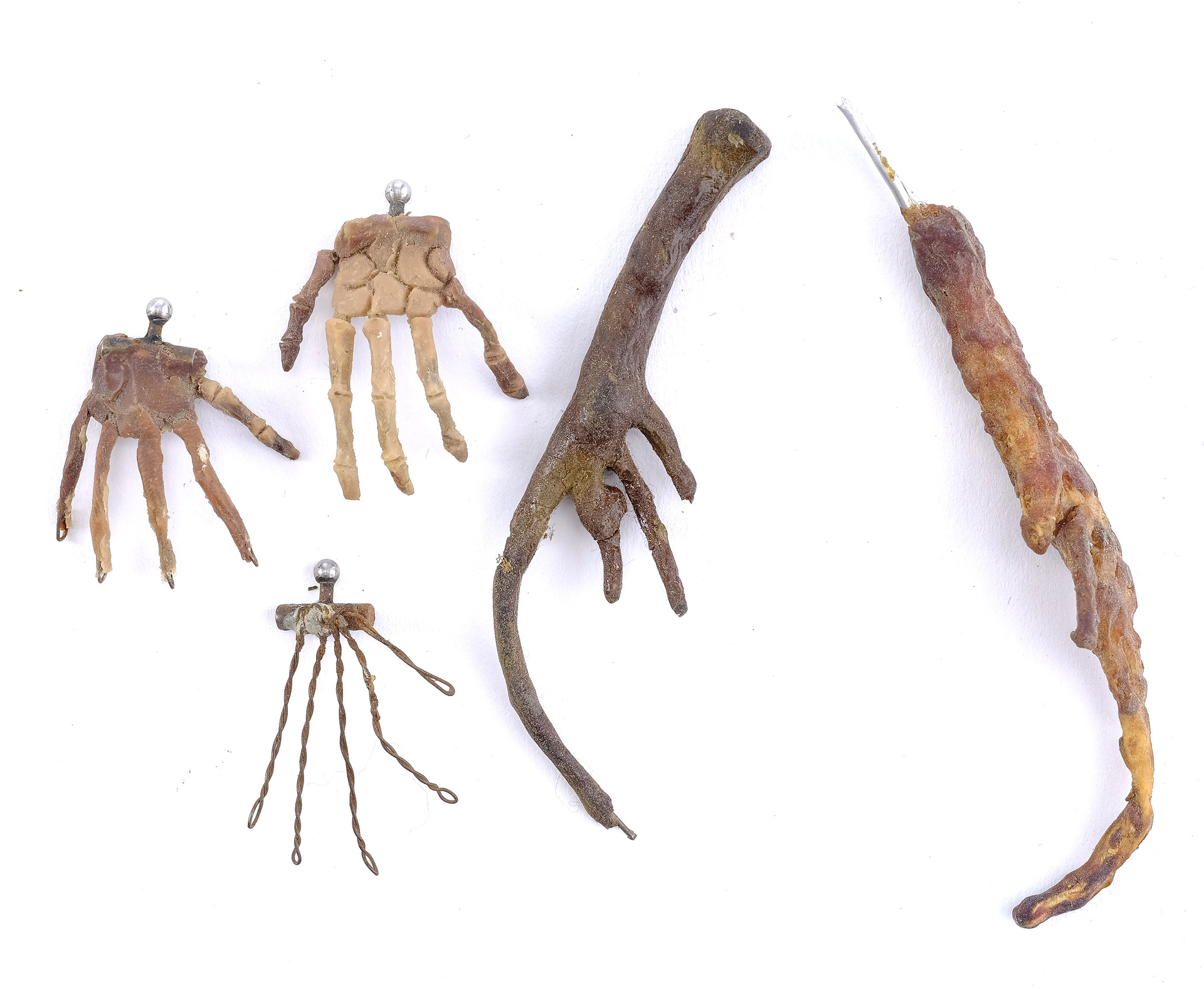
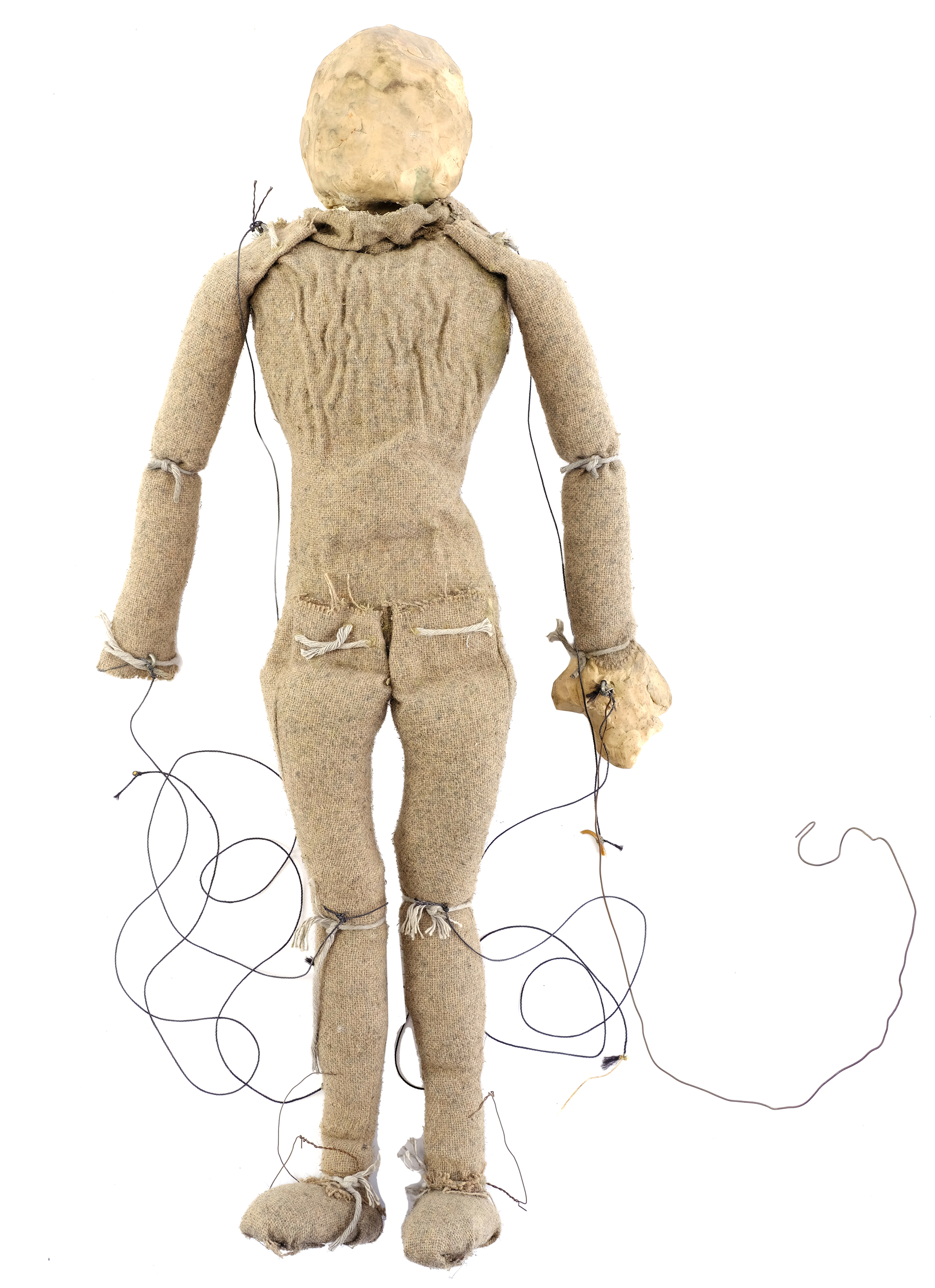
1987 · production-made / screen-matched artifact
Angelo Badalamenti, known for his work with David Lynch, wrote the score. Varese Sarabande released the album about three weeks before the film opened, running 32 minutes 2 seconds. The Nightmare on Elm Street Companion lists a 21-track Varese CD on June 1, 1990. Andrew Barrett and Joseph Turrin orchestrated, Earl Ghaffari edited the music, and Kevin Benson supervised. Ken Harrison and Don Dokken are credited with additional music, and Charles Bernstein's original Nightmare music is also used.
'Dream Warriors' written by George Lynch and Jeff Pilson, performed by Dokken. Released as a single February 18, 1987, on Elektra, it reached number 22 on Billboard's Album Rock Tracks chart and number 26 on the AOR Tracks chart. It closes Dokken's album Back for the Attack. The end credits list it as 'Dream Warrior.'
'Into the Fire' performed by Dokken, used over the opening in theaters and on the DVD.
The original VHS opening used a hard rock instrumental version of Joe Lamont's 'Quiet Cool' in place of 'Into the Fire.'
The Dream Warriors music video mixes film footage of Patricia Arquette with new footage of Englund as Freddy and the band, who save Kristen with rock music. Kristen's model house in the video was built from Dokken fanzines. VH1 ranked it the top killer 1980s heavy metal horror movie video in 2015.
The song's success led New Line to use heavy metal songs in later sequels. Dokken's manager Cliff Burnstein, who knew Craven, got the band a copy of the script to write from.
Varese Sarabande put five cues on Freddy's Favorites: Best of A Nightmare on Elm Street (October 12, 1993), and the score is in Varese's 8-CD series box (October 16, 2015). Death Waltz put it in the Box of Souls vinyl set (October 25, 2017).
Death Waltz Recording Co., Mondo and WaterTower Music released an expanded 2-LP in November 2024 on Hypnocil Dream Haze and black vinyl, with the original album on disc one and unreleased cues on disc two, art by Mike Saputo and liner notes by Ira Heiden.
Vinyl
2025-09-30 · 4K Ultra HD
1987 · film novelization collection
1992 · hardcover film adaptation
Trick or Treat Studios · prop replica
Trick or Treat Studios · replica glove
NECA · accessory/diorama
NECA · accessory/diorama
CavityColors · apparel
CavityColors · apparel
CavityColors · apparel
CavityColors · apparel
CavityColors · apparel
CavityColors · apparel
CavityColors · apparel
CavityColors · apparel
Hot Topic · apparel
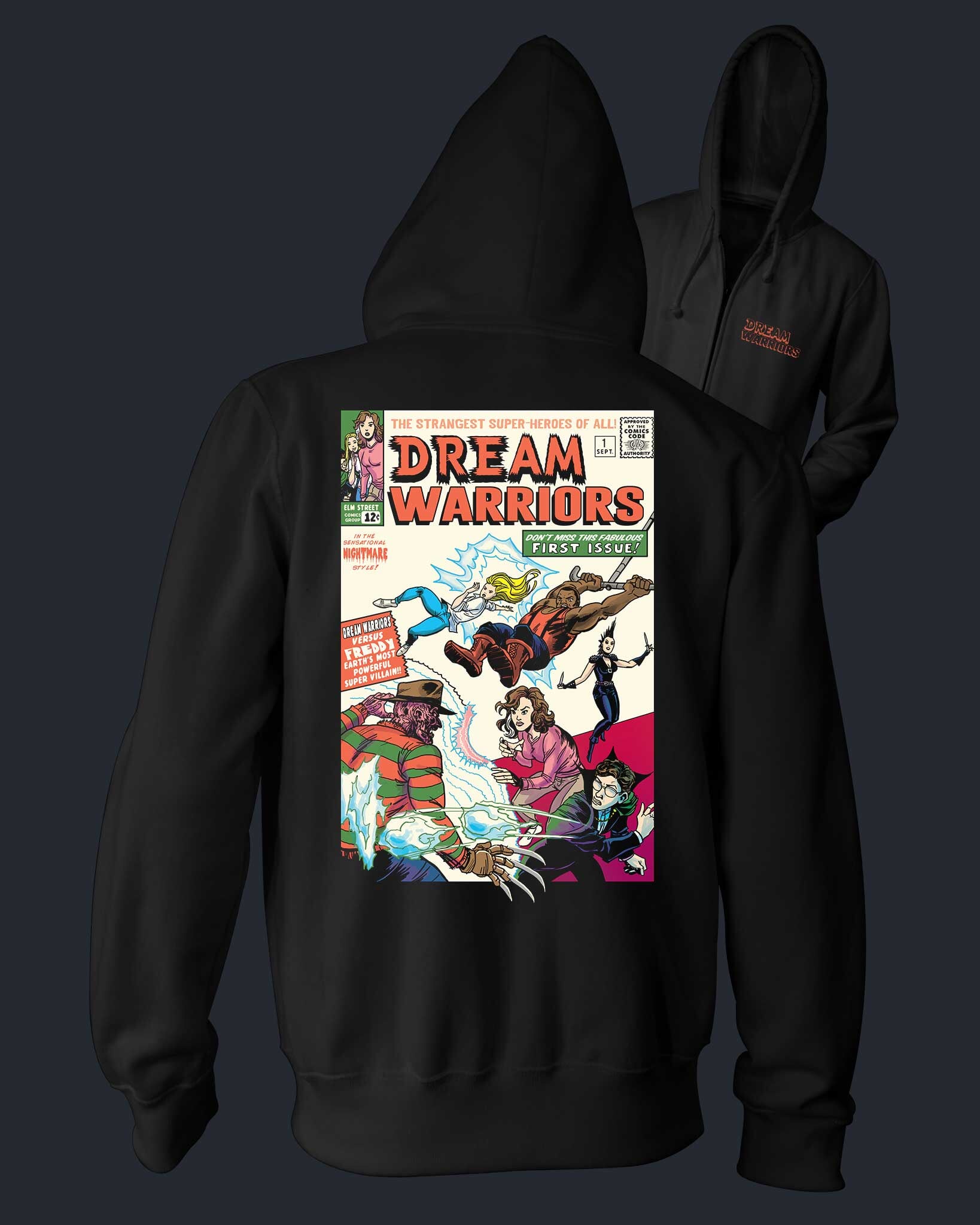
Fright-Rags · apparel / hoodie
Warner Bros. Entertainment