A Nightmare on Elm Street 5: The Dream Child press kit
1989 · studio publicity kit
- Contents
- press-kit notes PDF; glossy photos

A Nightmare on Elm Street
1989
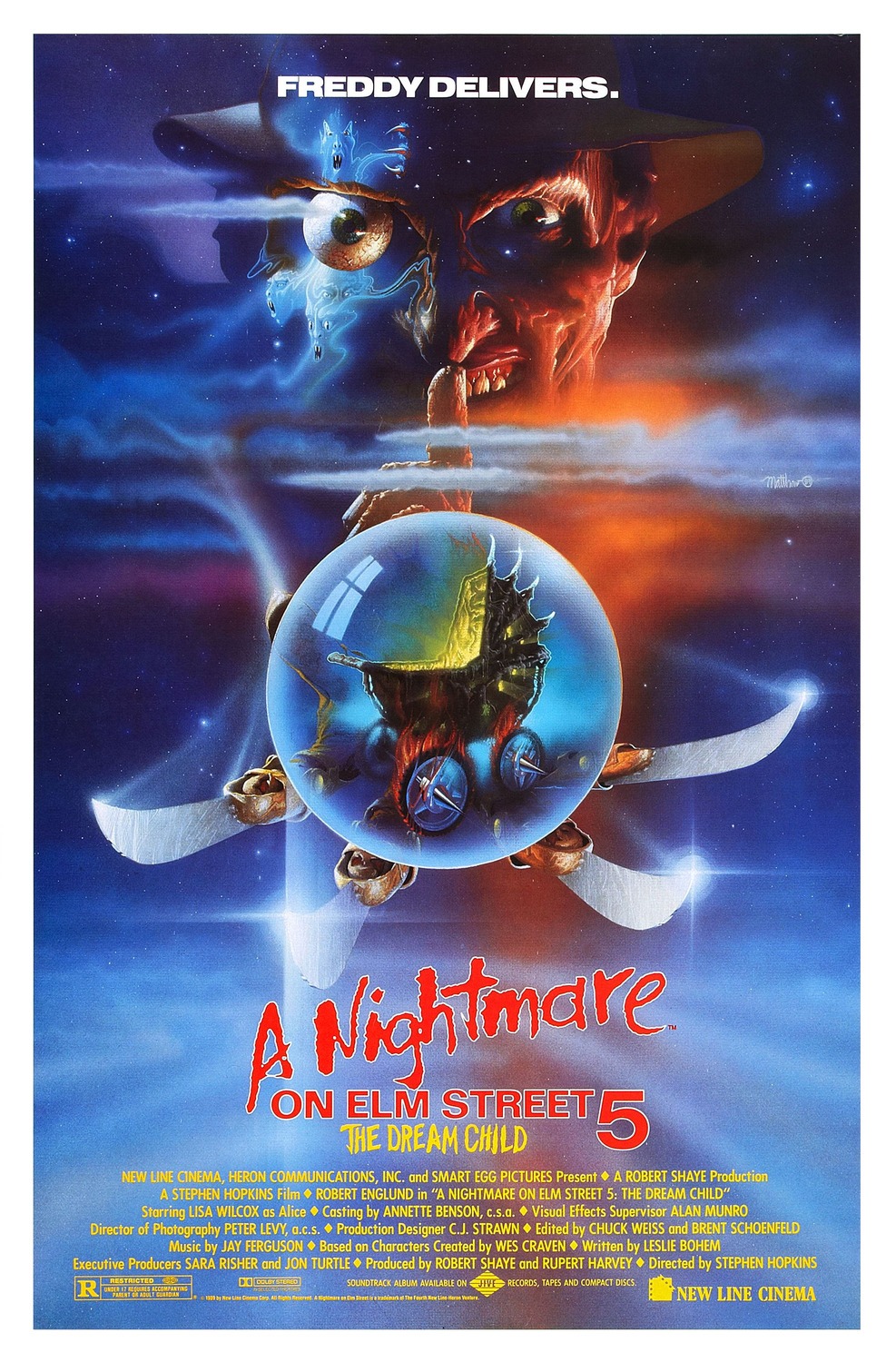
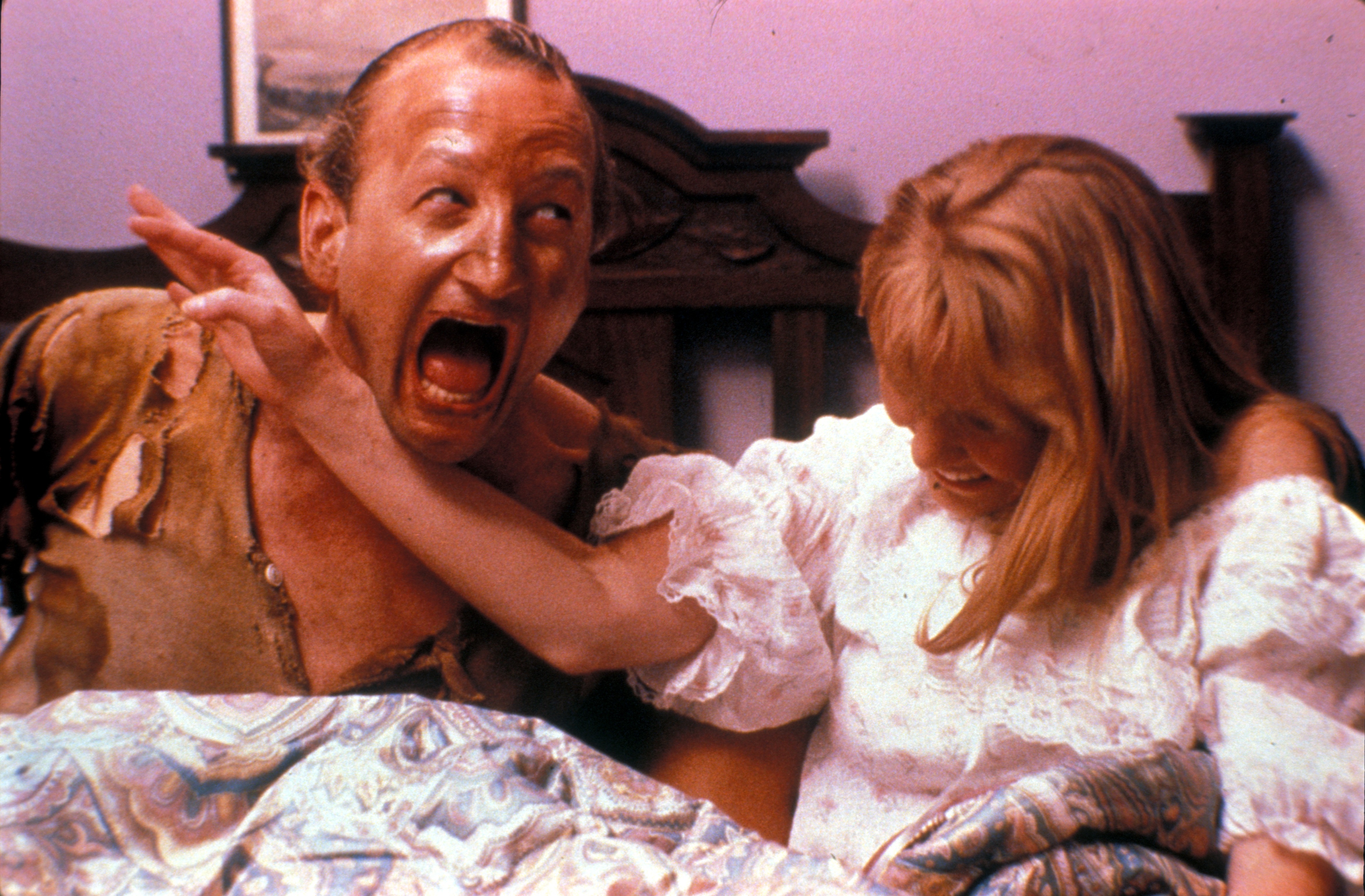
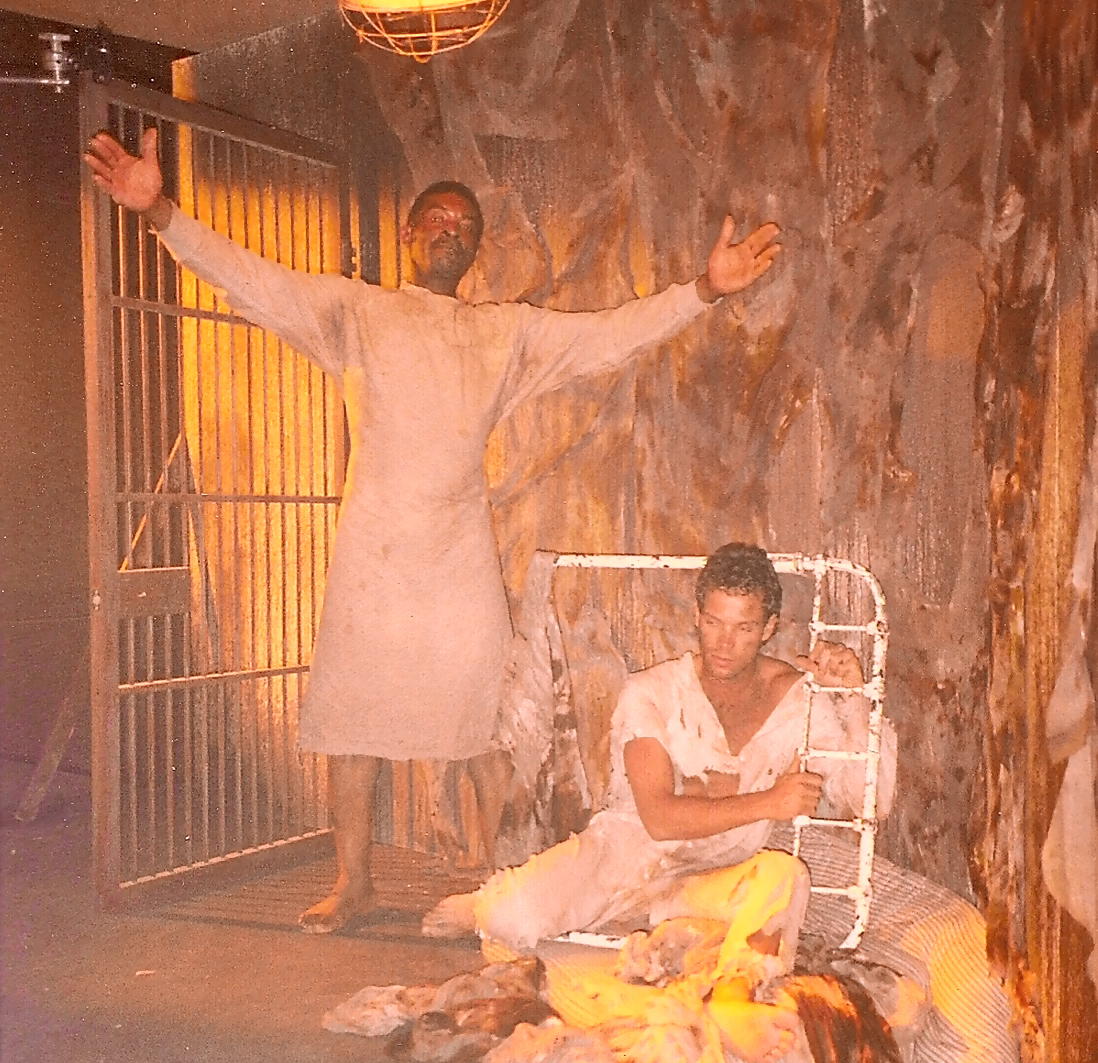
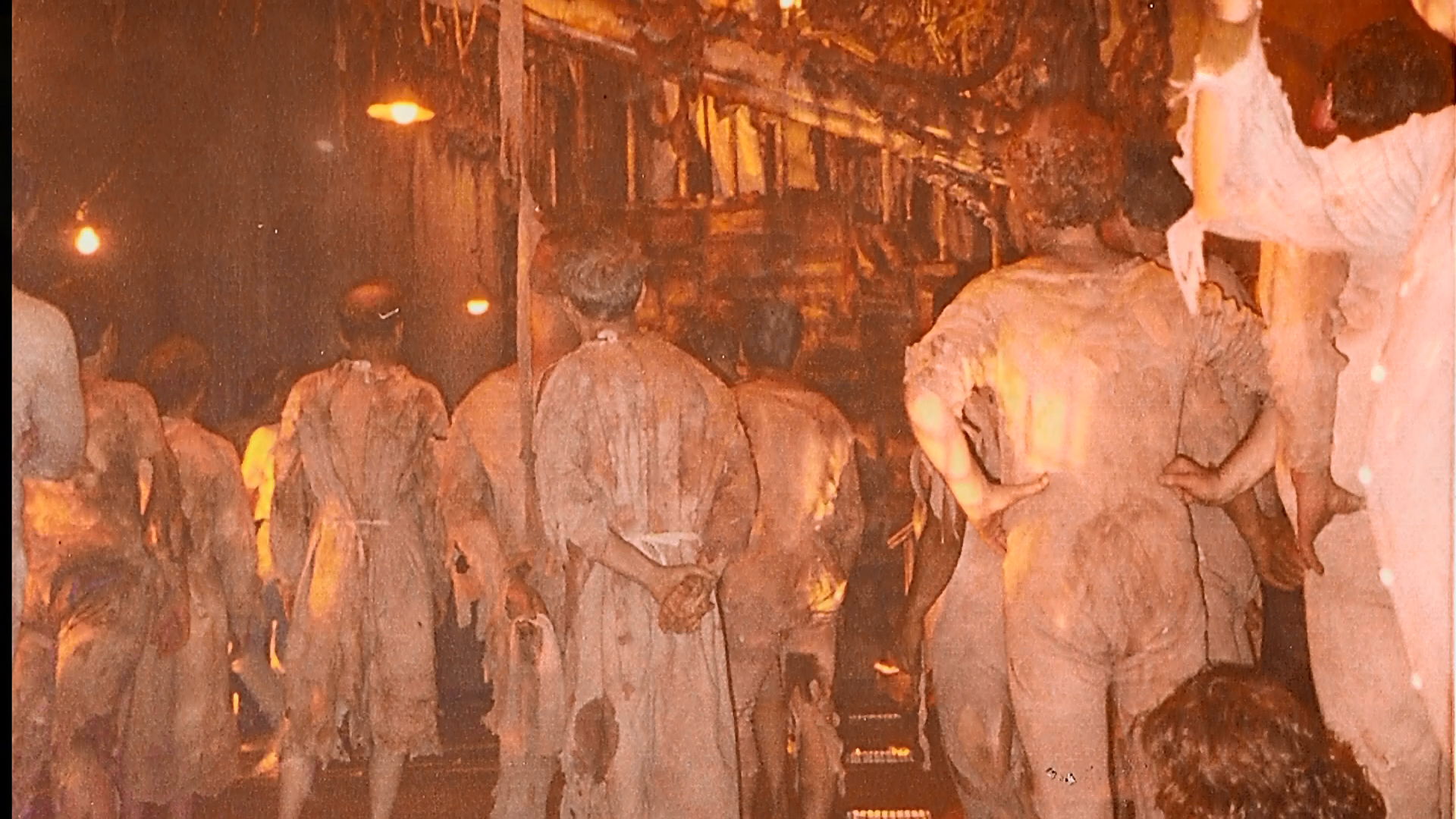
About a year after beating Freddy, Alice Johnson is dating Dan Jordan. After they sleep together, Alice takes a shower and the stall floods. She breaks out and lands in an old asylum, where she is suddenly wearing a nun's habit with the name tag Amanda Krueger. Orderlies lock her in a room full of male inmates who close in on her. She wakes up next to Dan, who briefly turns into Freddy.
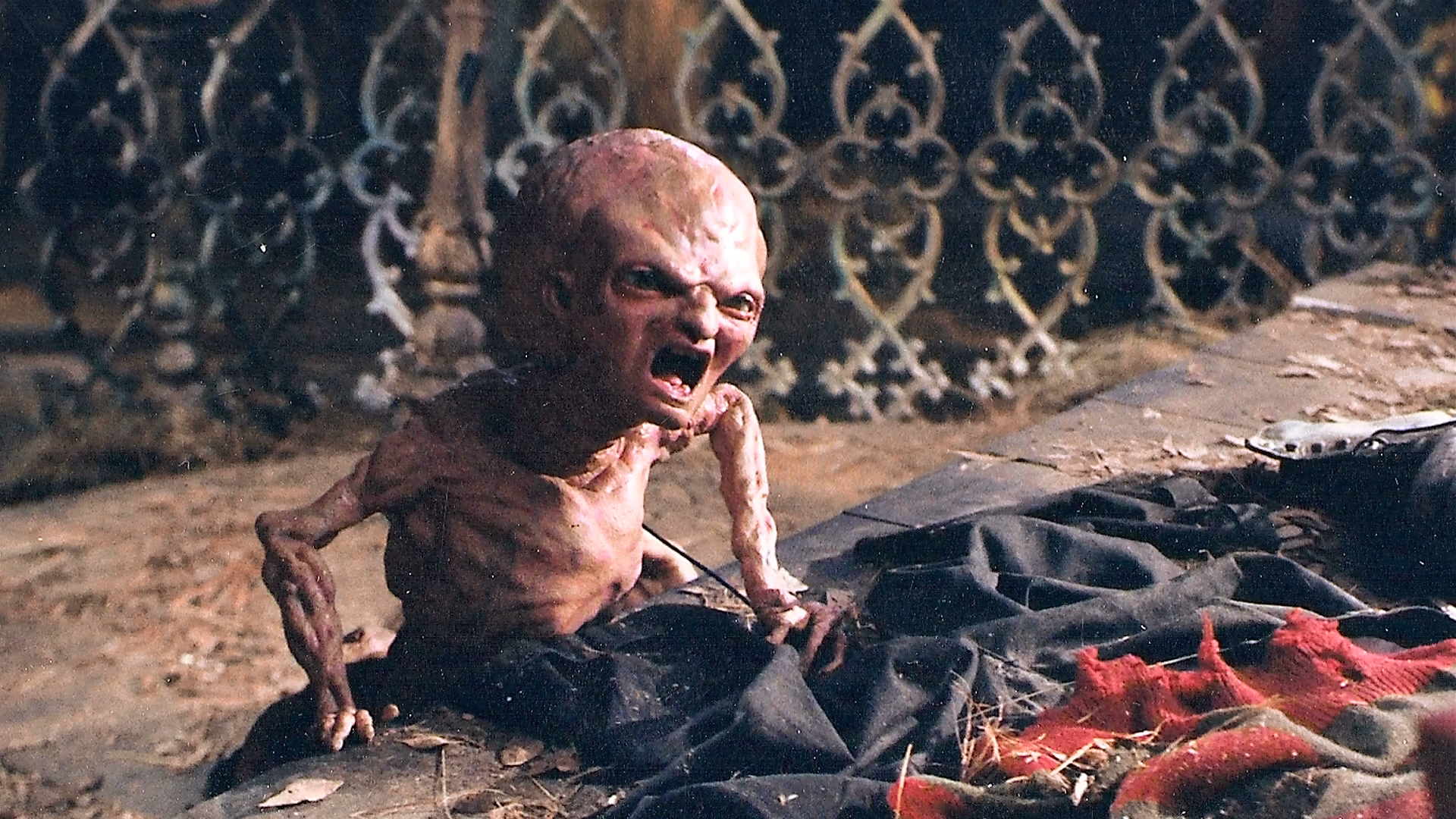
Alice graduates from Springwood High with Dan and her new friends: Greta Gibson, a model pushed hard by her mother; Mark Gray, a comic book artist with a crush on Greta; and Yvonne Miller, a swimmer and hospital volunteer. Walking to her diner job, Alice follows a nun back into the asylum. She watches Amanda give birth to a deformed baby that runs off. Alice chases it into the church where she defeated Freddy. The baby crawls into Freddy's old clothes and grows into Freddy, who yells that it's a boy. Amanda bursts in and tells Alice to find her remains in the tower so she can be freed. Alice snaps out of it at the diner, hours late, and realizes she was dreaming while awake.
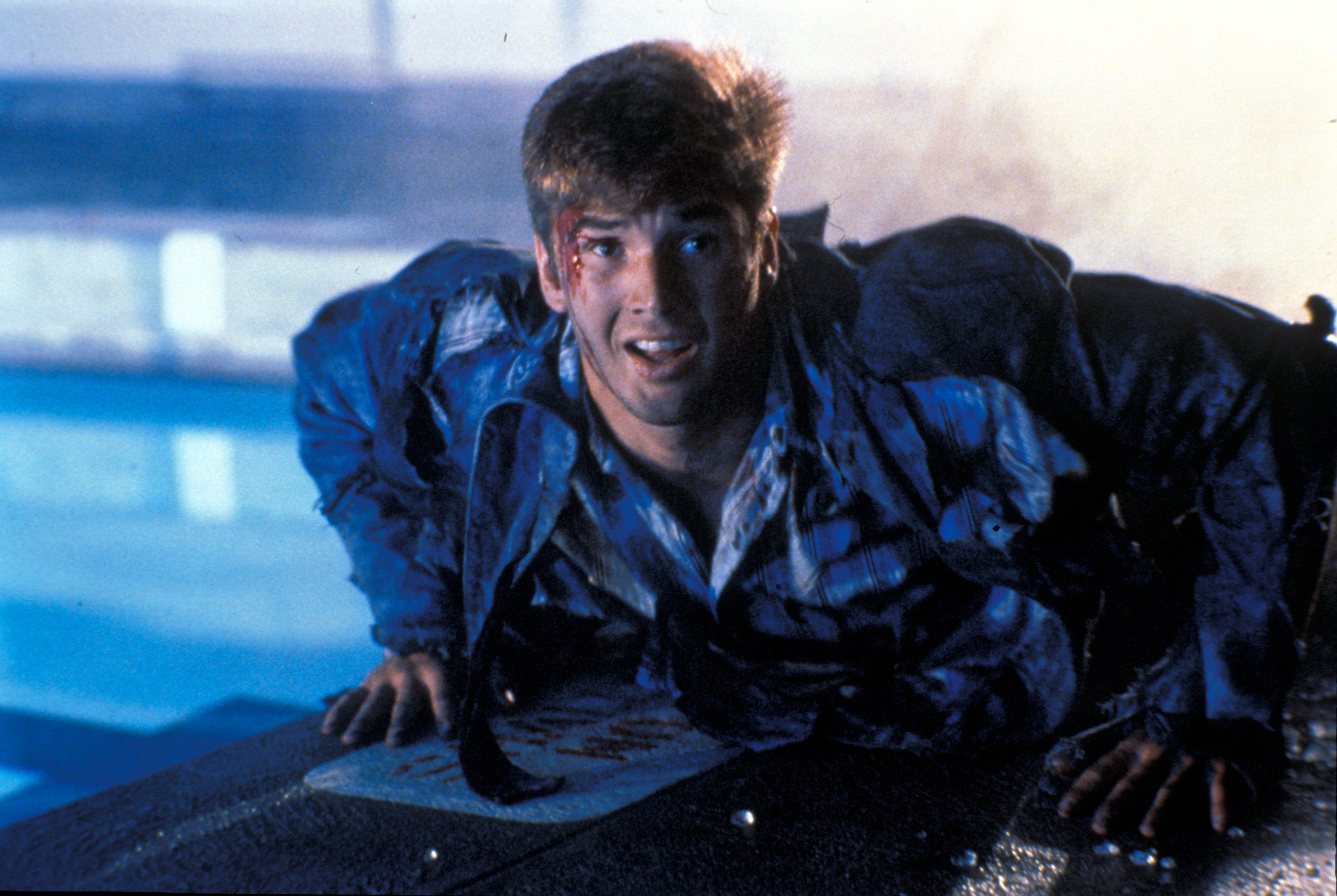
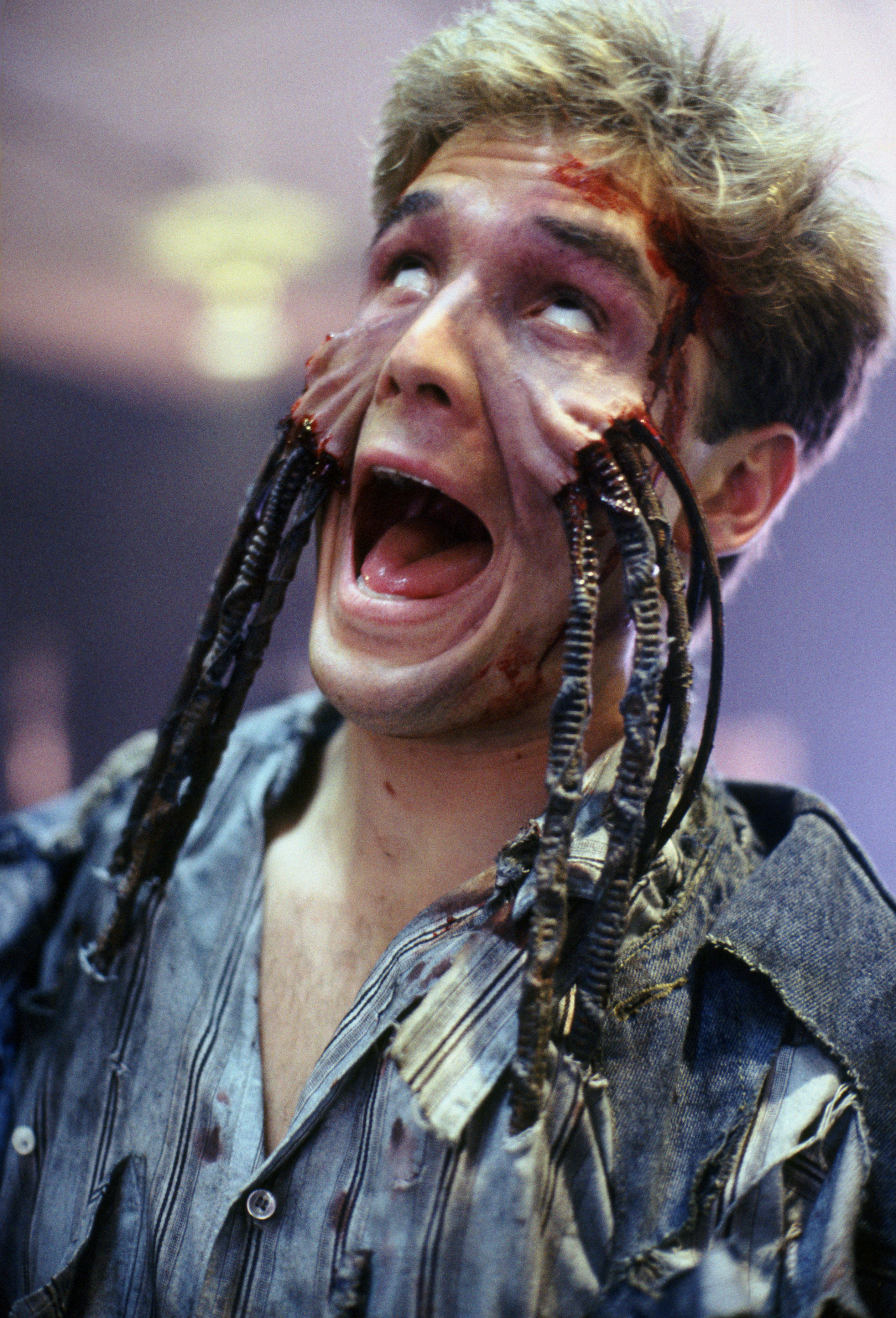
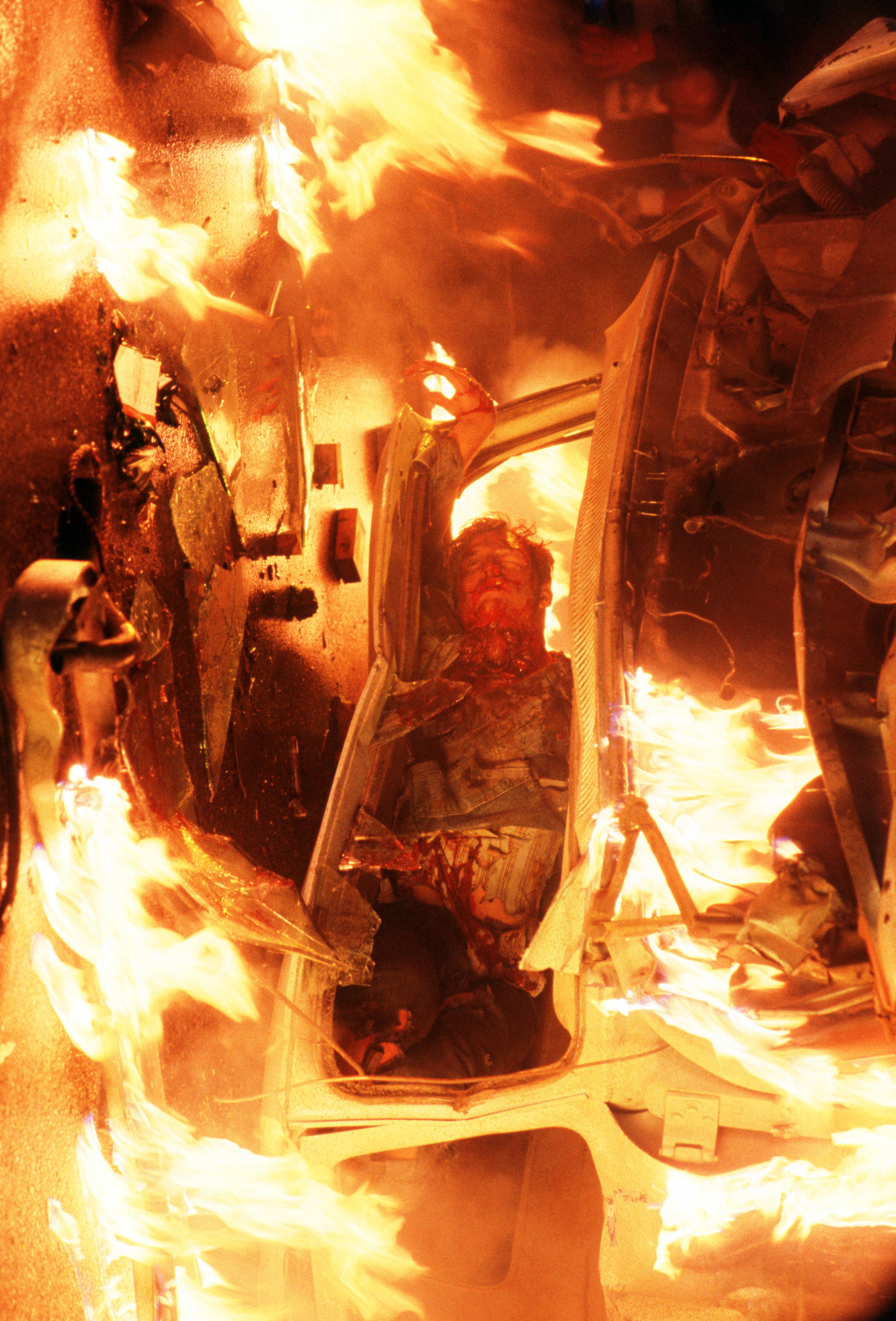
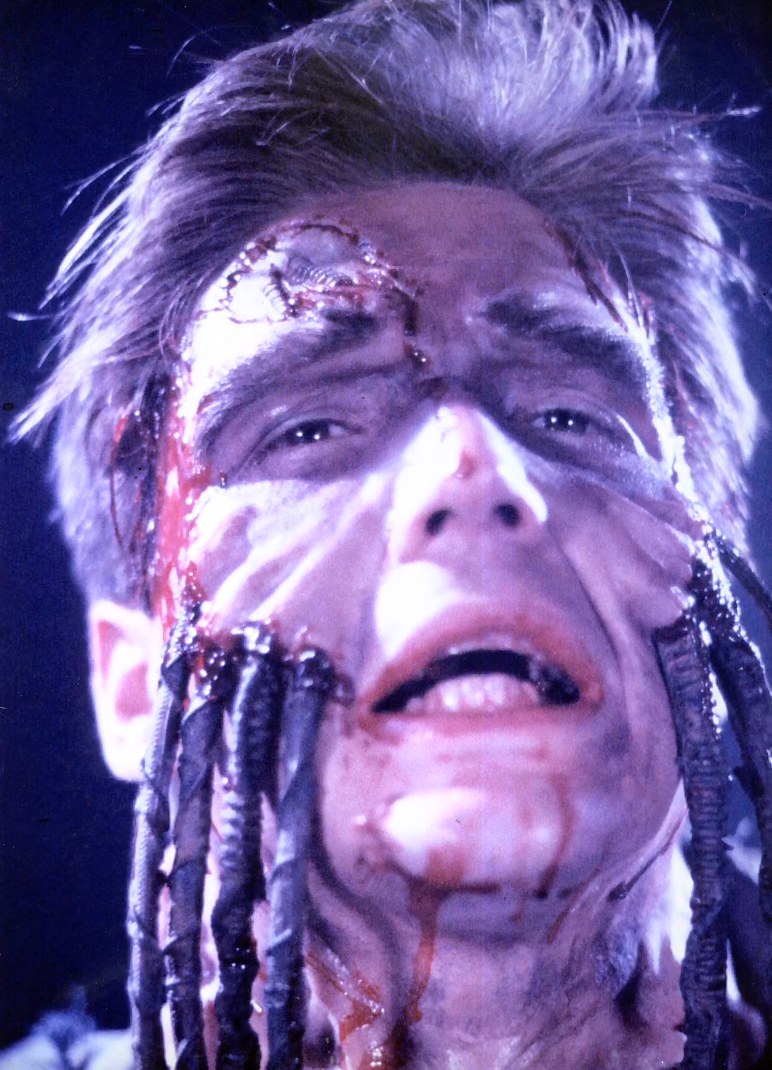
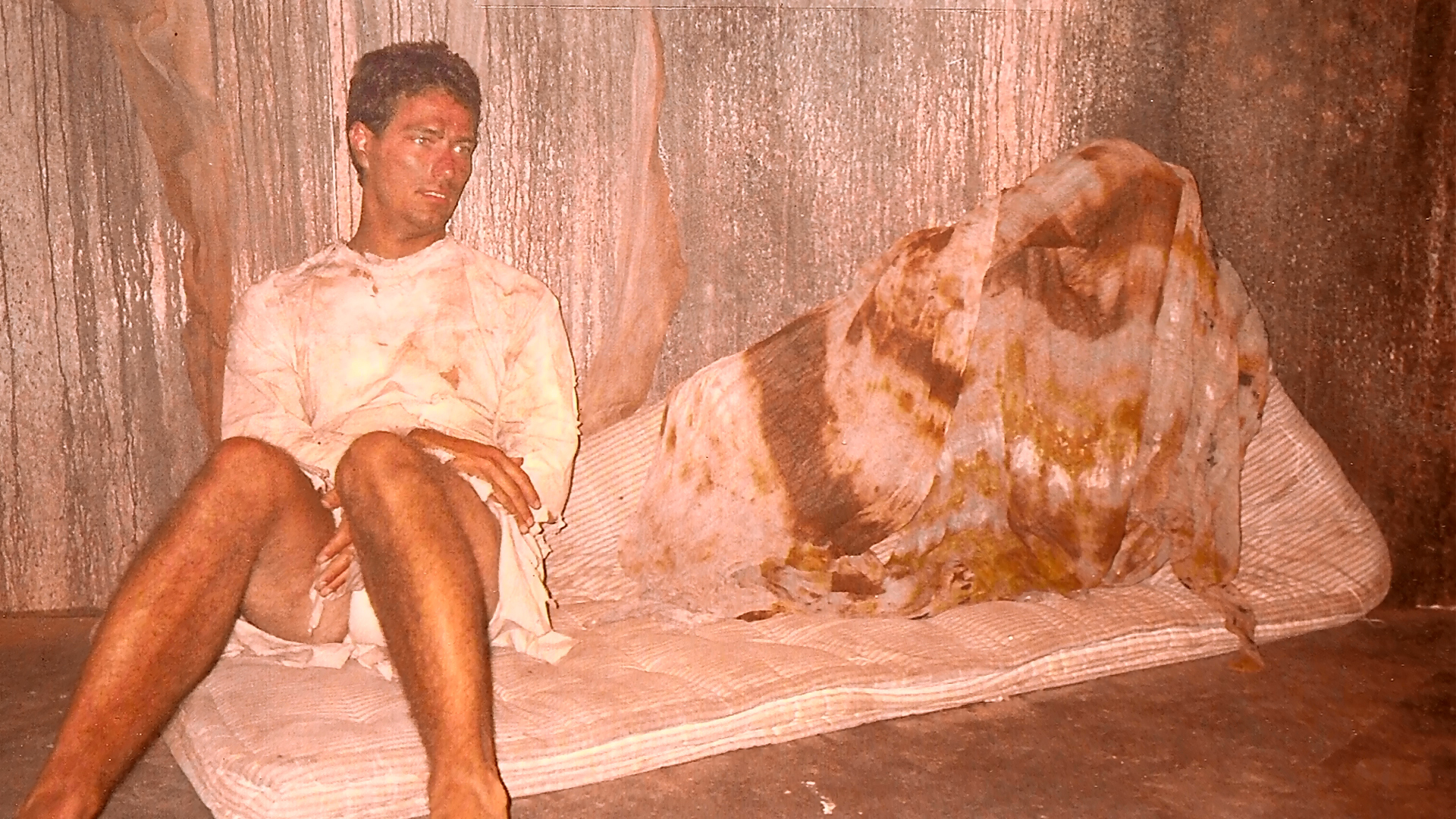
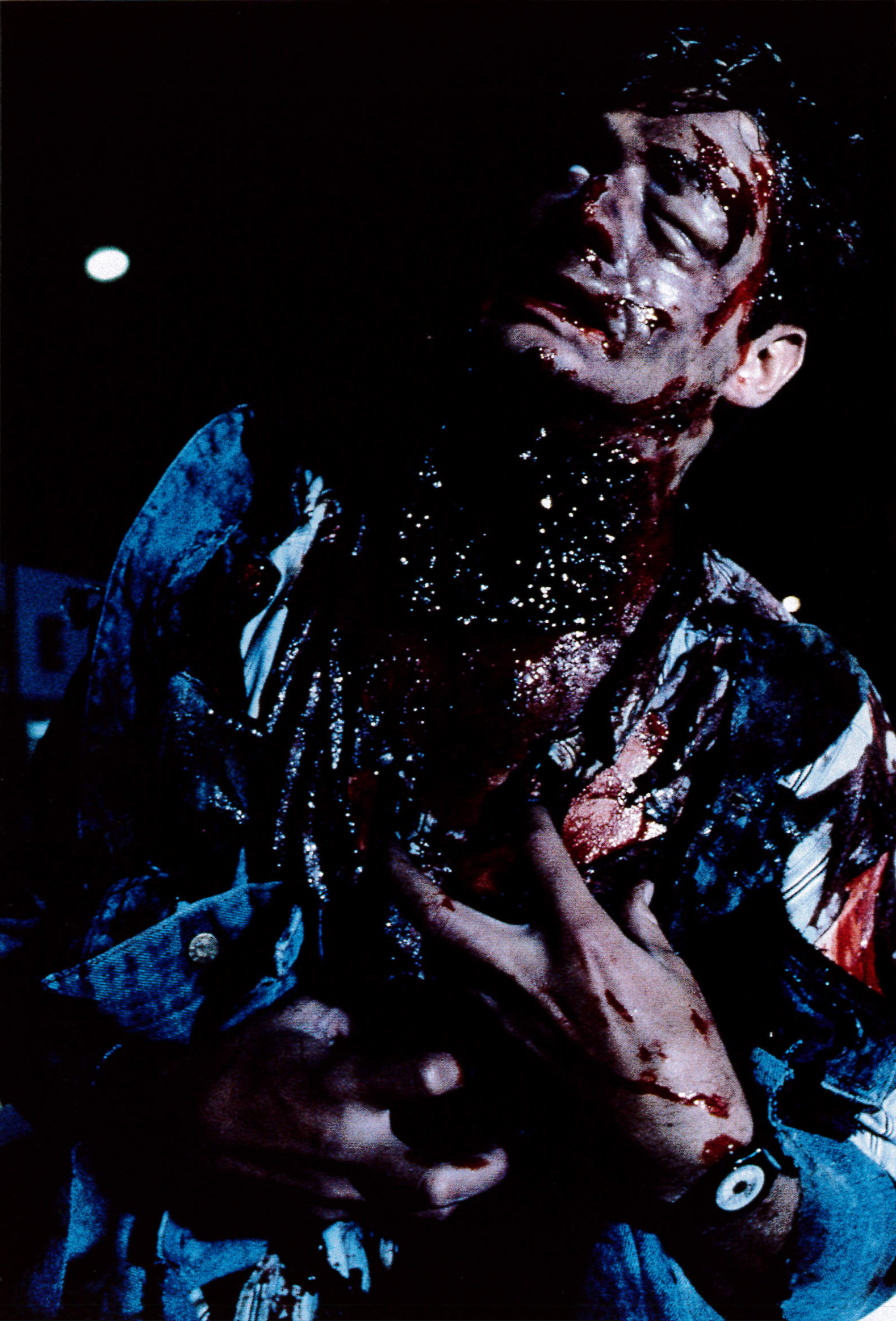
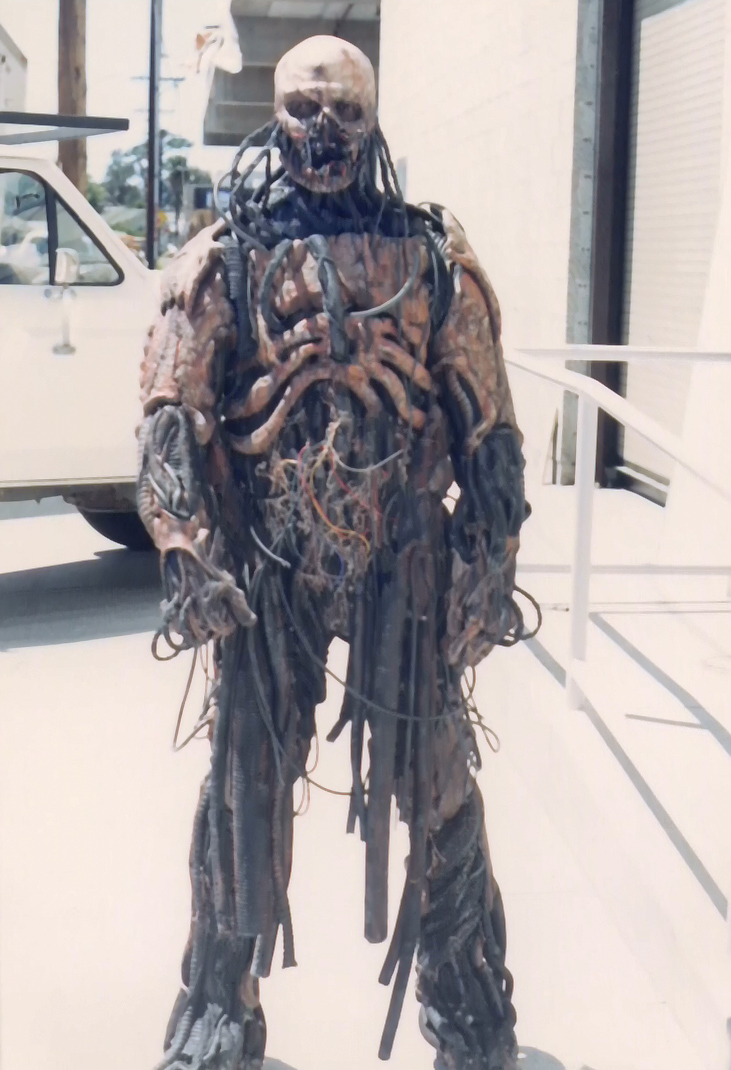
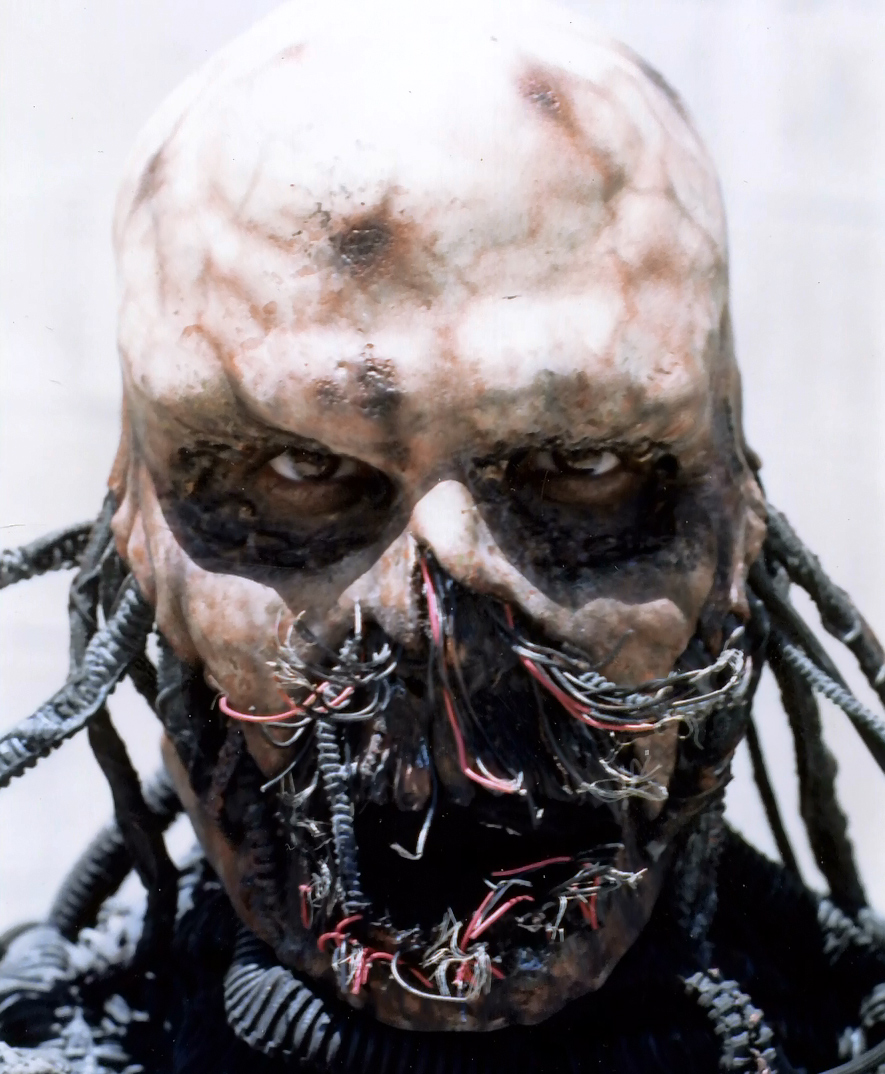
She calls Dan, who speeds toward her and nods off at the wheel. On the radio his mother tells him he's ungrateful. The seat belts pin his hands and Freddy takes the wheel. Dan is thrown through the windshield and lands in the school parking lot. He jumps onto a motorcycle, which turns into Freddy and sends cables and tubes into Dan's body until he becomes part of the machine. In the real world his truck slams into a semi. Alice sees his burned body come to life and ask if she wants to make babies, and she faints. At the hospital she learns she is pregnant. That night a young boy named Jacob visits her, but Yvonne later says there is no children's ward.
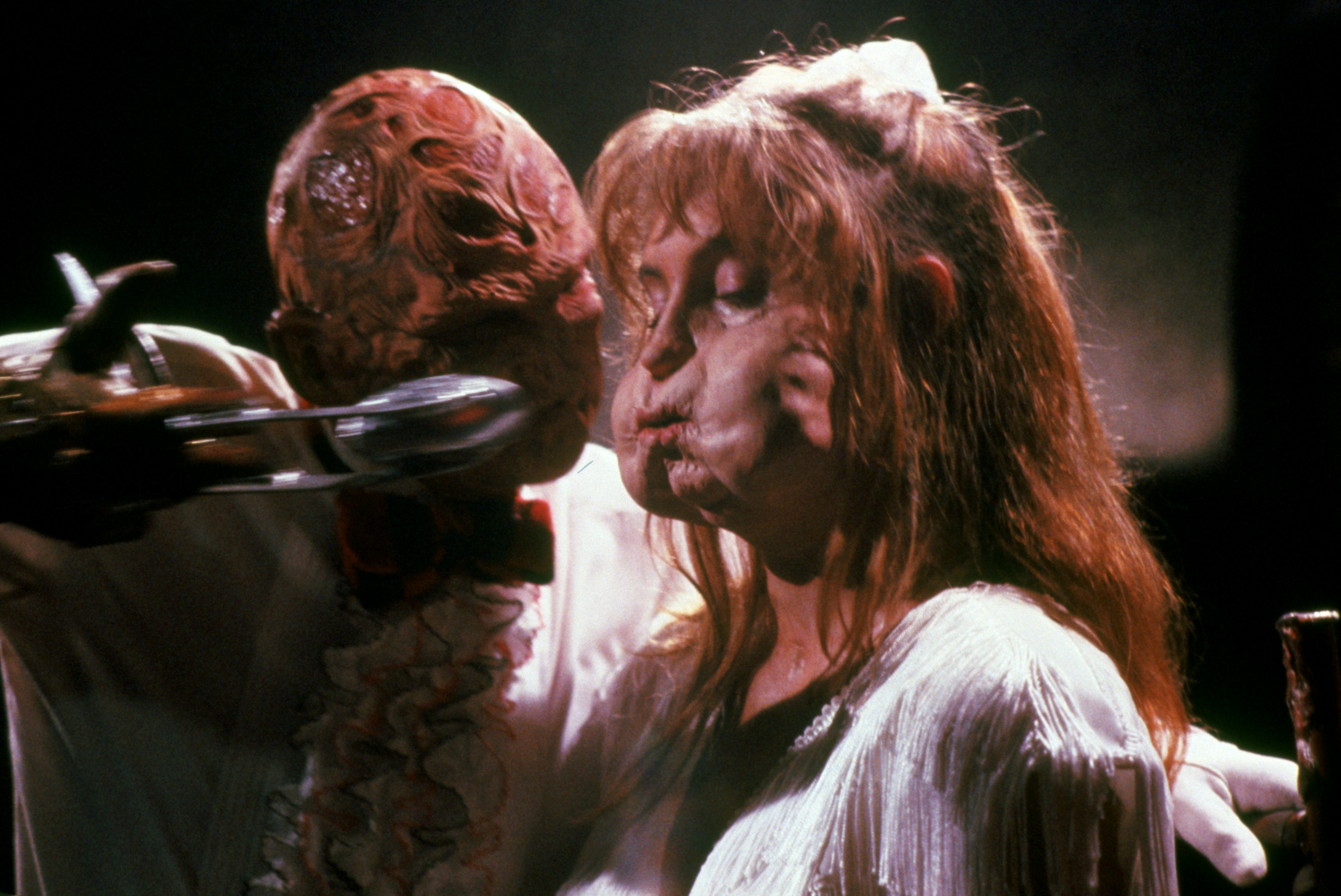
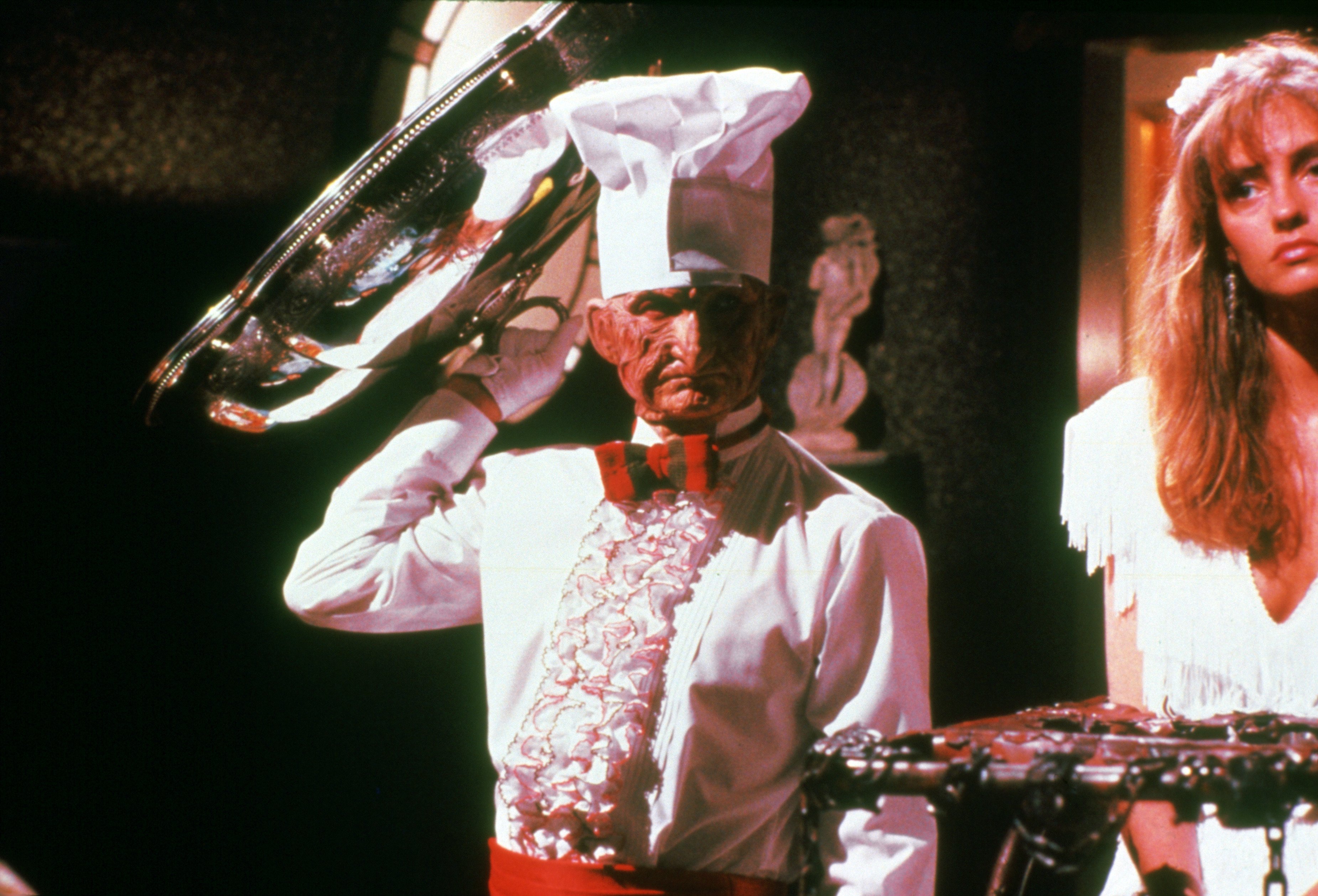
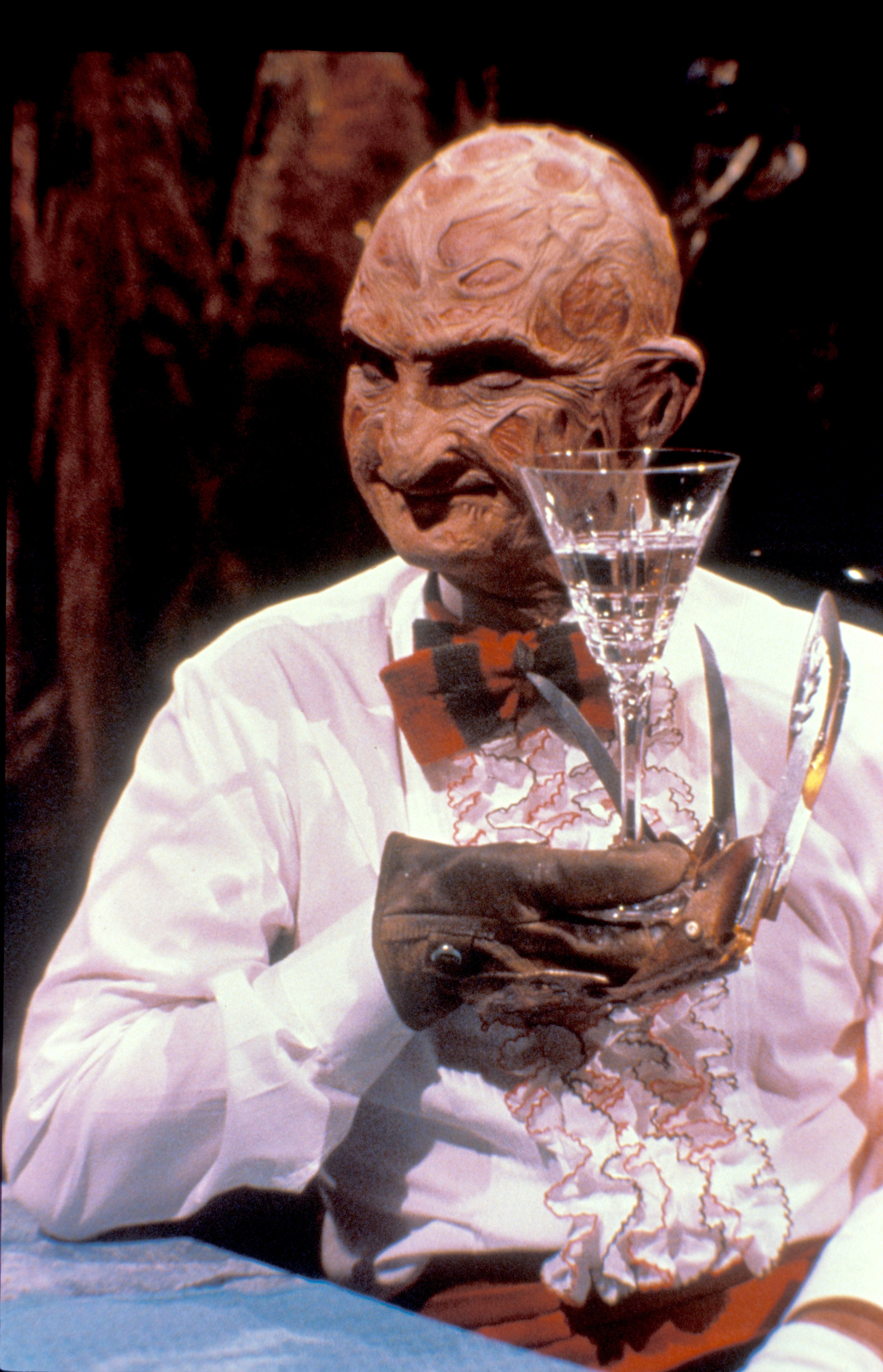
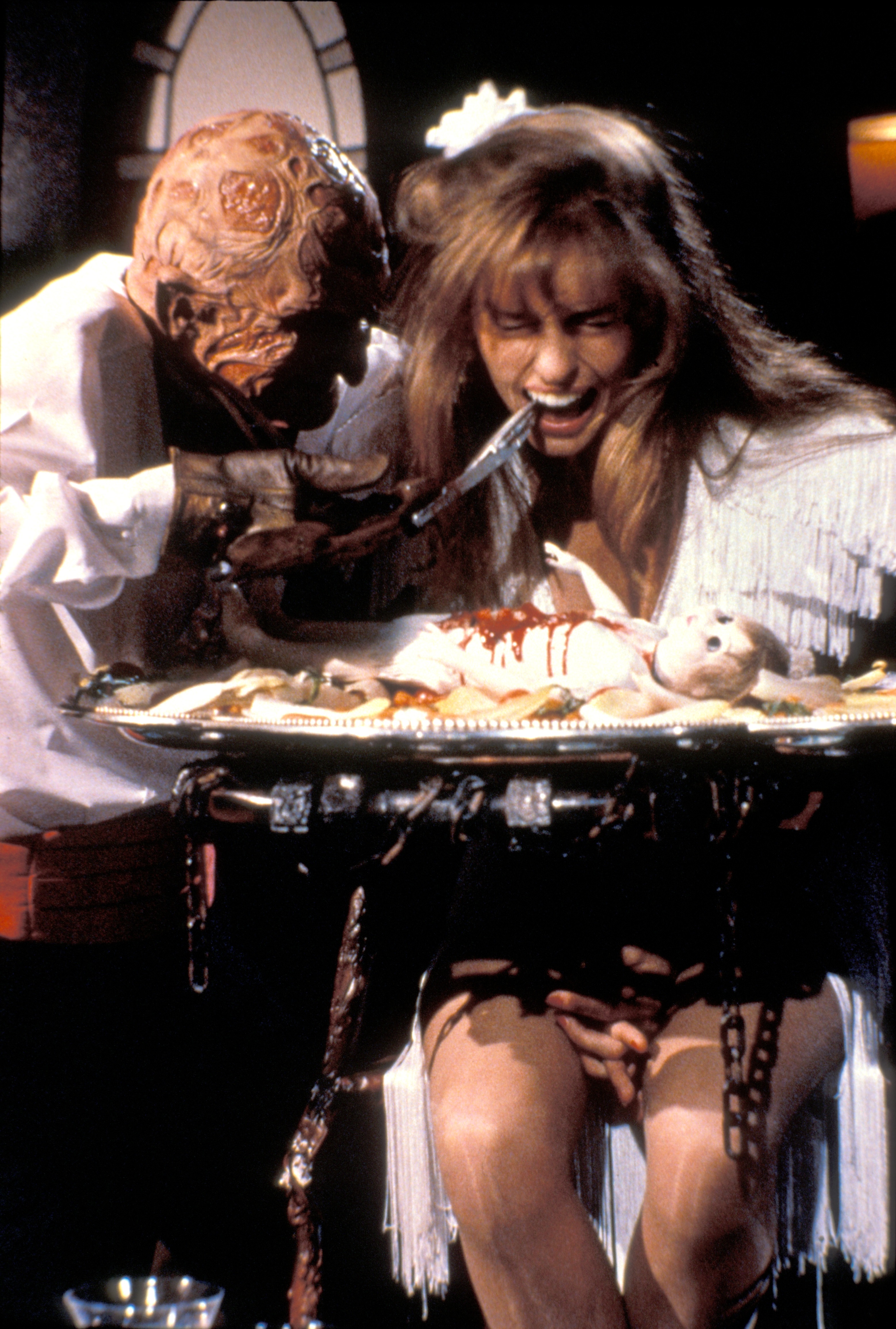
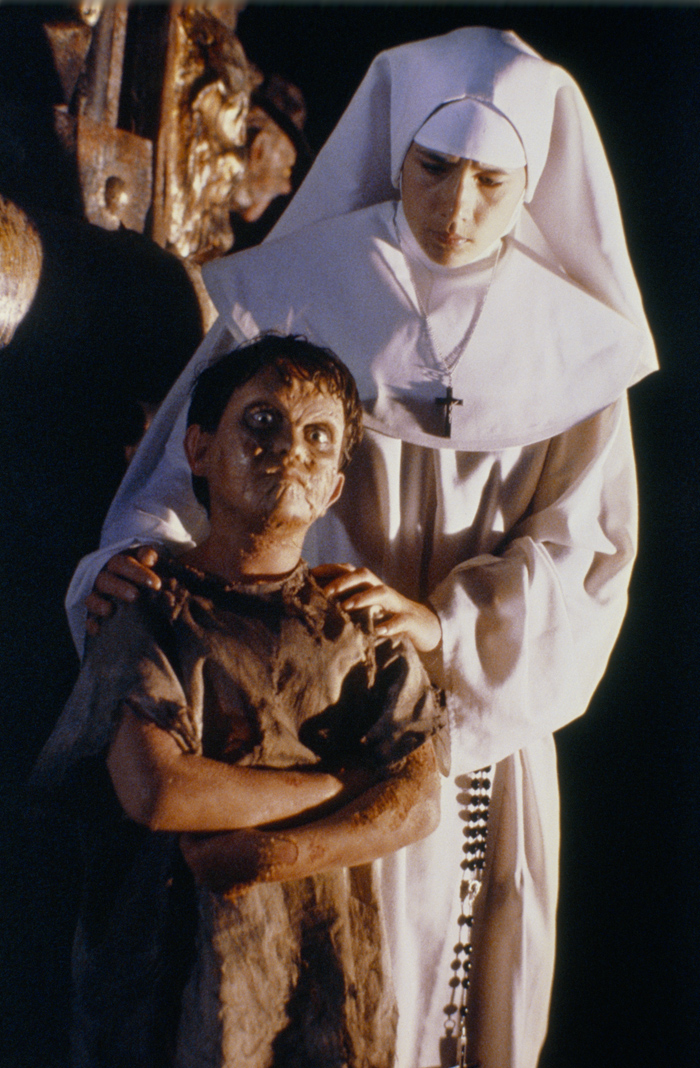
Alice tells her friends that Amanda Krueger was a nun who was locked in an asylum over a holiday and raped by a hundred maniacs, which is how Freddy was born. Greta falls asleep at a dinner party her mother is throwing. In the dream she tells her mother off. Freddy shows up as a chef, cuts open a doll that bleeds, and force-feeds Greta until she chokes to death in front of the laughing guests. Alice, awake at home, sees Greta tumble out of her refrigerator before Freddy pulls her back.
Mark nods off and dreams he is hanging from the edge of a hole in the floor of the old Krueger house. Alice pulls him out, and then he crumbles to dust. Then Jacob appears and accuses Alice of not wanting him. She realizes Jacob is her unborn son. An early ultrasound pulls Alice inside her own womb, where Freddy is feeding Jacob the souls of her dead friends to make the baby like him. That is how Freddy reaches her friends even while Alice is awake. Alice decides to keep the baby. Dan's parents want custody of the baby and threaten to have Alice declared unfit.
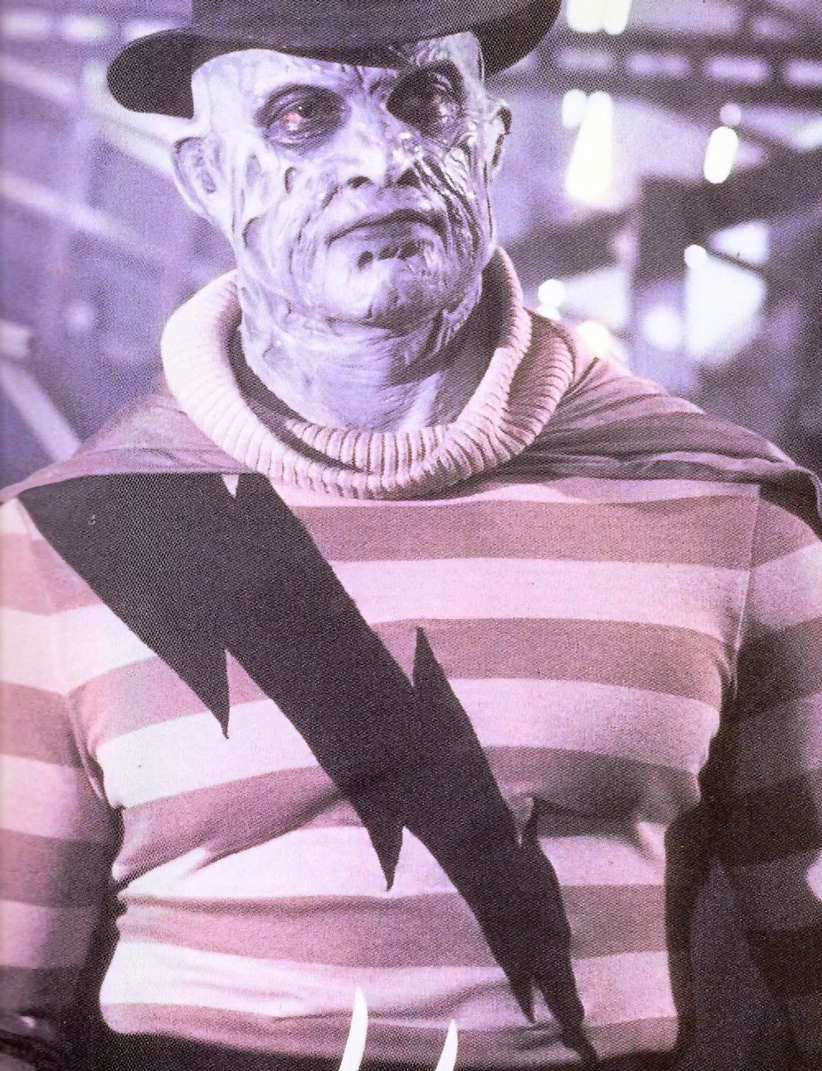
Mark finds an article saying Amanda killed herself but her body was never found. Alice decides Freddy hid her remains. Yvonne falls asleep in a hot tub at the pool and dreams the diving board turns into Freddy's claw. The pool drains down to a puddle, and when she hits it she lands in a metal tank of steaming water. Alice comes into the dream to help her, and afterward Yvonne finally believes her. Mark falls asleep over a comic book called Nightmares from Hell and is pulled into a black-and-white comic world. Freddy shows him Greta as a porcelain doll and smashes her. Mark turns into his superhero, the Phantom Prowler, and guns Freddy down, but Freddy comes back as Super Freddy, turns Mark into paper and slashes him to shreds.
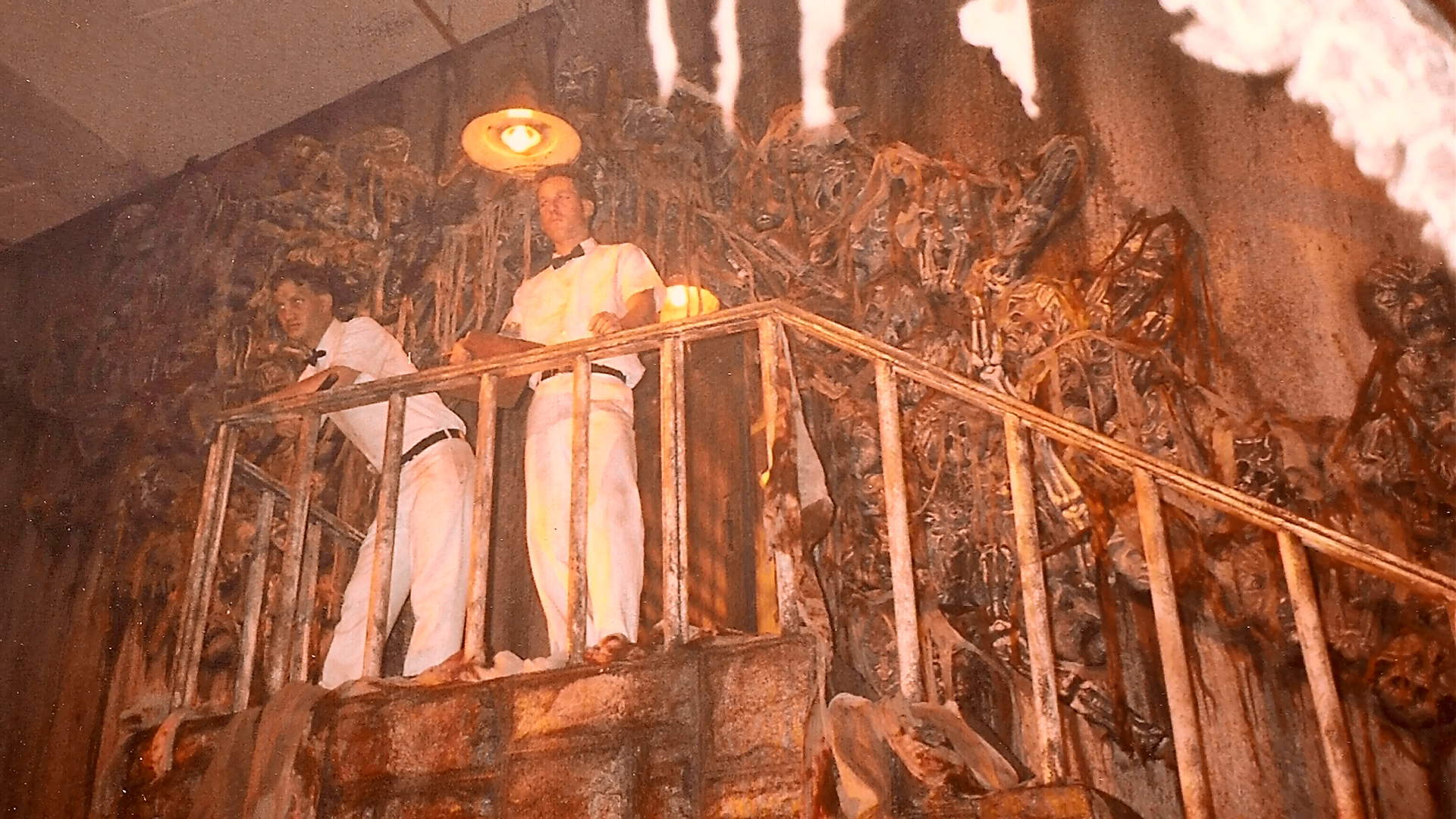
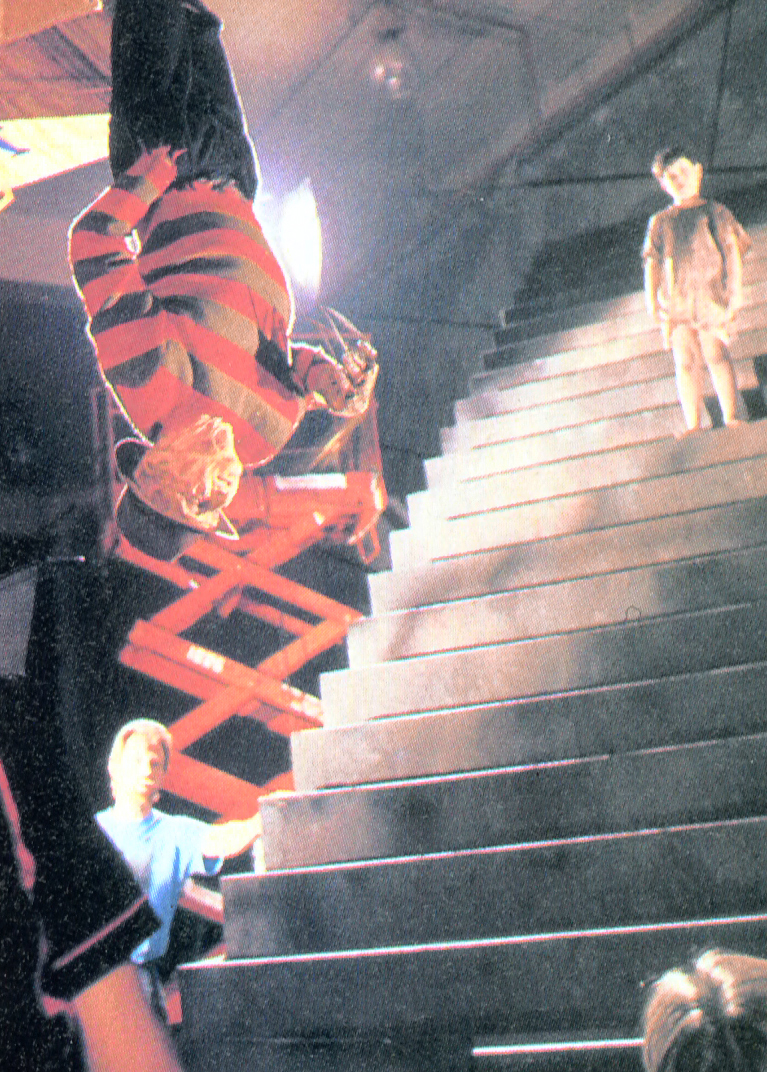
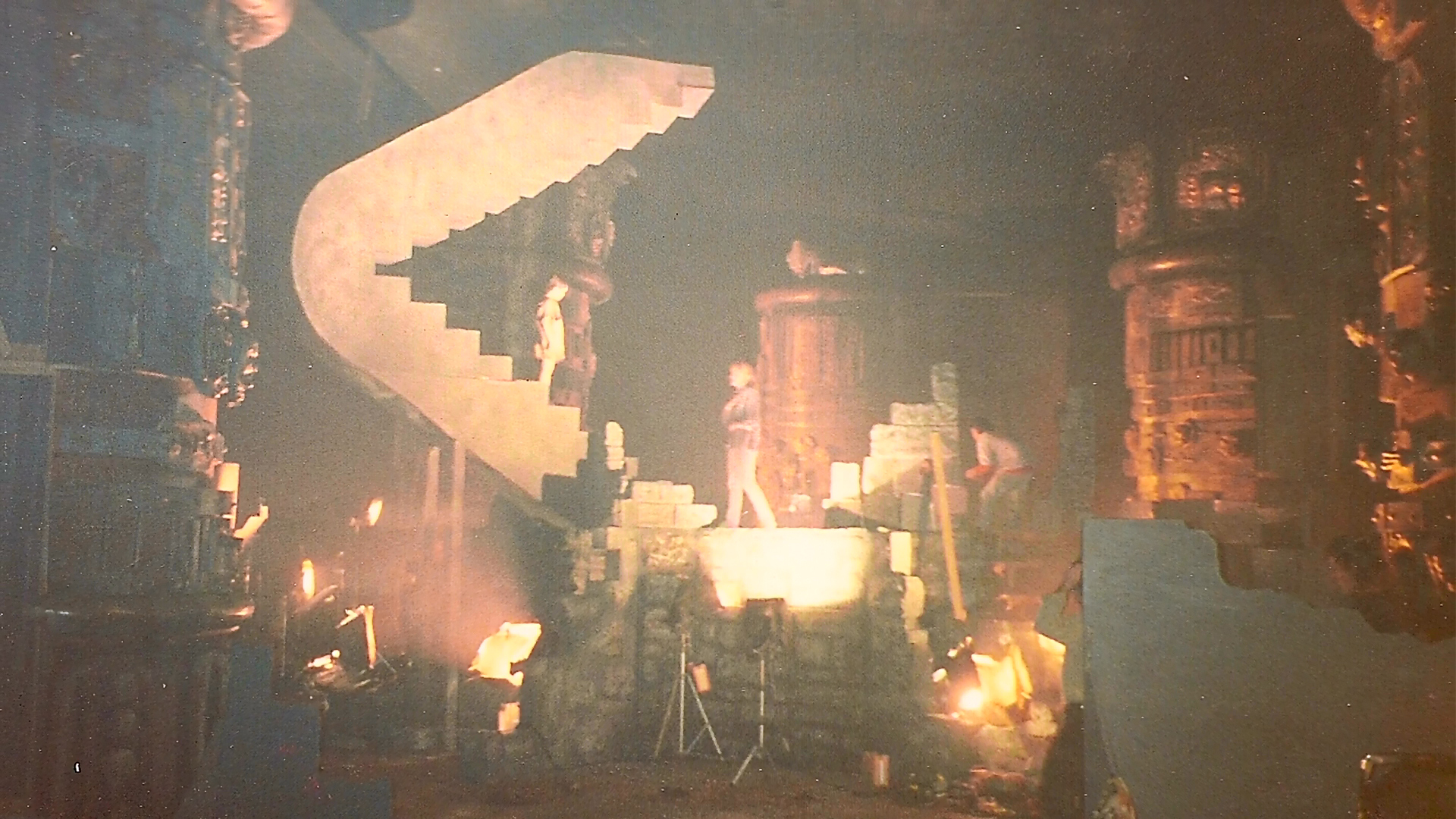
Alice's father, now sober, takes her home. Alice sends Yvonne to the abandoned asylum to find Amanda's body. Alice goes to sleep for the final fight. In the asylum she knocks Freddy down a staircase into a crowd of inmates who tear at him. Then she finds Jacob and Freddy together inside an M.C. Escher maze of staircases. Jacob tells her Freddy has been hiding inside her. Alice forces Freddy out of her body. At the same moment Yvonne breaks into a bricked-up room in the tower and finds Amanda's remains, which crumble when she touches them.
Amanda appears in the dream and tells Jacob to use the power Freddy gave him. Jacob releases the souls of Dan, Greta and Mark, who pull Freddy apart. Freddy shrinks to a deformed baby and Jacob becomes a baby too. Each mother picks up her child. Amanda takes the Freddy baby back into her body, and the dream falls apart. Months later Alice and Yvonne take newborn Jacob to the park, while nearby children jump rope to Freddy's rhyme.
The film opened August 11, 1989 on 1,902 screens, with openings in Los Angeles and New York. It took $8,115,176 its first weekend and placed third behind Parenthood and The Abyss. The final domestic gross was $22,168,359. That made it the highest-grossing slasher film of 1989, but it made less than half of what The Dream Master did.
The Los Angeles opening at Mann's National Theater in Westwood was picketed by the National Coalition on Television Violence and the Alliance for Survival, who had not seen the film. Psychologist Carol Lieberman said the film argued that a woman should never abort.
Kevin Thomas of the Los Angeles Times called it a dynamic, fully visually realized experience and praised C.J. Strawn's design and Alan Munro's effects. Caryn James of The New York Times said it would not totally insult your intelligence. Variety called it a poorly constructed effects showcase with highly variable acting but spectacular effects. Dave Kehr of the Chicago Tribune liked Hopkins' energy but found it too choppy. Richard Harrington of The Washington Post ranked it below the first and third films. Rotten Tomatoes shows 32% from 37 reviews, and Metacritic gives it 54.
Awards: Critics Award at Fantasporto 1990 (won) and a Best Film nomination; Golden Raspberry for Worst Original Song, Bring Your Daughter... to the Slaughter (won), with a second nomination for Let's Go by Kool Moe Dee; Young Artist Award for Best Young Actor in a Supporting Role, Whit Hertford (won).
1989 · studio publicity kit
Theatrical / DVD / Blu-ray
VHS / LaserDisc / 4K UHD
2025 · 4K UHD
Freddy Krueger
also plays an asylum inmate and a waiter
Alice Johnson
top billed in the opening credits but accidentally left out of the end credits
Yvonne Miller
Dan Jordan
Greta Gibson
Dennis Johnson
credited as Nick Mele, as Alice's dad
Mark Gray
Mrs. Jordan
Mr. Jordan
Mr. Gray
Jacob Johnson
credited as Whitby Hertford
Amanda Krueger
Gurney Orderly
Jock
Merging Freddy
Delivery Doctor
Anne
Semi-Truck Driver
Girl in Locker
Dr. Moore
Asylum Girl
Trendy Guest
Elm Street Kid
Orderly #1
Baby Jacob
Delivery Nurse
Coach Ostrow
Customer
Little Girl
Guest
Thirty-Something
Super Freddy
credited as Mike Smith
Racine Gibson
Cop
Trendy
Himself
Hot Seat Band Member
Hot Seat Band Member
Hot Seat Band Member
Hot Seat Band Member
Alice body double
Alice body double
Director
Screenplay and story
Story
Story
Characters
Producer
Producer
Executive producer
Executive producer
Director of photography
Editor
Editor
Music
Music supervisor
Music supervisor (Zomba Screen Music)
Music editor
Production designer
Art director
Set decorator
Set designer
Costume designer
Costume supervisor
Casting
Visual effects supervisor
Freddy Krueger makeup; Freddy baby and resurrection sequence
Dan's mechanical suit and Freddy bike
Freddy's head de-merge, KNB Effects Group
Freddy's head de-merge, KNB Effects Group
Freddy's head de-merge, KNB Effects Group
Freddy fetus effects
Prosthetic effects
Additional effects
Optical effects, Visual Concept Engineering
Matte paintings
Mechanical effects supervisor
Mechanical effects supervisor
Special mechanical effects
Main title designer
Key makeup
Key hair
First assistant director
Director of photography, second unit
Director of photography, third unit
Director of photography, miniature effects unit
Storyboard artist
Storyboard artist
Property master
Production sound mixer
Supervising sound editor
Supervising sound editor
Stunt coordinator
Production executive
Executive in charge of production
Production supervisor
Post-production supervisor
Location manager
Unit publicist
Still photographer
Script supervisor
The Dream Master's success led New Line to rush a fifth film into production. By then the Freddy's Nightmares TV series and a flood of merchandise had the franchise at its peak.
Leslie Bohem had pitched a Freddy-has-a-baby story during Dream Warriors. Executive Sara Risher was pregnant at the time and did not like the idea of a baby Freddy clawing out of a womb. After she had her child she came around, reasoning that the kids who saw the first film in 1984 were starting families. Risher later said she felt she came up with the story because she was a new mother.
John Skipp and Craig Spector wrote the first draft, dated January 7, 1989. Skipp said New Line told them they had written a Nightmare movie the way Stanley Kubrick would. The script went to Bohem, whose early draft had Alice and her friends rehearsing a school production of Medea. David J. Schow did a final polish during the shoot, and Fangoria reported that pages were messengered to the set each day. The Writers Guild had to step in to decide the credits.
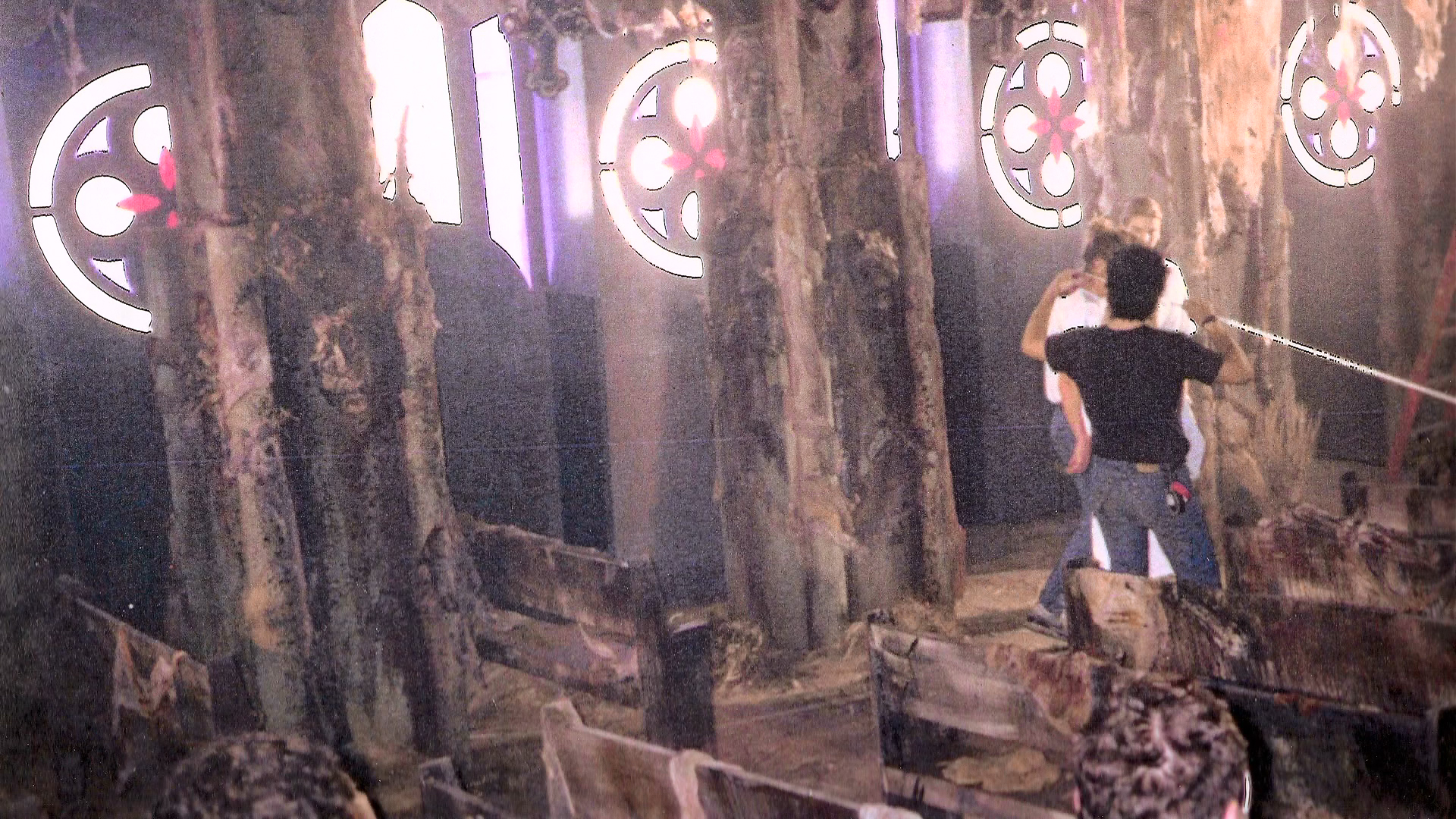
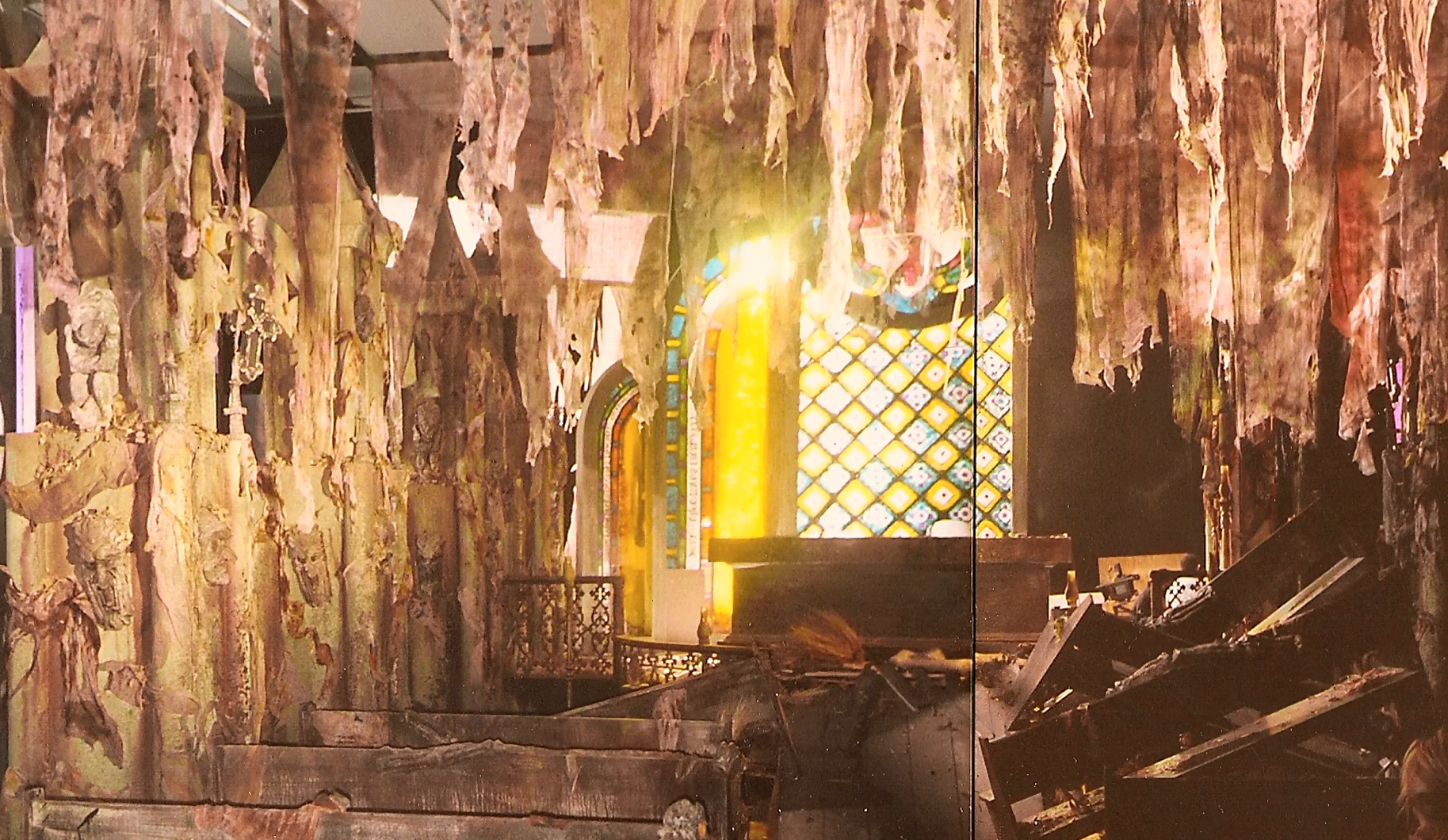
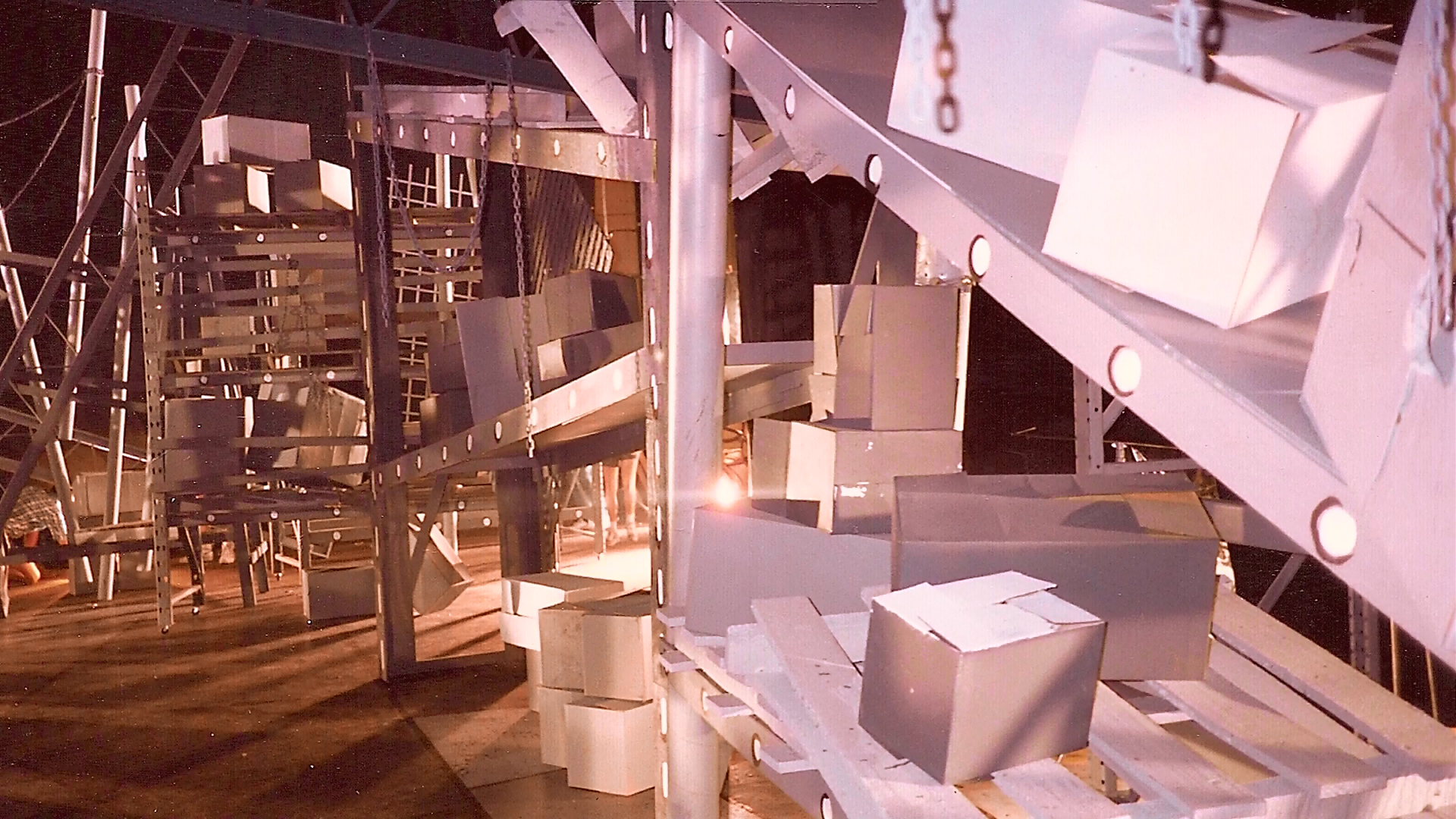
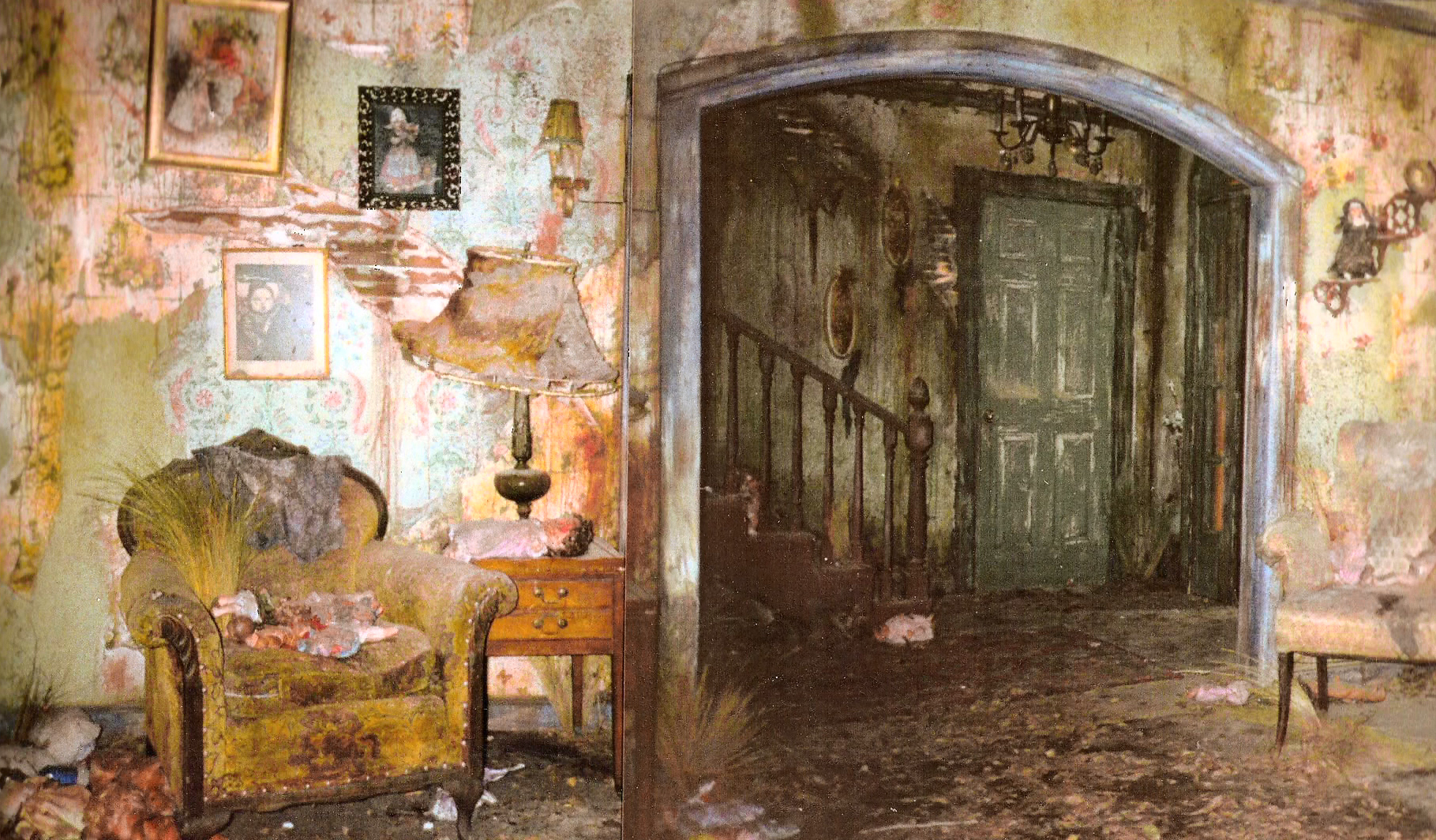
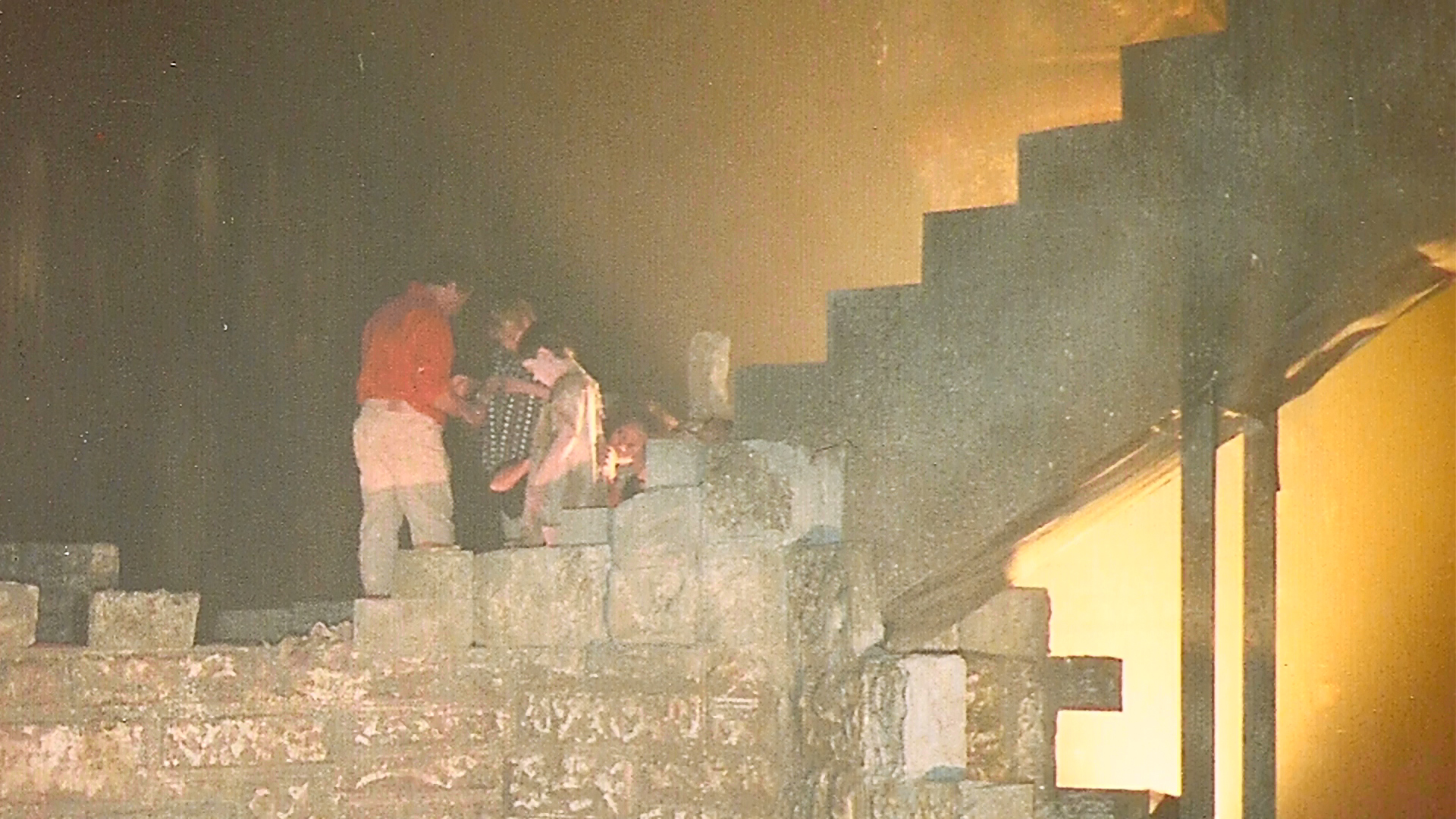
Stephen Hopkins got the job mainly on the strength of his first feature, A Dangerous Game. He wanted a darker, Gothic film than the MTV-style Dream Master, with towers, castles, a dungeon-like asylum and blue lighting. Robert Englund said he signed on for part 5 as a condition of doing part 4 and was not excited at first, but changed his mind after seeing Hopkins' storyboards.
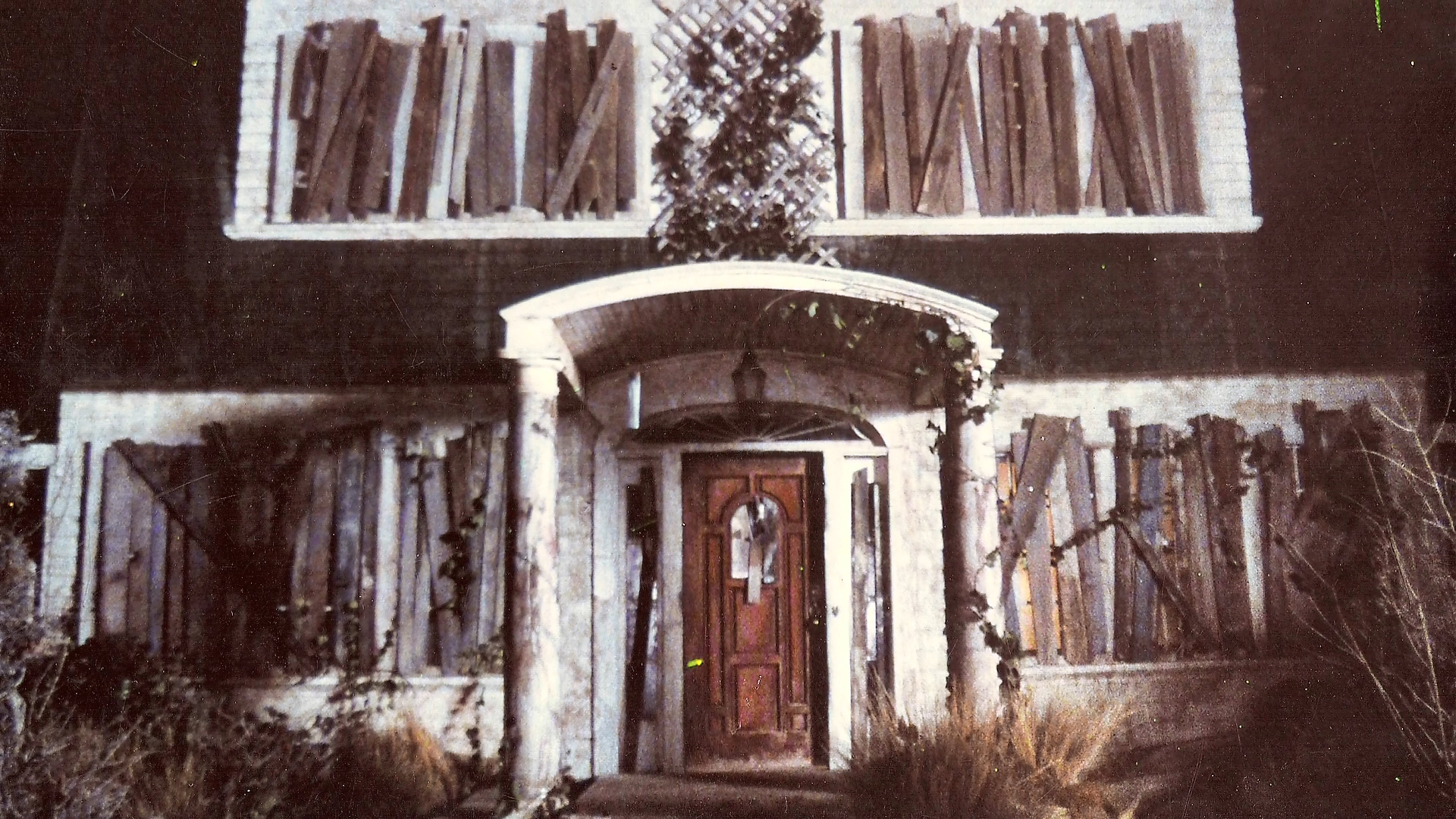
Three weeks of exteriors started in April 1989. Interiors were shot in a former Los Angeles noodle factory. With an August 11 release date, the production ran several units at once, and Fangoria saw Hopkins moving back and forth between the main stage and the effects unit. Lisa Wilcox said location days ran 14 hours.
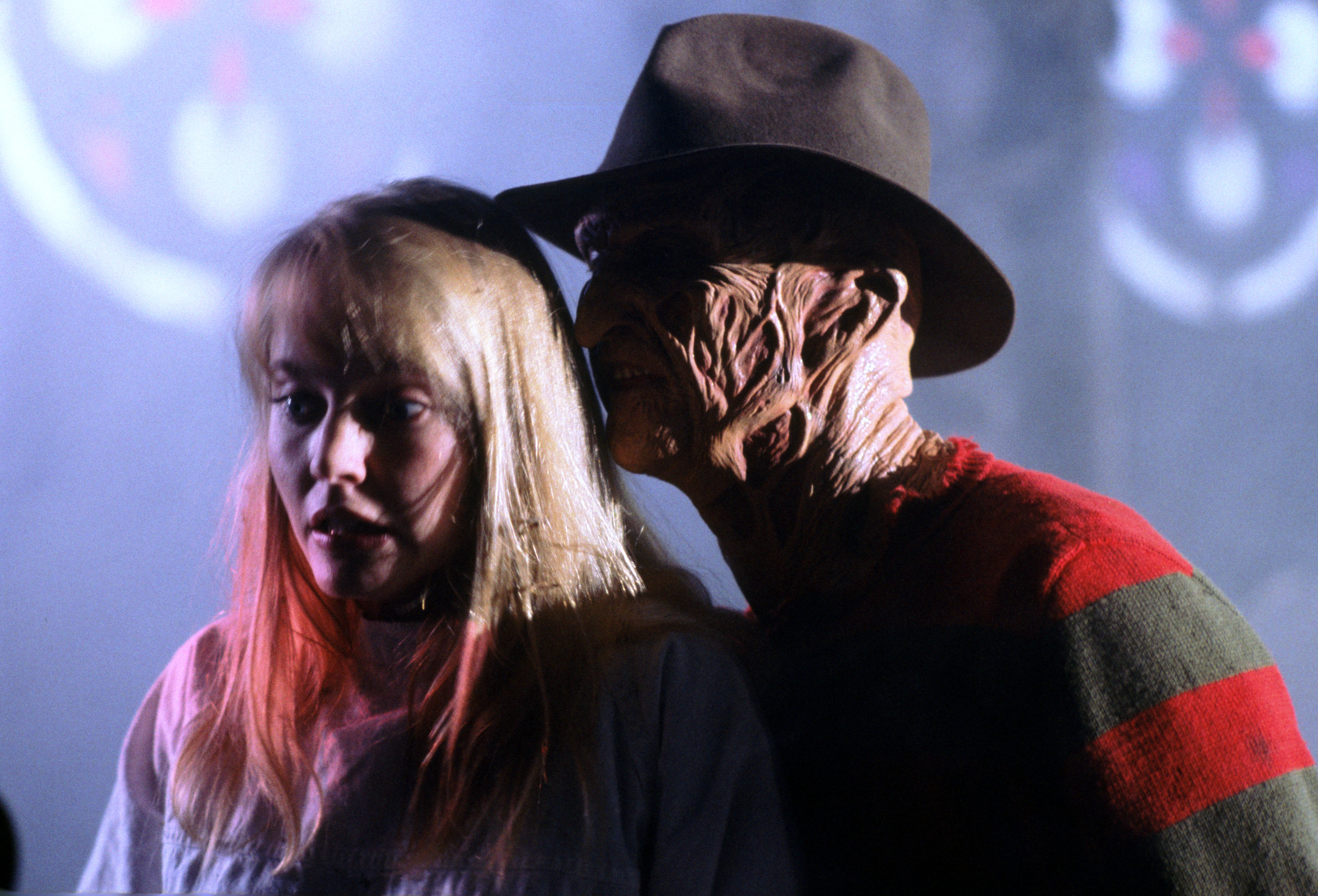
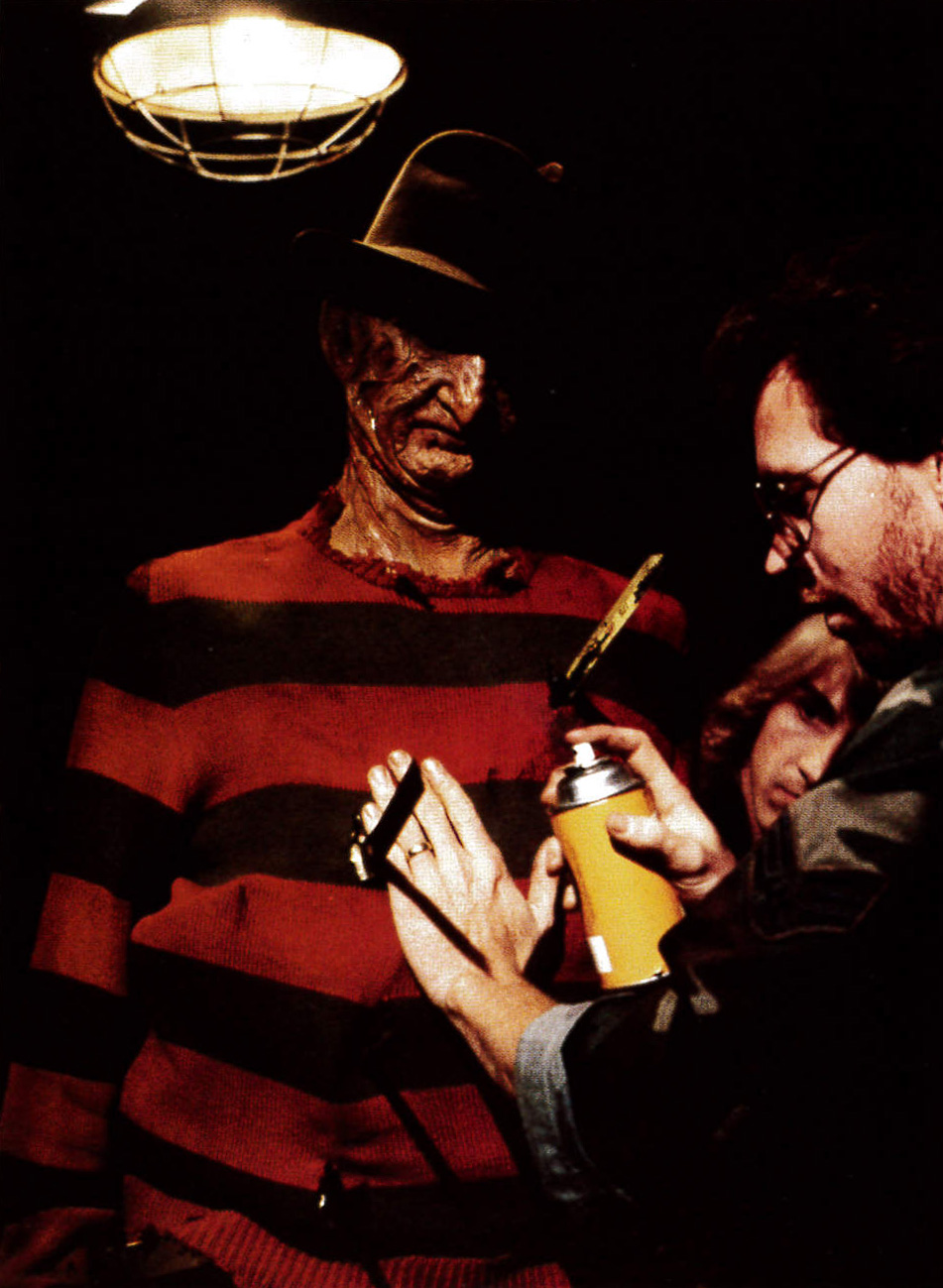
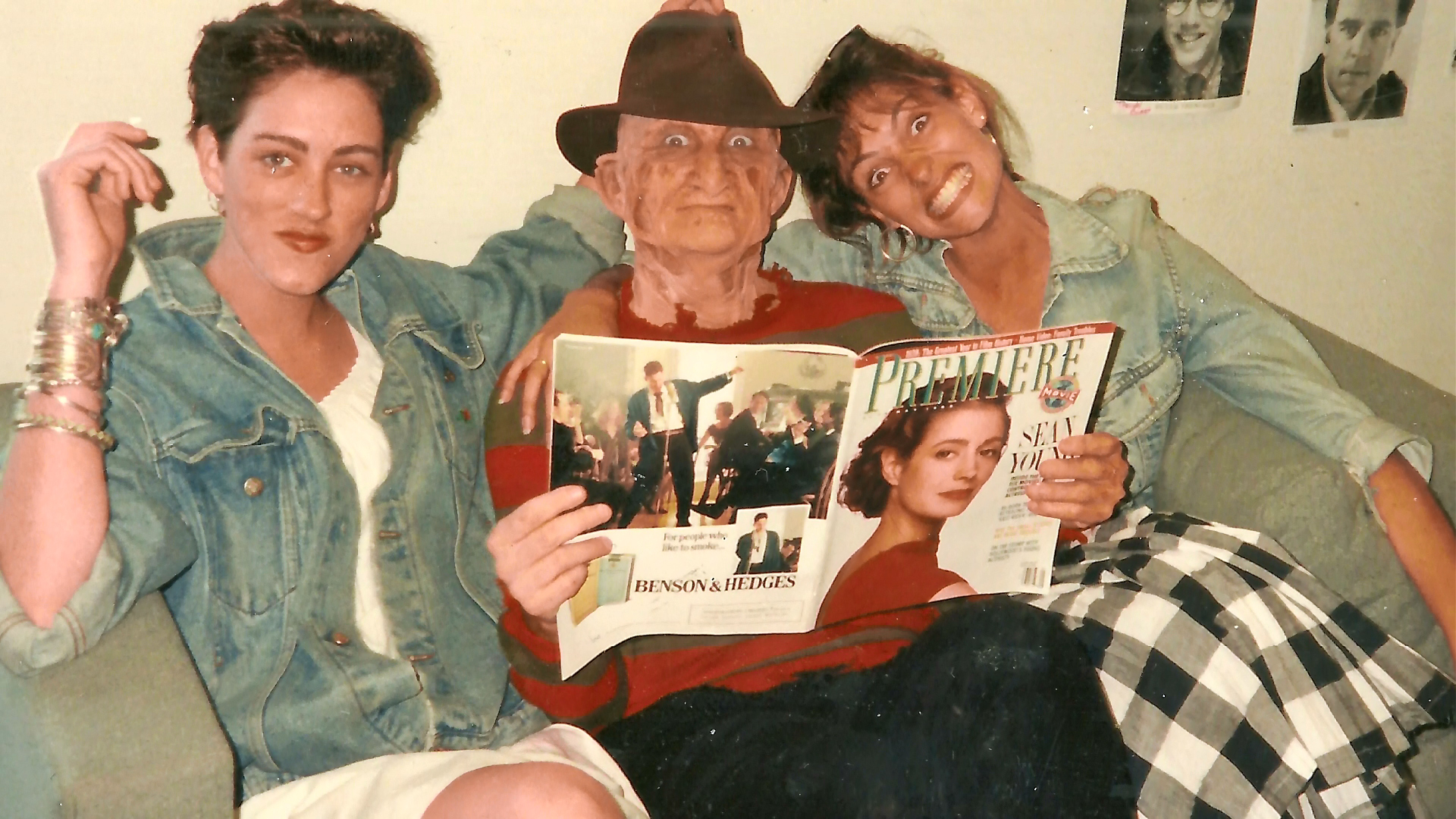
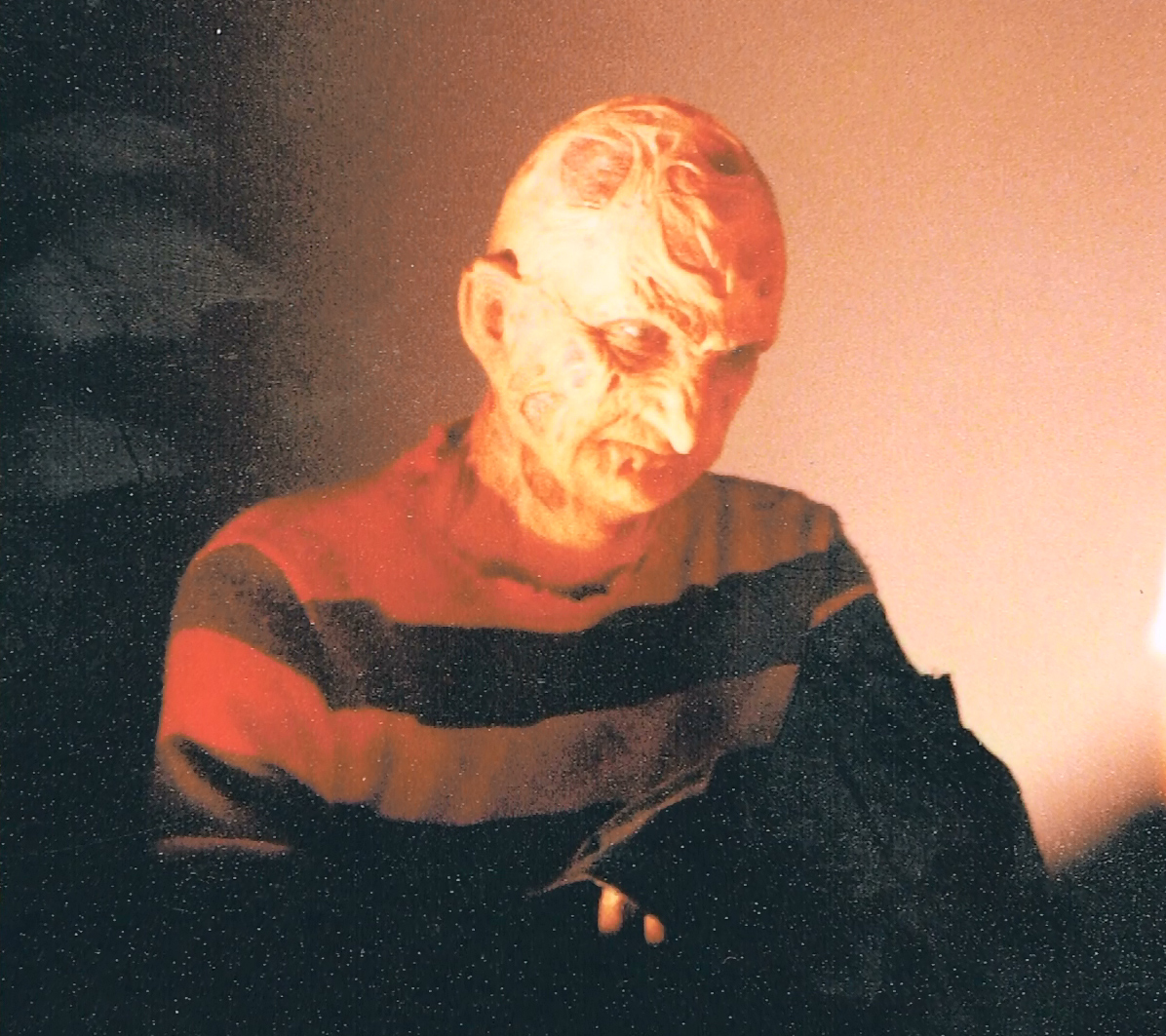
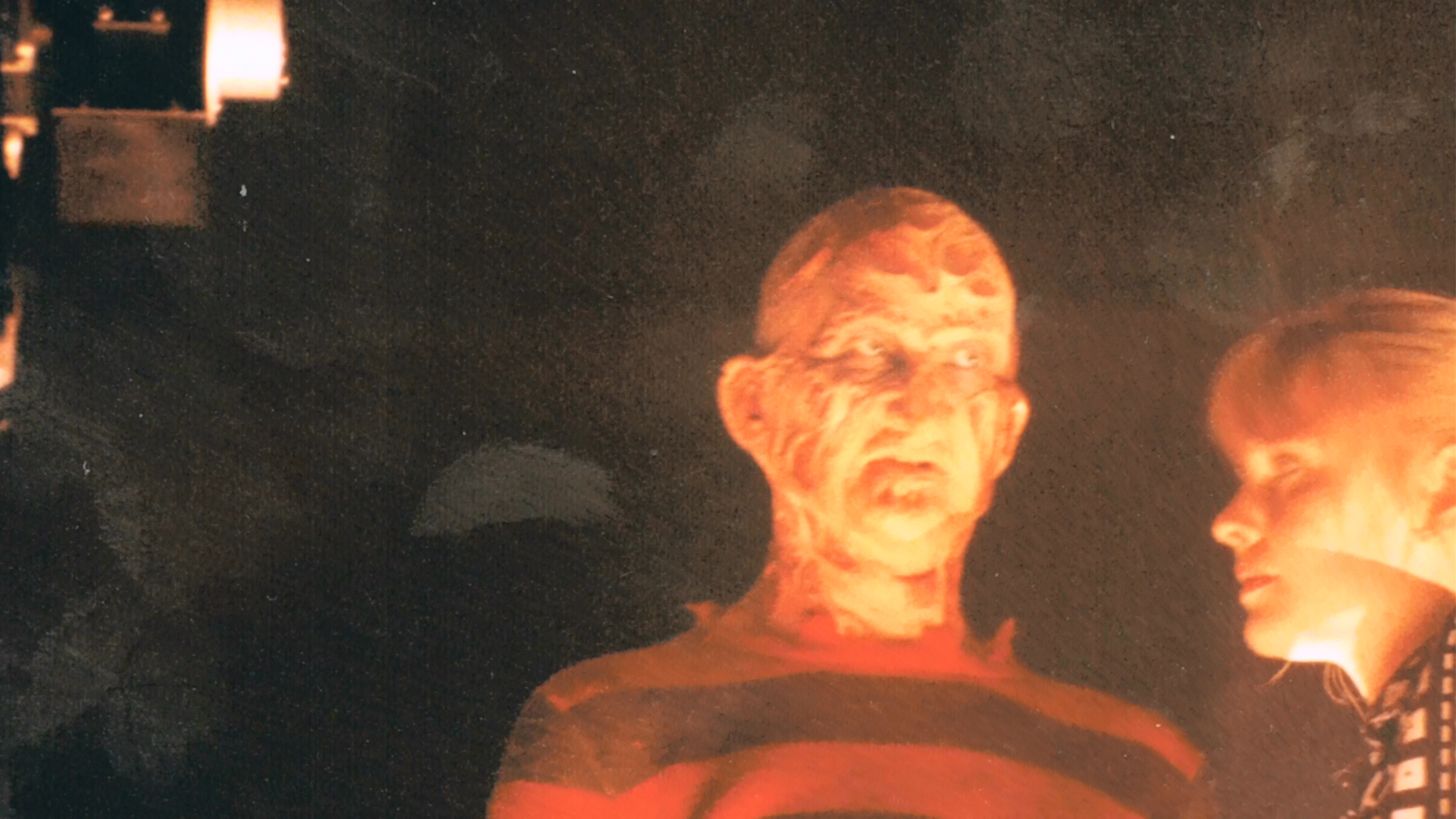
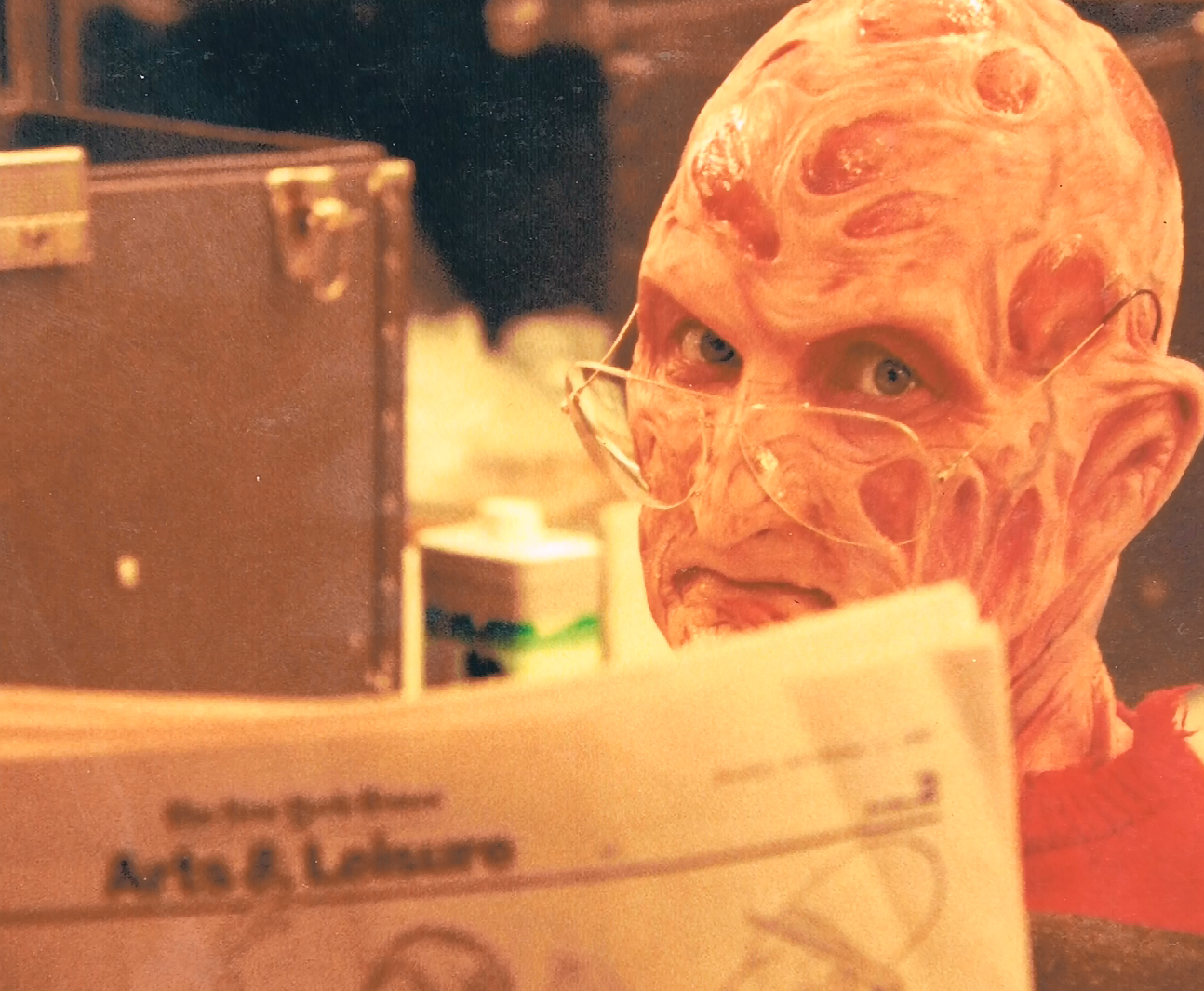
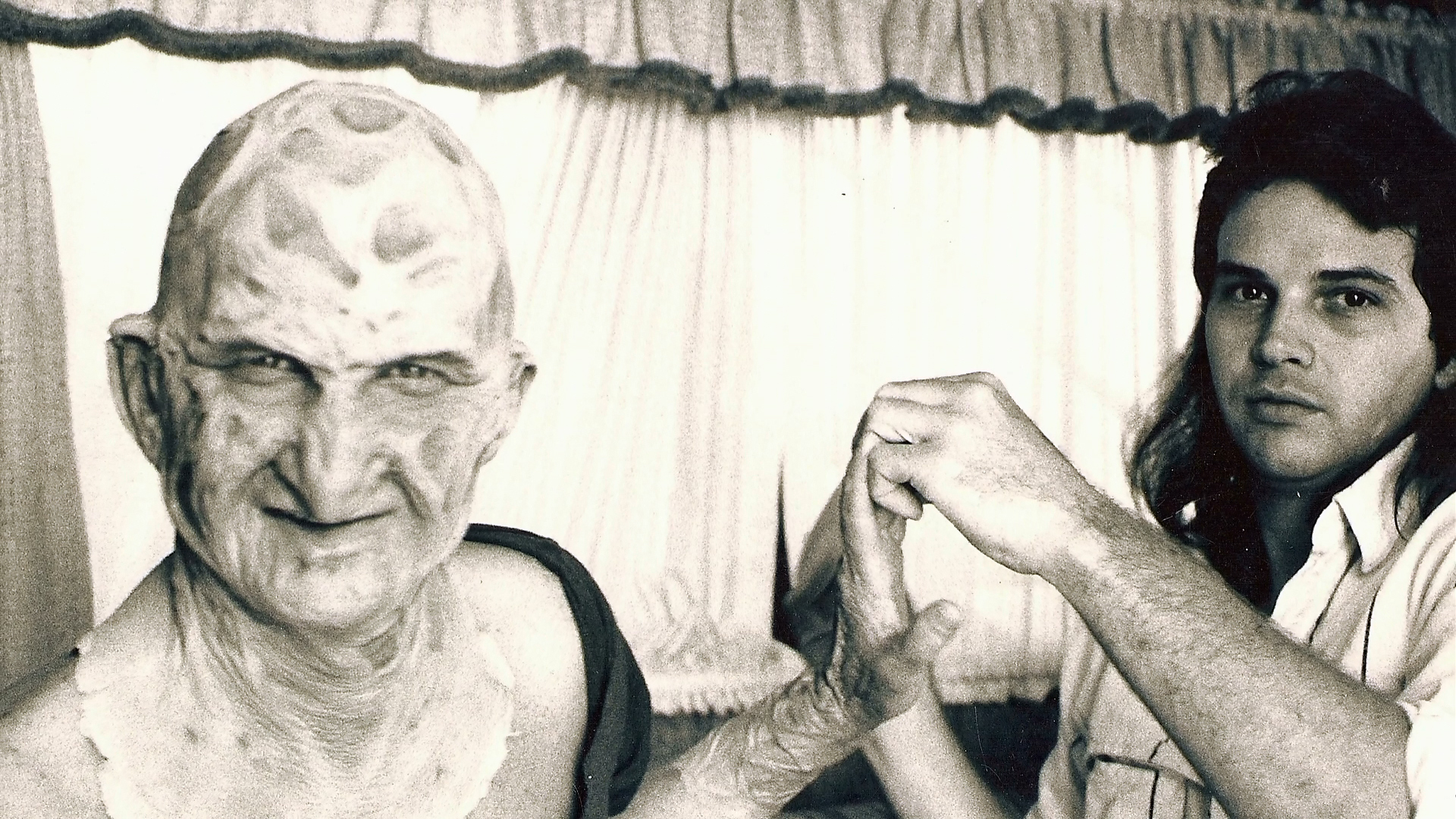
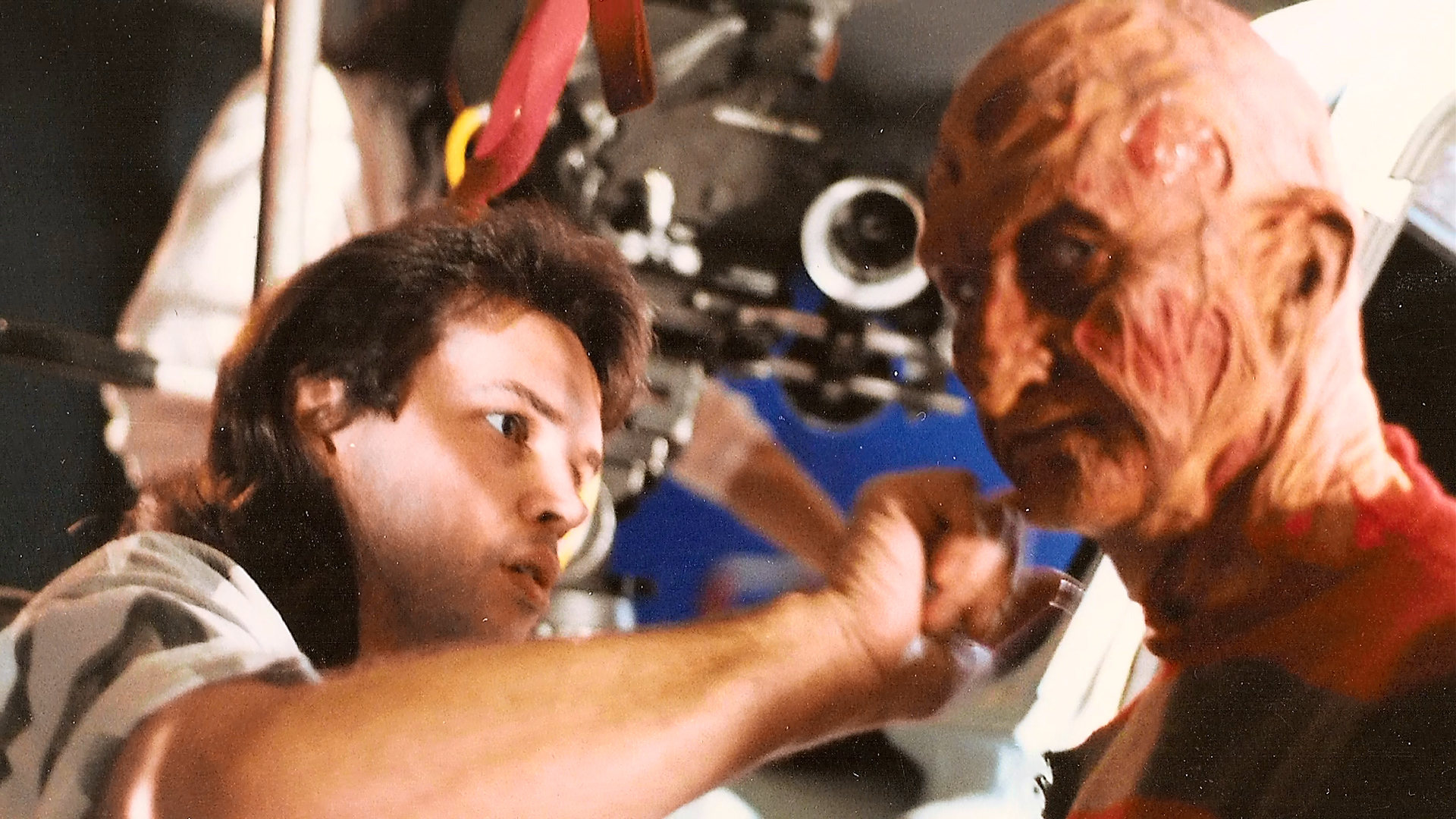
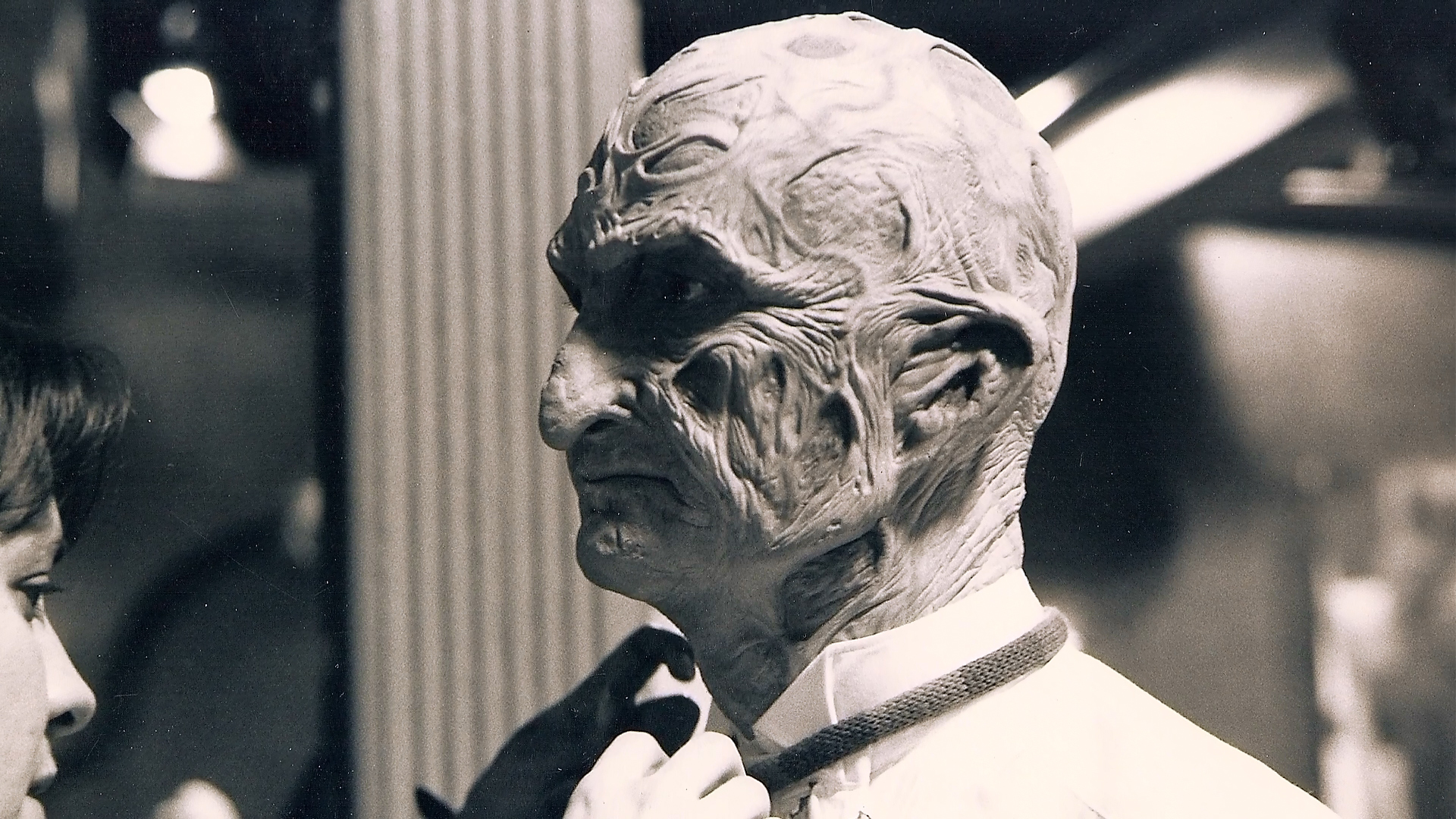
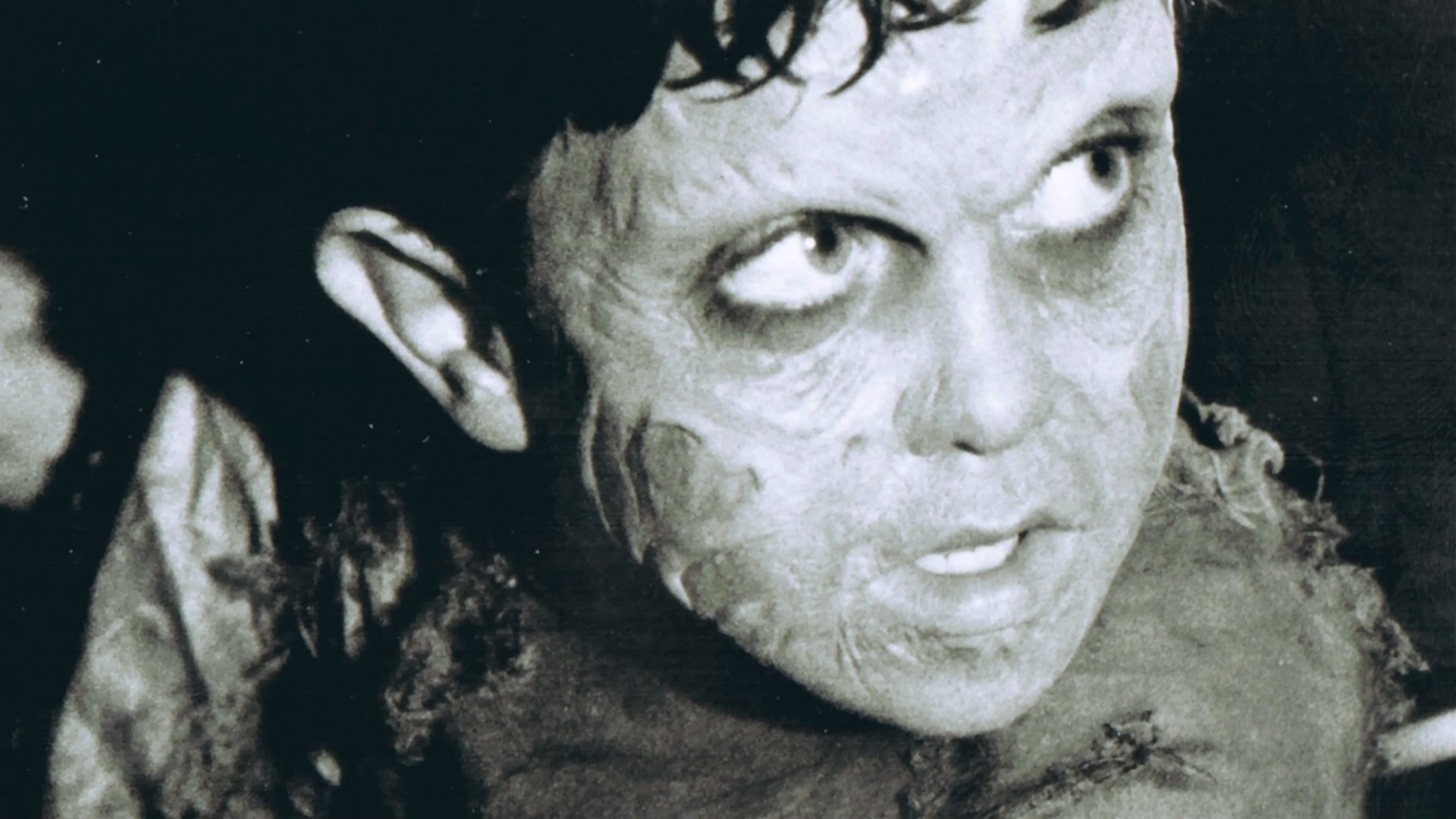
Kevin Yagher was expected to do Freddy's makeup again but could not fit it into his schedule. David Miller, who designed the original 1984 makeup and had won the bid for the baby Freddy sequence, took over on condition that he could move the look back toward his first design. He cut the makeup to three pieces and aged Freddy with sunken eyes, droopier skin and a double chin.
The MPAA first gave the film an X rating until two graphic scenes were cut. Hopkins said Greta's death alone went back to the ratings board about 20 times. In 1990 he said New Line and the MPAA cut the guts out of it, turning an OK film into a total embarrassment he could no longer watch.
Greta’s dinner-death sequence was filmed in reverse story order, gradually reducing Erika Anderson’s swollen-cheek appliances instead of repeatedly rebuilding the makeup.
Alan Munro, fresh off Beetlejuice, supervised the visual effects. He said the team aimed for a Gothic, stylized look instead of gore, and that if a gag was good they would not worry about whether it was original.
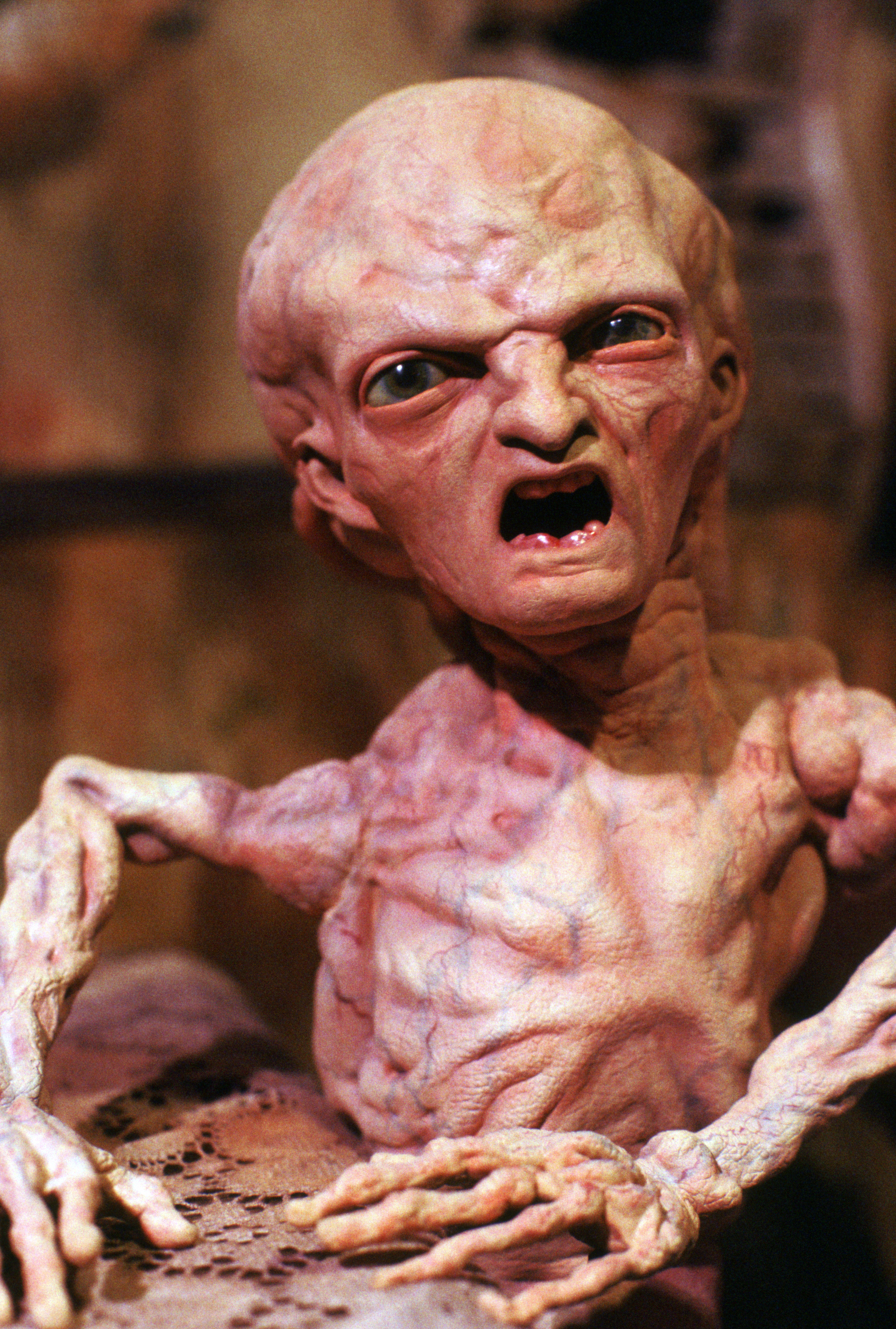
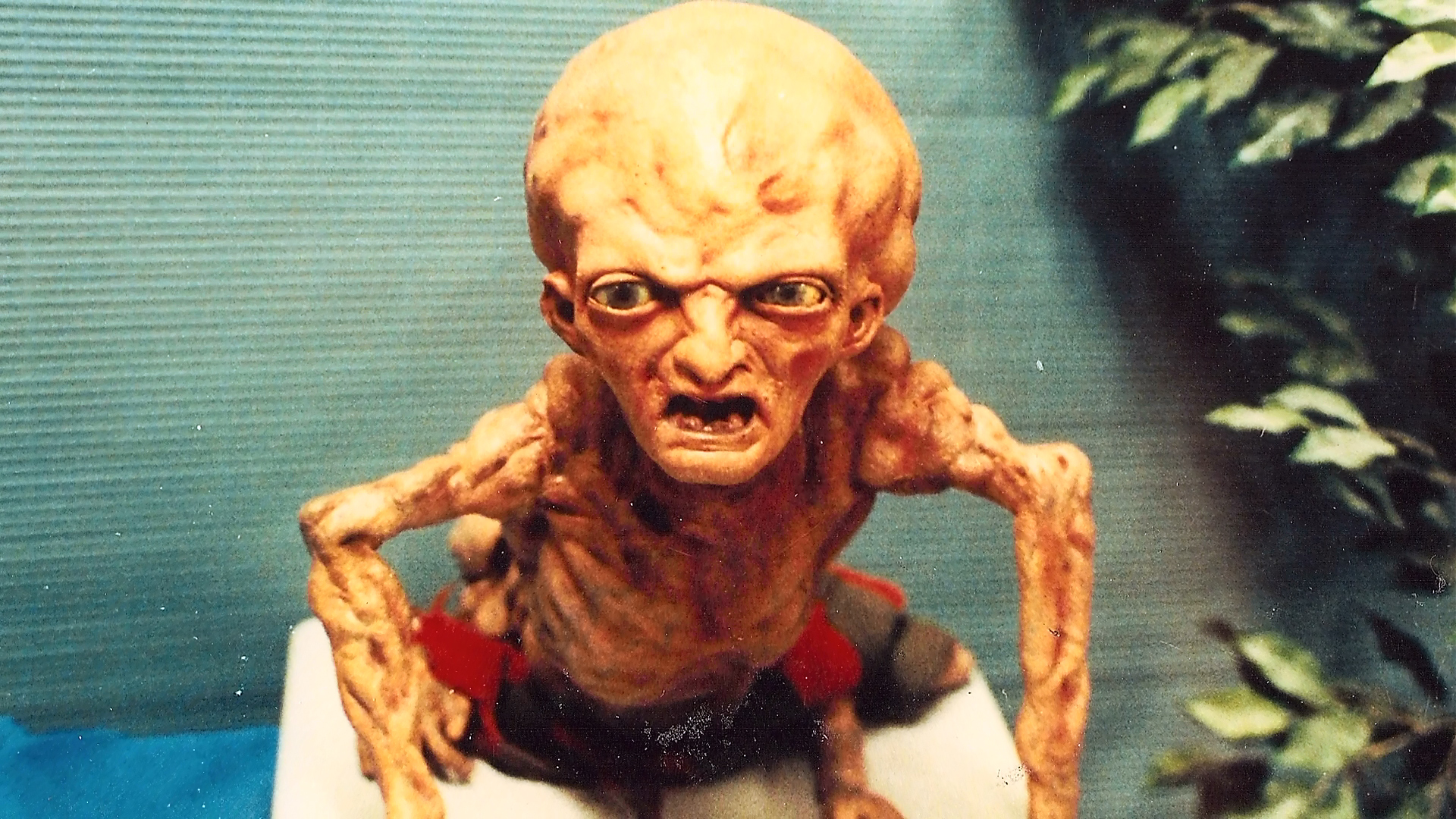
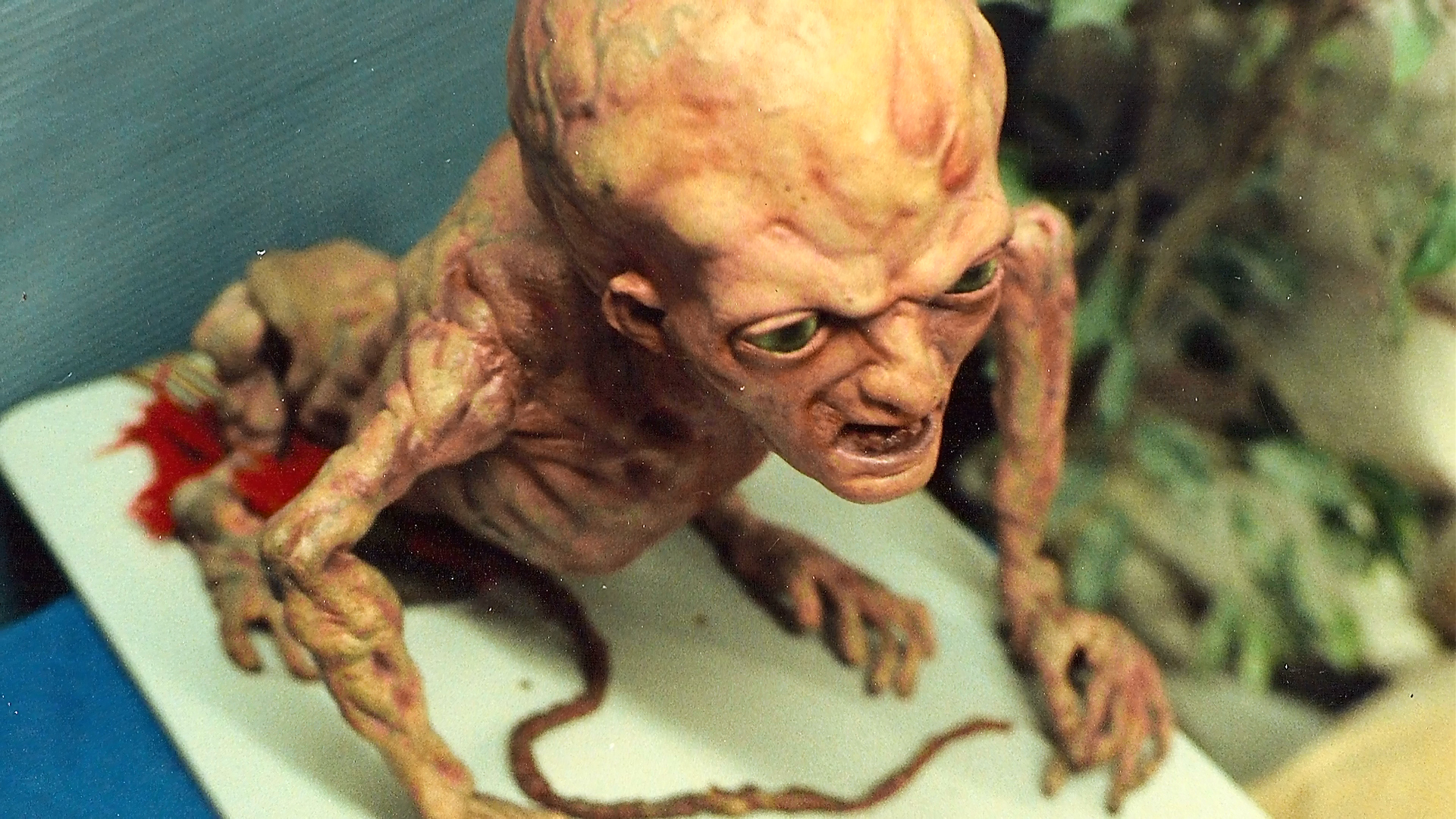
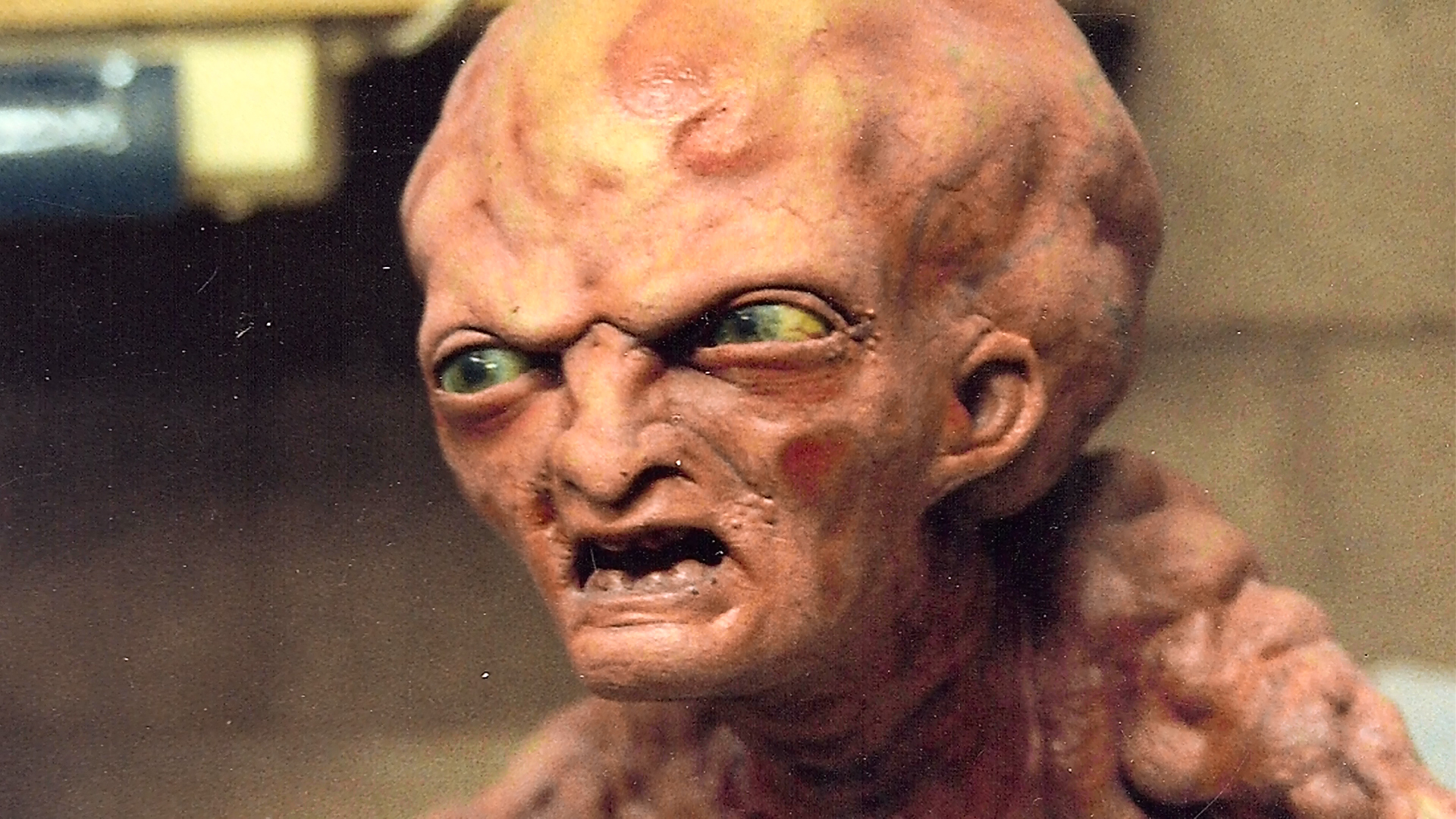
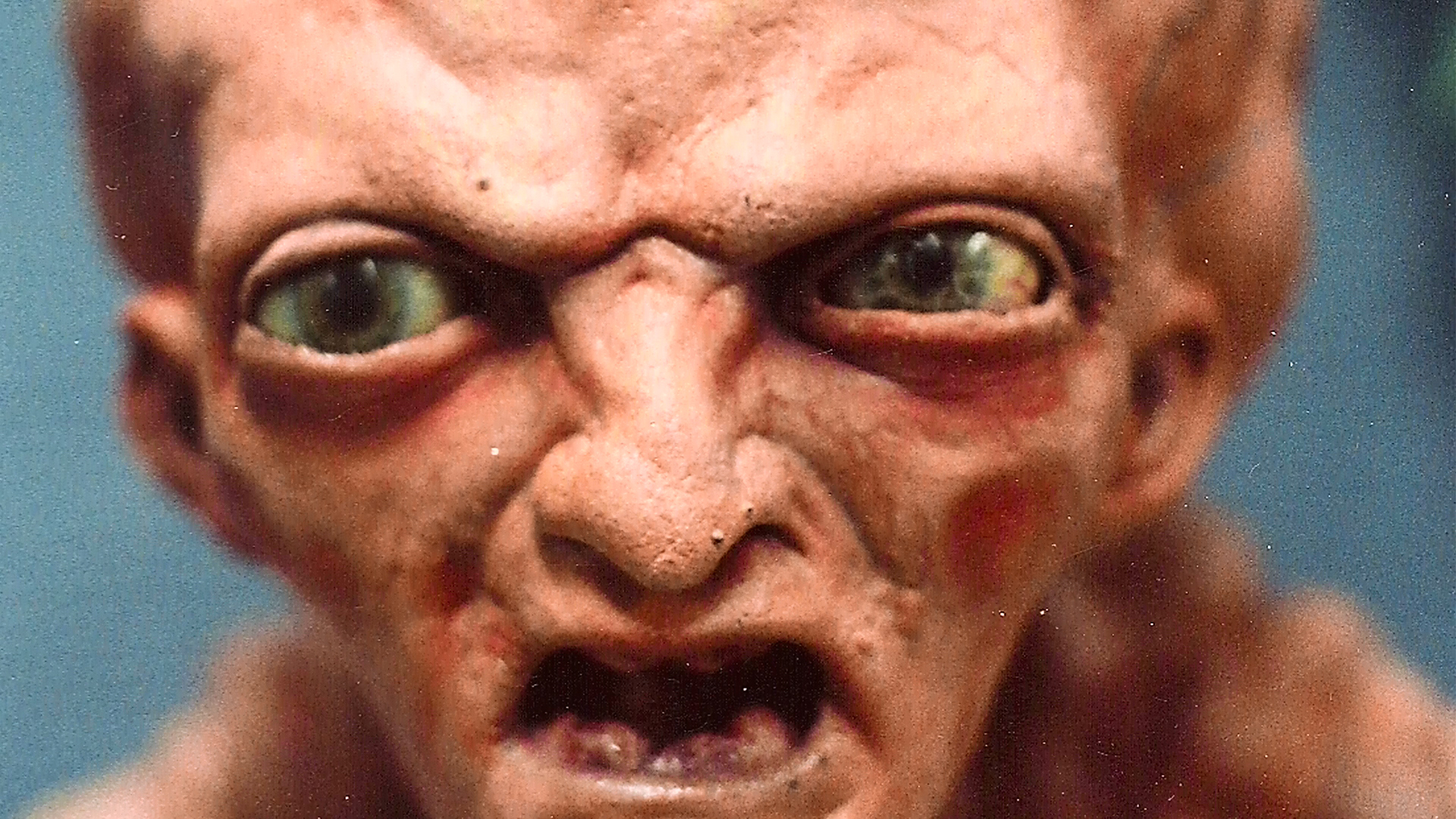
David Miller's baby Freddy is a hand and rod puppet with radio-controlled facial features for its screams. AFI adds that Miller recorded its movements into a motion control computer so they could be played back for each take. For the movement under a blanket, Miller first tried a bulldog, which was too frisky, then a kitten, which kept curling up and falling asleep.
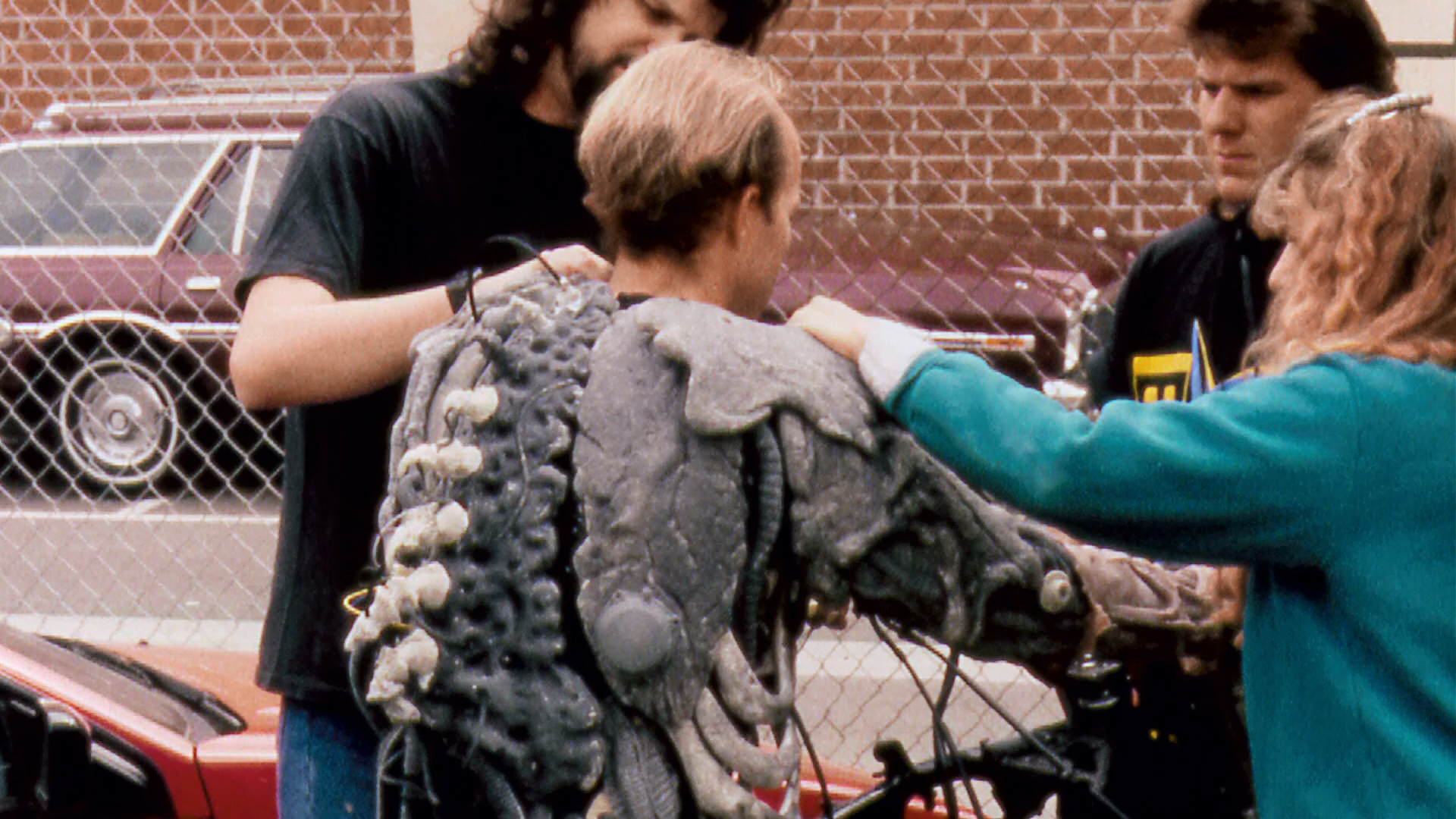
R. Christopher Biggs took apart a Yamaha V Max and molded about 25 pieces for the Freddy motorcycle. Dan's metal suit was foam construction sanded to texture, with sculpted hands and feet.
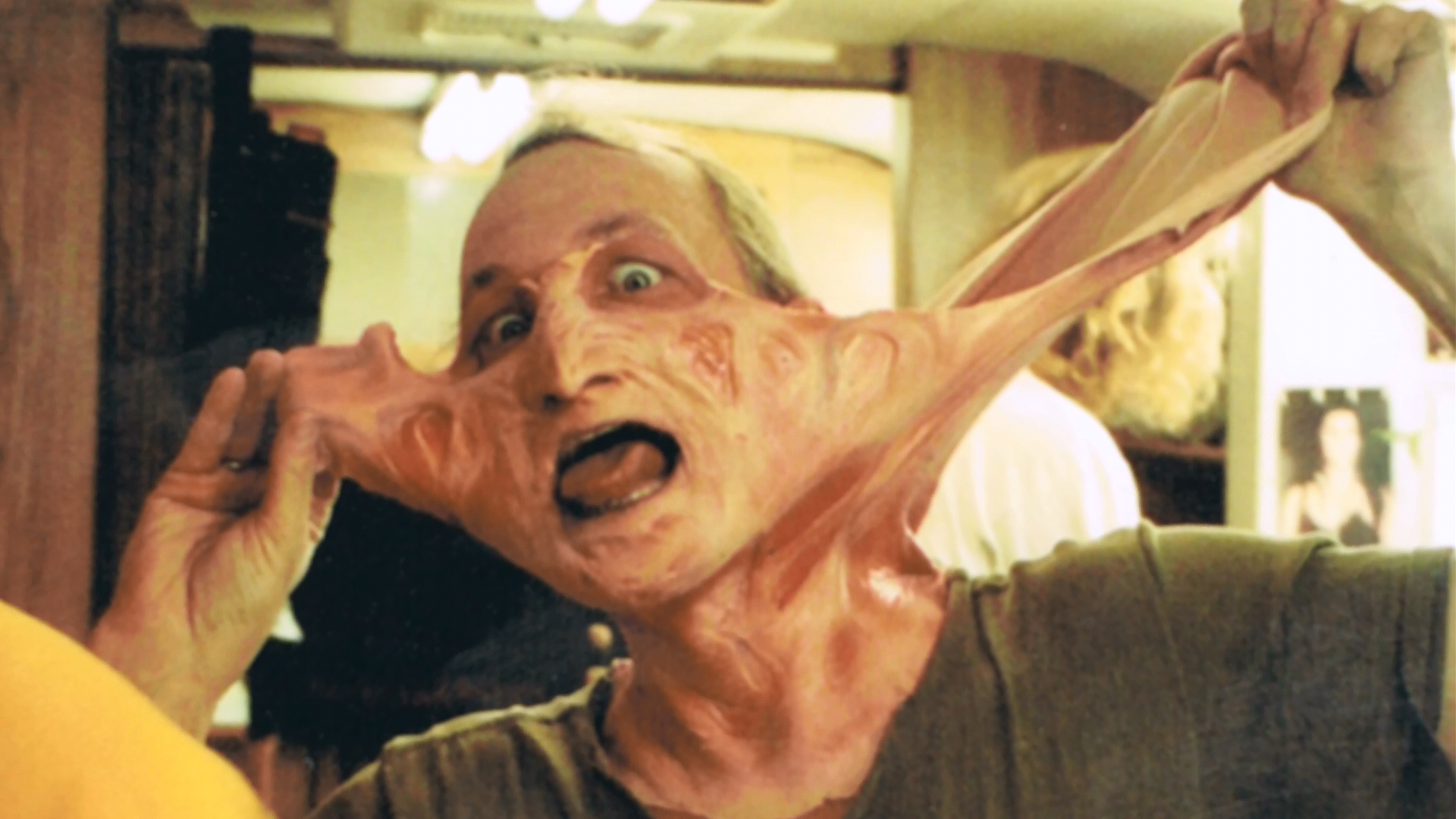
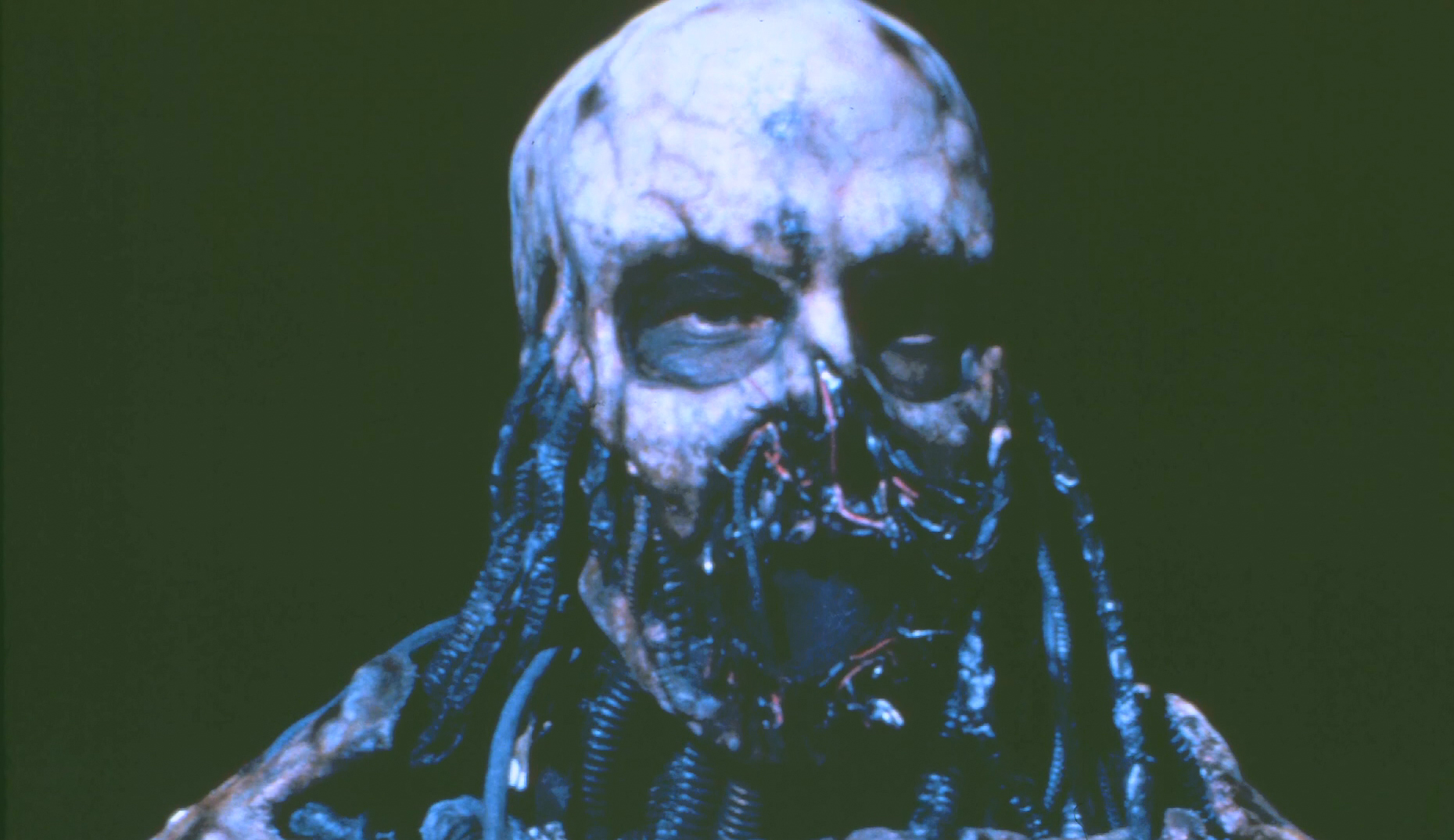
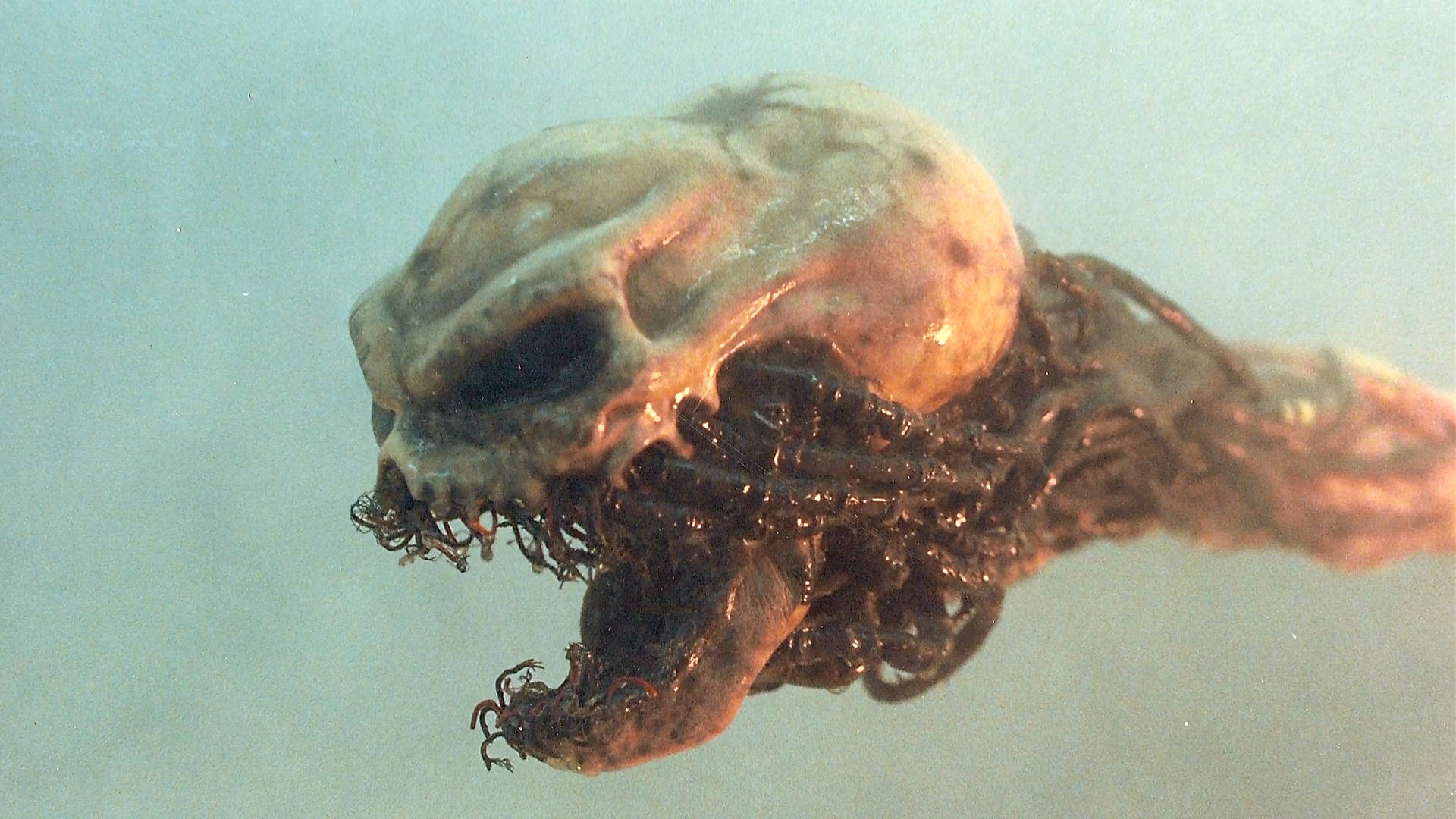
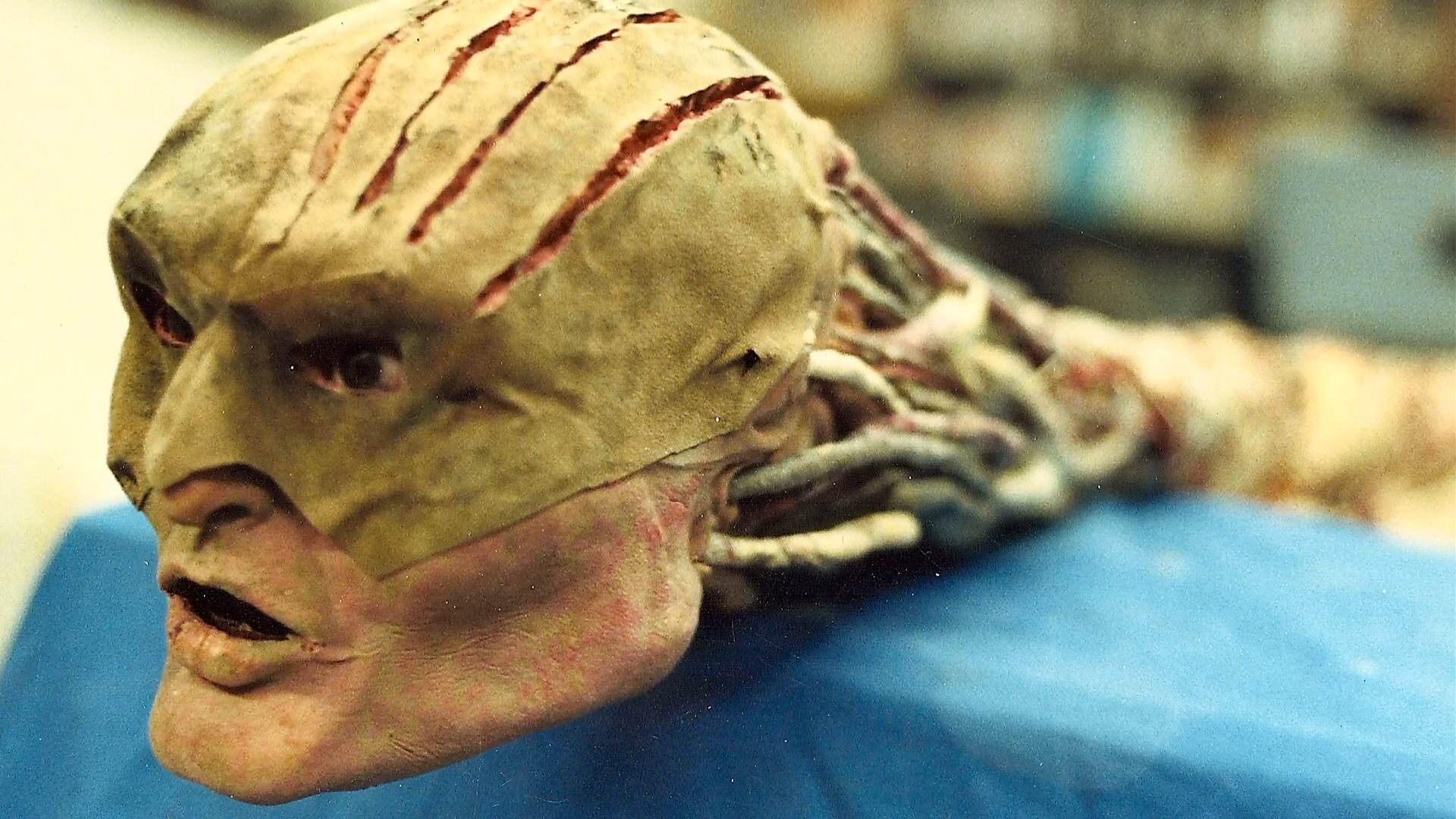
KNB EFX (Robert Kurtzman, Greg Nicotero and Howard Berger) put Freddy makeup on Lisa Wilcox and sculpted three stretched, distorted Freddy heads. The camera pans on one head, cuts, and the next head continues the stretch as Freddy tries to break out of Alice.
Todd Masters worked with Alan Munro on the prosthetic appliances, including Greta's.
Rick Lazzarini built the Freddy fetus for the womb scenes. Doug Beswick Productions handled more of the dream effects.
AFI's end credits list several effects companies working at once: David Miller Studio, Visual Concept Engineering, KNB Effects Group, Todd Masters Company, Doug Beswick Productions, Eddie Paul Productions, David Stipes Productions for matte paintings, and Cinema Research Corporation for opticals.
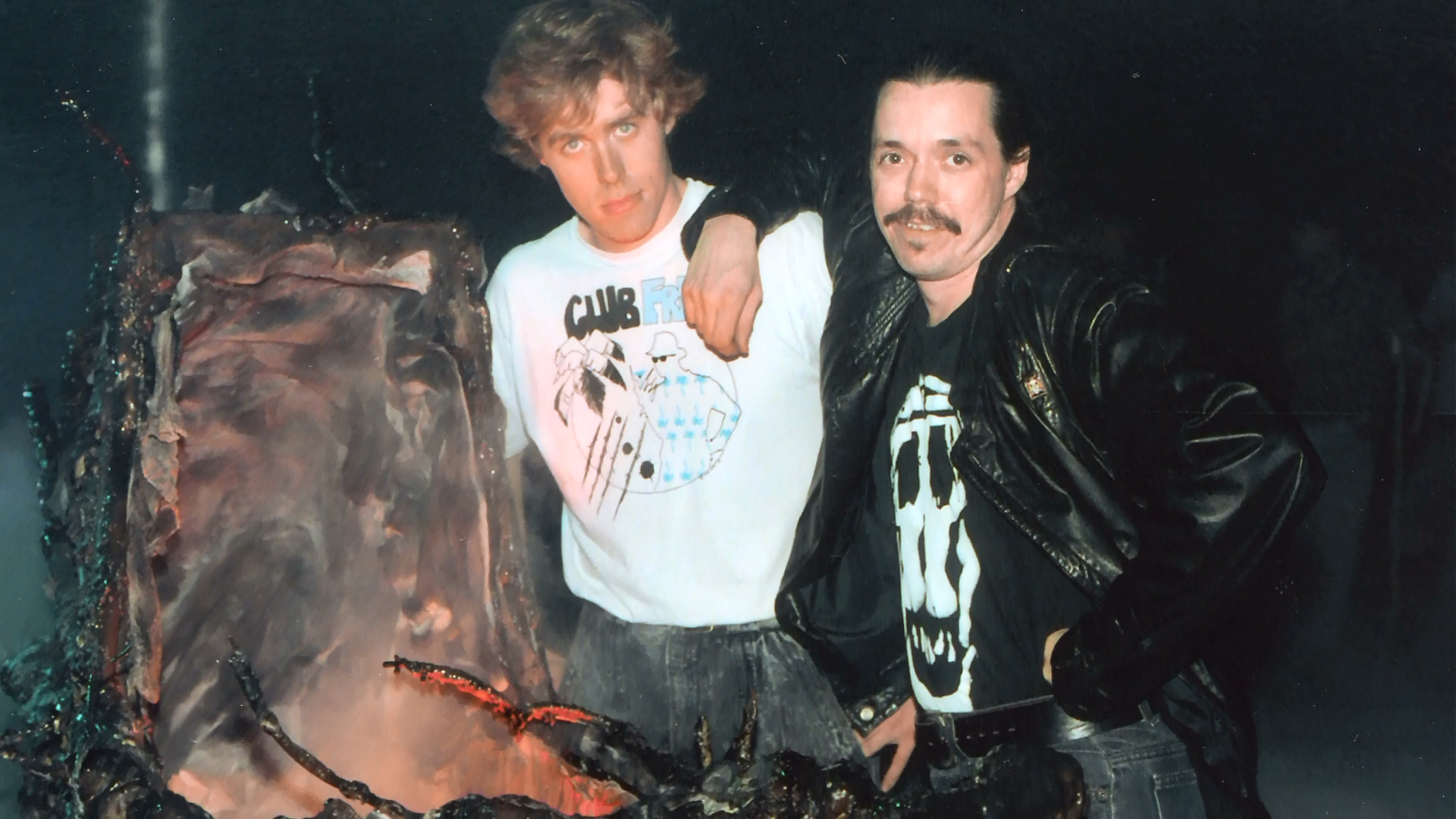
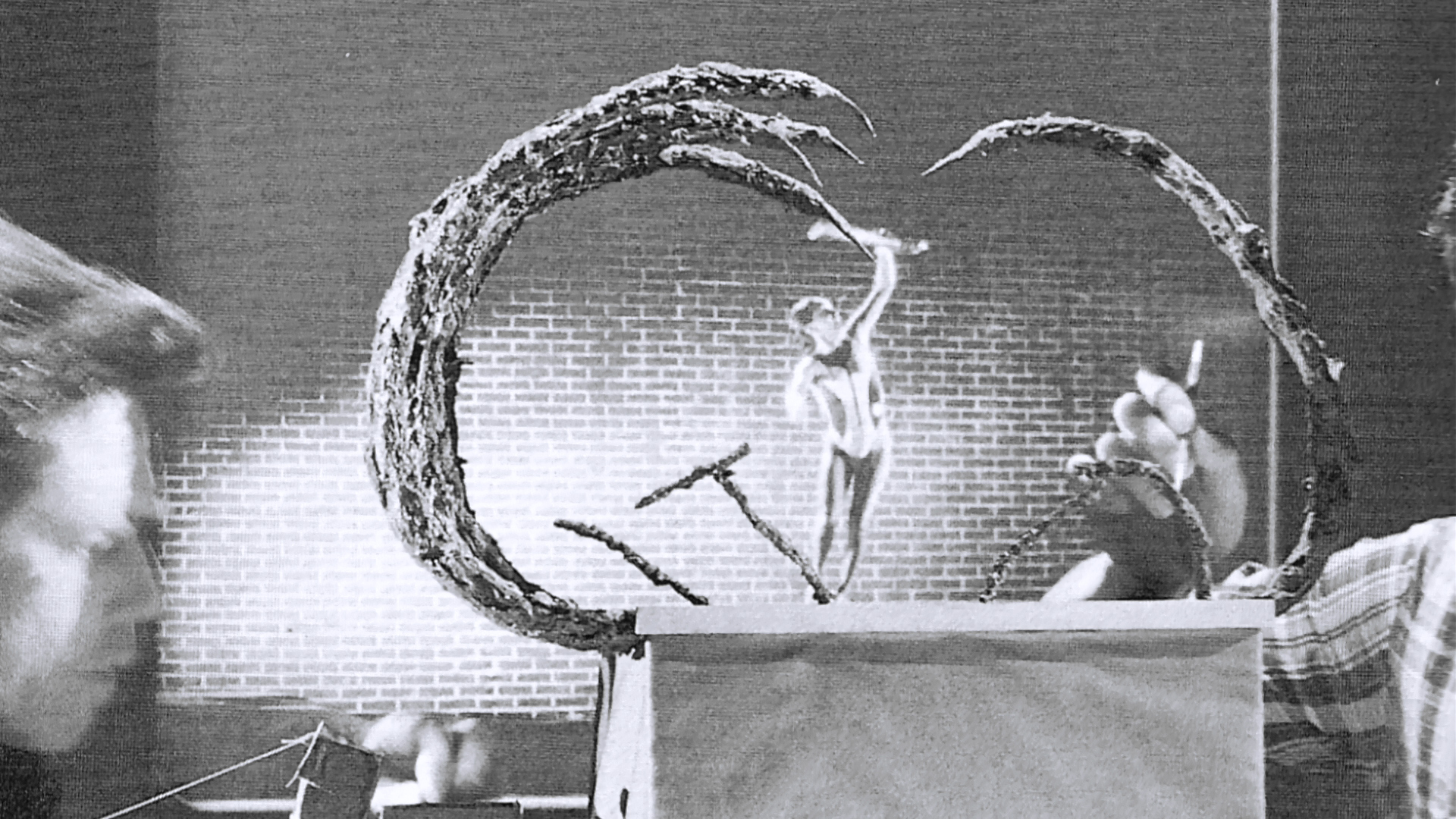
The Dream Child used miniature character faces and a remote-controlled Freddy Baby puppet for the climax.
Dan's motorcycle transformation and Greta's dinner death were repeatedly trimmed for the MPAA; the later uncut restoration preserves more of the practical transformation/gore work.
David B. Miller returned to Freddy after the original film and reduced the makeup to a three-piece application while steering the face back toward his 1984 design; contemporary production coverage described the revised application as substantially faster than the previous multi-piece version.
Baby Freddy used radio-controlled facial features plus hand- and rod-puppet operation for head, arm and leg movement. The revised finale also used small mechanical/miniature faces bursting from Freddy's back, combining makeup, puppetry and mechanical effects.
R. Chris Biggs dismantled a Yamaha V Max and molded approximately twenty-five pieces for the Freddy motorcycle. The rider suit used shaped foam construction with sculpted hands and feet.
KNB made a Freddy makeup for Lisa Wilcox and three successively distorted Freddy heads. Cuts between camera moves allowed the emerging head to keep stretching without one continuously transforming mechanism.
David Miller recalled testing a bulldog and then a kitten beneath the blanket for an early movement in the birth sequence; the dog was too active, while the kitten tended to fall asleep.
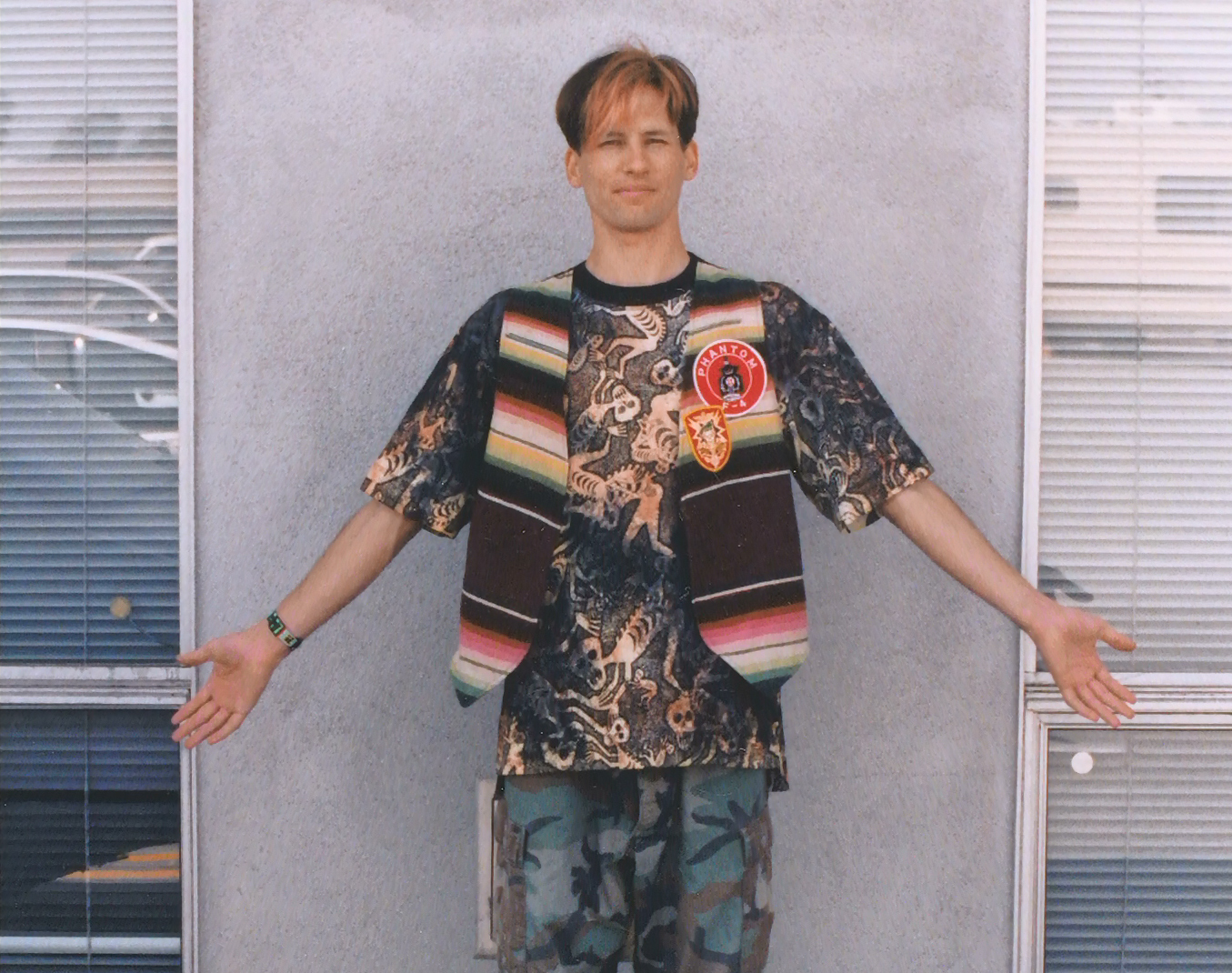
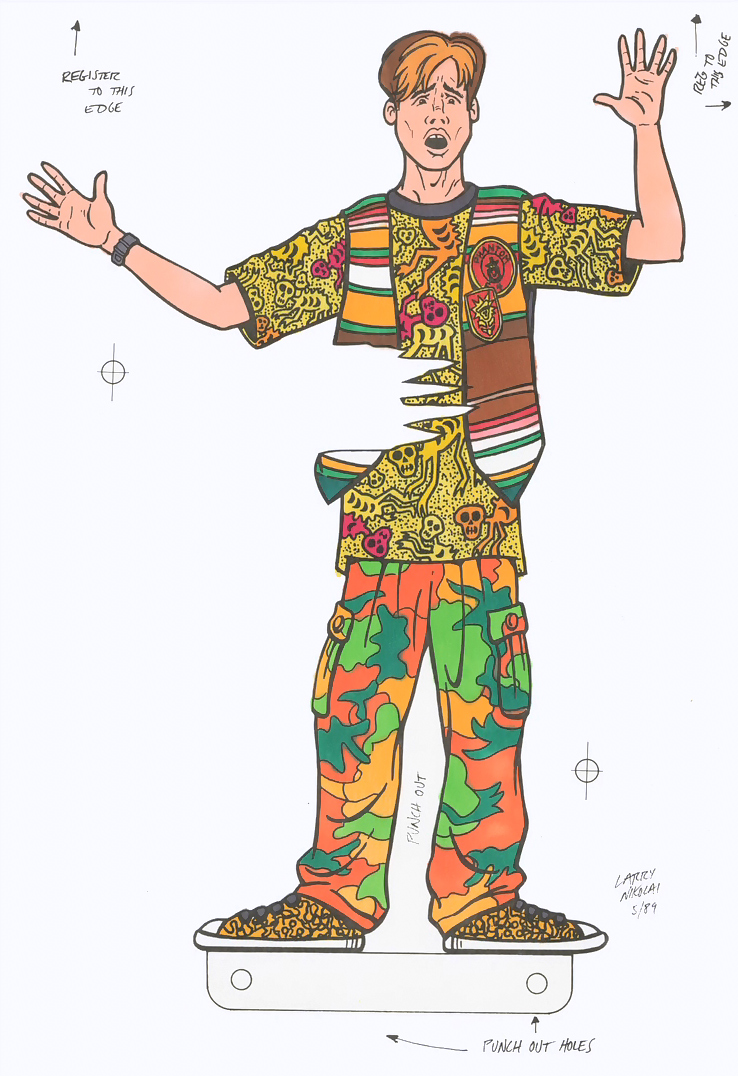
Sara Markowitz designed the costumes. Joe Seely said he wanted Mark to look gothic but was given dyed blond hair and bright vests to complement Erika Anderson. He also needed extra makeup to read brighter in the black-and-white comic world.
Mark's comic book in the film is called Nightmares from Hell, and his superhero is the Phantom Prowler.
The production added Baby Freddy as a dedicated radio-controlled/rod puppet and built specialized mechanical character pieces for the finale, including miniature face forms and the Dan/Freddy motorcycle effects components handled by separate effects crews.
1989 · production-made / screen-matched artifact
Jay Ferguson wrote the score. Varèse Sarabande released it on June 1, 1990 with 31 cues, including Prologue: Elm Street Kids, Main Title, It's a Boy, Freddy Delivers, Hell on Wheels, Stuffed/Choked (Gag Me with a Spoon), The Asylum, Super Freddy, Party at Club Fred, Amanda's Tune, St. Elm Street's Child and Womb with a V.U. Several cues use Charles Bernstein's original Nightmare theme. Fifteen more cues first came out in Varèse's 8-CD box set in 2015.
Jive Records released the song soundtrack in August 1989. Side one is metal and hard rock, side two mostly hip-hop: Bring Your Daughter... to the Slaughter (Bruce Dickinson), Heaven in the Back Seat (Romeo's Daughter), Savage (W.A.S.P.), Can't Take the Hurt (Mammoth), What Do You Know About Rock 'n' Roll (Slave Raider), Any Way I Gotta Swing It (Whodini), Now I Lay Me Down (Samantha Fox), Let's Go (Kool Moe Dee), Word Up Doc! (Doctor Ice) and Livin' in the Jungle (Schoolly D). The Companion lists Romeo's Daughter first and Dickinson second.
Bruce Dickinson of Iron Maiden wrote Bring Your Daughter... to the Slaughter for the film, and it was produced by Chris Tsangarides. Jive issued it as a single in 1989. Iron Maiden's own recording became the band's only UK number one single in December 1990.
Heaven in the Back Seat was written by Robert John Lange and C. Joiner and produced by Lange. Jive's 1989 CD single came with a cardboard Freddy glove insert.
Whodini's Any Way I Gotta Swing It video appeared on the 1990 VHS release and on the 1999 Nightmare box set.
2025-09-30 · 4K Ultra HD
1990 · LaserDisc
1989 · film novelization collection
1992 · hardcover film adaptation
NECA · licensed action figure
NECA · action figure
NECA · SDCC exclusive clothed action figure
Rotten Tomatoes Classic Trailers
Warner Bros. Entertainment